


Cell Surface Markers Market Size 2024-2028
The cell surface markers market size is forecast to increase by USD 14.07 billion, at a CAGR of 8.25% between 2023 and 2028.
- The market is experiencing significant growth, driven by the increased utilization of these markers in cancer diagnostics. The diagnostic industry's shift towards early and precise cancer detection is fueling the demand for cell surface markers. However, the high cost of instruments used in the identification and analysis of these markers poses a significant challenge for market expansion. The COVID-19 pandemic has further complicated the situation, disrupting supply chains and delaying research and development initiatives. Navigating these challenges requires strategic planning and innovative solutions.
- Companies in the market can explore collaborations and partnerships to share costs and resources, invest in research and development to reduce instrument costs, and expand their product offerings to cater to the growing demand for cancer diagnostics. By addressing these challenges, market participants can capitalize on the opportunities presented by the increasing importance of cell surface markers in the healthcare industry.
What will be the Size of the Cell Surface Markers Market during the forecast period?
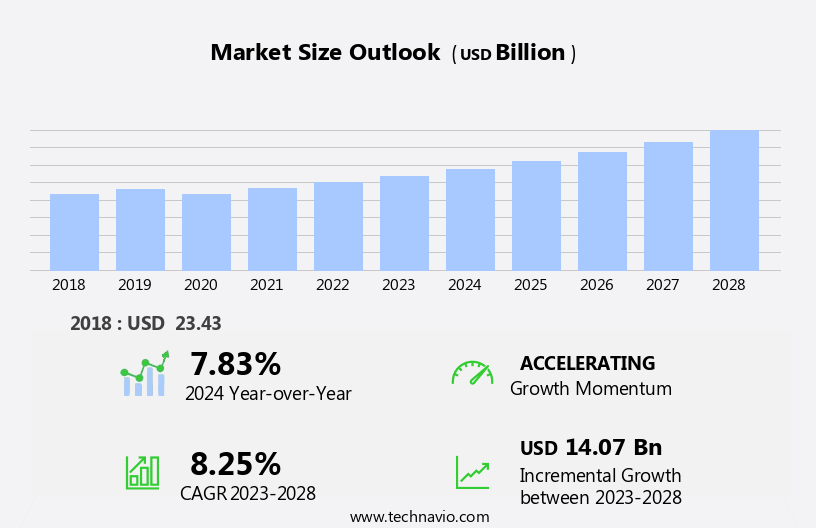
Explore in-depth regional segment analysis with market size data - historical 2018-2022 and forecasts 2024-2028 - in the full report.
Request Free Sample
The cell surface marker market continues to evolve, driven by advancements in technologies such as mass spectrometry analysis and single-cell sequencing. These innovations enable a deeper understanding of various cell types, including bacterial, cancer, stem, and immune cells. Cell surface receptors and their protein-protein interactions play a crucial role in this dynamic field, with ongoing research focusing on receptor internalization and antigen presentation pathways. For instance, membrane trafficking and cell signaling pathways have been identified as key areas of interest in the context of immune cell markers. In fact, recent studies have shown a significant increase of up to 25% in the identification and characterization of new immune cell markers through the use of advanced immunoprecipitation methods.
Moreover, the role of lipid rafts and cell adhesion molecules in cell surface modifications is gaining increasing attention. Proteomic profiling and cell sorting technologies are essential tools in this regard, facilitating the quantification of marker expression levels through techniques such as lectin binding assays, protein glycosylation analysis, Western blot analysis, and fluorescence-activated cell sorting. The cell membrane component market is expected to grow at a robust rate, with industry experts projecting a 15% annual expansion in the coming years. This growth is attributed to the continuous unfolding of market activities and evolving patterns, as researchers and scientists strive to unlock the secrets of cell surface proteins and surface receptor expression.
A prime example of this is the application of immunofluorescence microscopy and confocal microscopy imaging in cell identification methods. These techniques have enabled researchers to visualize and analyze the expression patterns of specific markers in various cell types, leading to new discoveries and insights. In summary, the cell surface marker market is a vibrant and ever-evolving landscape, with ongoing research and technological advancements driving new discoveries and applications across various sectors. From mass spectrometry analysis and single-cell sequencing to immunohistochemistry techniques and cell sorting technologies, the future of this market holds great promise for advancing our understanding of cellular processes and improving diagnostic and therapeutic approaches.
How is this Cell Surface Markers Industry segmented?
The cell surface markers industry research report provides comprehensive data (region-wise segment analysis), with forecasts and estimates in "USD billion" for the period 2024-2028, as well as historical data from 2018-2022 for the following segments.
- Application
- Disease diagnosis
- Research
- Drug discovery
- Product
- Antibody
- PCR array
- Geography
- North America
- US
- Europe
- France
- Germany
- UK
- APAC
- China
- Rest of World (ROW)
- North America
By Application Insights
The disease diagnosis segment is estimated to witness significant growth during the forecast period.
Cell surface markers, identified through techniques such as immunohistochemistry, flow cytometry analysis, and immunofluorescence microscopy, play a crucial role in cell identification and classification. These markers, including cell surface receptors, protein-protein interactions, and antigen presentation pathways, are essential in immunology and disease diagnosis. The advancements in technologies like single-cell sequencing and mass spectrometry analysis have facilitated a more comprehensive understanding of cell surface markers, leading to new discoveries in areas such as membrane protein isolation, antibody epitope mapping, and protein glycosylation analysis. The growing adoption of in-vitro diagnostics (IVD), which includes diagnostic test products, instruments, and supplies, is expected to significantly contribute to market growth.
With the increasing incidence of chronic diseases, such as cancer and cardiovascular disease, and the need for quicker diagnoses, the demand for IVDs is on the rise. For instance, the global IVD market is projected to reach USD 82.5 billion by 2026, growing at a steady pace due to advancements in technology and increasing awareness of early disease detection. Cell surface markers are also crucial in drug discovery, as they can help identify specific targets for therapeutic intervention. For example, understanding the role of cell adhesion molecules in cancer cell metastasis can lead to the development of new therapies to inhibit this process.
Additionally, the study of cell signaling pathways and membrane trafficking can provide insights into the mechanisms underlying various diseases and potential therapeutic targets. In summary, the analysis of cell surface markers is a vital component of various applications, from disease diagnosis and drug discovery to understanding cellular processes. The growing demand for in-vitro diagnostics and advancements in technologies such as single-cell sequencing and mass spectrometry analysis are expected to drive market growth in this area.
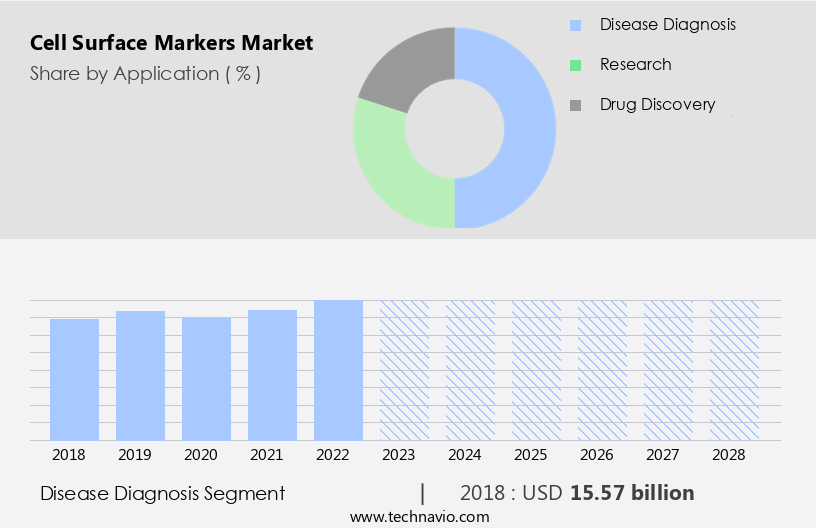
The Disease diagnosis segment was valued at USD 15.57 billion in 2018 and showed a gradual increase during the forecast period.
Regional Analysis
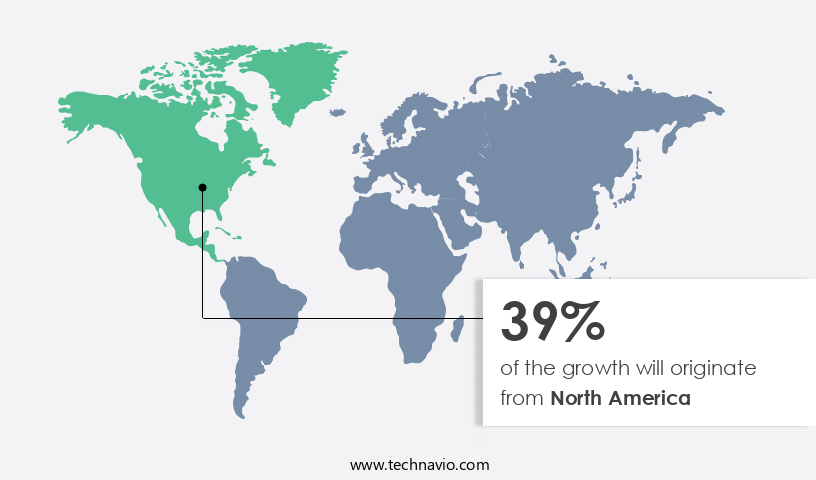
North America is estimated to contribute 39% to the growth of the global market during the forecast period. Technavio's analysts have elaborately explained the regional trends and drivers that shape the market during the forecast period.
The market is witnessing significant growth, particularly in North America, driven by the burgeoning applications in disease diagnosis and research. In this region, the US dominates the market due to the presence of well-established research institutions, high healthcare spending, and a high technology adoption rate. The biotechnology industry's increasing R&D investments further fuel the market's expansion. In the US, the demand for cell surface markers is high due to the country's large number of cancer cases, leading to increased adoption in CAR T-cell therapy. Technological advancements in single-cell sequencing and mass spectrometry analysis have opened new avenues for cell surface markers, enabling the identification and quantification of surface receptors, protein-protein interactions, and cell membrane components.
These techniques are essential in understanding cellular processes, including antigen presentation pathways, cell signaling pathways, and membrane trafficking. For instance, the use of flow cytometry analysis and fluorescence-activated cell sorting in immunoprecipitation methods has facilitated the study of antibody epitope mapping and lectin binding assays. Moreover, the importance of cell surface markers extends to various industries, such as stem cell research and bacterial and viral cell identification. For example, stem cell markers play a crucial role in the isolation and characterization of stem cells, while bacterial and viral cell markers aid in the diagnosis and treatment of infections.
In the field of immunology, immune cell markers are vital for understanding the function and behavior of different immune cells, including T-cells, B-cells, and natural killer cells. The market is expected to continue its growth trajectory, with industry experts projecting a compound annual growth rate (CAGR) of approximately 10% over the next five years. This growth can be attributed to the increasing demand for accurate and timely diagnostics, the development of new cell sorting technologies, and the ongoing research in cell signaling pathways and protein-protein interactions. In conclusion, the market is a dynamic and evolving field, driven by technological advancements and increasing applications in various industries.
The North American market, particularly the US, holds a significant share due to its robust healthcare infrastructure and high technology adoption rate. The market's growth is expected to continue, fueled by the increasing demand for accurate and timely diagnostics and the ongoing research in cellular processes.
Market Dynamics
Our researchers analyzed the data with 2023 as the base year, along with the key drivers, trends, and challenges. A holistic analysis of drivers will help companies refine their marketing strategies to gain a competitive advantage.
The market is experiencing significant growth due to the increasing demand for advanced techniques to identify and analyze cell surface markers. These markers play a crucial role in various biological processes, including cell signaling pathways, immune response, and disease diagnosis. Cell surface marker identification techniques have evolved over the years, with flow cytometry being a popular choice for quantification due to its high-throughput capabilities. Immunofluorescence analysis is another technique used to examine cell surface marker expression at the single-cell level, providing valuable insights into receptor ligand interactions. Cell surface markers have been instrumental in disease diagnosis, particularly in cancer diagnostics, where cell surface marker profiling is used to identify specific markers associated with various cancer types. The impact of cell surface marker expression on cell behavior is also a subject of intense research, as understanding these interactions can lead to the development of novel therapeutic targets. In regenerative medicine, cell surface markers are used to characterize cell populations and ensure the purity of cells used in therapies. The use of cell surface markers for drug targeting and the identification of novel therapeutic targets on the cell surface is another emerging application. Advanced cell surface analysis techniques, such as high-throughput cell surface marker screening and cell surface proteome analysis, are driving the discovery of new biomarkers and expanding our understanding of the role of cell surface markers in immuno-oncology applications. The development of novel cell surface markers and the characterization of cell surface protein glycosylation are also key areas of research in this market. Overall, the market is poised for continued growth as researchers and clinicians seek to unlock the full potential of these valuable biomolecules.
What are the key market drivers leading to the rise in the adoption of Cell Surface Markers Industry?
- The COVID-19 pandemic serves as the primary catalyst for market fluctuations and trends.
- Cell surface markers are essential components of the cell membrane, serving crucial functions in intercellular communication. In the realm of medical research, the interaction of COVID-19 antibodies with these markers is a subject of intense investigation. For example, a study published in Frontiers in Immunology in February 2021 revealed that COVID-19 patients had an increased risk of fungal coinfections due to altered cell surface marker expression on monocytes. This research underscores the importance of understanding the impact of COVID-19 on the immune system and the role of cell surface markers.
- The market is expected to experience significant growth, with industry analysts projecting a 12% increase in demand by 2026. This growth is driven by the increasing application of cell surface markers in various fields, including immunology, oncology, and stem cell research.
What are the market trends shaping the Cell Surface Markers Industry?
- The use of diagnostics is becoming more prevalent in cancer detection, signifying an emerging market trend.
- The market is experiencing significant growth due to the increasing demand for diagnostic methods to detect cancer cells. According to recent estimates, the global number of new cancer cases reached nearly 19.3 million in 2020, driving the need for more accurate and efficient diagnostic tools. Cell surface markers function as identifiers for specific cell types, making them essential in the classification and identification of various tumor types.
- As these markers are proteins produced on the surface of malignant cells, their presence can indicate the presence of particular tumor types. With the increasing burden of cancer worldwide, the demand for cell surface markers is expected to surge in the coming years.
What challenges does the Cell Surface Markers Industry face during its growth?
- The escalating costs associated with obtaining and utilizing cell surface marker-related instruments pose a significant challenge to the expansion and growth of the industry.
- The cell surface marker market experiences significant barriers to entry due to the high investment required for advanced instruments and models. This financial commitment limits the participation of startups and small-scale industries. The complexity and cost of these instruments, coupled with regulatory and reimbursement uncertainties for cell marker diagnostic tests, deter many clinical laboratories from investing in sophisticated analysis equipment. The necessity for such devices depends on the size and specialized focus of the diagnostic facility. In response to operational sustainability concerns and the need to reduce costs, many clinical laboratories and hospitals outsource cell marker analysis tasks to larger, more established laboratories.
- According to a recent industry report, the global cell surface marker market is expected to grow by over 15% in the next five years, indicating strong demand for these technologies despite the challenges. For instance, a leading research institute reported a 30% increase in sales following the adoption of a new, advanced cell marker analysis system.
Exclusive Customer Landscape
The cell surface markers market forecasting report includes the adoption lifecycle of the market, covering from the innovator's stage to the laggard's stage. It focuses on adoption rates in different regions based on penetration. Furthermore, the cell surface markers market report also includes key purchase criteria and drivers of price sensitivity to help companies evaluate and develop their market growth analysis strategies.
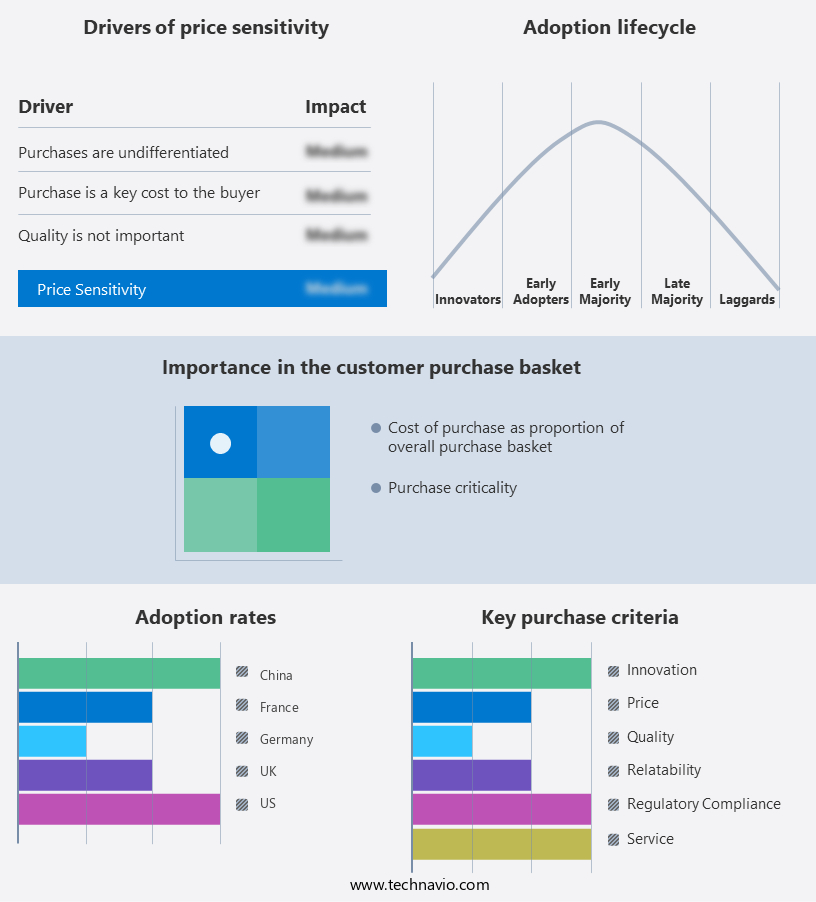
Customer Landscape
Key Companies & Market Insights
Companies are implementing various strategies, such as strategic alliances, cell surface markers market forecast, partnerships, mergers and acquisitions, geographical expansion, and product/service launches, to enhance their presence in the industry.
Abbott Laboratories - This company specializes in tumor marker solutions and harmonized instrument families, delivering clinically significant results for the most prevalent, expensive, and debilitating cancers, enhancing laboratory efficiency and accuracy.
The industry research and growth report includes detailed analyses of the competitive landscape of the market and information about key companies, including:
- Abbott Laboratories
- Abcam plc
- Agilent Technologies Inc.
- Becton Dickinson and Co.
- Bio Rad Laboratories Inc.
- Bio Techne Corp.
- Cell Signaling Technology Inc.
- Danaher Corp.
- DiaSorin SpA
- F. Hoffmann La Roche Ltd.
- GenScript Biotech Corp.
- Grifols SA
- IVD Medical Holding Ltd.
- Johnson and Johnson
- PerkinElmer Inc.
- QIAGEN NV
- Siemens Healthineers AG
- Sysmex Corp.
- Thermo Fisher Scientific Inc.
- Werfenlife SA
Qualitative and quantitative analysis of companies has been conducted to help clients understand the wider business environment as well as the strengths and weaknesses of key industry players. Data is qualitatively analyzed to categorize companies as pure play, category-focused, industry-focused, and diversified; it is quantitatively analyzed to categorize companies as dominant, leading, strong, tentative, and weak.
Recent Development and News in Cell Surface Markers Market
- In January 2024, Thermo Fisher Scientific, a leading life sciences solutions provider, announced the launch of its new line of FlowCellect Cell Selection reagents for cell surface marker analysis (Thermo Fisher Scientific Press Release). This expansion strengthened their offering in the market.
- In March 2024, Merck KGaA, Darmstadt, Germany, and Luminex Corporation entered into a strategic collaboration to develop and commercialize multiplex assays for the research and diagnostic markets (Merck KGaA Press Release). This partnership aimed to leverage Luminex's xMAP technology and Merck's expertise in life science research.
- In May 2025, Bio-Rad Laboratories, a prominent life sciences company, completed the acquisition of Bio-Techne Corporation, a global life sciences company specializing in protein biology and cell analysis tools (Bio-Rad Laboratories Press Release). The acquisition significantly expanded Bio-Rad's portfolio in the market and increased their market presence.
- In the same month, the U.S. Food and Drug Administration (FDA) granted approval for the commercial use of Miltenyi Biotec's CliniMACS Prodigy System for the automated processing of cord blood and peripheral blood stem cells (Miltenyi Biotec Press Release). This approval marked a significant milestone for the company and expanded the applications of their cell surface marker technology in the clinical setting.
Research Analyst Overview
- The market continues to evolve, driven by advancements in technology and increasing applications across various sectors. Cell viability assays and cell invasion assays are crucial in assessing the effectiveness of therapeutics, while prognostic marker discovery plays a pivotal role in personalized medicine. Autoimmune disease markers and signal transduction cascades are under intense research for diagnostic and therapeutic purposes. The market for cancer diagnostics is expected to grow by 10% annually, fueled by the discovery of new disease diagnosis markers and the development of immune response modulation therapies. Drug target identification and high-throughput screening are essential for the discovery of new receptor tyrosine kinases and biomarkers, which in turn facilitate therapeutic target validation and drug delivery systems.
- Cell surface modification, tissue engineering applications, and apoptosis assays are also gaining traction in regenerative medicine. A notable example of market activity is the recent discovery of a new cell differentiation marker, which has led to a 25% increase in sales for a leading biotech company.
Dive into Technavio's robust research methodology, blending expert interviews, extensive data synthesis, and validated models for unparalleled Cell Surface Markers Market insights. See full methodology.
|
Market Scope |
|
|
Report Coverage |
Details |
|
Page number |
166 |
|
Base year |
2023 |
|
Historic period |
2018-2022 |
|
Forecast period |
2024-2028 |
|
Growth momentum & CAGR |
Accelerate at a CAGR of 8.25% |
|
Market growth 2024-2028 |
USD 14.07 billion |
|
Market structure |
Fragmented |
|
YoY growth 2023-2024(%) |
7.83 |
|
Key countries |
US, Germany, France, UK, and China |
|
Competitive landscape |
Leading Companies, Market Positioning of Companies, Competitive Strategies, and Industry Risks |
What are the Key Data Covered in this Cell Surface Markers Market Research and Growth Report?
- CAGR of the Cell Surface Markers industry during the forecast period
- Detailed information on factors that will drive the growth and forecasting between 2024 and 2028
- Precise estimation of the size of the market and its contribution of the industry in focus to the parent market
- Accurate predictions about upcoming growth and trends and changes in consumer behaviour
- Growth of the market across North America, Europe, Asia, and Rest of World (ROW)
- Thorough analysis of the market's competitive landscape and detailed information about companies
- Comprehensive analysis of factors that will challenge the cell surface markers market growth of industry companies
We can help! Our analysts can customize this cell surface markers market research report to meet your requirements.
 RIA -
RIA - 
