



Cloud Product Lifecycle Management Market Size 2025-2029
The cloud product lifecycle management (PLM) market size is forecast to increase by USD 1.54 billion, at a CAGR of 7.1% between 2024 and 2029.
- The market is experiencing significant growth, driven by the shift towards digital transformation and the reduction in IT expenditure. Companies are increasingly adopting cloud-based PLM solutions to streamline their product development processes and reduce costs associated with traditional on-premises systems. Another key trend is the interlinking of cloud PLM with other business systems, enabling real-time collaboration and data sharing across the organization. However, the market also faces challenges, with cybersecurity and software privacy emerging as major concerns. As more companies move their PLM systems to the cloud, they become vulnerable to cyber attacks and data breaches.
- Ensuring the security of sensitive product data and maintaining privacy are critical challenges that must be addressed to mitigate risks and maintain trust with customers and stakeholders. Companies seeking to capitalize on the opportunities in the cloud PLM market must prioritize cybersecurity measures and invest in robust data protection strategies to navigate these challenges effectively.
What will be the Size of the Cloud Product Lifecycle Management (PLM) Market during the forecast period?
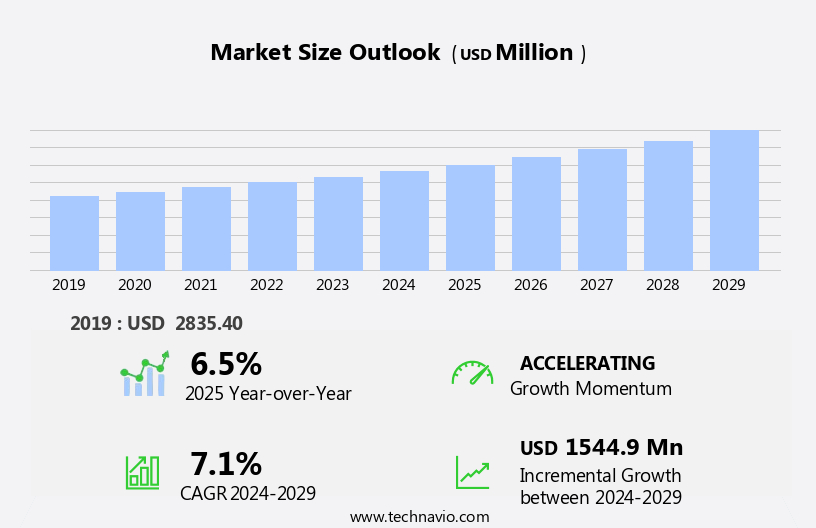
Explore in-depth regional segment analysis with market size data - historical 2019-2023 and forecasts 2025-2029 - in the full report.
Request Free Sample
The market continues to evolve, driven by the ongoing integration of product innovation, cloud computing, and digital transformation across various sectors. PLM solutions facilitate seamless management of product lifecycle phases, from product design and engineering data management to process automation, business intelligence, and product retirement. User experience (UX) and machine learning (ML) are increasingly critical components, enhancing product development and enabling real-time data analytics. API connectivity and supplier collaboration ensure efficient data exchange and streamlined workflows. Cost optimization and product compliance are essential considerations, with cloud deployment offering flexibility and scalability. Hybrid deployment models cater to organizations with on-premise requirements, while product portfolio management and digital twins enable comprehensive product configuration and change management.
PLM software continues to evolve, incorporating advanced features like artificial intelligence (AI) and subscription models, offering businesses agility and competitive edge in today's dynamic market. The continuous unfolding of market activities underscores the importance of staying informed and adaptive to emerging trends and evolving patterns.
How is this Cloud Product Lifecycle Management (PLM) Industry segmented?
The cloud product lifecycle management (PLM) industry research report provides comprehensive data (region-wise segment analysis), with forecasts and estimates in "USD million" for the period 2025-2029, as well as historical data from 2019-2023 for the following segments.
- Product
- cPDM
- DM
- CAD
- Business Segment
- Large enterprises
- Small and medium enterprises
- Deployment
- Public cloud
- Private cloud
- Hybrid cloud
- Geography
- North America
- US
- Canada
- Europe
- France
- Germany
- Italy
- UK
- APAC
- China
- India
- Japan
- South Korea
- Rest of World (ROW)
- North America
.
By Product Insights
The cpdm segment is estimated to witness significant growth during the forecast period.
The market is experiencing significant growth as businesses increasingly adopt technology-driven solutions to enhance product development and innovation. Cloud PLM software enables seamless collaboration between teams and suppliers through API connectivity, ensuring consistent data management across product design, engineering, and manufacturing phases. Machine learning and artificial intelligence technologies are integrated into PLM systems to optimize processes, improve user experience, and facilitate data analytics for informed decision-making. Cloud deployment models, including on-premise and hybrid, cater to various business needs, offering flexibility and cost savings. Product compliance is ensured through rigorous quality management systems, while digital twins provide immersive, harmonious product configurations for real-time analysis and change management.
Product portfolio management and documentation are streamlined, enabling businesses to effectively manage their product lifecycle from inception to retirement. Process automation and user interface enhancements improve overall efficiency, while subscription models offer flexible pricing structures. Cost optimization is a key focus area, with businesses leveraging PLM systems to minimize waste and reduce development cycles. Digital transformation is accelerating the adoption of cloud PLM, as companies seek to innovate and stay competitive in an ever-evolving market.
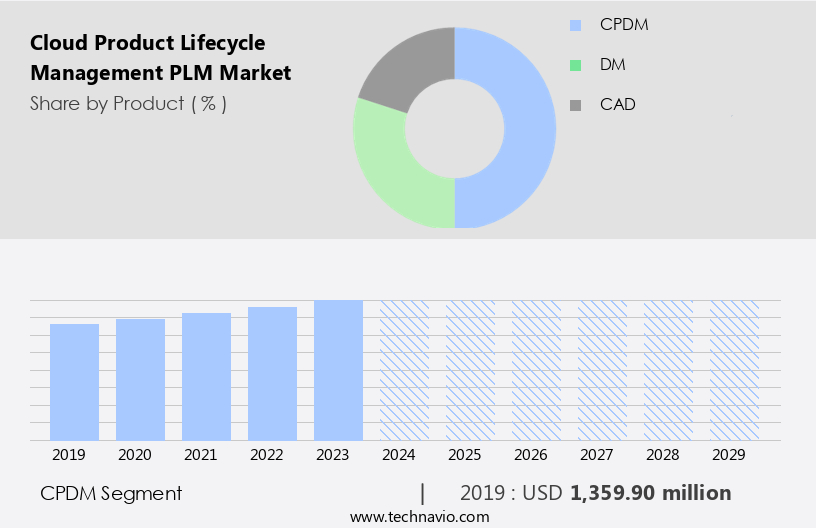
The cPDM segment was valued at USD 1.36 billion in 2019 and showed a gradual increase during the forecast period.
Regional Analysis
North America is estimated to contribute 40% to the growth of the global market during the forecast period.Technavio's analysts have elaborately explained the regional trends and drivers that shape the market during the forecast period.
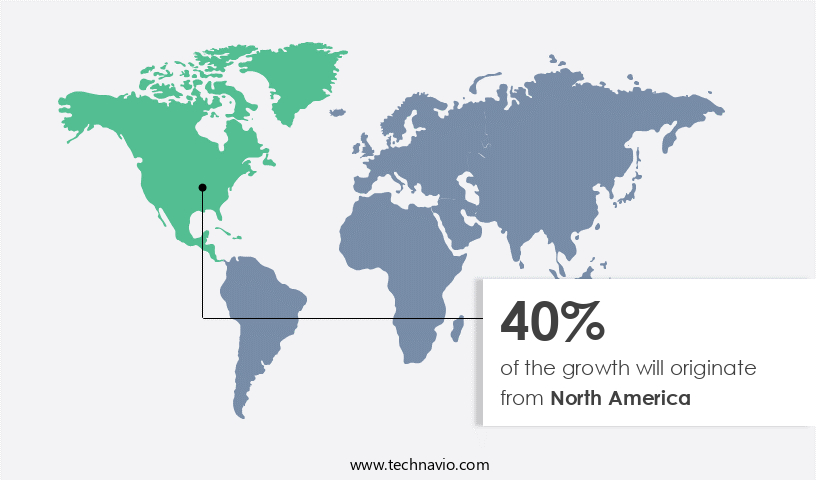
The North American market for cloud Product Lifecycle Management (PLM) solutions is a significant revenue generator for companies offering these advanced technologies. This region's early adoption of technology trends sets it apart, driving market growth. The presence and penetration of leading PLM solution providers in the area contribute to the market's expansion. New technologies, such as machine learning, artificial intelligence, and digital twins, are embraced in this region due to its financial strength, enabling substantial investments in innovative tools and solutions. These advantages position companies in North America to maintain a competitive edge in their respective industries.
Cloud PLM solutions facilitate data security, ensuring the protection of critical product information. Quality management is streamlined through real-time collaboration and analysis, while API connectivity enables seamless integration with other business systems. Product design and engineering data are easily accessible, fostering cost optimization and efficient product development. User experience is prioritized through intuitive user interfaces and process automation. Cloud deployment options, including on-premise and hybrid, cater to various business needs. Product compliance is ensured through robust data management and regulatory adherence. Product lifecycle analysis and data analytics provide valuable insights for business intelligence and product innovation. Subscription models offer flexible cost structures, making these solutions accessible to a broader range of businesses.
Supplier collaboration is facilitated through cloud-based platforms, enhancing communication and efficiency. Change management and product configuration tools ensure smooth transitions and adaptations throughout the product lifecycle. Digital transformation is accelerated through the implementation of cloud PLM solutions, enabling companies to stay competitive in today's rapidly evolving business landscape.
Market Dynamics
Our researchers analyzed the data with 2024 as the base year, along with the key drivers, trends, and challenges. A holistic analysis of drivers will help companies refine their marketing strategies to gain a competitive advantage.
What are the key market drivers leading to the rise in the adoption of Cloud Product Lifecycle Management (PLM) Industry?
- The significant decrease in IT expenditures serves as the primary market catalyst.
- Cloud Product Lifecycle Management (PLM) software is a cost-effective solution for organizations seeking to streamline their product development processes while ensuring data security and quality management. The increasing demand for digital transformation and the need for API connectivity in product design and engineering data management have led companies to invest heavily in IT infrastructure. However, these expenses contribute to substantial operational costs. Cloud PLM software offers a viable alternative by enabling organizations to save on annual operating costs through cloud storage. With cloud storage costing approximately four cents per gigabyte, compared to the expense of maintaining internal data storage, companies can significantly reduce their expenditures.
- Furthermore, cloud PLM software provides real-time tracking of ongoing projects, allowing for better resource allocation and improved efficiency. Machine learning and user experience enhancements further bolster the value proposition of cloud PLM software. By automating routine tasks and providing immersive, harmonious interfaces, these technologies contribute to a more productive and efficient work environment. In conclusion, the adoption of cloud PLM software is an essential step for organizations aiming to optimize their product development processes, reduce costs, and maintain a competitive edge in today's market.
What are the market trends shaping the Cloud Product Lifecycle Management (PLM) Industry?
- Cloud product lifecycle management interlinking is an emerging market trend. This interconnected approach optimizes various stages of cloud product development, deployment, and retirement for enhanced efficiency and effectiveness.
- Cloud Product Lifecycle Management (PLM) software has gained significant traction in the business world due to its flexibility and ease of integration with other crucial software. The demand for PLM solutions is escalating, leading users to seek feature-rich add-ons that enhance productivity. One such add-on is the seamless interlinking of multiple software, including bill of materials (BOM) integration, designing modules, and manufacturing management tools, tailored to meet business needs. Cloud deployment is a preferred choice for many enterprises, enabling employees to access vital documents, data, and reports from multiple devices and locations. This flexibility is crucial for supplier collaboration, product compliance, and product lifecycle analysis.
- Data analytics is another essential feature of cloud PLM software, providing valuable insights for businesses to make informed decisions and optimize their product development processes. By implementing cloud PLM software, organizations can streamline their product development cycles, improve collaboration, and ensure regulatory compliance, ultimately leading to increased efficiency and competitiveness.
What challenges does the Cloud Product Lifecycle Management (PLM) Industry face during its growth?
- The threat to cybersecurity and software privacy poses a significant challenge to the industry's growth, requiring continuous efforts to mitigate risks and ensure the protection of sensitive information and intellectual property.
- In today's business landscape, product innovation is a key driver for success. Cloud Product Lifecycle Management (PLM) has emerged as a popular solution to streamline product development and enhance collaboration across teams. Cloud computing enables businesses to manage their product data and processes from anywhere, at any time. The cloud PLM market caters to various phases of the product lifecycle, offering user-friendly interfaces, process automation, and robust data management. Cloud PLM solutions provide business intelligence capabilities, allowing organizations to gain valuable insights into their product development processes. These solutions enable real-time data access, ensuring that teams have the most up-to-date information at their disposal.
- Furthermore, they offer seamless integration with other business systems, improving overall operational efficiency. However, the adoption of cloud PLM comes with its challenges. Data security is a major concern, as businesses must trust their cloud providers to handle their sensitive product data securely. Man-in-the-middle (MiTM) attacks and other security vulnerabilities can put data at risk. It is crucial for businesses to verify the certification authority (CA) credentials of their servers when establishing secure socket layer (SSL) connections. Despite these challenges, the benefits of cloud PLM, such as increased flexibility, scalability, and cost savings, make it an attractive option for many organizations.
- In conclusion, understanding the market dynamics and addressing the security concerns can help businesses make informed decisions when implementing cloud PLM solutions.
Exclusive Customer Landscape
The cloud product lifecycle management (PLM) market forecasting report includes the adoption lifecycle of the market, covering from the innovator's stage to the laggard's stage. It focuses on adoption rates in different regions based on penetration. Furthermore, the cloud product lifecycle management (plm) market report also includes key purchase criteria and drivers of price sensitivity to help companies evaluate and develop their market growth analysis strategies.
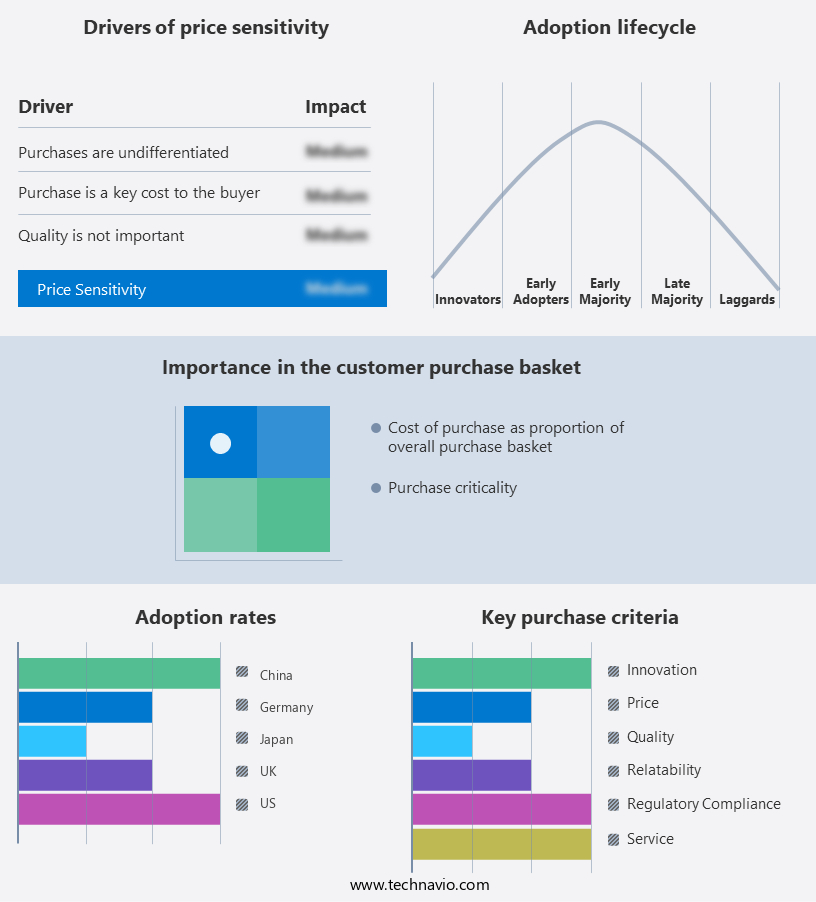
Customer Landscape
Key Companies & Market Insights
Companies are implementing various strategies, such as strategic alliances, cloud product lifecycle management (plm) market forecast, partnerships, mergers and acquisitions, geographical expansion, and product/service launches, to enhance their presence in the industry.
Accenture PLC - The company specializes in implementing cloud Product Lifecycle Management (PLM) solutions, including MyDigitalThread and Siemens Teamcenter X.
The industry research and growth report includes detailed analyses of the competitive landscape of the market and information about key companies, including:
- Accenture PLC
- ApparelMagic
- Aras Corp.
- Autodesk Inc.
- Bamboo Rose LLC
- Centric Software Inc.
- Essig PLM
- FusePLM LLC
- IFS World Operations AB
- Infor Inc.
- Oracle Corp.
- Professional Systems Associates Inc.
- PROLIM Global Corp.
- Propel Software Solutions Inc.
- PTC Inc.
- SAP SE
- Siemens AG
Qualitative and quantitative analysis of companies has been conducted to help clients understand the wider business environment as well as the strengths and weaknesses of key industry players. Data is qualitatively analyzed to categorize companies as pure play, category-focused, industry-focused, and diversified; it is quantitatively analyzed to categorize companies as dominant, leading, strong, tentative, and weak.
Recent Development and News in Cloud Product Lifecycle Management (PLM) Market
- In February 2024, PTC, a leading technology provider, announced the launch of its latest Cloud PLM solution, Windchill PLM 11, featuring advanced capabilities in product data management and real-time collaboration (PTC Press Release). This innovation addresses the increasing demand for remote work and digital transformation in various industries.
- In May 2024, Siemens Digital Industries Software and Microsoft entered into a strategic partnership to integrate Siemens' product lifecycle management (PLM) solutions with Microsoft's Azure platform. This collaboration aims to enhance product development processes by combining the strengths of both companies' technologies (Siemens Digital Industries Software Press Release).
- In October 2024, Dassault Systèmes, a global leader in 3D design and product development software, acquired IQMS, a leading manufacturing ERP and MES software provider. This strategic acquisition strengthened Dassault Systèmes' portfolio by offering integrated solutions for manufacturing and PLM (Dassault Systèmes Press Release).
- In January 2025, Autodesk, a leading design software company, unveiled Fusion Lifecycle, a cloud-based product lifecycle management solution. Fusion Lifecycle provides a unified platform for managing design, engineering, manufacturing, and business processes, targeting small and medium-sized enterprises (Autodesk Press Release).
Research Analyst Overview
- The market is experiencing significant growth, driven by the integration of various technologies such as Computer-Aided Design (CAD), Customer Relationship Management (CRM), Enterprise Resource Planning (ERP), and Content Management Systems (CAM). Risk management is a critical factor in PLM adoption, with companies seeking best practices to mitigate potential issues during data migration and implementation services. Compliance regulations and industry standards are shaping the market, requiring robust data governance and technical support. Emerging technologies like Artificial Intelligence and Machine Learning are enhancing PLM capabilities, offering new value propositions for businesses.
- Case studies showcase the business value of Cloud PLM, with industries ranging from manufacturing to healthcare successfully integrating these solutions. Consulting services and industry trends indicate a focus on strategic planning and continuous improvement, ensuring a strong growth potential for Cloud PLM companies.
Dive into Technavio's robust research methodology, blending expert interviews, extensive data synthesis, and validated models for unparalleled Cloud Product Lifecycle Management (PLM) Market insights. See full methodology.
|
Market Scope |
|
|
Report Coverage |
Details |
|
Page number |
222 |
|
Base year |
2024 |
|
Historic period |
2019-2023 |
|
Forecast period |
2025-2029 |
|
Growth momentum & CAGR |
Accelerate at a CAGR of 7.1% |
|
Market growth 2025-2029 |
USD 1544.9 million |
|
Market structure |
Fragmented |
|
YoY growth 2024-2025(%) |
6.5 |
|
Key countries |
US, Canada, China, Germany, UK, Japan, France, India, Italy, and South Korea |
|
Competitive landscape |
Leading Companies, Market Positioning of Companies, Competitive Strategies, and Industry Risks |
What are the Key Data Covered in this Cloud Product Lifecycle Management (PLM) Market Research and Growth Report?
- CAGR of the Cloud Product Lifecycle Management (PLM) industry during the forecast period
- Detailed information on factors that will drive the growth and forecasting between 2025 and 2029
- Precise estimation of the size of the market and its contribution of the industry in focus to the parent market
- Accurate predictions about upcoming growth and trends and changes in consumer behaviour
- Growth of the market across North America, APAC, Europe, South America, and Middle East and Africa
- Thorough analysis of the market's competitive landscape and detailed information about companies
- Comprehensive analysis of factors that will challenge the cloud product lifecycle management (plm) market growth of industry companies
We can help! Our analysts can customize this cloud product lifecycle management (plm) market research report to meet your requirements.
 RIA -
RIA - 
