



Cold Chain Monitoring Market Size 2026-2030
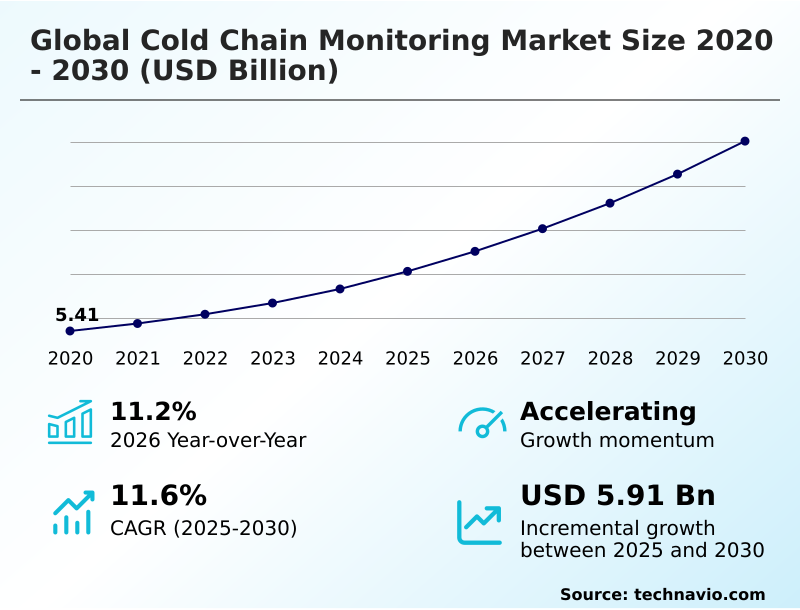
The cold chain monitoring market size is valued to increase by USD 5.91 billion, at a CAGR of 11.6% from 2025 to 2030. Increasing regulatory stringency in pharmaceutical logistics will drive the cold chain monitoring market.
Major Market Trends & Insights
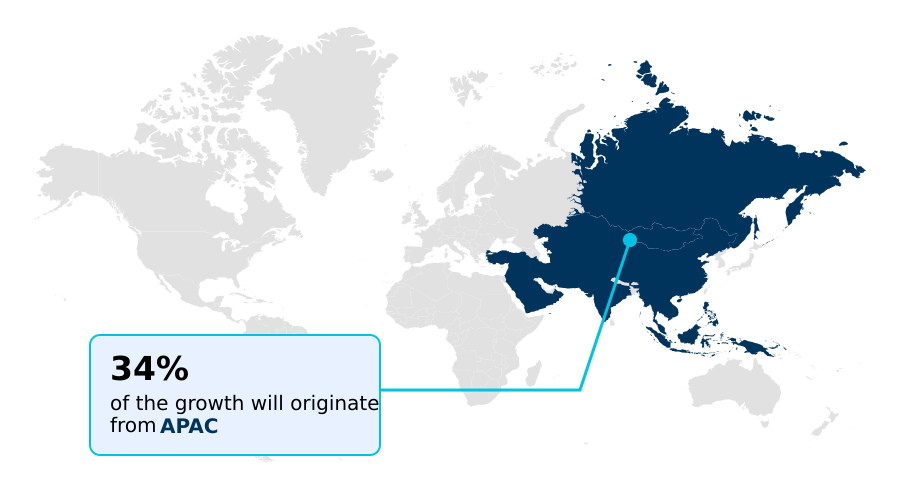
- APAC dominated the market and accounted for a 33.5% growth during the forecast period.
- By Component - Hardware segment was valued at USD 5.62 billion in 2024
- By End-user - Food and beverages segment accounted for the largest market revenue share in 2024
Market Size & Forecast
- Market Opportunities: USD 8.62 billion
- Market Future Opportunities: USD 5.91 billion
- CAGR from 2025 to 2030 : 11.6%
Market Summary
- The cold chain monitoring market is undergoing a significant transformation, driven by stringent regulatory pressures and the imperative to reduce waste in the global food and pharmaceutical supply chains. The convergence of IoT and AI is shifting the industry from reactive problem-solving to proactive risk management through predictive excursion alerting.
- This allows for the protection of high-value biologics and perishable foods, where a single temperature excursion can result in significant financial loss and public health risks. For instance, a pharmaceutical distributor can use real-time visibility solutions to monitor a shipment of vaccines across multiple transit modes.
- By analyzing data from on-board environmental sensors, AI algorithms can predict a potential refrigeration unit failure and automatically reroute the shipment or alert a technician for preemptive maintenance, ensuring unbroken chain of custody and Good Distribution Practice compliance.
- However, challenges such as high implementation costs and the need for standardized, interoperable platforms that support low-power wireless communication hinder widespread adoption, particularly among smaller logistics providers. The increasing demand for granular traceability is nonetheless pushing the industry toward more integrated and intelligent systems.
What will be the Size of the Cold Chain Monitoring Market during the forecast period?
Get Key Insights on Market Forecast (PDF) Get Free Sample
How is the Cold Chain Monitoring Market Segmented?
The cold chain monitoring industry research report provides comprehensive data (region-wise segment analysis), with forecasts and estimates in "USD million" for the period 2026-2030, as well as historical data from 2020-2024 for the following segments.
- Component
- Hardware
- Software
- End-user
- Food and beverages
- Healthcare and pharmaceuticals
- Others
- Application
- Transportation
- Storage
- Geography
- North America
- US
- Canada
- Mexico
- APAC
- China
- India
- Japan
- Europe
- Germany
- UK
- France
- Middle East and Africa
- UAE
- Saudi Arabia
- South Africa
- South America
- Brazil
- Argentina
- Colombia
- Rest of World (ROW)
- North America
By Component Insights
The hardware segment is estimated to witness significant growth during the forecast period.
The hardware segment underpins the market, shifting from passive logging to active IoT data loggers that enable continuous environmental monitoring. These systems, integrating telematics control units and long-range sensor networks, are essential for biologics transport safety and final-mile temperature control.
Innovation focuses on miniaturization and robust LPWAN-enabled devices capable of multi-sensor data fusion. This holistic condition monitoring, tracking temperature, humidity, and shock, supports both pharmaceutical logistics integrity and perishable food chain management.
Integrating RFID inlay tracking for item-level product tracking improves inventory accuracy by over 99%. This evolution is crucial for achieving end-to-end supply chain visibility and provides the foundation for cloud-based analytics platforms and tamper-evident data records from integrated sensor ecosystems.
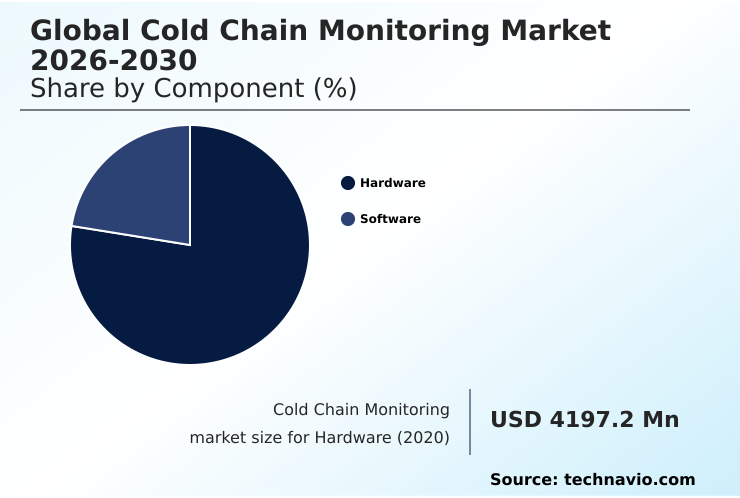
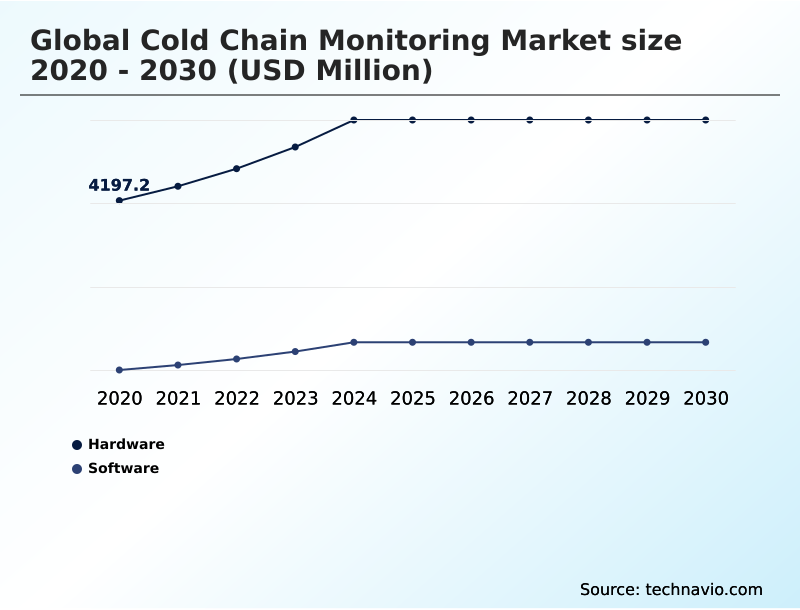
The Hardware segment was valued at USD 5.62 billion in 2024 and showed a gradual increase during the forecast period.
Regional Analysis
APAC is estimated to contribute 33.5% to the growth of the global market during the forecast period.Technavio’s analysts have elaborately explained the regional trends and drivers that shape the market during the forecast period.
See How Cold Chain Monitoring Market Demand is Rising in APAC Get Free Sample
The geographic landscape is dynamic, with North America leading in technology adoption for clinical trial material handling and aerospace pre-preg storage.
However, APAC is the fastest-growing region, projected to contribute over 33% of market growth, driven by infrastructure investment and demand for better perishable food chain management.
Europe remains a mature market focused on sustainability, environmental parameter control, and refrigeration energy optimization. In developing economies, establishing basic infrastructure for climate-controlled logistics is key.
Meanwhile, mature markets are advancing toward sophisticated thermal facility mapping and deploying low-power wireless communication and active temperature logging systems to improve efficiency, ensuring compliance with both local food safety transport rules and international pharmaceutical handling guidelines.
Market Dynamics
Our researchers analyzed the data with 2025 as the base year, along with the key drivers, trends, and challenges. A holistic analysis of drivers will help companies refine their marketing strategies to gain a competitive advantage.
- Achieving supply chain excellence in the modern era hinges on mastering the intricacies of temperature-controlled logistics. The use of real-time temperature monitoring for biologics is now a baseline requirement, not a luxury, ensuring that life-saving medicines retain their efficacy.
- The integration of blockchain for pharmaceutical supply chain integrity offers an immutable ledger, building trust and simplifying compliance with standards like DSCSA compliance for cold chain.
- In the food sector, leveraging IoT sensors for perishable food transport is essential for reducing spoilage with predictive analytics, which has shown to improve year-over-year growth by more than the industry average of 11.2% for companies that adopt it fully. This level of control provides the end-to-end visibility in food logistics that modern consumers and retailers demand.
- Inside the warehouse, the debate over FEFO vs FIFO in cold storage is being settled by data-driven insights from wireless sensors for warehouse thermal mapping, which also contributes to energy optimization in refrigerated warehouses. For transportation, the use of telematics for refrigerated truck fleets and specialized last-mile monitoring for grocery delivery is crucial.
- The market is also addressing ultra-specialized needs like cryogenic logistics for cell therapies. Key considerations for decision-makers include weighing the benefits of reusable data loggers vs single-use models and managing the cost of high implementation for monitoring. Overcoming connectivity challenges in remote logistics and ensuring the interoperability of monitoring platforms are critical, as are mitigating cybersecurity risks for IoT devices.
- Ultimately, meeting standards for regulatory compliance for food transport and maintaining GDP in pharmaceutical shipping is non-negotiable. Success also depends on the ability of AI to predict equipment failure, turning reactive measures into proactive strategies.
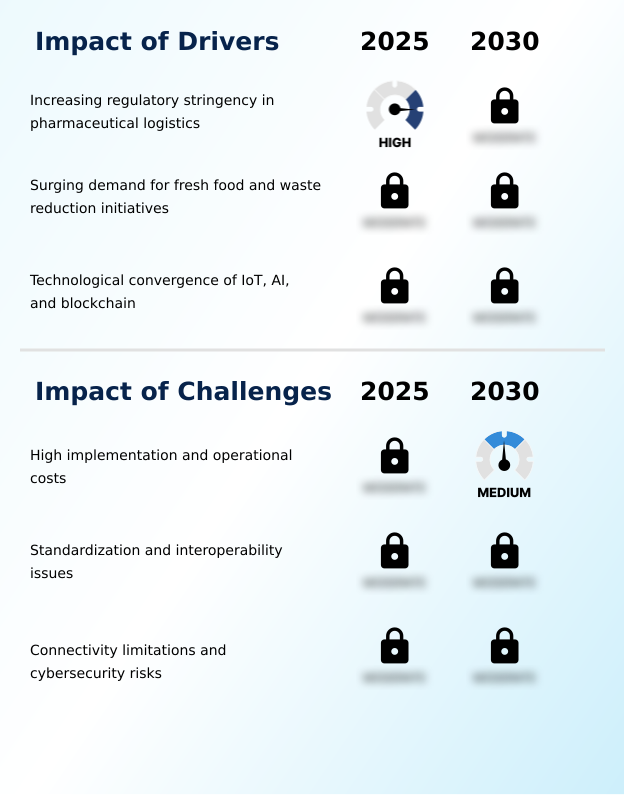
What are the key market drivers leading to the rise in the adoption of Cold Chain Monitoring Industry?
- Increasing regulatory stringency in pharmaceutical logistics is a primary driver compelling market adoption of advanced monitoring solutions.
- The market is driven by strict Good Distribution Practice compliance, which mandates automated audit trail generation. This has reduced compliance errors by over 40% for early adopters.
- The rising consumer demand for fresh goods and a focus on food waste reduction are also key drivers, compelling the adoption of spoilage mitigation strategies and shelf-life extension technology.
- Real-time visibility solutions help cut post-harvest losses, which exceed 25% in some supply chains. Further, the convergence of technologies like cryogenic shipping solutions and automated manifest systems enables a shift to prescriptive analytics.
- This supports cell and gene therapy logistics, improves drug traceability compliance, and promotes climate-controlled logistics and product shelf life optimization through advanced pharmaceutical handling guidelines.
What are the market trends shaping the Cold Chain Monitoring Industry?
- The integration of predictive analytics is emerging as a pivotal trend in cold chain logistics. This advancement is transforming reactive monitoring into proactive supply chain management.
- A pivotal trend is the shift to predictive excursion alerting, powered by AI analyzing data from intelligent packaging systems. This has improved forecast accuracy by over 20% and reduced spoilage by up to 15%. Sustainability initiatives are also spurring innovation in reusable time-temperature indicators and floriculture supply chain optimization.
- The adoption of blockchain supply chain records is gaining traction for high-value perishables monitoring, ensuring immutable data integrity and an unbroken chain of custody. This use of distributed ledger technology supports DSCSA traceability standards and facilitates compliance reporting automation. These trends enable proactive risk management, transforming logistics with enhanced temperature stability validation and automated shipping documentation.
What challenges does the Cold Chain Monitoring Industry face during its growth?
- The high implementation and operational costs associated with advanced systems present a significant challenge to market growth.
- High implementation costs are a primary barrier, with total cost of ownership being up to three times higher than passive methods, slowing the adoption of sanitary transport protocols and advanced clinical trial material handling solutions.
- A lack of standardization creates data silos; manual data reconciliation increases error rates by up to 10%, hindering a unified digital product identification system and granular traceability. Connectivity gaps disrupt temperature excursion management and FEFO inventory management. Moreover, cybersecurity vulnerabilities threaten Bluetooth Low Energy connectivity and data from ultra-low temperature transport, impacting the entire inventory rotation strategy.
- This affects remote asset tracking and the ability to meet stringent food safety transport rules.
Exclusive Technavio Analysis on Customer Landscape
The cold chain monitoring market forecasting report includes the adoption lifecycle of the market, covering from the innovator’s stage to the laggard’s stage. It focuses on adoption rates in different regions based on penetration. Furthermore, the cold chain monitoring market report also includes key purchase criteria and drivers of price sensitivity to help companies evaluate and develop their market growth analysis strategies.
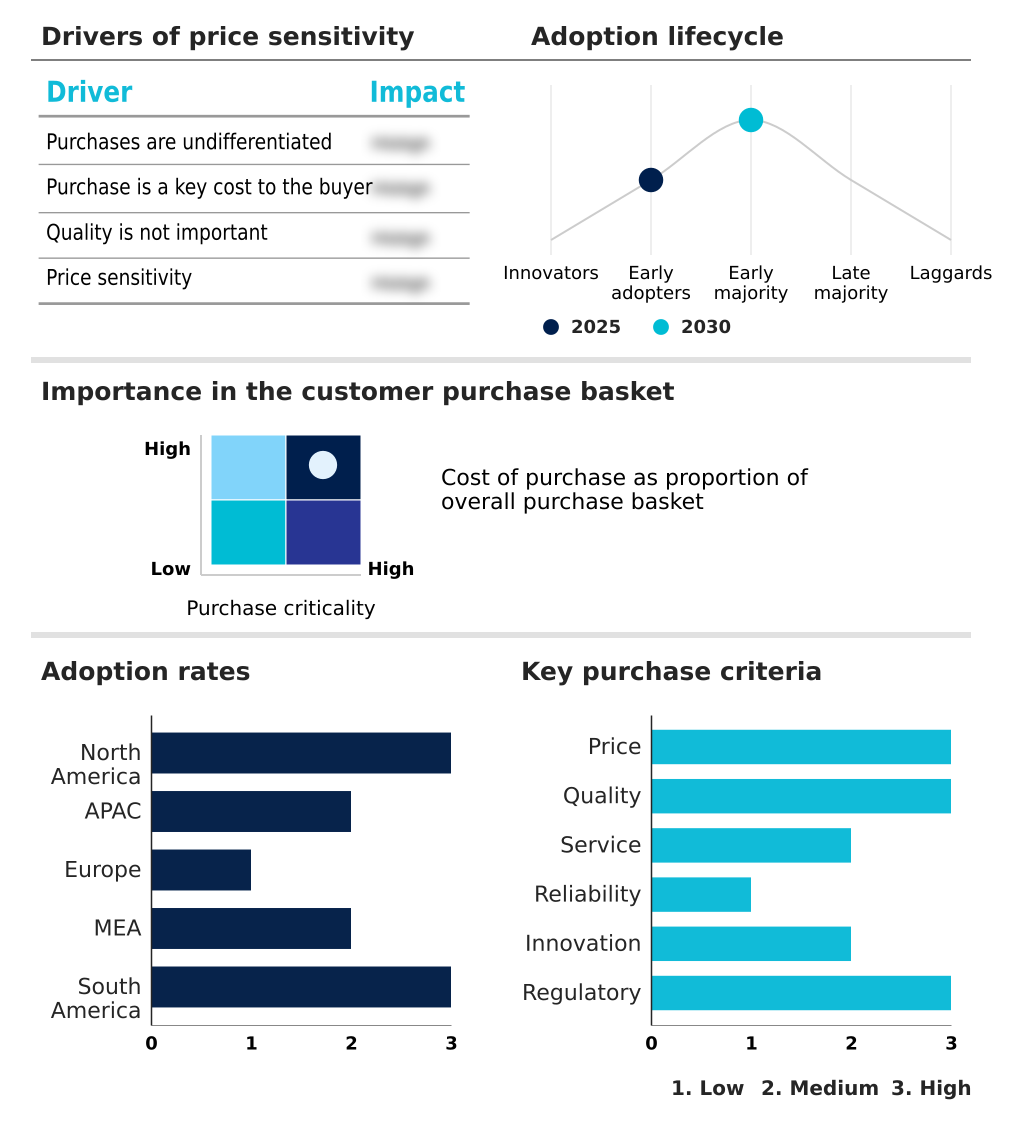
Customer Landscape of Cold Chain Monitoring Industry
Competitive Landscape
Companies are implementing various strategies, such as strategic alliances, cold chain monitoring market forecast, partnerships, mergers and acquisitions, geographical expansion, and product/service launches, to enhance their presence in the industry.
Avery Dennison Corp. - Integrated digital platforms provide end-to-end cold chain visibility and transport refrigeration solutions, ensuring integrity for temperature-sensitive assets through advanced operational intelligence.
The industry research and growth report includes detailed analyses of the competitive landscape of the market and information about key companies, including:
- Avery Dennison Corp.
- CalAmp Corp.
- Carrier Global Corp.
- Controlant
- Copeland LP
- Cryoport Systems, LLC
- DeltaTrak Inc.
- Dwyer Instruments LLC
- E-Control Systems
- Ellab AS
- Geotab Inc.
- Logmore
- Monnit Corp.
- Onset Computer Corp.
- ORBCOMM Inc.
- Samsara Inc.
- SpotSee
- Testo SE and Co. KGaA
- Vaisala Oyj
- Zebra Technologies Corp.
Qualitative and quantitative analysis of companies has been conducted to help clients understand the wider business environment as well as the strengths and weaknesses of key industry players. Data is qualitatively analyzed to categorize companies as pure play, category-focused, industry-focused, and diversified; it is quantitatively analyzed to categorize companies as dominant, leading, strong, tentative, and weak.
Recent Development and News in Cold chain monitoring market
- In August 2025, Zebra Technologies introduced an IoT-enabled cold chain monitoring solution incorporating advanced analytics and machine-learning capabilities, aimed at delivering real-time visibility and predictive alerting across end-to-end logistics networks.
- In November 2025, UPS completed the acquisition of Andlauer Healthcare Group for $1.6 billion, strengthening its position in complex healthcare logistics and accelerating its expansion as a global leader in temperature-controlled and healthcare supply chain services.
- In October 2025, Carrier Global Corporation announced that its venture arm made a strategic investment in Net Feasa, a pioneer in wireless IoT connectivity and vessel network technology, to support real-time container visibility at sea.
- In April 2025, Identiv and Tag-N-Trac formed a strategic collaboration to develop Bluetooth-enabled smart labels and SaaS-based traceability solutions for pharmaceutical cold chain deliveries, enabling real-time monitoring of product condition and location from warehouse through final delivery.
Dive into Technavio’s robust research methodology, blending expert interviews, extensive data synthesis, and validated models for unparalleled Cold Chain Monitoring Market insights. See full methodology.
| Market Scope | |
|---|---|
| Page number | 284 |
| Base year | 2025 |
| Historic period | 2020-2024 |
| Forecast period | 2026-2030 |
| Growth momentum & CAGR | Accelerate at a CAGR of 11.6% |
| Market growth 2026-2030 | USD 5913.5 million |
| Market structure | Fragmented |
| YoY growth 2025-2026(%) | 11.2% |
| Key countries | US, Canada, Mexico, China, India, Japan, South Korea, Australia, Indonesia, Germany, UK, France, Italy, The Netherlands, Spain, UAE, Saudi Arabia, South Africa, Turkey, Israel, Brazil, Argentina and Colombia |
| Competitive landscape | Leading Companies, Market Positioning of Companies, Competitive Strategies, and Industry Risks |
Research Analyst Overview
- The market is defined by a rapid technological evolution from passive data collection to intelligent, predictive oversight. The integration of advanced environmental sensors with cloud-based analytics platforms provides unprecedented control over temperature-sensitive supply chains. This shift directly impacts boardroom strategy, as investment in end-to-end supply chain visibility is no longer just an operational upgrade but a critical risk mitigation tool.
- For instance, deploying real-time monitoring solutions for biologics transport safety has been demonstrated to reduce product loss from temperature excursions by over 40%. The ability to generate an automated audit trail for Good Distribution Practice compliance and meet DSCSA traceability standards is now a competitive differentiator.
- Boardrooms must now weigh the capital expenditure of implementing these systems against the substantial financial and reputational risks of supply chain failures, making it a central pillar of modern logistics strategy. This is especially true for clinical trial material handling and cell and gene therapy logistics, where product integrity is paramount.
What are the Key Data Covered in this Cold Chain Monitoring Market Research and Growth Report?
-
What is the expected growth of the Cold Chain Monitoring Market between 2026 and 2030?
-
USD 5.91 billion, at a CAGR of 11.6%
-
-
What segmentation does the market report cover?
-
The report is segmented by Component (Hardware, and Software), End-user (Food and beverages, Healthcare and pharmaceuticals, and Others), Application (Transportation, and Storage) and Geography (North America, APAC, Europe, Middle East and Africa, South America)
-
-
Which regions are analyzed in the report?
-
North America, APAC, Europe, Middle East and Africa and South America
-
-
What are the key growth drivers and market challenges?
-
Increasing regulatory stringency in pharmaceutical logistics, High implementation and operational costs
-
-
Who are the major players in the Cold Chain Monitoring Market?
-
Avery Dennison Corp., CalAmp Corp., Carrier Global Corp., Controlant, Copeland LP, Cryoport Systems, LLC, DeltaTrak Inc., Dwyer Instruments LLC, E-Control Systems, Ellab AS, Geotab Inc., Logmore, Monnit Corp., Onset Computer Corp., ORBCOMM Inc., Samsara Inc., SpotSee, Testo SE and Co. KGaA, Vaisala Oyj and Zebra Technologies Corp.
-
Market Research Insights
- The market's dynamics are shaped by a push for greater efficiency and transparency. Adopting automated shipping documentation has reduced paperwork errors by over 90% for logistics providers. The use of advanced active temperature logging provides continuous data streams, enabling companies to meet compliance standards with greater accuracy.
- For instance, implementing an integrated sensor ecosystem has been shown to reduce energy consumption in cold storage facilities by up to 12%. Furthermore, the demand for visual excursion indicators and smart packaging labels on individual products is increasing, providing last-mile assurance to consumers and reducing disputes over product quality by 20%.
- These innovations are central to building a resilient and accountable supply chain.
We can help! Our analysts can customize this cold chain monitoring market research report to meet your requirements.
 RIA -
RIA - 
