

Composite Insulated Panels Market Analysis North America, Europe, APAC, South America, Middle East and Africa - US, China, Germany, UK, India - Size and Forecast 2024-2028

Composite Insulated Panels Market Analysis North America, Europe, APAC, South America, Middle East and Africa - US, China, Germany, UK, India - Size and Forecast 2024-2028

Published: Jul 2024 141 Pages SKU: IRTNTR74090

Market Overview at a Glance

$158.2 Mn
Market Opportunity
4.5%
CAGR
4.23
YoY growth 2023-2024(%)

Composite Insulated Panels Market Size 2024-2028

The composite insulated panels market size is forecast to increase by USD 158.2 million at a CAGR of 4.5% between 2023 and 2028.

  • The market experiences significant growth driven by the increasing demand for energy-efficient buildings and their extensive usage in cold storage applications. These panels offer superior insulation properties, making them an ideal choice for constructing energy-efficient structures. However, high costs remain a significant barrier to large-scale acceptance of composite insulated panels. Despite this challenge, the market's future looks promising, with opportunities arising from the increasing focus on sustainable construction and the growing need for temperature-controlled infrastructure. Regulatory hurdles also impact adoption, as stringent building codes and standards necessitate the use of insulation materials that meet specific energy efficiency requirements.
  • Additionally, supply chain inconsistencies can temper growth potential, as the availability and reliability of raw materials and manufacturing capacity can significantly affect market penetration. To capitalize on the market's opportunities, companies must focus on reducing production costs, improving supply chain efficiency, and addressing regulatory requirements. By addressing these challenges, market participants can effectively navigate the competitive landscape and position themselves for long-term success in the market.

What will be the Size of the Composite Insulated Panels Market during the forecast period?

Composite Insulated Panels Market Size

 Request Free Sample

  • The market encompasses various product offerings, including architectural design, fire rating, and impact resistance, catering to diverse construction projects. Sound transmission class and air infiltration are crucial factors in ensuring optimal acoustic and energy performance. Finish options and color choices enable architects to enhance aesthetic appeal. Construction management software and project management tools streamline workflows, while remote monitoring and data analytics facilitate efficient maintenance. Insulated concrete forms and metal building systems offer superior fire ratings and thermal conductivity. Custom fabrication and vapor barrier integration cater to unique project requirements.
  • Reclaimed materials and recycled content contribute to sustainable practices. Augmented reality (AR) and virtual reality (VR) technologies enable precise design visualization. Structural insulated panels deliver energy efficiency and low VOC emissions. Artificial intelligence (AI) and data analytics optimize production processes and improve product quality. Curtain wall systems and installation services round out the market's comprehensive offerings.

How is this Composite Insulated Panels Industry segmented?

The composite insulated panels industry research report provides comprehensive data (region-wise segment analysis), with forecasts and estimates in "USD million" for the period 2024-2028, as well as historical data from 2018-2022 for the following segments.

  • Product
    • Expanded polystyrene (EPS) panel
    • Rigid polyurethane and rigid polyisocyanurate panel
    • Glass wool panel
    • Others
  • Geography
    • North America
      • US
    • Europe
      • Germany
      • UK
    • APAC
      • China
      • India
    • Rest of World (ROW)

By Product Insights

The expanded polystyrene (eps) panel segment is estimated to witness significant growth during the forecast period.

EPS insulated sandwich panels, comprised of two steel faces and an expanded polystyrene insulating core, are a modern and efficient construction solution for buildings. These panels, which can be used for both load-bearing and free-standing structures, offer numerous advantages over traditional building methods. In industrial and commercial construction, EPS panels are utilized for walls, roofs, and even foundations. Their structural and maintenance benefits include strength, durability, ease of maintenance, and recyclability. EPS panels contribute significantly to energy efficiency through their insulating properties, reducing the need for excessive heating or cooling. Air sealing and thermal bridging are effectively addressed with these panels, contributing to improved building envelope performance.

In cold storage applications, EPS panels provide excellent insulation, helping to maintain stable temperatures. LEED certification and sustainable construction are increasingly important, and EPS panels meet these requirements with their low greenhouse gas emissions and high structural integrity. Fire resistance is another critical factor, with EPS panels offering excellent resistance to fire. EPS panels can be used in various industries, including cleanroom construction, industrial construction, and even residential construction. Moisture control is essential, and EPS panels offer moisture resistance, making them suitable for humid environments. Fastening systems and joint sealing are essential components of EPS panel installation, ensuring structural integrity and thermal performance.

HVAC systems and acoustic performance are also improved with the use of EPS panels. Energy modeling and simulation software are valuable tools in evaluating the energy efficiency and sustainability of buildings, and EPS panels are an excellent choice for reducing energy consumption and carbon footprint. Renewable energy sources, such as solar panels, can be integrated seamlessly with EPS panels for further energy savings. Floor panels made of EPS are also gaining popularity due to their lightweight and easy-to-install nature. Core materials, including mineral wool and expanded polystyrene, offer different thermal performance properties, allowing for customized solutions based on specific project requirements.

Hence, EPS insulated sandwich panels offer numerous benefits for the construction industry, including energy efficiency, cost savings, and structural integrity. Their versatility and adaptability make them an excellent choice for various industries and applications.

Composite Insulated Panels Market Size

Request Free Sample

The Expanded polystyrene (EPS) panel segment was valued at USD 159.00 million in 2018 and showed a gradual increase during the forecast period.

Regional Analysis

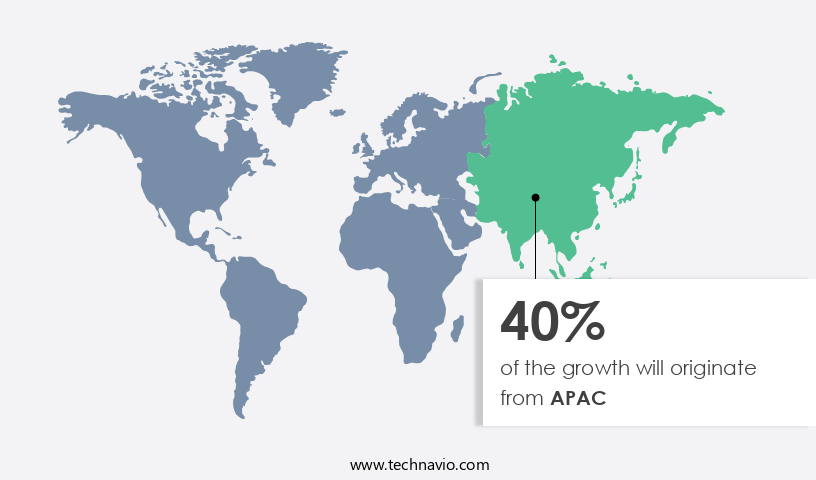
APAC is estimated to contribute 40% to the growth of the global market during the forecast period. Technavio's analysts have elaborately explained the regional trends and drivers that shape the market during the forecast period.
Composite Insulated Panels Market Share by Geography

Download Free Sample Report

The market in North America is experiencing significant growth due to increasing construction activities in the region. With the US, Canada, and Mexico being major contributors, the US is expected to lead the market during the forecast period. The demand for housing in the US, driven by population growth, is a key factor fueling market expansion. In terms of market trends, energy efficiency is a significant consideration, with polyurethane foam and polyisocyanurate foam used as insulation materials. Fastening systems and joint sealing ensure structural integrity and moisture resistance. LEED certification and green building are also driving market growth, as sustainability metrics become increasingly important.

Industrial and commercial construction, including cleanroom construction and cold storage, are major applications for composite insulated panels. Fire resistance is another important factor, with metal cladding and face materials providing additional safety. Building codes require strict adherence to energy performance, thermal bridging, and acoustic performance, which are addressed through energy modeling and simulation software. Renewable energy sources, such as solar panels and geothermal energy, are also integrated into composite insulated panels for improved energy efficiency. The market is expected to continue its growth trajectory due to these trends and the need for energy-efficient, sustainable building solutions.

Market Dynamics

Our researchers analyzed the data with 2023 as the base year, along with the key drivers, trends, and challenges. A holistic analysis of drivers will help companies refine their marketing strategies to gain a competitive advantage.

What are the Composite Insulated Panels market drivers leading to the rise in the adoption of Industry?

  • The surge in demand for energy-efficient buildings is the primary market catalyst, driving growth in this sector. 
  • Composite insulated panels are experiencing significant growth due to their advantages, including lightweight design, enhanced aesthetic appeal, and superior thermal insulation. The global push towards energy-efficient structures is escalating, driven by increasing regulatory requirements and heightened environmental concerns. Buildings account for approximately 40% of global energy consumption and 33% of greenhouse gas emissions. With the recent shift towards remote work and increased time spent at home, energy demand patterns have become more intricate. As a result, there is a growing emphasis on reducing energy consumption and carbon footprint in the construction sector.
  • Composite insulated panels, made from materials such as mineral wool, expanded polystyrene, fiber glass, and sandwich panels, offer excellent insulation, moisture resistance, and structural integrity. Energy modeling is increasingly being used to optimize building performance and reduce life cycle costs. These factors collectively contribute to the growing adoption of composite insulated panels.

What are the Composite Insulated Panels market trends shaping the Industry?

  • The increasing demand for composite insulated panels is a notable trend in the cold storage market. These panels offer superior insulation properties, making them a preferred choice for cold storage applications.
  • Composite insulated panels have gained significant traction in the construction industry due to their superior insulation properties, particularly in cold storage applications. These panels offer thermal insulation that surpasses other facade materials, simplifying the construction process for both commercial and residential projects. The use of composite insulated panels in sustainable construction, such as in East Africa for food preservation, ensures moisture control and adherence to building codes. These panels, with a 2mm profile, provide resistance to impacts, movements, and forces, maintaining optimal thermal insulation.
  • The adoption of composite insulated panels contributes to green building initiatives and modular or prefabricated construction. Additionally, the integration of geothermal energy systems with these panels enhances sustainability metrics, offering a substantial return on investment for businesses.

How does Composite Insulated Panels market faces challenges face during its growth?

  • The high costs associated with large-scale adoption of composite insulated panels represent a significant challenge impeding the growth of the industry. 
  • Composite insulated panels, which consist of core materials such as polyurethane, PIR, polystyrene, phenolic foam, and rockwool sandwiched between two layers of metal cladding, offer superior thermal insulation and air sealing properties compared to conventional insulators. These panels' high performance results in significant energy savings, making them an attractive option for various industries, including cold storage, cleanroom construction, and industrial construction. However, the high cost of raw materials and labor-intensive manufacturing process increase the price of composite insulation panels, limiting their use in large-scale applications.
  • The use of polyurethane as the most common core material contributes to the high cost but provides favorable thermal insulation and energy efficiency benefits. Despite the higher cost, composite insulated panels' ability to reduce thermal bridging and improve the building envelope's overall performance makes them a valuable investment for energy-conscious businesses seeking LEED certification.

Exclusive Customer Landscape

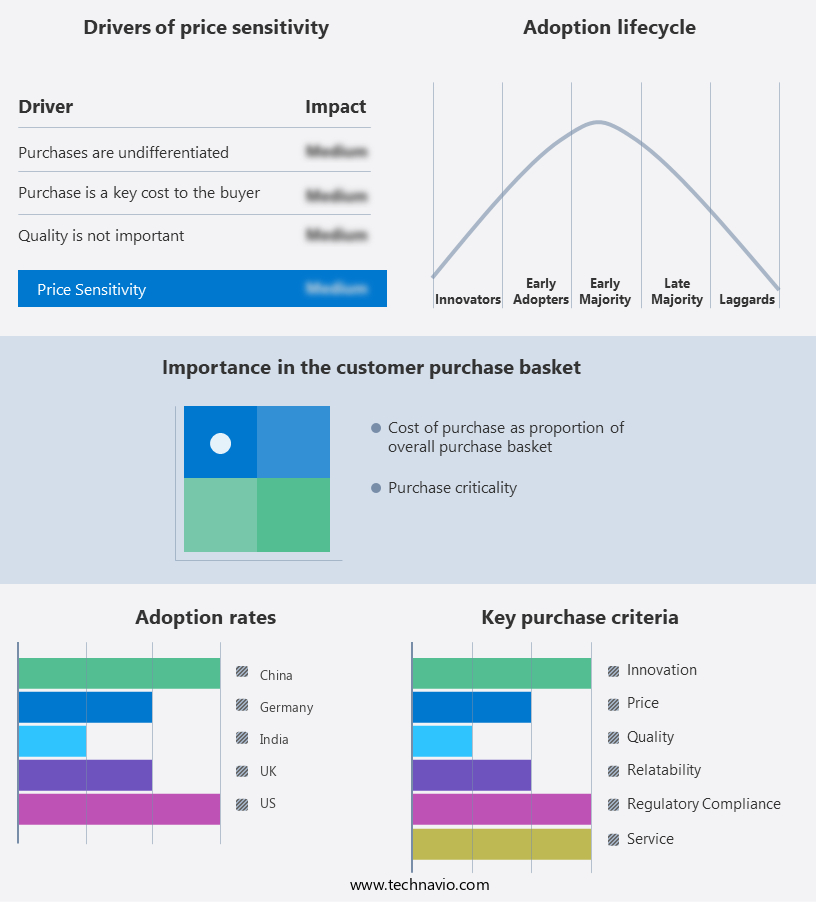
The composite insulated panels market forecasting report includes the adoption lifecycle of the market, covering from the innovator's stage to the laggard's stage. It focuses on adoption rates in different regions based on penetration. Furthermore, the composite insulated panels market report also includes key purchase criteria and drivers of price sensitivity to help companies evaluate and develop their market growth analysis strategies.
Composite Insulated Panels Market Share by Geography

 Customer Landscape

Key Companies & Market Insights

Companies are implementing various strategies, such as strategic alliances, composite insulated panels market forecast, partnerships, mergers and acquisitions, geographical expansion, and product/service launches, to enhance their presence in the industry.

Al Shahin Metal Industries - Composite insulated panels, including Promistyl and Ondastyl, are a key offering of the company.

The industry research and growth report includes detailed analyses of the competitive landscape of the market and information about key companies, including:

  • Al Shahin Metal Industries
  • Alubel Spa
  • ArcelorMittal SA
  • Balex Metal Sp zoo
  • Composite Panel Building Systems
  • Cornerstone Building Brands Inc.
  • DANA Group of Companies
  • Isopan Spa
  • Italpannelli Srl
  • Jiangsu Jingxue Insulation Technology Co. Ltd.
  • Kingspan Group Plc
  • Lattonedil Spa Milan
  • Metecno Group
  • PFB Corp.
  • PortaFab Corp.
  • Rautaruukki Corp.
  • Romakowski GmbH and Co. KG
  • Tata Steel
  • Yusuf A. Alghanim and Sons WLL
  • Zamil Industrial Investment Co

Qualitative and quantitative analysis of companies has been conducted to help clients understand the wider business environment as well as the strengths and weaknesses of key industry players. Data is qualitatively analyzed to categorize companies as pure play, category-focused, industry-focused, and diversified; it is quantitatively analyzed to categorize companies as dominant, leading, strong, tentative, and weak.

Recent Development and News in Composite Insulated Panels Market

  • In February 2024, Owens Corning, a leading global producer of building and industrial materials, introduced its new line of Aerogel Insulation composite insulated panels, boasting enhanced thermal insulation properties and improved energy efficiency (Owens Corning Press Release, 2024). This innovation marked a significant technological advancement in the market.
  • In June 2025, BASF and Siemens announced their strategic collaboration to develop and commercialize insulated panels with integrated building services, merging insulation and smart building technologies (BASF Press Release, 2025). This partnership represented a major strategic move to cater to the growing demand for energy-efficient and intelligent building solutions.
  • In September 2024, Kingspan, a global leader in high-performance insulation and building envelope solutions, acquired US-based panel manufacturer, CertainTeed Corporation, expanding its geographic reach and strengthening its market position (Kingspan Press Release, 2024). This acquisition marked a significant merger in the market.
  • In January 2025, the European Union passed the new Energy Performance of Buildings Directive (EPBD), mandating a 30% reduction in energy consumption for new buildings by 2030 (European Parliament Press Release, 2025). This regulatory initiative created a strong demand for advanced insulation solutions like composite insulated panels, driving market growth.

Research Analyst Overview

The market continues to evolve, driven by the ever-increasing demand for energy efficiency and sustainable construction solutions. These panels, which consist of core materials such as polyurethane foam, mineral wool, expanded polystyrene, and polyisocyanurate foam, sandwiched between face materials and metal cladding, offer superior thermal performance and moisture resistance. In the commercial construction sector, composite insulated panels are gaining popularity due to their ability to improve building envelope efficiency, reduce energy consumption, and enhance fire resistance. Simulation software plays a crucial role in evaluating the energy modeling and carbon footprint of these structures, enabling architects and engineers to optimize design and ensure LEED certification.

Residential construction also benefits from composite insulated panels, as they provide excellent thermal performance, acoustic performance, and moisture control. Pre-fabricated and modular construction methods further streamline the installation process, reducing construction time and costs while maintaining structural integrity. Moisture control is a critical concern in various sectors, including industrial construction and cleanroom construction, where composite insulated panels offer effective solutions through joint sealing and corrosion resistance. Additionally, these panels are increasingly being used in cold storage facilities and refrigerated warehouses, ensuring optimal temperature control and energy efficiency. The ongoing focus on sustainability metrics and green building initiatives is further fueling the growth of the market.

Renewable energy sources, such as solar panels, are being integrated into these structures to minimize energy consumption and improve overall building performance. Building codes continue to evolve, requiring higher energy efficiency standards and stricter moisture control regulations. Composite insulated panels meet these requirements, offering a cost-effective and sustainable solution for both new construction and retrofitting existing structures. In summary, the market is a dynamic and evolving space, driven by the continuous demand for energy efficiency, sustainable construction, and improved building performance across various sectors. From commercial and residential construction to industrial and cleanroom applications, these panels offer a versatile and effective solution for meeting the ever-changing needs of the construction industry.

Dive into Technavio's robust research methodology, blending expert interviews, extensive data synthesis, and validated models for unparalleled Composite Insulated Panels Market insights. See full methodology.

Market Scope

Report Coverage

Details

Page number

141

Base year

2023

Historic period

2018-2022

Forecast period

2024-2028

Growth momentum & CAGR

Accelerate at a CAGR of 4.5%

Market growth 2024-2028

USD 158.2 million

Market structure

Fragmented

YoY growth 2023-2024(%)

4.23

Key countries

US, China, Germany, UK, and India

Competitive landscape

Leading Companies, Market Positioning of Companies, Competitive Strategies, and Industry Risks

Request Free Sample

What are the Key Data Covered in this Composite Insulated Panels Market Research and Growth Report?

  • CAGR of the Composite Insulated Panels industry during the forecast period
  • Detailed information on factors that will drive the growth and forecasting between 2024 and 2028
  • Precise estimation of the size of the market and its contribution of the industry in focus to the parent market
  • Accurate predictions about upcoming growth and trends and changes in consumer behaviour
  • Growth of the market across North America, Europe, APAC, South America, and Middle East and Africa
  • Thorough analysis of the market's competitive landscape and detailed information about companies
  • Comprehensive analysis of factors that will challenge the composite insulated panels market growth of industry companies

We can help! Our analysts can customize this composite insulated panels market research report to meet your requirements.

Get in touch

1 Executive Summary

  • 1.1 Market overview
    • Executive Summary - Chart on Market Overview
    • Executive Summary - Data Table on Market Overview
    • Executive Summary - Chart on Global Market Characteristics
    • Executive Summary - Chart on Market by Geography
    • Executive Summary - Chart on Market Segmentation by Product
    • Executive Summary - Chart on Incremental Growth
    • Executive Summary - Data Table on Incremental Growth
    • Executive Summary - Chart on Company Market Positioning

2 Market Landscape

  • 2.1 Market ecosystem
    • Parent Market
    • Data Table on - Parent Market
  • 2.2 Market characteristics
    • Market characteristics analysis
  • 2.3 Value chain analysis
    • Value Chain Analysis

3 Market Sizing

  • 3.1 Market definition
    • Offerings of companies included in the market definition
  • 3.2 Market segment analysis
    • Market segments
  • 3.3 Market size 2023
    • 3.4 Market outlook: Forecast for 2023-2028
      • Chart on Global - Market size and forecast 2023-2028 ($ million)
      • Data Table on Global - Market size and forecast 2023-2028 ($ million)
      • Chart on Global Market: Year-over-year growth 2023-2028 (%)
      • Data Table on Global Market: Year-over-year growth 2023-2028 (%)

    4 Historic Market Size

    • 4.1 Global Composite Insulated Panels Market 2018 - 2022
      • Historic Market Size - Data Table on Global Composite Insulated Panels Market 2018 - 2022 ($ million)
    • 4.2 Product segment analysis 2018 - 2022
      • Historic Market Size - Product Segment 2018 - 2022 ($ million)
    • 4.3 Geography segment analysis 2018 - 2022
      • Historic Market Size - Geography Segment 2018 - 2022 ($ million)
    • 4.4 Country segment analysis 2018 - 2022
      • Historic Market Size - Country Segment 2018 - 2022 ($ million)

    5 Five Forces Analysis

    • 5.1 Five forces summary
      • Five forces analysis - Comparison between 2023 and 2028
    • 5.2 Bargaining power of buyers
      • Bargaining power of buyers - Impact of key factors 2023 and 2028
    • 5.3 Bargaining power of suppliers
      • Bargaining power of suppliers - Impact of key factors in 2023 and 2028
    • 5.4 Threat of new entrants
      • Threat of new entrants - Impact of key factors in 2023 and 2028
    • 5.5 Threat of substitutes
      • Threat of substitutes - Impact of key factors in 2023 and 2028
    • 5.6 Threat of rivalry
      • Threat of rivalry - Impact of key factors in 2023 and 2028
    • 5.7 Market condition
      • Chart on Market condition - Five forces 2023 and 2028

    6 Market Segmentation by Product

    • 6.1 Market segments
      • Chart on Product - Market share 2023-2028 (%)
      • Data Table on Product - Market share 2023-2028 (%)
    • 6.2 Comparison by Product
      • Chart on Comparison by Product
      • Data Table on Comparison by Product
    • 6.3 Expanded polystyrene (EPS) panel - Market size and forecast 2023-2028
      • Chart on Expanded polystyrene (EPS) panel - Market size and forecast 2023-2028 ($ million)
      • Data Table on Expanded polystyrene (EPS) panel - Market size and forecast 2023-2028 ($ million)
      • Chart on Expanded polystyrene (EPS) panel - Year-over-year growth 2023-2028 (%)
      • Data Table on Expanded polystyrene (EPS) panel - Year-over-year growth 2023-2028 (%)
    • 6.4 Rigid polyurethane (PUR) and rigid polyisocyanurate (PIR) panel - Market size and forecast 2023-2028
      • Chart on Rigid polyurethane (PUR) and rigid polyisocyanurate (PIR) panel - Market size and forecast 2023-2028 ($ million)
      • Data Table on Rigid polyurethane (PUR) and rigid polyisocyanurate (PIR) panel - Market size and forecast 2023-2028 ($ million)
      • Chart on Rigid polyurethane (PUR) and rigid polyisocyanurate (PIR) panel - Year-over-year growth 2023-2028 (%)
      • Data Table on Rigid polyurethane (PUR) and rigid polyisocyanurate (PIR) panel - Year-over-year growth 2023-2028 (%)
    • 6.5 Glass wool panel - Market size and forecast 2023-2028
      • Chart on Glass wool panel - Market size and forecast 2023-2028 ($ million)
      • Data Table on Glass wool panel - Market size and forecast 2023-2028 ($ million)
      • Chart on Glass wool panel - Year-over-year growth 2023-2028 (%)
      • Data Table on Glass wool panel - Year-over-year growth 2023-2028 (%)
    • 6.6 Others - Market size and forecast 2023-2028
      • Chart on Others - Market size and forecast 2023-2028 ($ million)
      • Data Table on Others - Market size and forecast 2023-2028 ($ million)
      • Chart on Others - Year-over-year growth 2023-2028 (%)
      • Data Table on Others - Year-over-year growth 2023-2028 (%)
    • 6.7 Market opportunity by Product
      • Market opportunity by Product ($ million)
      • Data Table on Market opportunity by Product ($ million)

    7 Customer Landscape

    • 7.1 Customer landscape overview
      • Analysis of price sensitivity, lifecycle, customer purchase basket, adoption rates, and purchase criteria

    8 Geographic Landscape

    • 8.1 Geographic segmentation
      • Chart on Market share by geography 2023-2028 (%)
      • Data Table on Market share by geography 2023-2028 (%)
    • 8.2 Geographic comparison
      • Chart on Geographic comparison
      • Data Table on Geographic comparison
    • 8.3 North America - Market size and forecast 2023-2028
      • Chart on North America - Market size and forecast 2023-2028 ($ million)
      • Data Table on North America - Market size and forecast 2023-2028 ($ million)
      • Chart on North America - Year-over-year growth 2023-2028 (%)
      • Data Table on North America - Year-over-year growth 2023-2028 (%)
    • 8.4 Europe - Market size and forecast 2023-2028
      • Chart on Europe - Market size and forecast 2023-2028 ($ million)
      • Data Table on Europe - Market size and forecast 2023-2028 ($ million)
      • Chart on Europe - Year-over-year growth 2023-2028 (%)
      • Data Table on Europe - Year-over-year growth 2023-2028 (%)
    • 8.5 APAC - Market size and forecast 2023-2028
      • Chart on APAC - Market size and forecast 2023-2028 ($ million)
      • Data Table on APAC - Market size and forecast 2023-2028 ($ million)
      • Chart on APAC - Year-over-year growth 2023-2028 (%)
      • Data Table on APAC - Year-over-year growth 2023-2028 (%)
    • 8.6 South America - Market size and forecast 2023-2028
      • Chart on South America - Market size and forecast 2023-2028 ($ million)
      • Data Table on South America - Market size and forecast 2023-2028 ($ million)
      • Chart on South America - Year-over-year growth 2023-2028 (%)
      • Data Table on South America - Year-over-year growth 2023-2028 (%)
    • 8.7 Middle East and Africa - Market size and forecast 2023-2028
      • Chart on Middle East and Africa - Market size and forecast 2023-2028 ($ million)
      • Data Table on Middle East and Africa - Market size and forecast 2023-2028 ($ million)
      • Chart on Middle East and Africa - Year-over-year growth 2023-2028 (%)
      • Data Table on Middle East and Africa - Year-over-year growth 2023-2028 (%)
    • 8.8 US - Market size and forecast 2023-2028
      • Chart on US - Market size and forecast 2023-2028 ($ million)
      • Data Table on US - Market size and forecast 2023-2028 ($ million)
      • Chart on US - Year-over-year growth 2023-2028 (%)
      • Data Table on US - Year-over-year growth 2023-2028 (%)
    • 8.9 China - Market size and forecast 2023-2028
      • Chart on China - Market size and forecast 2023-2028 ($ million)
      • Data Table on China - Market size and forecast 2023-2028 ($ million)
      • Chart on China - Year-over-year growth 2023-2028 (%)
      • Data Table on China - Year-over-year growth 2023-2028 (%)
    • 8.10 Germany - Market size and forecast 2023-2028
      • Chart on Germany - Market size and forecast 2023-2028 ($ million)
      • Data Table on Germany - Market size and forecast 2023-2028 ($ million)
      • Chart on Germany - Year-over-year growth 2023-2028 (%)
      • Data Table on Germany - Year-over-year growth 2023-2028 (%)
    • 8.11 UK - Market size and forecast 2023-2028
      • Chart on UK - Market size and forecast 2023-2028 ($ million)
      • Data Table on UK - Market size and forecast 2023-2028 ($ million)
      • Chart on UK - Year-over-year growth 2023-2028 (%)
      • Data Table on UK - Year-over-year growth 2023-2028 (%)
    • 8.12 India - Market size and forecast 2023-2028
      • Chart on India - Market size and forecast 2023-2028 ($ million)
      • Data Table on India - Market size and forecast 2023-2028 ($ million)
      • Chart on India - Year-over-year growth 2023-2028 (%)
      • Data Table on India - Year-over-year growth 2023-2028 (%)
    • 8.13 Market opportunity by geography
      • Market opportunity by geography ($ million)
      • Data Tables on Market opportunity by geography ($ million)

    9 Drivers, Challenges, and Opportunity/Restraints

    • 9.1 Market drivers
      • 9.2 Market challenges
        • 9.3 Impact of drivers and challenges
          • Impact of drivers and challenges in 2023 and 2028
        • 9.4 Market opportunities/restraints

          10 Competitive Landscape

          • 10.1 Overview
            • 10.2 Competitive Landscape
              • Overview on criticality of inputs and factors of differentiation
            • 10.3 Landscape disruption
              • Overview on factors of disruption
            • 10.4 Industry risks
              • Impact of key risks on business

            11 Competitive Analysis

            • 11.1 Companies profiled
              • Companies covered
            • 11.2 Market positioning of companies
              • Matrix on companies position and classification
            • 11.3 ArcelorMittal SA
              • ArcelorMittal SA - Overview
              • ArcelorMittal SA - Business segments
              • ArcelorMittal SA - Key news
              • ArcelorMittal SA - Key offerings
              • ArcelorMittal SA - Segment focus
            • 11.4 Balex Metal Sp zoo
              • Balex Metal Sp zoo - Overview
              • Balex Metal Sp zoo - Product / Service
              • Balex Metal Sp zoo - Key offerings
            • 11.5 DANA Group of Companies
              • DANA Group of Companies - Overview
              • DANA Group of Companies - Product / Service
              • DANA Group of Companies - Key offerings
            • 11.6 Kingspan Group Plc
              • Kingspan Group Plc - Overview
              • Kingspan Group Plc - Business segments
              • Kingspan Group Plc - Key news
              • Kingspan Group Plc - Key offerings
              • Kingspan Group Plc - Segment focus
            • 11.7 Metecno Group
              • Metecno Group - Overview
              • Metecno Group - Product / Service
              • Metecno Group - Key offerings
            • 11.8 PFB Corp.
              • PFB Corp. - Overview
              • PFB Corp. - Product / Service
              • PFB Corp. - Key offerings
            • 11.9 PortaFab Corp.
              • PortaFab Corp. - Overview
              • PortaFab Corp. - Product / Service
              • PortaFab Corp. - Key offerings
            • 11.10 Rautaruukki Corp.
              • Rautaruukki Corp. - Overview
              • Rautaruukki Corp. - Product / Service
              • Rautaruukki Corp. - Key offerings
            • 11.11 Tata Steel
              • Tata Steel - Overview
              • Tata Steel - Business segments
              • Tata Steel - Key news
              • Tata Steel - Key offerings
              • Tata Steel - Segment focus
            • 11.12 Yusuf A. Alghanim and Sons WLL
              • Yusuf A. Alghanim and Sons WLL - Overview
              • Yusuf A. Alghanim and Sons WLL - Product / Service
              • Yusuf A. Alghanim and Sons WLL - Key offerings

            12 Appendix

            • 12.1 Scope of the report
              • 12.2 Inclusions and exclusions checklist
                • Inclusions checklist
                • Exclusions checklist
              • 12.3 Currency conversion rates for US$
                • Currency conversion rates for US$
              • 12.4 Research methodology
                • Research methodology
              • 12.5 Data procurement
                • Information sources
              • 12.6 Data validation
                • Data validation
              • 12.7 Validation techniques employed for market sizing
                • Validation techniques employed for market sizing
              • 12.8 Data synthesis
                • Data synthesis
              • 360 degree market analysis
                • 360 degree market analysis
              • 12.10 List of abbreviations
                • List of abbreviations

              Research Methodology

              Technavio presents a detailed picture of the market by way of study, synthesis, and summation of data from multiple sources. The analysts have presented the various facets of the market with a particular focus on identifying the key industry influencers. The data thus presented is comprehensive, reliable, and the result of extensive research, both primary and secondary.

              INFORMATION SOURCES

              Primary sources

              • Manufacturers and suppliers
              • Channel partners
              • Industry experts
              • Strategic decision makers

              Secondary sources

              • Industry journals and periodicals
              • Government data
              • Financial reports of key industry players
              • Historical data
              • Press releases

              DATA ANALYSIS

              Data Synthesis

              • Collation of data
              • Estimation of key figures
              • Analysis of derived insights

              Data Validation

              • Triangulation with data models
              • Reference against proprietary databases
              • Corroboration with industry experts

              REPORT WRITING

              Qualitative

              • Market drivers
              • Market challenges
              • Market trends
              • Five forces analysis

              Quantitative

              • Market size and forecast
              • Market segmentation
              • Geographical insights
              • Competitive landscape

              Interested in this report?

              Get your sample now to see our research methodology and insights!

              Download Now

              Frequently Asked Questions

              Composite Insulated Panels market growth will increase by $ 158.2 mn during 2024-2028 .

              The Composite Insulated Panels market is expected to grow at a CAGR of 4.5% during 2024-2028 .

              Composite Insulated Panels market is segmented by Product( Expanded polystyrene (EPS) panel, Rigid polyurethane and rigid polyisocyanurate panel, Glass wool panel, Others)

              Al Shahin Metal Industries, Alubel Spa, ArcelorMittal SA, Balex Metal Sp zoo, Composite Panel Building Systems, Cornerstone Building Brands Inc., DANA Group of Companies, Isopan Spa, Italpannelli Srl, Jiangsu Jingxue Insulation Technology Co. Ltd., Kingspan Group Plc, Lattonedil Spa Milan, Metecno Group, PFB Corp., PortaFab Corp., Rautaruukki Corp., Romakowski GmbH and Co. KG, Tata Steel, Yusuf A. Alghanim and Sons WLL, Zamil Industrial Investment Co are a few of the key vendors in the Composite Insulated Panels market.

              APAC will register the highest growth rate of 40% among the other regions. Therefore, the Composite Insulated Panels market in APAC is expected to garner significant business opportunities for the vendors during the forecast period.

              US, China, Germany, UK, India

              • Rising demand for energy-efficient buildingsComposite insulated panels are expected to gain traction owing to their several benefits is the driving factor this market.
              • such as low weight is the driving factor this market.
              • improved appearance is the driving factor this market.
              • and high thermal performance. The demand for energy-efficient buildings is growing at a rapid pace across the globe owing to the stringent government regulations and rising awareness regarding environmental degradation. Buildings are responsible for 40% of global energy consumption and 33% of greenhouse gas emissions. Time spent at home increased by nearly 30% when the lockdown was at its peak and was still 5% to 10% higher between June and October in 2020. Increased time spent at home is being used for energy-consuming activities is the driving factor this market.
              • leading to significant and complex changes in energy demand. In some parts of the US weekday average household electricity consumption increased by 20% to 30% from late March to early April 2020 is the driving factor this market.
              • especially to cool homes in warmer climates. In India is the driving factor this market.
              • electricity demand increased as residential cooling loads increased is the driving factor this market.
              • and in Europe is the driving factor this market.
              • heating energy consumption increased by 40% year-on-year (YOY) in March and early April 2020. According to International Energy Agency (IEA) is the driving factor this market.
              • the green building materials industry is expected to achieve an annual growth rate of 8.6% by 2027. The demand for green buildings is projected to continue to grow by 11.6% in China and 13% in Latin America by 2027. Energy demand from buildings and buildings construction continues to rise is the driving factor this market.
              • driven by improved access to energy in developing countries is the driving factor this market.
              • growing demand for air conditioning in tropical countries is the driving factor this market.
              • greater ownership and use of energy-consuming appliances is the driving factor this market.
              • and rapid growth in global buildings floor area. In addition is the driving factor this market.
              • increasing awareness of climate change due to increased pollution is the driving factor this market.
              • population is the driving factor this market.
              • and greenhouse gases is driving the demand for efficient and cost-effective insulation panels. Thus is the driving factor this market.
              • the implementation of composite insulated panels on external and interior walls plays a very important role in energy-saving buildings. For instance is the driving factor this market.
              • internal wall insulation reduces heating bills and boosts indoor comfort. Thus is the driving factor this market.
              • the rising demand for energy-efficient buildings will drive the demand for composite insulated panels is the driving factor this market.
              • which is the driving factor this market.
              • in turn is the driving factor this market.
              • will boost the growth of the global composite insulated panels market during the forecast period. is the driving factor this market.

              The Composite Insulated Panels market vendors should focus on grabbing business opportunities from the Expanded polystyrene (EPS) panel segment as it accounted for the largest market share in the base year.
