


Expanded Polystyrene (EPS) For Packaging Market Analysis, Size, and Forecast 2025-2029: North America (US and Canada), Europe (France, Germany, and UK), APAC (China, India, Japan, and South Korea), South America (Brazil), and Rest of World (ROW)

Expanded Polystyrene (EPS) For Packaging Market Analysis, Size, and Forecast 2025-2029:
North America (US and Canada), Europe (France, Germany, and UK), APAC (China, India, Japan, and South Korea), South America (Brazil), and Rest of World (ROW)

Published: Jun 2025 249 Pages SKU: IRTNTR44677

Market Overview at a Glance

$7.11 B
Market Opportunity
9.6%
CAGR
8.1
YoY growth 2024-2025(%)

Expanded Polystyrene (EPS) For Packaging Market Size 2025-2029

The expanded polystyrene (EPS) for packaging market size is forecast to increase by USD 7.11 billion, at a CAGR of 9.6% between 2024 and 2029.

  • The market is driven by the increasing focus on environmental sustainability, with EPS offering significant benefits in this regard. EPS is known for its excellent insulation properties, making it an ideal choice for protecting temperature-sensitive goods during transportation. Moreover, its lightweight nature reduces the carbon footprint of transportation, contributing to its appeal. A key trend in the market is the growth of the food delivery and takeaway industry, which has witnessed a rise due to the convenience it offers in today's fast-paced world. EPS packaging is extensively used in this sector due to its excellent insulation properties, ensuring food remains at the desired temperature during transit. The environmental benefits of EPS are increasingly recognized, with its excellent insulation properties reducing the need for excessive energy consumption in refrigeration and transportation
  • Additionally, the popularity of bioplastic packaging is on the rise as consumers increasingly demand eco-friendly alternatives. However, challenges persist in the form of stringent regulations regarding the disposal of EPS waste, which can be detrimental to the environment. In the food service industry, EPS is utilized for insulation of hot and cold food containers, ensuring food safety and preserving temperature. Addressing these concerns through sustainable disposal methods and exploring biodegradable alternatives will be crucial for market participants seeking to capitalize on the opportunities presented by this market while mitigating potential challenges effectively.

What will be the Size of the Expanded Polystyrene (EPS) For Packaging Market during the forecast period?
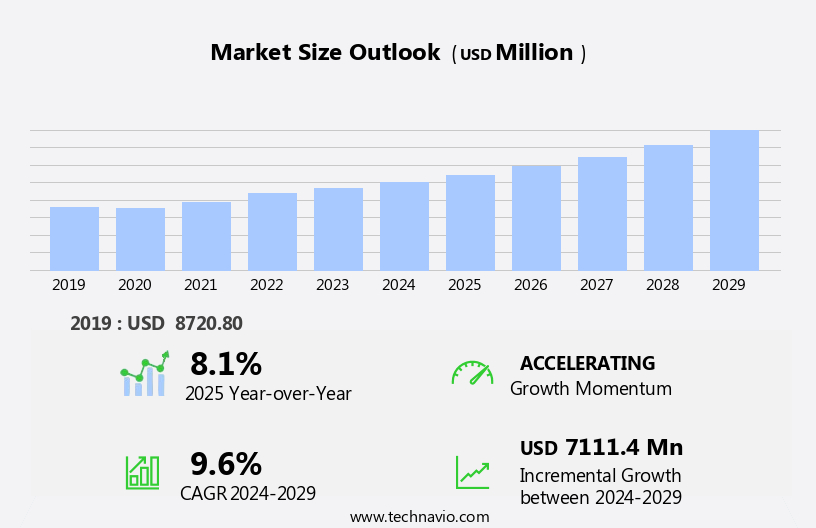
Expanded Polystyrene (EPS) For Packaging Market Size

Explore in-depth regional segment analysis with market size data - historical 2019-2023 and forecasts 2025-2029 - in the full report.  
 Request Free Sample

  • Expanded polystyrene (EPS) cushioning materials continue to be a significant player in the packaging industry, offering superior shock absorption and protection for various products. While bubble wrap and corrugated cardboard remain popular alternatives, EPS's lightweight and customizable nature make it an attractive choice for businesses seeking packaging efficiency. Polypropylene (PP) and protective films, along with polyethylene (PE), are other materials that cater to specific packaging requirements. The Packaging Efficiency Index (PEI) is a crucial metric in assessing the environmental impact of various packaging solutions, including EPS, oxygen absorbers, and shock absorbing inserts. Compliance with packaging regulations is essential, with EPS being subject to stringent guidelines for its use in various industries.
  • PVC, anti-static packaging, and protective partitions are other materials that cater to specific applications, such as humidity control and ESD protection. The packaging circular economy is a growing trend, with EPS manufacturers focusing on packaging volume reduction and carbon footprint reduction through optimization and weight reduction techniques. Air cushioning and void fill are essential components of this approach, providing effective protection while minimizing material usage. EPS's versatility extends to its use as protective covers for sensitive products, offering an additional layer of protection during transportation and storage. Overall, the EPS market is dynamic, with ongoing research and development efforts aimed at enhancing its sustainability and performance.

How is this Expanded Polystyrene (EPS) For Packaging Industry segmented?

The expanded polystyrene (EPS) for packaging industry research report provides comprehensive data (region-wise segment analysis), with forecasts and estimates in "USD million" for the period 2025-2029, as well as historical data from 2019-2023 for the following segments.

  • Application
    • Electronic appliances
    • Food and beverage
    • Healthcare
    • Others
  • Type
    • White
    • Grey
  • Packaging
    • Rigid packaging
    • Flexible packaging
  • Product Type
    • Molded foam
    • Sheets
    • Blocks
    • Beads and loose fill
    • Custom shapes
  • Geography
    • North America
      • US
      • Canada
    • Europe
      • France
      • Germany
      • UK
    • APAC
      • China
      • India
      • Japan
      • South Korea
    • South America
      • Brazil
    • Rest of World (ROW)

By Application Insights

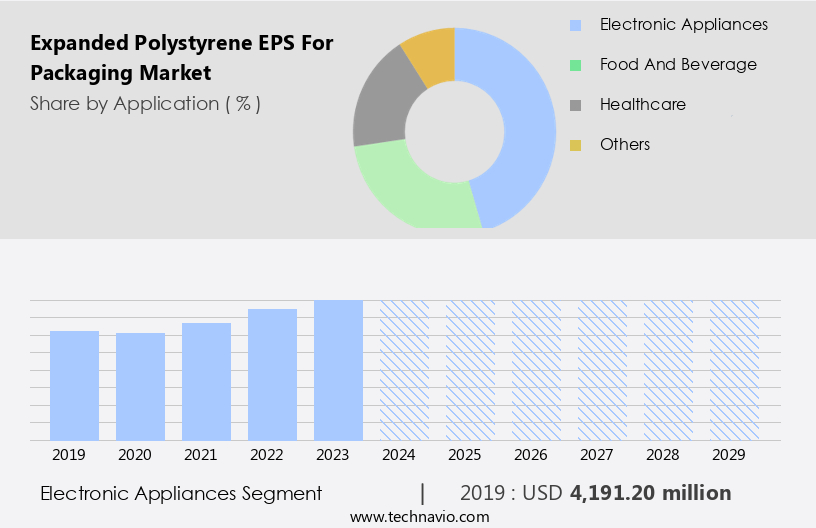
The electronic appliances segment is estimated to witness significant growth during the forecast period. In the realm of electronic appliances, expanded polystyrene (EPS) plays a pivotal role as a protective packaging solution. EPS is utilized extensively for various appliances such as blenders, washing machines, air conditioners, personal computers, scanners, and television screens. The electronics sector, particularly dominated by refrigerators, television screens, and air conditioners, experiences significant growth due to increasing global temperatures and consumer demand. Consequently, numerous enterprises introduce new products to cater to this expanding market. For instance, Voltas launched 24 new adjustable AC models in India during March 2023. This burgeoning industry trend signifies the increasing demand for lightweight, efficient, and effective packaging solutions.

EPS, with its superior shock absorption, moisture barrier, and insulation properties, is poised to meet these requirements. Additionally, the e-commerce sector's escalating popularity necessitates robust packaging solutions for safe transportation and delivery. Packaging innovations, such as recyclable, biodegradable, and smart packaging, are gaining traction to reduce environmental impact and enhance consumer convenience. The packaging industry responds by offering advanced technologies, including packaging design software, automation, and testing equipment. The integration of packaging regulations, labeling, branding, and supply chain management further streamlines the manufacturing process. Overall, the electronic appliances industry's growth and the evolving packaging trends create a dynamic market for EPS and other protective packaging solutions.
Expanded Polystyrene (EPS) For Packaging Market Size

Request Free Sample

The Electronic appliances segment was valued at USD 4.19 billion in 2019 and showed a gradual increase during the forecast period.

The Expanded Polystyrene (EPS) Packaging Market is growing as industries prioritize durability and efficiency. Foam packaging is widely used in eCommerce packaging and consumer goods packaging, ensuring product protection. The demand for custom packaging solutions is rising, enabling packaging cost optimization and seamless packaging logistics. Rigorous testing methods, including drop test, vibration test, and compression test, enhance packaging performance. Focus on packaging sustainability drives packaging lifecycle analysis and packaging waste reduction efforts. Smart technologies such as RFID packaging and barcode packaging streamline tracking. Companies invest in packaging branding, packaging marketing, and packaging recycling to strengthen eco-friendly strategies. Innovations in packaging equipment and packaging machinery optimize production. Packaging consulting and packaging analysis further refine market strategies, fueling growth.

Regional Analysis

APAC is estimated to contribute 76% to the growth of the global market during the forecast period. Technavio's analysts have elaborately explained the regional trends and drivers that shape the market during the forecast period.
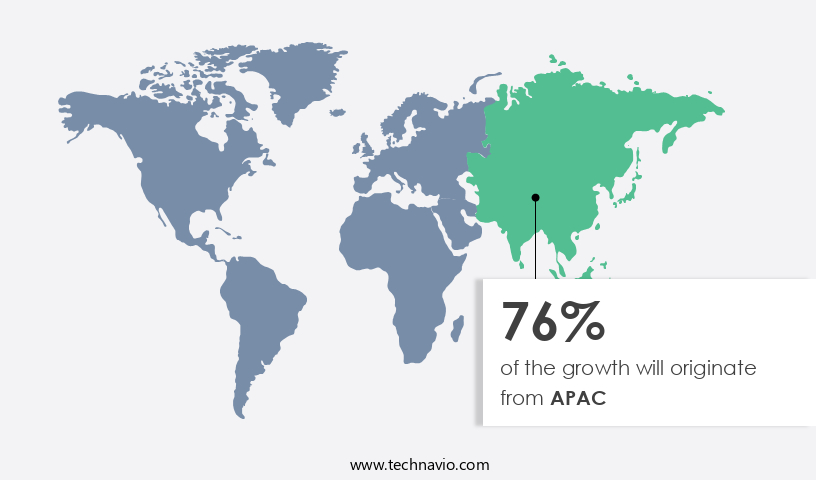
Expanded Polystyrene (EPS) For Packaging Market Share by Geography

Download Free Sample Report

The market is experiencing significant growth, driven by the increasing demand for protective packaging solutions in various industries. E-commerce and industrial sectors are major contributors to this trend, with the former witnessing a rise due to the expanding consumer base and the latter due to the rise in manufacturing activities. EPS offers several advantages, including excellent shock absorption, moisture barrier, and insulation properties, making it an ideal choice for protecting sensitive goods during transportation and storage. Packaging innovation continues to be a key focus area, with companies investing in advanced technologies such as extrusion molding and injection molding to produce customized and efficient packaging solutions.

Recyclable packaging is also gaining popularity, with EPS recycling becoming increasingly important to reduce waste and promote sustainability. Regulations regarding packaging labeling and branding are strict, ensuring that all packaging meets the required standards for safety and performance. Food packaging is another significant application area for EPS, with its excellent insulation properties making it ideal for preserving temperature-sensitive products. Pharmaceutical packaging also utilizes EPS due to its impact resistance and ability to protect delicate products during transportation. EPS is also used in thermal insulation for electronics packaging and in protective packaging for industrial equipment. Packaging efficiency and analysis are crucial in the supply chain, with companies investing in software and automation to optimize costs and reduce waste.

The market for EPS packaging is diverse, with applications ranging from protective packaging for consumer goods to industrial packaging for heavy machinery. The future of EPS packaging lies in smart packaging solutions, which offer real-time monitoring and tracking capabilities, enhancing product protection and supply chain efficiency. The market is witnessing robust growth due to its versatility, cost-effectiveness, and excellent protective properties. The market is driven by the expanding e-commerce and industrial sectors, with a focus on innovation, sustainability, and efficiency. EPS packaging offers several advantages, including shock absorption, moisture barrier, insulation, and impact resistance, making it an ideal choice for various applications.

The market is expected to continue growing, with a focus on customization, recycling, and smart packaging solutions.

Market Dynamics

Our researchers analyzed the data with 2024 as the base year, along with the key drivers, trends, and challenges. A holistic analysis of drivers will help companies refine their marketing strategies to gain a competitive advantage.

What are the Expanded Polystyrene (EPS) For Packaging market drivers leading to the rise in the adoption of Industry?

  • The expansion of the polystyrene market is primarily driven by the environmental advantages this material offers. Expanded polystyrene (EPS) is a popular choice for packaging manufacturing due to its unique properties and environmental benefits. Unlike other packaging materials, EPS is non-biodegradable but is still considered environmentally friendly due to its ease of recycling and composition. The material consists of a large amount of air and a limited amount of plastic, making it lightweight and efficient for shock absorption. EPS packaging is more sustainable than plastic, wood, and cardboard. Its recyclability is a significant advantage, as it can be recycled using expanded polystyrene compactors and pelleting processes. The recycling process is relatively quick, and the material breaks down into simpler forms, minimizing the time it spends in the waste stream.
  • Moreover, EPS packaging is reusable, reducing the need for constant production and disposal. This feature is particularly attractive to retail and food and beverage establishments, which often use large quantities of packaging. By encouraging customers to reuse EPS containers, these businesses can reduce their environmental footprint and save on packaging material sourcing costs. EPS is a preferred packaging material due to its recyclability, reusability, and efficient shock absorption properties. Its environmental benefits make it a more sustainable choice compared to plastic, wood, and cardboard. As packaging regulations continue to evolve, businesses that prioritize sustainability and efficiency in their packaging supply chain will increasingly turn to EPS as a solution.

What are the Expanded Polystyrene (EPS) For Packaging market trends shaping the Industry?

  • The food delivery and takeaway industry is experiencing significant growth and is becoming a prominent market trend. This sector is expected to continue expanding due to its convenience and flexibility in meeting consumers' demands for quick and convenient meal options. The market is experiencing notable growth due to several factors. These include the increasing trend of urbanization, hectic lifestyles, and the widespread use of smartphones and m-commerce. The food delivery and takeaway industry, which is a significant end-user of EPS packaging, is estimated to grow at a Compound Annual Growth Rate (CAGR) of approximately 9% during the forecast period. This growth can be attributed to the convenience and ease of ordering food online through mobile applications and websites.
  • Additionally, advancements in packaging technology include the integration of RFID tags, packaging software, and packaging automation. The sustainability trend is also influencing the packaging industry, with the increasing demand for biodegradable packaging alternatives. However, EPS packaging can be recycled and reused, making it an environmentally friendly choice. Overall, the EPS for packaging market is expected to continue its growth trajectory, driven by these market dynamics. Moreover, EPS packaging offers advantages such as excellent impact resistance, insulation properties, and customization options through packaging graphics. To ensure the performance and quality of EPS packaging, testing and certification are crucial.

How does Expanded Polystyrene (EPS) For Packaging market faces challenges during its growth?

  • The increasing popularity of bioplastic packaging poses a significant challenge to the growth of the packaging industry, as this eco-friendly alternative gains traction in the market. Expanded Polystyrene (EPS) for packaging is a crucial solution for product protection, particularly in industries that require thermal insulation, such as electronics. However, the market is witnessing a shift towards sustainable packaging solutions due to increasing environmental concerns. Bioplastics, derived from renewable biomass sources, are gaining popularity as they offer a more eco-friendly alternative to traditional packaging materials. Several studies indicate that sustainable packaging is a priority for customers, driving the demand for packaging that meets stringent protective standards while reducing waste and optimizing costs. Smart packaging solutions are also becoming increasingly important in the packaging distribution chain, enabling real-time monitoring of product conditions and reducing the need for frequent drop tests.
  • Governments and organizations are promoting the use of sustainable packaging through various initiatives, including funding for projects that utilize household food waste to create biodegradable plastic bags and cups. As a result, end-users are transitioning to bioplastics for their flexible packaging needs. The packaging industry is undergoing significant changes, with a focus on sustainability and cost optimization. EPS for packaging continues to play a vital role in product protection, but the market is evolving to meet the demands of eco-conscious consumers and regulatory requirements. Bioplastics offer a promising solution, providing sustainable alternatives while maintaining the necessary protective properties.

Exclusive Customer Landscape

The expanded polystyrene (EPS) for packaging market forecasting report includes the adoption lifecycle of the market, covering from the innovator's stage to the laggard's stage. It focuses on adoption rates in different regions based on penetration. Furthermore, the expanded polystyrene (EPS) for packaging market report also includes key purchase criteria and drivers of price sensitivity to help companies evaluate and develop their market growth analysis strategies.
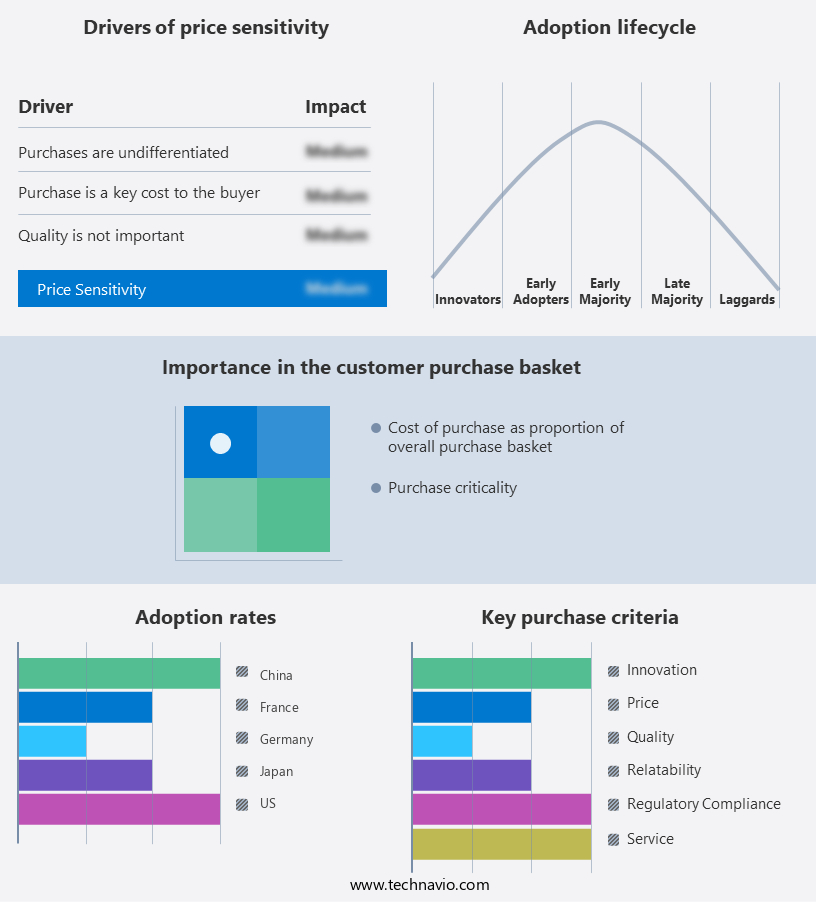
Expanded Polystyrene (EPS) For Packaging Market Share by Geography

 Customer Landscape

Key Companies & Market Insights

Companies are implementing various strategies, such as strategic alliances, expanded polystyrene (eps) for packaging market forecast, partnerships, mergers and acquisitions, geographical expansion, and product/service launches, to enhance their presence in the industry.

Alpek SAB de CV - The company specializes in expanded polystyrene (EPS) for packaging solutions and has launched Arcel, a premium expanded polystyrene brand known for its superior performance and durability.

The industry research and growth report includes detailed analyses of the competitive landscape of the market and information about key companies, including:

  • Alpek SAB de CV
  • Arkema
  • Axion Recycling Ltd.
  • BASF SE
  • Chimei Corp.
  • DuPont de Nemours Inc.
  • Eni SpA
  • Epsilyte LLC
  • Formosa Chemicals and Fibre Corp.
  • INEOS Group Holdings S.A.
  • Kaneka Corp.
  • LG Chem Ltd.
  • NOVA Chemicals Corp.
  • PS Japan Corp.
  • Ravago
  • Saudi Basic Industries Corp.
  • Supreme Petrochem Ltd.
  • TotalEnergies SE
  • Trinseo PLC
  • Videolar Innova SA

Qualitative and quantitative analysis of companies has been conducted to help clients understand the wider business environment as well as the strengths and weaknesses of key industry players. Data is qualitatively analyzed to categorize companies as pure play, category-focused, industry-focused, and diversified; it is quantitatively analyzed to categorize companies as dominant, leading, strong, tentative, and weak.

Recent Development and News in Expanded Polystyrene (EPS) For Packaging Market

  • In February 2023, BASF, a leading global chemical producer, announced the expansion of its EPS (Expanded Polystyrene) foam production capacity at its site in Ludwigshafen, Germany. This expansion is expected to increase the company's annual production by 50,000 metric tons, strengthening its position in the European EPS market (BASF press release, 2023).
  • In April 2024, DuPont and INEOS Styrolution, two major players in the polystyrene industry, announced a strategic collaboration to develop and commercialize innovative EPS products. This collaboration aims to combine DuPont's expertise in specialty materials and INEOS Styrolution's leadership in polystyrene production, creating new opportunities for the EPS market (DuPont press release, 2024).
  • In July 2024, LyondellBasell, a leading chemical company, completed the acquisition of A. Schulman, a global supplier of specialty materials, including EPS. This acquisition is expected to enhance LyondellBasell's position in the packaging market and expand its product portfolio (LyondellBasell press release, 2024).

Research Analyst Overview

Expanded polystyrene (EPS) continues to be a dynamic force in the packaging market, with ongoing advancements and applications across various sectors. EPS offers exceptional product protection through its unique properties, including excellent shock absorption, thermal insulation, and moisture barrier. In the realm of protective packaging solutions, EPS plays a crucial role in ensuring the safe transportation of fragile and valuable goods. Adhering to stringent packaging standards, EPS is utilized in industries such as electronics, pharmaceuticals, and industrial manufacturing. Sustainability is a key focus in today's packaging landscape, and EPS is evolving to meet these demands. Efforts in EPS recycling and the development of biodegradable alternatives are underway, contributing to the reduction of packaging waste and the optimization of costs.

Packaging distribution and logistics are also influenced by EPS, with its lightweight and efficient nature making it an ideal choice for shipping and transportation. Smart packaging innovations, such as RFID technology and product tracking, are being integrated into EPS solutions to enhance supply chain visibility and streamline operations. The packaging industry is continually pushing the boundaries of technology and performance. EPS remains at the forefront, with ongoing advancements in packaging design, manufacturing, and testing, ensuring it remains a competitive and essential component in the evolving packaging landscape.

The Expanded Polystyrene (EPS) Packaging Market continues to advance, focusing on efficiency and sustainability. Compared to polyvinyl chloride (PVC), EPS offers lightweight durability, promoting packaging optimization and packaging weight reduction without compromising protection. Companies conduct rigorous environmental impact assessment to minimize ecological footprint, exploring recyclable alternatives and energy-efficient production processes. Strict packaging regulations compliance ensures adherence to industry standards, driving innovation in sustainable packaging solutions. Expanded Polystyrene (EPS), also known as expanded plastic foam or polystyrene beads, is a versatile plastic foam material widely used in various industries for packaging applications.

Dive into Technavio's strong research methodology, blending expert interviews, extensive data synthesis, and validated models for unparalleled Expanded Polystyrene (EPS) For Packaging Market insights. See full methodology.

Market Scope

Report Coverage

Details

Page number

249

Base year

2024

Historic period

2019-2023

Forecast period

2025-2029

Growth momentum & CAGR

Accelerate at a CAGR of 9.6%

Market growth 2025-2029

USD 7.11 billion

Market structure

Fragmented

YoY growth 2024-2025(%)

8.1

Key countries

China, US, India, Germany, Japan, Brazil, France, South Korea, UK, and Canada

Competitive landscape

Leading Companies, Market Positioning of Companies, Competitive Strategies, and Industry Risks

Request Free Sample

What are the Key Data Covered in this Expanded Polystyrene (EPS) For Packaging Market Research and Growth Report?

  • CAGR of the Expanded Polystyrene (EPS) For Packaging industry during the forecast period
  • Detailed information on factors that will drive the growth and forecasting between 2025 and 2029
  • Precise estimation of the size of the market and its contribution of the industry in focus to the parent market
  • Accurate predictions about upcoming growth and trends and changes in consumer behaviour
  • Growth of the market across APAC, Europe, North America, South America, and Middle East and Africa
  • Thorough analysis of the market's competitive landscape and detailed information about companies
  • Comprehensive analysis of factors that will challenge the expanded polystyrene (eps) for packaging market growth of industry companies

We can help! Our analysts can customize this expanded polystyrene (eps) for packaging market research report to meet your requirements.

Get in touch

1 Executive Summary

  • 1.1 Market overview
    • Executive Summary - Chart on Market Overview
    • Executive Summary - Data Table on Market Overview
    • Executive Summary - Chart on Global Market Characteristics
    • Executive Summary - Chart on Market by Geography
    • Executive Summary - Chart on Market Segmentation by Application
    • Executive Summary - Chart on Market Segmentation by Type
    • Executive Summary - Chart on Market Segmentation by Packaging
    • Executive Summary - Chart on Market Segmentation by Product Type
    • Executive Summary - Chart on Incremental Growth
    • Executive Summary - Data Table on Incremental Growth
    • Executive Summary - Chart on Company Market Positioning

2 Technavio Analysis

  • 2.1 Analysis of price sensitivity, lifecycle, customer purchase basket, adoption rates, and purchase criteria
    • Analysis of price sensitivity, lifecycle, customer purchase basket, adoption rates, and purchase criteria
  • 2.2 Criticality of inputs and Factors of differentiation
    • Overview on criticality of inputs and factors of differentiation
  • 2.3 Factors of disruption
    • Overview on factors of disruption
  • 2.4 Impact of drivers and challenges
    • Impact of drivers and challenges in 2024 and 2029

3 Market Landscape

  • 3.1 Market ecosystem
    • Parent Market
    • Data Table on - Parent Market
  • 3.2 Market characteristics
    • Market characteristics analysis
  • 3.3 Value chain analysis
    • Value chain analysis

4 Market Sizing

  • 4.1 Market definition
    • Offerings of companies included in the market definition
  • 4.2 Market segment analysis
    • Market segments
  • 4.3 Market size 2024
    • 4.4 Market outlook: Forecast for 2024-2029
      • Chart on Global - Market size and forecast 2024-2029 ($ million)
      • Data Table on Global - Market size and forecast 2024-2029 ($ million)
      • Chart on Global Market: Year-over-year growth 2024-2029 (%)
      • Data Table on Global Market: Year-over-year growth 2024-2029 (%)

    5 Historic Market Size

    • 5.1 Global Expanded Polystyrene (EPS) For Packaging Market 2019 - 2023
      • Historic Market Size - Data Table on Global Expanded Polystyrene (EPS) For Packaging Market 2019 - 2023 ($ million)
    • 5.2 Application segment analysis 2019 - 2023
      • Historic Market Size - Application Segment 2019 - 2023 ($ million)
    • 5.3 Type segment analysis 2019 - 2023
      • Historic Market Size - Type Segment 2019 - 2023 ($ million)
    • 5.4 Packaging segment analysis 2019 - 2023
      • Historic Market Size - Packaging Segment 2019 - 2023 ($ million)
    • 5.5 Product Type segment analysis 2019 - 2023
      • Historic Market Size - Product Type Segment 2019 - 2023 ($ million)
    • 5.6 Geography segment analysis 2019 - 2023
      • Historic Market Size - Geography Segment 2019 - 2023 ($ million)
    • 5.7 Country segment analysis 2019 - 2023
      • Historic Market Size - Country Segment 2019 - 2023 ($ million)

    6 Qualitative Analysis

    • 6.1 Impact of AI on Global Expanded Polystyrene (EPS) for Packaging Market

      7 Five Forces Analysis

      • 7.1 Five forces summary
        • Five forces analysis - Comparison between 2024 and 2029
      • 7.2 Bargaining power of buyers
        • Bargaining power of buyers - Impact of key factors 2024 and 2029
      • 7.3 Bargaining power of suppliers
        • Bargaining power of suppliers - Impact of key factors in 2024 and 2029
      • 7.4 Threat of new entrants
        • Threat of new entrants - Impact of key factors in 2024 and 2029
      • 7.5 Threat of substitutes
        • Threat of substitutes - Impact of key factors in 2024 and 2029
      • 7.6 Threat of rivalry
        • Threat of rivalry - Impact of key factors in 2024 and 2029
      • 7.7 Market condition
        • Chart on Market condition - Five forces 2024 and 2029

      8 Market Segmentation by Application

      • 8.1 Market segments
        • Chart on Application - Market share 2024-2029 (%)
        • Data Table on Application - Market share 2024-2029 (%)
      • 8.2 Comparison by Application
        • Chart on Comparison by Application
        • Data Table on Comparison by Application
      • 8.3 Electronic appliances - Market size and forecast 2024-2029
        • Chart on Electronic appliances - Market size and forecast 2024-2029 ($ million)
        • Data Table on Electronic appliances - Market size and forecast 2024-2029 ($ million)
        • Chart on Electronic appliances - Year-over-year growth 2024-2029 (%)
        • Data Table on Electronic appliances - Year-over-year growth 2024-2029 (%)
      • 8.4 Food and beverage - Market size and forecast 2024-2029
        • Chart on Food and beverage - Market size and forecast 2024-2029 ($ million)
        • Data Table on Food and beverage - Market size and forecast 2024-2029 ($ million)
        • Chart on Food and beverage - Year-over-year growth 2024-2029 (%)
        • Data Table on Food and beverage - Year-over-year growth 2024-2029 (%)
      • 8.5 Healthcare - Market size and forecast 2024-2029
        • Chart on Healthcare - Market size and forecast 2024-2029 ($ million)
        • Data Table on Healthcare - Market size and forecast 2024-2029 ($ million)
        • Chart on Healthcare - Year-over-year growth 2024-2029 (%)
        • Data Table on Healthcare - Year-over-year growth 2024-2029 (%)
      • 8.6 Others - Market size and forecast 2024-2029
        • Chart on Others - Market size and forecast 2024-2029 ($ million)
        • Data Table on Others - Market size and forecast 2024-2029 ($ million)
        • Chart on Others - Year-over-year growth 2024-2029 (%)
        • Data Table on Others - Year-over-year growth 2024-2029 (%)
      • 8.7 Market opportunity by Application
        • Market opportunity by Application ($ million)
        • Data Table on Market opportunity by Application ($ million)

      9 Market Segmentation by Type

      • 9.1 Market segments
        • Chart on Type - Market share 2024-2029 (%)
        • Data Table on Type - Market share 2024-2029 (%)
      • 9.2 Comparison by Type
        • Chart on Comparison by Type
        • Data Table on Comparison by Type
      • 9.3 White - Market size and forecast 2024-2029
        • Chart on White - Market size and forecast 2024-2029 ($ million)
        • Data Table on White - Market size and forecast 2024-2029 ($ million)
        • Chart on White - Year-over-year growth 2024-2029 (%)
        • Data Table on White - Year-over-year growth 2024-2029 (%)
      • 9.4 Grey - Market size and forecast 2024-2029
        • Chart on Grey - Market size and forecast 2024-2029 ($ million)
        • Data Table on Grey - Market size and forecast 2024-2029 ($ million)
        • Chart on Grey - Year-over-year growth 2024-2029 (%)
        • Data Table on Grey - Year-over-year growth 2024-2029 (%)
      • 9.5 Market opportunity by Type
        • Market opportunity by Type ($ million)
        • Data Table on Market opportunity by Type ($ million)

      10 Market Segmentation by Packaging

      • 10.1 Market segments
        • Chart on Packaging - Market share 2024-2029 (%)
        • Data Table on Packaging - Market share 2024-2029 (%)
      • 10.2 Comparison by Packaging
        • Chart on Comparison by Packaging
        • Data Table on Comparison by Packaging
      • 10.3 Rigid packaging - Market size and forecast 2024-2029
        • Chart on Rigid packaging - Market size and forecast 2024-2029 ($ million)
        • Data Table on Rigid packaging - Market size and forecast 2024-2029 ($ million)
        • Chart on Rigid packaging - Year-over-year growth 2024-2029 (%)
        • Data Table on Rigid packaging - Year-over-year growth 2024-2029 (%)
      • 10.4 Flexible packaging - Market size and forecast 2024-2029
        • Chart on Flexible packaging - Market size and forecast 2024-2029 ($ million)
        • Data Table on Flexible packaging - Market size and forecast 2024-2029 ($ million)
        • Chart on Flexible packaging - Year-over-year growth 2024-2029 (%)
        • Data Table on Flexible packaging - Year-over-year growth 2024-2029 (%)
      • 10.5 Market opportunity by Packaging
        • Market opportunity by Packaging ($ million)
        • Data Table on Market opportunity by Packaging ($ million)

      11 Market Segmentation by Product Type

      • 11.1 Market segments
        • Chart on Product Type - Market share 2024-2029 (%)
        • Data Table on Product Type - Market share 2024-2029 (%)
      • 11.2 Comparison by Product Type
        • Chart on Comparison by Product Type
        • Data Table on Comparison by Product Type
      • 11.3 Molded foam - Market size and forecast 2024-2029
        • Chart on Molded foam - Market size and forecast 2024-2029 ($ million)
        • Data Table on Molded foam - Market size and forecast 2024-2029 ($ million)
        • Chart on Molded foam - Year-over-year growth 2024-2029 (%)
        • Data Table on Molded foam - Year-over-year growth 2024-2029 (%)
      • 11.4 Sheets - Market size and forecast 2024-2029
        • Chart on Sheets - Market size and forecast 2024-2029 ($ million)
        • Data Table on Sheets - Market size and forecast 2024-2029 ($ million)
        • Chart on Sheets - Year-over-year growth 2024-2029 (%)
        • Data Table on Sheets - Year-over-year growth 2024-2029 (%)
      • 11.5 Blocks - Market size and forecast 2024-2029
        • Chart on Blocks - Market size and forecast 2024-2029 ($ million)
        • Data Table on Blocks - Market size and forecast 2024-2029 ($ million)
        • Chart on Blocks - Year-over-year growth 2024-2029 (%)
        • Data Table on Blocks - Year-over-year growth 2024-2029 (%)
      • 11.6 Beads and loose fill - Market size and forecast 2024-2029
        • Chart on Beads and loose fill - Market size and forecast 2024-2029 ($ million)
        • Data Table on Beads and loose fill - Market size and forecast 2024-2029 ($ million)
        • Chart on Beads and loose fill - Year-over-year growth 2024-2029 (%)
        • Data Table on Beads and loose fill - Year-over-year growth 2024-2029 (%)
      • 11.7 Custom shapes - Market size and forecast 2024-2029
        • Chart on Custom shapes - Market size and forecast 2024-2029 ($ million)
        • Data Table on Custom shapes - Market size and forecast 2024-2029 ($ million)
        • Chart on Custom shapes - Year-over-year growth 2024-2029 (%)
        • Data Table on Custom shapes - Year-over-year growth 2024-2029 (%)
      • 11.8 Market opportunity by Product Type
        • Market opportunity by Product Type ($ million)
        • Data Table on Market opportunity by Product Type ($ million)

      12 Customer Landscape

      • 12.1 Customer landscape overview
        • Analysis of price sensitivity, lifecycle, customer purchase basket, adoption rates, and purchase criteria

      13 Geographic Landscape

      • 13.1 Geographic segmentation
        • Chart on Market share by geography 2024-2029 (%)
        • Data Table on Market share by geography 2024-2029 (%)
      • 13.2 Geographic comparison
        • Chart on Geographic comparison
        • Data Table on Geographic comparison
      • 13.3 APAC - Market size and forecast 2024-2029
        • Chart on APAC - Market size and forecast 2024-2029 ($ million)
        • Data Table on APAC - Market size and forecast 2024-2029 ($ million)
        • Chart on APAC - Year-over-year growth 2024-2029 (%)
        • Data Table on APAC - Year-over-year growth 2024-2029 (%)
      • 13.4 Europe - Market size and forecast 2024-2029
        • Chart on Europe - Market size and forecast 2024-2029 ($ million)
        • Data Table on Europe - Market size and forecast 2024-2029 ($ million)
        • Chart on Europe - Year-over-year growth 2024-2029 (%)
        • Data Table on Europe - Year-over-year growth 2024-2029 (%)
      • 13.5 North America - Market size and forecast 2024-2029
        • Chart on North America - Market size and forecast 2024-2029 ($ million)
        • Data Table on North America - Market size and forecast 2024-2029 ($ million)
        • Chart on North America - Year-over-year growth 2024-2029 (%)
        • Data Table on North America - Year-over-year growth 2024-2029 (%)
      • 13.6 South America - Market size and forecast 2024-2029
        • Chart on South America - Market size and forecast 2024-2029 ($ million)
        • Data Table on South America - Market size and forecast 2024-2029 ($ million)
        • Chart on South America - Year-over-year growth 2024-2029 (%)
        • Data Table on South America - Year-over-year growth 2024-2029 (%)
      • 13.7 Middle East and Africa - Market size and forecast 2024-2029
        • Chart on Middle East and Africa - Market size and forecast 2024-2029 ($ million)
        • Data Table on Middle East and Africa - Market size and forecast 2024-2029 ($ million)
        • Chart on Middle East and Africa - Year-over-year growth 2024-2029 (%)
        • Data Table on Middle East and Africa - Year-over-year growth 2024-2029 (%)
      • 13.8 China - Market size and forecast 2024-2029
        • Chart on China - Market size and forecast 2024-2029 ($ million)
        • Data Table on China - Market size and forecast 2024-2029 ($ million)
        • Chart on China - Year-over-year growth 2024-2029 (%)
        • Data Table on China - Year-over-year growth 2024-2029 (%)
      • 13.9 India - Market size and forecast 2024-2029
        • Chart on India - Market size and forecast 2024-2029 ($ million)
        • Data Table on India - Market size and forecast 2024-2029 ($ million)
        • Chart on India - Year-over-year growth 2024-2029 (%)
        • Data Table on India - Year-over-year growth 2024-2029 (%)
      • 13.10 US - Market size and forecast 2024-2029
        • Chart on US - Market size and forecast 2024-2029 ($ million)
        • Data Table on US - Market size and forecast 2024-2029 ($ million)
        • Chart on US - Year-over-year growth 2024-2029 (%)
        • Data Table on US - Year-over-year growth 2024-2029 (%)
      • 13.11 Germany - Market size and forecast 2024-2029
        • Chart on Germany - Market size and forecast 2024-2029 ($ million)
        • Data Table on Germany - Market size and forecast 2024-2029 ($ million)
        • Chart on Germany - Year-over-year growth 2024-2029 (%)
        • Data Table on Germany - Year-over-year growth 2024-2029 (%)
      • 13.12 Japan - Market size and forecast 2024-2029
        • Chart on Japan - Market size and forecast 2024-2029 ($ million)
        • Data Table on Japan - Market size and forecast 2024-2029 ($ million)
        • Chart on Japan - Year-over-year growth 2024-2029 (%)
        • Data Table on Japan - Year-over-year growth 2024-2029 (%)
      • 13.13 Brazil - Market size and forecast 2024-2029
        • Chart on Brazil - Market size and forecast 2024-2029 ($ million)
        • Data Table on Brazil - Market size and forecast 2024-2029 ($ million)
        • Chart on Brazil - Year-over-year growth 2024-2029 (%)
        • Data Table on Brazil - Year-over-year growth 2024-2029 (%)
      • 13.14 France - Market size and forecast 2024-2029
        • Chart on France - Market size and forecast 2024-2029 ($ million)
        • Data Table on France - Market size and forecast 2024-2029 ($ million)
        • Chart on France - Year-over-year growth 2024-2029 (%)
        • Data Table on France - Year-over-year growth 2024-2029 (%)
      • 13.15 South Korea - Market size and forecast 2024-2029
        • Chart on South Korea - Market size and forecast 2024-2029 ($ million)
        • Data Table on South Korea - Market size and forecast 2024-2029 ($ million)
        • Chart on South Korea - Year-over-year growth 2024-2029 (%)
        • Data Table on South Korea - Year-over-year growth 2024-2029 (%)
      • 13.16 UK - Market size and forecast 2024-2029
        • Chart on UK - Market size and forecast 2024-2029 ($ million)
        • Data Table on UK - Market size and forecast 2024-2029 ($ million)
        • Chart on UK - Year-over-year growth 2024-2029 (%)
        • Data Table on UK - Year-over-year growth 2024-2029 (%)
      • 13.17 Canada - Market size and forecast 2024-2029
        • Chart on Canada - Market size and forecast 2024-2029 ($ million)
        • Data Table on Canada - Market size and forecast 2024-2029 ($ million)
        • Chart on Canada - Year-over-year growth 2024-2029 (%)
        • Data Table on Canada - Year-over-year growth 2024-2029 (%)
      • 13.18 Market opportunity by geography
        • Market opportunity by geography ($ million)
        • Data Tables on Market opportunity by geography ($ million)

      14 Drivers, Challenges, and Opportunity/Restraints

      • 14.1 Market drivers
        • 14.2 Market challenges
          • 14.3 Impact of drivers and challenges
            • Impact of drivers and challenges in 2024 and 2029
          • 14.4 Market opportunities/restraints

            15 Competitive Landscape

            • 15.1 Overview
              • 15.2 Competitive Landscape
                • Overview on criticality of inputs and factors of differentiation
              • 15.3 Landscape disruption
                • Overview on factors of disruption
              • 15.4 Industry risks
                • Impact of key risks on business

              16 Competitive Analysis

              • 16.1 Companies profiled
                • Companies covered
              • 16.2 Company ranking index
                • Company ranking index
              • 16.3 Market positioning of companies
                • Matrix on companies position and classification
              • 16.4 Alpek SAB de CV
                • Alpek SAB de CV - Overview
                • Alpek SAB de CV - Business segments
                • Alpek SAB de CV - Key offerings
                • Alpek SAB de CV - Segment focus
                • SWOT
              • 16.5 Arkema
                • Arkema - Overview
                • Arkema - Business segments
                • Arkema - Key news
                • Arkema - Key offerings
                • Arkema - Segment focus
                • SWOT
              • 16.6 Axion Recycling Ltd.
                • Axion Recycling Ltd. - Overview
                • Axion Recycling Ltd. - Product / Service
                • Axion Recycling Ltd. - Key offerings
                • SWOT
              • 16.7 BASF SE
                • BASF SE - Overview
                • BASF SE - Business segments
                • BASF SE - Key news
                • BASF SE - Key offerings
                • BASF SE - Segment focus
                • SWOT
              • 16.8 Chimei Corp.
                • Chimei Corp. - Overview
                • Chimei Corp. - Product / Service
                • Chimei Corp. - Key offerings
                • SWOT
              • 16.9 DuPont de Nemours Inc.
                • DuPont de Nemours Inc. - Overview
                • DuPont de Nemours Inc. - Business segments
                • DuPont de Nemours Inc. - Key news
                • DuPont de Nemours Inc. - Key offerings
                • DuPont de Nemours Inc. - Segment focus
                • SWOT
              • 16.10 Eni SpA
                • Eni SpA - Overview
                • Eni SpA - Business segments
                • Eni SpA - Key news
                • Eni SpA - Key offerings
                • Eni SpA - Segment focus
                • SWOT
              • 16.11 Epsilyte LLC
                • Epsilyte LLC - Overview
                • Epsilyte LLC - Product / Service
                • Epsilyte LLC - Key offerings
                • SWOT
              • 16.12 Formosa Chemicals and Fibre Corp.
                • Formosa Chemicals and Fibre Corp. - Overview
                • Formosa Chemicals and Fibre Corp. - Product / Service
                • Formosa Chemicals and Fibre Corp. - Key offerings
                • SWOT
              • 16.13 INEOS Group Holdings S.A.
                • INEOS Group Holdings S.A. - Overview
                • INEOS Group Holdings S.A. - Product / Service
                • INEOS Group Holdings S.A. - Key news
                • INEOS Group Holdings S.A. - Key offerings
                • SWOT
              • 16.14 Kaneka Corp.
                • Kaneka Corp. - Overview
                • Kaneka Corp. - Business segments
                • Kaneka Corp. - Key news
                • Kaneka Corp. - Key offerings
                • Kaneka Corp. - Segment focus
                • SWOT
              • 16.15 LG Chem Ltd.
                • LG Chem Ltd. - Overview
                • LG Chem Ltd. - Business segments
                • LG Chem Ltd. - Key news
                • LG Chem Ltd. - Key offerings
                • LG Chem Ltd. - Segment focus
                • SWOT
              • 16.16 NOVA Chemicals Corp.
                • NOVA Chemicals Corp. - Overview
                • NOVA Chemicals Corp. - Product / Service
                • NOVA Chemicals Corp. - Key offerings
                • SWOT
              • 16.17 PS Japan Corp.
                • PS Japan Corp. - Overview
                • PS Japan Corp. - Product / Service
                • PS Japan Corp. - Key offerings
                • SWOT
              • 16.18 Ravago
                • Ravago - Overview
                • Ravago - Product / Service
                • Ravago - Key offerings
                • SWOT

              17 Appendix

              • 17.1 Scope of the report
                • 17.2 Inclusions and exclusions checklist
                  • Inclusions checklist
                  • Exclusions checklist
                • 17.3 Currency conversion rates for US$
                  • Currency conversion rates for US$
                • 17.4 Research methodology
                  • Research methodology
                • 17.5 Data procurement
                  • Information sources
                • 17.6 Data validation
                  • Data validation
                • 17.7 Validation techniques employed for market sizing
                  • Validation techniques employed for market sizing
                • 17.8 Data synthesis
                  • Data synthesis
                • 17.9 360 degree market analysis
                  • 360 degree market analysis
                • 17.10 List of abbreviations
                  • List of abbreviations

                Research Methodology

                Technavio presents a detailed picture of the market by way of study, synthesis, and summation of data from multiple sources. The analysts have presented the various facets of the market with a particular focus on identifying the key industry influencers. The data thus presented is comprehensive, reliable, and the result of extensive research, both primary and secondary.

                INFORMATION SOURCES

                Primary sources

                • Manufacturers and suppliers
                • Channel partners
                • Industry experts
                • Strategic decision makers

                Secondary sources

                • Industry journals and periodicals
                • Government data
                • Financial reports of key industry players
                • Historical data
                • Press releases

                DATA ANALYSIS

                Data Synthesis

                • Collation of data
                • Estimation of key figures
                • Analysis of derived insights

                Data Validation

                • Triangulation with data models
                • Reference against proprietary databases
                • Corroboration with industry experts

                REPORT WRITING

                Qualitative

                • Market drivers
                • Market challenges
                • Market trends
                • Five forces analysis

                Quantitative

                • Market size and forecast
                • Market segmentation
                • Geographical insights
                • Competitive landscape

                Interested in this report?

                Get your sample now to see our research methodology and insights!

                Download Now

                Frequently Asked Questions

                Expanded Polystyrene (Eps) For Packaging market growth will increase by $ 7111.4 mn during 2025-2029 .

                The Expanded Polystyrene (Eps) For Packaging market is expected to grow at a CAGR of 9.6% during 2025-2029 .

                Expanded Polystyrene (Eps) For Packaging market is segmented by Application( Electronic appliances, Food and beverage, Healthcare, Others) Type( White, Grey, North America, South America, MEA) Packaging( Rigid packaging, Flexible packaging, North America, South America, Middle East and Africa)

                Alpek SAB de CV, Arkema, Axion Recycling Ltd., BASF SE, Chimei Corp., DuPont de Nemours Inc., Eni SpA, Epsilyte LLC, Formosa Chemicals and Fibre Corp., INEOS Group Holdings S.A., Kaneka Corp., LG Chem Ltd., NOVA Chemicals Corp., PS Japan Corp., Ravago, Saudi Basic Industries Corp., Supreme Petrochem Ltd., TotalEnergies SE, Trinseo PLC, Videolar Innova SA are a few of the key vendors in the Expanded Polystyrene (Eps) For Packaging market.

                APAC will register the highest growth rate of 76% among the other regions. Therefore, the Expanded Polystyrene (Eps) For Packaging market in APAC is expected to garner significant business opportunities for the vendors during the forecast period.

                China, US, India, Germany, Japan, Brazil, France, South Korea, UK, Canada

                • Environmental benefits associated with expanded polystyreneExpanded polystyrene is non-biodegradable. However is the driving factor this market.
                • its ease of recycling and composition is the driving factor this market.
                • which includes a large amount of air and a limited amount of plastic is the driving factor this market.
                • make it environment-friendly. The use of expanded polystyrene to package products is more sustainable than the use of plastic is the driving factor this market.
                • wood is the driving factor this market.
                • and cardboard. Hence is the driving factor this market.
                • consumers prefer expanded polystyrene. Some factors that make expanded polystyrene environment-friendly are:Recyclable: Expanded polystyrene is completely recyclable using expanded polystyrene compactors and pelleting processes. It takes a limited period of time to disintegrate into simpler forms.Reusable: Expanded polystyrene is reusable. Therefore is the driving factor this market.
                • it causes minimal pollution. Hence is the driving factor this market.
                • various retail and food and beverage establishments opt for expanded polystyrene packaging and encourage their customers to use the same.Saves energy: Expanded polystyrene packaging is usually manufactured from styrene materials is the driving factor this market.
                • which are derived from crude oil and are light in weight. Hence is the driving factor this market.
                • the use of expanded polystyrene packaging reduces transportation costs and is the driving factor this market.
                • thus is the driving factor this market.
                • saves energy.Use of advanced technology for production: A binary initiator mixture is used is the driving factor this market.
                • and blowing agents are added in styrene to have a smooth and safe operation. The process of the formation of the foam is reduced by adding a reactant in the synthesis stage. The use of the latest technology enables continuous production is the driving factor this market.
                • minimizes costs and minimized operations is the driving factor this market.
                • reduces waste is the driving factor this market.
                • and enhances product quality.The environmental benefits associated with expanded polystyrene will increase its adoption by enterprises from industries such as retail is the driving factor this market.
                • healthcare is the driving factor this market.
                • and food and beverages is the driving factor this market.
                • which is the driving factor this market.
                • in turn is the driving factor this market.
                • will drive the growth of the global expanded polystyrene (EPS) for packaging market during the forecast period. is the driving factor this market.

                The Expanded Polystyrene (Eps) For Packaging market vendors should focus on grabbing business opportunities from the Electronic appliances segment as it accounted for the largest market share in the base year.
