


Dental CAD-CAM Market Size 2025-2029
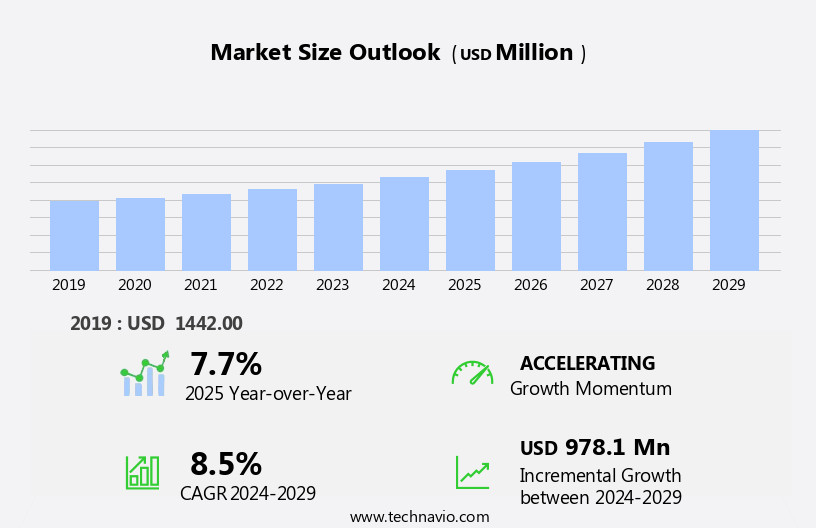
The dental CAD-CAM market size is forecast to increase by USD 978.1 million, at a CAGR of 8.5% between 2024 and 2029.
- The market is experiencing significant growth due to the increasing demand for dental cosmetic surgeries. Patients' growing preference for minimally invasive procedures and quick turnaround times is driving the adoption of CAD-CAM technology in dentistry. Moreover, the use of intraoral scanners and open architecture solutions is gaining traction, enabling dentists to create customized restorations in-house and improving patient satisfaction. However, the high maintenance and implementation costs of CAD-CAM systems pose a significant challenge for market growth. Dental clinics and laboratories must invest in training staff, purchasing hardware and software, and ensuring ongoing system updates to remain competitive.
- These costs may limit the adoption of CAD-CAM technology among smaller dental practices and budget-conscious patients. To capitalize on market opportunities, companies must focus on offering cost-effective solutions and providing comprehensive training and support to their clients. Additionally, partnerships and collaborations with dental organizations and educational institutions can help expand market reach and build a strong industry presence. The market is also experiencing significant growth due to the increasing demand for dental cosmetic surgeries. This trend is driven by the desire for improved aesthetics and functionality in dental restorations.
What will be the Size of the Dental CAD-CAM Market during the forecast period?
- In the dynamic dental industry, Computer-Aided Manufacturing (CAM) technology continues to revolutionize restorative dentistry. This market caters to various oral health issues, such as tooth decay, dental diseases, and oral cancer, providing aesthetically pleasing and functional dental solutions. Cobalt-chrome alloys, a popular material for dental implants and fixed prosthetics, are often used in conjunction with CAM processes. Dental 3D printers and sintering furnaces enable the production of custom restorations with high material compatibility. Laboratory scanning technology, such as intraoral scanners and laboratory scanners, facilitate digital workflows, allowing for greater efficiency and accuracy. Open architecture systems enable seamless integration of various components, including treatment planning software, occlusal analysis, and virtual articulators. General dentists increasingly adopt these systems for chairside milling and fabrication of full contour restorations, custom abutments, and partial dentures.
- Material strength is a critical factor in the selection of materials for dental prosthetics. Emax ceramics and PMMA discs are commonly used for their durability and compatibility with various clinical workflows. Closed architecture systems, while popular, face competition from more flexible open systems. Dental laboratories and clinics leverage CAM technology for chairside milling systems, desktop milling systems, and nesting software to optimize production and improve patient engagement. Dental CAD software and surface finish play essential roles in ensuring precise restorations, while implant bars and custom abutments are fabricated using advanced techniques like virtual articulators and glazing furnaces.
How is this Dental CAD-CAM Industry segmented?
The dental CAD-CAM industry research report provides comprehensive data (region-wise segment analysis), with forecasts and estimates in "USD million" for the period 2025-2029, as well as historical data from 2019-2023 for the following segments.
- Product
- Dental practice CAD-CAM
- Dental laboratory CAD-CAM
- End-user
- Dental clinics
- Dental laboratories
- Dental milling centers
- Component
- Software platforms
- Milling machines
- Scanners
- Dental 3D printers
- Application
- Crowns
- Bridges
- Veneers
- Others
- Geography
- North America
- US
- Canada
- Mexico
- Europe
- France
- Germany
- Italy
- Spain
- UK
- APAC
- China
- Japan
- Rest of World (ROW)
- North America
By Product Insights
The dental practice CAD-CAM segment is estimated to witness significant growth during the forecast period. The market is experiencing significant growth due to the increasing adoption of advanced technologies in dental procedures. CAD-CAM systems, which include digital impression systems, 3D dental design software, and milling machines, enable dentists to create precise and efficient dental restorations, such as dental onlays, dental implants, dental veneers, dental bridges, and dental crowns, in a minimal time frame. Dental technicians utilize these systems to produce high-quality dental prosthetics, including dental inlays and dental material, ensuring dental accuracy and aesthetics. The rise in the edentulous population worldwide, increasing awareness of oral health, and the demand for customized dental solutions are key factors driving market growth.
The integration of CAD-CAM workflow into dental practice management systems has streamlined the dental restoration process, improving dental efficiency and patient experience. Dental clinics and laboratories are increasingly adopting CAD-CAM technology to meet the growing demand for digital dentistry and 3D printing solutions. Composite resin and dental ceramics are popular dental materials used in CAD-CAM systems for dental restorations. Dental milling machines and dental milling processes are integral components of CAD-CAM systems, enabling the production of precise dental restorations with minimal human intervention. Intraoral scanners further enhance the CAD-CAM workflow by providing accurate digital impressions, eliminating the need for traditional impression materials.
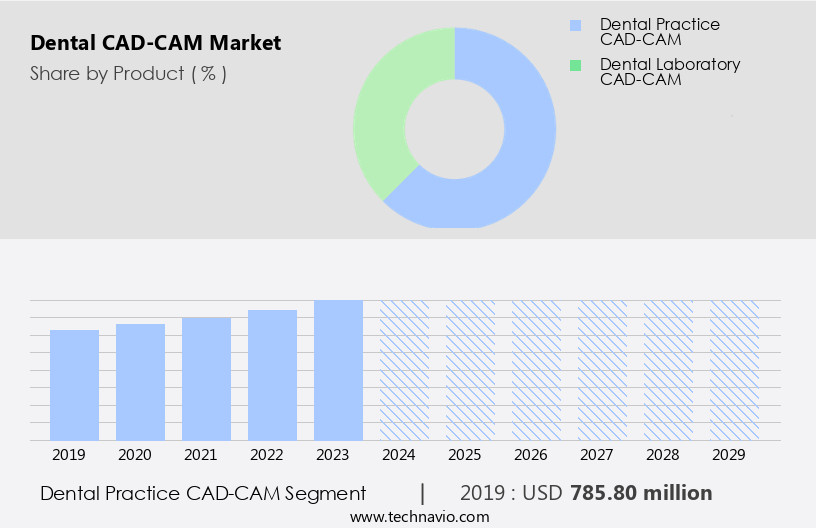
The Dental practice CAD-CAM segment was valued at USD 785.80 million in 2019 and showed a gradual increase during the forecast period.
Regional Analysis
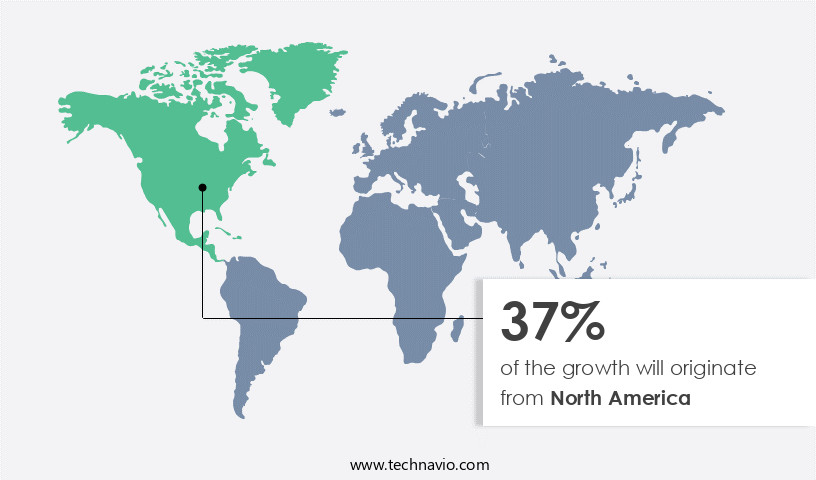
North America is estimated to contribute 37% to the growth of the global market during the forecast period. Technavio's analysts have elaborately explained the regional trends and drivers that shape the market during the forecast period.
The market in North America is experiencing significant growth due to several factors. Advanced healthcare infrastructure, a high level of patient awareness, and a reliable reimbursement framework are key drivers. The prevalence of dental caries, which affects a large population in countries like the US and Canada, is a significant contributor to market growth. The consumption of sugar products, cigarettes, and high rates of diabetes are leading causes of dental caries and gum diseases. In 2024, the global burden of dental caries continued to rise, particularly among children and underserved populations. The dental industry's digital transformation is evident in the increasing adoption of CAD-CAM technology for dental prosthetics, including onlays, veneers, bridges, and implants.
Dental technicians use CAD-CAM workflow, digital impressions, and intraoral scanners to create precise dental restorations. Dental clinics and laboratories employ CAD-CAM technology and dental milling machines for efficient and accurate dental restoration production. Dental software, dental practice management systems, and digital dentistry solutions facilitate seamless communication and integration between dental professionals and laboratories. Dental CEREC technology, a pioneer in CAD-CAM systems, offers same-day dental restorations, enhancing the patient experience. Composite resin and dental materials have evolved, enabling the creation of aesthetically pleasing dental restorations. Dental 3D printing is an emerging trend, offering customized dental solutions, while dental milling ensures high precision and durability. Dental crowns and dental inlays are common dental restorations that benefit from these advanced technologies. Overall, the market in North America is poised for continued growth, driven by technological advancements, increasing patient demand, and a growing awareness of dental health.
Market Dynamics
Our researchers analyzed the data with 2024 as the base year, along with the key drivers, trends, and challenges. A holistic analysis of drivers will help companies refine their marketing strategies to gain a competitive advantage.
What are the Dental CAD-CAM market drivers leading to the rise in the adoption of Industry?
- The significant demand for dental cosmetic surgeries serves as the primary driver for the market's growth. The market is experiencing significant growth due to the increasing popularity of digital dentistry and dental 3D printing. This trend is driven by the rising demand for advanced dental restorations, such as composite resin dental inlays and onlays, which offer superior aesthetics and durability compared to traditional dental materials. Moreover, the aging population is a significant factor fueling market growth, as older adults often require multiple dental restorations. According to recent research, around 99% of American adults believe that a good smile is essential for their personal and professional lives, further increasing the demand for cosmetic dental procedures and resulting in the growth of the market.
- This market is expected to continue its expansion due to the ongoing advancements in dental technology and the increasing acceptance of digital dentistry as a viable alternative to traditional dental procedures.
What are the Dental CAD-CAM market trends shaping the Industry?
- The use of intraoral scanners and open architecture solutions is gaining popularity in the market. This trend signifies a shift towards advanced dental technologies that offer improved accuracy, efficiency, and compatibility with various software and systems. Advanced intraoral scanners have revolutionized the dental industry by enabling dentists to take high-speed, precise impressions of teeth. These impressions are then transmitted to laboratories for milling and cutting processes. The market offers various types of intraoral scanners, leading scanner manufacturers to provide open-architecture software for users to choose their preferred milling centers. The files generated in open-architecture systems are imported into CAD software and subsequently sent for production on milling units. Open-architecture systems can collaborate with any milling unit, making them increasingly popular among dental CAD-CAM system manufacturers. This interconnectivity enhances functionality and efficiency. Dental professionals utilize Dental Design Software for creating dental onlays and dental implants through the CAD/CAM workflow. The latest CAD/CAM technologies, including computer-aided design, visualization software, intraoral scanners, and chair-side milling machines, enable dentists to provide precise, personalized care in a single appointment.
- Dental technicians use 3D printers to produce models and patterns, ensuring digital impressions maintain the highest level of dental accuracy. Open architecture plays a crucial role in facilitating seamless communication and integration between various components of the dental manufacturing process.
How does Dental CAD-CAM market face challenges during its growth?
- The high maintenance and implementation costs of CAD-CAM systems represent a significant challenge to the growth of the industry, necessitating the continuous investment of resources to ensure optimal system performance and efficiency. Limited insurance coverage also remains as a challenge for many consumers seeking cosmetic dentistry treatments. The integration of Computer-Aided Design (CAD) and Computer-Aided Manufacturing (CAM) technology in dental labs and clinics has revolutionized the production of dental prosthetics, including veneers and bridges. Dental CAD-CAM systems offer increased efficiency and accuracy, enabling dentists to provide high-quality dental solutions with minimal chairside time. However, the adoption of this technology is not without challenges. The initial investment for dental CAD-CAM systems ranges from approximately USD 55,000 to USD 70,000, with additional expenses for regular maintenance and related accessories. Digital intraoral scanners, priced between USD 17,000 and USD 22,000, and chairside milling units, costing anywhere from USD 65,000 to USD 85,000, significantly contribute to the total cost of ownership.
- These expenses remain a significant barrier to the widespread adoption of CAD-CAM technology in the dental industry. Despite the high costs, the benefits of CAD-CAM technology are undeniable. The technology offers improved dental aesthetics, allowing for more restorations. Furthermore, it enhances the dental patient experience by reducing the number of appointments required for the production of dental prosthetics. Dental CEREC technology, a popular CAD-CAM system, enables dentists to create and place dental restorations in a single visit, improving patient satisfaction and convenience. While the initial investment and ongoing costs of dental CAD-CAM systems and related accessories remain a challenge, the benefits of increased efficiency, improved aesthetics, and enhanced patient experience make this technology a valuable investment for dental labs and clinics.
Exclusive Customer Landscape
The dental CAD-CAM market forecasting report includes the adoption lifecycle of the market, covering from the innovator's stage to the laggard's stage. It focuses on adoption rates in different regions based on penetration. Furthermore, the dental CAD-CAM market report also includes key purchase criteria and drivers of price sensitivity to help companies evaluate and develop their market growth analysis strategies.
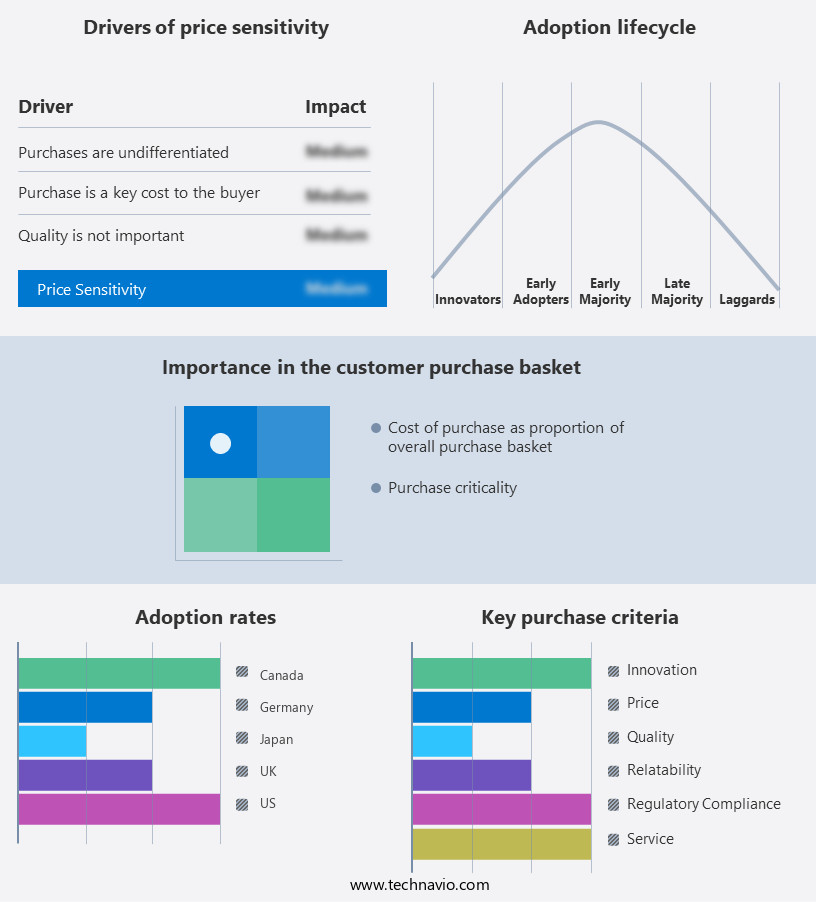
Customer Landscape
Key Companies & Market Insights
Companies are implementing various strategies, such as strategic alliances, dental CAD-CAM market forecast, partnerships, mergers and acquisitions, geographical expansion, and product/service launches, to enhance their presence in the industry.
3Shape AS - The company specializes in advanced dental solutions, incorporating Computer-Aided Design and Computer-Aided Manufacturing (CAD CAM) technologies.
The industry research and growth report includes detailed analyses of the competitive landscape of the market and information about key companies, including:
- 3Shape AS
- Align Technology Inc.
- Amann Girrbach AG
- Carestream Dental LLC
- Cimsystem Srl
- Danaher Corp.
- Datron AG
- Dentsply Sirona Inc.
- EGS Srl
- Hexagon AB
- Institut Straumann AG
- Ivoclar Vivadent AG
- Jensen Dental
- Kelkar Dynamics LLP
- Planmeca Oy
- Roland DGA Corp.
- Schutz Dental GmbH
- Yenadent Ltd.
- Zimmer Biomet Holdings Inc.
- Zirkonzahn Srl
Qualitative and quantitative analysis of companies has been conducted to help clients understand the wider business environment as well as the strengths and weaknesses of key industry players. Data is qualitatively analyzed to categorize companies as pure play, category-focused, industry-focused, and diversified; it is quantitatively analyzed to categorize companies as dominant, leading, strong, tentative, and weak.
Recent Development and News in Dental CAD-CAM Market
- In March 2023, 3Shape, a leading dental solutions provider, announced the launch of their new TRIOS 4 intraoral scanner, featuring advanced AI technology and improved workflow efficiency (3Shape Press Release, 2023). This innovation is expected to enhance the accuracy and productivity of dental CAD-CAM processes.
- In October 2024, Dentsply Sirona, a global dental technology company, entered into a strategic partnership with Materialise, a leading provider of 3D printing solutions, to expand their digital dental offerings (Dentsply Sirona Press Release, 2024). This collaboration aims to integrate Materialise's 3D printing expertise into Dentsply Sirona's dental solutions, creating a more comprehensive digital dental ecosystem.
- In January 2025, Planmeca, a Finnish dental equipment manufacturer, secured a significant investment of USD 113 million from EQT, a leading global investment firm, to accelerate its digitalization and expansion plans (Planmeca Press Release, 2025). This investment will enable Planmeca to further develop its CAD-CAM solutions and expand its market presence.
- In March 2025, the FDA granted 510(k) clearance to Straumann's new CERcon CAD monolithic zirconia restorations, marking a significant technological advancement in the market (Straumann Press Release, 2025). These restorations offer improved esthetics, strength, and biocompatibility, setting a new standard in digital dental restorations.
Research Analyst Overview
The market continues to evolve, driven by advancements in technology and the growing demand for digital solutions in dental procedures. Dental design software streamlines the creation of dental prosthetics, from dental onlays and implants to dental veneers and bridges. The cad/cam workflow integrates dental technicians, dental 3D printers, and digital impression systems, enhancing dental accuracy and efficiency. Dental implants and dental crowns have become increasingly popular, with CAD-CAM technology enabling precise fabrication. Dental aesthetics play a crucial role in patient satisfaction, and digital dentistry offers improved dental ceramic materials and composites for superior results. Dental practice management software and dental milling machines optimize workflows, while intraoral scanners provide a more comfortable experience for patients.
The Dental CAD-CAM Market is advancing with increased demand for dental technicians specializing in dental prosthetic solutions. Cutting-edge dental CAD-CAM applications enhance precision in restorations, supported by dental CAD-CAM training and dental CAD-CAM certification programs. Ongoing dental CAD-CAM research fuels new developments, while strict dental CAD-CAM regulations ensure quality standards. Innovations in dental CAD-CAM innovation drive efficiency, encouraging greater dental CAD-CAM investment. The focus on dental CAD-CAM cost-effectiveness and optimizing dental CAD-CAM ROI boosts adoption rates, leading to seamless dental CAD-CAM integration in clinics and laboratories. With growing technological advancements, the market continues to shape modern dentistry.
The Dental CAD-CAM Market is revolutionizing digital dentistry workflow with advanced desktop scanners and dental CAM software for precise restorations. Materials like zirconia blocks, wax discs, and titanium blanks support durable prosthetics, while milling burs and cutting tools ensure accuracy. Innovations in staining liquids enhance aesthetics, with digital wax-up enabling refined designs. The industry leverages subtractive manufacturing and rapid prototyping for efficient production. Growth in orthodontic appliances and digital smile design improves patient outcomes, ensuring marginal integrity in restorations. Demand for removable prosthetics, bruxism appliances, and night guards continues to rise. Advanced intraoral scanning technology enhances diagnostics, driving the evolution of CAD-CAM solutions in modern dentistry.
Dental prosthetics, including dental inlays and dental bridges, are now produced with greater precision and consistency, ensuring a better fit and longer-lasting restorations. The dental clinic and dental laboratory benefit from these advancements, with digital dentistry enabling faster turnaround times and improved patient care. Dental CAD-CAM technology continues to revolutionize the industry, shaping the future of dental restorations and enhancing the overall dental patient experience.
Dive into Technavio's strong research methodology, blending expert interviews, extensive data synthesis, and validated models for unparalleled Dental CAD-CAM Market insights. See full methodology.
|
Market Scope |
|
|
Report Coverage |
Details |
|
Page number |
238 |
|
Base year |
2024 |
|
Historic period |
2019-2023 |
|
Forecast period |
2025-2029 |
|
Growth momentum & CAGR |
Accelerate at a CAGR of 8.5% |
|
Market growth 2025-2029 |
USD 978.1 million |
|
Market structure |
Fragmented |
|
YoY growth 2024-2025(%) |
7.7 |
|
Key countries |
US, Germany, Canada, UK, China, France, Japan, Italy, Mexico, and Spain |
|
Competitive landscape |
Leading Companies, Market Positioning of Companies, Competitive Strategies, and Industry Risks |
What are the Key Data Covered in this Dental CAD-CAM Market Research and Growth Report?
- CAGR of the Dental CAD-CAM industry during the forecast period
- Detailed information on factors that will drive the growth and forecasting between 2025 and 2029
- Precise estimation of the size of the market and its contribution of the industry in focus to the parent market
- Accurate predictions about upcoming growth and trends and changes in consumer behaviour
- Growth of the market across North America, Europe, Asia, and Rest of World (ROW)
- Thorough analysis of the market's competitive landscape and detailed information about companies
- Comprehensive analysis of factors that will challenge the dental CAD-CAM market growth of industry companies
We can help! Our analysts can customize this dental CAD-CAM market research report to meet your requirements.
 RIA -
RIA - 
