



Digital Banking Platforms Market Size 2026-2030
The digital banking platforms market size is valued to increase by USD 32.23 billion, at a CAGR of 16.6% from 2025 to 2030. Strategic imperative for hyper-personalization will drive the digital banking platforms market.
Major Market Trends & Insights
- North America dominated the market and accounted for a 35.9% growth during the forecast period.
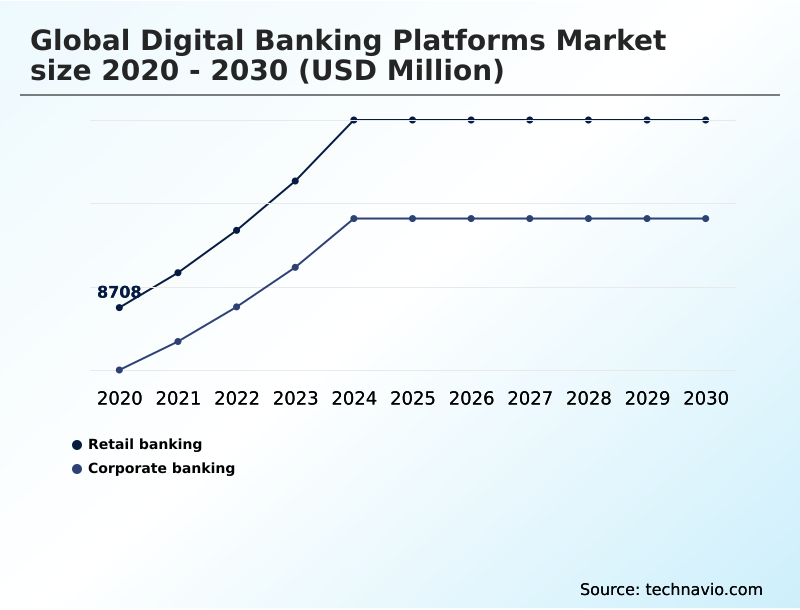
- By Type - Retail banking segment was valued at USD 13.51 billion in 2024
- By Component - Platforms segment accounted for the largest market revenue share in 2024
Market Size & Forecast
- Market Opportunities: USD 44.32 billion
- Market Future Opportunities: USD 32.23 billion
- CAGR from 2025 to 2030 : 16.6%
Market Summary
- The Digital Banking Platforms market is undergoing a significant transformation, driven by the need for financial institutions to enhance agility, operational efficiency, and customer centricity. The industry is moving away from monolithic legacy systems toward flexible, cloud-native architecture and composable banking platforms. This shift allows for rapid deployment of new products and services through a microservices-based architecture.
- A key trend is the integration of advanced technologies like generative AI integration, which enables hyper-personalization engines to deliver contextual banking experiences. For instance, a business client can now use a platform with predictive cash flow forecasting to optimize working capital, receiving automated recommendations for short-term financing directly within their dashboard.
- However, this evolution introduces challenges, particularly around cybersecurity, requiring robust behavioral biometric authentication and real-time fraud detection engines. The focus on open banking API compliance is also shaping platform development, creating an ecosystem where embedded finance models and Banking-as-a-Service (BaaS) can thrive.
- Ultimately, modern Digital Banking Platforms are becoming the central nervous system for financial institutions, enabling customer journey orchestration and data-driven decision-making across all operations.
What will be the Size of the Digital Banking Platforms Market during the forecast period?
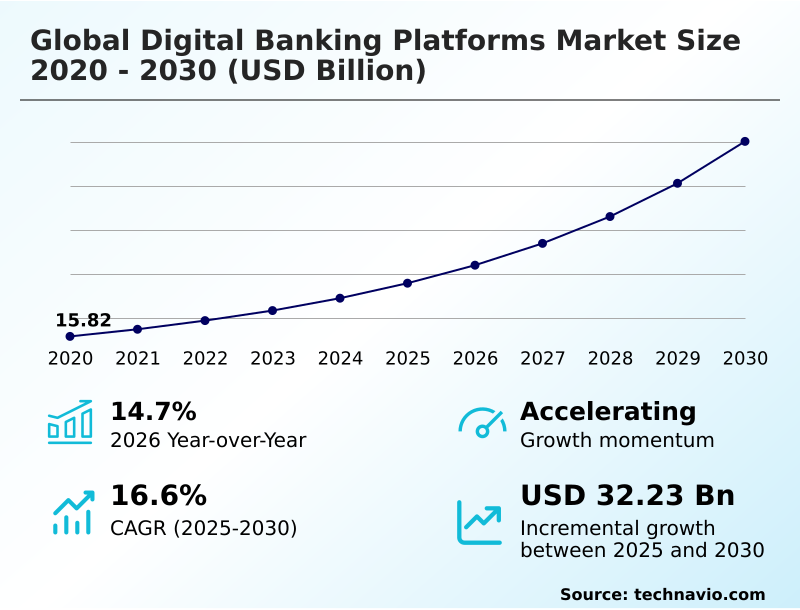
Get Key Insights on Market Forecast (PDF) Get Free Sample
How is the Digital Banking Platforms Market Segmented?
The digital banking platforms industry research report provides comprehensive data (region-wise segment analysis), with forecasts and estimates in "USD million" for the period 2026-2030, as well as historical data from 2020-2024 for the following segments.
- Type
- Retail banking
- Corporate banking
- Component
- Platforms
- Services
- Service type
- Online banking
- Mobile banking
- Geography
- North America
- US
- Canada
- Mexico
- Europe
- Germany
- UK
- France
- APAC
- China
- Japan
- India
- South America
- Brazil
- Argentina
- Middle East and Africa
- South Africa
- Saudi Arabia
- UAE
- Rest of World (ROW)
- North America
By Type Insights
The retail banking segment is estimated to witness significant growth during the forecast period.
The retail banking segment has evolved beyond transactional interfaces to become a holistic lifestyle ecosystem. Financial institutions are leveraging cloud-native architecture and customer journey orchestration to deliver highly personalized services.
The goal is to provide proactive financial guidance and a seamless omnichannel engagement experience. Through white-label banking solutions, non-financial brands are also entering the space. A key focus is the loan origination system (LOS), where automation is critical.
This includes sophisticated treasury management services and digital asset management capabilities for affluent customers. The adoption of advanced data analytics platforms has enabled banks to improve front-to-back office automation.
This strategic shift is proving effective, with platforms delivering institutional-grade transactions reducing error rates by 15%, enhancing both efficiency and customer trust through real-time cash position reporting.

The Retail banking segment was valued at USD 13.51 billion in 2024 and showed a gradual increase during the forecast period.
Regional Analysis
North America is estimated to contribute 35.9% to the growth of the global market during the forecast period.Technavio’s analysts have elaborately explained the regional trends and drivers that shape the market during the forecast period.
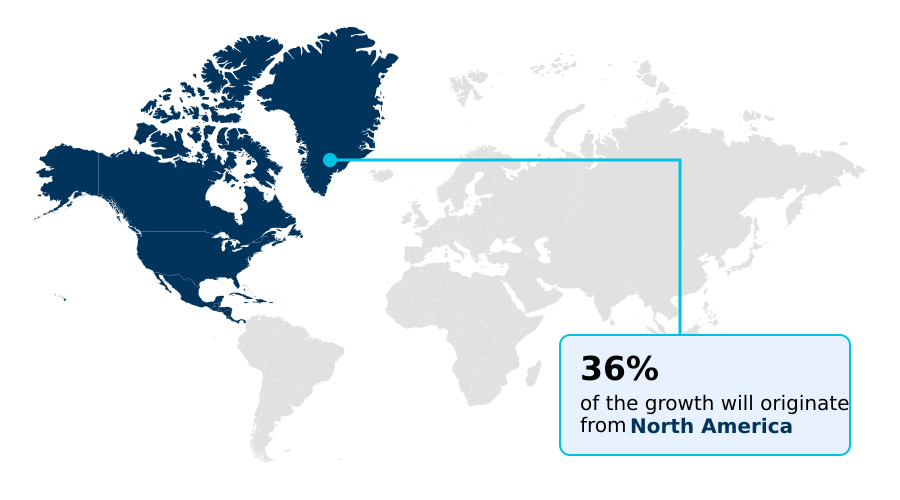
See How Digital Banking Platforms Market Demand is Rising in North America Get Free Sample
The geographic landscape for Digital Banking Platforms is diverse, with adoption driven by regional regulatory environments and consumer expectations. In North America, there is a strong focus on Banking-as-a-Service (BaaS) and embedded finance models.
European markets are advancing open banking API compliance, fostering innovation. In APAC, the focus is on mobile-first omnichannel engagement fabric and digital onboarding workflows.
The adoption of know your customer (KYC) automation has reduced onboarding times by over 60% in some regions. Platform-as-a-service (PaaS) models are gaining traction globally, enabling smaller institutions to compete.
The demand for Shariah-compliant digital banking is a key driver in the Middle East. Meanwhile, the digital spin-off strategy is a global trend, allowing incumbents to innovate with agility.
The successful implementation of regulatory technology (RegTech) solutions reduces compliance-related overhead by an average of 18%.
Market Dynamics
Our researchers analyzed the data with 2025 as the base year, along with the key drivers, trends, and challenges. A holistic analysis of drivers will help companies refine their marketing strategies to gain a competitive advantage.
- The strategic adoption of next-generation digital banking platforms is defining the competitive landscape. Financial institutions are increasingly selecting a composable banking platform for retail to rapidly innovate and tailor customer experiences. This is often part of a broader initiative for cloud native core banking modernization, moving away from restrictive legacy systems.
- Central to this evolution is AI-powered customer journey orchestration, which personalizes interactions at every touchpoint. The growth of embedded finance and BaaS integration is blurring the lines between banking and other industries, a trend underpinned by strict open banking API security standards. A major focus is on security, with real-time fraud detection using AI becoming a standard requirement.
- The use of a low-code platform for financial products accelerates time-to-market, allowing banks to respond to consumer demands more quickly. A seamless omnichannel digital onboarding process, secured by behavioral biometrics for user authentication, enhances customer acquisition. The application of generative AI for hyper-personalization is creating significant differentiation. For corporate clients, automated treasury management for corporates is a key value proposition.
- This is achieved through legacy system integration with microservices, creating a more agile technology stack. The digital lending platform for SMEs is another high-growth area, often incorporating predictive analytics for cash flow. Architecturally, headless banking architecture benefits include greater front-end flexibility. Niche segments are also addressed with Shariah-compliant mobile banking features.
- Throughout these transformations, RegTech solutions for banking compliance and a robust customer data platform for banks are essential. Banks focusing on improving STP rates in payments are seeing operational cost reductions that are more than double those of their peers who lag in automation. Finally, PaaS for community financial institutions is leveling the playing field.
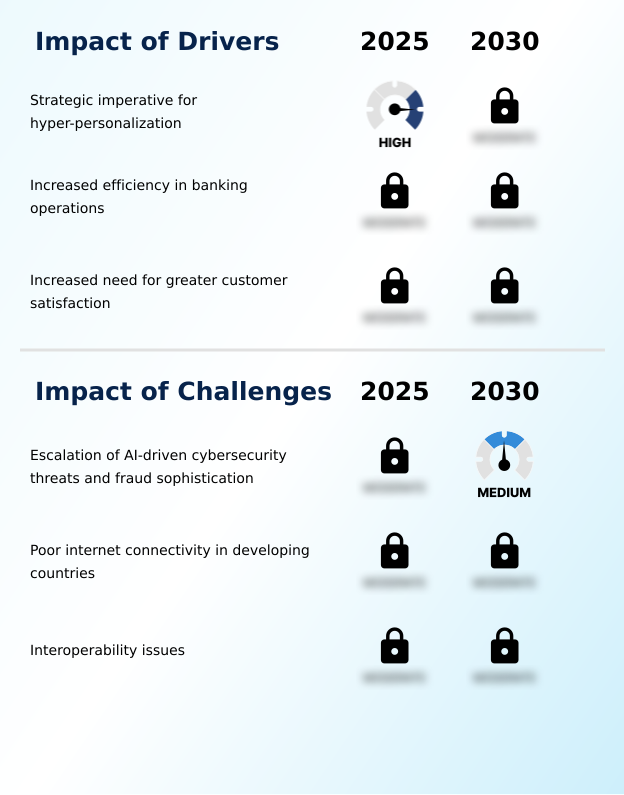
What are the key market drivers leading to the rise in the adoption of Digital Banking Platforms Industry?
- A primary market driver is the strategic imperative for financial institutions to deliver hyper-personalized customer experiences, transitioning from transactional utilities to intelligent financial partners.
- The demand for a superior customer experience is a primary driver, compelling banks to adopt platforms offering a hyper-personalization engine. By leveraging transaction behavior analysis and a robust customer data platform (CDP), institutions can deliver tailored financial wellness tools.
- A focus on straight-through processing (STP) has led to efficiency gains, with some banks achieving a 95% automation rate in payment processing.
- The move toward composable banking platforms and a coreless banking strategy provides the agility needed for component-based modernization and quick deployment of services like digital wallet integration.
- This approach, supported by no-code configuration tools, reduces development cycles by up to 50%. The integration of predictive cash flow forecasting and automated payables solutions is critical for corporate clients seeking a single pane of glass view.
What are the market trends shaping the Digital Banking Platforms Industry?
- The market is increasingly defined by a significant trend toward the integration of autonomous generative artificial intelligence. This shift is moving beyond predictive analytics to deploy intelligent financial agents.
- The evolution towards self-driving finance and intelligent financial agents is reshaping user interaction. The adoption of generative AI integration allows platforms to offer proactive financial guidance and automate complex tasks. This shift is enabled by microservices-based architecture and headless banking solutions, allowing institutions to innovate faster.
- One institution reported a 40% reduction in customer service query times by implementing agentic AI capabilities. The use of explainable AI (XAI) models is crucial for maintaining trust and compliance, while agentic commerce enablement is opening new revenue streams.
- These digital transformation solutions deliver a contextual banking experience through a unified digital banking fabric that leverages AI-powered engagement platforms, improving next-best-action recommendation accuracy by over 25%. The ultimate goal is a fully API-driven banking ecosystem.
What challenges does the Digital Banking Platforms Industry face during its growth?
- A significant challenge impacting market growth is the escalation of AI-driven cybersecurity threats and increasing fraud sophistication, which demands greater investment in advanced defensive technologies.
- The rising sophistication of cyber threats necessitates advanced security measures. Platforms must incorporate behavioral biometric authentication and real-time fraud detection engines to counter deepfake injection attacks and synthetic identity detection. Deploying adversarial AI mitigation techniques has become critical, as breaches can increase operational costs by over 20%.
- The challenge of legacy core modernization remains significant, with overlay platform deployment offering a less disruptive path. Ensuring API gateway security and implementing robust multi-user entitlement controls are paramount. Furthermore, data portability frameworks and customer consent management must align with evolving regulations, adding complexity.
- The reliance on digital lending lifecycle automation increases the attack surface, requiring a 15% higher investment in security infrastructure compared to traditional systems.
Exclusive Technavio Analysis on Customer Landscape
The digital banking platforms market forecasting report includes the adoption lifecycle of the market, covering from the innovator’s stage to the laggard’s stage. It focuses on adoption rates in different regions based on penetration. Furthermore, the digital banking platforms market report also includes key purchase criteria and drivers of price sensitivity to help companies evaluate and develop their market growth analysis strategies.
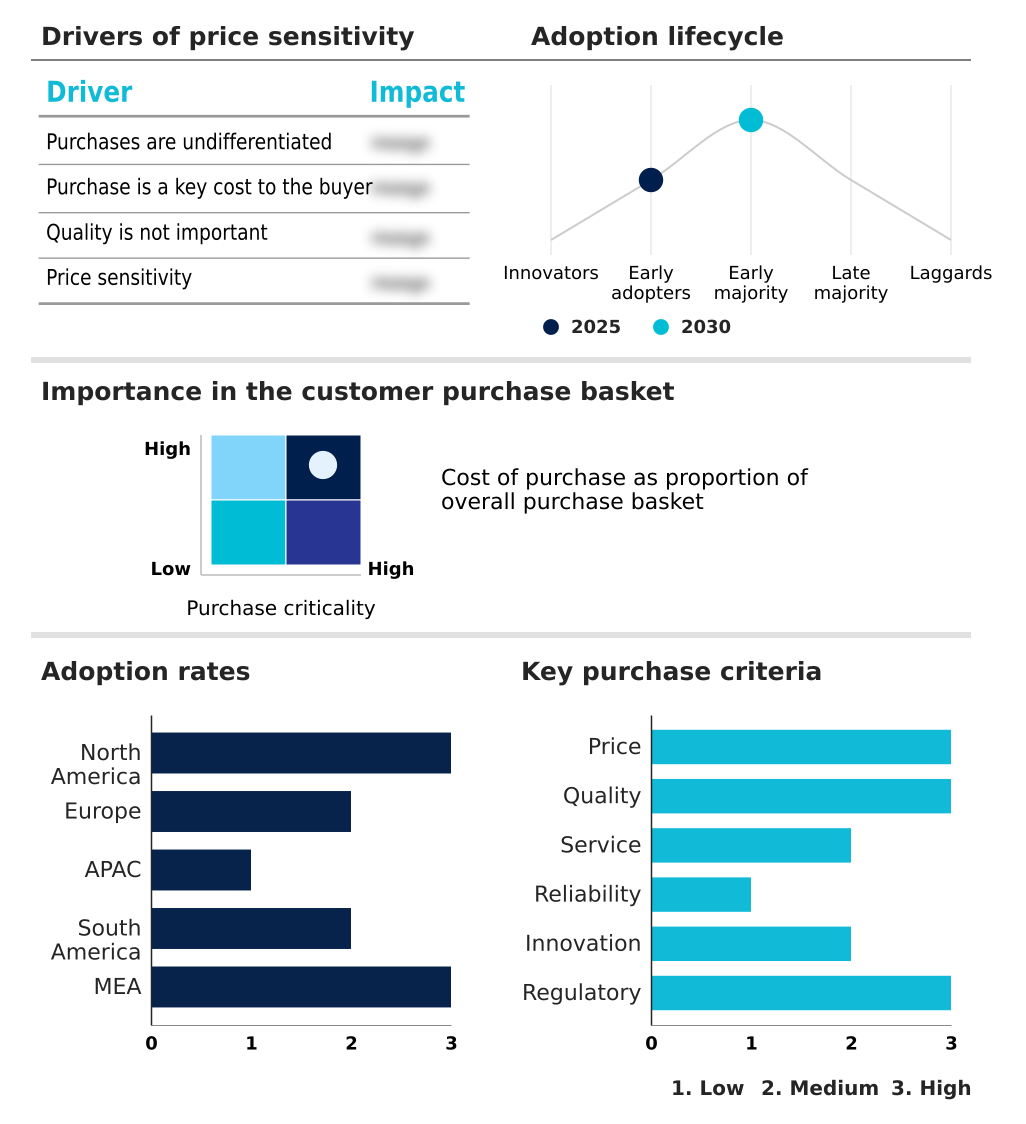
Customer Landscape of Digital Banking Platforms Industry
Competitive Landscape
Companies are implementing various strategies, such as strategic alliances, digital banking platforms market forecast, partnerships, mergers and acquisitions, geographical expansion, and product/service launches, to enhance their presence in the industry.
Avaloq Group AG - Provides a front-to-back banking platform, enabling automated core and retail operations through a unified, end-to-end digital solution for financial institutions.
The industry research and growth report includes detailed analyses of the competitive landscape of the market and information about key companies, including:
- Avaloq Group AG
- Backbase B.V.
- EdgeVerve Systems Ltd.
- Fidelity National Information Services Inc.
- Finastra
- Fiserv Inc.
- FNZ Group Technologies Ltd.
- Infosys Ltd.
- Intellect Design Arena Ltd.
- Mambu BV
- nCino Inc.
- NCR Voyix Corp.
- Oracle Corp.
- SAP SE
- Sopra Banking Software
- Temenos AG
- Thought Machine Group Ltd.
Qualitative and quantitative analysis of companies has been conducted to help clients understand the wider business environment as well as the strengths and weaknesses of key industry players. Data is qualitatively analyzed to categorize companies as pure play, category-focused, industry-focused, and diversified; it is quantitatively analyzed to categorize companies as dominant, leading, strong, tentative, and weak.
Recent Development and News in Digital banking platforms market
- In May, 2025, nCino launched its Portfolio Intelligence suite, an AI module integrated into its cloud banking platform to help lenders identify new revenue opportunities.
- In May, 2025, Temenos released its Generative AI for Banking suite, offering secure, explainable AI solutions integrated into its platform, including a front-office co-pilot.
- In April, 2025, Backbase launched its AI-powered Banking Platform, designed to unify customer servicing and digital sales through an integrated Intelligence Fabric.
- In March, 2025, Rain, a fintech enterprise, secured a significant venture funding round and announced a partnership with Visa to expand its global digital spend management platform.
Dive into Technavio’s robust research methodology, blending expert interviews, extensive data synthesis, and validated models for unparalleled Digital Banking Platforms Market insights. See full methodology.
| Market Scope | |
|---|---|
| Page number | 280 |
| Base year | 2025 |
| Historic period | 2020-2024 |
| Forecast period | 2026-2030 |
| Growth momentum & CAGR | Accelerate at a CAGR of 16.6% |
| Market growth 2026-2030 | USD 32231.8 million |
| Market structure | Fragmented |
| YoY growth 2025-2026(%) | 14.7% |
| Key countries | US, Canada, Mexico, Germany, UK, France, Italy, Spain, The Netherlands, China, Japan, India, South Korea, Australia, Indonesia, Brazil, Argentina, Chile, South Africa, Saudi Arabia, UAE, Turkey and Egypt |
| Competitive landscape | Leading Companies, Market Positioning of Companies, Competitive Strategies, and Industry Risks |
Research Analyst Overview
- The digital banking platforms market is defined by a fundamental shift towards cloud-native architecture and composable banking platforms, enabling unprecedented agility. This move to a microservices-based architecture is a strategic boardroom decision, directly impacting time-to-market for new financial products. We are seeing a departure from traditional systems in favor of a coreless banking strategy and headless banking solutions.
- The integration of generative AI integration into an AI-powered engagement platform is no longer a novelty but a core requirement, driving hyper-personalization engines. For instance, platforms with advanced agentic AI capabilities and predictive cash flow forecasting can reduce loan processing times by up to 40%.
- The entire ecosystem is connected via API-driven banking, with open banking API compliance and API gateway security as top priorities. Security is paramount, addressed through behavioral biometric authentication and real-time fraud detection engines. From digital onboarding workflows with KYC automation to digital asset management and treasury management services, the focus is on a seamless omnichannel engagement fabric.
- This includes capabilities like digital spend management, digital wallet integration, and real-time payment processing, all supported by a central customer data platform (CDP) and data analytics platform. The goal is achieving high straight-through processing (STP) rates via legacy core modernization and low-code development platforms.
- This transformation also spans regulatory technology (RegTech), embedded finance models, Banking-as-a-Service (BaaS), loan origination systems (LOS), automated risk management, Shariah-compliant digital banking, and multi-cloud deployment strategies.
What are the Key Data Covered in this Digital Banking Platforms Market Research and Growth Report?
-
What is the expected growth of the Digital Banking Platforms Market between 2026 and 2030?
-
USD 32.23 billion, at a CAGR of 16.6%
-
-
What segmentation does the market report cover?
-
The report is segmented by Type (Retail banking, and Corporate banking), Component (Platforms, and Services), Service Type (Online banking, and Mobile banking) and Geography (North America, Europe, APAC, South America, Middle East and Africa)
-
-
Which regions are analyzed in the report?
-
North America, Europe, APAC, South America and Middle East and Africa
-
-
What are the key growth drivers and market challenges?
-
Strategic imperative for hyper-personalization, Escalation of AI-driven cybersecurity threats and fraud sophistication
-
-
Who are the major players in the Digital Banking Platforms Market?
-
Avaloq Group AG, Backbase B.V., EdgeVerve Systems Ltd., Fidelity National Information Services Inc., Finastra, Fiserv Inc., FNZ Group Technologies Ltd., Infosys Ltd., Intellect Design Arena Ltd., Mambu BV, nCino Inc., NCR Voyix Corp., Oracle Corp., SAP SE, Sopra Banking Software, Temenos AG and Thought Machine Group Ltd.
-
Market Research Insights
- Market dynamics are shaped by the pursuit of operational excellence and deeper customer engagement. The adoption of intelligent financial agents and self-driving finance concepts is a key trend, with platforms that offer proactive financial guidance seeing customer retention rates improve by up to 15%. White-label banking solutions are expanding the competitive landscape, while platform-as-a-service (PaaS) models are reducing entry barriers.
- Institutions are leveraging transaction behavior analysis and explainable AI (XAI) models to build trust and deliver next-best-action recommendations. This has resulted in a 30% uplift in cross-sell opportunities for early adopters. The move toward a unified digital banking fabric that supports agentic commerce enablement and front-to-back office automation is critical for achieving a holistic digital transformation and staying competitive.
We can help! Our analysts can customize this digital banking platforms market research report to meet your requirements.
 RIA -
RIA - 
