



DNA Synthesis Market Size 2024-2028
The DNA synthesis market size is forecast to increase by USD 6.53 billion at a CAGR of 18.1% between 2023 and 2028. The market is experiencing significant growth due to the increasing application of DNA synthesis technology in various sectors, including research and diagnostics, therapeutic applications, and genome sequencing. Recombinant DNA technology and both chemical and enzymatic methods are commonly used for DNA synthesis. High-throughput technologies, such as gel electrophoresis, have revolutionized the field by enabling large-scale DNA synthesis and analysis. One of the major drivers of the market is the integration of automation in DNA synthesis, which has led to increased efficiency and accuracy. However, regulatory issues associated with DNA synthesis therapeutics pose a challenge to market growth. For instance, the production of DNA for therapeutic use requires stringent regulatory compliance, which can add to the cost and complexity of the process.
Moreover, the use of DNA synthesis in the field of personalized medicine, particularly in the diagnosis and treatment of diseases such as Parkinson's disease, is expected to fuel market growth. The advancements in genome sequencing technology and the increasing demand for cost-effective and accurate DNA synthesis solutions are also contributing to the market's growth trajectory. The market is experiencing significant growth due to the increasing use of DNA synthesis-based therapeutics in various applications, including gene therapy and genetic vaccines. This trend is driven by the advancements in genetic engineering and biotechnology, which have led to the development of novel therapeutic approaches
What will be the Size of the Market During the Forecast Period?
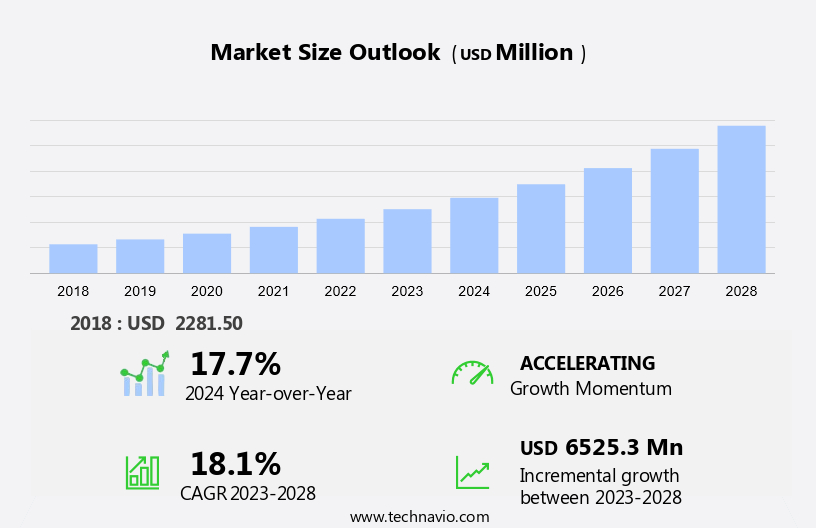
The market represents a pivotal role in the advancement of various sectors, including gene therapies, molecular diagnostics, and drug development. This market encompasses the production of synthetic DNA, Oligonucleotides, and RNA molecules using innovative techniques. Synthetic DNA techniques have gained considerable traction due to their applications in gene therapies. These therapies aim to replace, repair, or modify genes to treat or prevent diseases. By providing custom-made genes, DNA synthesis plays a crucial role in enabling the development of therapeutic candidates for various genetic disorders and inherited diseases.
Furthermore, molecular diagnostics is another significant application area for DNA synthesis. The ability to create synthetic DNA sequences enables the development of targeted assays for disease diagnosis. In this context, DNA synthesis is instrumental in the detection and identification of pathogens, genetic variations, and cancer genomics. Drug development is another vital sector that benefits from DNA synthesis. The production of synthetic DNA and RNA molecules facilitates the creation of novel therapeutic agents, including targeted therapies and vaccines. This, in turn, contributes to the advancement of personalized treatment options and precision medicine initiatives. Synthetic biology is another burgeoning field that relies on DNA synthesis.
Moreover, this discipline involves designing and constructing new biological parts, devices, and systems using synthetic biology techniques. DNA synthesis plays a crucial role in the creation of custom gene sequences required for genetic research and genome editing. The market also finds applications in clinical diagnostics, forensic investigation, and cancer research. In cancer research, DNA synthesis is essential for the creation of synthetic DNA sequences for gene editing and targeted therapies, particularly in the case of ovarian cancer. In conclusion, the market holds immense potential in various sectors, including gene therapies, molecular diagnostics, drug development, synthetic biology, and clinical diagnostics.
Market Segmentation
The market research report provides comprehensive data (region-wise segment analysis), with forecasts and estimates in "USD billion" for the period 2024-2028, as well as historical data from 2018-2022 for the following segments.
- Type
- Oligonucleotide synthesis
- Gene synthesis
- End-user
- Biopharmaceutical companies
- Academic and research institutes
- Contract research organizations and others
- Geography
- North America
- Canada
- US
- Europe
- Germany
- UK
- France
- Asia
- China
- India
- Japan
- South Korea
- Singapore
- Rest of World (ROW)
- North America
By Type Insights
The oligonucleotide synthesis segment is estimated to witness significant growth during the forecast period. Oligonucleotides, which are short sequences of nucleic acids, play a crucial role in various fields of biotechnology, particularly in gene synthesis for vaccines and therapeutics. These sequences, which can be single or double-stranded, are formed by linking nucleotides together. Each nucleotide consists of a nitrogenous base, a five-carbon sugar molecule, and one or more phosphate groups. In addition, non-natural or non-canonical bases such as locked nucleic acids (LNA), Morpholino, and other structurally modified bases or backbones are also used. Chemical DNA synthesis, predominantly through phosphoramidite technology, is the primary method for producing oligonucleotides. This process is widely used due to its high efficiency and ability to create precise sequences.
Furthermore, the healthcare industry, with its increasing expenditure on chronic diseases and genetic disorders, is a significant consumer of oligonucleotides. Furthermore, the development of gene-based therapies and microfluidics technology has accelerated the demand for high-throughput synthesis of oligonucleotides. Enzyme efficiency and cost-effectiveness are essential factors driving the growth of this market. In conclusion, the oligonucleotide market is a vital component of the biotechnology industry, providing solutions for healthcare and research applications.
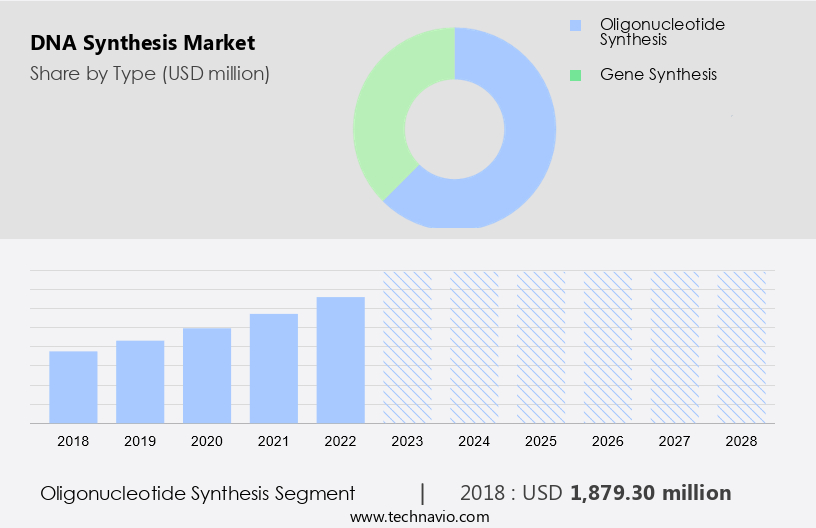
Get a glance at the market share of various segments Request Free Sample
The oligonucleotide synthesis segment accounted for USD 1.87 billion in 2018 and showed a gradual increase during the forecast period.
Regional Insights
North America is estimated to contribute 39% to the growth of the global market during the forecast period. Technavio's analysts have elaborately explained the regional trends and drivers that shape the market during the forecast period.
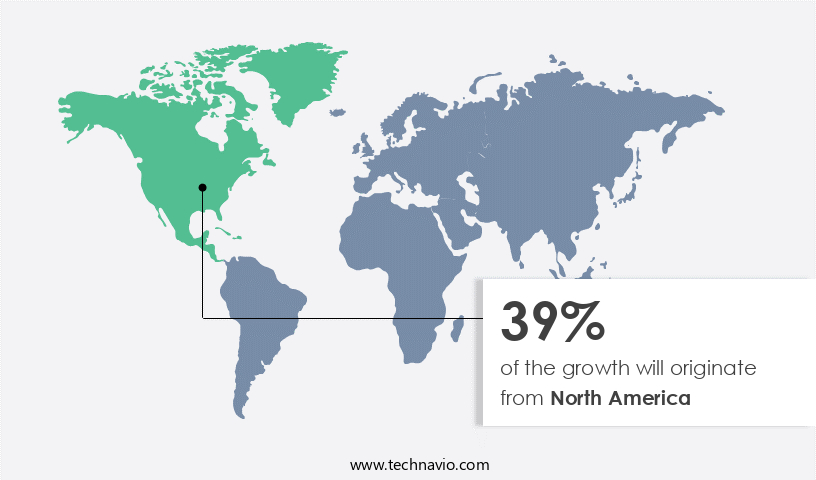
For more insights on the market share of various regions Request Free Sample
The market in North America is witnessing substantial expansion due to technological innovations in molecular biology and the proliferation of diagnostics technologies. Integrated DNA Technologies (IDT), a leading industry player, has recently increased its synthetic biology capabilities with the establishment of a new 25,000-square-foot facility in Coralville, Iowa. This new facility is exclusively dedicated to the production of IDT's synthetic biology products, thereby expanding the company's synthetic biology operations. This expansion allows IDT to broaden its gene synthesis offerings, positioning the company for future growth. The enhanced capacity from this expansion will facilitate the launch of new product enhancements, including a rapid gene synthesis service anticipated to debut in late 2024. This expansion underscores IDT's commitment to delivering advanced solutions for therapeutic interventions and diagnostics, addressing genetic illnesses, and contributing to the development of synthetic genomes and genetic circuits.
Our researchers analyzed the data with 2023 as the base year, along with the key drivers, trends, and challenges. A holistic analysis of drivers will help companies refine their marketing strategies to gain a competitive advantage.
Market Driver
Increasing use of DNA synthesis-based therapeutics is the key driver of the market. The market in the United States is witnessing significant growth due to the increasing utilization of DNA synthesis in tailored therapies for various medical conditions. DNA synthesis techniques are essential in the healthcare sector for disease diagnosis, particularly in the identification of genetic diseases such as dyslexia, psoriasis, and ovarian cancer. In the field of medical research, DNA synthesis plays a pivotal role in the development of innovative treatments for diseases like cancer. Beyond medical applications, DNA synthesis is also employed in forensic investigations for identifying genetic markers. The biopharmaceutical industry is leveraging DNA synthesis for the production of gene therapies, CRISPR gene editing, antisense oligonucleotides, and RNA therapies.
Furthermore, the rapid advancement of research and therapeutic drug development necessitates the need for efficient and sustainable DNA production. This demand is leading to the emergence of new startups focused on optimizing DNA synthesis processes. In summary, the market in the US is experiencing growth due to its applications in therapeutics, medical research, and forensic investigations. The development of personalized therapies and the increasing demand for rapid DNA production are driving the need for more efficient and sustainable DNA synthesis processes.
Market Trends
Integration of automation in DNA synthesis is the upcoming trend in the market. The market in the United States is experiencing significant advancements due to the integration of automation technology. This transformation is leading to more precise and efficient gene synthesis processes. Automated systems now enable the production of DNA sequences with minimal human intervention, revolutionizing the design, assembly, and analysis of genetic material.
One notable development is the implementation of in-house DNA synthesis using automated benchtop systems. These systems allow for the rapid construction, cloning, and amplification of new genetic candidates within a few days, drastically reducing the time and labor previously needed. Automation not only expedites research but also safeguards proprietary vector information throughout the discovery process.
Market Challenge
Regulatory issues associated with DNA synthesis therapeutics is a key challenge affecting the market growth. The market plays a crucial role in various research and diagnostic applications, including the study of genetic disorders like Parkinson's disease. Genome sequencing technology has revolutionized the field, leading to an increased demand for DNA synthesis. However, the production of custom nucleic acids, such as DNA, poses regulatory challenges due to potential misuse. Recombinant DNA technology, used in DNA synthesis, can create sequences coding for toxins or enhance pathogen virulence. Malicious actors could even reconstruct harmful viruses from their DNA or RNA sequences.
Therefore, stringent regulations are essential to prevent such misuse. Researchers rely on commercial providers for synthesized DNA, ensuring adherence to these regulations. High-throughput technologies and both chemical and enzymatic methods are used for DNA synthesis. The market's significance is underscored by its potential applications in research, diagnostics, and therapeutics.
Exclusive Customer Landscape
The market forecasting report includes the adoption lifecycle of the market, covering from the innovator's stage to the laggard's stage. It focuses on adoption rates in different regions based on penetration. Furthermore, the report also includes key purchase criteria and drivers of price sensitivity to help companies evaluate and develop their market growth analysis strategies.
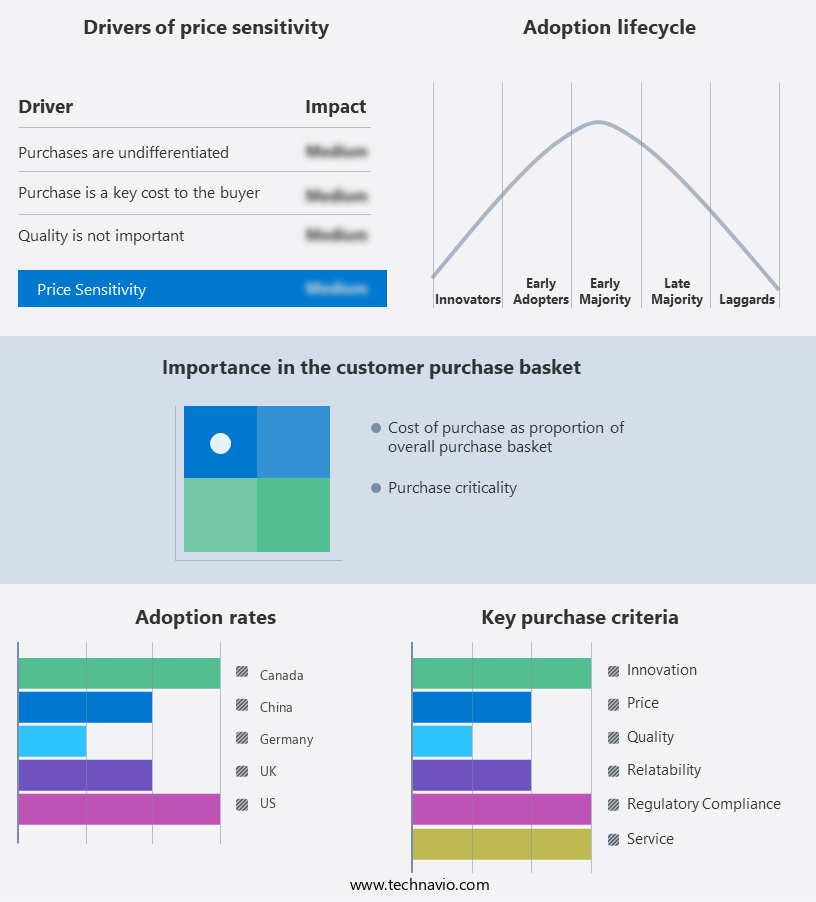
Customer Landscape
Key Companies & Market Insights
Companies are implementing various strategies, such as strategic alliances, partnerships, mergers and acquisitions, geographical expansion, and product/service launches, to enhance their presence in the market.
Azenta US, Inc - The company offers DNA synthesis solutions such as synthetic DNA solutions, including gene fragment synthesis, synthetic DNA libraries, oligo synthesis, and CRISPR synthetic solutions through Genewiz.
The market research and growth report includes detailed analyses of the competitive landscape of the market and information about key companies, including:
- Bio Basic Inc.
- BioCat GmbH
- Biomatik Corp.
- Bioneer Corp.
- Danaher Corp.
- DNA Script
- Epoch Life Science
- Eton Bioscience Inc.
- Eurofins Scientific SE
- Evonetix Ltd
- Gene Universal, Inc.
- Genemed Synthesis Inc.
- GenScript Biotech Corp.
- OriGene Technologies Inc.
- ProMab Biotechnologies, Inc
- Proteo Genix
- Synbio Technologies LLC
- Thermo Fisher Scientific Inc.
- Twist Bioscience Corp.
Qualitative and quantitative analysis of companies has been conducted to help clients understand the wider business environment as well as the strengths and weaknesses of key market players. Data is qualitatively analyzed to categorize companies as pure play, category-focused, industry-focused, and diversified; it is quantitatively analyzed to categorize companies as dominant, leading, strong, tentative, and weak.
Research Analyst Overview
Deoxyribonucleic acid (DNA) synthesis is a crucial process in molecular biology and biotechnology, playing a pivotal role in various fields such as gene therapies, molecular diagnostics, synthetic biology, drug development, and vaccines. Synthetic techniques for DNA have advanced significantly over the years, leading to the production of oligonucleotides, gene therapies, and personalized treatment options. Molecular diagnostics and healthcare expenditure have witnessed a significant swell due to the increasing prevalence of chronic diseases and genetic disorders. The demand for gene synthesis, microfluidics, high-throughput synthesis, and enzyme efficiency has been on the rise, enabling the development of gene-based therapies and precision medicine.
Furthermore, biotechnology companies are investing heavily in research and development to create tailored therapies for genetic illnesses, including cancer, ovarian cancer, dyslexia, psoriasis, and Parkinson's disease. Genome sequencing technology and gel electrophoresis have facilitated the identification of genetic variations and cancer genomics, leading to targeted therapies and RNA molecules. The advancements in DNA synthesis technologies have also paved the way for genome editing, gene therapy initiatives, and genome engineering, offering promising solutions for various medical research areas, such as disease diagnosis, forensic investigation, and genetic disease diagnostics. The use of synthetic DNA in therapeutic interventions and nucleotide synthesis has opened up new avenues for the development of therapeutic candidates and custom gene synthesis.
|
Market Scope |
|
|
Report Coverage |
Details |
|
Page number |
200 |
|
Base year |
2023 |
|
Historic period |
2018-2022 |
|
Forecast period |
2024-2028 |
|
Growth momentum & CAGR |
Accelerate at a CAGR of 18.1% |
|
Market growth 2024-2028 |
USD 6.52 billion |
|
Market structure |
Fragmented |
|
YoY growth 2023-2024(%) |
17.7 |
|
Regional analysis |
North America, Europe, Asia, and Rest of World (ROW) |
|
Performing market contribution |
North America at 39% |
|
Key countries |
US, Germany, China, UK, Canada, France, Japan, South Korea, India, and Singapore |
|
Competitive landscape |
Leading Companies, Market Positioning of Companies, Competitive Strategies, and Industry Risks |
|
Key companies profiled |
Azenta US, Inc, Bio Basic Inc., BioCat GmbH, Biomatik Corp., Bioneer Corp., Danaher Corp., DNA Script, Epoch Life Science, Eton Bioscience Inc., Eurofins Scientific SE, Evonetix Ltd, Gene Universal, Inc., Genemed Synthesis Inc., GenScript Biotech Corp., OriGene Technologies Inc., ProMab Biotechnologies, Inc, Proteo Genix, Synbio Technologies LLC, Thermo Fisher Scientific Inc., and Twist Bioscience Corp. |
|
Market dynamics |
Parent market analysis, market growth inducers and obstacles, market forecast, fast-growing and slow-growing segment analysis, COVID-19 impact and recovery analysis and future consumer dynamics, market condition analysis for the forecast period |
|
Customization purview |
If our market report has not included the data that you are looking for, you can reach out to our analysts and get segments customized. |
What are the Key Data Covered in this Market Research and Growth Report?
- CAGR of the market during the forecast period
- Detailed information on factors that will drive the market growth and forecasting between 2024 and 2028
- Precise estimation of the size of the market and its contribution of the market in focus to the parent market
- Accurate predictions about upcoming market growth and trends and changes in consumer behaviour
- Growth of the market across North America, Europe, Asia, and Rest of World (ROW)
- Thorough analysis of the market's competitive landscape and detailed information about companies
- Comprehensive analysis of factors that will challenge the growth of market companies
We can help! Our analysts can customize this market research report to meet your requirements. Get in touch
 RIA -
RIA - 
