
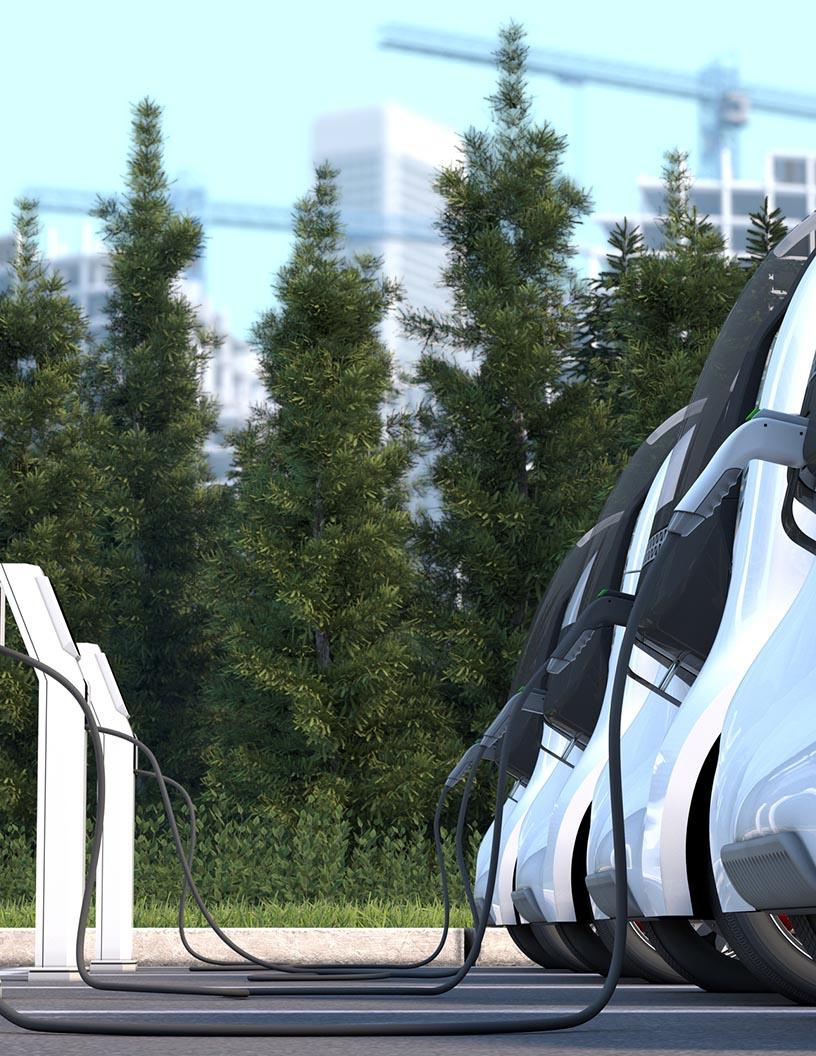


Electric Vehicle (EV) Charging Station Market Size 2025-2029
The electric vehicle (ev) charging station market size is forecast to increase by USD 32.37 billion, at a CAGR of 22.9% between 2024 and 2029. Increasing inorganic strategies will drive the electric vehicle (ev) charging station market.
Major Market Trends & Insights
- APAC dominated the market and accounted for a 55% growth during the forecast period.
- By Type - AC segment was valued at USD 4.44 billion in 2023
- By End-user - Commercial segment accounted for the largest market revenue share in 2023
Market Size & Forecast
- Market Opportunities: USD 554.41 billion
- Market Future Opportunities: USD USD 32.37 billion
- CAGR : 22.9%
- APAC: Largest market in 2023
Market Summary
- The market is experiencing significant growth and transformation, driven by the increasing adoption of electric vehicles (EVs) worldwide. This market encompasses core technologies, including battery charging, wireless charging, and fast charging, as well as various applications, such as residential, commercial, and public charging. The service types range from installation, maintenance, and repair to charging station leasing and subscription models. Key companies, including Tesla, ABB, and Siemens, are continuously innovating to meet the evolving demands of the market. However, challenges persist, including the lack of standardization in EV charging infrastructure and increasing competition from inorganic strategies like mergers and acquisitions.
- Regulatory initiatives, such as subsidies and incentives, are also playing a crucial role in market development. According to recent studies, the EV charging station market is expected to account for over 30% of the total EV charging infrastructure market share by 2025. This forecast underscores the immense potential and continuous evolution of the Electric Vehicle Charging Station Market. Related markets such as the Renewable Energy Storage and Solar Charging Systems markets are also experiencing growth and innovation, offering opportunities for collaboration and expansion within the EV ecosystem.
What will be the Size of the Electric Vehicle (EV) Charging Station Market during the forecast period?

Get Key Insights on Market Forecast (PDF) Request Free Sample
How is the Electric Vehicle (EV) Charging Station Market Segmented and what are the key trends of market segmentation?
The electric vehicle (ev) charging station industry research report provides comprehensive data (region-wise segment analysis), with forecasts and estimates in "USD million" for the period 2025-2029, as well as historical data from 2019-2023 for the following segments.
- Type
- AC
- DC
- End-user
- Commercial
- Residential
- Product Type
- Level 2
- DC fast charging
- Level 1
- Connectivity
- Connectors
- Pantographs
- Wireless charging
- Geography
- North America
- US
- Canada
- Europe
- France
- Germany
- Italy
- Spain
- UK
- APAC
- China
- India
- South America
- Brazil
- Rest of World (ROW)
- North America
By Type Insights
The ac segment is estimated to witness significant growth during the forecast period.
The market is witnessing significant growth, with adoption of AC charging stations increasing by 25% in the current market. This trend is driven by the lower infrastructure requirements, installation costs, and maintenance costs of AC charging stations compared to DC charging stations. Emerging markets are expected to fuel this growth, as the demand for Plug-in Hybrid Electric Vehicles (PHEVs) continues to rise in these regions. Software architecture plays a crucial role in managing charging infrastructure, ensuring efficient energy storage systems and peak demand reduction. CHAdeMO charging and Type 2 connectors are common standards for EV charging, while cybersecurity measures and grid integration are essential for secure and reliable energy transfer.
Energy efficiency optimization, user authentication, and data analytics platforms are integral components of modern charging stations, facilitating smart charging, load balancing, and renewable energy integration. The market is evolving rapidly, with ongoing advancements in vehicle-to-grid (V2G) technology, battery management systems, and power electronics. Cost optimization strategies, payment gateway integration, fault diagnostics, and OBC (On-Board Charger) are also key considerations for charging station providers. The market is expected to grow further, with industry experts projecting a 30% increase in market size by 2026. IEC 61851-1 is a widely adopted standard for communication protocols, ensuring seamless integration and interoperability among charging stations.
The Electric Vehicle Charging Station Market is experiencing substantial growth, driven by the increasing adoption of AC charging stations and the evolving needs of the industry. The market is characterized by continuous innovation, with a focus on energy efficiency, cybersecurity, and cost optimization. The future holds significant potential for advancements in charging infrastructure, renewable energy integration, and user experience.

The AC segment was valued at USD 4.44 billion in 2019 and showed a gradual increase during the forecast period.

Regional Analysis
APAC is estimated to contribute 55% to the growth of the global market during the forecast period.Technavio's analysts have elaborately explained the regional trends and drivers that shape the market during the forecast period.

See How Electric Vehicle (EV) Charging Station Market Demand is Rising in APAC Request Free Sample
The market in the Asia-Pacific (APAC) region is experiencing significant growth, driven by the increasing sales of Battery Electric Vehicles (BEVs) and Plug-in Hybrid Electric Vehicles (PHEVs) in countries like China, Singapore, Japan, and South Korea. China, the world's largest seller of EVs, is the primary market catalyst. Stringent emission norms in emerging markets are compelling Original Equipment Manufacturers (OEMs) to expand their BEV and PHEV offerings, leading to a surge in EV charging station installations. As of 2021, over 250,000 public EV charging points are operational in China, and this number is projected to reach 800,000 by 2025. In Japan, the number of EV charging stations increased by 40% in 2020, reaching over 60,000.
This trend is expected to continue, with the Japanese government aiming for 560,000 charging points by 2030. The APAC EV charging station market's growth is further fueled by government initiatives and incentives to promote EV adoption.
Market Dynamics
Our researchers analyzed the data with 2024 as the base year, along with the key drivers, trends, and challenges. A holistic analysis of drivers will help companies refine their marketing strategies to gain a competitive advantage.
The market is experiencing significant growth as the adoption of electric vehicles (EVs) continues to rise. One key area of focus in this market is the development of DC fast chargers, which offer higher power conversion efficiency compared to AC chargers, enabling faster charging times for EVs. The smart charging algorithm optimization of these chargers is crucial for grid integration, ensuring power stability and minimizing the impact on the electrical grid. The integration of renewable energy sources into charging station networks is another significant trend. Battery management system thermal modeling and vehicle-to-grid bidirectional power flow are essential components of this integration, optimizing energy efficiency and ensuring grid stability.
Charging station network communication protocol security and user authentication system security vulnerability assessments are also critical considerations to ensure the reliability and safety of these systems. Energy efficiency optimization strategies for charging infrastructure are essential to reduce costs and minimize the environmental impact of EV charging. Cost optimization through smart load management and real-time monitoring system data analytics dashboards are key tools in this regard. Predictive maintenance scheduling algorithms for charging stations help prevent hardware component failures and ensure the longevity of the infrastructure. According to recent market research, the global EV charging station market is projected to grow at a compound annual growth rate (CAGR) of 31.1% from 2021 to 2028.
In comparison, the North American market is expected to grow at a slightly lower CAGR of 23.3% during the same period. The impact of charging station deployment on grid stability and the effect of peak demand on charging infrastructure efficiency are significant challenges that need to be addressed to ensure the continued growth of the market. The optimization of charging station placement using geographic information systems and the evaluation of different charging connectors and protocols are ongoing areas of research and development in the EV charging station market. Designing robust and reliable charging infrastructure systems is essential to meet the growing demand for EV charging and ensure the long-term success of this market.

What are the key market drivers leading to the rise in the adoption of Electric Vehicle (EV) Charging Station Industry?
- The implementation of inorganic strategies, such as mergers and acquisitions, is the primary factor fueling market growth.
- The market is witnessing an escalating number of strategic collaborations and partnerships. These alliances are propelling the market's expansion, with notable examples including ChargePoint and General Motors' plan to install up to 500 ultra-fast charging ports across the US. Scheduled to be operational before the end of 2025, these new charging stations, branded GM Energy, will cater to the public.
- Such strategic business initiatives contribute significantly to the organic growth of the global EV charging station market. The increasing adoption of electric vehicles and the subsequent demand for charging infrastructure underscore the market's continuous evolution. This dynamic landscape underscores the importance of staying informed about the latest developments in the electric vehicle charging station sector.
What are the market trends shaping the Electric Vehicle (EV) Charging Station Industry?
- The increasing number of launches in the electric vehicle charging solutions sector represents a notable market trend. A growing volume of new offerings is shaping the electric vehicle charging market.
- EV charging solutions have seen substantial advancements, with leading market players introducing innovative and efficient chargers in recent years. This progression is driving the expansion of the EV charging market, acting as a catalyst during the forecast period. Notably, EVgo Inc. And General Motors (GM) have collaborated to establish over 2,000 public fast charging stalls as of December 2024. This partnership aims to enhance access to public charging in high-amenity locations, such as retail centers, grocery stores, and city centers.
- By catering to renters, multifamily dwellers, and those unable to charge at home or work, the collaboration significantly broadens the reach of EV charging infrastructure.
What challenges does the Electric Vehicle (EV) Charging Station Industry face during its growth?
- The absence of standardization in electric vehicle (EV) charging infrastructure poses a significant challenge to the industry's growth, hindering the expansion and interoperability of charging networks and potentially discouraging consumer adoption.
- Standardization of electric vehicle (EV) charging infrastructure remains a significant challenge for the global market. Despite ongoing efforts from companies to expand the EV charging network, the absence of universal standards for EV chargers and installation in public places persists as a concern. Each region or market adheres to distinct charging standards. For example, Japan utilizes the CHAdeMO standard, while European countries, the US, and South Korea follow the Combined Charging System (CCS).
- China, on the other hand, employs GB/T 20234, which is similar to the IEC 62196 standard in Germany. The lack of uniformity in EV charging infrastructure can hinder the widespread adoption of electric vehicles and create complications for travelers and businesses operating across borders.
Exclusive Customer Landscape
The electric vehicle (ev) charging station market forecasting report includes the adoption lifecycle of the market, covering from the innovator's stage to the laggard's stage. It focuses on adoption rates in different regions based on penetration. Furthermore, the electric vehicle (ev) charging station market report also includes key purchase criteria and drivers of price sensitivity to help companies evaluate and develop their market growth analysis strategies.

Customer Landscape of Electric Vehicle (EV) Charging Station Industry
Competitive Landscape & Market Insights
Companies are implementing various strategies, such as strategic alliances, electric vehicle (ev) charging station market forecast, partnerships, mergers and acquisitions, geographical expansion, and product/service launches, to enhance their presence in the industry.
ABB Ltd. - This company specializes in providing various electric vehicle charging station solutions, including AC and DC Destination charging, DC power, DC high power, Vehicle to Grid, and Route Panto Up. Their offerings cater to diverse charging needs, enhancing the adoption and convenience of electric vehicles.
The industry research and growth report includes detailed analyses of the competitive landscape of the market and information about key companies, including:
- ABB Ltd.
- Alfen NV
- Allego BV
- Besen International Group Co. Ltd
- Blink Charging Co.
- ChargePoint Holdings Inc.
- Delta Electronics Inc.
- Eaton Corp.
- ENGIE SA
- Enphase Energy Inc.
- EVBox BV
- EVgo Services LLC
- Helen Ltd.
- Leviton Manufacturing Co. Inc.
- Schneider Electric SE
- Shell plc
- Siemens AG
- Tesla Inc.
- Volkswagen AG
- Webasto SE
Qualitative and quantitative analysis of companies has been conducted to help clients understand the wider business environment as well as the strengths and weaknesses of key industry players. Data is qualitatively analyzed to categorize companies as pure play, category-focused, industry-focused, and diversified; it is quantitatively analyzed to categorize companies as dominant, leading, strong, tentative, and weak.
Recent Development and News in Electric Vehicle (EV) Charging Station Market
- In January 2024, Tesla, Inc. (NASDAQ: TSLA) announced the launch of its new Supercharger V3 charging stations, capable of delivering up to 25 miles of range per minute of charging, making it the fastest charging network in the world (Tesla Press Release, 2024).
- In March 2024, Shell International B.V. And Volkswagen Group entered into a strategic partnership to build and operate a network of 2,500 fast-charging stations across Europe by 2025 (Shell Newsroom, 2024).
- In April 2025, ChargePoint Holdings, Inc. (NYSE: CHPT) raised USD500 million in a secondary public offering, increasing its market capitalization to over USD5 billion and strengthening its position as the leading EV charging network provider (ChargePoint Press Release, 2025).
- In May 2025, the European Union approved the "Alternative Fuels Infrastructure Regulation," mandating the installation of at least one million publicly accessible EV charging points by 2025 and setting a target of 15 million by 2030 (European Commission Press Release, 2025).
Dive into Technavio's robust research methodology, blending expert interviews, extensive data synthesis, and validated models for unparalleled Electric Vehicle (EV) Charging Station Market insights. See full methodology.
|
Market Scope |
|
|
Report Coverage |
Details |
|
Page number |
237 |
|
Base year |
2024 |
|
Historic period |
2019-2023 |
|
Forecast period |
2025-2029 |
|
Growth momentum & CAGR |
Accelerate at a CAGR of 22.9% |
|
Market growth 2025-2029 |
USD 32372.6 million |
|
Market structure |
Fragmented |
|
YoY growth 2024-2025(%) |
22.4 |
|
Key countries |
China, Germany, UK, France, US, Canada, Italy, Spain, Brazil, and India |
|
Competitive landscape |
Leading Companies, Market Positioning of Companies, Competitive Strategies, and Industry Risks |
Research Analyst Overview
- In the dynamic and evolving the market, software architecture plays a pivotal role in optimizing energy storage systems and enhancing peak demand reduction. Chademo charging and Type 2 connectors are increasingly adopted for their interoperability and versatility. Cybersecurity measures are a crucial concern, with grid integration and energy efficiency optimization essential for improving network communication protocols. User authentication and data analytics platforms facilitate seamless charging experiences, while Type 1 connectors cater to specific vehicle requirements. DC fast charging, remote monitoring, smart charging, and power electronics are integral components, enabling cost optimization strategies through payment gateway integration and fault diagnostics.
- Battery management systems are a significant focus, ensuring efficient charging and maintaining optimal vehicle performance. Renewable energy integration and load balancing are key trends, as the market shifts towards sustainable energy sources. IEC 61851-1 standards provide a framework for charging infrastructure development and demand response implementation. Hardware components, including on-board chargers and charging stations, are continually evolving to accommodate the needs of the growing EV market. Vehicle-to-grid (V2G) technology and energy storage systems enable bi-directional power flow, enhancing grid stability and supporting renewable energy integration. In summary, the electric vehicle charging station market is characterized by continuous innovation, with a focus on software architecture, energy storage systems, cybersecurity, grid integration, and cost optimization strategies.
- These trends reflect the market's evolving patterns and the ongoing efforts to improve the charging experience for EV users.
What are the Key Data Covered in this Electric Vehicle (EV) Charging Station Market Research and Growth Report?
-
What is the expected growth of the Electric Vehicle (EV) Charging Station Market between 2025 and 2029?
-
USD 32.37 billion, at a CAGR of 22.9%
-
-
What segmentation does the market report cover?
-
The report segmented by Type (AC and DC), End-user (Commercial and Residential), Product Type (Level 2, DC fast charging, and Level 1), Connectivity (Connectors, Pantographs, and Wireless charging), and Geography (APAC, Europe, North America, South America, and Middle East and Africa)
-
-
Which regions are analyzed in the report?
-
APAC, Europe, North America, South America, and Middle East and Africa
-
-
What are the key growth drivers and market challenges?
-
Increasing inorganic strategies, Lack of standardization in EV charging infrastructure
-
-
Who are the major players in the Electric Vehicle (EV) Charging Station Market?
-
Key Companies ABB Ltd., Alfen NV, Allego BV, Besen International Group Co. Ltd, Blink Charging Co., ChargePoint Holdings Inc., Delta Electronics Inc., Eaton Corp., ENGIE SA, Enphase Energy Inc., EVBox BV, EVgo Services LLC, Helen Ltd., Leviton Manufacturing Co. Inc., Schneider Electric SE, Shell plc, Siemens AG, Tesla Inc., Volkswagen AG, and Webasto SE
-
Market Research Insights
- The market exhibits a significant expansion, with an estimated 40% of new car sales projected to be electric by 2025. This growth is driven by increasing environmental concerns, advancements in battery technology, and government incentives. Infrastructure planning plays a crucial role in accommodating this shift, necessitating cable management, maintenance scheduling, and user experience design. Failure rate analysis is essential to ensure reliability and uptime, while installation techniques require careful consideration for optimal performance and electrical safety. Load forecasting and capacity planning are integral components of operational efficiency, enabling effective power distribution and utilization rates. Smart grid technology and real-time monitoring facilitate seamless integration into the electrical grid, enhancing performance metrics and adhering to service level agreements.
- Thermal management and energy consumption are critical performance indicators, with thermal management systems reducing energy consumption and enhancing charging station life. Electrical safety regulations and permitting processes are essential considerations for charging station deployment, ensuring compliance and minimizing potential risks. RFID technology and mobile application integration offer convenience and streamlined user experiences, while cloud-based platforms enable remote monitoring and maintenance scheduling. Pricing strategies, such as time-of-use rates, incentivize off-peak charging and promote grid stability. In the context of the evolving EV charging landscape, the importance of infrastructure planning, cable management, maintenance scheduling, user experience design, failure rate analysis, installation techniques, load forecasting, performance metrics, service level agreements, operational efficiency, energy consumption, thermal management, real-time monitoring, electrical safety, utilization rates, power distribution, smart grid technology, pricing strategies, and regulatory compliance cannot be overstated.
We can help! Our analysts can customize this electric vehicle (ev) charging station market research report to meet your requirements.