
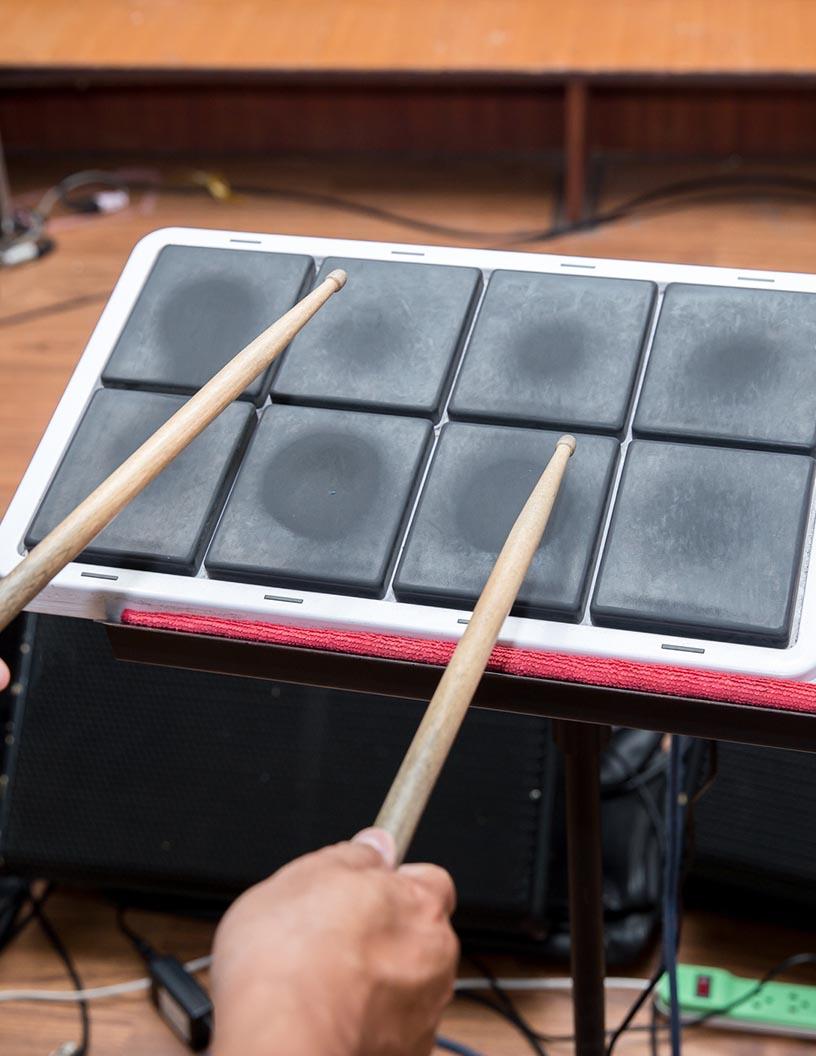


Electronic Musical Instruments Market Size 2025-2029
The electronic musical instruments market size is forecast to increase by USD 1.76 billion, at a CAGR of 3.3% between 2024 and 2029.
- The Electronic Musical Instruments (EMI) market is experiencing significant growth due to the increasing popularity of music-related leisure activities. This trend is driven by the continuous development of new musical instruments and technologies, making music creation and production more accessible to a wider audience. Music accessibility is another key trend, with music notation software and music education apps making music more accessible to a wider audience. These digital tools offer numerous benefits, including portability, affordability, and versatility, enabling musicians to create and produce music from anywhere. However, the EMI market also faces several challenges. One of the most significant obstacles is the intense competition in the market, with numerous players offering similar products.
- Another challenge is the high cost of research and development required to create innovative and high-quality electronic musical instruments. Additionally, the market is subject to economic fluctuations and changing consumer preferences, which can impact sales and revenue. Companies in the EMI market must navigate these challenges effectively to capitalize on market opportunities and maintain a competitive edge. By focusing on innovation, affordability, and customer satisfaction, they can differentiate themselves from competitors and meet the evolving needs of their customers. Music e-commerce trends are also on the rise, with audio effects, music mixing software, and music recording software available for purchase online.
What will be the Size of the Electronic Musical Instruments Market during the forecast period?

Explore in-depth regional segment analysis with market size data - historical 2019-2023 and forecasts 2025-2029 - in the full report.
Request Free Sample
- The market is witnessing significant activity and trends, with online music communities playing a pivotal role in fostering creativity and collaboration. Sampler instruments and digital sheet music are transforming music production, enabling artists to create and experiment with various sounds and compositions. Music copyright and licensing agreements are shaping the industry, with music publishing platforms facilitating royalty payments and distribution. Music technology trends include music composition software, DAWs, and music editing software, which are streamlining the creative process. MIDI mapping and music ergonomics are also gaining importance, enhancing the user experience and promoting healthier music practices.
- Music therapy and music education trends are leveraging technology to make learning and healing more accessible. Music innovation continues to thrive, with interactive music apps, music performance platforms, and music video production tools enabling new forms of expression and engagement. Music design, music and health, music theory apps, and music performance technology are all areas of exploration, pushing the boundaries of what's possible in the realm of electronic music. Live streaming platforms are revolutionizing music marketing strategies, allowing artists to connect with fans and monetize their performances.
- Music industry trends include music industry trends, music collaboration tools, and music customer experience, all of which are crucial for artists and businesses to navigate in today's digital landscape. Audio engineering and music design are essential skills for anyone looking to make a mark in the electronic music scene. Music innovation and music social impact are intertwined, with music design and music therapy leading the way in creating positive change. Overall, the market is a dynamic and evolving space, with technology driving innovation and collaboration at every turn.
- From music production to performance, marketing, and education, the possibilities are endless.
How is this Electronic Musical Instruments Industry segmented?
The electronic musical instruments industry research report provides comprehensive data (region-wise segment analysis), with forecasts and estimates in "USD million" for the period 2025-2029, as well as historical data from 2019-2023 for the following segments.
- Distribution Channel
- Offline
- Online
- Product
- Electric pianos and keyboards
- String instruments
- Drums and percussion instruments
- Others
- End-user
- Personal use
- Commercial events
- Music production
- Geography
- North America
- US
- Canada
- Mexico
- Europe
- France
- Germany
- Italy
- UK
- APAC
- China
- India
- Japan
- Rest of World (ROW)
- North America
By Distribution Channel Insights
The offline segment is estimated to witness significant growth during the forecast period. The offline segment of The market encompasses distribution channels where these instruments are sold in physical retail locations. This segment holds significance due to its role in allowing customers to interact with and test instruments prior to purchase. Musical instrument stores serve as a major offline distribution channel, catering to a wide array of electronic musical instruments such as electronic keyboards, synthesizers, digital pianos, drum machines, and MIDI controllers. Design aesthetics play a crucial role in attracting customers to these stores, with visually appealing displays and user-friendly interfaces enhancing the shopping experience. Music production software, virtual instruments, and software plugins are often demonstrated through interactive displays, enabling potential buyers to evaluate their sound quality and user experience.
Customer satisfaction is a top priority for retailers, with music licensing agreements ensuring the availability of a diverse range of music for in-store demonstrations. Cloud-based music production and mobile music production tools offer customers the flexibility to create music on the spot, fostering impulse purchases. Music publishing, music education apps, and online music lessons cater to the educational segment, while music stores also offer a range of accessories, including audio interfaces, sound libraries, and digital audio workstations. Home studios and wireless connectivity solutions enable customers to produce music at home, further expanding the market's reach. Subscription services and brand partnerships offer customers ongoing access to exclusive content and discounts, while social media marketing and content marketing strategies help attract new customers. Sample packs and sound libraries cater to the needs of professional musicians, emphasizing the importance of sound quality and innovation in the market.

The Offline segment was valued at USD 6.33 billion in 2019 and showed a gradual increase during the forecast period.
The Electronic Musical Instruments Market is thriving with advancements in synthesizer workstations and virtual studio technology. Innovations in DAW software have enhanced music production workflows, enabling seamless music performance software integration. Music arrangement software plays a key role in refining compositions, while music mastering software ensures professional-grade sound. Emerging music distribution platforms simplify artist outreach, optimizing music royalty payments. The fusion of music aesthetics, music psychology, and music and wellness influences sound design and listener engagement. Strategic music branding enhances visibility, driving music customer satisfaction and aligning with music retail trends. A growing focus on music sustainability is shaping eco-friendly production methods, making this industry more innovative and responsible than ever.
Regional Analysis
APAC is estimated to contribute 36% to the growth of the global market during the forecast period.Technavio's analysts have elaborately explained the regional trends and drivers that shape the market during the forecast period.

The North American the market is experiencing steady growth, with the US leading the charge. Innovative product launches, the increasing popularity of online platforms for purchasing electronic musical instruments, and the rising demand for customized and eco-friendly options are key drivers. However, the saturation of the US economy may pose a challenge. The market is witnessing significant trends, including cloud-based music production, mobile music production, and virtual reality music. MIDI controllers, music streaming, music sharing platforms, music stores, and music retail are also thriving. Digital pianos, music composition, content marketing, sound design, and music education apps are gaining traction.
Product innovation is a priority for professional musicians, with a focus on sound quality and user experience. Augmented reality music and live performance are emerging trends. Subscription services, social media marketing, brand partnerships, and sample packs are essential components of digital marketing strategies. Virtual instruments, software plugins, music distribution, audio interfaces, electronic drums, and sound libraries are essential tools for home studios. Wireless connectivity and artificial intelligence music are advancing technologies. Music licensing, music publishing, and music distribution are crucial aspects of the industry. Overall, the market in North America is evolving, with a focus on customization, innovation, and user experience.
Market Dynamics
Our researchers analyzed the data with 2024 as the base year, along with the key drivers, trends, and challenges. A holistic analysis of drivers will help companies refine their marketing strategies to gain a competitive advantage.
What are the Electronic Musical Instruments market drivers leading to the rise in the adoption of Industry?
- The increasing popularity and demand for music-related leisure activities serve as the primary market catalyst. The market is experiencing significant growth due to the increasing trend of music-related leisure activities. People from diverse age groups are embracing electronic musical instruments, such as digital pianos, synthesizers, and drum machines, for personal enjoyment and potential professional pursuits. This trend is driven by rising disposable income levels, enabling individuals to invest in these instruments and enroll in online music lessons for skill development. Moreover, the market is witnessing the integration of advanced technologies, including digital marketing, wireless connectivity, artificial intelligence music, and subscription services, to enhance user experience. Home studios are becoming increasingly popular, allowing musicians to produce high-quality music from the comfort of their homes.
- Social media marketing and brand partnerships are also playing a crucial role in promoting electronic musical instruments and attracting new customers. Additionally, sample packs and sound libraries are essential resources for music producers, providing them with a vast array of sounds and instruments to create unique compositions. The growing number of live performances and concerts is further fueling the demand for electronic musical instruments, as artists strive to create innovative and captivating music for their audiences. Overall, the market for electronic musical instruments is poised for continued growth, driven by these key trends and consumer preferences.
What are the Electronic Musical Instruments market trends shaping the Industry?
- The ongoing trend in the musical instrument market is the continuous development of new instruments. This innovation reflects the industry's commitment to providing musicians with advanced tools to express their creativity. The market is experiencing significant growth due to the continuous advancements in digital technology and the increasing demand for innovative and technologically-advanced musical instruments. A key trend in this market is the creation of more realistic and expressive sounds through electronic means. Additionally, the development of portable and affordable electronic musical instruments has made learning and playing music more accessible to a wider audience. The integration of electronic musical instruments with other technologies, such as computers and smartphones, has also contributed to the market's expansion.
- Furthermore, the rising popularity of electronic music genres, such as dance and electronica, is fueling the growth of The market. These factors are expected to drive market growth during the forecast period.One of the key drivers in this market is the increasing adoption of virtual musical instruments and music production software.
How does Electronic Musical Instruments market faces challenges during its growth?
- The rising use of virtual musical instruments and music production software poses a significant challenge to the expansion of the music industry. The market has experienced significant growth in recent years, particularly in developed economies. Music production software has become increasingly popular due to its ability to create a wide range of instruments, tones, and magnitudes with minimal effort. Composers value the mobility and convenience that music production software offers, enabling them to record music anytime and anywhere without the need for a proper studio environment. Major laptop manufacturers, such as Apple Inc., support popular music production software, making it accessible to a larger audience. Influencer marketing plays a crucial role in promoting electronic musical instruments and music production software.
- Design aesthetics are essential in attracting potential customers, and user-friendly interfaces are a must-have for music composers. Cloud-based music production and mobile music production have also gained traction, allowing musicians to work on their compositions from anywhere. Music licensing, music publishing, and music streaming platforms have transformed the music industry, providing new revenue streams for composers and musicians. The market dynamics are continuously evolving, with new technologies and trends shaping the future of electronic musical instruments and music production software.
Exclusive Customer Landscape
The electronic musical instruments market forecasting report includes the adoption lifecycle of the market, covering from the innovator's stage to the laggard's stage. It focuses on adoption rates in different regions based on penetration. Furthermore, the electronic musical instruments market report also includes key purchase criteria and drivers of price sensitivity to help companies evaluate and develop their market growth analysis strategies.

Customer Landscape
Key Companies & Market Insights
Companies are implementing various strategies, such as strategic alliances, electronic musical instruments market forecast, partnerships, mergers and acquisitions, geographical expansion, and product/service launches, to enhance their presence in the industry.
Anderson Guitarworks - This company specializes in the production of top-tier electronic musical instruments.
The industry research and growth report includes detailed analyses of the competitive landscape of the market and information about key companies, including:
- Anderson Guitarworks
- Armadillo Enterprises Inc.
- C. F. Martin and Co. Inc.
- CASIO Computer Co. Ltd.
- Fender Musical Instruments Corp.
- Focusrite Plc
- Gibson Brands Inc.
- inMusic Brands Inc.
- Kawai Musical Instruments Mfg. Co. Ltd.
- KORG Inc.
- Marshall Morrison Instruments Pty. Ltd.
- Music Tribe Global Brands Ltd.
- NS Design
- Peavey Electronics Corp.
- Rickenbacker International Corp.
- Robert Bosch GmbH
- Roland Corp.
- Shure Inc.
- Speck Electronics
- Yamaha Corp.
Qualitative and quantitative analysis of companies has been conducted to help clients understand the wider business environment as well as the strengths and weaknesses of key industry players. Data is qualitatively analyzed to categorize companies as pure play, category-focused, industry-focused, and diversified; it is quantitatively analyzed to categorize companies as dominant, leading, strong, tentative, and weak.
Recent Development and News in Electronic Musical Instruments Market
- In February 2023, Roland Corporation, a leading manufacturer of electronic musical instruments, unveiled the JUPITER-Xm, a new synthesizer that combines the sound engine of the JUPITER-X with the workflow and connectivity of a modern instrument (Roland press release, 2023). This release signified Roland's commitment to delivering innovative and versatile electronic musical instruments to meet the evolving demands of modern musicians.
- In May 2024, Korg and Google entered into a strategic partnership to develop new music creation applications for Google's Cloud Platform. This collaboration aimed to leverage Korg's expertise in electronic musical instruments and Google's advanced cloud technologies to create innovative music production tools (Korg press release, 2024). This partnership represented a significant step towards the integration of cloud technologies into electronic musical instruments and music production.
- In October 2024, Yamaha Corporation completed the acquisition of Tenori-on, a pioneering electronic musical instrument and software company. This acquisition marked Yamaha's entry into the interactive music technology market and expanded its product offerings to cater to the growing demand for innovative and engaging musical instruments (Yamaha press release, 2024).
- In January 2025, Apple announced the release of Logic Pro X 10.5, featuring advanced machine learning capabilities that enable the software to learn and adapt to a user's music production style. This technological advancement represented a significant shift towards artificial intelligence and machine learning in electronic musical instruments and music production software (Apple press release, 2025).
Research Analyst Overview
The market continues to evolve, with dynamic market activities shaping its landscape. Influencer marketing plays a significant role in driving consumer preferences towards innovative designs and user-friendly interfaces. Music production software, with its intuitive user experiences, integrates seamlessly with various applications, from music licensing to cloud-based production and mobile music creation. Music publishing, MIDI controllers, and music streaming platforms have revolutionized music distribution and accessibility. Content marketing and digital marketing strategies have become essential tools for brands, fostering customer satisfaction and engagement.
Product innovation, driven by advancements in technology, is transforming digital pianos, drum machines, and audio interfaces, among others. Professional musicians and hobbyists alike leverage digital audio workstations, online retailers, and music education apps for composing, producing, and distributing their work. Subscription services and brand partnerships cater to diverse needs, from sample packs to online music lessons and sound libraries. Wireless connectivity and artificial intelligence music tools further enhance user experiences in home studios and live performances. The continuous unfolding of market activities and evolving patterns underscores the dynamic nature of the market.
Dive into Technavio's strong research methodology, blending expert interviews, extensive data synthesis, and validated models for unparalleled Electronic Musical Instruments Market insights. See full methodology.
|
Market Scope |
|
|
Report Coverage |
Details |
|
Page number |
218 |
|
Base year |
2024 |
|
Historic period |
2019-2023 |
|
Forecast period |
2025-2029 |
|
Growth momentum & CAGR |
Accelerate at a CAGR of 3.3% |
|
Market growth 2025-2029 |
USD 1.76 billion |
|
Market structure |
Fragmented |
|
YoY growth 2024-2025(%) |
2.9 |
|
Key countries |
US, China, India, Germany, Canada, France, Mexico, Japan, UK, and Italy |
|
Competitive landscape |
Leading Companies, Market Positioning of Companies, Competitive Strategies, and Industry Risks |
What are the Key Data Covered in this Electronic Musical Instruments Market Research and Growth Report?
- CAGR of the Electronic Musical Instruments industry during the forecast period
- Detailed information on factors that will drive the growth and forecasting between 2025 and 2029
- Precise estimation of the size of the market and its contribution of the industry in focus to the parent market
- Accurate predictions about upcoming growth and trends and changes in consumer behaviour
- Growth of the market across North America, APAC, Europe, South America, and Middle East and Africa
- Thorough analysis of the market's competitive landscape and detailed information about companies
- Comprehensive analysis of factors that will challenge the electronic musical instruments market growth of industry companies
We can help! Our analysts can customize this electronic musical instruments market research report to meet your requirements.