


Virtual Reality (VR) Market Size 2025-2029
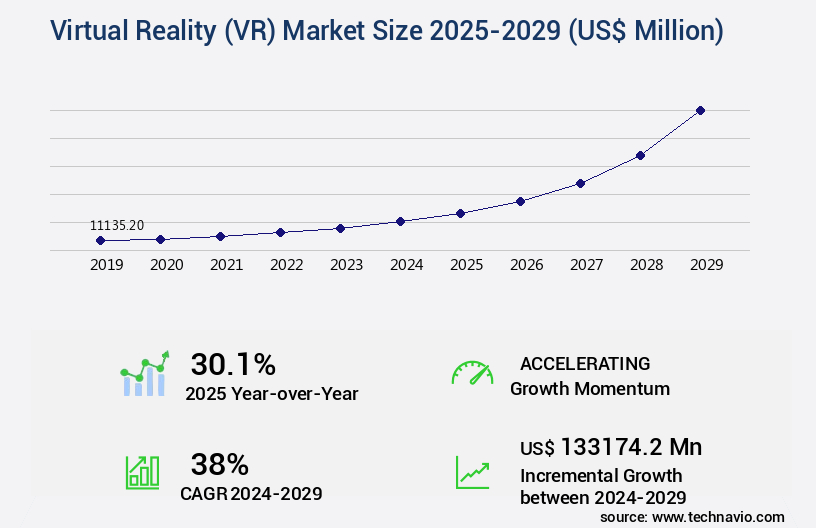
The virtual reality (VR) market size is valued to increase USD 133.17 billion, at a CAGR of 38% from 2024 to 2029. Recent developments in virtual reality technologies will drive the virtual reality (VR) market.
Major Market Trends & Insights
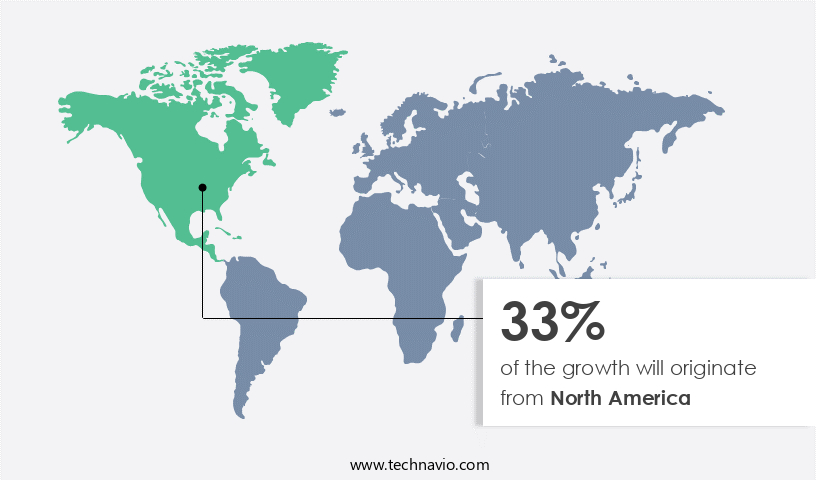
- North America dominated the market and accounted for a 33% growth during the forecast period.
- By End-user - Enterprise segment was valued at USD 6.37 billion in 2023
- By Component - Hardware segment accounted for the largest market revenue share in 2023
Market Size & Forecast
- Market Opportunities: USD 1.00 million
- Market Future Opportunities: USD 133174.20 million
- CAGR from 2024 to 2029: 38%
Market Summary
- The market represents a dynamic and rapidly evolving industry, driven by advancements in core technologies and applications. Key technologies, such as 6DoF tracking, haptic feedback, and eye-tracking, are revolutionizing user experiences. Applications span across various sectors, including gaming, healthcare, education, and manufacturing, with the industrial segment expected to account for a significant market share due to its potential to enhance productivity and training. Integration of Artificial Intelligence (AI) and Machine Learning (ML) with VR technology is a major trend, enabling personalized content and enhancing user experiences. However, the high cost of immersive hardware remains a significant challenge, limiting widespread adoption.
- Regulatory frameworks, such as the European Union's Medical Devices Regulation, are shaping the market landscape. According to recent reports, the global VR market is projected to reach a 30% adoption rate by 2025, underscoring its growing importance in various industries. Recent developments include advancements in wireless VR technology and the introduction of standalone headsets, which are expected to further fuel market growth.
What will be the Size of the Virtual Reality (VR) Market during the forecast period?
Get Key Insights on Market Forecast (PDF) Request Free Sample
How is the Virtual Reality (VR) Market Segmented?
The virtual reality (VR) industry research report provides comprehensive data (region-wise segment analysis), with forecasts and estimates in "USD million" for the period 2025-2029, as well as historical data from 2019-2023 for the following segments.
- End-user
- Enterprise
- Consumer
- Component
- Hardware
- Software
- Device
- Head-mounted display
- Gesture-tracking device
- Projectors & display wall
- Technology
- Semi & fully immersive
- Non-immersive
- Geography
- North America
- US
- Canada
- Europe
- France
- Germany
- Italy
- UK
- Middle East and Africa
- Egypt
- KSA
- Oman
- UAE
- APAC
- China
- India
- Japan
- South America
- Argentina
- Brazil
- Rest of World (ROW)
- North America
By End-user Insights
The enterprise segment is estimated to witness significant growth during the forecast period.
Virtual reality (VR) is an immersive technology that creates artificial environments using software, presented to users through devices like headsets. The market for VR experiences has seen significant growth, with remote collaboration tools and immersive experiences driving adoption in various sectors. For instance, depth perception, real-time rendering, and simulation platforms are increasingly utilized in industries such as gaming, entertainment, retail, sports, and travel. Photogrammetry techniques and data visualization tools are essential for creating realistic virtual environments, while human-computer interaction, motion tracking systems, and user interface design ensure seamless user experiences. Advancements in technologies like graphics processing units (GPUs), field of view, and 360-degree cameras have led to improvements in visual fidelity and user comfort.
Virtual prototyping, avatar creation, and latency issues are critical aspects of the VR market, with telepresence systems and head-mounted displays enabling more interactive and engaging experiences. Spatial audio rendering, environmental simulation, and sensory feedback systems further enhance the realism of virtual environments. Interaction design, motion capture technology, and haptic feedback devices are essential for creating immersive and engaging VR applications. The VR market is expected to expand further, with the number of users for virtual reality content projected to grow significantly. The healthcare industry is expected to be a major contributor to this growth, as virtual reality technology is increasingly used for training simulations, object recognition, texture mapping, and other applications.
The adoption of VR technology in education, engineering, and architecture is also expected to increase, as it offers cost-effective and efficient solutions for creating realistic simulations and models. The integration of VR technology with game engines, such as Unity and Unreal Engine, has enabled the creation of more complex and interactive virtual environments. These engines support features like spatial audio rendering, environmental simulation, and user interaction, making them popular choices for developers and businesses. Furthermore, advancements in technologies like virtual environments, 3D modeling software, and object recognition have made it easier to create and manipulate virtual objects and spaces.
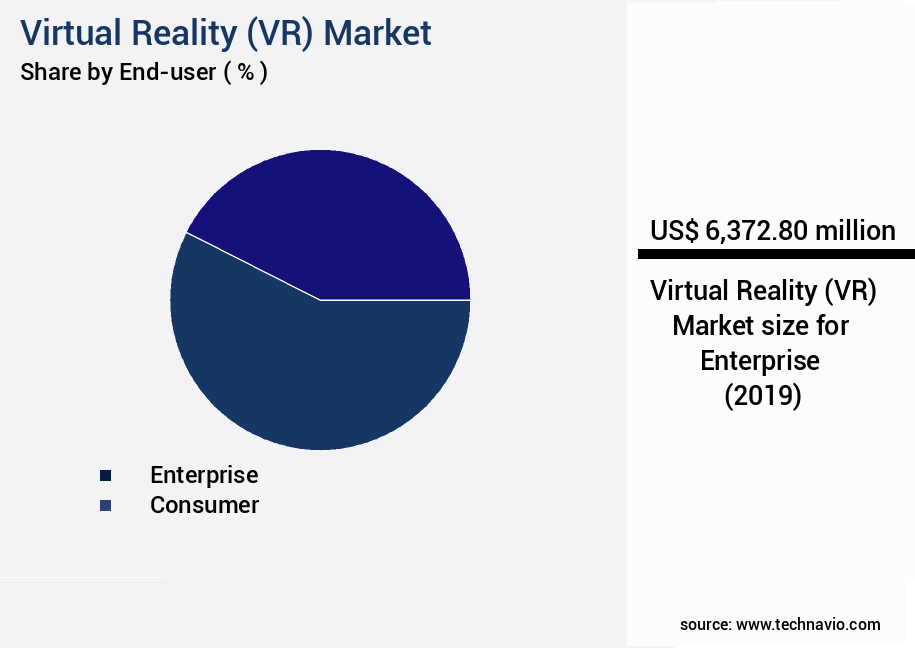
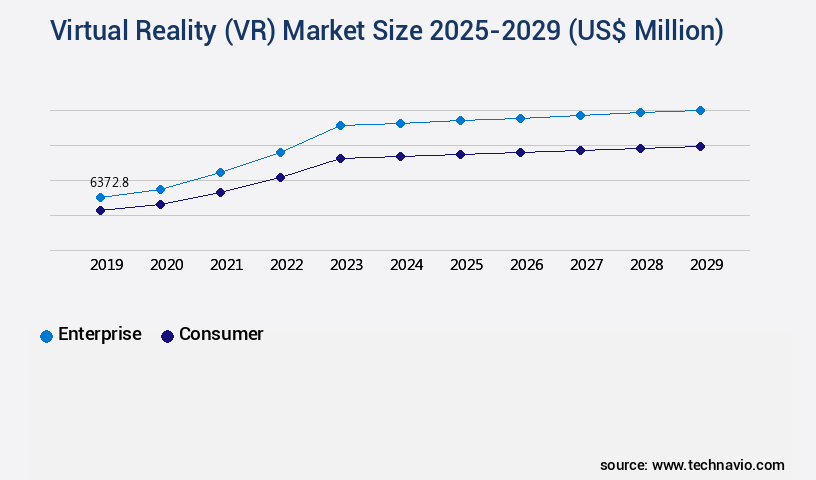
The Enterprise segment was valued at USD 6.37 billion in 2019 and showed a gradual increase during the forecast period.
In conclusion, the virtual reality market is experiencing rapid growth, driven by technological advancements and increasing adoption across various industries. The integration of VR technology with other emerging technologies, such as AI and IoT, is expected to further expand its applications and potential.
Regional Analysis
North America is estimated to contribute 33% to the growth of the global market during the forecast period.Technavio's analysts have elaborately explained the regional trends and drivers that shape the market during the forecast period.
See How Virtual Reality (VR) Market Demand is Rising in North America Request Free Sample
The market in North America is experiencing significant growth, fueled by the increasing investments of key companies in technologically advanced applications and the rising consumer adoption of VR technology. Notable companies, including Alphabet, Meta, and Microsoft, have established a strong presence in the US and Canada, driving market expansion. These entities are investing heavily in VR technology, contributing to the market's growth.
Furthermore, research activities aimed at expanding the application of virtual reality technologies are also playing a crucial role in market development. The US and Canada remain the leading contributors to the regional market, demonstrating its robust potential.
Market Dynamics
Our researchers analyzed the data with 2024 as the base year, along with the key drivers, trends, and challenges. A holistic analysis of drivers will help companies refine their marketing strategies to gain a competitive advantage.
The market is experiencing significant growth as businesses and consumers seek immersive experiences in various industries. Real-time rendering performance optimization is a crucial aspect of VR development, ensuring seamless user experiences. Improvements in virtual environment realism are driving demand, with designers focusing on creating effective haptic feedback systems to enhance immersion. Integrating artificial intelligence (AI) for personalized VR experiences is a key trend, allowing users to engage with customized content based on their preferences. Advanced motion tracking techniques are essential for accurate user interactions, while high-fidelity 3D models are being developed for more realistic simulations. Creating immersive educational simulations is another application of VR, offering a more engaging learning experience.
User interaction is further enhanced through gesture recognition and building scalable, robust virtual worlds. Managing latency issues is vital for a smooth user experience, with optimization of visual fidelity for different headsets essential. Utilizing photogrammetry for realistic environment reconstruction and applying computer vision for object and scene understanding are innovative approaches to improving VR applications. Spatial audio integration provides enhanced immersion, while measuring user engagement and presence in VR environments is crucial for understanding their effectiveness. Evaluating the effectiveness of VR training simulations is a significant focus, with numerous industries adopting this technology for skill development. Designing user interfaces for effective interaction and developing remote collaboration tools are essential for enterprise applications.
Creating detailed avatar models with realistic features and utilizing virtual prototyping for product design are further applications of VR technology. Adoption rates in the enterprise segment are significantly higher than in the consumer market, with more than 70% of new product developments focusing on enterprise applications. This trend reflects the growing recognition of VR's potential in enhancing productivity and training. Despite the high adoption rate, a minority of players, less than 15%, dominate the high-end VR market, leaving room for new entrants to compete and innovate.
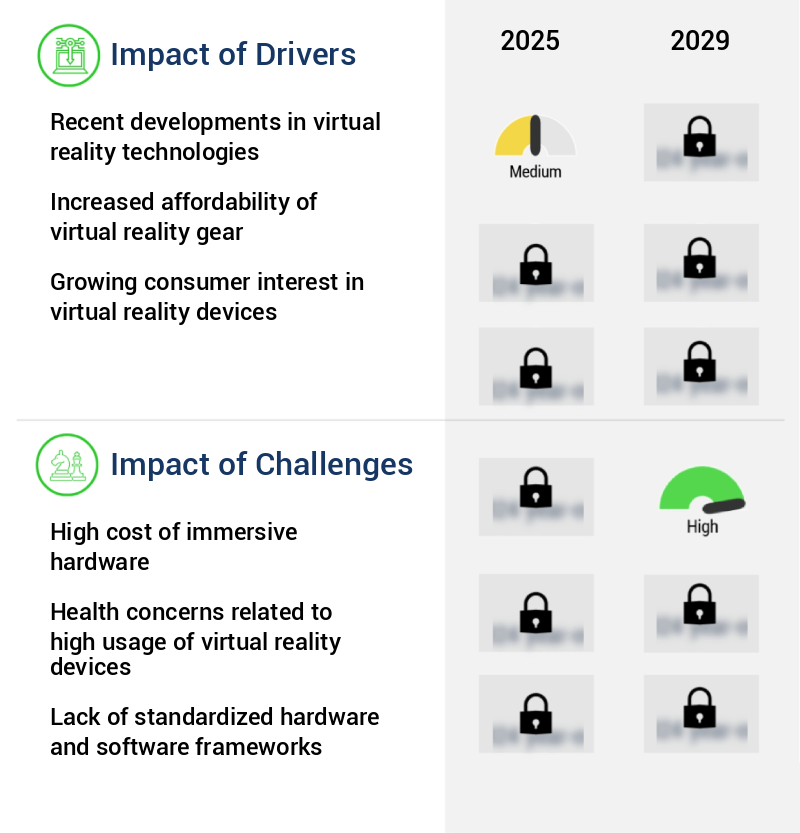
What are the key market drivers leading to the rise in the adoption of Virtual Reality (VR) Industry?
- The advancements in virtual reality technology are the primary catalyst fueling market growth.
- In the dynamic global market, recent innovations have significantly advanced virtual reality devices, delivering more immersive experiences and intuitive user interactions. One pivotal development is the integration of eye-tracking technology into VR headsets, like the Tobii Eye Tracker 5. This feature enables users to naturally control virtual environment elements by merely gazing at them, fostering a more engaging and realistic experience. Another significant breakthrough is the advent of standalone VR headsets with six degrees of freedom (6DoF) motion tracking.
- These devices empower users to physically move within their surroundings while accurately translating movements into the virtual environment, creating a more convincing and interactive VR experience. These advancements underscore the continuous evolution of the VR market and its applications across various sectors.
What are the market trends shaping the Virtual Reality (VR) Industry?
- The integration of artificial intelligence (AI) and machine learning (ML) with virtual reality technology is an emerging market trend. This fusion of technologies is poised to revolutionize various industries by enhancing user experience and improving efficiency.
- The fusion of artificial intelligence (AI) and machine learning (ML) with virtual reality (VR) is transforming numerous industries by offering innovative user experiences. The integration of AI, ML, and VR is particularly noteworthy in sectors such as healthcare, education, gaming, and simulation. In healthcare, AI and ML algorithms process intricate medical data, contributing to precise diagnoses and effective treatment plans. When integrated with VR, these technologies generate immersive simulations for medical training. For instance, virtual surgical simulations, driven by AI and ML, enable healthcare professionals to rehearse intricate procedures in a lifelike VR setting. This ultimately enhances patient safety and care.
- In education, AI and ML can personalize learning experiences based on individual student needs, while VR provides interactive, engaging environments for knowledge acquisition. In the gaming industry, AI and ML improve gameplay experiences by creating dynamic, responsive opponents, while VR offers immersive, three-dimensional gaming environments. In summary, the ongoing convergence of AI, ML, and VR is driving significant advancements across various sectors, offering unique opportunities for growth and innovation.
What challenges does the Virtual Reality (VR) Industry face during its growth?
- The high cost of immersive hardware poses a significant challenge to the growth of the industry, as the expense of acquiring and maintaining advanced technology can be a substantial barrier for businesses and consumers alike.
- The high cost of virtual reality (VR) hardware has significantly impacted the global VR market, restricting its reach and usage across various sectors. The financial hurdle posed by expensive VR equipment has presented challenges for both consumers and enterprises, curbing market expansion and adoption. For individual consumers, the substantial investment needed to acquire VR headsets, powerful computers, and related accessories has impeded widespread adoption. Premium VR headsets, such as the Meta Quest 2 and HTC Vive, can cost approximately USD399 to USD599, acting as a deterrent for potential users.
- This financial barrier has limited the growth potential of the VR market, with only a niche audience able to afford the technology. Despite the challenges, ongoing advancements in VR technology and decreasing production costs may eventually make virtual reality more accessible and affordable for a broader audience.
Exclusive Technavio Analysis on Customer Landscape
The virtual reality (vr) market forecasting report includes the adoption lifecycle of the market, covering from the innovator's stage to the laggard's stage. It focuses on adoption rates in different regions based on penetration. Furthermore, the virtual reality (vr) market report also includes key purchase criteria and drivers of price sensitivity to help companies evaluate and develop their market growth analysis strategies.
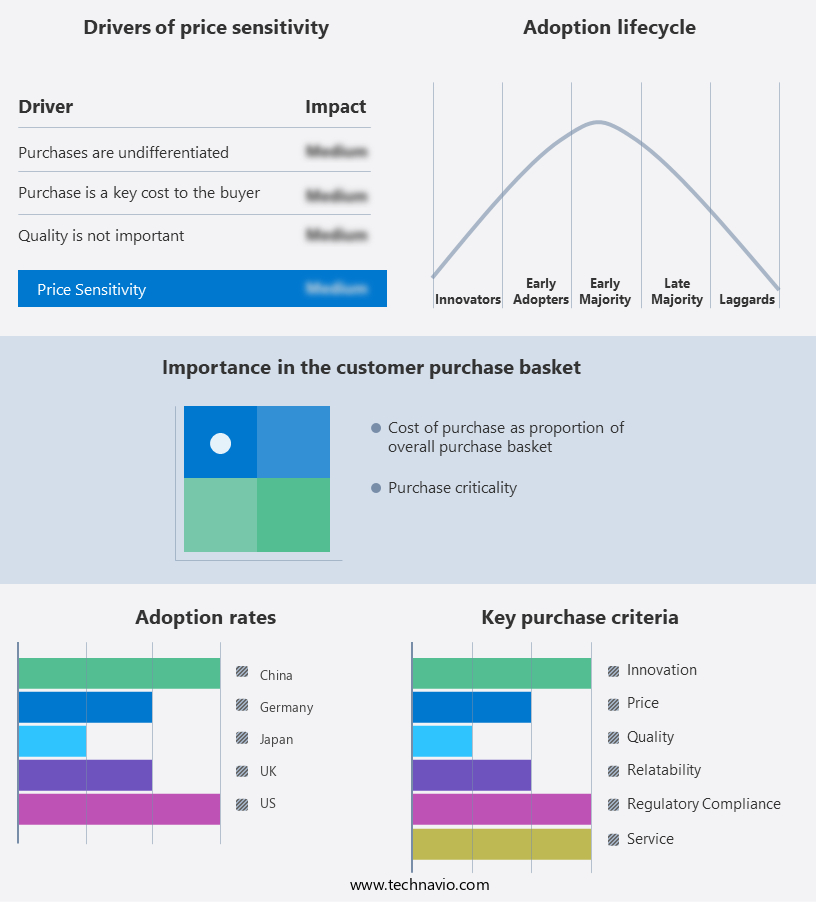
Customer Landscape of Virtual Reality (VR) Industry
Competitive Landscape
Companies are implementing various strategies, such as strategic alliances, virtual reality (VR) market forecast, partnerships, mergers and acquisitions, geographical expansion, and product/service launches, to enhance their presence in the industry.
3D Systems Corp. - The Acer Windows Mixed Reality Headset is a leading virtual reality (VR) solution, delivering an immersive user experience through advanced features.
The industry research and growth report includes detailed analyses of the competitive landscape of the market and information about key companies, including:
- 3D Systems Corp.
- Acer Inc.
- Advanced Micro Devices Inc.
- Alphabet Inc.
- Apple Inc.
- Baidu Inc.
- DPVR
- FOVE Inc.
- HTC Corp.
- Lenovo Group Ltd.
- Meta Platforms Inc.
- Microsoft Corp
- Osso VR Inc.
- Pico Technology Ltd.
- Samsung Electronics Co. Ltd.
- Sony Group Corp.
- Unity Technologies Inc.
- Valve Corp.
- Varjo Technologies Oy
- Virtuix Inc.
Qualitative and quantitative analysis of companies has been conducted to help clients understand the wider business environment as well as the strengths and weaknesses of key industry players. Data is qualitatively analyzed to categorize companies as pure play, category-focused, industry-focused, and diversified; it is quantitatively analyzed to categorize companies as dominant, leading, strong, tentative, and weak.
Recent Development and News in Virtual Reality (VR) Market
- In January 2024, Meta Platforms Inc. (formerly Facebook), announced the launch of its new virtual reality headset, the Meta Quest 2, at a starting price of USD 299. This device, which does not require a PC to operate, is a significant step towards making VR technology more accessible to a broader audience (Meta Platforms Inc. Press release, 2024).
- In March 2024, Sony Interactive Entertainment and Microsoft Corporation announced a strategic partnership to bring Sony's PlayStation VR games to Microsoft's Xbox Cloud Gaming platform. This collaboration aims to expand the reach of VR content and increase the user base for both companies (Microsoft Corporation press release, 2024).
- In May 2024, HTC Vive, a leading VR hardware manufacturer, raised USD 100 million in a Series E funding round, led by investment firms Sequoia Capital China and Morningside Venture Capital. This investment will support the company's continued research and development in VR technology (HTC Vive press release, 2024).
- In February 2025, the European Union approved the Horizon Europe research and innovation program, which includes a €2 billion investment in digital, industrial, and space technologies, including virtual reality. This funding will support the development of European VR companies and projects (European Commission press release, 2025).
Dive into Technavio's robust research methodology, blending expert interviews, extensive data synthesis, and validated models for unparalleled Virtual Reality (VR) Market insights. See full methodology.
|
Market Scope |
|
|
Report Coverage |
Details |
|
Page number |
200 |
|
Base year |
2024 |
|
Historic period |
2019-2023 |
|
Forecast period |
2025-2029 |
|
Growth momentum & CAGR |
Accelerate at a CAGR of 38% |
|
Market growth 2025-2029 |
USD 133174.2 million |
|
Market structure |
Fragmented |
|
YoY growth 2024-2025(%) |
30.1 |
|
Key countries |
US, Canada, Germany, UK, Italy, France, China, India, Japan, Brazil, Egypt, UAE, Oman, Argentina, KSA, UAE, Brazil, and Rest of World (ROW) |
|
Competitive landscape |
Leading Companies, Market Positioning of Companies, Competitive Strategies, and Industry Risks |
Research Analyst Overview
- In the ever-evolving landscape of business technology, virtual reality (VR) continues to captivate industries with its potential for transformative remote collaboration and immersive experiences. VR's capabilities extend beyond static visuals, offering depth perception, real-time rendering, and simulation platforms that revolutionize human-computer interaction. Advancements in photogrammetry techniques, data visualization, and spatial audio rendering have enhanced VR's capabilities, enabling more realistic and engaging virtual environments. Motion tracking systems and user interface designs cater to seamless interaction, while game engines and interaction design facilitate the creation of dynamic virtual worlds. Sensory feedback systems and motion capture technology further enrich VR experiences, allowing users to feel a greater sense of presence within virtual prototypes and avatars.
- However, challenges such as latency issues and telepresence systems' integration remain ongoing concerns. Head-mounted displays, graphics processing units, and field of view are essential components in delivering high-quality VR experiences. The integration of 360-degree cameras and virtual reality headsets ensures visual fidelity, while 3D modeling software, object recognition, texture mapping, and training simulations offer versatile applications. The VR market is a dynamic and continuously unfolding ecosystem, with ongoing advancements in technology and market activities shaping its evolution. As businesses explore the potential of VR for remote collaboration and immersive experiences, the market's patterns and trends continue to evolve, offering exciting opportunities for innovation and growth.
What are the Key Data Covered in this Virtual Reality (VR) Market Research and Growth Report?
-
What is the expected growth of the Virtual Reality (VR) Market between 2025 and 2029?
-
USD 133.17 billion, at a CAGR of 38%
-
-
What segmentation does the market report cover?
-
The report is segmented by End-user (Enterprise and Consumer), Component (Hardware and Software), Geography (North America, APAC, Europe, Middle East and Africa, and South America), Device (Head-mounted display, Gesture-tracking device, and Projectors & display wall), and Technology (Semi & fully immersive and Non-immersive)
-
-
Which regions are analyzed in the report?
-
North America, APAC, Europe, Middle East and Africa, and South America
-
-
What are the key growth drivers and market challenges?
-
Recent developments in virtual reality technologies, High cost of immersive hardware
-
-
Who are the major players in the Virtual Reality (VR) Market?
-
3D Systems Corp., Acer Inc., Advanced Micro Devices Inc., Alphabet Inc., Apple Inc., Baidu Inc., DPVR, FOVE Inc., HTC Corp., Lenovo Group Ltd., Meta Platforms Inc., Microsoft Corp, Osso VR Inc., Pico Technology Ltd., Samsung Electronics Co. Ltd., Sony Group Corp., Unity Technologies Inc., Valve Corp., Varjo Technologies Oy, and Virtuix Inc.
-
Market Research Insights
- The market continues to expand, driven by advancements in technology and increasing demand for immersive experiences. According to recent estimates, the global VR market size was valued at USD 17.8 billion in 2020 and is projected to reach USD 62.1 billion by 2027. Two key components fueling this growth are the integration of advanced input devices and output technologies. For instance, VR development kits now include facial and eye tracking, haptic suit technology, and sensor fusion. These innovations enhance user experience design, enabling more natural and intuitive interactions.
- Furthermore, the resolution of VR displays has increased significantly, with some reaching 8K, providing a more immersive and lifelike experience. In contrast, the frame rate of VR systems has remained a challenge, with most devices offering 90Hz or lower. However, advancements in computer vision, machine learning, and artificial intelligence are helping to address this issue, improving overall performance and user satisfaction. Additionally, applications of VR span various industries, including architectural visualization, medical training, game engine optimization, immersive storytelling, and engineering design, among others. Input devices, such as hand controllers and motion sensors, are also evolving, with gesture recognition and mixed reality systems gaining popularity.
- Biometric data integration, including heart rate and brain activity monitoring, further enhances the user experience, creating a more personalized and engaging VR environment. Virtual tourism and virtual world design are emerging sectors, offering opportunities for innovation and growth. Overall, the VR market is a dynamic and evolving landscape, with continuous advancements in technology and expanding applications driving its growth.
We can help! Our analysts can customize this virtual reality (VR) market research report to meet your requirements.
 RIA -
RIA - 
