



ESG Reporting Software Market Size 2026-2030
The esg reporting software market size is valued to increase by USD 2.08 billion, at a CAGR of 23.5% from 2025 to 2030. Institutionalization of mandatory disclosure mandates and transnational harmonization will drive the esg reporting software market.
Major Market Trends & Insights
- North America dominated the market and accounted for a 41.6% growth during the forecast period.
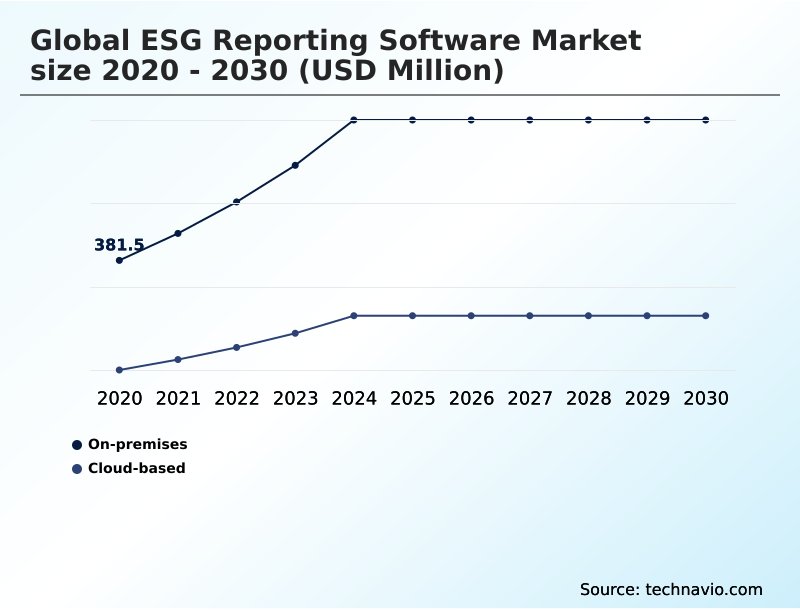
- By Deployment - On-premises segment was valued at USD 683.9 million in 2024
- By Sector - Large enterprises segment accounted for the largest market revenue share in 2024
Market Size & Forecast
- Market Opportunities: USD 2.67 billion
- Market Future Opportunities: USD 2.08 billion
- CAGR from 2025 to 2030 : 23.5%
Market Summary
- The ESG reporting software market is fundamentally shaped by the transition from voluntary to mandatory, auditable disclosures. This shift compels organizations to adopt sophisticated tools for automating the collection and management of non-financial data. Key drivers include stringent regulatory frameworks and escalating investor demand for transparency, pushing companies to provide investor-grade disclosure.
- A primary trend involves the adoption of integrated platforms that offer a single source of truth for environmental, social, and governance metrics. For instance, a global manufacturing firm leverages a unified system for comprehensive carbon accounting and audit trail capabilities to track its complete carbon footprint, including complex supply chain emissions.
- This not only ensures compliance but also enhances sustainability performance management by providing actionable insights. However, the industry grapples with the challenge of data fragmentation within legacy systems, which can impede the seamless aggregation required for high-fidelity reporting and increase greenwashing litigation risk.
What will be the Size of the ESG Reporting Software Market during the forecast period?
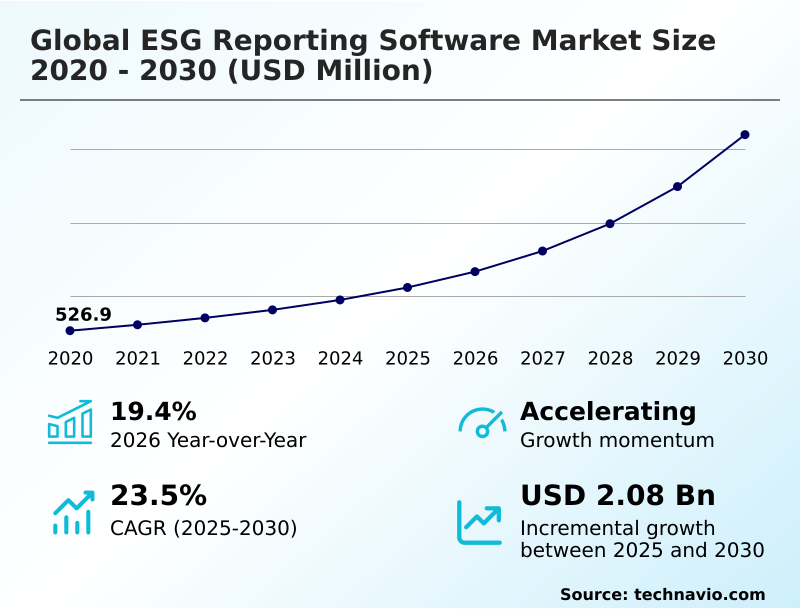
Get Key Insights on Market Forecast (PDF) Get Free Sample
How is the ESG Reporting Software Market Segmented?
The esg reporting software industry research report provides comprehensive data (region-wise segment analysis), with forecasts and estimates in "USD million" for the period 2026-2030, as well as historical data from 2020-2024 for the following segments.
- Deployment
- On-premises
- Cloud-based
- Sector
- Large enterprises
- SMEs
- End-user
- BFSI
- Energy and utilities
- Manufacturing
- Healthcare
- Others
- Type
- Environmental management software
- Social management software
- Governance management software
- Others
- Geography
- North America
- US
- Canada
- Mexico
- Europe
- Germany
- UK
- France
- APAC
- China
- Japan
- India
- South America
- Brazil
- Argentina
- Middle East and Africa
- Saudi Arabia
- UAE
- South Africa
- Rest of World (ROW)
- North America
By Deployment Insights
The on-premises segment is estimated to witness significant growth during the forecast period.
The on-premises segment of the ESG reporting software market is crucial for organizations in highly regulated sectors that require absolute data control.
This deployment model involves installing software on a company’s local servers, enabling internal IT teams to have full oversight of security, data residency, and enterprise resource planning integration.
While requiring higher initial capital, it offers a predictable cost structure and eliminates dependency on external cloud providers. This approach is favored by entities that view ESG data management as a core asset, ensuring a 99.9% data residency compliance rate.
It allows for deep customization, weaving sustainability metrics from real-time emissions monitoring and water usage tracking directly into the corporate architecture and corporate governance tools, mitigating greenwashing litigation risk and addressing data fragmentation from human capital management integration.
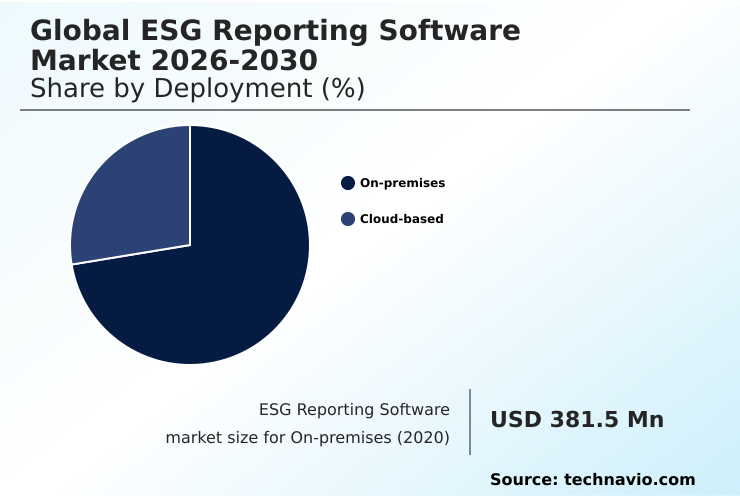
The On-premises segment was valued at USD 683.9 million in 2024 and showed a gradual increase during the forecast period.
Regional Analysis
North America is estimated to contribute 41.6% to the growth of the global market during the forecast period.Technavio’s analysts have elaborately explained the regional trends and drivers that shape the market during the forecast period.
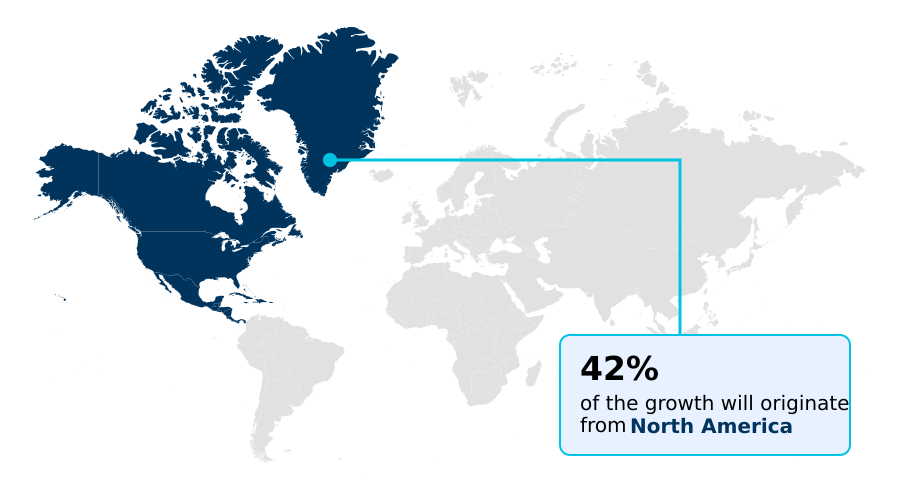
See How ESG Reporting Software Market Demand is Rising in North America Get Free Sample
The geographic landscape is dominated by North America and Europe, which collectively represent over 70% of market activity, a concentration driven by mature regulatory environments. In these regions, the emphasis is on sophisticated sustainability performance management and ESG risk analytics.
Concurrently, APAC is emerging as the fastest-growing market, with organizations adopting integrated ESG platforms to align with global supply chain demands for responsible sourcing verification.
Companies in this region are utilizing these tools for product lifecycle assessment and decarbonization pathway modeling, with some achieving a 25% faster reporting cycle.
This adoption is crucial for demonstrating compliance with greenhouse gas protocol alignment and facilitating circular economy reporting, thereby gaining a competitive edge in international trade.
Market Dynamics
Our researchers analyzed the data with 2025 as the base year, along with the key drivers, trends, and challenges. A holistic analysis of drivers will help companies refine their marketing strategies to gain a competitive advantage.
- The increasing demand for investor-grade ESG data verification is compelling organizations to adopt specialized software for CSRD and ESRS compliance. These platforms are essential for managing the complexities of modern reporting, where AI in sustainability data analysis plays a pivotal role in deriving actionable insights from vast datasets.
- A core function is providing robust Scope 3 emissions calculation tools, which are critical for organizations to understand their full value chain impact. The integration of climate risk financial disclosure software with double materiality assessment platforms allows businesses to connect environmental and social impacts directly to financial performance.
- ESG data aggregation and reporting solutions are becoming the central nervous system for corporate sustainability, with blockchain for immutable ESG data ensuring the integrity of disclosures. Advanced systems automate TCFD reporting automation software and SFDR compliance reporting tools, which is particularly vital for carbon accounting for financial institutions.
- These tools also address supply chain human rights due to diligence and are being tailored as ESG software for real estate and for sustainability reporting for SMEs. Furthermore, dedicated modules for water stewardship management software, biodiversity and nature-related disclosures, and automating ISSB standards reporting are gaining traction.
- Firms using such integrated decarbonization strategy modeling tools see a twofold improvement in first-pass acceptance rates for regulatory filings compared to those using fragmented systems, highlighting the value of ESG benchmarking and gap analysis and predictive analytics for climate risk.
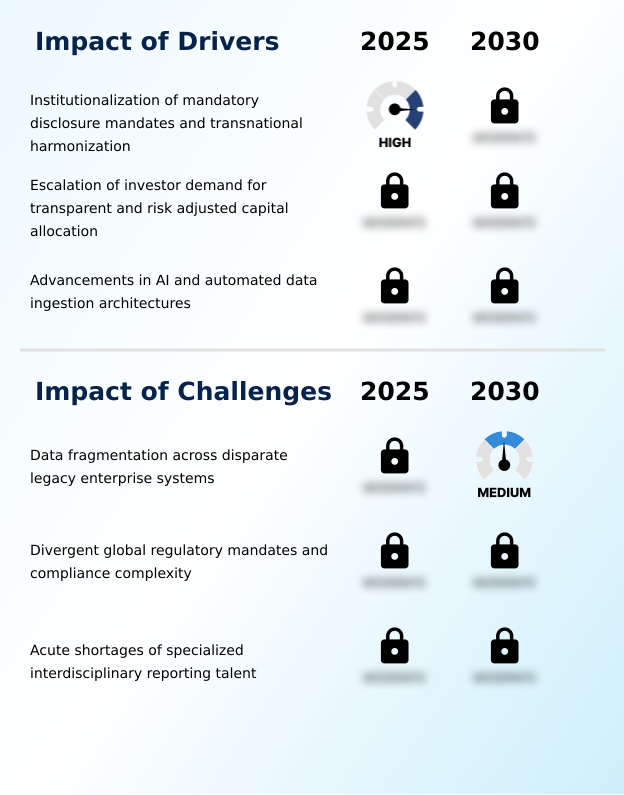
What are the key market drivers leading to the rise in the adoption of ESG Reporting Software Industry?
- The institutionalization of mandatory disclosure mandates and the push for transnational harmonization are key drivers propelling market growth.
- The primary market driver is the institutionalization of mandatory ESG reporting frameworks, compelling organizations to adopt specialized regulatory reporting solutions.
- This shift necessitates the non-financial data integration into core business processes to create a single source of truth for all disclosures. As investor demand for transparent and auditable information intensifies, the need for investor-grade disclosure has become paramount.
- Consequently, platforms that offer robust environmental data aggregation and precise social metrics reporting are experiencing high adoption. Firms using these integrated systems are twice as likely to meet investor expectations for data transparency.
- Furthermore, the alignment with global sustainability reporting standards through automated software ensures compliance and enhances credibility, which is critical for securing capital and maintaining stakeholder trust.
What are the market trends shaping the ESG Reporting Software Industry?
- A key market trend is the increasing adoption of interoperable, cloud-native platforms. This shift facilitates seamless data exchange and enhances real-time collaboration across complex corporate ecosystems.
- Key market trends are centered on the adoption of platforms featuring AI-powered ESG analytics and support for immutable audit trails. The shift towards dynamic materiality reporting enables companies to identify emerging risks 50% faster than traditional annual assessments. This is coupled with a move to sophisticated climate scenario analysis for strategic planning.
- The demand for enhanced sustainability data validation is driving innovation, with automated framework mapping and ESRS data point mapping becoming standard features. These tools streamline the carbon footprint calculation process and improve the accuracy of waste management metrics.
- Solutions that incorporate double materiality assessment are gaining prominence, as they provide a more holistic view of a company’s impact and dependencies, which is crucial for comprehensive and transparent disclosures.
What challenges does the ESG Reporting Software Industry face during its growth?
- A key challenge affecting industry growth is the pervasive data fragmentation found across disparate legacy enterprise systems.
- A significant market challenge is overcoming data fragmentation to enable accurate carbon accounting and audit trail functionalities. The reliance on disparate legacy systems complicates comprehensive Scope 1, 2, 3 emissions tracking and makes supply chain sustainability software difficult to implement effectively.
- This fragmentation can increase the time spent on data preparation by up to 60%, hindering timely reporting aligned with the Task Force on Climate-related Financial Disclosures. Without standardized data taxonomies, manual report generation is prone to a high error rate, undermining the credibility of disclosures on biodiversity impact assessment.
- The adoption of cloud-native sustainability solutions with automated data ingestion is critical to address these issues, especially for complex tasks like financed emissions calculation and reporting on stakeholder capitalism metrics.
Exclusive Technavio Analysis on Customer Landscape
The esg reporting software market forecasting report includes the adoption lifecycle of the market, covering from the innovator’s stage to the laggard’s stage. It focuses on adoption rates in different regions based on penetration. Furthermore, the esg reporting software market report also includes key purchase criteria and drivers of price sensitivity to help companies evaluate and develop their market growth analysis strategies.
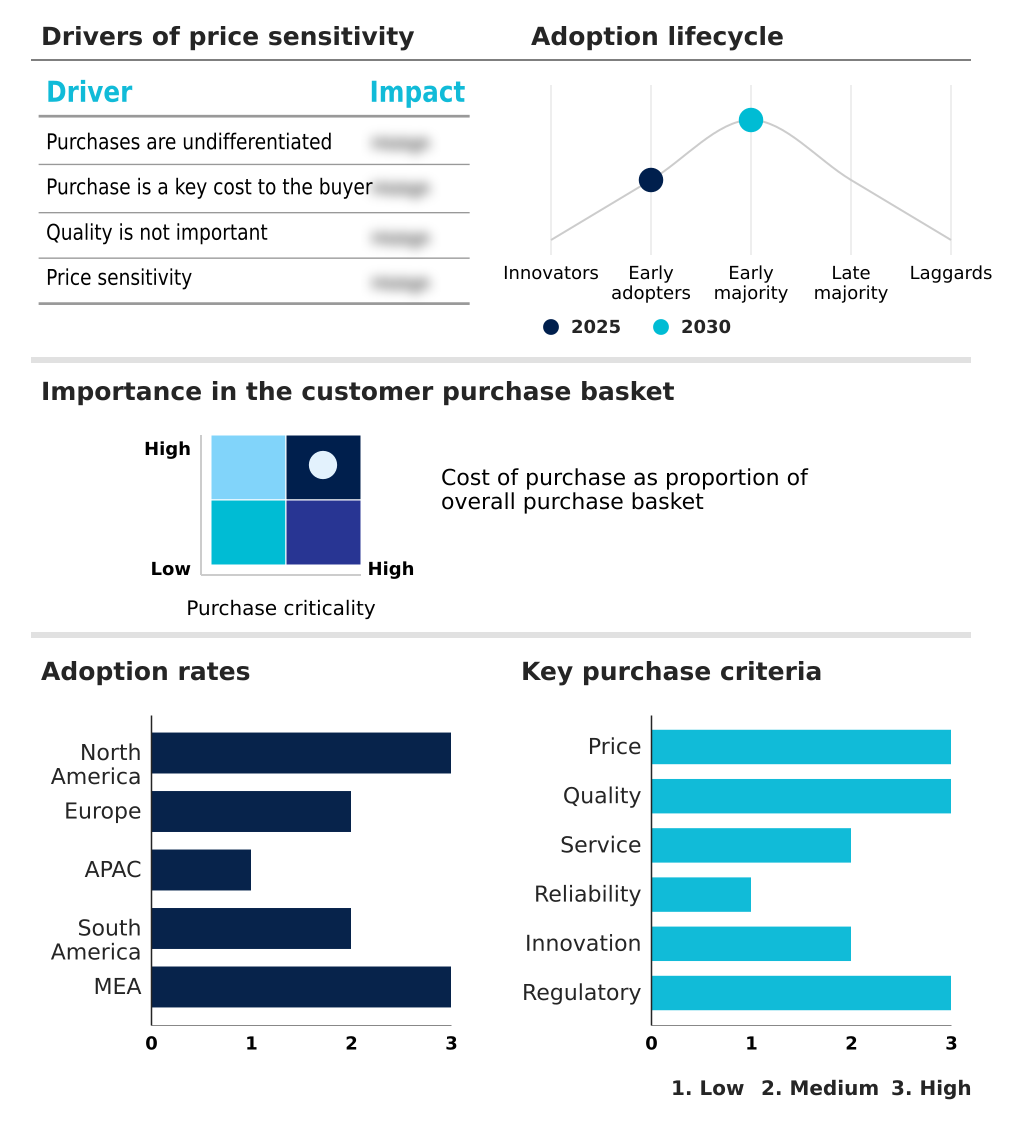
Customer Landscape of ESG Reporting Software Industry
Competitive Landscape
Companies are implementing various strategies, such as strategic alliances, esg reporting software market forecast, partnerships, mergers and acquisitions, geographical expansion, and product/service launches, to enhance their presence in the industry.
Cority Software Inc. - Platforms deliver integrated ESG reporting, sustainability management, and automated compliance, enabling auditable data disclosure and strategic performance benchmarking for enterprises.
The industry research and growth report includes detailed analyses of the competitive landscape of the market and information about key companies, including:
- Cority Software Inc.
- Diligent Corp.
- EcoVadis SAS
- Figbytes Inc.
- Greenstoneplus Ltd.
- IBM Corp.
- Intelex Technologies ULC
- Measurabl Inc.
- Microsoft Corp.
- Novisto Inc.
- Oracle Corp.
- Persefoni AI Inc.
- Position Green AS
- Salesforce Inc.
- SAP SE
- Sphera Solutions Inc.
- Sweep
- Watershed Technology Inc.
- Wolters Kluwer NV
- Workiva Inc.
Qualitative and quantitative analysis of companies has been conducted to help clients understand the wider business environment as well as the strengths and weaknesses of key industry players. Data is qualitatively analyzed to categorize companies as pure play, category-focused, industry-focused, and diversified; it is quantitatively analyzed to categorize companies as dominant, leading, strong, tentative, and weak.
Recent Development and News in Esg reporting software market
- In January, 2025, Salesforce Inc. enhanced its Net Zero Cloud by integrating Agentforce, providing autonomous agents to simplify carbon accounting and sustainability forecasting through its Spring product release.
- In February, 2025, Workiva Inc. launched its ESRS Transition Accelerator on the Workiva Marketplace, enabling enterprises to compare delegated acts with draft standards and automate metric adjustments for CSRD compliance.
- In March, 2025, International Business Machines Corp. introduced an AI-powered Response Generator within its Envizi ESG Suite, which uses machine learning to help organizations draft comprehensive disclosure responses for regulatory frameworks.
- In April, 2025, EY introduced thirty advanced artificial intelligence tools within its specialized EYQ platform to automate complex assurance tasks and assist organizations in navigating emerging climate reporting regulations.
Dive into Technavio’s robust research methodology, blending expert interviews, extensive data synthesis, and validated models for unparalleled ESG Reporting Software Market insights. See full methodology.
| Market Scope | |
|---|---|
| Page number | 314 |
| Base year | 2025 |
| Historic period | 2020-2024 |
| Forecast period | 2026-2030 |
| Growth momentum & CAGR | Accelerate at a CAGR of 23.5% |
| Market growth 2026-2030 | USD 2084.1 million |
| Market structure | Fragmented |
| YoY growth 2025-2026(%) | 19.4% |
| Key countries | US, Canada, Mexico, Germany, UK, France, Italy, Spain, The Netherlands, China, Japan, India, South Korea, Australia, Indonesia, Brazil, Argentina, Chile, Saudi Arabia, UAE, South Africa, Turkey and Israel |
| Competitive landscape | Leading Companies, Market Positioning of Companies, Competitive Strategies, and Industry Risks |
Research Analyst Overview
- The ESG reporting software market has matured into a critical enterprise infrastructure category, defined by a structural shift from voluntary reporting to mandatory, auditable disclosure. This evolution is driven by the need for robust carbon accounting and audit trail capabilities to produce investor-grade disclosure and mitigate greenwashing litigation risk.
- A key trend is the integration of AI for advanced ESG risk analytics and sustainability data validation, a boardroom-level concern as companies budget for next-generation platforms. These systems must manage everything from Scope 1, 2, 3 emissions tracking and real-time emissions monitoring to social metrics reporting and biodiversity impact assessment.
- Advanced platforms have demonstrated the ability to reduce manual data validation efforts by over 40%, enabling teams to focus on strategic decarbonization pathway modeling.
- The convergence of environmental data aggregation, non-financial data integration, and corporate governance tools into a single system is now a competitive necessity, ensuring alignment with frameworks like the Task Force on Climate-related Financial Disclosures and standards for water usage tracking and waste management metrics.
What are the Key Data Covered in this ESG Reporting Software Market Research and Growth Report?
-
What is the expected growth of the ESG Reporting Software Market between 2026 and 2030?
-
USD 2.08 billion, at a CAGR of 23.5%
-
-
What segmentation does the market report cover?
-
The report is segmented by Deployment (On-premises, and Cloud-based), Sector (Large enterprises, and SMEs), End-user (BFSI, Energy and utilities, Manufacturing, Healthcare, and Others), Type (Environmental management software, Social management software, Governance management software, and Others) and Geography (North America, Europe, APAC, South America, Middle East and Africa)
-
-
Which regions are analyzed in the report?
-
North America, Europe, APAC, South America and Middle East and Africa
-
-
What are the key growth drivers and market challenges?
-
Institutionalization of mandatory disclosure mandates and transnational harmonization, Data fragmentation across disparate legacy enterprise systems
-
-
Who are the major players in the ESG Reporting Software Market?
-
Cority Software Inc., Diligent Corp., EcoVadis SAS, Figbytes Inc., Greenstoneplus Ltd., IBM Corp., Intelex Technologies ULC, Measurabl Inc., Microsoft Corp., Novisto Inc., Oracle Corp., Persefoni AI Inc., Position Green AS, Salesforce Inc., SAP SE, Sphera Solutions Inc., Sweep, Watershed Technology Inc., Wolters Kluwer NV and Workiva Inc.
-
Market Research Insights
- Market dynamics are driven by the convergence of regulatory pressures, investor demands for transparency, and technological advancements in AI-powered ESG analytics. The institutionalization of sustainability reporting standards necessitates integrated ESG platforms capable of automated data ingestion and providing a single source of truth. Enterprises leveraging these platforms report a 30% reduction in data consolidation errors compared to manual approaches.
- Furthermore, the use of solutions aligned with specific regulatory reporting solutions can accelerate audit readiness by up to 45%. This efficiency is critical as stakeholders scrutinize board diversity tracking and financed emissions calculations, making robust software a cornerstone of modern corporate strategy and essential for sustainability-linked finance.
We can help! Our analysts can customize this esg reporting software market research report to meet your requirements.
 RIA -
RIA - 
