



Fish Sauce Market Size 2026-2030
The fish sauce market size is valued to increase by USD 1.38 billion, at a CAGR of 7.5% from 2025 to 2030. Increasing global popularity of southeast Asian culinary traditions will drive the fish sauce market.
Major Market Trends & Insights
- APAC dominated the market and accounted for a 83.4% growth during the forecast period.
- By Product - Industrial fish sauce segment was valued at USD 2.25 billion in 2024
- By Distribution Channel - Offline segment accounted for the largest market revenue share in 2024
Market Size & Forecast
- Market Opportunities: USD 2.23 billion
- Market Future Opportunities: USD 1.38 billion
- CAGR from 2025 to 2030 : 7.5%
Market Summary
- The fish sauce market is undergoing a significant transformation, driven by a confluence of culinary globalization and heightened consumer consciousness. The core of the market revolves around two production philosophies: traditional fermentation methods, which emphasize natural protein breakdown and a complex amino acid profile, and industrial-scale enzymatic hydrolysis, designed for consistency and volume.
- A primary driver is the rising demand from Western markets for authentic flavor replication in home cooking, moving the condiment from niche to mainstream. This trend is coupled with the clean label movement, pushing for minimal, natural ingredients and salt content reduction. However, producers face considerable challenges.
- For instance, a food manufacturer aiming to launch a new line of clean-label frozen meals must navigate complex import-export regulations and secure a supply chain that guarantees sustainable sourcing certification and digital traceability systems. This scenario highlights the operational tension between scaling production and meeting stringent quality control metrics, supply chain transparency, and evolving food safety standards.
- The industry's future hinges on balancing artisanal heritage with technological innovation to meet diverse consumer expectations for both premium product positioning and affordability.
What will be the Size of the Fish Sauce Market during the forecast period?
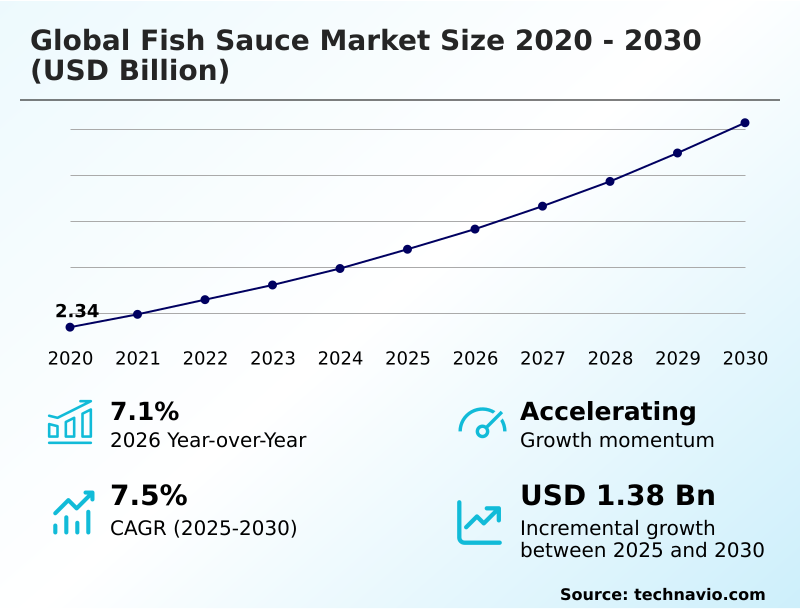
Get Key Insights on Market Forecast (PDF) Get Free Sample
How is the Fish Sauce Market Segmented?
The fish sauce industry research report provides comprehensive data (region-wise segment analysis), with forecasts and estimates in "USD million" for the period 2026-2030, as well as historical data from 2020-2024 for the following segments.
- Product
- Industrial fish sauce
- Traditional fish sauce
- Distribution channel
- Offline
- Online
- Product type
- Mass
- Premium
- End-user
- Food manufacturers
- Retail and food service
- Type
- Anchovy
- Mackerel
- Squid
- Shrimp
- Others
- Geography
- APAC
- China
- Japan
- India
- Europe
- UK
- Germany
- France
- North America
- US
- Canada
- Mexico
- Middle East and Africa
- Saudi Arabia
- UAE
- South Africa
- South America
- Brazil
- Argentina
- Rest of World (ROW)
- APAC
By Product Insights
The industrial fish sauce segment is estimated to witness significant growth during the forecast period.
The industrial fish sauce segment is defined by mass production, leveraging accelerated fermentation and enzymatic processes to ensure product consistency for global food manufacturers.
This approach, centered on liquid seasoning production and flavor enhancement, allows for scalability in the food service and retail distribution sectors. Industrial formulations often serve as a cost-effective food processing aid, meeting high-volume demands for ready-to-eat meals.
Adherence to food safety standards and the use of natural preservatives are critical, as producers balance efficiency with consumer health awareness.
Investments in automation have improved quality control metrics, with some facilities reporting a 15% increase in batch-to-batch flavor profile consistency, a key factor for the gourmet food sector and direct-to-consumer sales.
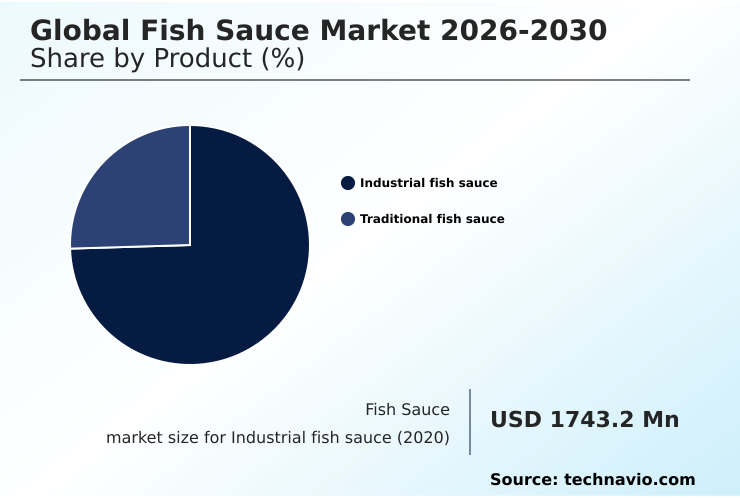
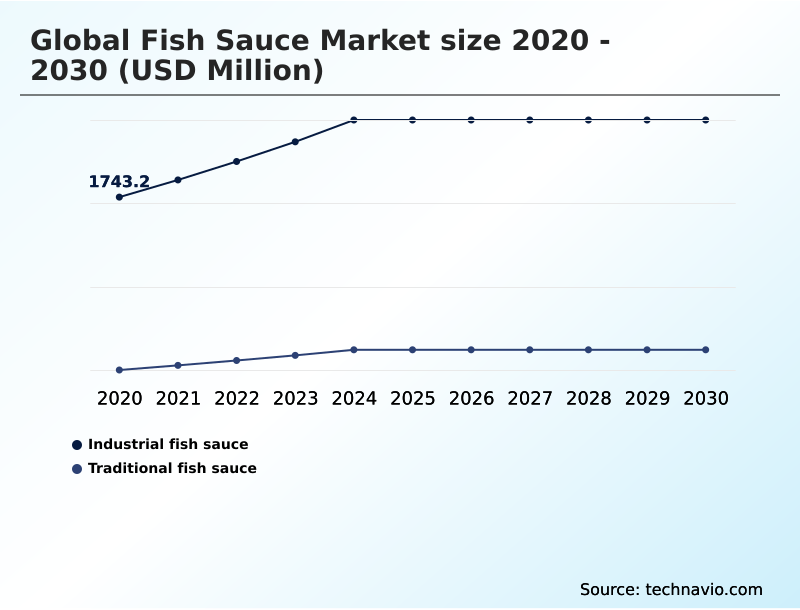
The Industrial fish sauce segment was valued at USD 2.25 billion in 2024 and showed a gradual increase during the forecast period.
Regional Analysis
APAC is estimated to contribute 83.4% to the growth of the global market during the forecast period.Technavio’s analysts have elaborately explained the regional trends and drivers that shape the market during the forecast period.
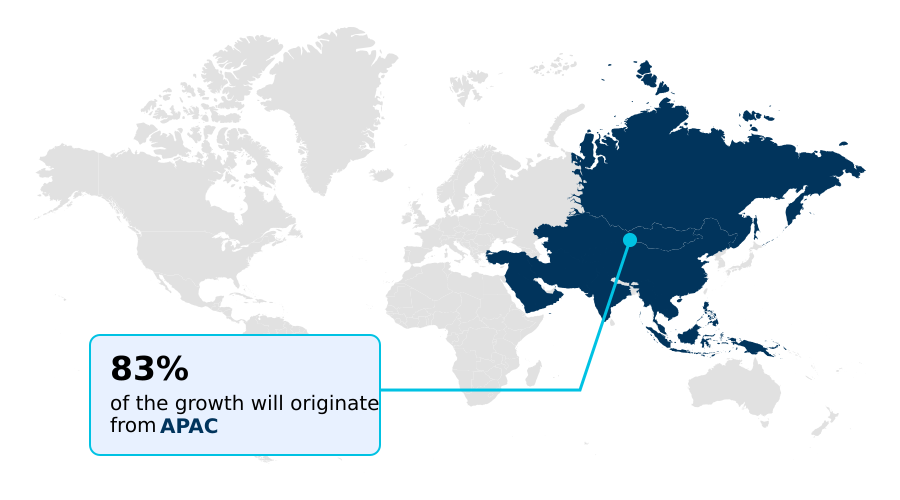
See How Fish Sauce Market Demand is Rising in APAC Get Free Sample
The geographic landscape of the fish sauce market is predominantly anchored in the APAC region, which maintains the largest market share due to deep-rooted culinary traditions and high production volumes.
However, the fastest growth is observed in South America and Europe, with growth rates of 8.2% and 7.8% respectively, outpacing North America's 6.6%.
This expansion is driven by the global adoption of Southeast Asian cuisine and the rising demand for authentic condiments. European markets, in particular, show a strong preference for premium, artisanal products with verifiable supply chain transparency and clean label ingredients.
In North America, the focus is on integrating fish sauce into mainstream food service applications and retail.
This regional diversification requires producers to adapt, as firms targeting the European Union have seen a 25% higher compliance cost related to stringent import-export regulations compared to other regions, impacting overall production strategy.
Market Dynamics
Our researchers analyzed the data with 2025 as the base year, along with the key drivers, trends, and challenges. A holistic analysis of drivers will help companies refine their marketing strategies to gain a competitive advantage.
- The global fish sauce market 2026-2030 is evolving through focused innovation and adherence to stringent quality standards. Understanding the best practices for traditional fish sauce fermentation is now a competitive differentiator, as producers aim to deliver authentic umami-rich fish sauce for food service and retail.
- The impact of anchovy quality on fish sauce flavor remains a critical research area, directly influencing the final product's complexity. Concurrently, there is a significant push toward developing technology for reducing sodium in fish sauce, positioning it as a fish sauce as a natural msg replacement.
- This aligns with the demand for fish sauce in clean label food manufacturing, where transparency is key. The sustainable sourcing impact on fish sauce market is reshaping supply chains, with an emphasis on regulatory compliance for fish sauce exports.
- From a technical standpoint, challenges in industrial fish sauce production are being met with advanced methods for fish sauce flavor profile analysis. This addresses the traditional vs industrial fish sauce production debate by enhancing quality.
- As a result, companies adopting advanced fish sauce shelf life extension techniques and quality metrics for premium fish sauce evaluation report up to a 15% lower rate of product spoilage compared to those using conventional methods. This shift allows for the development of high protein fish sauce for nutritional products and broader use in fish sauce in western culinary applications.
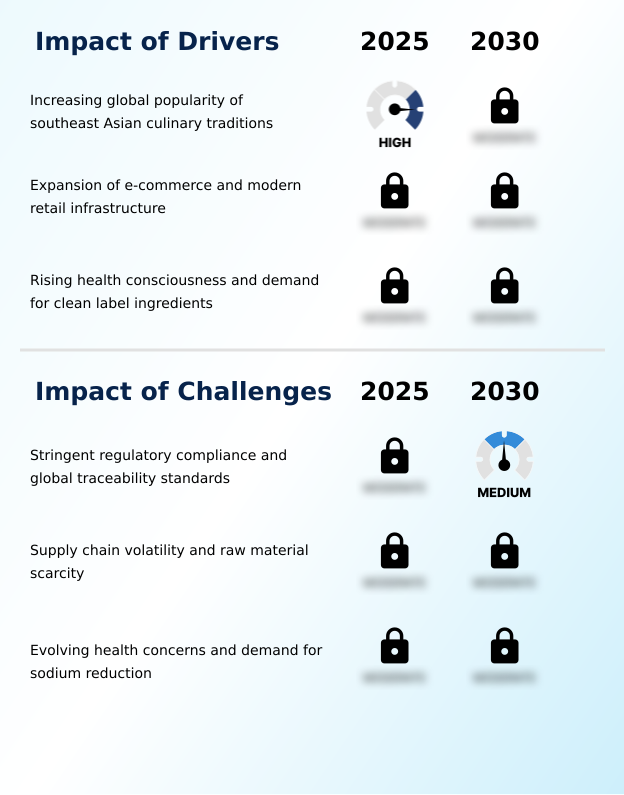
What are the key market drivers leading to the rise in the adoption of Fish Sauce Industry?
- The increasing global popularity of Southeast Asian culinary traditions is a primary driver for the market's expansion.
- The primary driver of market expansion is the mainstream adoption of Southeast Asian flavors in Western culinary scenes, which has led to a 30% increase in demand from the food service sector over the last two years.
- This cultural shift necessitates scalable liquid seasoning production, pushing innovation in accelerated fermentation and enzymatic hydrolysis to maintain a consistent amino acid profile.
- Furthermore, the growing consumer health awareness has fueled demand for natural umami concentration, positioning fish sauce as a clean-label alternative to synthetic flavor enhancers. This trend has been particularly beneficial for producers emphasizing traditional fermentation methods.
- E-commerce platforms have also played a crucial role, expanding market access by 40% for artisanal producers who previously faced retail distribution barriers, allowing them to capitalize on the demand for authentic flavor replication.
What are the market trends shaping the Fish Sauce Industry?
- The rise of digital traceability and sustainable sourcing is a significant trend, compelling manufacturers to provide verifiable proof of responsible practices from catch to final product.
- Market trends are increasingly shaped by the push for premiumization and supply chain transparency. The adoption of digital traceability systems is becoming a key differentiator, with companies leveraging this technology reporting a 20% higher success rate in securing contracts with major retailers in North America and Europe. This move toward verifiable sustainable fishing practices is resonating with consumers.
- Simultaneously, the focus on clean label ingredients and artisanal production techniques is driving demand for products that utilize a traditional barrel aging process and single-origin anchovies. This has resulted in a 15% average price premium for brands that can effectively communicate their commitment to natural protein breakdown and high-protein content without artificial additives.
- The market is bifurcating, with distinct opportunities in both mass-market and high-end segments.
What challenges does the Fish Sauce Industry face during its growth?
- Stringent regulatory compliance and the lack of unified global traceability standards present a key challenge affecting industry growth.
- Significant challenges in the market stem from regulatory and operational complexities. Adhering to varied international food safety standards and import-export regulations adds an estimated 15% to operational costs for exporters. The mandate for salt content reduction presents a technical hurdle, as salt is crucial for traditional fermentation control.
- Innovations in this area that maintain shelf stability are still in early stages. Furthermore, raw material sourcing is subject to volatility from climate change, impacting anchovy fermentation yields and costs. Producers have reported price fluctuations of up to 25% for raw materials in a single season.
- Ensuring supply chain transparency through effective sensory panel testing and managing volatile compound analysis across batches remains a persistent operational challenge, particularly for smaller-scale producers trying to compete with industrial giants.
Exclusive Technavio Analysis on Customer Landscape
The fish sauce market forecasting report includes the adoption lifecycle of the market, covering from the innovator’s stage to the laggard’s stage. It focuses on adoption rates in different regions based on penetration. Furthermore, the fish sauce market report also includes key purchase criteria and drivers of price sensitivity to help companies evaluate and develop their market growth analysis strategies.
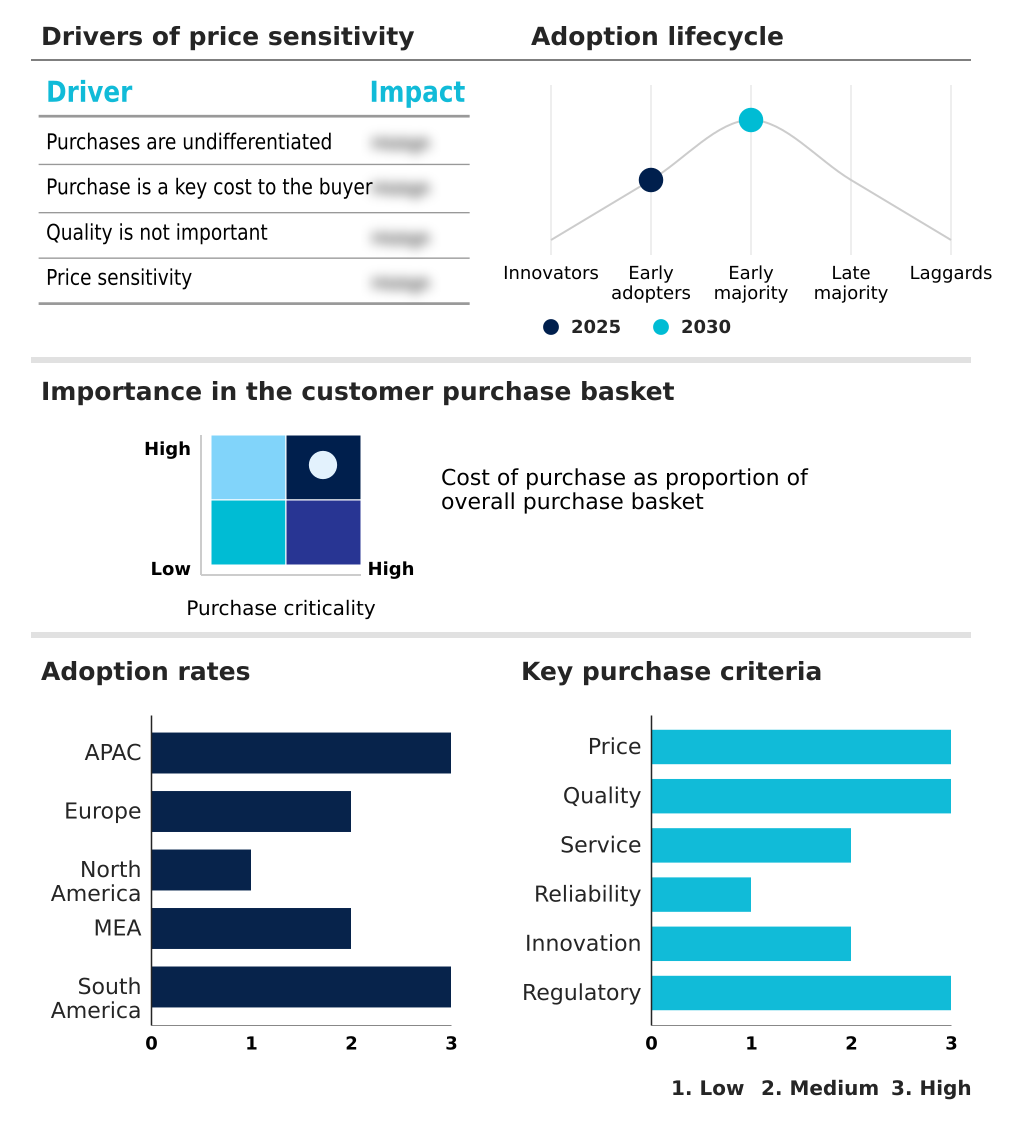
Customer Landscape of Fish Sauce Industry
Competitive Landscape
Companies are implementing various strategies, such as strategic alliances, fish sauce market forecast, partnerships, mergers and acquisitions, geographical expansion, and product/service launches, to enhance their presence in the industry.
Blue Elephant International - Key offerings include premium Thai ingredients and sauces, featuring a range of curry pastes, cooking sets, and seasoning sauces designed for authentic culinary experiences.
The industry research and growth report includes detailed analyses of the competitive landscape of the market and information about key companies, including:
- Blue Elephant International
- California Fish Sauce
- Fish Sauce Thai Co. Ltd.
- Halcyon Proteins Pty. Ltd.
- Hung Thanh Co., Ltd.
- Kimlan Foods Co. Ltd.
- Knorr
- Mae Sri Pty Ltd.
- Masan Group
- Mega Chef Co. Ltd.
- Nestle SA
- Pantainorasingh Manufacturer
- Phu Nhi Fish Sauce
- Pichai Fish Sauce Co. Ltd.
- Rayong Fish Sauce Industry Co. Ltd.
- Roland Foods LLC
- Rungroj Fish Sauce Co. Ltd.
- Thai Fishsauce Factory Co. Ltd.
- Real Thai Co. Ltd.
- Viet Phu Inc.
Qualitative and quantitative analysis of companies has been conducted to help clients understand the wider business environment as well as the strengths and weaknesses of key industry players. Data is qualitatively analyzed to categorize companies as pure play, category-focused, industry-focused, and diversified; it is quantitatively analyzed to categorize companies as dominant, leading, strong, tentative, and weak.
Recent Development and News in Fish sauce market
- In May 2025, Squid Brand launched Volcano Fish Sauce at Thaifex-Anuga Asia 2025, a strategic move targeting premium, high-intensity flavor markets for global export.
- In August 2025, Phichai Fish Sauce introduced a powdered fish sauce, offering a low-sodium, high-protein alternative for convenient use in processed food applications.
- In June 2025, Marine Resources Development, a Thai company, invested in automated fermentation processes to improve production efficiency and the consistency of its fish sauce output.
- In March 2025, Phu Quoc Fish Sauce Manufacturer Hung Thanh was recognized for enhancing its certified production capabilities, including HACCP and quality standard compliance, to support export expansion.
Dive into Technavio’s robust research methodology, blending expert interviews, extensive data synthesis, and validated models for unparalleled Fish Sauce Market insights. See full methodology.
| Market Scope | |
|---|---|
| Page number | 326 |
| Base year | 2025 |
| Historic period | 2020-2024 |
| Forecast period | 2026-2030 |
| Growth momentum & CAGR | Accelerate at a CAGR of 7.5% |
| Market growth 2026-2030 | USD 1384.1 million |
| Market structure | Fragmented |
| YoY growth 2025-2026(%) | 7.1% |
| Key countries | China, Thailand, Vietnam, Japan, India, Indonesia, UK, Germany, France, Italy, Spain, The Netherlands, US, Canada, Mexico, Saudi Arabia, UAE, South Africa, Turkey, Egypt, Brazil, Argentina and Chile |
| Competitive landscape | Leading Companies, Market Positioning of Companies, Competitive Strategies, and Industry Risks |
Research Analyst Overview
- The fish sauce market is characterized by a fundamental tension between heritage and modernization. At its core, the industry's trajectory is shaped by the mastery of fermentation control, enzymatic hydrolysis, and protein breakdown to achieve a desirable amino acid profile and umami concentration.
- While traditional fermentation methods and barrel aging processes deliver complexity, the sector is increasingly adopting accelerated fermentation and other enzymatic processes to meet volume demands. A key boardroom focus is navigating the dual pressures of consumer demand for salt content reduction and the technical necessity of salt as a natural preservative.
- This challenge requires significant investment in analyzing volatile compounds to maintain sensory profiles. For instance, companies that have integrated advanced digital traceability systems for raw material sourcing have demonstrated a 25% improvement in securing sustainable fishing practices certification, a critical factor for entry into premium international markets.
- Success depends on balancing the appeal of single-origin anchovies and clean label ingredients with the economic realities of liquid seasoning production, all while adhering to rigorous food safety standards and quality control metrics to deliver high-protein content with supply chain transparency.
What are the Key Data Covered in this Fish Sauce Market Research and Growth Report?
-
What is the expected growth of the Fish Sauce Market between 2026 and 2030?
-
USD 1.38 billion, at a CAGR of 7.5%
-
-
What segmentation does the market report cover?
-
The report is segmented by Product (Industrial fish sauce, and Traditional fish sauce), Distribution Channel (Offline, and Online), Product Type (Mass, and Premium), End-user (Food manufacturers, and Retail and food service), Type (Anchovy, Mackerel, Squid, Shrimp, and Others) and Geography (APAC, Europe, North America, Middle East and Africa, South America)
-
-
Which regions are analyzed in the report?
-
APAC, Europe, North America, Middle East and Africa and South America
-
-
What are the key growth drivers and market challenges?
-
Increasing global popularity of southeast Asian culinary traditions, Stringent regulatory compliance and global traceability standards
-
-
Who are the major players in the Fish Sauce Market?
-
Blue Elephant International, California Fish Sauce, Fish Sauce Thai Co. Ltd., Halcyon Proteins Pty. Ltd., Hung Thanh Co., Ltd., Kimlan Foods Co. Ltd., Knorr, Mae Sri Pty Ltd., Masan Group, Mega Chef Co. Ltd., Nestle SA, Pantainorasingh Manufacturer, Phu Nhi Fish Sauce, Pichai Fish Sauce Co. Ltd., Rayong Fish Sauce Industry Co. Ltd., Roland Foods LLC, Rungroj Fish Sauce Co. Ltd., Thai Fishsauce Factory Co. Ltd., Real Thai Co. Ltd. and Viet Phu Inc.
-
Market Research Insights
- The market's dynamism is underscored by a strategic shift towards premium product positioning, driven by consumer health awareness and demand for authentic flavor replication. Artisanal production techniques and unique condiment production are gaining traction, with a focus on flavor complexity development and umami taste perception.
- This has led to improved supply chain logistics for the gourmet food sector, facilitating direct-to-consumer sales. Food service applications are expanding, demanding high-heat stability and allergen-free formulation. This evolution in the ethnic food market is supported by food-grade packaging and sustainable sourcing certification.
- Companies leveraging these trends have reported a 15% increase in shelf stability for premium lines and a 20% improvement in supply chain efficiency. Furthermore, enhanced retail distribution strategies have helped brands achieve a 10% greater market penetration in new regions, solidifying the role of fish sauce as a versatile savory seasoning and culinary ingredient beyond its traditional uses.
- The focus on nutritional profile and food processing aid capabilities continues to shape innovation.
We can help! Our analysts can customize this fish sauce market research report to meet your requirements.
 RIA -
RIA - 
