

Floor Cleaning Machines Market Size 2026-2030
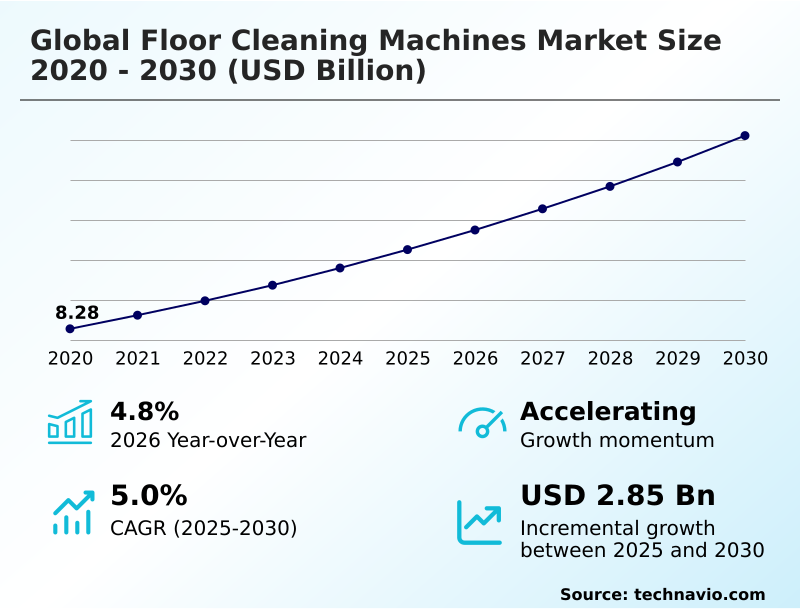
The floor cleaning machines market size is valued to increase by USD 2.85 billion, at a CAGR of 5% from 2025 to 2030. Escalating labor shortages and rising wage rates in facility management sector will drive the floor cleaning machines market.
Major Market Trends & Insights
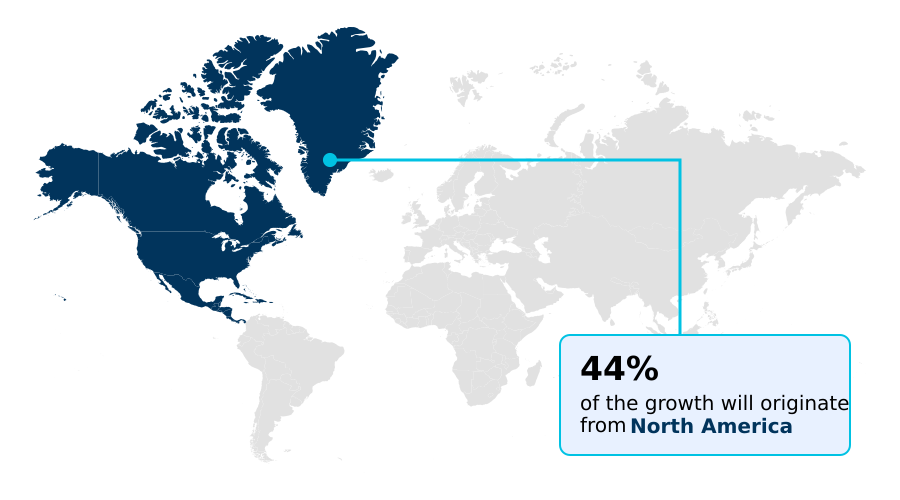
- North America dominated the market and accounted for a 43.5% growth during the forecast period.
- By Application - PCE segment was valued at USD 6.41 billion in 2024
- By Product - Floor scrubbers segment accounted for the largest market revenue share in 2024
Market Size & Forecast
- Market Opportunities: USD 4.83 billion
- Market Future Opportunities: USD 2.85 billion
- CAGR from 2025 to 2030 : 5%
Market Summary
- The Floor Cleaning Machines Market is experiencing rapid transformation as commercial enterprises transition from manual labor to highly automated surface maintenance solutions. Facing severe workforce deficits and escalating hourly wages, facility managers are increasingly deploying autonomous robotic scrubbers and heavy-duty sweepers to optimize operational workflows.
- For instance, logistics hubs implementing smart fleet telemetry have successfully reduced cleaning-related downtime by 30%, ensuring uninterrupted supply chain operations. Escalating labor shortages in the facility management sector act as the primary catalyst, pushing organizations to replace variable human capital expenses with predictable capital equipment investments.
- However, significant disparities in upfront capital expenditure challenge widespread adoption, as advanced artificial intelligence-integrated units require substantial initial outlays that strain the budgets of smaller enterprises. The continuous evolution of battery technology and eco-friendly chemical dispensing systems further shapes product innovation.
- By prioritizing autonomous navigation and sustainable resource utilization, the industry directly addresses modern compliance mandates while elevating baseline hygiene standards across international retail, healthcare, and industrial environments.
What will be the Size of the Floor Cleaning Machines Market during the forecast period?
Get Key Insights on Market Forecast (PDF) Get Free Sample
How is the Floor Cleaning Machines Market Segmented?
The floor cleaning machines industry research report provides comprehensive data (region-wise segment analysis), with forecasts and estimates in "USD million" for the period 2026-2030, as well as historical data from 2020-2024 for the following segments.
- Application
- PCE
- Consumer cleaning equipment
- Product
- Floor scrubbers
- Vacuum cleaners
- Floor sweepers
- Others
- End-user
- Commercial
- Industrial
- Residential
- Geography
- North America
- US
- Canada
- Mexico
- Europe
- Germany
- UK
- France
- Italy
- Spain
- The Netherlands
- APAC
- China
- Japan
- India
- South Korea
- Australia
- Indonesia
- South America
- Brazil
- Argentina
- Chile
- Middle East and Africa
- Saudi Arabia
- UAE
- South Africa
- Israel
- Turkey
- North America
By Application Insights
The pce segment is estimated to witness significant growth during the forecast period.
The professional application segment relies on heavy-duty walk-behind scrubber dryers and industrial ride-on sweepers to maintain rigorous facility hygiene standards. Replacing manual labor with mechanized equipment yields substantial operational efficiency, as automated systems minimize physical strain and accelerate task completion.
Constructed with a structural steel chassis, these robust machines endure multi-shift usage within high-traffic commercial environments. Integrating specialized single-disc burnishers and steam vapor extractors ensures consistent commercial real estate sanitation without compromising floor integrity.
By tracking localized machine utilization through advanced sensors, facility managers actively optimize deployment schedules, which leads to a 25% improvement in operational downtime reduction compared to unmonitored fleets.
This continuous transition toward intelligent automation addresses persistent manual labor replacement needs, empowering institutional buyers to sustain demanding cleanliness protocols while balancing resource allocation effectively.
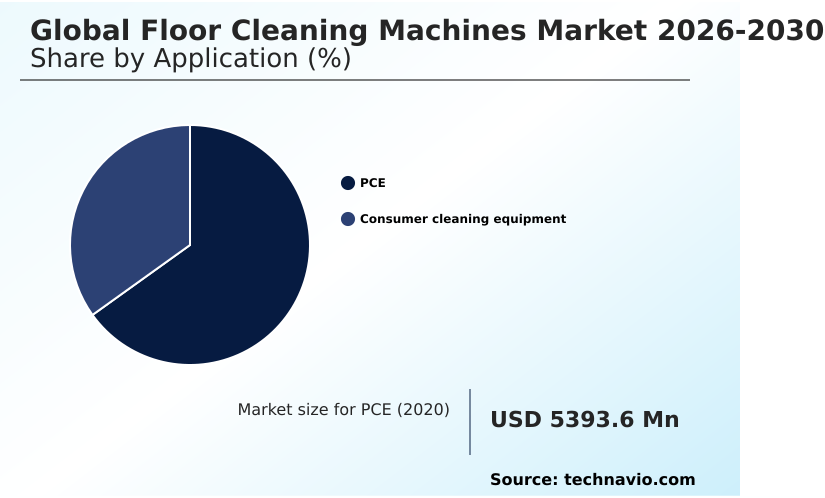
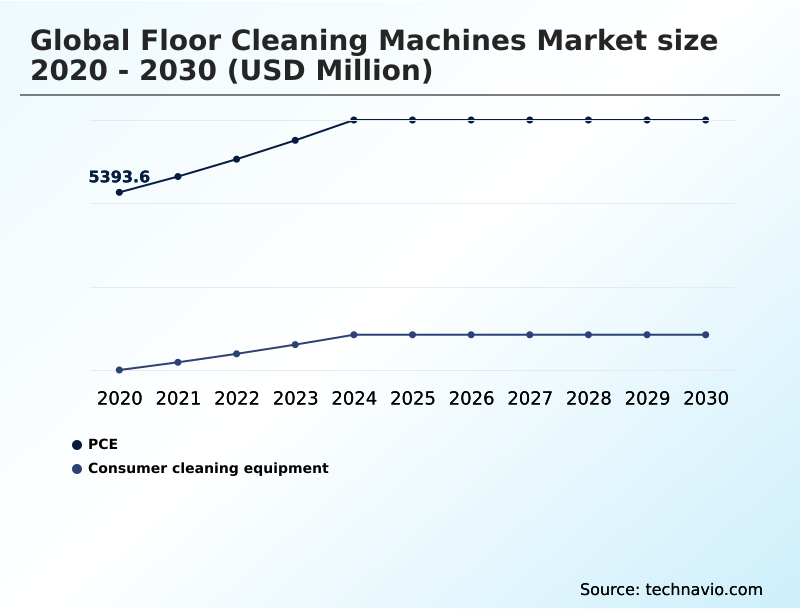
The PCE segment was valued at USD 6.41 billion in 2024 and showed a gradual increase during the forecast period.
Regional Analysis
North America is estimated to contribute 43.5% to the growth of the global market during the forecast period.Technavio’s analysts have elaborately explained the regional trends and drivers that shape the market during the forecast period.
See How Floor Cleaning Machines Market Demand is Rising in North America Get Free Sample
The deployment of mechanized sanitation equipment varies significantly across global commercial landscapes due to diverging regulatory pressures and labor economics.
North America prioritizes extensive commercial facility modernization, adopting machines with dynamic obstacle avoidance and three-dimensional light detection to offset high custodial wages. Consequently, regional facility operators achieve a 35% gain in square-footage coverage per hour compared to traditional methods.
Conversely, the European sector is heavily driven by strict carbon-neutrality initiatives and water stewardship goals, accelerating the procurement of units featuring eco-friendly chemical delivery and zero-emission electric powertrains.
The APAC region demonstrates rapid mechanized sweepers utilization to support expanding industrial hubs.
Meanwhile, rising consumer interest in touchless domestic maintenance fuels demand for compact hard-floor wet-dry washers with antimicrobial recovery tanks, lowering cross-contamination risks by 22% in densely populated urban centers.
Market Dynamics
Our researchers analyzed the data with 2025 as the base year, along with the key drivers, trends, and challenges. A holistic analysis of drivers will help companies refine their marketing strategies to gain a competitive advantage.
- The rapid evolution of the Floor Cleaning Machines landscape highlights a profound structural shift toward high-efficiency, technology-driven maintenance solutions. Commercial enterprises are aggressively investing in autonomous robotic floor cleaning systems to secure consistent sanitation while addressing chronic workforce constraints, ultimately achieving a 35% improvement in facility management labor cost reduction compared to traditional manual operations.
- Heavy-duty walk-behind industrial scrubbers and lithium-ion powered ride-on sweepers dominate large-scale logistics centers, delivering rapid surface recovery essential for occupational safety slip hazard prevention. The integration of artificial intelligence driven floor care ensures exceptional navigational precision. Equipment featuring dynamic real time obstacle navigation and autonomous self path generation software seamlessly adapts to complex indoor environments without human intervention.
- Furthermore, corporate sustainability objectives drive the procurement of advanced water recycling filtration mechanisms and systems engineered for eco-friendly chemical free floor sanitization. Indoor air quality standards strictly mandate the utilization of high efficiency particulate air vacuums to capture micro-allergens effectively.
- In premium retail and hospitality spaces, commercial high-speed single disc burnishers preserve aesthetic floor finishes, while zero emission industrial warehouse sweepers handle heavy debris safely indoors. Modern fleets increasingly rely on internet of things connected scrubbers paired with smart building automated fluid management to track telemetry, enhancing overall asset longevity.
- Meanwhile, consumer segments reflect parallel growth as urban households embrace compact smart home vacuum mops to streamline daily residential upkeep efficiently.
What are the key market drivers leading to the rise in the adoption of Floor Cleaning Machines Industry?
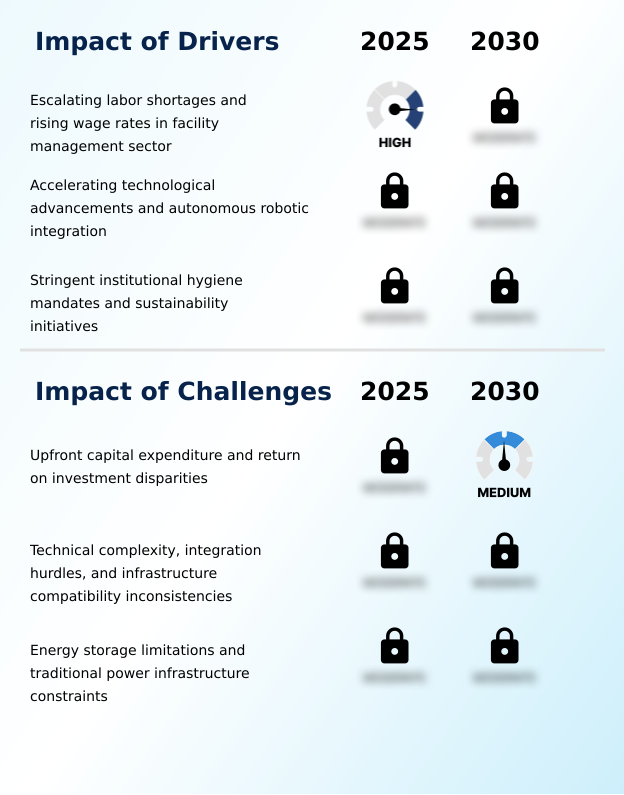
- Escalating labor shortages and rising wage rates in the facility management sector serve as the primary drivers of market growth.
- Severe workforce deficits act as the primary catalyst for extensive labor shortage mitigation through mechanized sanitation strategies.
- Facilities striving to meet strict public health mandates are aggressively investing in advanced equipment featuring micro-scrubbing mechanics and orbital brush rotations to achieve verifiable surface decontamination.
- Because human capital expenses continue to climb, organizations rely on automated fluid management and electrolyzed water cleaning systems to decrease chemical expenditures.
- Leveraging predictive maintenance strategies allows operators to anticipate mechanical wear, lowering total cost of ownership by extending equipment lifecycles by up to 20% compared to reactive servicing.
- The incorporation of high-efficiency particulate air filters protects environmental quality during continuous maintenance workflows. Ultimately, securing uninterrupted multi-shift operations through automated machinery guarantees that commercial sectors sustain rigorous hygiene thresholds despite ongoing staffing challenges.
What are the market trends shaping the Floor Cleaning Machines Industry?
- The acceleration of automation and the integration of artificial intelligence within commercial spaces represent upcoming market trends.
- The transition toward autonomous mobile robots fundamentally accelerates floor care automation across expansive industrial and retail sectors. Implementing sophisticated visual intelligence algorithms enables precise cleaning route optimization, effectively guiding machinery around dynamic physical obstacles. Facilities adopting smart building integration process advanced telematics telemetry to monitor fleet performance, resulting in a 30% improvement in resource deployment efficiency over conventional manual scheduling.
- Because organizations prioritize corporate sustainability targets, the integration of high-capacity lithium-ion power systems provides longer runtimes while lowering energy consumption. Furthermore, advanced autonomous self-path generation facilitates continuous multi-shift sanitization without human intervention. This aggressive robotic equipment deployment ensures comprehensive indoor air purification and surface cleanliness. Consequently, businesses successfully mitigate chronic workforce constraints while maintaining exceptional environmental standards.
What challenges does the Floor Cleaning Machines Industry face during its growth?
- Disparities in upfront capital expenditure and return on investment represent key challenges affecting industry growth.
- Integrating sophisticated mechanized surface sanitation platforms introduces significant infrastructural and operational challenges for legacy commercial facilities. While advanced deep extraction scrubbers deliver unmatched slip-resistance compliance, their heavy power requirements strain outdated electrical grids. Facilities must undertake costly upgrades to establish dedicated battery charging infrastructure, increasing initial deployment expenses by roughly 40% compared to traditional manual cleaning setups.
- Furthermore, managing intelligent fleet management systems requires specialized technical proficiency that standard custodial staff frequently lack. Relying on complex internet of things telemetry for warehouse logistics cleaning can lead to prolonged workflow interruptions if software connectivity fails. Additionally, maintaining precise chemical dilution control and effective heavy-duty dust containment requires constant sensor calibration.
- Although closed-loop water recycling mechanisms promote sustainability, the demanding occupational safety compliance frameworks mandate rigorous, specialized upkeep that challenges budget-constrained organizations.
Exclusive Technavio Analysis on Customer Landscape
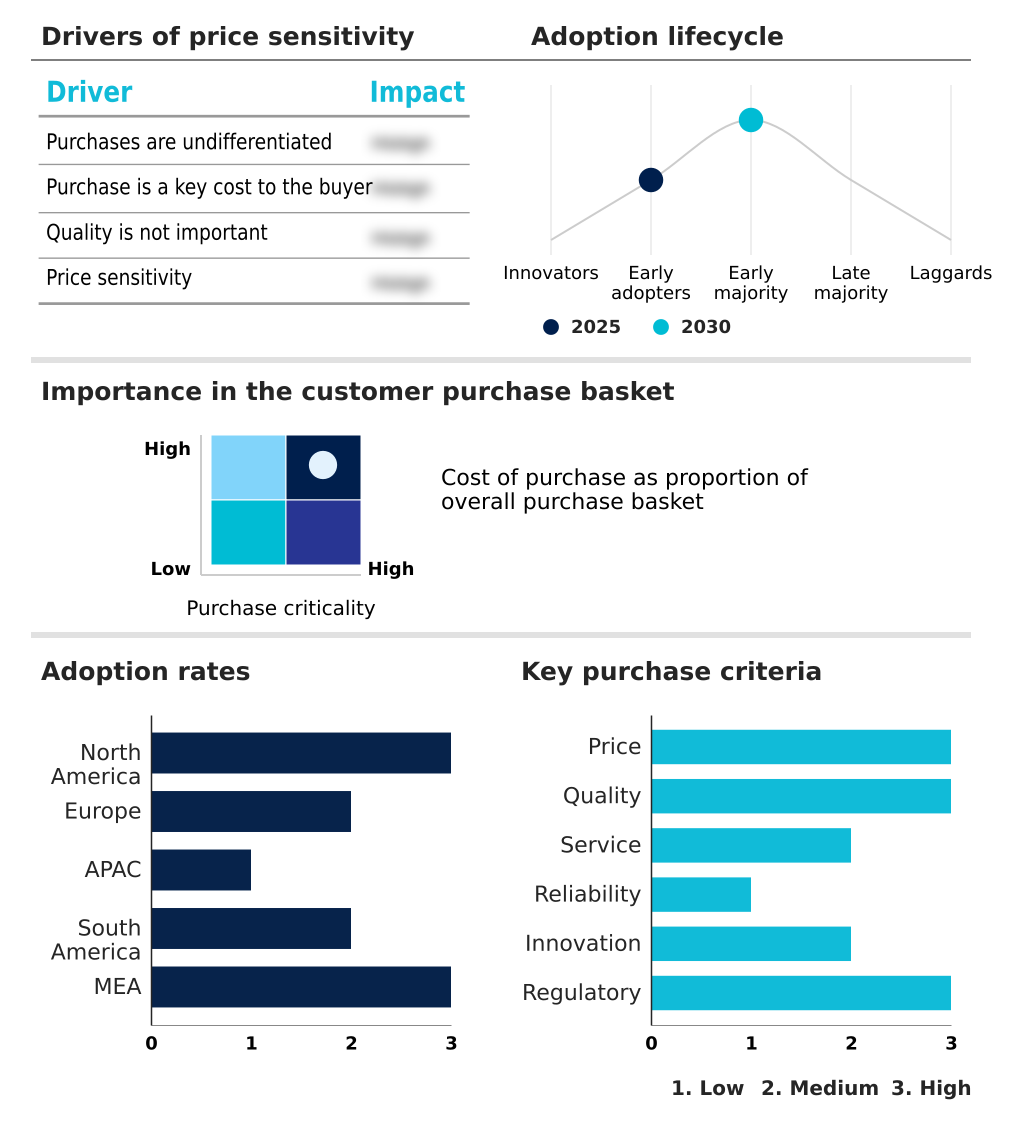
The floor cleaning machines market forecasting report includes the adoption lifecycle of the market, covering from the innovator’s stage to the laggard’s stage. It focuses on adoption rates in different regions based on penetration. Furthermore, the floor cleaning machines market report also includes key purchase criteria and drivers of price sensitivity to help companies evaluate and develop their market growth analysis strategies.
Customer Landscape of Floor Cleaning Machines Industry
Competitive Landscape
Companies are implementing various strategies, such as strategic alliances, floor cleaning machines market forecast, partnerships, mergers and acquisitions, geographical expansion, and product/service launches, to enhance their presence in the industry.
Alfred Karcher SE and Co. KG - Provides advanced mechanized surface maintenance solutions, delivering heavy-duty commercial scrubbers and compact autonomous systems designed to optimize facility hygiene and streamline daily operational workflows.
The industry research and growth report includes detailed analyses of the competitive landscape of the market and information about key companies, including:
- Alfred Karcher SE and Co. KG
- Avidbots Corp.
- Cleanfix Reinigungssysteme AG
- COMAC SpA
- Dulevo International Spa
- Eureka SpA
- Fimap Spa
- G. Staehle GmbH u. Co. KG
- Ghibli and Wirbel S.p.A.
- Hako GmbH
- ICE Cobotics
- IPC Worldwide
- Minuteman Intl
- Nilfisk AS
- Numatic International Ltd.
- R.P.S. Corp.
- RCM S.p.A.
- TASKI
- Tennant Co.
- Truvox International Ltd.
Qualitative and quantitative analysis of companies has been conducted to help clients understand the wider business environment as well as the strengths and weaknesses of key industry players. Data is qualitatively analyzed to categorize companies as pure play, category-focused, industry-focused, and diversified; it is quantitatively analyzed to categorize companies as dominant, leading, strong, tentative, and weak.
Recent Development and News in Floor cleaning machines market
- In the Industrial Machinery and Supplies and Components industry, the aggressive transition toward additive manufacturing accelerates the production of complex, lightweight structural chassis, directly impacting Floor Cleaning Machines demand by reducing equipment weight by 15% and enhancing battery efficiency.
- Stringent occupational noise exposure regulations within European industrial environments mandate the deployment of ultra-quiet electric motors, forcing Floor Cleaning Machines manufacturers to adopt advanced acoustic dampening technologies to achieve compliance below 70 decibels.
- The widespread adoption of predictive internet of things telemetry across global logistics infrastructure enables real-time mechanical diagnostics, significantly driving Floor Cleaning Machines market growth by extending asset lifecycles and reducing unplanned operational downtime by up to 25%.
- Global supply chain reconfigurations favoring localized assembly hubs mitigate component tariff fluctuations, enhancing the regional availability of industrial microcontrollers and subsequently accelerating the mass deployment of autonomous Floor Cleaning Machines across high-density commercial sectors.
Dive into Technavio’s robust research methodology, blending expert interviews, extensive data synthesis, and validated models for unparalleled Floor Cleaning Machines Market insights. See full methodology.
| Market Scope | |
|---|---|
| Page number | 297 |
| Base year | 2025 |
| Historic period | 2020-2024 |
| Forecast period | 2026-2030 |
| Growth momentum & CAGR | Accelerate at a CAGR of 5% |
| Market growth 2026-2030 | USD 2852.9 million |
| Market structure | Fragmented |
| YoY growth 2025-2026(%) | 4.8% |
| Key countries | US, Canada, Mexico, Germany, UK, France, Italy, Spain, The Netherlands, China, Japan, India, South Korea, Australia, Indonesia, Brazil, Argentina, Chile, Saudi Arabia, UAE, South Africa, Israel and Turkey |
| Competitive landscape | Leading Companies, Market Positioning of Companies, Competitive Strategies, and Industry Risks |
Research Analyst Overview
- The Floor Cleaning Machines sector continues to evolve as corporate entities transition from manual sanitation practices toward highly sophisticated floor care automation. Enterprises now view surface maintenance as a critical component of workplace safety and operational compliance rather than a peripheral overhead cost.
- The extensive deployment of autonomous mobile robots and industrial ride-on sweepers allows facilities to manage expansive square footage with unprecedented efficiency. Utilizing advanced visual intelligence algorithms, these machines map complex environments dynamically, enabling seamless obstacle avoidance and consistent hygiene execution. Consequently, logistics centers utilizing intelligent equipment report a 35% enhancement in daily cleaning productivity over legacy methods.
- Heavy-duty walk-behind scrubber dryers equipped with advanced telematics telemetry provide facility managers with real-time utilization data and precise fluid consumption metrics. Applying predictive maintenance strategies to these data streams directly minimizes mechanical failures and extends equipment lifecycles.
- By integrating automated sanitation fleets, institutional procurement officers successfully address chronic workforce shortages while ensuring strict alignment with modern environmental sustainability benchmarks and stringent public health mandates.
What are the Key Data Covered in this Floor Cleaning Machines Market Research and Growth Report?
-
What is the expected growth of the Floor Cleaning Machines Market between 2026 and 2030?
-
USD 2.85 billion, at a CAGR of 5%
-
-
What segmentation does the market report cover?
-
The report is segmented by Application (PCE, and Consumer cleaning equipment), Product (Floor scrubbers, Vacuum cleaners, Floor sweepers, and Others), End-user (Commercial, Industrial, and Residential) and Geography (North America, Europe, APAC, South America, Middle East and Africa)
-
-
Which regions are analyzed in the report?
-
North America, Europe, APAC, South America and Middle East and Africa
-
-
What are the key growth drivers and market challenges?
-
Escalating labor shortages and rising wage rates in facility management sector, Upfront capital expenditure and return on investment disparities
-
-
Who are the major players in the Floor Cleaning Machines Market?
-
Alfred Karcher SE and Co. KG, Avidbots Corp., Cleanfix Reinigungssysteme AG, COMAC SpA, Dulevo International Spa, Eureka SpA, Fimap Spa, G. Staehle GmbH u. Co. KG, Ghibli and Wirbel S.p.A., Hako GmbH, ICE Cobotics, IPC Worldwide, Minuteman Intl, Nilfisk AS, Numatic International Ltd., R.P.S. Corp., RCM S.p.A., TASKI, Tennant Co. and Truvox International Ltd.
-
Market Research Insights
- The Floor Cleaning Machines Market continuously adapts to evolving facility hygiene standards by integrating intelligent automation and advanced fluid recovery systems. To combat rising labor costs, commercial enterprises actively deploy mechanized platforms for rigorous warehouse logistics cleaning, resulting in a 40% gain in square-footage coverage per hour over traditional manual methods.
- While the requirement for dedicated battery charging infrastructure presents initial logistical hurdles, modern electric scrubbers significantly enhance long-term asset utilization. By leveraging real-time performance telemetry, facility managers achieve a 20% improvement in operational downtime reduction. This strategic shift toward data-driven, autonomous surface sanitation empowers organizations to satisfy strict compliance mandates while optimizing workforce productivity and minimizing overall maintenance expenditures.
We can help! Our analysts can customize this floor cleaning machines market research report to meet your requirements.
 RIA -