
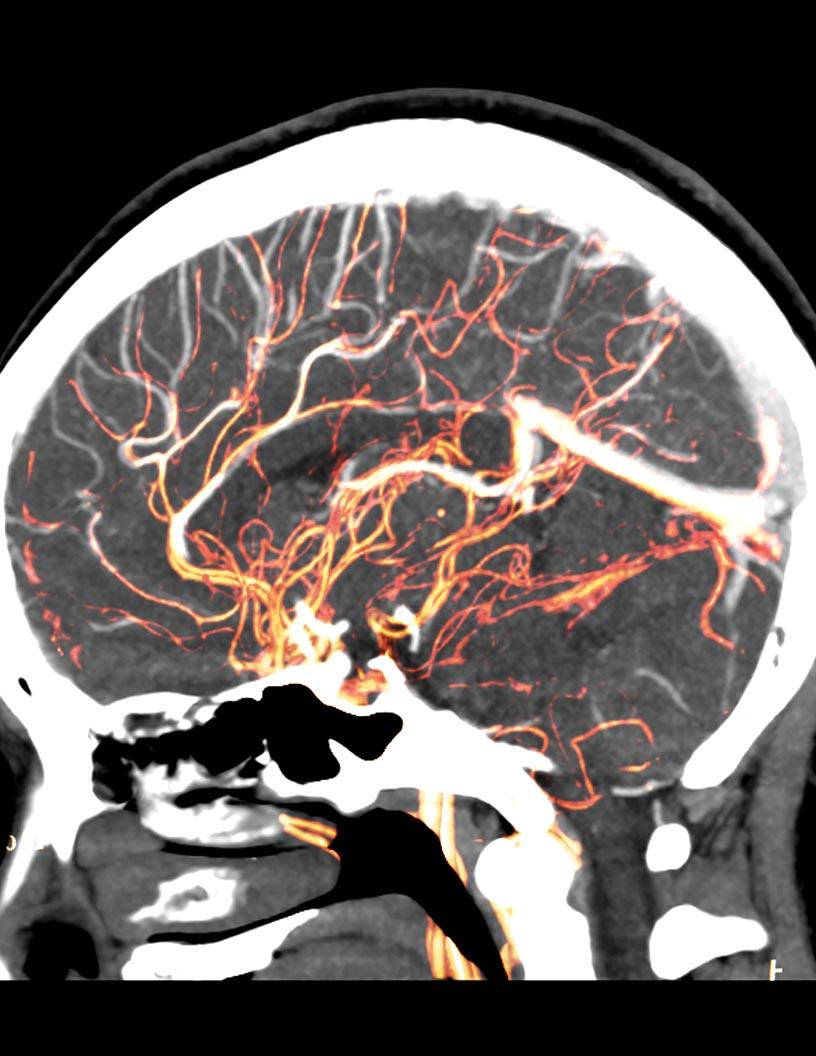


Flow Diversion Aneurysm Treatment Market Size 2025-2029
The flow diversion aneurysm treatment market size is forecast to increase by USD 2.69 billion at a CAGR of 9.5% between 2024 and 2029.
- The market is experiencing significant growth, driven by the increasing incidence of intracranial aneurysms and growing awareness and education about the benefits of minimally invasive treatment options. However, market expansion is not without challenges. Regulatory hurdles impact adoption, as stringent regulations require extensive clinical trials and rigorous approval processes. Additionally, supply chain inconsistencies temper growth potential due to the complex nature of manufacturing these devices and the need for specialized materials and expertise. Companies seeking to capitalize on market opportunities must navigate these challenges effectively, focusing on regulatory compliance and supply chain optimization to ensure consistent product availability and market penetration.
- By staying abreast of regulatory changes and collaborating with suppliers, market participants can effectively address these challenges and position themselves for long-term success in the market. The increasing incidence of intracranial aneurysms, a condition characterized by the bulging or ballooning of blood vessels in the brain, is driving market expansion. Additionally, growing awareness and medical education regarding the availability and benefits of flow diversion treatments are fueling demand.
What will be the Size of the Flow Diversion Aneurysm Treatment Market during the forecast period?
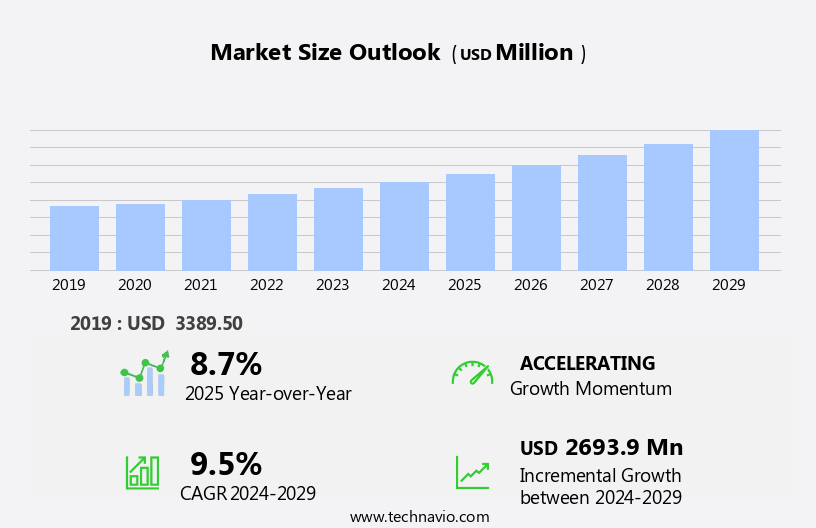
- The market is witnessing significant advancements, driven by the integration of various technologies and clinical practices. Patient advocacy groups are pushing for improved access to health insurance coverage for aneurysm treatments, including flow diversion. Artificial intelligence and biomedical engineering are revolutionizing the field, enabling more precise diagnosis and treatment planning. Endovascular coiling and aneurysm clipping continue to be the primary treatment modalities, each with its procedural risks and long-term outcomes. Cost analysis and economic modeling are essential in determining the most effective and cost-efficient treatment options for unruptured aneurysms. Recovery time and post-treatment care are critical factors influencing patient satisfaction and treatment choice.
- Clinical guidelines and evidence-based medicine are guiding the decision-making process for aneurysm treatment, taking into account aneurysm rupture risk, location, size, shape, growth, and morphology. Device innovation and technology assessment are crucial in addressing the challenges of aneurysm recurrence and surgical risk. Machine learning and systematic reviews are essential tools in the continuous improvement of treatment strategies. Public awareness and professional training are essential in increasing the understanding and acceptance of flow diversion treatment. However, despite these challenges, the market is expected to continue its growth trajectory, driven by the increasing prevalence of neurological disorders and the ongoing development of advanced diagnostics and technologies. The focus on evidence-based medicine and long-term outcomes is driving the development of more effective and safe treatment options for ruptured and unruptured aneurysms.
- The market is expected to continue evolving, with ongoing research and innovation in the field of biomedical engineering and artificial intelligence.
How is this Flow Diversion Aneurysm Treatment Industry segmented?
The flow diversion aneurysm treatment industry research report provides comprehensive data (region-wise segment analysis), with forecasts and estimates in "USD million" for the period 2025-2029, as well as historical data from 2019-2023 for the following segments.
- Product
- FDS
- Intrasaccular flow disruption devices
- End-user
- Hospitals
- Specialty clinics
- Device
- 3.5-5 mm
- 5-7 mm
- Less than 3.5 mm
- More than 7 mm
- Geography
- North America
- US
- Canada
- Mexico
- Europe
- France
- Germany
- Italy
- UK
- APAC
- China
- India
- Japan
- Rest of World (ROW)
- North America
By Product Insights
The FDS segment is estimated to witness significant growth during the forecast period. Flow diverting stents, or FDS, are innovative medical devices employed in the treatment of intracranial aneurysms, which are weakened areas in the brain's blood vessel walls that can bulge and potentially rupture, leading to a life-threatening subarachnoid hemorrhage. These stents work by redirecting blood flow away from the aneurysm, promoting clot formation and eventual occlusion. Neurointerventional surgery, image-guided procedures, and interventional radiology utilize FDS in their arsenal for treating complex and wide-necked intracranial aneurysms. Academic centers and healthcare professionals are increasingly focusing on the clinical outcomes of FDS, with research emphasizing treatment efficacy, re-treatment rates, and patient satisfaction. Device design and quality of life are critical factors in device approval and health economics.
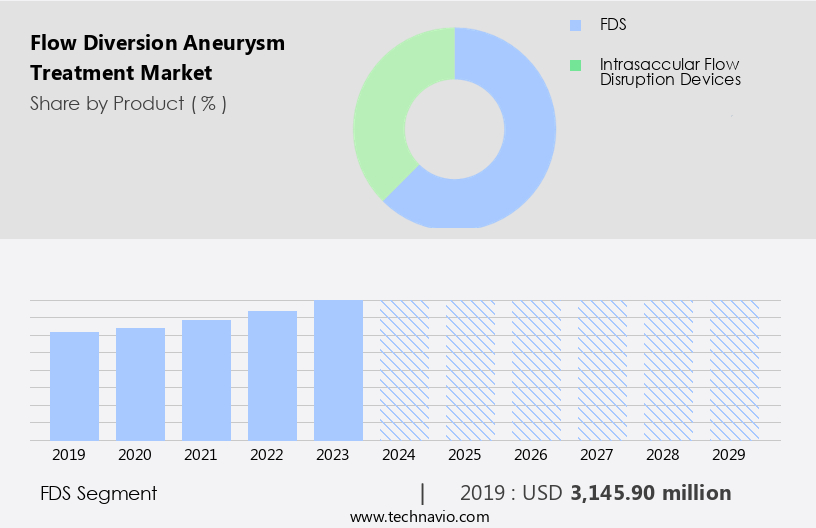
The FDS segment was valued at USD 3.15 billion in 2019 and showed a gradual increase during the forecast period. Minimally invasive surgery and advanced imaging techniques, such as 3D imaging, digital subtraction angiography, magnetic resonance angiography, and computed tomography angiography, play a pivotal role in patient selection and surgical procedures. Vascular medicine and neurovascular surgery have seen significant advancements in the field of aneurysm repair, with FDS offering advantages over traditional stent-assisted coiling. The integration of FDS into surgical techniques has led to improved stroke prevention and functional outcome. Clinical trials and device development are ongoing, focusing on enhancing treatment efficacy and procedural time. Surgical tools and instruments continue to evolve, supporting the advancement of FDS technology and its application in the treatment of intracranial aneurysms.
Regional Analysis
North America is estimated to contribute 37% to the growth of the global market during the forecast period. Technavio's analysts have elaborately explained the regional trends and drivers that shape the market during the forecast period. Neuroimaging technologies, such as cerebral angiography and magnetic resonance imaging, aid in the diagnosis and monitoring of cerebral aneurysms.
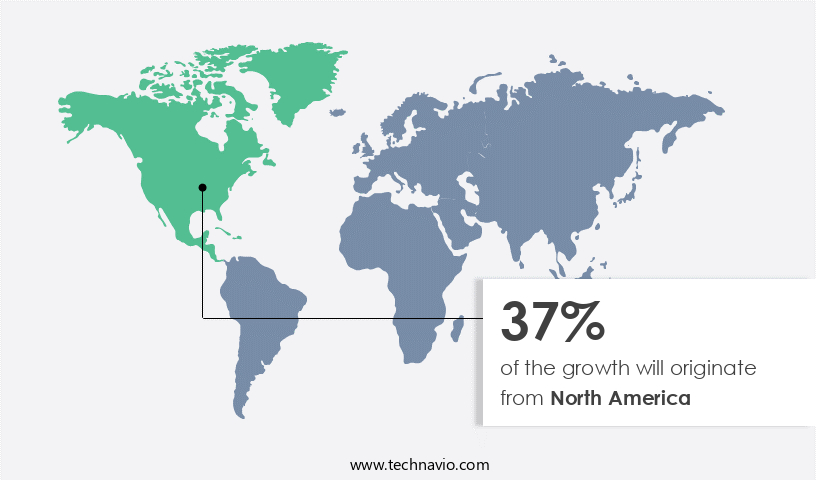
The market in North America is experiencing significant growth, with the US and Canada accounting for a substantial share. Factors contributing to this expansion include increased awareness of aneurysm impacts and treatment methods, the rising number of flow diversion procedures, enhanced healthcare infrastructure, and escalating healthcare expenditure. The US is the primary contributor to the market's revenue in North America due to the high prevalence of intracranial aneurysms (IAs) and the increasing adoption of flow diversion and disruption techniques. Neurointerventional surgery, image-guided procedures, interventional radiology, and neurovascular imaging play crucial roles in the diagnosis and treatment of aneurysms. Academic centers and healthcare professionals employ various surgical techniques, such as flow diversion, stent-assisted coiling, and aneurysm embolization, to ensure optimal patient selection and treatment efficacy.
Device approval, health economics, and quality of life are essential considerations in the market. Minimally invasive surgery, 3D imaging, procedural time, and stroke prevention are ongoing areas of research and development. Vascular devices, such as flow diverters and embolization coils, are essential tools in aneurysm repair. Clinical trials, surgical instruments, and device development are ongoing to improve patient outcomes and reduce re-treatment rates. Cerebrovascular disease, cerebral aneurysms, and endovascular aneurysm repair are key areas of focus in vascular medicine and neurovascular surgery.
Market Dynamics
Our researchers analyzed the data with 2024 as the base year, along with the key drivers, trends, and challenges. A holistic analysis of drivers will help companies refine their marketing strategies to gain a competitive advantage.
What are the Flow Diversion Aneurysm Treatment market drivers leading to the rise in the adoption of Industry?
- The rising prevalence of intracranial aneurysms serves as the primary catalyst for market growth in this sector. The global market for aneurysm treatment via flow diversion is experiencing significant growth due to the increasing incidence of intracranial aneurysms. This condition calls for advanced and effective treatment modalities, leading to increased demand. Flow diversion, a minimally invasive procedure, has emerged as a preferred option for managing complex and large aneurysms that may not respond well to traditional surgical clipping. With a growing number of diagnosed intracranial aneurysms, the patient pool seeking treatment expands.
- Furthermore, flow diversion offers several advantages, including fewer complications, shorter hospital stays, and improved patient satisfaction. Neurointerventional surgery and image-guided procedures, such as neurovascular imaging, play a crucial role in the successful implementation of flow diversion. Health economics also favor this treatment modality due to its cost-effectiveness and shorter recovery time. Overall, the market dynamics for flow diversion aneurysm treatment are favorable, driven by clinical outcomes, patient demand, and the ongoing advancements in interventional radiology technology.
What are the Flow Diversion Aneurysm Treatment market trends shaping the Industry?
- The growing trend in the marketplace highlights the importance of increasing awareness and providing education. The market is driven by the growing awareness and education about intracranial aneurysms and the availability of advanced medical devices for aneurysm repair. Patients and healthcare professionals are increasingly seeking effective and minimally invasive treatment methods, leading to a higher demand for flow diversion technology. Early detection of intracranial aneurysms, facilitated by digital subtraction angiography and other diagnostic tools, enables timely intervention and better treatment outcomes. The quality of life improvements associated with successful flow diversion procedures further fuels the market's growth.
- Vascular medicine professionals are focusing on device design and treatment efficacy to cater to the evolving needs of patients. The emphasis on patient-centric care and the ongoing advancements in endovascular treatment technologies are expected to continue shaping the market. Neuroimaging technologies, such as magnetic resonance angiography and computed tomography angiography, play a crucial role in monitoring the success of procedures and identifying any complications.
How does Flow Diversion Aneurysm Treatment market faces challenges face during its growth?
- The strict regulatory environment poses a significant challenge to the expansion of the industry. Flow diversion aneurysm treatment, a minimally invasive technique used for the management of complex cerebral aneurysms, is gaining popularity due to its advantages over traditional surgical techniques. The procedure involves the use of flow diverters, a type of endovascular device, to redirect blood flow away from the aneurysm, promoting its thrombosis. However, re-treatment rates remain a concern, necessitating ongoing research and innovation. Advancements in technology, such as 3D imaging and magnetic resonance angiography, enable better visualization and accurate placement of embolization coils and flow diverters, improving functional outcome. Procedural time is also reduced, making it a more viable option for patients.
- Regulatory approvals and stringent regulations are essential for the availability and adoption of flow diversion aneurysm treatment. Medical devices, including flow diverters, undergo rigorous regulatory scrutiny and require approvals from health authorities before they can be marketed and used for patient care. The regulatory approval process involves demonstrating the safety, efficacy, and quality of the device through preclinical testing and clinical trials. Vascular neurosurgery continues to evolve, with surgical procedures becoming less invasive and more effective. Flow diversion aneurysm treatment represents a significant advancement in the field, offering stroke prevention and improved patient outcomes. Despite its benefits, the procedure requires skilled professionals and specialized equipment, making it a niche market.
Exclusive Customer Landscape
The flow diversion aneurysm treatment market forecasting report includes the adoption lifecycle of the market, covering from the innovator's stage to the laggard's stage. It focuses on adoption rates in different regions based on penetration. Furthermore, the flow diversion aneurysm treatment market report also includes key purchase criteria and drivers of price sensitivity to help companies evaluate and develop their market growth analysis strategies.
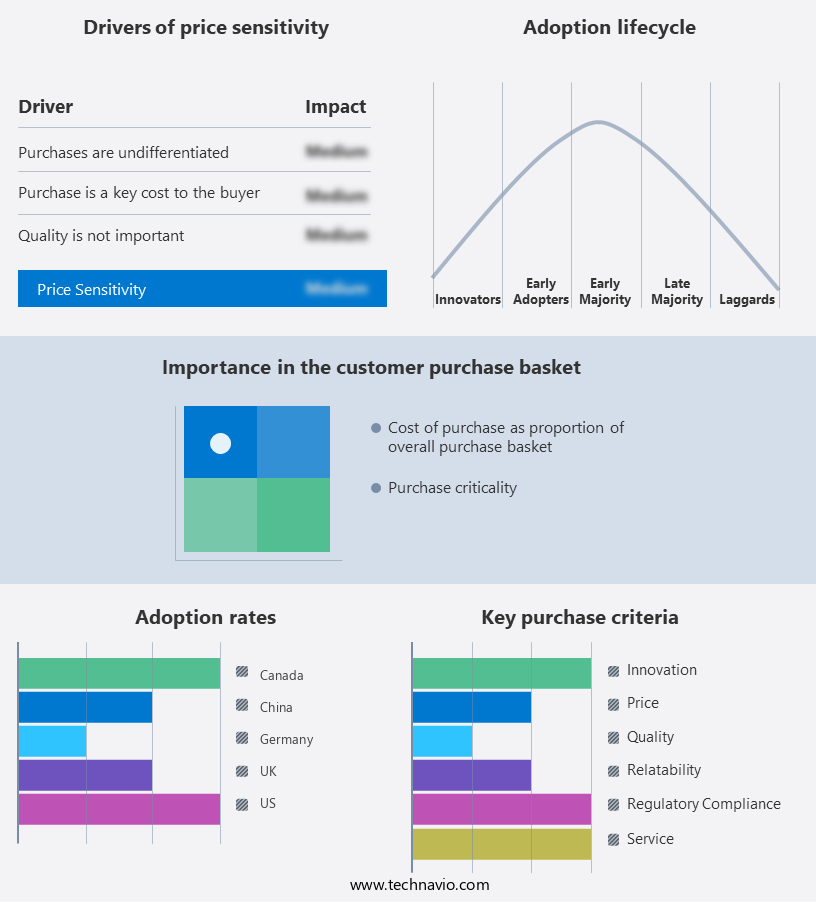
Customer Landscape
Key Companies & Market Insights
Companies are implementing various strategies, such as strategic alliances, flow diversion aneurysm treatment market forecast, partnerships, mergers and acquisitions, geographical expansion, and product/service launches, to enhance their presence in the industry.
Acandis GmbH - The company offers ACCERO Stent and ACCLINO flex plus Stent for treatment of Flow Diversion Aneurysm.
The industry research and growth report includes detailed analyses of the competitive landscape of the market and information about key companies, including:
- Acandis GmbH
- BALT Group
- Evasc Medical Systems Corp.
- Imperative Care Inc.
- InNeuroCo
- Inspire MD Inc.
- Lepu Medical Technology Beijing Co. Ltd.
- Medtronic Plc
- Merlin MD Pte. Ltd.
- MicroPort Scientific Corp.
- Oxford Endovascular Ltd.
- Penumbra Inc.
- phenox GmbH
- Rapid Medical Ltd.
- Stryker Corp.
- Terumo Corp.
Qualitative and quantitative analysis of companies has been conducted to help clients understand the wider business environment as well as the strengths and weaknesses of key industry players. Data is qualitatively analyzed to categorize companies as pure play, category-focused, industry-focused, and diversified; it is quantitatively analyzed to categorize companies as dominant, leading, strong, tentative, and weak.
Recent Development and News in Flow Diversion Aneurysm Treatment Market
- In February 2024, Medtronic, a leading medical technology company, announced the U.S. Food and Drug Administration (FDA) approval of its Pipeline FlexFlow Flow Diversion System for the treatment of wide-neck bifurcation aneurysms. This approval marked a significant expansion of Medtronic's neurovascular portfolio (Medtronic Press Release, 2024).
- In May 2025, Stryker Neurovascular, a division of Stryker Corporation, entered into a strategic partnership with Neuravi, a medical device company specializing in the development of innovative technologies for the treatment of cerebral aneurysms. The collaboration aimed to commercialize Neuravi's flow diversion technology, which utilizes a unique, self-expanding stent design (Stryker Neurovascular Press Release, 2025).
- In October 2024, MicroVention, a Terumo Group company, received CE Mark approval for its Pipeline Mizu Flow Diversion System. This approval enabled the company to expand its product offerings in Europe and strengthened its position in the market (MicroVention Press Release, 2024).
- In January 2025, Merit Medical, a global healthcare solutions provider, completed the acquisition of NeuroVasx, a company specializing in the development of neurovascular embolization devices, including flow diversion systems. This acquisition expanded Merit Medical's product portfolio and broadened its reach in the neurovascular market (Merit Medical Press Release, 2025).
Research Analyst Overview
The aneurysm treatment market continues to evolve, driven by advancements in neurointerventional surgery and image-guided surgery. Neurovascular imaging plays a crucial role in the diagnosis and selection of appropriate patients for endovascular treatment, such as aneurysm repair using flow diverter stents. Healthcare professionals in academic centers and interventional radiology units employ digital subtraction angiography and minimally invasive surgical techniques to improve clinical outcomes. Vascular medicine advances, including 3D imaging and magnetic resonance angiography, facilitate better understanding of cerebral aneurysms and inform device design and treatment efficacy. Patient satisfaction is a significant factor in the market, with quality of life and functional outcome being key considerations. Endovascular methods have emerged as effective therapeutic options for treating both ruptured and unruptured aneurysms, particularly those in the posterior circulation.
Device approval and health economics are essential aspects of the market, with ongoing clinical trials evaluating the safety and effectiveness of various surgical procedures and vascular devices, such as embolization coils and stent-assisted coiling. Surgical techniques continue to advance, focusing on stroke prevention and procedural time reduction. The market dynamics are shaped by ongoing research and development efforts, with a focus on improving device design and treatment efficacy, as well as reducing re-treatment rates. Neurovascular surgery, including aneurysm embolization and vascular neurosurgery, remains a critical area of innovation, with the ultimate goal of enhancing patient care and improving clinical outcomes.
Dive into Technavio's strong research methodology, blending expert interviews, extensive data synthesis, and validated models for unparalleled Flow Diversion Aneurysm Treatment Market insights. See full methodology.
|
Market Scope |
|
|
Report Coverage |
Details |
|
Page number |
213 |
|
Base year |
2024 |
|
Historic period |
2019-2023 |
|
Forecast period |
2025-2029 |
|
Growth momentum & CAGR |
Accelerate at a CAGR of 9.5% |
|
Market growth 2025-2029 |
USD 2.69 billion |
|
Market structure |
Fragmented |
|
YoY growth 2024-2025(%) |
8.7 |
|
Key countries |
US, UK, Canada, Germany, China, France, Japan, Italy, Mexico, and India |
|
Competitive landscape |
Leading Companies, Market Positioning of Companies, Competitive Strategies, and Industry Risks |
What are the Key Data Covered in this Flow Diversion Aneurysm Treatment Market Research and Growth Report?
- CAGR of the Flow Diversion Aneurysm Treatment industry during the forecast period
- Detailed information on factors that will drive the growth and forecasting between 2025 and 2029
- Precise estimation of the size of the market and its contribution of the industry in focus to the parent market
- Accurate predictions about upcoming growth and trends and changes in consumer behaviour
- Growth of the market across North America, Europe, Asia, and Rest of World (ROW)
- Thorough analysis of the market's competitive landscape and detailed information about companies
- Comprehensive analysis of factors that will challenge the flow diversion aneurysm treatment market growth of industry companies
We can help! Our analysts can customize this flow diversion aneurysm treatment market research report to meet your requirements.
 RIA -
RIA - 
