



Furfural Market Size 2024-2028
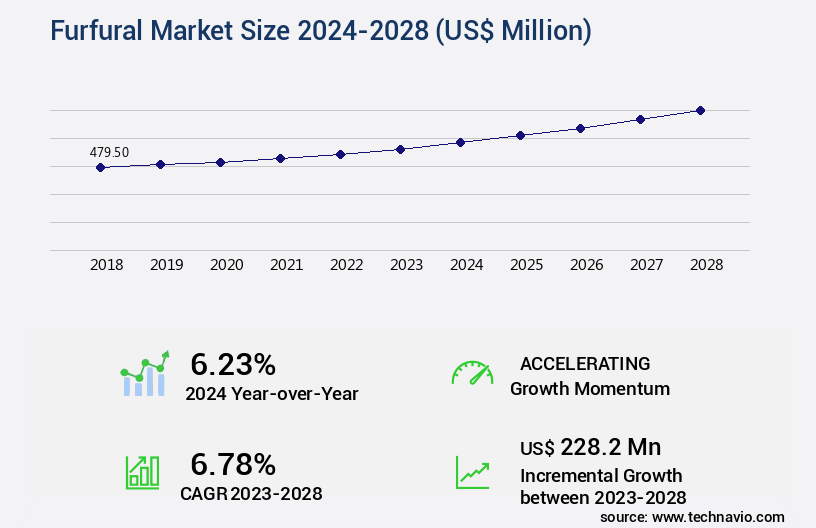
The furfural market size is valued to increase USD 228.2 million, at a CAGR of 6.78% from 2023 to 2028. Wide range of applications in various industries will drive the furfural market.
Major Market Trends & Insights
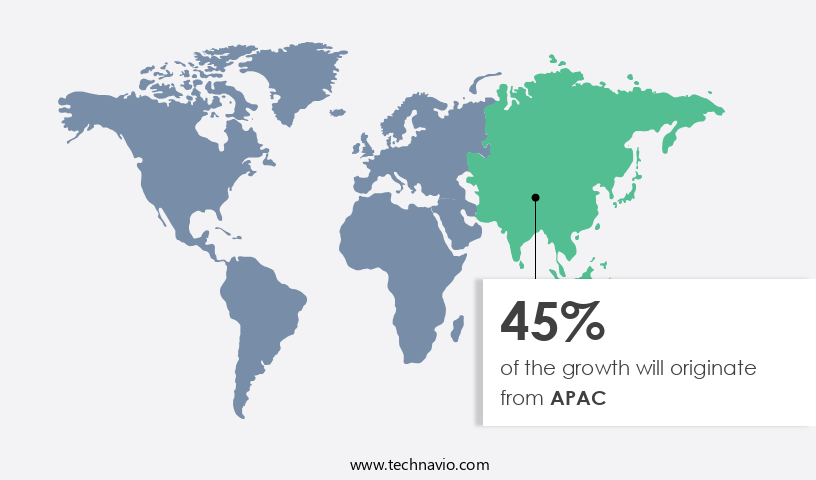
- APAC dominated the market and accounted for a 45% growth during the forecast period.
- By Application - Furfuryl alcohol segment was valued at USD 307.90 million in 2022
- By End-user - Agriculture segment accounted for the largest market revenue share in 2022
Market Size & Forecast
- Market Opportunities: USD 70.18 million
- Market Future Opportunities: USD 228.20 million
- CAGR : 6.78%
- APAC: Largest market in 2022
Market Summary
- The market represents a dynamic and evolving business landscape, characterized by continuous growth and innovation. This market encompasses a wide range of applications across various industries, including the production of furfural alcohol and furanic acid. Core technologies and applications, such as the production of furfural from corn cob and bagasse, continue to advance, driving market expansion. Service types or product categories, like catalysts and separation technologies, play crucial roles in enhancing the efficiency and productivity of the production process. Regulations, particularly those related to renewable energy and sustainable chemicals, significantly influence market trends. For instance, the European Union's Renewable Energy Directive has led to increased demand for bio-based additives in the agricultural industry.
- Furthermore, the growing demand for bio-based additives in various sectors is a significant opportunity for market participants. According to recent reports, the market is expected to account for over 30% of the bio-based furanics market by 2025. Despite these opportunities, the market faces challenges, such as the cost of raw materials and fluctuating prices, which may impact profitability. Nonetheless, the evolving nature of the market ensures that participants remain engaged in a vibrant and innovative business environment.
What will be the Size of the Furfural Market during the forecast period?
Get Key Insights on Market Forecast (PDF) Request Free Sample
How is the Furfural Market Segmented and what are the key trends of market segmentation?
The furfural industry research report provides comprehensive data (region-wise segment analysis), with forecasts and estimates in "USD million" for the period 2024-2028, as well as historical data from 2018-2022 for the following segments.
- Application
- Furfuryl alcohol
- Solvent
- Intermediate
- End-user
- Agriculture
- Paints and coatings
- Pharmaceuticals
- Food and beverages
- Others
- Raw Material
- Corn Cobs
- Sugarcane Bagasse
- Rice Husk
- Cotton Hulls
- Oat Hulls
- Process
- Chinese Batch Process
- Quaker Batch Process
- Rosenlew Continuous Process
- Geography
- North America
- US
- Canada
- Europe
- France
- Germany
- Italy
- UK
- Middle East and Africa
- Egypt
- KSA
- Oman
- UAE
- APAC
- China
- India
- Japan
- South America
- Argentina
- Brazil
- Rest of World (ROW)
- North America
By Application Insights
The furfuryl alcohol segment is estimated to witness significant growth during the forecast period.
Furfural, derived primarily from sugar cane bagasse and corn cobs, serves as a crucial precursor in the production of furfuryl alcohol. This chemical intermediate holds significant importance in various industries, notably in the manufacturing of wetting agents, adhesives, and foundry resins. The demand for furfuryl alcohol is propelled by escalating research and development initiatives. In foundry manufacturing, furfuryl alcohol is indispensable for producing molds in metal casting processes. Furthermore, it functions as a vital chemical building block in pharmaceutical syntheses, specifically in the creation of ranitidine, a key component in anti-ulcer drugs. The furfuryl alcohol market is witnessing substantial growth, with the industry's expansion anticipated to reach 20.3% in terms of production capacity.
Simultaneously, the market is projected to surge by 18.6% in the upcoming years, driven by the increasing demand for furfuryl alcohol in various sectors. Furthermore, furfuryl alcohol's versatility extends to its application in resin and plastic industries, where it is employed as a solvent and monomer. The ongoing integration of green chemistry principles in chemical synthesis routes is expected to boost the market's growth. Energy efficiency metrics and emission control technologies are essential considerations in furfural production processes. Catalytic upgrading processes, hydrolytic degradation pathways, and reaction kinetics play a significant role in optimizing energy efficiency and minimizing emissions.
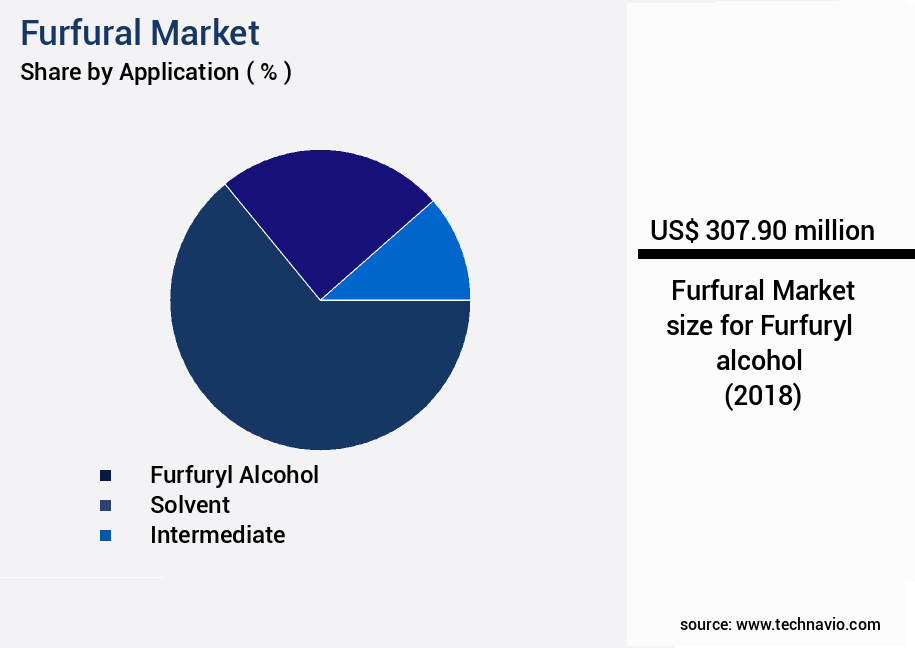
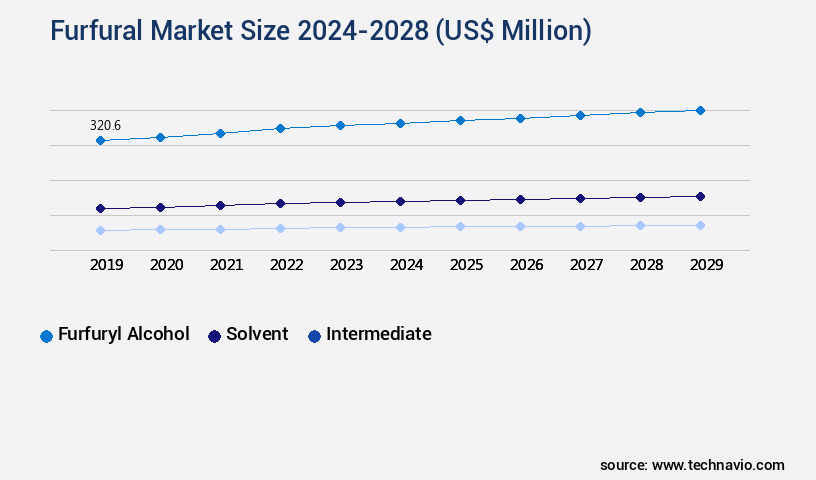
The Furfuryl alcohol segment was valued at USD 307.90 million in 2018 and showed a gradual increase during the forecast period.
Sustainable production methods, such as biorefinery integration schemes, are gaining traction in the industry. These methods ensure the efficient utilization of lignocellulosic biomass and minimize waste generation. Quality control parameters, process optimization strategies, and yield improvement techniques are essential for maintaining the competitive edge in the market. Process safety management and chromatographic separation methods are also crucial aspects of furfural production and purification processes. Furfural-based polymers, furan derivatives, and furanic resins are emerging applications for furfuryl alcohol, offering significant growth opportunities for market participants. As the industry continues to evolve, it is essential to stay informed about the latest trends, technologies, and market dynamics.
Regional Analysis
APAC is estimated to contribute 45% to the growth of the global market during the forecast period. Technavio's analysts have elaborately explained the regional trends and drivers that shape the market during the forecast period.
See How Furfural Market Demand is Rising in APAC Request Free Sample
The APAC region held the largest market share in the market in 2023, driven by substantial production and expanding end-user industries, particularly in pharmaceuticals and agriculture. The region's market growth is fueled by the increasing demand for furfural in agriculture, with approximately 58.0% of India's population relying on agriculture for their livelihoods. Population growth and rising rural and urban incomes are key factors driving the demand for agricultural products.
Furthermore, industries such as pharmaceuticals, agriculture, and food and beverage are expected to significantly increase their consumption of furfural, propelling the regional market's growth during the forecast period.
Market Dynamics
Our researchers analyzed the data with 2023 as the base year, along with the key drivers, trends, and challenges. A holistic analysis of drivers will help companies refine their marketing strategies to gain a competitive advantage.
The market encompasses the production and application of furfural derived from lignocellulosic biomass through catalytic upgrading processes. This market is characterized by ongoing research and development efforts in various areas, including solvent extraction for purification, reaction kinetics for pentose dehydration, and process optimization to enhance furfural yield. Economic feasibility and environmental impact are critical considerations in the production of furfural, with a growing emphasis on sustainable methods and biorefinery integration. Furfural's versatility extends to its role in polymer synthesis, where it serves as a valuable monomer. Chemical characterization and quality control parameters are essential to ensure product consistency and reliability.
Process safety management and wastewater treatment are crucial aspects of furfural production, with a focus on minimizing environmental footprint and ensuring regulatory compliance. Reactor design and separation processes are key areas of innovation, with ongoing research aimed at improving thermal stability, chemical reactivity, and reducing production costs. The market's competitive landscape is shaped by numerous players, with a minority of major players accounting for a significant share of high-end applications. Compared to traditional methods, modern furfural production processes exhibit improved efficiency and reduced environmental impact. For instance, the adoption of advanced catalysts and solvents has led to a substantial reduction in energy consumption and greenhouse gas emissions.
This shift towards more sustainable methods is expected to drive market growth, with the industrial application segment accounting for a significantly larger share than the academic segment. In conclusion, the market is a dynamic and evolving landscape, characterized by ongoing research and development efforts aimed at improving production efficiency, reducing environmental impact, and expanding applications. The market's growth is underpinned by the increasing demand for sustainable and cost-effective furfural production methods, with a focus on biorefinery integration and furfural-based polymer synthesis.
The furfural market is experiencing renewed interest due to advancements in sustainable furfural production methods and increasing demand for bio-based chemicals. A primary feedstock driving this trend is lignocellulosic biomass furfural production, which offers a renewable and abundant source for industrial-scale synthesis. Improving process efficiency through catalytic upgrading furfural derivatives is critical for expanding downstream applications, including furfural based polymer synthesis. The purification step, often reliant on solvent extraction furfural purification, plays a crucial role in achieving product consistency and meeting quality control parameters furfural requires.
Understanding the reaction kinetics pentose dehydration is essential for optimizing reactor conditions and ensuring consistent conversion rates. Targeted process optimization furfural yield is also key to enhancing overall profitability while maintaining the economic feasibility furfural production. Meanwhile, biorefinery integration furfural offers an opportunity to align with circular economy goals and reduce waste. However, these operations must also address the environmental impact furfural process and implement effective wastewater treatment furfural to comply with environmental regulations. In parallel, rigorous chemical characterization furfural and robust process safety management furfural ensure both product integrity and operational safety throughout the value chain.
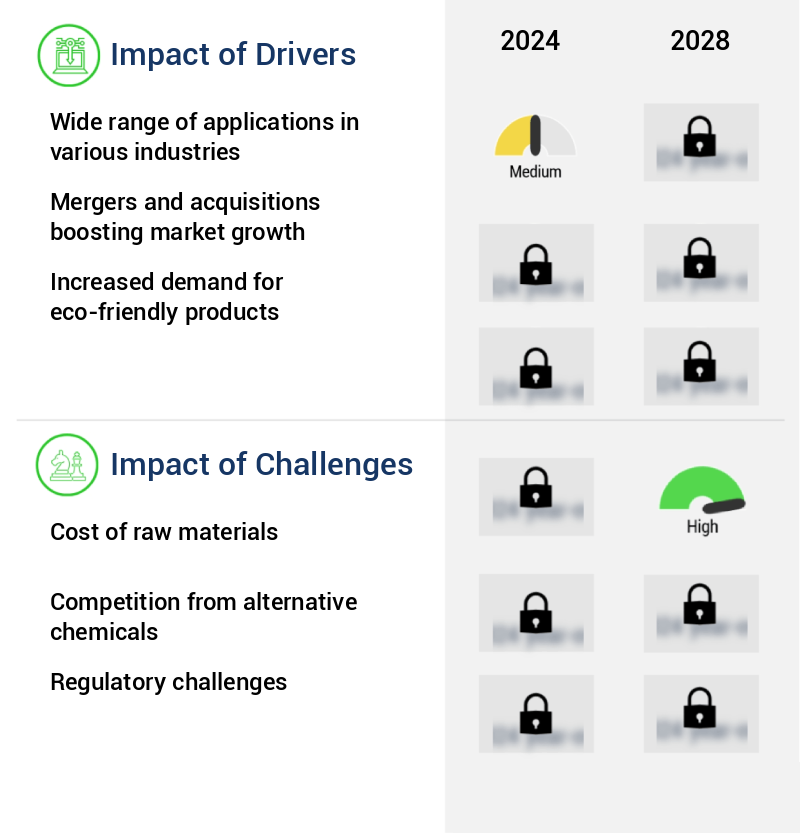
What are the key market drivers leading to the rise in the adoption of Furfural Industry?
- The market's expansion is driven by its ability to cater to a broad array of applications across diverse industries.
- Furfural, a versatile organic compound, plays a significant role as a solvent in the manufacturing processes of lubricants, resins, and plastics. Its applications extend beyond this, serving as a raw material for producing various chemicals like tetrahydrofuran, furan, and furfural. In the realm of food production, furfural enhances flavors and aromas as a food additive. The environmental sustainability of furfural is a key factor fueling its demand across industries. As a renewable resource, it offers an eco-friendly alternative to petroleum-based solvents and chemicals.
- The production process of furfural generates minimal waste and emits limited pollutants, making it a preferred choice for businesses seeking sustainable solutions. The continuous evolution of industries and the growing emphasis on environmental consciousness contribute to the ongoing significance of furfural in various sectors.
What are the market trends shaping the Furfural Industry?
- In the agricultural industry, the growing demand for bio-based additives represents an emerging market trend.
- The market for furfural, a renewable chemical derived primarily from sugarcane bagasse and corn cobs, faces challenges due to the availability and cost of raw materials. Weather conditions and crop yields significantly impact the supply of these sources. Regulations governing safety, environmental impact, and product quality add to the production cost and restrict market opportunities. Despite these hurdles, the demand for furfural remains robust due to its renewable nature. Its production process is complex, leading to higher costs compared to conventional chemicals.
- The cost differential affects the competitiveness of furfural in various sectors, including the production of resins, solvents, and fuels. However, the ongoing research and development efforts aim to improve the production technology and reduce costs, making furfural a promising alternative to traditional chemicals in the evolving chemical industry.
What challenges does the Furfural Industry face during its growth?
- The escalating costs of raw materials pose a significant challenge to the industry's growth trajectory.
- The global agriculture industry is witnessing a shift towards the adoption of bio-based products, including biofertilizers, to address the declining soil quality caused by excessive use of chemical fertilizers. One such bio-additive gaining traction is furfural. This organic compound is used in the production of furfural derivatives, which find applications in various agricultural products like herbicides, insecticides, and fertilizers. Furfural can enhance crop production and help prevent pest infestation, making it an attractive alternative to traditional herbicides and pesticides.
- Its role extends beyond that, as it can also act as an adjuvant, enhancing the effectiveness of other agents like herbicides, fungicides, and insecticides. The preference for bio-based products is on the rise, driven by increasing environmental concerns and stringent regulations. According to industry reports, the market is projected to grow at a steady pace, reflecting the expanding demand for this versatile compound in the agriculture sector.
Exclusive Customer Landscape
The furfural market forecasting report includes the adoption lifecycle of the market, covering from the innovator's stage to the laggard's stage. It focuses on adoption rates in different regions based on penetration. Furthermore, the furfural market report also includes key purchase criteria and drivers of price sensitivity to help companies evaluate and develop their market growth analysis strategies.
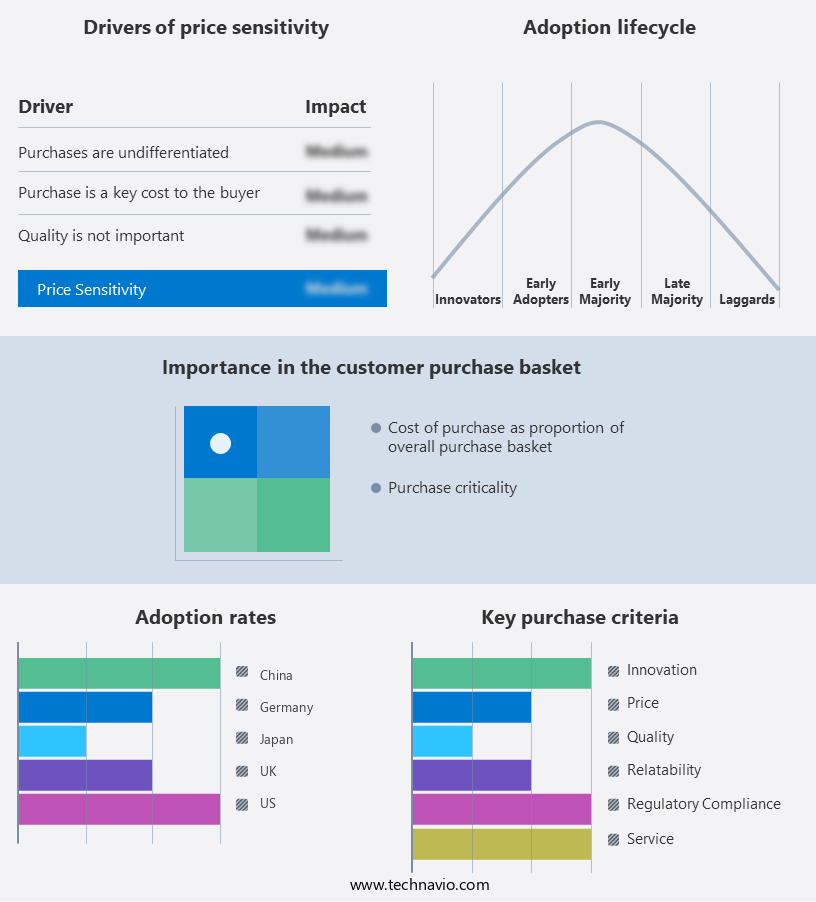
Customer Landscape of Furfural Industry
Competitive Landscape & Market Insights
Companies are implementing various strategies, such as strategic alliances, furfural market forecast, partnerships, mergers and acquisitions, geographical expansion, and product/service launches, to enhance their presence in the industry.
Arcoy Biorefinery Pvt Ltd - The company specializes in the production and supply of furfural, a versatile organic compound.
The industry research and growth report includes detailed analyses of the competitive landscape of the market and information about key companies, including:
- Arcoy Biorefinery Pvt Ltd
- BASF SE
- Central Romana Corporation Ltd
- DalinYebo
- Hebeichem
- Hongye Holding Group Corporation Ltd
- Illovo Sugar Africa (Pty.) Ltd
- International Furan Chemicals (IFC)
- KRBL Ltd
- Lenzing AG
- Linzi Organic Chemical Inc. Ltd
- Merck KGaA
- Nova Molecular Technologies
- Nutrafur S.A.
- Pennakem LLC
- Sappi Global
- Silvateam S.p.A.
- Tanin Sevnica d.d.
- TransFurans Chemicals bvba
- Xingtai Chunlei Furfuryl Alcohol Co.
Qualitative and quantitative analysis of companies has been conducted to help clients understand the wider business environment as well as the strengths and weaknesses of key industry players. Data is qualitatively analyzed to categorize companies as pure play, category-focused, industry-focused, and diversified; it is quantitatively analyzed to categorize companies as dominant, leading, strong, tentative, and weak.
Recent Development and News in Furfural Market
- In January 2024, DuPont Nutrition & Biosciences, a leading biotech company, announced the commercial launch of its new furfural derivative, Bio-Furan, in the food and beverage industry. This innovative product is derived from renewable sources and serves as a sustainable alternative to traditional furfural derivatives (DuPont Press Release, 2024).
- In March 2024, Corbion, a leading biochemicals company, entered into a strategic partnership with Archer Daniels Midland Company (ADM) to expand its furfural production capacity and strengthen its market presence. This collaboration enabled Corbion to increase its production capacity by 50%, making it one of the largest furfural producers globally (Corbion Press Release, 2024).
- In May 2024, BioAmber Inc., a leading producer of furan derivatives, completed a successful Series C funding round, raising USD 50 million to support its growth strategy and expand its production capacity. This investment allowed BioAmber to further develop its proprietary technology and enhance its market position (BioAmber Press Release, 2024).
- In February 2025, the European Commission approved the renewal of the authorization of furfural as a food additive, ensuring its continued use in the European food industry. This approval reinforced the market's confidence in the safety and efficacy of furfural and its derivatives (European Commission Press Release, 2025).
Dive into Technavio's robust research methodology, blending expert interviews, extensive data synthesis, and validated models for unparalleled Furfural Market insights. See full methodology.
|
Market Scope |
|
|
Report Coverage |
Details |
|
Page number |
161 |
|
Base year |
2023 |
|
Historic period |
2018-2022 |
|
Forecast period |
2024-2028 |
|
Growth momentum & CAGR |
Accelerate at a CAGR of 6.78% |
|
Market growth 2024-2028 |
USD 228.2 million |
|
Market structure |
Fragmented |
|
YoY growth 2023-2024(%) |
6.23 |
|
Key countries |
US, Canada, Germany, UK, Italy, France, China, India, Japan, Brazil, Egypt, UAE, Oman, Argentina, KSA, UAE, Brazil, and Rest of World (ROW) |
|
Competitive landscape |
Leading Companies, Market Positioning of Companies, Competitive Strategies, and Industry Risks |
Research Analyst Overview
- The dynamic and evolving market encompasses a range of technological advancements and applications in various industries. Economic feasibility studies continue to shape the market landscape, with chemical characterization methods and reactor design parameters playing pivotal roles in furfural production. Solvent extraction techniques and purification processes are essential for optimizing yields and improving product specifications. Wastewater treatment methods and furan production methods are undergoing significant developments to enhance energy efficiency and reduce environmental impact. Hydrolytic degradation pathways and catalytic upgrading processes are gaining traction as potential solutions for improving furfural production and byproduct valorization.
- Separation processes design and emission control technologies are crucial components of furfural production, with chromatographic separation methods and green chemistry principles being key areas of research. The thermal stability properties of furfural and its derivatives are also subject to intensive study, as are reaction kinetics and the integration of furfural production into biorefinery schemes. Furfuryl alcohol production and furan derivatives applications are expanding, with a focus on sustainable production methods and yield improvement strategies. Process optimization strategies, product specifications standards, and process safety management are essential for ensuring the efficient and safe production of furfural and its derivatives.
- Spectroscopic analysis techniques and energy efficiency metrics are essential for understanding the chemical reactivity profiles and environmental impact of furfural production. The integration of green chemistry principles and sustainable production methods is a significant trend, with a focus on reducing waste and improving overall process efficiency. In summary, the market is characterized by ongoing innovation and technological advancements. From production methods and byproduct valorization to separation processes and emission control technologies, the industry is continually evolving to meet the demands of various industries and the changing regulatory landscape.
What are the Key Data Covered in this Furfural Market Research and Growth Report?
-
What is the expected growth of the Furfural Market between 2024 and 2028?
-
USD 228.2 million, at a CAGR of 6.78%
-
-
What segmentation does the market report cover?
-
The report segmented by Application (Furfuryl alcohol, Solvent, and Intermediate), End-user (Agriculture, Paints and coatings, Pharmaceuticals, Food and beverages, and Others), Geography (APAC, Europe, North America, South America, and Middle East and Africa), Raw Material (Corn Cobs, Sugarcane Bagasse, Rice Husk, Cotton Hulls, and Oat Hulls), and Process (Chinese Batch Process, Quaker Batch Process, and Rosenlew Continuous Process)
-
-
Which regions are analyzed in the report?
-
APAC, Europe, North America, South America, and Middle East and Africa
-
-
What are the key growth drivers and market challenges?
-
Wide range of applications in various industries, Cost of raw materials
-
-
Who are the major players in the Furfural Market?
-
Key Companies Arcoy Biorefinery Pvt Ltd, BASF SE, Central Romana Corporation Ltd, DalinYebo, Hebeichem, Hongye Holding Group Corporation Ltd, Illovo Sugar Africa (Pty.) Ltd, International Furan Chemicals (IFC), KRBL Ltd, Lenzing AG, Linzi Organic Chemical Inc. Ltd, Merck KGaA, Nova Molecular Technologies, Nutrafur S.A., Pennakem LLC, Sappi Global, Silvateam S.p.A., Tanin Sevnica d.d., TransFurans Chemicals bvba, and Xingtai Chunlei Furfuryl Alcohol Co.
-
Market Research Insights
- The market experiences continuous growth, driven by increasing environmental regulations and the demand for sustainable chemicals. According to industry estimates, the market size reached 500 thousand metric tons in 2021, with a projected compound annual growth rate of 6% from 2022 to 2026. Process intensification techniques, such as hemicellulose extraction and lignin depolymerization, play a crucial role in furfural production. These methods improve process efficiency and reduce waste, contributing to cost-benefit analysis and market competitiveness. Pentose dehydration reaction, a key process step, is optimized through reactor design and automation technologies, ensuring high product yield and quality.
- Life cycle assessment and energy recovery methods are essential for sustainable furfural production. Waste minimization strategies, safety engineering principles, and supply chain management are integral components of industrial safety protocols. Market competitiveness is further enhanced through the adoption of data analytics tools and product separation methods. Acid-catalyzed hydrolysis and cellulose degradation are critical process steps, with process simulation software and resource optimization ensuring optimal conditions for efficient furfural production. Quality assurance protocols and purification process steps maintain product consistency and meet customer requirements. The market's future success hinges on ongoing research and development, focusing on process control strategies, economic modeling tools, and biomass pretreatment methods.
We can help! Our analysts can customize this furfural market research report to meet your requirements.
 RIA -
RIA - 
