


Europe Furniture Market Size 2025-2029
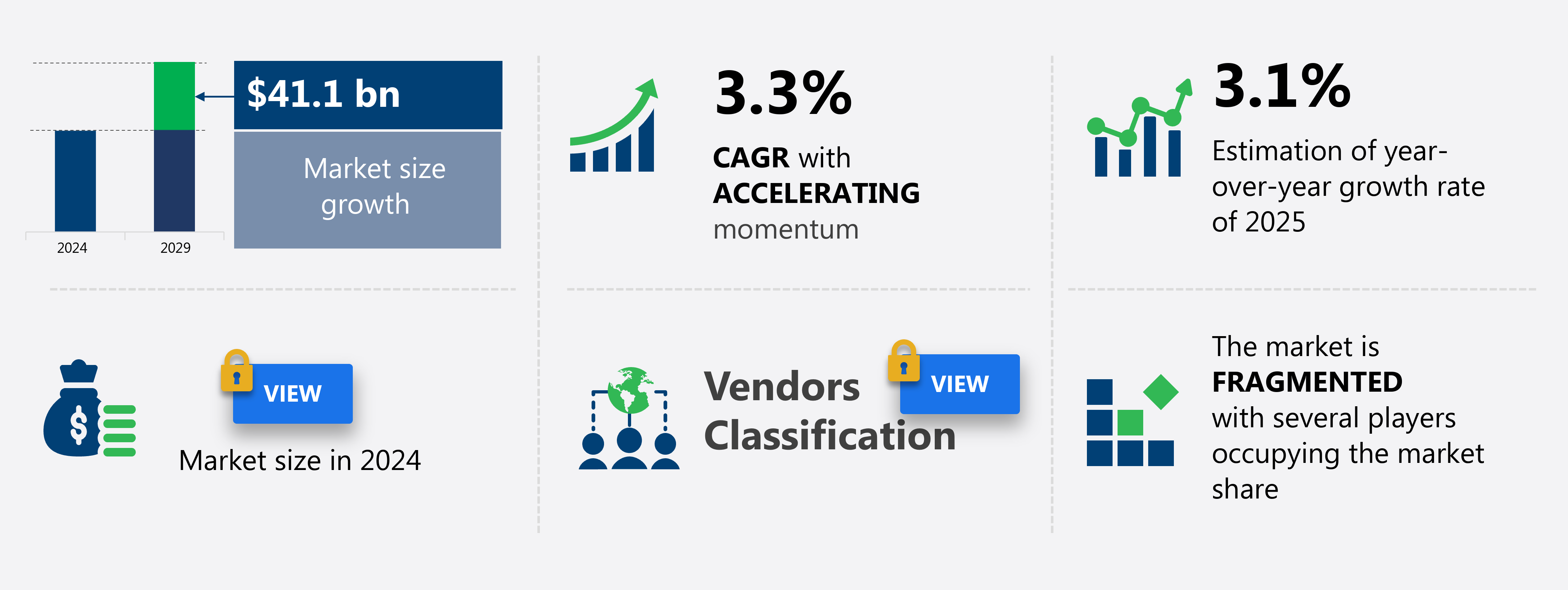
The Europe furniture market size is forecast to increase by USD 41.1 billion at a CAGR of 3.3% between 2024 and 2029.
- The furniture market is experiencing significant growth due to the expansion of the real estate and construction industry. This sector's growth is driving the demand for new furniture purchases. Additionally, there is an increasing trend towards eco-friendly furniture as consumers become more environmentally conscious. However, manufacturers and companies face challenges in managing costs due to rising raw material prices and increasing competition. These factors are shaping the furniture market landscape in North America. The market analysis report provides a comprehensive study of these trends and challenges, offering valuable insights for industry stakeholders.
What will be the Size of the Market During the Forecast Period?
- The furniture market is a vibrant and ever-evolving industry that caters to various segments and preferences. From traditional to contemporary, affordable to premium, and functional to decorative, the furniture industry offers a vast array of options for consumers. One notable trend in the furniture market is the integration of technology, resulting in smart furniture. This category includes pieces that offer features such as adjustable height, lighting, and connectivity, enhancing user experience and convenience. Another popular segment is furniture restoration, which has gained traction due to the increasing appreciation for vintage and antique pieces.
- Homeowners and collectors seek to preserve and enhance the beauty of these items, often employing specialized services or utilizing restoration techniques. Home decor is another significant aspect of the furniture market. As people strive to create unique and personal living spaces, they look for a diverse range of furniture styles, from mid-century modern to Scandinavian, industrial, and minimalist. These styles cater to various aesthetic preferences and lifestyle needs. Online furniture platforms have revolutionized the way consumers shop for furniture. They offer convenience, a wide selection, and competitive pricing, making it easier for customers to find and purchase the perfect pieces for their homes.
How is this market segmented and which is the largest segment?
The market research report provides comprehensive data (region-wise segment analysis), with forecasts and estimates in "USD billion" for the period 2025-2029, as well as historical data from 2019-2023 for the following segments.
By Type Insights
The living room furniture segment is estimated to witness significant growth during the forecast period. The United States furniture market encompasses various product categories, including sofa sets, lounge chairs, recliners, tables, benches, chairs, ottomans, storage units, sectional furniture, and more. This segment's expansion is driven by several factors, such as the rise in disposable income among consumers and the expanding reach of e-commerce platforms in the country. In the eco-friendly furniture subsegment, companies like Herman Miller offer a range of sustainable products. Their product portfolio includes the Lispenard Sofa, Bolster Ottomans, Tuxedo Ottoman, and the Tuxedo Classic Corner Sofa, among others. Additionally, some of their offerings come with antimicrobial agents, ensuring enhanced hygiene and safety.
The hospitality sector is another significant market for furniture, with a focus on luxury and multi-functional pieces. Technological advancements have led to the development of smart furniture, such as modular designs and adjustable seating, catering to the needs of small spaces. Government institutes and businesses are also key buyers of furniture, with a preference for ergonomic and durable pieces. In line with this trend, manufacturers are investing in research and development to introduce innovative products that cater to diverse customer needs. In conclusion, the US furniture market is witnessing steady growth, driven by increasing disposable income, the rise of e-commerce, and a growing preference for eco-friendly and technologically advanced products. Companies like Herman Miller are leading the charge with their innovative offerings, catering to various customer segments, from residential to commercial.
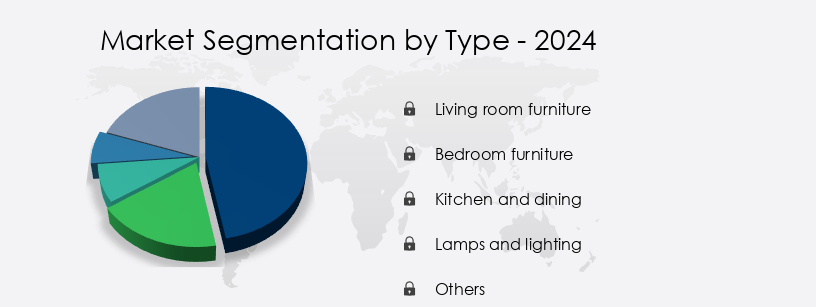
Get a glance at the market report of share of various segments Request Free Sample
Market Dynamics
Our Europe Furniture Market researchers analyzed the data with 2024 as the base year, along with the key drivers, trends, and challenges. A holistic analysis of drivers will help companies refine their marketing strategies to gain a competitive advantage.
What are the key market drivers leading to the rise in the adoption of the European furniture Market?
- The growth of real estate and construction industry is the key driver of the market. The European furniture market is experiencing significant growth due to the expansion of the real estate industry and the resulting demand for various furniture types. Germany, France, and Italy are key players in this market, contributing substantially to both production and consumption. With a focus on housing renovations and new constructions, there is a heightened demand for essential furniture items, particularly those made of wood, which are valued for their durability and attractive design. As urban populations grow and travel habits change, the need for well-furnished living and commercial spaces becomes increasingly important. This dynamic between construction growth and furniture demand creates a market environment, positioning the furniture industry for continued expansion in Europe.
- Moreover, there is a growing concern for environmental protection and sustainability, leading to the increased production of eco-friendly furniture using innovative materials and production methods. Technological advancements, such as smart furniture with USB connections, multi-functional designs, and antimicrobial agents, are also gaining popularity. Infrastructure development and the integration of global markets further contribute to the growth of the furniture industry. Furniture manufacturers are adopting superior materials, such as wood and metal, and implementing advanced joining techniques to create high-quality, value-for-money products. Regulations regarding the use of toxic carcinogens and deforestation are becoming stricter, ensuring that furniture production remains sustainable and eco-friendly.
What are the market trends shaping the Europe Furniture Market?
- Increasing adoption of eco-friendly furniture is the upcoming trend in the market. The furniture market is experiencing significant shifts due to increasing environmental concerns and the growing demand for eco-friendly furniture. companies are investing in green technology and sustainable production methods to cater to this trend. Eco-friendly furniture, made from biodegradable, sustainable, and renewable raw materials like wood and bamboo, is gaining popularity despite its premium pricing. North American Hardwood and bamboo are leading choices for eco-friendly and organic luxury furniture production. This shift is not limited to Europe; it is also influencing commercial construction projects, hospitality industries, and residential bedroom renovations in North America. Millennials, with their disposable incomes and small living spaces, are driving the demand for multi-functional, eco-friendly furniture.
- Technological advancements, such as smart furniture with USB connections and innovative products, are further enhancing the appeal of eco-friendly furniture. Regulations against toxic carcinogens and antimicrobial agents are pushing furniture manufacturers to adopt eco-friendly production methods. Urban population growth and changing travel habits are also contributing to the growth of the eco-friendly furniture market. Office infrastructure and organization are also adopting eco-friendly furniture to reduce their carbon footprint and contribute to environmental protection.
What challenges does the Europe Furniture Market face during the growth?
- Cost challenges faced by manufacturers and companies are a key challenge affecting the market growth. The furniture market encompasses a wide range of essentials for various sectors, including hospitals, commercial construction, community centers, and residential spaces. With increasing environmental concerns, there is a growing demand for eco-friendly furniture made from superior materials and innovative production methods. Millennials and urban populations, in particular, are driving the trend towards multi-functional, smart furniture that saves space and reduces greenhouse gas emissions. Government institutes and organizations are also investing in sustainable furniture for their office infrastructure, prioritizing antimicrobial agents and ergonomic designs to ensure a healthy work environment. Technological advancements have led to the development of smart furniture, such as smart beds and tables with USB connections, catering to the evolving needs of the workforce.
- The pricing of furniture is influenced by several factors, including the cost of raw materials, manufacturing, and transportation. The complexities associated with the transportation of raw materials, such as wood and metal, and furniture assemblies contribute significantly to the overall cost. Commercial spaces, including hospitality and real estate, are adopting adaptive office spaces and high-quality furniture to attract capital investments and cater to the needs of their clientele. Value-for-money brands and private-label products are gaining popularity in the competitive landscape, offering innovative and foldable furniture designs to cater to small spaces and population growth. Regulations and concerns over deforestation and toxic carcinogens in furniture manufacturing are driving the industry towards more sustainable practices and eco-friendly production methods.
Exclusive Customer Landscape
The market forecasting report includes the adoption lifecycle of the market, covering from the innovator's stage to the laggard's stage. It focuses on adoption rates in different regions based on penetration. Furthermore, the market report also includes key purchase criteria and drivers of price sensitivity to help companies evaluate and develop their market growth analysis strategies.
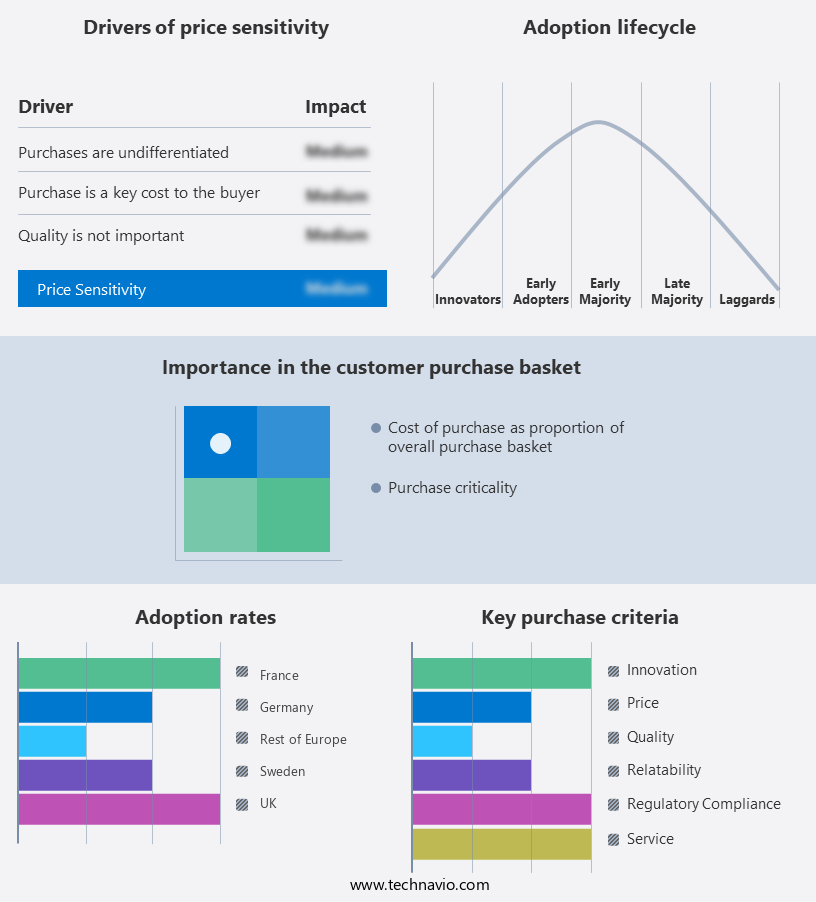
Customer Landscape
Key Companies & Market Insights
Companies are implementing various strategies, such as strategic alliances, market forecast, partnerships, mergers and acquisitions, geographical expansion, and product/service launches, to enhance their presence in the market.
Luxury Living Group:- The company offers furniture that includes sofas with shapes and colors in aesthetic purity, wooden frame, covered in fabric or leather with removable back cushions.
The market research and growth report includes detailed analyses of the competitive landscape of the market and information about key companies, including:
- Eric Kuster Metropolitan Luxury International Holding Ltd.
- Giorgio Armani SpA
- Giorgio Collection
- LONGHI Spa
- MillerKnoll Inc.
- Minotti SpA
- MUEBLES PICO SA
- Natuzzi SpA
- Opera Contemporary
- Reflex Spa
- ROCHE BOBOIS SA
- Rugiano Srl
- Vaughan Bassett
- Williams Sonoma Inc.
Qualitative and quantitative analysis of companies has been conducted to help clients understand the wider business environment as well as the strengths and weaknesses of key market players. Data is qualitatively analyzed to categorize companies as pure play, category-focused, industry-focused, and diversified; it is quantitatively analyzed to categorize companies as dominant, leading, strong, tentative, and weak.
Research Analyst Overview
The European furniture market is witnessing significant changes as various sectors, including hospitals, commercial construction, and residential spaces, adopt innovative and sustainable solutions. In this dynamic industry, several trends are shaping the market's future. Hospitals and Community Centers: Health and Safety Concerns The healthcare sector is focusing on creating a safe and comfortable environment for patients. Toxic carcinogens in furniture are a growing concern, leading to the increased demand for eco-friendly and antimicrobial agents in hospital furniture. This trend is expected to continue as governments and regulatory bodies enforce stricter regulations on furniture production. Bedroom Renovation and Housing Needs Bedroom renovation is a popular trend among homeowners, especially millennials, who prioritize essentials and affordability.
Online platforms have made it easier for consumers to purchase furniture that suits their small spaces and fits their budgets. The housing market's growth and the increasing urban population have led to a surge in demand for furniture that maximizes space and functionality. Commercial Construction and Infrastructural Development Commercial construction and infrastructural development projects are driving the furniture market's growth. Companies are investing in high-quality furniture for offices, community centers, and hospitality spaces to create a professional and welcoming atmosphere.
Capital investments in commercial furniture are expected to increase as businesses prioritize productivity and employee comfort. Technological Advancements and Multi-functional Furniture Technological advancements are transforming the furniture industry, with smart furniture and smart beds gaining popularity. These innovative products offer features like USB connections, modular design, and adaptive office spaces, making them a valuable investment for businesses and individuals alike. Sustainability and Environmental Protection Environmental concerns are at the forefront of the furniture industry, with a growing focus on sustainable production methods and eco-friendly materials. Wood processing, raw material suppliers, and joining techniques are being optimized to reduce greenhouse gas emissions and minimize deforestation.
The use of recycled plastic and metal in furniture production is also on the rise. Office Infrastructure and Organization Office infrastructure and organization are essential for businesses, and furniture plays a crucial role in creating an efficient and productive work environment. High-end furniture, foldable furniture, and private-label products are popular choices for businesses seeking value-for-money brands and customizable solutions. Design and Raw Materials Design and raw materials continue to influence the furniture market. Architects and interior designers are focusing on creating functional and aesthetically pleasing furniture using superior materials like wood and metal. The use of innovative materials, such as bamboo and cork, is also gaining popularity as consumers become more environmentally conscious.
The European furniture market is a thriving industry, encompassing a wide range of styles and categories, from midcentury modern furniture and vintage pieces to premium, Scandinavian, minimalist, and contemporary designs. Online furniture platforms have revolutionized furniture shopping, allowing consumers to browse and purchase affordable furniture for small apartments, industrial furniture, secondhand pieces, and even smart sofas and tables with just a few clicks.
Residential development projects require furniture for large families, seniors, and children, and furniture retailers offer versatile and spacesaving options, as well as furniture care instructions and assembly services. Furniture design continues to innovate, with a focus on sustainability, nontoxic materials, and smart technology. Furniture manufacturing processes have evolved to include upcycling and recycling, reducing waste generation and promoting furniture sustainability. Furniture market research indicates a growing trend towards furniture rental and repair, as well as the use of furniture design software and subscription services. Premium furniture and antique pieces are still in demand, with a focus on furniture care and preservation. Glass furniture adds a modern touch to any space, while contemporary designs incorporate industrial and boho elements. Furniture standards and technology continue to advance, with a focus on ergonomics, functionality, and aesthetics.
Furniture delivery and assembly services make it easier than ever to bring new pieces into your home, while furniture design software and subscription services offer affordable options for those on a budget. Furniture retailers also offer furniture for children and furniture upcycling services, ensuring that there's something for everyone in the European furniture market.
|
Market Scope |
|
|
Report Coverage |
Details |
|
Page number |
157 |
|
Base year |
2024 |
|
Historic period |
2019-2023 |
|
Forecast period |
2025-2029 |
|
Growth momentum & CAGR |
Accelerate at a CAGR of 3.3% |
|
Market Growth 2025-2029 |
USD 41.1 billion |
|
Market structure |
Fragmented |
|
YoY growth 2024-2025(%) |
3.1 |
|
Key countries |
Germany, France, Sweden, UK, and Rest of Europe |
|
Competitive landscape |
Leading Companies, Market Positioning of Companies, Competitive Strategies, and Industry Risks |
What are the Key Data Covered in this Market Research and Growth Report?
- CAGR of the market during the forecast period
- Detailed information on factors that will drive the market growth and forecasting between 2025 and 2029
- Precise estimation of the size of the market and its contribution of the market in focus to the parent market
- Accurate predictions about upcoming market growth and trends and changes in consumer behaviour
- Growth of the market across Europe
- Thorough analysis of the market's competitive landscape and detailed information about companies
- Comprehensive analysis of factors that will challenge the growth of market companies
We can help! Our analysts can customize this market research report to meet your requirements. Get in touch
 RIA -
RIA - 
