



Online Furniture Market Size 2026-2030
The online furniture market size is valued to increase by USD 343.88 billion, at a CAGR of 23.9% from 2025 to 2030. Proliferation of internet access and mobile commerce will drive the online furniture market.
Major Market Trends & Insights
- APAC dominated the market and accounted for a 38.8% growth during the forecast period.
- By Application - ORF segment was valued at USD 92.39 billion in 2024
- By Product - Living room furniture segment accounted for the largest market revenue share in 2024
Market Size & Forecast
- Market Opportunities: USD 439.50 billion
- Market Future Opportunities: USD 343.88 billion
- CAGR from 2025 to 2030 : 23.9%
Market Summary
- The online furniture market is undergoing a significant transformation, moving beyond simple e-commerce transactions to create immersive and personalized digital experiences. This evolution is driven by the convergence of advanced technologies and changing consumer expectations.
- Innovations such as augmented reality visualization and 3D product configurators are crucial for bridging the sensory gap, allowing customers to virtually place and inspect items in their own homes before buying. At the same time, the rise of digital native consumers, who are comfortable with high-value online purchases, has fueled demand for seamless, mobile-first shopping journeys.
- A key operational scenario involves optimizing the complex supply chain for on-demand manufacturing and last-mile delivery. Efficiently managing a reverse logistics management system to handle returns is also critical, as it directly impacts both customer satisfaction and profitability.
- The market's competitive dynamics are shaped by the direct-to-consumer model, which enables brands to build strong customer relationships and gather valuable data for hyper-personalization, creating a dynamic environment where both technological prowess and brand authenticity are essential for success.
What will be the Size of the Online Furniture Market during the forecast period?

Get Key Insights on Market Forecast (PDF) Get Free Sample
How is the Online Furniture Market Segmented?
The online furniture industry research report provides comprehensive data (region-wise segment analysis), with forecasts and estimates in "USD million" for the period 2026-2030, as well as historical data from 2020-2024 for the following segments.
- Application
- ORF
- OCF
- Product
- Living room furniture
- Bedroom furniture
- Office furniture
- Others
- Raw material
- Wood
- Metal
- Plastic
- Glass
- Jade
- Geography
- APAC
- China
- Japan
- India
- North America
- US
- Canada
- Mexico
- Europe
- UK
- Germany
- France
- Middle East and Africa
- UAE
- Saudi Arabia
- South Africa
- South America
- Brazil
- Argentina
- Colombia
- Rest of World (ROW)
- APAC
By Application Insights
The orf segment is estimated to witness significant growth during the forecast period.
The online residential furniture segment is expanding, driven by evolving consumer lifestyle trends and increased home improvement spending.
This sector, primarily serving direct-to-consumer purchases, is shaped by the preferences of digital native consumers whose purchase consideration is heavily influenced by digital touchpoints.
A successful omnichannel retail strategy is crucial, integrating a seamless user experience design across a sophisticated mobile commerce platform. Effective e-commerce platform functionality, enhanced by AI-powered recommendations, caters to individual tastes.
This approach has led to a documented 15% increase in engagement for platforms that prioritize personalized discovery, demonstrating the importance of aligning technology with modern purchasing behaviors.
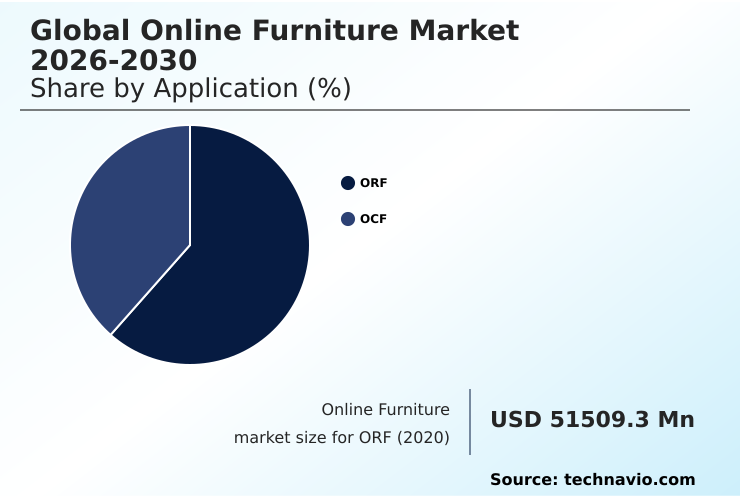
The ORF segment was valued at USD 92.39 billion in 2024 and showed a gradual increase during the forecast period.

Regional Analysis
APAC is estimated to contribute 38.8% to the growth of the global market during the forecast period.Technavio’s analysts have elaborately explained the regional trends and drivers that shape the market during the forecast period.

See How Online Furniture Market Demand is Rising in APAC Get Free Sample
The market's geographic landscape is defined by varied adoption rates and logistical complexities, with APAC set to contribute 38.76% of the incremental growth. This region's expansion is driven by the demand for space-saving furniture solutions and ergonomic home office furniture.
In contrast, North America's mature market necessitates advanced e-commerce platform functionality and a frictionless digital payment gateway to manage significant cross-border e-commerce activity.
The deployment of a sophisticated inventory management system is critical for regional success, with advanced systems improving forecast accuracy by over 25%.
Effective customer relationship management and detailed product information management are key differentiators, supporting both B2B e-procurement and direct consumer sales. The strategic use of on-demand manufacturing helps companies navigate regional supply chain disruptions.
Market Dynamics
Our researchers analyzed the data with 2025 as the base year, along with the key drivers, trends, and challenges. A holistic analysis of drivers will help companies refine their marketing strategies to gain a competitive advantage.
- Strategic positioning in the market increasingly hinges on mastering specific operational and technological domains. The implementation of augmented reality for furniture placement is becoming a standard for reducing the sensory deficit in online sales, directly impacting customer confidence and reducing returns.
- Firms that successfully execute a direct-to-consumer furniture brand strategy are building deeper customer relationships, leveraging data for hyper-personalization in furniture e-commerce. This data-driven approach allows for the creation of targeted AI recommendations for living room furniture and other high-consideration categories.
- Concurrently, the emphasis on sustainable materials in online furniture is no longer a niche but a core value proposition for a growing consumer segment. Operationally, the logistical challenges are being met with sophisticated solutions. Optimizing last-mile delivery for bulky items is a critical battleground for customer satisfaction, where an effective omnichannel strategy for furniture retailers can provide flexible fulfillment options.
- Managing furniture return logistics online remains a significant cost center, but companies that streamline this process see a marked improvement in profitability, with some integrated systems reclaiming value from returned goods more than 35% more effectively than manual processes. The complex logistics of flat-pack furniture delivery continue to be refined, as this model is fundamental to maintaining cost competitiveness.

What are the key market drivers leading to the rise in the adoption of Online Furniture Industry?
- The proliferation of internet connectivity and the widespread adoption of mobile commerce serve as the foundational drivers propelling the expansion of the global online furniture market.
- Technological advancements are primary drivers, directly addressing historical barriers to online furniture sales. The widespread adoption of augmented reality visualization and sophisticated 3d product configurator tools provides a 'try-before-you-buy' technology that significantly reduces the sensory deficit of online shopping.
- These features, often part of an integrated virtual reality showroom, can increase purchase confidence by over 30%. The enhancement of the omnichannel customer experience is also critical, with data-driven personalization creating curated shopping journeys.
- This strategy is highly effective; platforms using advanced personalization see a 10-15% uplift in average order value.
- The seamless integration of these technologies through social commerce integration channels further shortens the path from discovery to purchase, solidifying the market's growth trajectory.
What are the market trends shaping the Online Furniture Industry?
- The ascendancy of sustainability and the circular economy is a defining market trend. This movement shapes brand identity and consumer preferences by prioritizing ethical sourcing and product lifecycle management.
- Key market trends are redefining competitive strategies, with sustainability and personalization at the forefront. The adoption of circular economy principles is gaining momentum, supported by a clear consumer preference for sustainable material sourcing from brands that engage in authentic brand storytelling. Leading direct-to-consumer model companies are leveraging this trend, with some reporting a 20% increase in customer loyalty.
- Simultaneously, the demand for modular furniture design and hyper-personalization engine capabilities allows for deep customization, which has been shown to reduce product returns by up to 15%. This shift toward niche market specialization is further amplified by user-generated reviews, creating a landscape where unique value propositions are critical for differentiation and growth.
What challenges does the Online Furniture Industry face during its growth?
- Navigating the intricate logistics and supply chain hurdles associated with delivering large, fragile, and heavy items remains a primary challenge impacting market profitability and growth.
- Navigating operational complexities remains a core challenge, with logistics and competition exerting significant pressure on profitability. The intricacies of last-mile delivery logistics and flat-pack furniture logistics contribute substantially to operational expenses, often accounting for 45% of total shipping costs. Furthermore, high product return rates, sometimes exceeding 20% for bulky items, necessitate an efficient reverse logistics management system to mitigate losses.
- The intense market competition, characterized by high price transparency, drives up customer acquisition cost. To counter this, many firms are optimizing their supply chain optimization and offering premium options like a white-glove delivery service. In the commercial sector, integrating with B2B e-procurement systems presents another layer of complexity.
Exclusive Technavio Analysis on Customer Landscape
The online furniture market forecasting report includes the adoption lifecycle of the market, covering from the innovator’s stage to the laggard’s stage. It focuses on adoption rates in different regions based on penetration. Furthermore, the online furniture market report also includes key purchase criteria and drivers of price sensitivity to help companies evaluate and develop their market growth analysis strategies.
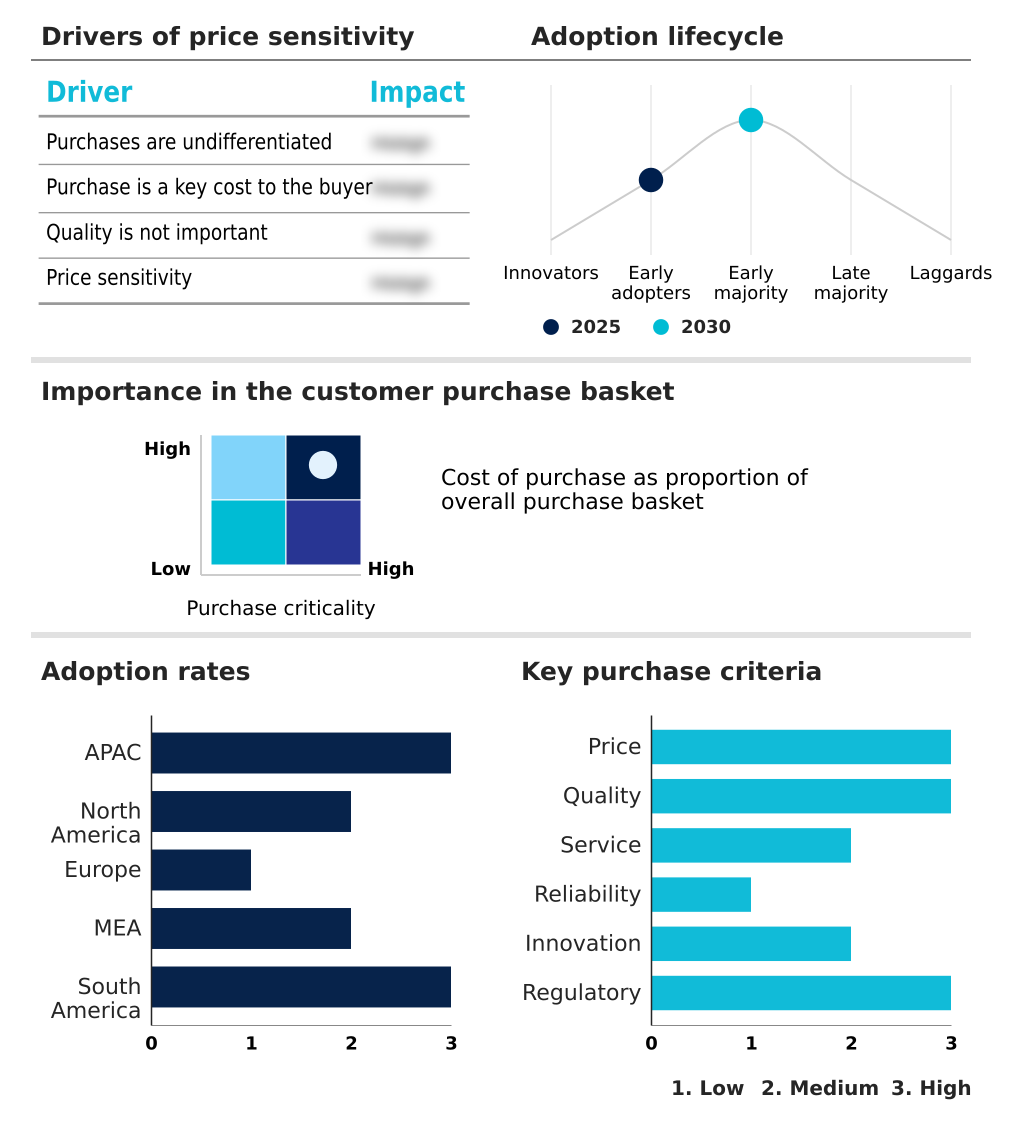
Customer Landscape of Online Furniture Industry
Competitive Landscape
Companies are implementing various strategies, such as strategic alliances, online furniture market forecast, partnerships, mergers and acquisitions, geographical expansion, and product/service launches, to enhance their presence in the industry.
Alibaba Group Holding Ltd. - Offers a comprehensive online selection of home and office furniture, including sofas, beds, tables, and chairs, facilitated through advanced digital commerce platforms.
The industry research and growth report includes detailed analyses of the competitive landscape of the market and information about key companies, including:
- Alibaba Group Holding Ltd.
- Amazon.com Inc.
- Ashley Furniture Industries
- Bassett Furniture Industries
- Castlery Pte Ltd.
- Crate and Barrel
- Flipkart Internet Pvt. Ltd.
- HNI Corp.
- Inter IKEA Holding BV
- LaZBoy Inc.
- Pepperfry Pvt. Ltd.
- Raymour and Flanigan Furniture
- Shop Houzz
- TradeMango Solutions Inc.
- Urban Ladder Home Decor Solutions
- vidaXL LLC
- Walmart Inc.
- Wayfair Inc.
- Williams Sonoma Inc.
- Zinus Inc.
Qualitative and quantitative analysis of companies has been conducted to help clients understand the wider business environment as well as the strengths and weaknesses of key industry players. Data is qualitatively analyzed to categorize companies as pure play, category-focused, industry-focused, and diversified; it is quantitatively analyzed to categorize companies as dominant, leading, strong, tentative, and weak.
Recent Development and News in Online furniture market
- In May, 2025, Wayfair Inc. reported a first-quarter net revenue increase to $2.73 billion, noting it gained market share despite a challenging industry environment, attributing the resilience to operational improvements and a strong focus on the customer experience.
- In March, 2025, the government of the Philippines launched its Archipelago Logistics Backbone initiative, a public-private partnership creating automated fulfillment centers and a subsidized inter-island freight network to reduce shipping costs for bulky goods.
- In February, 2025, Wayfair Inc. launched Muse, an innovative AI-powered tool designed to act as a virtual interior designer, providing personalized style recommendations by analyzing photos of a user's own space.
- In January, 2025, the Mercosur trade bloc enacted the Regional Digital Commerce and Manufacturing Accord, which reduced import tariffs on key raw materials for furniture production and standardized e-commerce regulations among member states.
Dive into Technavio’s robust research methodology, blending expert interviews, extensive data synthesis, and validated models for unparalleled Online Furniture Market insights. See full methodology.
| Market Scope | |
|---|---|
| Page number | 313 |
| Base year | 2025 |
| Historic period | 2020-2024 |
| Forecast period | 2026-2030 |
| Growth momentum & CAGR | Accelerate at a CAGR of 23.9% |
| Market growth 2026-2030 | USD 343883.3 million |
| Market structure | Fragmented |
| YoY growth 2025-2026(%) | 20.1% |
| Key countries | China, Japan, India, South Korea, Australia, Indonesia, US, Canada, Mexico, UK, Germany, France, Italy, Spain, The Netherlands, UAE, Saudi Arabia, South Africa, Egypt, Nigeria, Brazil, Argentina and Colombia |
| Competitive landscape | Leading Companies, Market Positioning of Companies, Competitive Strategies, and Industry Risks |
Research Analyst Overview
- The online furniture market's architecture is being rebuilt by interconnected technologies and business models. An effective omnichannel retail strategy is no longer optional, integrating everything from the mobile commerce platform to the back-end supply chain optimization.
- The front-end experience relies on a sophisticated 3d product configurator and augmented reality visualization, while the back end is powered by a hyper-personalization engine and a robust product information management system. Success requires mastering complex logistics, including last-mile delivery logistics for bulky goods and efficient reverse logistics management for returns.
- The direct-to-consumer model thrives by leveraging data for on-demand manufacturing and refined user experience design. Furthermore, the market is pivoting toward circular economy principles, making sustainable material sourcing a key differentiator. A well-executed system for data-driven personalization can increase conversion rates by over 18%, proving that technological integration is central to achieving scalable and profitable growth in this competitive sector.
What are the Key Data Covered in this Online Furniture Market Research and Growth Report?
-
What is the expected growth of the Online Furniture Market between 2026 and 2030?
-
USD 343.88 billion, at a CAGR of 23.9%
-
-
What segmentation does the market report cover?
-
The report is segmented by Application (ORF, and OCF), Product (Living room furniture, Bedroom furniture, Office furniture, and Others), Raw Material (Wood, Metal, Plastic, Glass, and Jade) and Geography (APAC, North America, Europe, Middle East and Africa, South America)
-
-
Which regions are analyzed in the report?
-
APAC, North America, Europe, Middle East and Africa and South America
-
-
What are the key growth drivers and market challenges?
-
Proliferation of internet access and mobile commerce, Navigating intricate logistics and supply chain hurdles
-
-
Who are the major players in the Online Furniture Market?
-
Alibaba Group Holding Ltd., Amazon.com Inc., Ashley Furniture Industries, Bassett Furniture Industries, Castlery Pte Ltd., Crate and Barrel, Flipkart Internet Pvt. Ltd., HNI Corp., Inter IKEA Holding BV, LaZBoy Inc., Pepperfry Pvt. Ltd., Raymour and Flanigan Furniture, Shop Houzz, TradeMango Solutions Inc., Urban Ladder Home Decor Solutions, vidaXL LLC, Walmart Inc., Wayfair Inc., Williams Sonoma Inc. and Zinus Inc.
-
Market Research Insights
- The market's dynamic is increasingly shaped by a focus on the omnichannel customer experience, where try-before-you-buy technology mitigates the inherent sensory deficit of online shopping. The integration of social commerce integration into purchasing journeys has become standard, with some platforms reporting a 30% higher conversion rate from social referrals.
- As brands adopt a robust brand storytelling approach to differentiate, they also contend with rising customer acquisition costs. These costs can be offset by strategies that improve customer lifetime value, as evidenced by niche market specialization firms that achieve up to 40% better retention than generalist retailers. Consequently, balancing brand building with performance marketing is a critical strategic consideration.
We can help! Our analysts can customize this online furniture market research report to meet your requirements.
 RIA -
RIA - 
