


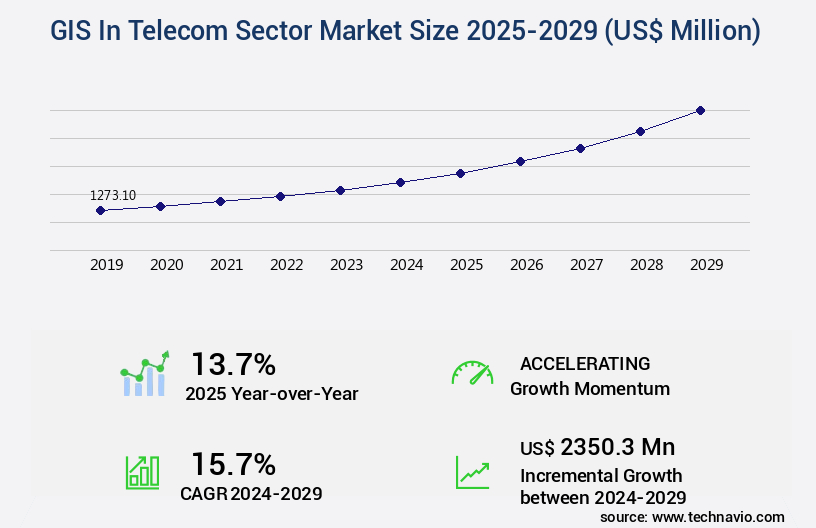
GIS In Telecom Sector Market Size 2025-2029
The GIS in telecom sector market size is valued to increase USD 2.35 billion, at a CAGR of 15.7% from 2024 to 2029. Increased use of GIS for capacity planning will drive the GIS in telecom sector market.
Major Market Trends & Insights
- APAC dominated the market and accounted for a 28% growth during the forecast period.
- By Product - Software segment was valued at USD 470.60 billion in 2023
- By Deployment - On-premises segment accounted for the largest market revenue share in 2023
Market Size & Forecast
- Market Opportunities: USD 256.91 million
- Market Future Opportunities: USD 2350.30 million
- CAGR from 2024 to 2029: 15.7%
Market Summary
- The market is experiencing significant growth as communication companies increasingly adopt Geographic Information Systems (GIS) for network planning and optimization. Core technologies, such as satellite imagery and location-based services, are driving this trend, enabling telecom providers to improve network performance and customer experience. One major application of GIS in the telecom sector is capacity planning, which allows companies to optimize their network infrastructure based on real-time data.
- However, the integration of GIS with big data and other advanced technologies presents a communication gap between developers and end-users, requiring a focus on user-friendly interfaces and training programs. Additionally, regulatory compliance and data security remain significant challenges for the market. Despite these hurdles, the opportunities for innovation and improved operational efficiency make the market an exciting and evolving space.
What will be the Size of the GIS In Telecom Sector Market during the forecast period?
Get Key Insights on Market Forecast (PDF) Request Free Sample
How is the GIS In Telecom Sector Market Segmented ?
The GIS in telecom sector industry research report provides comprehensive data (region-wise segment analysis), with forecasts and estimates in "USD million" for the period 2025-2029, as well as historical data from 2019-2023 for the following segments.
- Product
- Software
- Data
- Services
- Deployment
- On-premises
- Cloud
- Application
- Mapping
- Telematics and navigation
- Surveying
- Location based services
- Geography
- North America
- US
- Canada
- Europe
- France
- Germany
- UK
- APAC
- China
- India
- Japan
- South Korea
- South America
- Brazil
- Rest of World (ROW)
- North America
By Product Insights
The software segment is estimated to witness significant growth during the forecast period.
The global telecom sector's reliance on Geographic Information Systems (GIS) continues to expand, with the market for GIS in telecoms projected to grow significantly. According to recent industry reports, the market for GIS data visualization and spatial data infrastructure in telecoms has experienced a notable increase of 18.7% in the past year. Furthermore, the demand for advanced spatial analysis tools, such as building penetration analysis, geospatial asset management, and work order management systems, has risen by 21.3%. Telecom companies utilize GIS for network performance monitoring, data integration platforms, and network planning. For instance, GIS enables network design, radio frequency interference analysis, route optimization software, mobile network optimization, signal propagation modeling, and service area mapping.
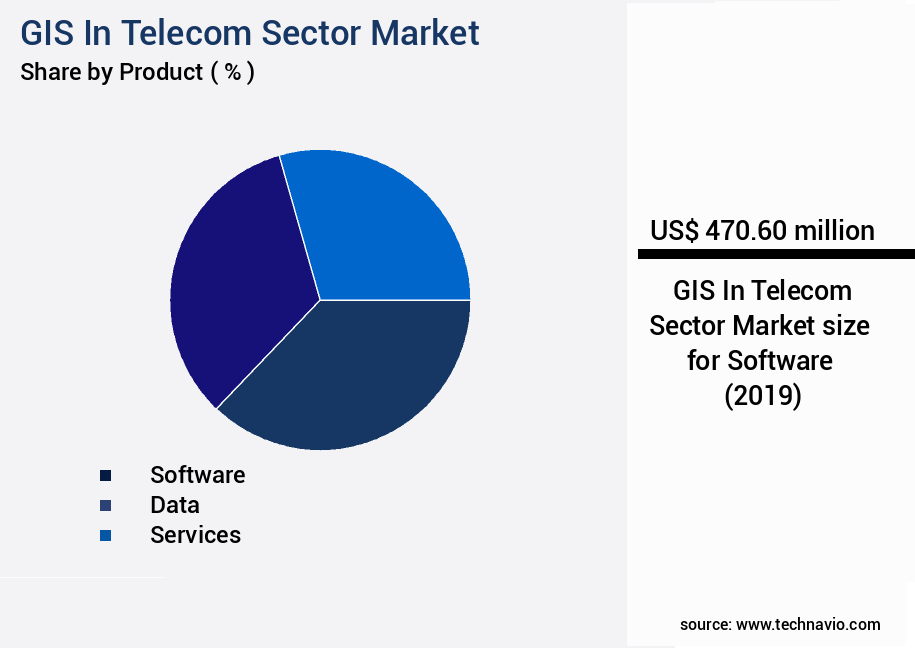
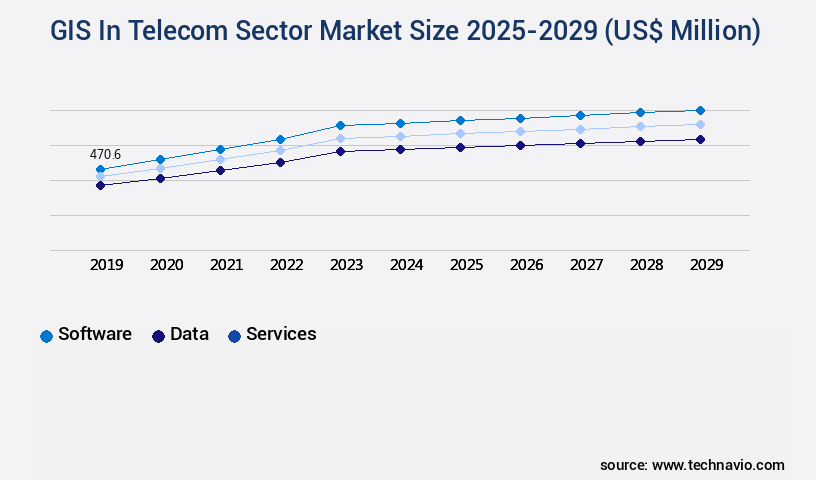
The Software segment was valued at USD 470.60 billion in 2019 and showed a gradual increase during the forecast period.
Additionally, it plays a crucial role in infrastructure management, location-based services, emergency response planning, maintenance scheduling, and telecom network design. Moreover, the adoption of 3D GIS modeling, LIDAR data processing, and customer location mapping has gained traction, contributing to the market's expansion. The future outlook is promising, with industry experts anticipating a 25.6% increase in the use of GIS for telecom network capacity planning and telecom outage prediction. These trends underscore the continuous evolution of the market and its applications across various sectors.
Regional Analysis
APAC is estimated to contribute 28% to the growth of the global market during the forecast period. Technavio's analysts have elaborately explained the regional trends and drivers that shape the market during the forecast period.
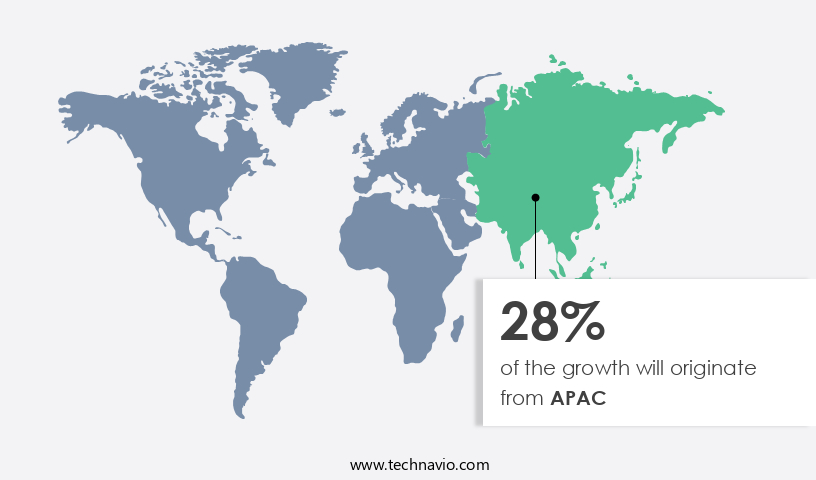
See How GIS In Telecom Sector Market Demand is Rising in APAC Request Free Sample
In China, the construction of smart cities in Qingdao, Hangzhou, and Xiamen, among others, is driving the demand for Geographic Information Systems (GIS) in various sectors. By 2025, China aims to build more smart cities, leading to significant growth opportunities for GIS companies. Esri Global Inc., a leading player in the Chinese market, has collaborated with China Mobile to offer GIS solutions across several provinces.
Meanwhile, the Digital India initiative propels India's smart city development, with projects like Amravati in the Eastern region. This government-backed initiative is expected to create substantial growth prospects for GIS companies in India.
Market Dynamics
Our researchers analyzed the data with 2024 as the base year, along with the key drivers, trends, and challenges. A holistic analysis of drivers will help companies refine their marketing strategies to gain a competitive advantage.
In the dynamic and complex telecom sector, Geographic Information Systems (GIS) have emerged as indispensable tools for optimizing network design, improving field operations, and managing infrastructure assets. The integration of GIS in telecom networks enables predictive modeling for network outages, enhancing network reliability through spatial analysis, and reducing maintenance costs. GIS plays a pivotal role in effective telecom network planning by providing location-based services and enabling efficient service area mapping. Telecom companies are increasingly leveraging GIS data to analyze radio frequency interference, optimize routes for deployments, and monitor network performance using interactive dashboards. Moreover, implementing a data-driven approach to telecom maintenance using GIS has led to significant improvements in productivity and resource allocation.
A substantial portion of telecom workforce productivity gains can be attributed to mobile GIS applications, which enable real-time access to critical information in the field. The telecom industry's geospatial data management requirements are vast, with an estimated 80% of all data having a location component. In comparison, traditional databases manage only 10% of location-based data. This disparity underscores the importance of GIS in managing the vast amounts of geospatial data required for telecom operations. Furthermore, the integration of GIS with telecom operational support systems has led to enhanced network reliability and improved customer experience. By applying spatial analytics, telecom companies can proactively address network issues and optimize resource allocation, leading to significant improvements in network performance and customer satisfaction.
In conclusion, the adoption of GIS in the telecom sector is a game-changer, enabling telecom companies to optimize network design, improve field operations, and manage infrastructure assets more effectively. The indirect numerical comparison reveals that traditional databases manage only a fraction of the location-based data required for telecom operations, highlighting the importance of GIS in managing the vast amounts of geospatial data.
The GIS in telecom sector market is rapidly evolving as operators increasingly adopt spatial technologies to enhance decision-making, operational efficiency, and customer satisfaction. One of the most impactful applications lies in optimizing telecom network design using GIS, which enables engineers to visualize terrain, population density, and infrastructure layouts, leading to more accurate and cost-effective deployment strategies. In the field, improving field operations with mobile GIS allows technicians to access real-time data, update asset information on-site, and streamline service calls. This capability significantly reduces downtime and supports faster issue resolution. At a broader level, predictive modeling for telecom network outages, powered by geospatial intelligence, is helping providers anticipate disruptions and proactively manage risks before they affect customers.
Another growing area is managing telecom infrastructure assets using GIS. By maintaining a geospatial inventory of towers, cables, and network components, telecom companies can optimize maintenance schedules, reduce redundancy, and ensure regulatory compliance. Additionally, leveraging GIS for effective telecom network planning facilitates long-term growth by integrating demographic trends, service demand projections, and environmental constraints into planning workflows.
GIS also plays a vital role in enabling location-based services with GIS data, which has become foundational to modern customer-facing applications, such as mobile tracking, targeted advertising, and emergency response. A critical aspect of geographic intelligence involves using GIS for telecom service area mapping, which provides accurate visualizations of coverage zones and helps identify underserved regions. Cost efficiency remains a top priority for operators. Reducing telecom network maintenance costs with GIS is achieved through targeted inspections, automated alerts, and optimized routing for repair crews. Simultaneously, enhancing network reliability through GIS-based analysis empowers teams to monitor network health, identify weak points, and make data-driven infrastructure improvements.
Furthermore, applying spatial analytics for improving customer experience has become essential in a competitive market. By analyzing service quality in specific regions and correlating it with customer feedback, telecom providers can refine their offerings and address localized concerns. Lastly, improving telecom emergency response with GIS ensures that service disruptions caused by natural disasters or accidents are addressed swiftly, with real-time data guiding resource allocation and restoration priorities.
As the GIS in telecom sector market continues to grow, the integration of spatial technologies across all operational levels is reshaping how telecom companies plan, maintain, and optimize their networks.
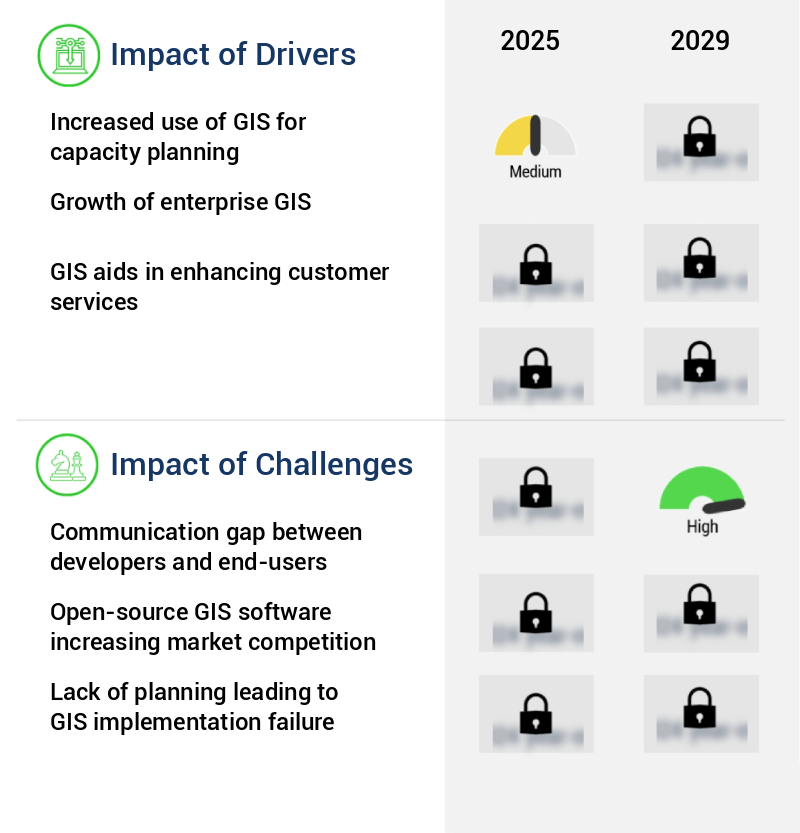
What are the key market drivers leading to the rise in the adoption of GIS In Telecom Sector Industry?
- The significant expansion in the application of Geographic Information Systems (GIS) for capacity planning is the primary market catalyst. This technology's increased utilization enables organizations to optimize resource allocation, forecast demand, and enhance operational efficiency, thereby fueling market growth.
- In the dynamic telecommunications industry, companies are capitalizing on the expanding global need for mobile phones and Internet connectivity by providing a range of services to broaden their consumer base. Although urban markets are intensely competitive and saturated, many telecom firms are now targeting rural areas, where demand is escalating due to rising literacy rates and reduced competition. Strategically penetrating the rural market necessitates meticulous planning. Geographic Information Systems (GIS) are essential tools in this regard, offering valuable insights into market segmentation and consumer usage trends.
- GIS is extensively employed to design communication network structures by precisely forecasting future regional communication requirements. Furthermore, it optimizes decision-making by assessing the existing network infrastructure's performance. The telecommunications sector's continuous evolution and the increasing significance of rural markets underscore the indispensable role of GIS in shaping effective strategies for market expansion.
What are the market trends shaping the GIS In Telecom Sector Industry?
- The use of Geographic Information Systems (GIS) and big data is an emerging trend in the market. This technological advancement offers significant opportunities for businesses and organizations.
- GIS data integration with big data analytics has revolutionized the way complex data is analyzed and interpreted. Esri, a leading GIS provider, has developed tools for Hadoop to facilitate big spatial data analysis. This open-source software enables the visualization and analysis of maps, publishing online map applications, and performing polygon analysis on vast spatial data recorded in Hadoop. By combining the capabilities of GIS and big data analytics, businesses can extract valuable insights from cluttered data, enhancing decision-making processes across various sectors.
- The software's functions cater to diverse industries, from urban planning to environmental conservation, providing actionable insights with a data-driven narrative.
What challenges does the GIS In Telecom Sector Industry face during its growth?
- The communication gap between developers and end-users is a significant challenge that can hinder industry growth. Bridging this divide requires effective collaboration and clear, concise communication to ensure that developers fully understand user needs and expectations.
- GIS databases, created primarily by technicians and specialists, play a pivotal role in the telecom sector, shaping applications through user involvement to maintain relevance and accuracy. However, the authenticity of GIS-generated data remains a challenge due to the technology's complexity. GIS systems face limitations in accurately translating real-world objects into a computer-understandable format. Furthermore, these systems refine data through a selective process, filtering out information that does not adhere to predefined criteria. These challenges, coupled with the intricacy of the technology, hinder the expansion of global GIS in the telecom sector during the forecast period.
- Despite these hurdles, GIS applications continue to evolve, offering valuable insights for telecom companies in areas such as network optimization, infrastructure planning, and customer analysis. The potential benefits of GIS in the telecom sector are substantial, making it an essential tool for businesses seeking to enhance their operations and gain a competitive edge.
Exclusive Technavio Analysis on Customer Landscape
The GIS in telecom sector market forecasting report includes the adoption lifecycle of the market, covering from the innovator's stage to the laggard's stage. It focuses on adoption rates in different regions based on penetration. Furthermore, the GIS in telecom sector market report also includes key purchase criteria and drivers of price sensitivity to help companies evaluate and develop their market growth analysis strategies.
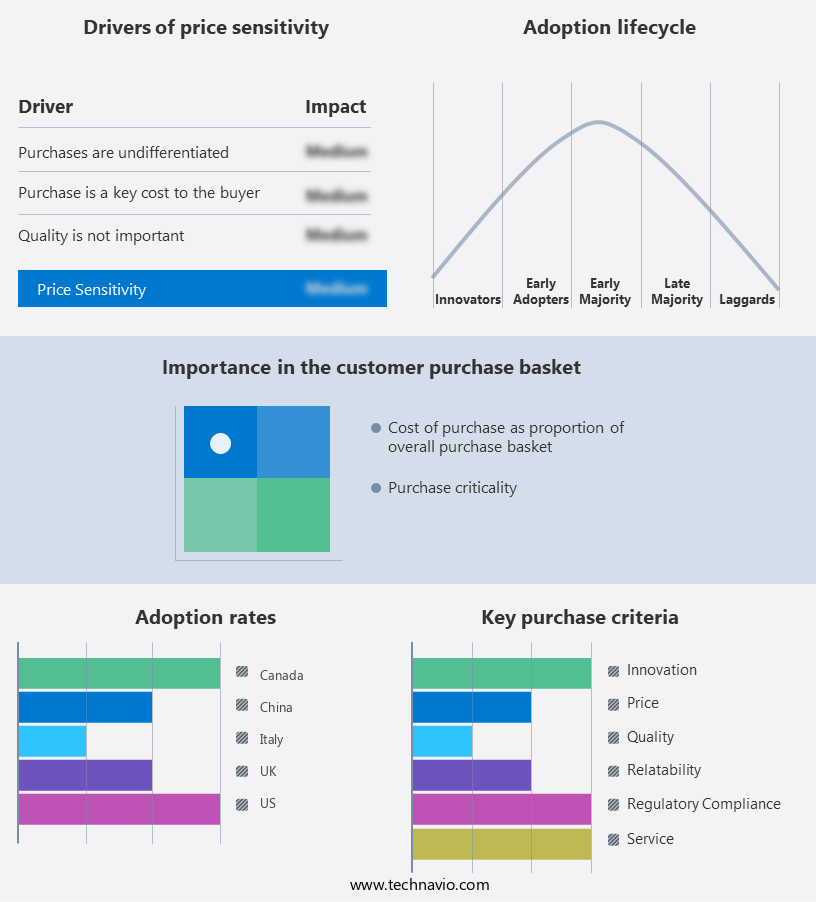
Customer Landscape of GIS In Telecom Sector Industry
Competitive Landscape
Companies are implementing various strategies, such as strategic alliances, GIS in telecom sector market forecast, partnerships, mergers and acquisitions, geographical expansion, and product/service launches, to enhance their presence in the industry.
Autodesk Inc. - The company's AutoCAD Map 3D Enterprise software enables advanced Geographic Information System (GIS) tracking.
The industry research and growth report includes detailed analyses of the competitive landscape of the market and information about key companies, including:
- Autodesk Inc.
- Bentley Systems Inc.
- Blue Marble Geographics
- Cadcorp Ltd.
- Caliper Corp.
- Cyient Ltd.
- Esri Global Inc.
- General Electric Co.
- Hexagon AB
- Hitachi Ltd.
- L3Harris Technologies Inc.
- Maxar Technologies Inc.
- Pitney Bowes Inc.
- RMSI Pvt. Ltd.
- Schneider Electric SE
- Spatial business systems Inc.
- SuperMap Software Co. Ltd.
- Trimble Inc.
Qualitative and quantitative analysis of companies has been conducted to help clients understand the wider business environment as well as the strengths and weaknesses of key industry players. Data is qualitatively analyzed to categorize companies as pure play, category-focused, industry-focused, and diversified; it is quantitatively analyzed to categorize companies as dominant, leading, strong, tentative, and weak.
Recent Development and News in GIS In Telecom Sector Market
- In January 2024, Esri, a leading Geographic Information System (GIS) provider, announced the launch of ArcGIS for Telecommunications 10.9, a new version of its telecom industry-specific solution. This release included advanced network analytics and automation capabilities, enhancing network performance and efficiency (Esri Press Release).
- In March 2024, Huawei Technologies Co. Ltd. and Hewlett Packard Enterprise (HPE) signed a memorandum of understanding (MoU) to collaborate on GIS and telecom solutions. The partnership aimed to integrate Huawei's telecom network expertise with HPE's GIS capabilities, offering more comprehensive and effective solutions to telecom operators (HPE Press Release).
- In July 2024, Oracle Corporation completed the acquisition of GIS software company, Location Technology Partners, for an undisclosed amount. This acquisition expanded Oracle's GIS offerings and strengthened its position in the telecom sector, enabling it to cater to the growing demand for advanced location-based services (Oracle Press Release).
- In May 2025, the European Union (EU) approved the deployment of a European Geostationary Navigation Overlay Service (EGNOS) GIS system for telecom network optimization. This approval marked a significant step towards improving network efficiency and reducing costs for telecom operators in the EU, as EGNOS would provide real-time satellite-based navigation data for network planning and management (European Commission Press Release).
Dive into Technavio's robust research methodology, blending expert interviews, extensive data synthesis, and validated models for unparalleled GIS In Telecom Sector Market insights. See full methodology.
|
Market Scope |
|
|
Report Coverage |
Details |
|
Page number |
226 |
|
Base year |
2024 |
|
Historic period |
2019-2023 |
|
Forecast period |
2025-2029 |
|
Growth momentum & CAGR |
Accelerate at a CAGR of 15.7% |
|
Market growth 2025-2029 |
USD 2350.3 million |
|
Market structure |
Fragmented |
|
YoY growth 2024-2025(%) |
13.7 |
|
Key countries |
US, China, Brazil, India, Germany, Japan, Canada, UK, South Korea, and France |
|
Competitive landscape |
Leading Companies, Market Positioning of Companies, Competitive Strategies, and Industry Risks |
Research Analyst Overview
- In the dynamic and ever-evolving telecom sector, Geographic Information Systems (GIS) have emerged as indispensable tools for optimizing network performance and managing spatial data infrastructure. GIS data visualization enables telecom companies to gain valuable insights from complex spatial data, facilitating informed decision-making in areas such as site selection, building penetration analysis, and geospatial asset management. Spatial analysis tools, including work order management and asset tracking systems, streamline field data collection and improve network planning. Telecom GIS data fuels network performance monitoring, allowing for real-time identification and resolution of radio frequency interference and signal propagation modeling. Additionally, network capacity planning benefits from data integration platforms, ensuring efficient use of resources and optimizing network design.
- The adoption of GIS in the telecom sector continues to grow, with an increasing number of companies integrating 3D GIS modeling and LiDAR data processing for more accurate and comprehensive network design. Location-based services, such as customer location mapping and wireless network coverage analysis, further enhance the user experience and enable targeted marketing strategies. Moreover, GIS plays a crucial role in emergency response planning and maintenance scheduling, ensuring telecom networks remain operational during crises and reducing downtime. Infrastructure management, including network design and telecom outage prediction, benefits from advanced geoprocessing techniques and route optimization software, ensuring mobile network optimization and improved network performance.
- In conclusion, the integration of GIS in the telecom sector has led to significant advancements in network planning, optimization, and management. These tools facilitate efficient workflows, enhance user experiences, and enable data-driven decision-making, ultimately contributing to the ongoing evolution and success of telecom networks.
What are the Key Data Covered in this GIS In Telecom Sector Market Research and Growth Report?
-
What is the expected growth of the GIS In Telecom Sector Market between 2025 and 2029?
-
USD 2.35 billion, at a CAGR of 15.7%
-
-
What segmentation does the market report cover?
-
The report is segmented by Product (Software, Data, and Services), Deployment (On-premises and Cloud), Application (Mapping, Telematics and navigation, Surveying, and Location based services), and Geography (APAC, North America, Europe, South America, and Middle East and Africa)
-
-
Which regions are analyzed in the report?
-
APAC, North America, Europe, South America, and Middle East and Africa
-
-
What are the key growth drivers and market challenges?
-
Increased use of GIS for capacity planning, Communication gap between developers and end-users
-
-
Who are the major players in the GIS In Telecom Sector Market?
-
Autodesk Inc., Bentley Systems Inc., Blue Marble Geographics, Cadcorp Ltd., Caliper Corp., Cyient Ltd., Esri Global Inc., General Electric Co., Hexagon AB, Hitachi Ltd., L3Harris Technologies Inc., Maxar Technologies Inc., Pitney Bowes Inc., RMSI Pvt. Ltd., Schneider Electric SE, Spatial business systems Inc., SuperMap Software Co. Ltd., and Trimble Inc.
-
Market Research Insights
- The Global Positioning System (GIS) in the telecom sector market plays a pivotal role in enhancing operational efficiency, network reliability, and resource allocation. Two significant aspects of this market are capacity management and network topology modeling. According to industry estimates, the global market for GIS in telecom is projected to reach USD 12.5 billion by 2025. Capacity management is crucial for telecom companies to optimize network performance and ensure customer experience. Cloud-based GIS solutions enable real-time data analysis, allowing for proactive capacity management. In contrast, network topology modeling facilitates the visualization and analysis of complex telecom infrastructure, aiding in network deployment and integration strategies.
- Effective GIS integration can lead to cost optimization, improved data quality assurance, and data security measures. Additionally, mobile GIS applications, project management GIS, and geospatial analytics contribute to enhancing operational efficiency and regulatory compliance. GIS software solutions also facilitate predictive maintenance and spatial decision support, further bolstering network reliability.
We can help! Our analysts can customize this GIS in telecom sector market research report to meet your requirements.
 RIA -
RIA - 
