


Glabridin (CAS 59870-68-7) Market Size 2025-2029
The glabridin (CAS 59870-68-7) market size is forecast to increase by USD 8.34 billion at a CAGR of 5.4% between 2024 and 2029.
- The Glabridin market is experiencing significant growth, driven by the expanding cosmetics industry in developing countries. This trend is fueled by increasing consumer awareness and disposable income in these regions, leading to a rise in demand for high-quality skincare products. Furthermore, the use of advanced separation methods for glabridin purification is gaining traction, as manufacturers strive to produce more efficient and cost-effective processes. However, this market faces challenges related to price volatility due to the reliance on raw materials with fluctuating prices.
- Companies seeking to capitalize on market opportunities must navigate these challenges by implementing strategic sourcing and supply chain management initiatives, ensuring a steady supply of raw materials and maintaining cost competitiveness. Additionally, investments in research and development to improve production methods and explore alternative sources for raw materials could provide a competitive edge in this dynamic market. The clean beauty trend, which highlights natural ingredients and eco-friendly sourcing, has further fueled the demand for this chemical compound.
What will be the Size of the Glabridin (CAS 59870-68-7) Market during the forecast period?
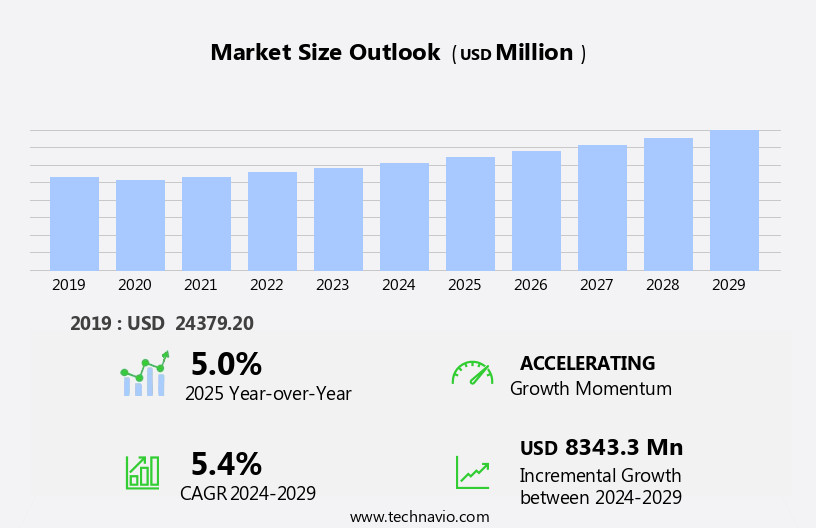
Explore in-depth regional segment analysis with market size data - historical 2019-2023 and forecasts 2025-2029 - in the full report.
Request Free Sample
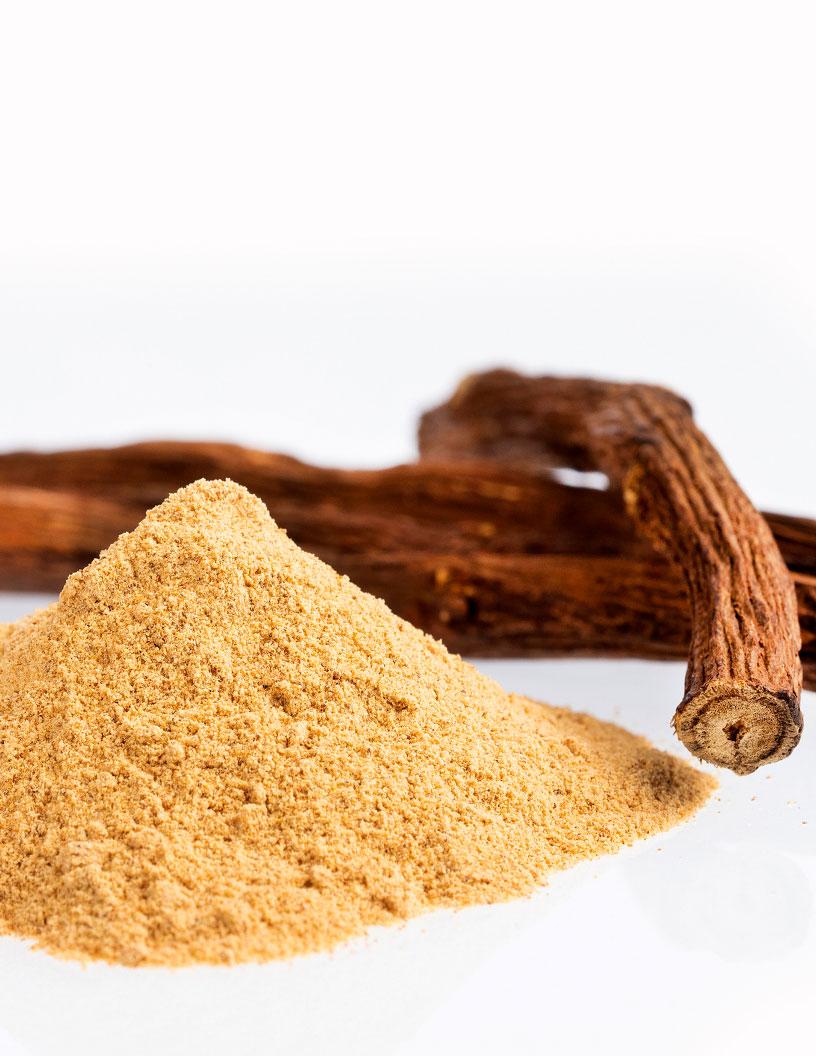
- Glabridin, a natural phenol derived from licorice root (Glycyrrhiza glabra), has gained significant attention in various industries due to its versatile properties. In the skincare sector, glabridin is recognized as a potent skin-lightening agent and antioxidant, making it an essential component in plant-based alternatives to traditional cosmetics. Precision medicine and antiaging applications are also exploring the potential of glabridin. Its anti-inflammatory properties make it a valuable addition to pharmaceutical formulations, while its humectant qualities contribute to its use in dietary supplements.
- Economic conditions and regulatory changes impact the market dynamics of glabridin. Raw material availability and safety regulations, including environmental regulations, play a crucial role in the technological roadmap of this chemical compound. Digital technologies and digital marketing have transformed the way businesses operate, enabling companies to reach a broader audience and streamline their production processes. The integration of artificial intelligence in the manufacturing of glabridin and other natural phenols ensures consistent quality management and adherence to safety standards. Antioxidant properties and free-radical scavenging abilities are essential aspects of glabridin's appeal. As consumers increasingly prioritize nontoxic ingredients and chemical-free products, the demand for this versatile compound continues to grow.
How is this Glabridin (CAS 59870-68-7) Industry segmented?
The glabridin (CAS 59870-68-7) industry research report provides comprehensive data (region-wise segment analysis), with forecasts and estimates in "USD million" for the period 2025-2029, as well as historical data from 2019-2023 for the following segments.
- Type
- HPLC 20 percent
- HPLC 40 percent
- HPLC 60 percent
- HPLC 90 percent
- HPLC 98 percent
- Application
- Cosmetics
- Pharmaceutical
- Product Type
- Powder
- Liquid
- Capsule
- Others
- Geography
- North America
- US
- Canada
- Mexico
- Europe
- France
- Germany
- UK
- APAC
- China
- India
- Japan
- South Korea
- Rest of World (ROW)
- North America
By Type Insights
The HPLC 20 percent segment is estimated to witness significant growth during the forecast period. Glabridin, a triterpenoid saponin derived from licorice root extract (CAS 59870-68-7), holds significant value in various industries, including cosmetics and traditional Chinese medicine. In cosmetic applications, glabridin functions as a potent skin-lightening agent and antioxidant. Its hypoglycemic and anti-inflammatory properties make it an attractive candidate for herbal medicine and cancer treatment. The compound's fungicidal potential and synergistic effects with other bioactive compounds contribute to its wide-ranging applications. Quality control is paramount in the production of glabridin, ensuring consistency and purity levels. The compound's structure-activity relationship and phytochemical characterization have been extensively studied to optimize its therapeutic potential. Glabridin's role as a free-radical scavenger and its ability to regulate blood lipids make it an essential ingredient in skincare formulations.
Regulatory changes and safety regulations continue to shape the market for glabridin. Its potential applications in cancer treatment and diabetes care are under clinical investigation, with promising results. The aging population's increasing demand for natural remedies and dietary supplements further fuels the market's growth. Raw material availability and technological advancements are crucial factors in the market's development. The compound's moisturizing properties and potential bone and cardiovascular protection make it a versatile ingredient. However, potential drug interactions and safety concerns necessitate ongoing research and quality management. In the realm of organic growth strategies, glabridin's potential in skincare and cosmetic applications is a significant driver.
Its antiviral effects and role in oxidative stress management further expand its market potential. The integration of digital technologies and inorganic growth strategies is expected to propel the market forward. In summary, glabridin (CAS 59870-68-7) is a versatile natural compound with a wide range of applications, from cosmetics and traditional Chinese medicine to potential cancer treatment and diabetes care. Its hypoglycemic, antioxidant, and anti-inflammatory properties make it a valuable ingredient in various industries. Ongoing research and regulatory changes continue to shape the market's dynamics.
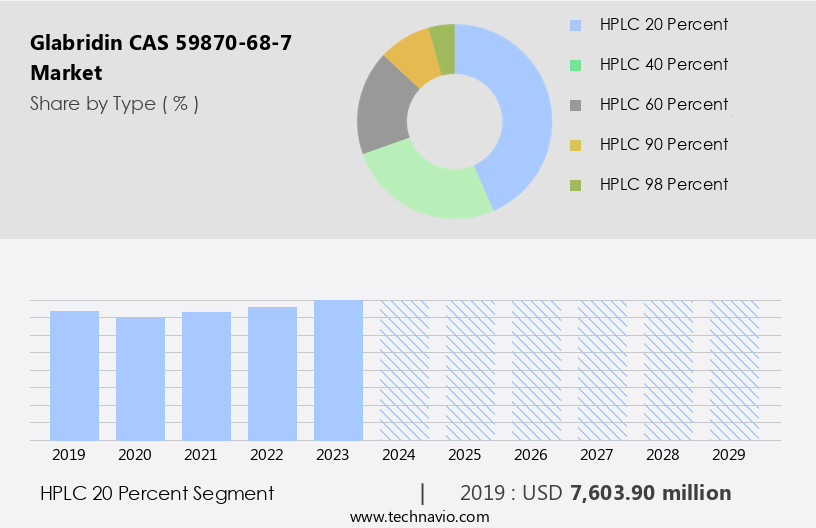
The HPLC 20 percent segment was valued at USD 7.6 billion in 2019 and showed a gradual increase during the forecast period.
In the realm of skincare applications, glabridin's anti-inflammatory properties make it an effective solution for various skin conditions. Its use in anti-inflammatory products caters to the growing trend of addressing health and wellness from the inside out. Regulatory changes and safety considerations are essential factors in the production and distribution of glabridin. Ensuring compliance with safety regulations and maintaining quality management are critical aspects of the industry's growth and sustainability. The antiviral effects of glabridin are being studied for its potential use in treating various viral infections, including influenza and HIV. Additionally, its role in diabetes care is being investigated for its potential to improve insulin sensitivity and reduce blood sugar levels. The market is experiencing significant growth and innovation, driven by its potential health benefits and the increasing demand for natural ingredients. However, price volatility remains a challenge due to the limited supply of licorice root. Manufacturers and suppliers must navigate these dynamics to ensure a steady supply of glabridin and maintain competitiveness in the market.
Regional Analysis
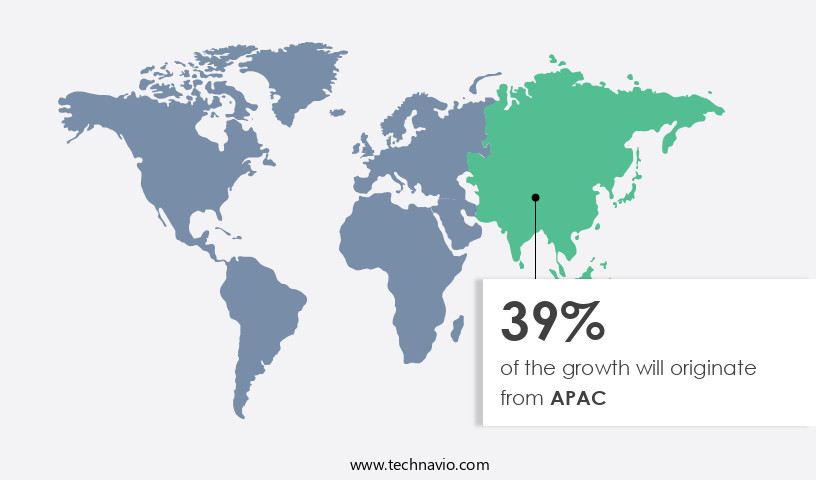
APAC is estimated to contribute 39% to the growth of the global market during the forecast period. Technavio's analysts have elaborately explained the regional trends and drivers that shape the market during the forecast period.
In the dynamic and innovative Asia Pacific (APAC) market, the beauty and personal care (BPC) industry holds significant influence, particularly in countries like China, Japan, South Korea, and India. This region's BPC sector is characterized by advanced research and development, strong consumer demand for effective skincare products, and a cultural emphasis on clear, healthy, and youthful-looking skin. Glabridin (CAS 59870-68-7), a natural compound derived from licorice root extract, is a key ingredient in various skincare applications due to its skin-brightening and anti-inflammatory properties. Traditional Chinese medicine and herbal medicine have long used glabridin for its therapeutic benefits, including its potential as a fungicidal candidate and hypoglycemic agent.
In modern cosmetics, glabridin acts as a skin-lightening agent, addressing the growing concern for natural and healthy ingredients in the market. The increasing prevalence of cancer and metabolic disorders further highlights the potential clinical applications of glabridin in cancer treatment and managing metabolic disorders like Type 2 diabetes and gut microbiota imbalances. Quality control and management are essential aspects of the industry, ensuring the safety and efficacy of products containing glabridin. Regulatory changes in the region have led to increased scrutiny on raw material availability, drug interactions, and blood lipid regulation. In response, organic growth strategies, such as the development of synergistic effects with other natural compounds like natural phenols and triterpenoid saponins, have emerged.
The aging population and their increased susceptibility to oxidative stress further fuel the demand for glabridin's antioxidant properties, which act as free-radical scavengers and contribute to bone and cardiovascular protection. The market for glabridin continues to evolve, with clinical trials exploring its potential in various applications, including dietary supplements and topical treatments. Digital technologies are also playing a role in the growth of the glabridin market, enabling advancements in structure-activity relationship studies, phytochemical characterization, and technological roadmaps. As the industry continues to innovate and adapt to consumer preferences and regulatory changes, the demand for glabridin is expected to remain strong in the APAC region.
Market Dynamics
Our researchers analyzed the data with 2024 as the base year, along with the key drivers, trends, and challenges. A holistic analysis of drivers will help companies refine their marketing strategies to gain a competitive advantage.
What are the Glabridin (CAS 59870-68-7) market drivers leading to the rise in the adoption of Industry?
- In developing countries, the expanding cosmetics industry serves as the primary market driver. The global market for glabridin (CAS 59870-68-7), a natural skin lightening agent derived from licorice root extract, has experienced significant growth due to the expanding cosmetics and BPC industries in developing countries. The increasing demand for skincare products in regions such as China, India, Brazil, South Africa, and South Korea has driven the market's growth. In these countries, an uptick in disposable income among consumers has contributed to the rising demand for glabridin (CAS 59870-68-7).
- Quality management and safety regulations are crucial in the production and application of this ingredient to ensure its efficacy and safety. Economic conditions continue to influence the market dynamics, with ongoing research and development efforts further fueling the demand for glabridin (CAS 59870-68-7) in various industries. As a free-radical scavenger, it plays a vital role in neutralizing harmful molecules, making it an essential ingredient in numerous applications. This potent ingredient offers synergistic effects, including skin lightening, moisturizing properties, and antioxidant capabilities that help combat oxidative stress. Additionally, glabridin (CAS 59870-68-7) holds potential in cancer treatment and managing Type 2 diabetes by regulating blood sugar levels and modulating gut microbiota.
What are the Glabridin (CAS 59870-68-7) market trends shaping the Industry?
- The increasing adoption of sophisticated separation techniques for glabridin purification represents a significant market trend. Advanced methods, such as high-performance liquid chromatography and supercritical fluid extraction, are increasingly being utilized to enhance the efficiency and selectivity of glabridin purification processes. Glabridin (CAS 59870-68-7), a natural compound, has gained significant attention due to its pharmacological properties in bone and cardiovascular protection, blood lipid regulation, and estrogen receptor modulation. The aging population's increasing demand for health and wellness products fuels the market for glabridin (CAS 59870-68-7).
- The availability of raw materials and the development of a technological roadmap for the production of glabridin (CAS 59870-68-7) are crucial factors driving its market growth. However, potential drug interactions and the need for further research on its bioactive compounds necessitate careful consideration. As a humectant, glabridin (CAS 59870-68-7) also offers benefits in cosmetics and skincare applications. To ensure the efficacy and safety of glabridin (CAS 59870-68-7), it is essential to maintain its purity. Macroporous resin purification is an advanced separation method used to purify glabridin (CAS 59870-68-7) from complex mixtures. This technique involves using resins with a porous structure to selectively adsorb glabridin (CAS 59870-68-7) while removing impurities. Researchers can control parameters like pH and solvent type to optimize the purification process.
How does Glabridin (CAS 59870-68-7) market face challenges during its growth?
- The raw material price volatility, particularly in the production of glabridin, poses a significant challenge to the industry's growth trajectory. Glabridin (CAS 59870-68-7), a triterpenoid saponin derived from licorice root, is gaining significant attention in various industries due to its potential health benefits. In the pharmaceutical sector, glabridin is recognized for its structure-activity relationship with glycyrrhizic acid, a natural phenol with antiviral effects. The phytochemical characterization of glabridin has revealed its role as a tyrosinase inhibitor, making it a potential candidate for use in diabetes care and skin lightening products. The market dynamics of glabridin (CAS 59870-68-7) are influenced by several factors, with price volatility being a notable challenge. The limited or irregular supply of licorice root, the primary source of glabridin, contributes to price fluctuations.
- Climatic conditions, soil quality, and agricultural practices are among the factors that impact licorice root cultivation and, subsequently, glabridin production. Any disruptions in licorice root supply due to weather-related issues, plant disease, or other environmental factors can lead to significant price volatility. In the dietary supplement industry, digital technologies and inorganic growth strategies are driving innovation and competition. Manufacturers are leveraging digital technologies to improve supply chain efficiency, product development, and customer engagement. Inorganic growth strategies, such as mergers and acquisitions, are also being employed to expand market presence and enhance product offerings. Clinical trials and research continue to explore the potential health benefits of glabridin (CAS 59870-68-7), further fueling market growth.
Exclusive Customer Landscape
The glabridin (CAS 59870-68-7) market forecasting report includes the adoption lifecycle of the market, covering from the innovator's stage to the laggard's stage. It focuses on adoption rates in different regions based on penetration. Furthermore, the glabridin (CAS 59870-68-7) market report also includes key purchase criteria and drivers of price sensitivity to help companies evaluate and develop their market growth analysis strategies.
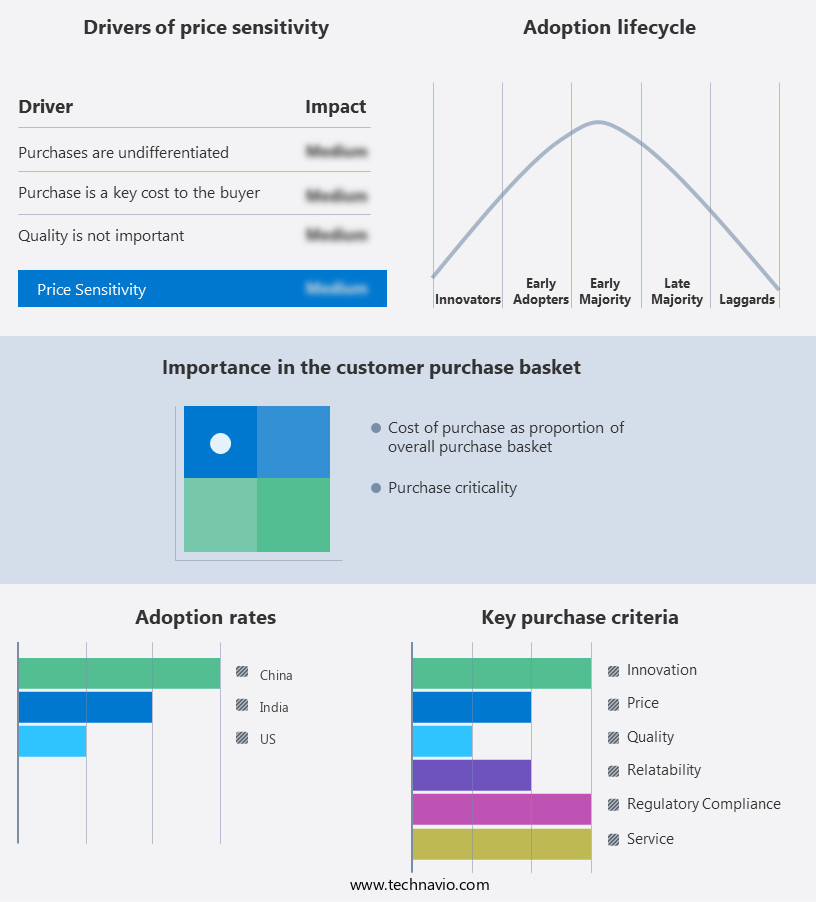
Customer Landscape
Key Companies & Market Insights
Companies are implementing various strategies, such as strategic alliances, glabridin (cas 59870-68-7) market forecast, partnerships, mergers and acquisitions, geographical expansion, and product/service launches, to enhance their presence in the industry.
Alchem International Pvt. Ltd. - The company specializes in the production and distribution of skincare ingredients, introducing Glabridin as a premier option.
The industry research and growth report includes detailed analyses of the competitive landscape of the market and information about key companies, including:
- Alchem International Pvt. Ltd.
- Arkure Health Care
- Azelis SA
- Cayman Chemical Co
- Foodchem International Corp.
- Glentham Life Sciences Ltd.
- Haihang Industry Co. Ltd.
- Herbal Creations
- Herbo Nutra
- Kan Phytochemicals Pvt. Ltd.
- KAVYA PHARMA
- M.C.Biotec Inc.
- Merck KGaA
- Plamed Green Science Group
- Sabinsa Corp.
- Starchem Enterprises Ltd.
- Suzhou Springchem International Co. Ltd.
- Tianjin YR Chemspec Technology Co. Ltd.
- XI AN KINTAI BIOTECH INC.
- Xi an Sost Biotech Co. Ltd.
Qualitative and quantitative analysis of companies has been conducted to help clients understand the wider business environment as well as the strengths and weaknesses of key industry players. Data is qualitatively analyzed to categorize companies as pure play, category-focused, industry-focused, and diversified; it is quantitatively analyzed to categorize companies as dominant, leading, strong, tentative, and weak.
Recent Development and News in Glabridin (CAS 59870-68-7) Market
- In January 2024, Swiss chemical company Lonza announced the commercial launch of its new Glabridin-based skincare product line, "Revitalessence," in partnership with cosmetics giant Estée Lauder (Reuters, 2024). This collaboration marked a significant strategic partnership, combining Lonza's expertise in natural active ingredients with Estée Lauder's extensive market reach.
- In March 2024, Japanese pharmaceutical company Shionogi & Co. Ltd. Completed the acquisition of a 25% stake in Lonza's specialty ingredients business, including the Glabridin product line, for approximately CHF 1.3 billion (Bloomberg, 2024). This investment underscored the growing demand for Glabridin in the global market.
- In May 2024, the European Commission granted Lonza approval for the production expansion of its Glabridin manufacturing site in Visp, Switzerland, increasing its annual capacity by 50% (Lonza Press Release, 2024). This expansion was in response to the rising demand for Glabridin in the European cosmetics industry.
- In February 2025, South Korean cosmetics company AmorePacific entered the Glabridin market by launching a new skincare product line, "Hera White Glow," featuring Glabridin as its key active ingredient (AmorePacific Press Release, 2025). This geographic expansion represented a strategic move to tap into the growing Asian market for natural skincare ingredients.
Research Analyst Overview
The market for the chemical compound with the CAS number 59870-68-7, a naturally occurring compound found in licorice root extract, continues to evolve in response to various market dynamics and emerging applications. This compound, which has gained significant attention due to its bone protection and cardiovascular protection properties, is finding applications in diverse sectors, from cosmetics to traditional Chinese medicine and pharmaceuticals. The ongoing research and development efforts in the field of bone health and cardiovascular diseases are driving the demand for this compound. Its potential as a fungicidal candidate and skin-lightening agent in the cosmetics industry are also contributing to its market growth.
The increasing prevalence of metabolic disorders such as type 2 diabetes and the aging population are further fueling the demand for this compound's hypoglycemic effects and its potential as a free-radical scavenger. The availability of raw materials and the regulatory landscape are crucial factors shaping the market dynamics. Quality control and quality management are essential to ensure the consistency and safety of the compound. The compound's synergistic effects with other natural compounds, such as glycyrrhizic acid and triterpenoid saponins, are also being explored for their potential in cancer treatment and diabetes care. The technological roadmap for this compound includes the development of digital technologies for the phytochemical characterization and structure-activity relationship studies.
The compound's potential as a tyrosinase inhibitor and antiviral agent is also being investigated. The organic and inorganic growth strategies being pursued by market players are aimed at expanding their product portfolios and increasing their market share. The compound's pharmacological properties, including its estrogen receptor modulation and blood lipid regulation, are also being explored for their potential clinical applications. The ongoing research into the compound's effects on oxidative stress and the gut microbiota is expected to lead to new discoveries and applications. The economic conditions and safety regulations are key factors that will continue to influence the market dynamics.
Dive into Technavio's robust research methodology, blending expert interviews, extensive data synthesis, and validated models for unparalleled Glabridin (CAS 59870-68-7) Market insights. See full methodology.
|
Market Scope |
|
|
Report Coverage |
Details |
|
Page number |
230 |
|
Base year |
2024 |
|
Historic period |
2019-2023 |
|
Forecast period |
2025-2029 |
|
Growth momentum & CAGR |
Accelerate at a CAGR of 5.4% |
|
Market growth 2025-2029 |
USD 8.34 billion |
|
Market structure |
Fragmented |
|
YoY growth 2024-2025(%) |
5.0 |
|
Key countries |
US, Canada, China, Germany, India, Japan, South Korea, Mexico, UK, and France |
|
Competitive landscape |
Leading Companies, Market Positioning of Companies, Competitive Strategies, and Industry Risks |
What are the Key Data Covered in this Glabridin (CAS 59870-68-7) Market Research and Growth Report?
- CAGR of the Glabridin (CAS 59870-68-7) industry during the forecast period
- Detailed information on factors that will drive the growth and forecasting between 2025 and 2029
- Precise estimation of the size of the market and its contribution of the industry in focus to the parent market
- Accurate predictions about upcoming growth and trends and changes in consumer behaviour
- Growth of the market across APAC, North America, Europe, South America, and Middle East and Africa
- Thorough analysis of the market's competitive landscape and detailed information about companies
- Comprehensive analysis of factors that will challenge the glabridin (cas 59870-68-7) market growth of industry companies
We can help! Our analysts can customize this glabridin (cas 59870-68-7) market research report to meet your requirements.
 RIA -
RIA - 
