
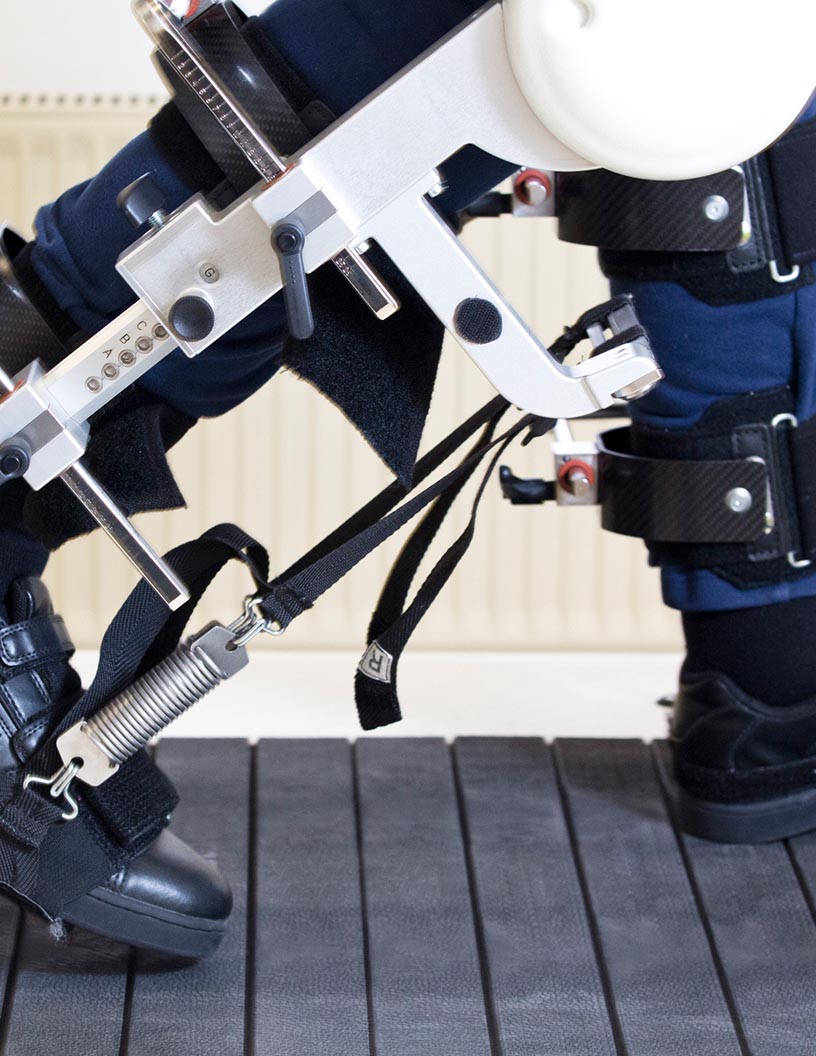


Handicap Assistance Robots Market Size 2024-2028
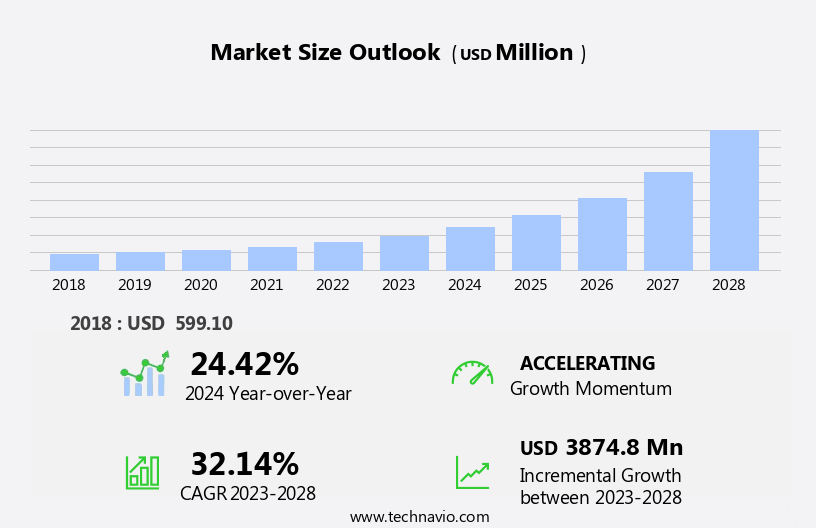
The handicap assistance robots market size is forecast to increase by USD 3.87 billion at a CAGR of 32.14% between 2023 and 2028.
What will be the Size of the Handicap Assistance Robots Market During the Forecast Period?
How is this Handicap Assistance Robots Industry segmented and which is the largest segment?
The handicap assistance robots industry research report provides comprehensive data (region-wise segment analysis), with forecasts and estimates in "USD million" for the period 2024-2028, as well as historical data from 2018-2022 for the following segments.
- Product
- Robotic parts
- Robotic wheelchair
- Type
- Stationary
- Mobility
- Geography
- North America
- US
- Europe
- Germany
- UK
- Sweden
- APAC
- Japan
- Middle East and Africa
- South America
- North America
By Product Insights
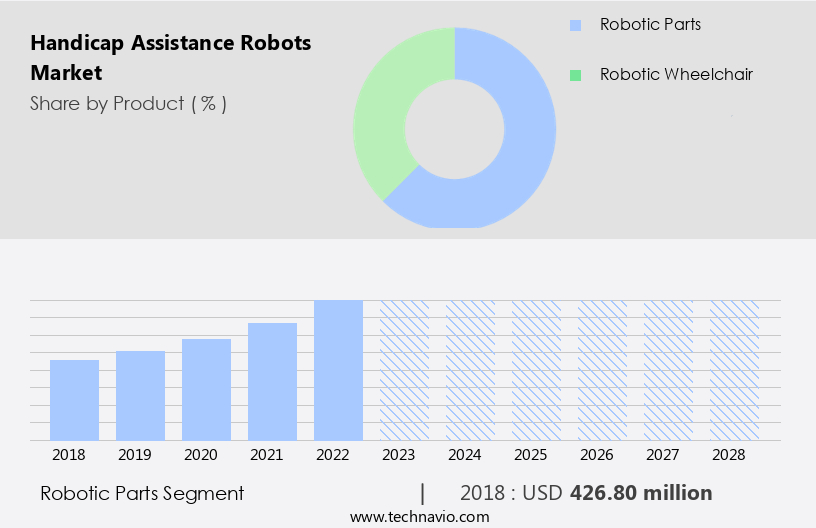
The robotic parts segment is estimated to witness significant growth during the forecast period. Robotic technologies, including arm and leg prosthetics, are increasingly utilized by individuals with disabilities and limb loss in North America and Europe. With over 185,000 new lower extremity amputations reported annually In the US alone, as per the Amputee Coalition of America, the demand for handicap assistance through advanced robotic parts is escalating. companies are dedicated to producing limb-like robotic devices that minimize the impact of human activation, ensuring seamless integration. Robotic exoskeletons, communication devices with natural language processing, and robot-assisted surgery are also gaining traction in healthcare, disability services, and elderly care. These innovations aim to enhance independence, mobility, and caregiver support for individuals confronting age-related difficulties, mild cognitive impairment, dementia symptoms, and other physical and cognitive challenges.
Machine learning and artificial intelligence are integral to the development of these advanced robotic systems, enabling customization, personalization, remote monitoring, and telemedicine. Key players in this industry include research institutions, universities, startups, multinational corporations, and healthcare providers.
Get a glance at the market report of various segments Request Free Sample
The Robotic parts segment was valued at USD 426.80 billion in 2018 and showed a gradual increase during the forecast period.
Regional Analysis
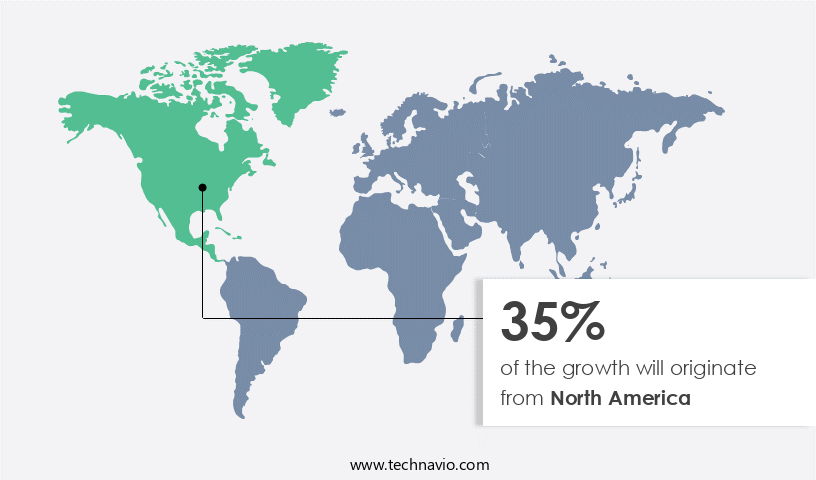
North America is estimated to contribute 35% to the growth of the global market during the forecast period. Technavio’s analysts have elaborately explained the regional trends and drivers that shape the market during the forecast period.
For more insights on the market size of various regions, Request Free Sample
The US market holds a significant share In the North American handicap assistance robots industry due to the increasing aging population and the prevalence of mobility disabilities. According to the Centers for Disease Control and Prevention (CDC), the proportion of Americans aged 65 and above is projected to rise from 12.4% in 2000 to 19.6% in 2030. Furthermore, as per the U.S. Department of Health and Human Services, approximately 12.1% of U.S. Adults faced mobility challenges, making it difficult for them to walk or climb stairs as of May 2023. The advancements in robotic technologies, including assistive robotics, robotic exoskeletons, robotic arms, and hands, communication devices with natural language processing, and machine learning algorithms, have led to the development of innovative handicap assistance robots.
The availability of insurance coverage for these devices and the increasing demand for mobility solutions for elderly individuals with mild cognitive impairments, dementia symptoms, and age-related limitations further boost the market growth. The integration of healthcare services, such as robot-assisted surgery, rehabilitation centers, and elderly care, with handicap assistance robots enhances their functionality and independence for users.
Market Dynamics
Our researchers analyzed the data with 2023 as the base year, along with the key drivers, trends, and challenges. A holistic analysis of drivers will help companies refine their marketing strategies to gain a competitive advantage.
What are the key market drivers leading to the rise In the adoption of Handicap Assistance Robots Industry?
- Advancements in artificial intelligence is the key driver of the market.Robotics technology, driven by advancements in artificial intelligence (AI) and machine learning, is revolutionizing the assistive devices industry. These technologies enable robots to provide assistance for individuals with disabilities, age-related difficulties, and mobility impairments. Robotic exoskeletons, arms, and hands offer enhanced mobility and physical support, while communication devices with natural language processing capabilities facilitate effective interaction for those with speech impairments. AI algorithms and machine learning models analyze user data and preferences to customize and personalize robot interactions, ensuring independence and improved quality of life. Robots are also employed in healthcare settings, assisting with rehabilitation programs, surgery assistance, and chronic condition management.
In elderly care, they provide companionship and assistance with daily living activities. Robots' precision and ability to learn from user data make them invaluable tools for caregivers and rehabilitation professionals. Advocacy organizations and research institutions collaborate with startups and multinational corporations to develop and implement these technologies, ensuring accessibility standards are met and improving the overall user experience. The integration of robotics in healthcare and disability services includes stationary robots, mobility assistance robots, and socially assistive robots. Robot-assisted surgery and rehabilitation centers leverage these technologies for precise interventions and effective treatment plans. Telemedicine, remote monitoring, and medication management systems further expand the reach and accessibility of healthcare services.
In summary, advances in AI algorithms, machine learning, and robotics technologies are transforming the assistive devices market, offering innovative solutions for individuals facing mobility, communication, and cognitive challenges. These technologies enable greater independence, improved quality of life, and enhanced healthcare services for a diverse range of users.
What are the market trends shaping the Handicap Assistance Robots market?
- Integration of IoT with handicap assistance robots is the upcoming market trend.Assistive robotics, a subset of robotic technologies, is gaining significant traction in addressing disabilities and age-related difficulties. Robotic technologies, including walking aids, wheelchairs, robotic exoskeletons, robotic arms, and robotic hands, are revolutionizing disability services for individuals with mobility impairments, spinal cord injuries, and strokes. Communication devices with natural language processing capabilities are enhancing independence for those with cognitive challenges, such as mild cognitive impairment and dementia symptoms. Machine learning and artificial intelligence are integral components of these advancements, enabling precision in robot-assisted surgery, spinal surgeries, and rehabilitation programs. Stationary robots and physically assistive robots are transforming healthcare, elderly care, and rehabilitation centers.
Mobility assistance robots, healthcare robots, socially assistive robots, mixed assistive robots, and surgery assistance are becoming increasingly common. Insurance coverage for medical exoskeletons and robotic surgeries is a growing trend, as these technologies offer significant benefits for patients. Customization and personalization are essential aspects of these solutions, with electronic medical records, smart home systems, and telemedicine enabling remote monitoring and proactive management of chronic conditions. Rehabilitation professionals and advocacy organizations are collaborating with research institutions, universities, startups, and multinational corporations to develop innovative solutions for various physical and cognitive challenges. The integration of sensors, actuators, control systems, and AI algorithms is driving advancements in assistive devices, human-machine interaction, and robot-assisted care.
These technologies are enabling early detection, remote consultations, medication management, and self-management, ultimately improving patient engagement and medication adherence.
What challenges does the Handicap Assistance Robots Industry face during its growth?
- Low penetration of robotic wheelchairs in developing economies is a key challenge affecting the industry growth.Assistive robotics, driven by advanced robotic technologies, are transforming the lives of individuals with disabilities and age-related difficulties. Robotic exoskeletons, arms, and hands offer mobility solutions for those with physical challenges, while communication devices with natural language processing enhance interaction. Caregivers benefit from machine learning and artificial intelligence in providing personalized assistance. The market is primarily driven by the increasing prevalence of disabilities, including strokes and spinal cord injuries, and the aging population with mild cognitive impairments and dementia symptoms. Insurance coverage for medical exoskeletons and robotic surgeries is expanding, fueling market growth. Elderly individuals with age-related limitations and mobility impairments also benefit from this technology.
Robot-assisted surgery, performed by surgeons, ensures precision in spinal surgeries. Stationary robots and physically assistive robots are essential in rehabilitation centers, enhancing handicap assistance and elderly care. Mobility Assistance Robotics and Healthcare Robotics are critical sectors, with Socially Assistive Robots and Mixed Assistive Robots offering companionship and defense applications. Accessibility standards continue to evolve, ensuring compatibility with various assistive devices, sensors, actuators, and control systems. Rehabilitation professionals and advocacy organizations collaborate with research institutions and universities to develop customized, personalized, and remote monitoring solutions. Startups and multinational corporations invest in hardware, software, interfaces, AI algorithms, machine learning models, electronic medical records, and smart home systems to cater to the growing demand for assistive robotics.
Despite these advancements, challenges persist, including the high cost of handicap assistance robots, underdeveloped medical facilities, and limited awareness about product availability. The market's growth is further restricted by the lack of insurance coverage and the need for self-management and medication adherence. Remote consultations, medication management, and rehabilitation programs are essential for proactive management of chronic conditions and patient engagement.
Exclusive Customer Landscape
The handicap assistance robots market forecasting report includes the adoption lifecycle of the market, covering from the innovator’s stage to the laggard’s stage. It focuses on adoption rates in different regions based on penetration. Furthermore, the handicap assistance robots market report also includes key purchase criteria and drivers of price sensitivity to help companies evaluate and develop their market growth analysis strategies.
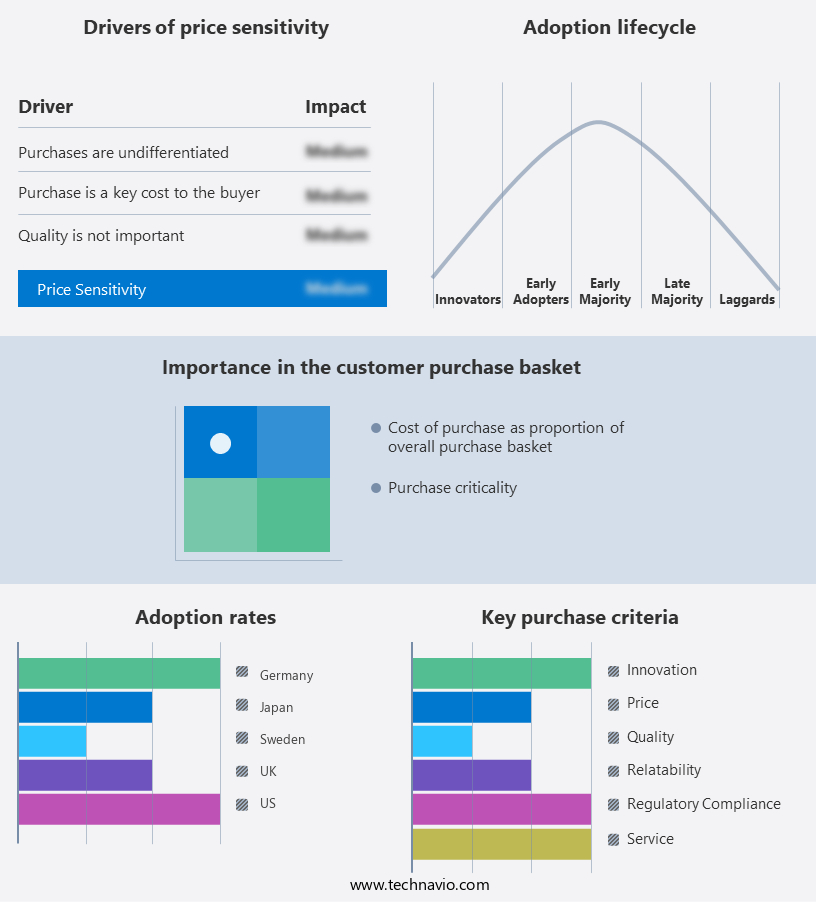
Customer Landscape
Key Companies & Market Insights
Companies are implementing various strategies, such as strategic alliances, handicap assistance robots market forecast, partnerships, mergers and acquisitions, geographical expansion, and product/service launches, to enhance their presence In the industry.
Aether Biomedical sp. z o.o. - The company specializes in handicap assistance robots, including innovative solutions like iFLOAT, iEAT, and iARM. These robots are designed to enhance mobility and independence for individuals with physical limitations. IFLOAT assists with transportation and positioning, iEAT provides food preparation and feeding assistance, and iARM helps with daily tasks requiring hand dexterity. By integrating advanced technology and user-friendly design, these robots significantly improve the quality of life for those requiring assistance.
The industry research and growth report includes detailed analyses of the competitive landscape of the market and information about key companies, including:
- Aether Biomedical sp. z o.o.
- Assistive Innovations bv
- Bionic Yantra
- Bionik Laboratories Corp.
- COVVI
- Cyberdyne Inc.
- Ekso Bionics Holdings Inc.
- Focal Meditech
- GOGOA Mobility Robots SL
- Honda Motor Co. Ltd.
- Japet Medical Devices
- Kinova Inc.
- Ossur hf
- Ottobock SE and Co. KGaA
- Panasonic Holdings Corp.
- ReWalk Robotics Ltd.
- Rex Bionics Ltd.
- Toyota Motor Corp.
- Trexo Robotics Inc.
- Wandercraft
Qualitative and quantitative analysis of companies has been conducted to help clients understand the wider business environment as well as the strengths and weaknesses of key industry players. Data is qualitatively analyzed to categorize companies as pure play, category-focused, industry-focused, and diversified; it is quantitatively analyzed to categorize companies as dominant, leading, strong, tentative, and weak.
Research Analyst Overview
The handicap assistance robotics market encompasses a range of robotic technologies designed to enhance the lives of individuals with disabilities and age-related difficulties. These robots aim to promote independence and mobility, addressing various physical and cognitive challenges. Robotic technologies have emerged as a promising solution for individuals with mobility impairments, including those using walking aids, wheelchairs, and robotic exoskeletons. Robotic arms and hands offer increased dexterity and functionality, enabling users to perform tasks that may otherwise be difficult or impossible. Communication devices, equipped with natural language processing capabilities, assist individuals with speech impairments or hearing difficulties. The integration of machine learning and artificial intelligence in handicap assistance robots enhances their ability to learn from user behavior and adapt to individual needs.
This personalization contributes to improved user experience and increased effectiveness in addressing specific challenges. Healthcare and disability services have been major adopters of handicap assistance robots, with applications ranging from rehabilitation centers to elderly care facilities. Robots have proven particularly beneficial for individuals recovering from conditions such as strokes or spinal cord injuries, as they provide targeted assistance in regaining mobility and functionality. Robotic surgeries have revolutionized the healthcare industry, offering increased precision and reduced recovery times. Surgeons benefit from the enhanced capabilities provided by robot-assisted surgery, enabling them to perform complex procedures with greater accuracy and control.
The handicap assistance robotics market is not limited to healthcare applications. Industries such as defense, elderly care, and companionship have also embraced these technologies. Socially assistive robots provide companionship and interaction for individuals with cognitive challenges, while mixed assistive robots offer a combination of physical and social support. Public relations surrounding handicap assistance robots have been largely positive, with advocacy organizations and research institutions advocating for increased accessibility standards and investment In these technologies. Startups and multinational corporations alike are investing In the development of new handicap assistance robots, driven by the potential to address a wide range of physical and cognitive challenges.
The handicap assistance robotics market is characterized by ongoing innovation in hardware, software, interfaces, and ai algorithms. Electronic medical records and smart home systems are being integrated with these robots to facilitate remote monitoring and telemedicine, enabling proactive management of chronic conditions and early detection of potential health issues. Customization and personalization are key factors driving the growth of the handicap assistance robotics market. Robots are being designed to cater to specific user needs, with the ability to adapt to individual preferences and requirements. Remote consultations, medication management, and rehabilitation programs are among the services being offered through these robots, enabling users to manage their health and wellbeing more effectively.
In conclusion, the handicap assistance robotics market represents a significant and growing sector withIn the broader robotic technologies industry. These robots offer a range of benefits for individuals with disabilities and age-related difficulties, addressing various physical and cognitive challenges and promoting independence and mobility. Ongoing innovation in hardware, software, and artificial intelligence is driving the development of increasingly sophisticated and personalized handicap assistance robots, with applications spanning healthcare, elderly care, and various industries.
|
Market Scope |
|
|
Report Coverage |
Details |
|
Page number |
164 |
|
Base year |
2023 |
|
Historic period |
2018-2022 |
|
Forecast period |
2024-2028 |
|
Growth momentum & CAGR |
Accelerate at a CAGR of 32.14% |
|
Market growth 2024-2028 |
USD 3874.8 million |
|
Market structure |
Fragmented |
|
YoY growth 2023-2024(%) |
24.42 |
|
Key countries |
US, Germany, Sweden, Japan, and UK |
|
Competitive landscape |
Leading Companies, Market Positioning of Companies, Competitive Strategies, and Industry Risks |
What are the Key Data Covered in this Handicap Assistance Robots Market Research and Growth Report?
- CAGR of the Handicap Assistance Robots industry during the forecast period
- Detailed information on factors that will drive the growth and forecasting between 2024 and 2028
- Precise estimation of the size of the market and its contribution of the industry in focus to the parent market
- Accurate predictions about upcoming growth and trends and changes in consumer behaviour
- Growth of the market across North America, Europe, APAC, Middle East and Africa, and South America
- Thorough analysis of the market’s competitive landscape and detailed information about companies
- Comprehensive analysis of factors that will challenge the handicap assistance robots market growth of industry companies
We can help! Our analysts can customize this handicap assistance robots market research report to meet your requirements.
 RIA -
RIA - 
