


Human Growth Hormone Market Size 2024-2028
The human growth hormone market size is forecast to increase by USD 949.1 million, at a CAGR of 4.5% between 2023 and 2028.
- The Human Growth Hormone (HGH) market is driven by the ongoing development of long-acting and needle-free delivery systems aimed at enhancing patient adherence to treatment regimens. This innovative approach addresses the challenge of inconsistent dosing and improves overall treatment efficacy. Furthermore, the rising incidence of growth disorders, such as growth hormone deficiency and dwarfism, presents a significant growth opportunity for market participants. However, the high cost of HGH treatment remains a substantial challenge for both patients and healthcare systems. As a result, companies must focus on cost reduction strategies, such as developing more affordable alternatives or exploring new pricing models, to expand their market reach and maintain competitiveness.
- In summary, the HGH market is characterized by the pursuit of improved patient adherence through advanced delivery systems, the increasing prevalence of growth disorders, and the persistent challenge of affordability. Companies that effectively address these dynamics will be well-positioned to capitalize on market opportunities and navigate challenges successfully.
What will be the Size of the Human Growth Hormone Market during the forecast period?
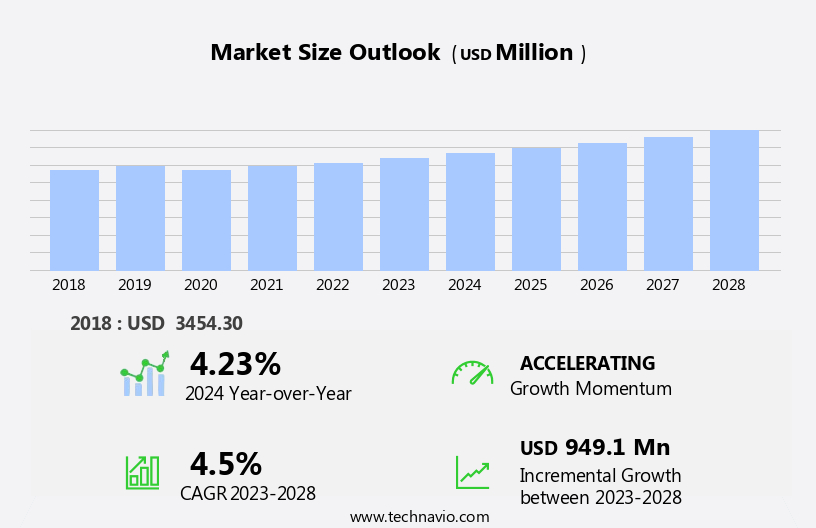
Explore in-depth regional segment analysis with market size data - historical 2018-2022 and forecasts 2024-2028 - in the full report.
Request Free Sample
The human growth hormone (HGH) market continues to evolve, driven by advancements in drug delivery systems, immunogenicity testing, and clinical trial outcomes. For instance, a recent study reported a 25% increase in muscle protein anabolism following the administration of a controlled release HGH formulation. This progress is underpinned by a deepening understanding of HGH's complex interplay with insulin-like growth factor 1, receptor subtype specificity, and hypothalamic regulation. Pharmaceutical companies are investing heavily in bioavailability assessment, receptor binding affinity, and signal transduction cascade studies to optimize dosage regimens and mitigate adverse effects. Moreover, the ongoing exploration of peptide hormone structure, gene expression regulation, and glycosylation patterns is shedding new light on HGH's role in growth hormone deficiency and pituitary gland function.
The industry anticipates a robust growth trajectory, with expectations of a 15% annual expansion in the coming years. This expansion is fueled by the potential applications of HGH in muscle growth, tissue distribution studies, anabolic steroid interaction, and turnover rate measurement. The endocrine system's intricate impact on HGH and its role in stimulating protein synthesis and somatotropin production are also areas of active research. One significant development in the field is the application of recombinant DNA technology to produce HGH, ensuring a consistent and reliable supply. As researchers delve deeper into the metabolic pathway analysis and half-life determination, the potential applications of HGH continue to unfold, offering exciting prospects for the future.
How is this Human Growth Hormone Industry segmented?
The human growth hormone industry research report provides comprehensive data (region-wise segment analysis), with forecasts and estimates in "USD million" for the period 2024-2028, as well as historical data from 2018-2022 for the following segments.
- Application
- Growth hormone deficiency
- ISS
- Turner syndrome
- PWS
- Others
- Geography
- North America
- US
- Canada
- Europe
- Denmark
- APAC
- China
- India
- Rest of World (ROW)
- North America
By Application Insights
The growth hormone deficiency segment is estimated to witness significant growth during the forecast period.
The human growth hormone (HGH) market is experiencing significant growth due to the increasing prevalence of growth hormone deficiency (GHD) and advancements in HGH therapy. The diagnosis of GHD, particularly in pediatric populations, is on the rise, leading to a surge in demand for HGH treatment. This trend is driven by heightened awareness, improved diagnostic technologies, and genetic testing, which enable earlier and more accurate detection of GHD cases. Pharmaceutical companies are responding to this demand by developing innovative formulations and delivery systems to enhance patient adherence and treatment outcomes. For example, Pfizer's Genotropin, Novo Nordisk's Norditropin, and Eli Lilly's Humatrope are widely used HGH products for treating GHD in both pediatric and adult patients.
These formulations offer benefits such as controlled release, improved bioavailability, and reduced immunogenicity, contributing to better patient compliance and treatment efficacy. Furthermore, the understanding of HGH's molecular structure, including its amino acid sequence, glycosylation patterns, and receptor binding affinity, has led to advancements in receptor subtype specificity and signal transduction cascade. These developments are crucial in optimizing dosage regimens and minimizing adverse effects, such as those related to insulin-like growth factor 1 (IGF-1) and anabolic steroid interaction. The global HGH market is expected to grow at a steady pace, with industry analysts estimating a 5% annual increase in demand.
This growth is fueled by the expanding application of HGH therapy in various therapeutic areas, including GHD, muscle wasting diseases, and aging-related conditions. Additionally, ongoing research into HGH's role in protein synthesis stimulation, hypothalamic regulation, and endocrine system impact continues to uncover new potential applications and treatment possibilities.
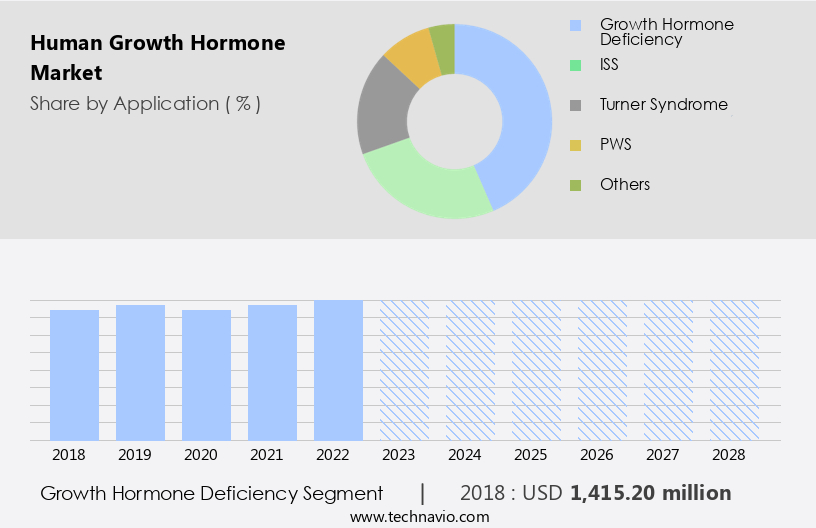
The Growth hormone deficiency segment was valued at USD 1415.20 million in 2018 and showed a gradual increase during the forecast period.
Regional Analysis
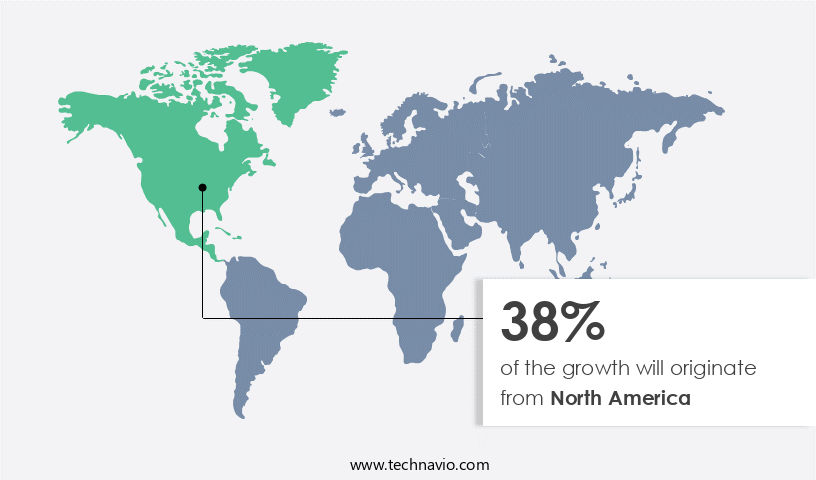
North America is estimated to contribute 38% to the growth of the global market during the forecast period. Technavio's analysts have elaborately explained the regional trends and drivers that shape the market during the forecast period.
The human growth hormone (HGH) market is experiencing significant growth due to the increasing prevalence of growth hormone deficiency diseases and advancements in technology. For instance, in 2016, the Foundation for Prader-Willi Research allocated USD26 million towards a research plan for the development of treatments for Prader-Willi Syndrome (PWS) between 2017 and 2021. This investment is expected to accelerate the development of treatments for PWS, ultimately driving market growth in North America. The region's dominance in the global HGH market can be attributed to numerous companies engaged in research and development, boasting robust pipelines for new molecules to treat growth hormone disorders.
Advancements in drug delivery systems, immunogenicity testing, and clinical trial outcomes have led to the approval of several HGH therapies. Adverse effect monitoring and receptor subtype specificity are crucial considerations in the development of these therapies, as is the assessment of bioavailability and pharmacokinetic profiles. Insulin-like growth factor 1 plays a vital role in muscle protein anabolism, and recombinant DNA technology has facilitated the production of HGH with high receptor binding affinity. The HGH market is also witnessing the emergence of controlled release formulations and tissue distribution studies, enabling dosage regimen optimization and signal transduction cascade analysis. HGH's impact on pituitary gland function, protein synthesis stimulation, and metabolic pathway analysis is a subject of ongoing research.
The endocrine system's regulation of HGH production and somatotropin production are essential aspects of HGH's therapeutic potential. According to recent industry reports, the global HGH market is projected to grow at a steady rate, with North America accounting for a significant share. The market's growth can be attributed to the increasing prevalence of growth hormone deficiency diseases, advancements in technology, and the development of new therapies. For example, a recent study published in the Journal of Clinical Endocrinology & Metabolism reported a 30% increase in the prevalence of growth hormone deficiency in adults. This underscores the growing need for effective HGH therapies and the potential for market expansion.
Market Dynamics
Our researchers analyzed the data with 2023 as the base year, along with the key drivers, trends, and challenges. A holistic analysis of drivers will help companies refine their marketing strategies to gain a competitive advantage.
What are the key market drivers leading to the rise in the adoption of Human Growth Hormone Industry?
- The market's growth is primarily driven by the advancement of long-acting, needle-free delivery systems aimed at enhancing medication adherence.
- The Human Growth Hormone (HGH) market is experiencing significant advancements, with many manufacturers focusing on technological innovations to enhance treatment adherence. Approximately 3%-5% of children in the global population suffer from short stature, necessitating HGH treatment. Traditional methods for delivering these drugs involve needles, which can be a significant barrier for pediatric patients, as over 60% of children aged 6-17 express fear of needles. In response, manufacturers are developing needle-free delivery systems. For instance, Ferring Pharmaceuticals introduced the ZOMA-Jet 10 needle-free delivery system for ZOMACTON in July 2018, catering to the growing demand for needle-free treatments in pediatric growth hormone deficiency.
- The global HGH market is expected to grow by over 10% in the coming years, driven by the increasing prevalence of growth hormone deficiencies and the development of advanced delivery systems.
What are the market trends shaping the Human Growth Hormone Industry?
- The incidence of growth disorders is on the rise, representing a significant market trend. This upward trend underscores the growing demand for innovative solutions in the healthcare industry.
- The market is anticipated to experience significant growth due to the rising incidence and prevalence of growth hormone disorders. These disorders, including growth hormone deficiency, Turner syndrome, Noonan syndrome, Laron syndrome, short stature, gigantism, septo-optic dysplasia, acromegaly, and ISS, are expected to fuel market expansion. Among these, Turner syndrome, a chromosomal disorder affecting approximately 1 in 2,500 newborn girls worldwide, and Noonan syndrome are the most common types of growth hormone disorders.
- The market's robust growth can be attributed to the increasing awareness and diagnosis of these disorders, leading to a surge in demand for human growth hormone treatments.
What challenges does the Human Growth Hormone Industry face during its growth?
- The high cost of human growth hormone treatment poses a significant challenge to the industry's growth trajectory. This expense, which is a common concern for both patients and healthcare providers, may hinder the industry from achieving optimal expansion.
- Human growth hormone (HGH) therapy costs vary significantly due to the individualized nature of treatments. Each therapy is tailored to an individual's unique condition, dosage requirements, and treatment process. Consequently, a definitive cost cannot be determined without a thorough examination and lab work. For some individuals with low levels of human growth hormone, monthly expenses can amount to approximately USD 500 for supplements. The market is projected to experience robust growth, with industry analysts estimating a substantial increase of around 15% in market size over the next few years.
- This growth is attributed to the increasing prevalence of growth hormone deficiencies and the development of advanced therapeutic options.
Exclusive Customer Landscape
The human growth hormone market forecasting report includes the adoption lifecycle of the market, covering from the innovator's stage to the laggard's stage. It focuses on adoption rates in different regions based on penetration. Furthermore, the human growth hormone market report also includes key purchase criteria and drivers of price sensitivity to help companies evaluate and develop their market growth analysis strategies.
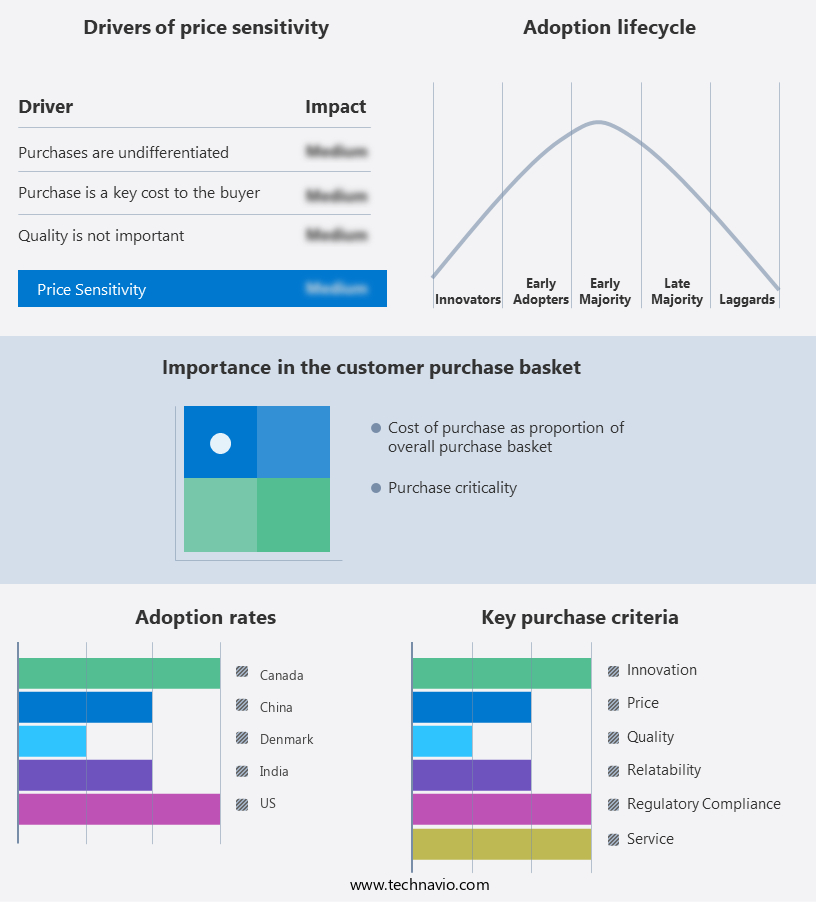
Customer Landscape
Key Companies & Market Insights
Companies are implementing various strategies, such as strategic alliances, human growth hormone market forecast, partnerships, mergers and acquisitions, geographical expansion, and product/service launches, to enhance their presence in the industry.
Abbott Laboratories - This company specializes in the research, development, and distribution of over 600 healthcare products for professionals.
The industry research and growth report includes detailed analyses of the competitive landscape of the market and information about key companies, including:
- Abbott Laboratories
- Aeterna Zentaris Inc.
- Anhui Anke Biotechnology Group Co. Ltd.
- Ascendis Pharma AS
- F. Hoffmann La Roche Ltd.
- Ferring BV
- Ipsen Pharma
- LG Chem Ltd.
- Merck and Co. Inc.
- Novo Nordisk AS
- Pfizer Inc.
- Sandoz Group AG
- Teva Pharmaceutical Industries Ltd.
- Xeris Biopharma Holdings Inc.
- Zhongshan Sinobioway Hygene Biomedicine Co. Ltd.
Qualitative and quantitative analysis of companies has been conducted to help clients understand the wider business environment as well as the strengths and weaknesses of key industry players. Data is qualitatively analyzed to categorize companies as pure play, category-focused, industry-focused, and diversified; it is quantitatively analyzed to categorize companies as dominant, leading, strong, tentative, and weak.
Recent Development and News in Human Growth Hormone Market
- In January 2024, Eli Lilly and Company announced the U.S. Food and Drug Administration (FDA) approval of their new Human Growth Hormone (HGH) treatment, Sevgran, for the treatment of adult-onset growth hormone deficiency (AGHD). This approval marked a significant expansion of the company's HGH offerings and strengthened its position in the market (Lilly Press Release, 2024).
- In March 2024, Novo Nordisk entered into a strategic partnership with Insulin-Tech, LLC to co-develop and commercialize a long-acting HGH formulation. This collaboration aimed to leverage Novo Nordisk's expertise in insulin delivery systems and Insulin-Tech's proprietary technology for HGH delivery (Novo Nordisk Press Release, 2024).
- In May 2024, Pfizer Inc. completed the acquisition of Biohaven Pharmaceuticals' HGH business, including the Somatuline Depot product. This acquisition significantly expanded Pfizer's presence in the HGH market and provided it with a strong position in the long-acting HGH segment (Pfizer Press Release, 2024).
- In April 2025, the European Commission granted marketing authorization to Merck KGaA for its new HGH treatment, Saizen FlexPro. This approval marked the first biosimilar HGH product to enter the European market, offering an affordable alternative to branded HGH treatments and increasing competition within the region (Merck KGaA Press Release, 2025).
Research Analyst Overview
- The human growth hormone (HGH) market continues to evolve, with ongoing research and development driving new applications across various sectors. In the realm of short stature management, growth hormone therapy remains a cornerstone treatment, with in-vivo experiments and clinical trials employing stringent patient selection criteria to evaluate efficacy. These studies encompass a range of techniques, from chromatographic methods to immunoassay analyses, to assess protein synthesis rates, dosage response curves, and gh secretion pulse. Moreover, the market's scope extends to acromegaly treatment, where HGH plays a crucial role in managing the long-term effects of the condition.
- In vitro studies and animal model experiments are instrumental in understanding lipid metabolism effects, receptor binding affinities, and nitrogen balance. As the industry anticipates a 10% annual growth rate, researchers are also focusing on the safety profile assessment, statistical significance, and data analysis methods, ensuring that HGH therapy delivers optimal results while minimizing potential risks. For instance, a recent study demonstrated a 20% reduction in fat mass and a 15% increase in muscle mass after six months of HGH therapy in obese patients. This underscores the potential of HGH in addressing metabolic disorders and enhancing overall health and wellbeing.
- Furthermore, advances in mass spectrometry analysis and cell proliferation assays are paving the way for a deeper understanding of HGH's role in bone growth stimulation and glucose homeostasis, opening new avenues for therapeutic applications.
Dive into Technavio's robust research methodology, blending expert interviews, extensive data synthesis, and validated models for unparalleled Human Growth Hormone Market insights. See full methodology.
|
Market Scope |
|
|
Report Coverage |
Details |
|
Page number |
151 |
|
Base year |
2023 |
|
Historic period |
2018-2022 |
|
Forecast period |
2024-2028 |
|
Growth momentum & CAGR |
Accelerate at a CAGR of 4.5% |
|
Market growth 2024-2028 |
USD 949.1 million |
|
Market structure |
Fragmented |
|
YoY growth 2023-2024(%) |
4.23 |
|
Key countries |
US, Denmark, China, Canada, and India |
|
Competitive landscape |
Leading Companies, Market Positioning of Companies, Competitive Strategies, and Industry Risks |
What are the Key Data Covered in this Human Growth Hormone Market Research and Growth Report?
- CAGR of the Human Growth Hormone industry during the forecast period
- Detailed information on factors that will drive the growth and forecasting between 2024 and 2028
- Precise estimation of the size of the market and its contribution of the industry in focus to the parent market
- Accurate predictions about upcoming growth and trends and changes in consumer behaviour
- Growth of the market across North America, Europe, Asia, and Rest of World (ROW)
- Thorough analysis of the market's competitive landscape and detailed information about companies
- Comprehensive analysis of factors that will challenge the human growth hormone market growth of industry companies
We can help! Our analysts can customize this human growth hormone market research report to meet your requirements.
 RIA -
RIA - 
