



Hyperkalemia Drugs Market Size 2024-2028
The hyperkalemia drugs market size is forecast to increase by USD 927.9 million at a CAGR of 20.62% between 2023 and 2028.
- The market is experiencing significant growth due to the rising prevalence of chronic diseases, particularly in North America and Europe. Chronic kidney disease and heart failure are among the leading causes of hyperkalemia, a condition characterized by high potassium levels In the blood. Poor diagnosis and the increasing use of patient assistance programs are also driving market growth. However, challenges such as the availability of generic drugs and potential side effects of hyperkalemia treatments remain key concerns for market participants. Effective marketing strategies and collaborations between market players and healthcare providers are essential for market success. The market is expected to continue its growth trajectory, offering opportunities for new entrants and established players alike.
What will be the Size of the Hyperkalemia Drugs Market During the Forecast Period?
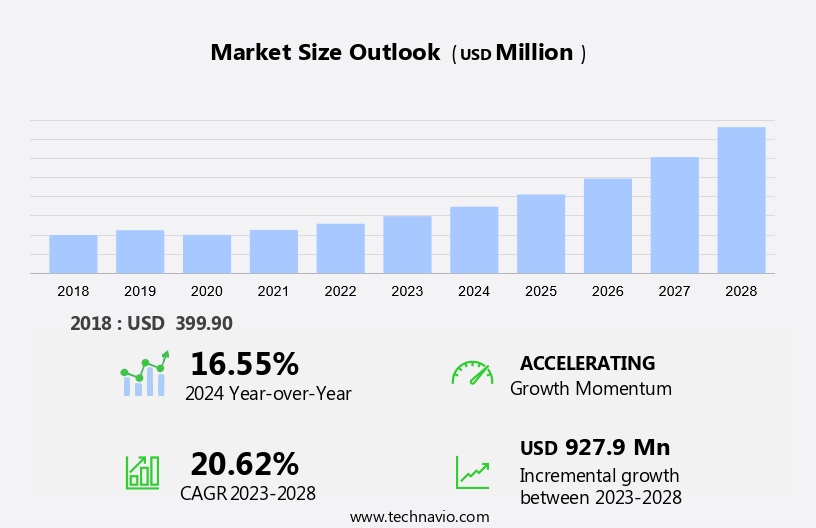
- The market caters to the growing demand for treatments addressing potassium imbalances, specifically elevated potassium levels, which can lead to various health complications. Hyperkalemia, a blood condition, is a significant concern for individuals with chronic kidney disease, congestive heart failure, and other conditions that impact potassium homeostasis. Risk factors, such as the aging population, comorbidities, and certain medications, contribute to the market's expansion. Development in this market is driven by strategic alliances, advances in treatment options for chronic hyperkalemia, and the increasing healthcare costs associated with emergency department visits due to potassium imbalances.
- Customer purchase basket analysis indicates that adoption rates are influenced by various factors, including patient assistance programs, healthcare provider recommendations, and purchase criteria such as cost and efficacy. As the prevalence of potassium imbalances continues to rise, the market for hyperkalemia drugs is expected to remain a vital segment within the healthcare industry.
How is this Hyperkalemia Drugs Industry segmented and which is the largest segment?
The hyperkalemia drugs industry research report provides comprehensive data (region-wise segment analysis), with forecasts and estimates in "USD million" for the period 2024-2028, as well as historical data from 2018-2022 for the following segments.
- Type
- Chronic hyperkalemia
- Acute hyperkalemia
- Geography
- North America
- Canada
- US
- Europe
- Germany
- UK
- France
- Asia
- Rest of World (ROW)
- North America
By Type Insights
- The chronic hyperkalemia segment is estimated to witness significant growth during the forecast period.
The market is primarily driven by the chronic hyperkalemia segment, accounting for approximately 80% of all cases. Factors contributing to its growth include the increasing prevalence and recurring nature of chronic hyperkalemia. Although most cases are non-life-threatening, the recurring nature increases the risk of high potassium levels In the blood serum. Pharmaceutical companies have shown significant interest in developing drugs for chronic hyperkalemia treatment, with all approved therapies catering to this indication. Notable market growth is expected from novel drugs like Veltassa by Vifor Pharma. The market expansion is influenced by increasing healthcare costs, frequent emergency department visits, and an aging population with comorbidities such as chronic kidney disease and congestive heart failure. Potassium imbalances, potassium control, or electrolyte issues are common in individuals with chronic kidney disease and congestive heart failure, as the body's ability to maintain potassium homeostasis is compromised.
Moreover, treatment options include rapid and sustained treatments, with medications like Lokelma from ZS Pharma and Vifor Pharma's Veltassa being popular choices. Despite the high cost of medications, price sensitivity remains a crucial factor influencing customer purchase decisions. The market's lifecycle, customer landscape, and adoption rates are shaped by purchase criteria, including patient needs, healthcare providers' preferences, and healthcare policies.
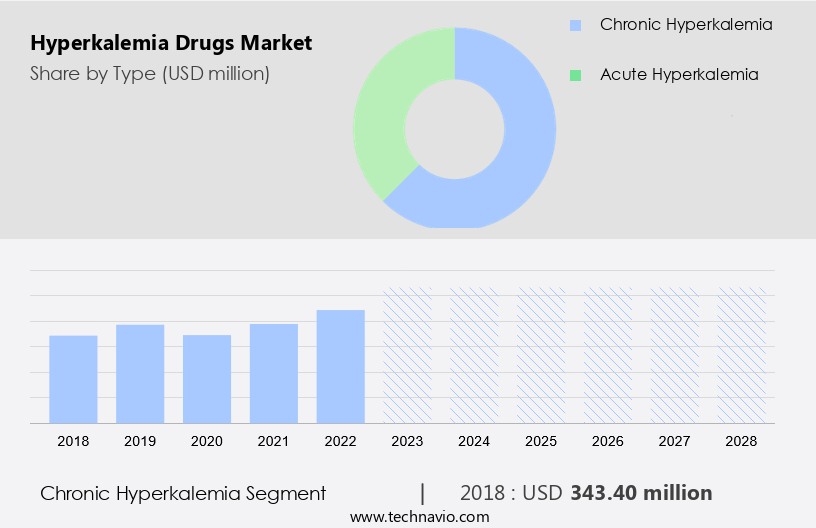
Get a glance at the Hyperkalemia Drugs Industry report of share of various segments Request Free Sample
The chronic hyperkalemia segment was valued at USD 343.40 million in 2018 and showed a gradual increase during the forecast period.
Regional Analysis
- North America is estimated to contribute 37% to the growth of the global market during the forecast period.
Technavio's analysts have elaborately explained the regional trends and drivers that shape the market during the forecast period.
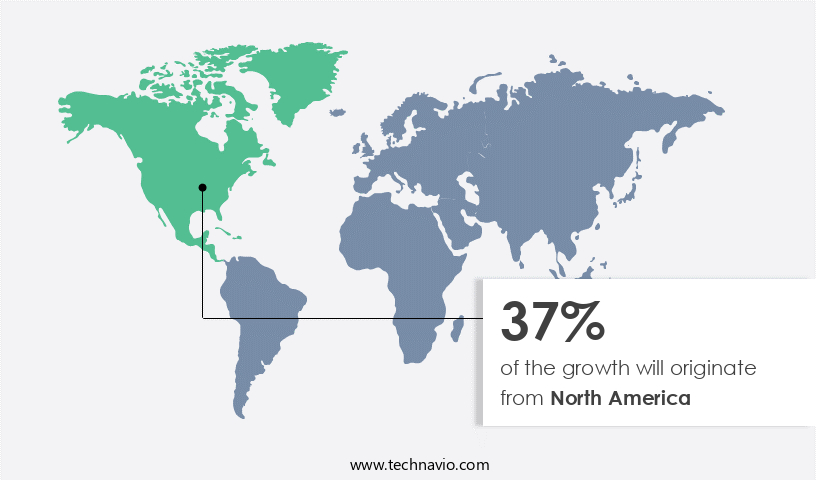
For more insights on the market share of various regions, Request Free Sample
The market in North America is expected to maintain its dominance due to the high prevalence of chronic diseases such as chronic kidney disease and congestive heart failure. These conditions are major risk factors for hyperkalemia, a condition characterized by elevated potassium levels In the blood. The presence of key market players In the US, a significant contributor to the region's healthcare expenditures, is driving market growth. The aging population and increasing comorbidities are further fueling the demand for hyperkalemia treatments.
In the US, emergency department visits due to hyperkalemia are common, leading to increased healthcare costs. The market is characterized by price sensitivity, a large customer landscape, and varying adoption rates influenced by purchase criteria. The prevalence of hyperkalemia, particularly In the context of chronic diseases, is a significant market driver. Patient assistance programs are also playing an essential role in increasing access to these treatments.
Market Dynamics
Our researchers analyzed the data with 2023 as the base year, along with the key drivers, trends, and challenges. A holistic analysis of drivers will help companies refine their marketing strategies to gain a competitive advantage.
What are the key market drivers leading to the rise In the adoption of Hyperkalemia Drugs Industry?
Growing cases of chronic diseases are the key drivers of the market.
- The market is experiencing significant growth due to the increasing prevalence of chronic diseases, particularly chronic kidney diseases and cardiovascular disorders. Chronic kidney diseases, a leading cause of hyperkalemia, affect over 15% of the adult population In the US, or approximately 37 million people, according to the Centers for Disease Control and Prevention (CDC). Hyperkalemia, or elevated potassium levels, can lead to serious health complications, including cardiac arrest and heart failure. Chronic kidney diseases impair the kidneys' ability to excrete potassium, increasing the risk of hyperkalemia. As kidney function declines, the risk of acute hyperkalemia becomes more significant. Comorbidities such as diabetes and hypertension further exacerbate this risk. The market dynamics for Hyperkalemia Drugs are influenced by various factors, including the aging population, healthcare costs, and customer landscape. The high prevalence of chronic diseases, coupled with the need for rapid and sustained treatment, has led to the development of several therapeutic options.
- Patient assistance programs are also available to help manage the cost of these medications for patients. The market's growth is driven by the increasing number of emergency department visits due to hyperkalemia and the need for effective treatment options. The market is expected to continue growing, with adoption rates influenced by customer purchase criteria and price sensitivity. In summary, the market is experiencing growth due to the increasing prevalence of chronic diseases and the need for effective treatment options. The market dynamics are influenced by various factors, including the aging population, healthcare costs, and customer landscape.
What are the market trends shaping the Hyperkalemia Drugs Industry?
Patient assistance programs are the upcoming market trend.
- Hyperkalemia, a condition characterized by elevated potassium levels In the blood, can lead to various health complications, including cardiac arrest and heart failure. Potassium imbalances, or electrolyte issues, can result from chronic kidney disease, congestive heart failure, and other chronic diseases. Risk factors for hyperkalemia include aging population and comorbidities. The market is witnessing development through strategic alliances and the introduction of new therapeutics. Chronic hyperkalemia, a long-term condition, requires both rapid and sustained treatment. Medications like Vifor Pharma's Veltassa and ZS Pharma's Lokelma have shown higher efficacy in treating hyperkalemia. However, their high cost is a concern for many patients. The customer landscape for hyperkalemia drugs is diverse, with varying purchase criteria and price sensitivity. Patient assistance programs play a crucial role in making these medications more accessible and affordable for patients.
- For instance, the Patient Access Network Foundation helps underinsured patients with chronic diseases, including hyperkalemia, to access medications at lower costs. The prevalence of hyperkalemia is increasing due to the growing number of chronic diseases, such as diabetes, cardiovascular diseases, and renal diseases. The healthcare costs associated with hyperkalemia and its complications are significant, leading to an increased number of emergency department visits. The lifecycle of hyperkalemia drugs includes various stages, from development to customer purchase basket adoption rates. Understanding the customer purchase basket and adoption rates is essential for market players to optimize their strategies and improve patient outcomes. Investors can monitor the share price of companies involved In the market on various stock exchanges and crypto-asset exchanges. For instance, Investopedia provides comprehensive information on stocks and their performance. Keeping abreast of market trends and developments is crucial for investors to make informed decisions.
What challenges does the Hyperkalemia Drugs Industry face during its growth?
Poor diagnosis is a key challenge affecting the industry's growth.
- Hyperkalemia, a condition characterized by elevated potassium levels In the blood, can be asymptomatic in its early stages but may lead to serious health complications if left untreated. Potassium imbalances, or electrolyte issues, can disrupt potassium homeostasis and contribute to various health conditions such as chronic kidney disease and congestive heart failure. The risk factors for hyperkalemia include chronic diseases like diabetes, renal diseases, and metabolic diseases, as well as the aging population and comorbidities. The development of drugs for hyperkalemia has seen strategic alliances and collaborations among pharmaceutical companies. Moreover, the absence of advanced diagnostic methods for hyperkalemia contributes to the delayed identification of the condition.
- The prevalence of hyperkalemia is increasing due to the growing burden of chronic diseases and an aging population. The high healthcare costs associated with emergency department visits and hospitalizations due to hyperkalemia have driven the need for rapid and sustained treatment options. Customer landscape, purchase criteria, and adoption rates are crucial factors influencing the market dynamics of hyperkalemia drugs. Price sensitivity and the availability of patient assistance programs are also essential considerations for patients and healthcare providers.
- Thus, some of the leading drugs used for the treatment of hyperkalemia include RAAS inhibitors, medications used for cardiovascular diseases and renal diseases, and diuretics. The lifecycle of these drugs, customer purchase basket, and adoption rates are critical factors impacting the market growth. Investors can keep track of the latest trends and developments In the market through various financial platforms such as the Stock Exchange, Investopedia, and crypto-asset exchanges. The market for hyperkalemia drugs is expected to grow significantly due to the increasing prevalence of the condition and the need for effective treatment options.
Exclusive Customer Landscape
The hyperkalemia drugs market forecasting report includes the adoption lifecycle of the market, market growth and forecasting, covering from the innovator's stage to the laggard's stage. It focuses on adoption rates in different regions based on penetration. Furthermore, the hyperkalemia drugs market report also includes key purchase criteria and drivers of price sensitivity to help companies evaluate and develop their market growth analysis strategies.
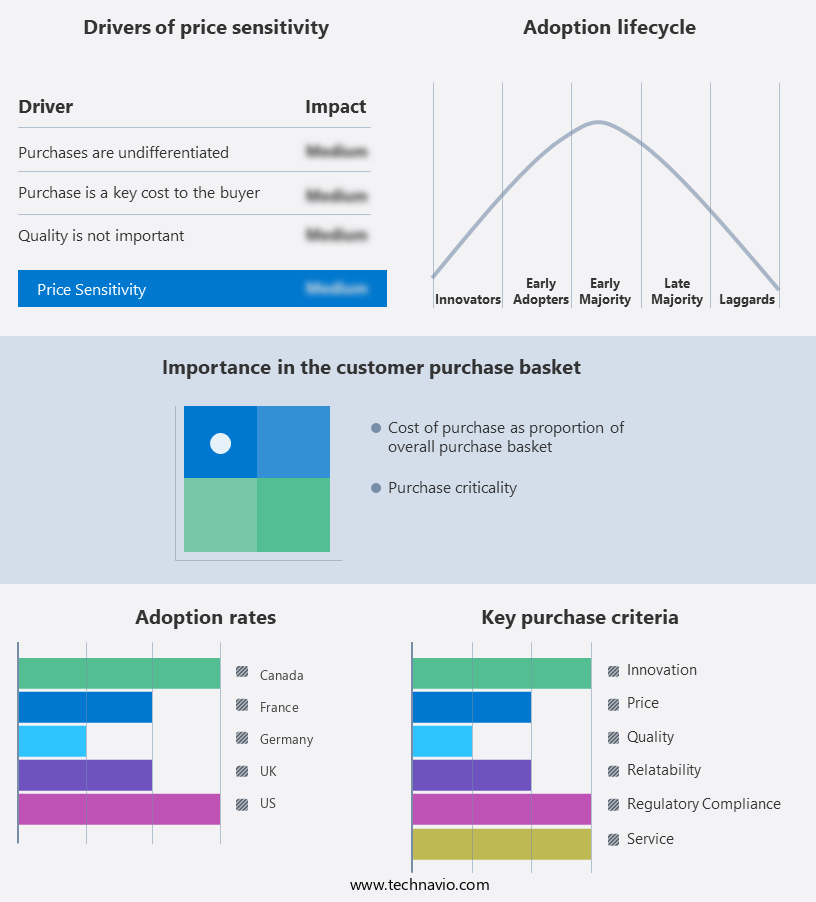
Customer Landscape
Key Companies & Market Insights
Companies are implementing various strategies, such as strategic alliances, hyperkalemia drugs market forecast, partnerships, mergers and acquisitions, geographical expansion, and product/service launches, to enhance their presence In the industry.
The industry research and growth report includes detailed analyses of the competitive landscape of the market and information about key companies, including:
- AdvaCare Pharma
- Ardelyx Inc.
- AstraZeneca Plc
- CMP Pharma Inc.
- CytoSorbents Corp.
- KVK Tech Inc.
- LEXINE TECHNOCHEM PRIVATE LTD.
- Odan Laboratories Ltd.
- Pfizer Inc.
- Sanofi SA
- Steadfast MediShield Pvt. Ltd.
- Valens Pharmachem Private Limited
- Vifor Pharma Management Ltd.
- Zeria Pharmaceutical Co. Ltd.
- Zydus Lifesciences Ltd.
Qualitative and quantitative analysis of companies has been conducted to help clients understand the wider business environment as well as the strengths and weaknesses of key industry players. Data is qualitatively analyzed to categorize companies as pure play, category-focused, industry-focused, and diversified; it is quantitatively analyzed to categorize companies as dominant, leading, strong, tentative, and weak.
Research Analyst Overview
Hyperkalemia, a condition characterized by elevated potassium levels In the blood, can lead to various health complications, particularly in individuals with chronic kidney disease, congestive heart failure, and other chronic diseases. The prevalence of hyperkalemia is on the rise due to an aging population and the increasing prevalence of comorbidities. Potassium homeostasis is crucial for maintaining proper cardiac and muscular function. Imbalances in potassium levels can result in serious health consequences, including cardiac arrest and heart failure. Chronic hyperkalemia can lead to increased healthcare costs due to frequent emergency department visits and hospitalizations. The market for hyperkalemia drugs is expected to experience significant growth due to the increasing prevalence of chronic diseases and the need for effective treatment options. Developments In the therapeutics space include the emergence of rapid treatment and sustained treatment medications. Strategic alliances and collaborations are common In the market as companies seek to expand their product offerings and reach a larger customer base.
Additionally, advances in medicines development have led to the introduction of new drugs, such as Lokelma from ZS Pharma and Vifor Pharma's Veltassa, which offer effective treatment for hyperkalemia. The customer landscape for hyperkalemia drugs is diverse, with price sensitivity being a key factor in purchase decisions. The lifecycle of these drugs varies, with some offering short-term relief and others providing long-term management of the condition. The customer purchase basket for hyperkalemia drugs may also include medications for comorbidities, such as cardiovascular diseases, renal diseases, and metabolic diseases. Patient assistance programs play an essential role in increasing access to hyperkalemia drugs for patients who may not be able to afford them. These programs offer financial assistance, educational resources, and other support services to help patients manage their condition. The market for hyperkalemia drugs is dynamic, with ongoing research and development efforts aimed at improving treatment options and outcomes. The therapeutics space is also influenced by various market trends, including the aging population, rising healthcare costs, and the increasing prevalence of chronic diseases.
In summary, the market is poised for significant growth due to the increasing prevalence of chronic diseases and the need for effective treatment options. The market is characterized by a diverse customer landscape, strategic alliances, and ongoing research and development efforts. Effective management of hyperkalemia is crucial for maintaining cardiac and muscular function and reducing healthcare costs associated with complications of the condition.
|
Market Scope |
|
|
Report Coverage |
Details |
|
Page number |
139 |
|
Base year |
2023 |
|
Historic period |
2018-2022 |
|
Forecast period |
2024-2028 |
|
Growth momentum & CAGR |
Accelerate at a CAGR of 20.62% |
|
Market growth 2024-2028 |
USD 927.9 million |
|
Market structure |
Fragmented |
|
YoY growth 2023-2024(%) |
16.55 |
|
Key countries |
US, Germany, Canada, France, and UK |
|
Competitive landscape |
Leading Companies, Market Positioning of Companies, Competitive Strategies, and Industry Risks |
What are the Key Data Covered in this Hyperkalemia Drugs Market Research and Growth Report?
- CAGR of the Hyperkalemia Drugs industry during the forecast period
- Detailed information on factors that will drive the growth and forecasting between 2024 and 2028
- Precise estimation of the size of the market and its contribution of the industry in focus to the parent market
- Accurate predictions about upcoming growth and trends and changes in consumer behaviour
- Growth of the market across North America, Europe, Asia, and Rest of World (ROW)
- Thorough analysis of the market's competitive landscape and detailed information about companies
- Comprehensive analysis of factors that will challenge the hyperkalemia drugs market growth of industry companies
We can help! Our analysts can customize this hyperkalemia drugs market research report to meet your requirements.
 RIA -
RIA - 
