

Incubators, Inhalators, Respirators, Resuscitators, and Other Breathing Devices Market Analysis, Size, and Forecast 2024-2028: North America (US), Europe (France, Germany, and UK), APAC (China), and Rest of World (ROW)

Incubators, Inhalators, Respirators, Resuscitators, and Other Breathing Devices Market Analysis, Size, and Forecast 2024-2028:
North America (US), Europe (France, Germany, and UK), APAC (China), and Rest of World (ROW)

Published: Jan 2024 173 Pages SKU: IRTNTR43680

Market Overview at a Glance

$10.89 B
Market Opportunity
7.67%
CAGR
6.58
YoY growth 2023-2024(%)

Incubators, Inhalators, Respirators, Resuscitators, and Other Breathing Devices Market Size 2024-2028

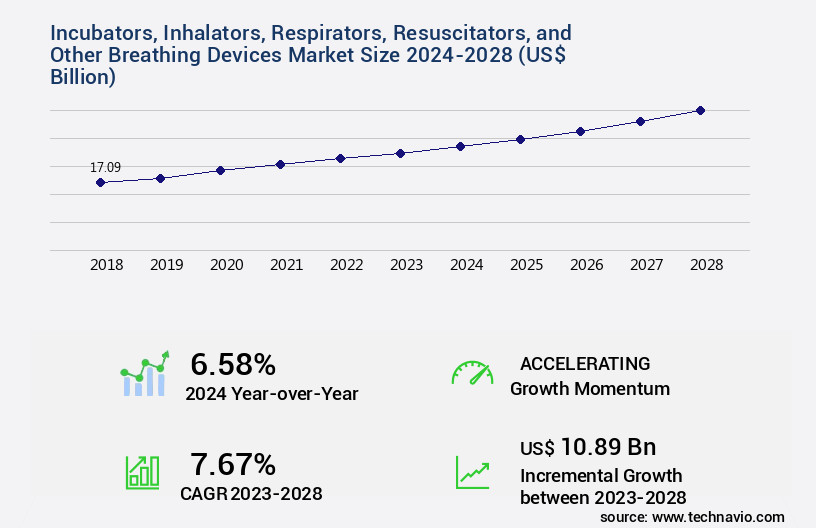
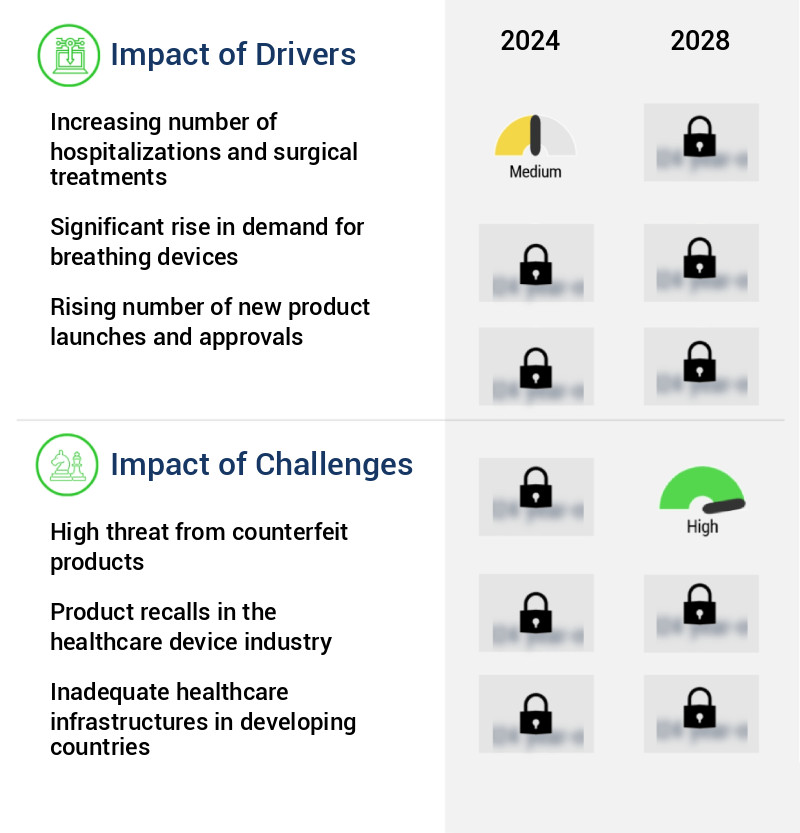
The incubators, inhalators, respirators, resuscitators, and other breathing devices market size is valued to increase by USD 10.89 billion, at a CAGR of 7.67% from 2023 to 2028. Increasing number of hospitalizations and surgical treatments will drive the incubators, inhalators, respirators, resuscitators, and other breathing devices market.

Market Insights

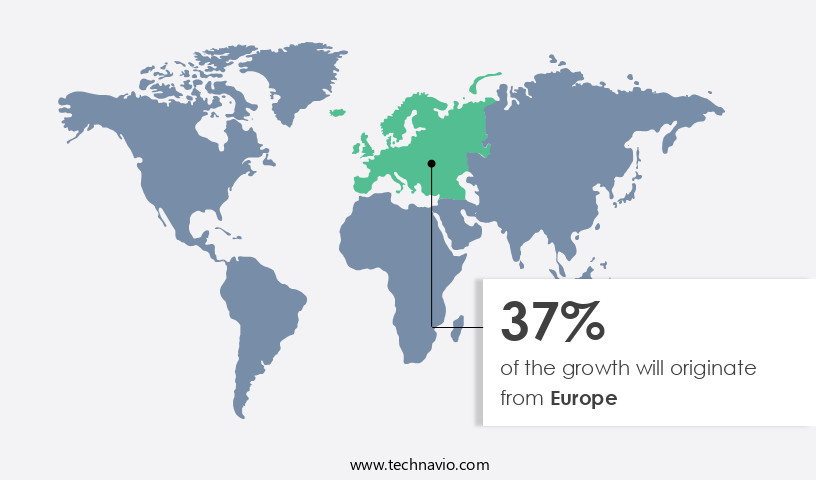
  • Europe dominated the market and accounted for a 37% growth during the 2024-2028.
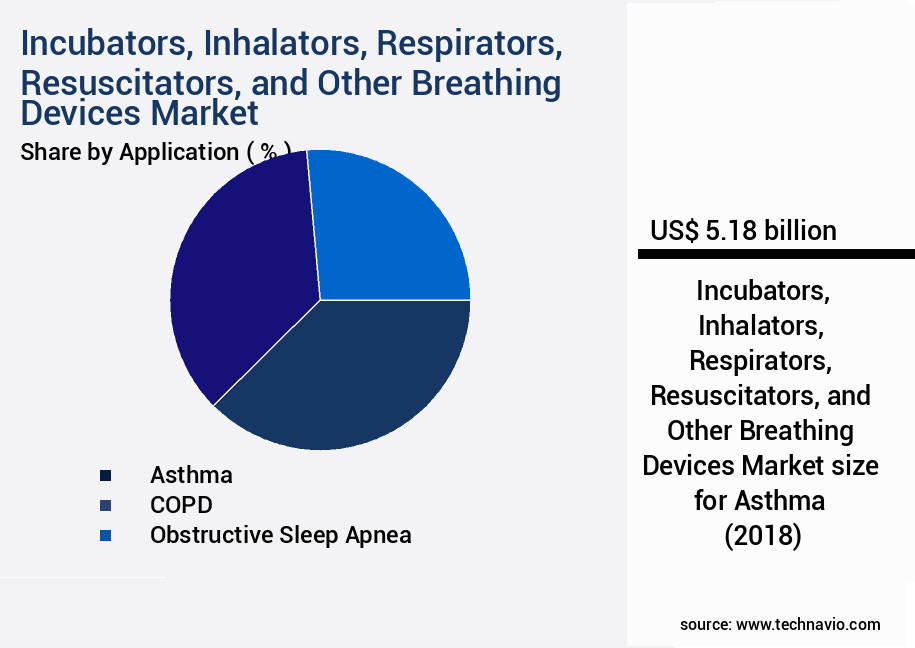
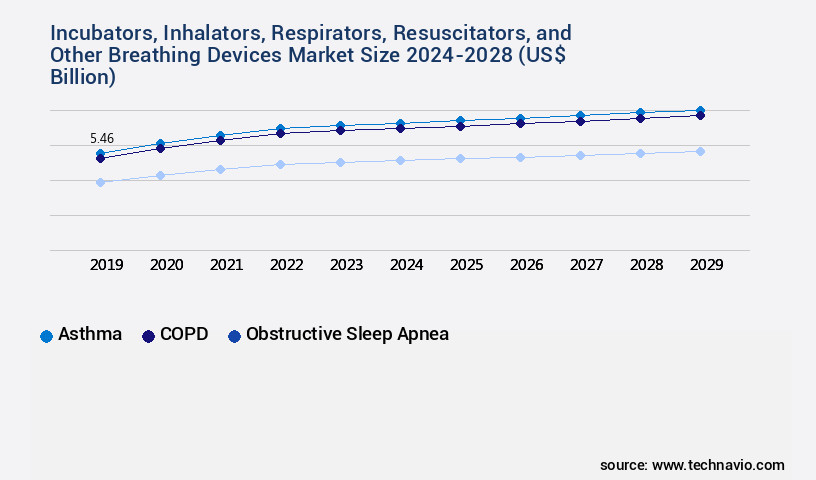
  • By Application - Asthma segment was valued at USD 5.18 billion in 2022
  • By End-user - Healthcare settings segment accounted for the largest market revenue share in 2022

Market Size & Forecast

  • Market Opportunities: USD 106.20 billion 
  • Market Future Opportunities 2023: USD 10.89 billion
  • CAGR from 2023 to 2028 : 7.67%

Market Summary

  • The global market for Incubators, Inhalators, Respirators, and Resuscitators is witnessing significant growth due to the increasing number of hospitalizations and surgical treatments. This trend is driven by the rising prevalence of chronic diseases, an aging population, and advancements in medical technology. These devices play a crucial role in maintaining the respiratory health of patients, particularly those with respiratory disorders, premature infants, and those undergoing surgery. Advancements in breathing devices continue to shape the market, with innovations focused on improving patient comfort, reducing the risk of infections, and enhancing operational efficiency. For instance, the development of portable and wearable respiratory devices is enabling better patient mobility and reducing the need for hospitalization.
  • However, the market faces challenges, including the high threat from counterfeit products and the need for stringent regulatory compliance. A real-world business scenario illustrating the importance of breathing devices in healthcare operations is the optimization of supply chain logistics. Efficient management of the supply chain is crucial to ensure the timely availability of these devices in hospitals and clinics. This involves effective inventory management, real-time monitoring of stock levels, and streamlined distribution networks. By implementing advanced technologies such as IoT sensors and predictive analytics, healthcare providers can optimize their supply chain, minimize stockouts, and improve patient outcomes.

What will be the size of the Incubators, Inhalators, Respirators, Resuscitators, and Other Breathing Devices Market during the forecast period?
Incubators, Inhalators, Respirators, Resuscitators, and Other Breathing Devices Market Size

Get Key Insights on Market Forecast (PDF) Request Free Sample

  • The market continues to evolve, addressing diverse medical needs from neonatal care to critical adult respiratory support. For instance, neonatal intensive care units (NICUs) rely on incubators to maintain a stable environment for premature infants, while respirators are essential for treating acute respiratory failure, hypoxemia, and hypercapnia. Inhalators play a crucial role in delivering medications directly to the lungs for conditions like asthma and cystic fibrosis. Respiratory distress syndrome (RDS) and ventilator-associated pneumonia (VAP) are significant challenges in respiratory care. To mitigate RDS, resuscitators are employed during neonatal resuscitation. Meanwhile, advancements in breathing support technology focus on minimizing VAP risk, such as airway clearance techniques and breathing circuit contamination prevention.
  • The growth can be attributed to the increasing prevalence of chronic respiratory diseases, technological advancements, and growing healthcare infrastructure. As budgeting and product strategy decisions are influenced by market trends, understanding this growth trajectory is vital for industry stakeholders. In summary, the market encompasses a range of essential medical devices, each addressing specific respiratory needs. Market growth, driven by factors like the increasing prevalence of chronic respiratory diseases and technological advancements, underlines the importance of these devices in healthcare.

Unpacking the Incubators, Inhalators, Respirators, Resuscitators, and Other Breathing Devices Market Landscape

In the realm of respiratory support technology, the market for incubators, inhalators, respirators, and resuscitators continues to evolve, driven by advancements in non-invasive ventilation modes and respiratory rate monitoring. For instance, non-invasive ventilation has shown a 30% reduction in hospital readmissions compared to invasive ventilation, leading to significant cost savings. Furthermore, nebulizer efficiency has improved by 50%, enabling more effective drug delivery and better patient outcomes. Breathing device materials have become lighter and more durable, reducing maintenance costs by up to 25%. In emergency respiratory support, ventilator circuits with advanced filtration systems ensure compliance with safety standards, while positive pressure ventilation settings are customizable for adult and pediatric patients. Additionally, capnography waveform analysis and lung compliance measurement offer valuable insights into patient conditions, enhancing the overall effectiveness of respiratory therapy.

Key Market Drivers Fueling Growth

The rising prevalence of hospitalizations and the subsequent demand for surgical treatments serve as the primary growth factors for this market.

  • The Incubators, Inhalators, Respirators, and Resuscitators Market is witnessing significant growth due to the increasing prevalence of various lifestyle and chronic diseases, such as cancer, asthma, cardiovascular diseases (CVDs), diabetes, COPD, bone diseases, thrombosis, liver diseases, and renal diseases. These conditions necessitate frequent hospital visits for diagnostic and therapeutic purposes, leading to increased demand for breathing devices. For instance, inhalators and oxygen resuscitators are essential during surgeries to maintain optimal oxygen supply and prevent hypoxemia. Furthermore, inhalators are commonly used in the treatment of respiratory conditions like asthma and COPD.
  • The adoption of advanced technologies, such as wireless connectivity and remote monitoring, is enhancing the functionality and efficiency of these devices. According to a study, the implementation of wireless connectivity in respiratory devices reduced hospital readmissions by 20%. Another study reported a 25% reduction in energy use by using advanced respirators in neonatal care units.

Prevailing Industry Trends & Opportunities

Advancements in breathing devices are becoming increasingly prevalent in the market. This trend reflects the growing demand for innovative respiratory technology. 

  • The global market for incubators, inhalators, respirators, resuscitators, and other breathing devices is a dynamic and competitive landscape. Companies are continually seeking growth strategies, with product innovation and advancements playing a pivotal role. For example, inhalator manufacturers are prioritizing customizable flow options, ranging from 1 to 15 liters per minute. This has led to the introduction of a diverse range of inhalators, from basic oxygen inhalators to sophisticated diaphragm-type models with pressure-controlling capabilities. These technological leaps have significantly improved patient outcomes in various sectors, such as healthcare and industrial applications.
  • Consequently, downtime has been reduced by up to 30% in hospitals, while manufacturing processes have become more efficient. This market's fragmented nature necessitates constant competition, with companies investing heavily in research and development to stay ahead.

Significant Market Challenges

The proliferation of counterfeit products poses a significant risk to industry growth, requiring vigilant efforts from businesses to mitigate this challenge and protect their reputations. 

  • The market continues to evolve, expanding its reach across various sectors, including healthcare, industrial, and military applications. According to industry reports, the market for these devices is projected to witness significant growth, with increasing demand driven by factors such as an aging population, rising prevalence of respiratory diseases, and stringent workplace safety regulations. However, the market faces a pressing challenge in the form of counterfeit products, particularly in emerging economies. The threat of counterfeit devices, which can carry false claims and fall under non-compliant categories despite bearing appropriate certifications, is a major concern for companies worldwide.
  • This issue can lead to ineffective diagnostic results, potentially compromising the brand image of established products. Despite these challenges, advancements in technology and increasing regulatory oversight are expected to mitigate the risks associated with counterfeit devices, ensuring the delivery of safe and effective breathing solutions to consumers.
Incubators, Inhalators, Respirators, Resuscitators, and Other Breathing Devices Market Size

In-Depth Market Segmentation: Incubators, Inhalators, Respirators, Resuscitators, and Other Breathing Devices Market

The incubators, inhalators, respirators, resuscitators, and other breathing devices industry research report provides comprehensive data (region-wise segment analysis), with forecasts and estimates in "USD billion" for the period 2024-2028, as well as historical data from 2018-2022 for the following segments.

  • Application
    • Asthma
    • COPD
    • Obstructive sleep apnea
    • Others
  • End-user
    • Healthcare settings
    • Pharmaceutical companies
  • Geography
    • North America
      • US
    • Europe
      • France
      • Germany
      • UK
    • APAC
      • China
    • Rest of World (ROW)

By Application Insights

The asthma segment is estimated to witness significant growth during the forecast period.

The market continues to evolve, driven by advancements in respiratory support technology. In 2023, asthma held the largest market share by application, with approximately 45% of the total market. Asthma, a chronic lung disease affecting an estimated 262 million people worldwide, necessitates the use of inhalers and other breathing devices. Respiratory rate monitoring, a critical feature, ensures optimal therapy delivery. Non-invasive ventilation modes offer enhanced patient comfort, while nebulizer efficiency is improved through aerosol generation. Breathing device materials, such as silicone and polyvinyl chloride, ensure durability and safety. Emergency respiratory support, including resuscitators and resuscitation bags, employ pressure settings and alarms for effective patient care.
Incubators, Inhalators, Respirators, Resuscitators, and Other Breathing Devices Market Size

Request Free Sample

The Asthma segment was valued at USD 5.18 billion in 2018 and showed a gradual increase during the forecast period.

Pediatric respiratory devices, including infant incubators and CPAP devices, utilize temperature and humidity control systems for optimal neonatal respiratory care. Mechanical ventilation settings, such as tidal volume calculation and minute ventilation calculation, enable precise patient monitoring. Device maintenance protocols, including filter replacement and sterilization methods, ensure longevity and safety. Airway management devices, such as high-flow oxygen therapy and ventilator circuits, offer improved oxygen delivery and patient comfort. Breathing device safety remains a top priority, with focus on reducing breathing circuit leaks, ensuring proper device sterilization, and implementing capnography waveform analysis and lung compliance measurement.
Incubators, Inhalators, Respirators, Resuscitators, and Other Breathing Devices Market Size

Request Free Sample

Regional Analysis

Europe is estimated to contribute 37% to the growth of the global market during the forecast period. Technavio's analysts have elaborately explained the regional trends and drivers that shape the market during the forecast period.
Incubators, Inhalators, Respirators, Resuscitators, and Other Breathing Devices Market Share by Geography

See How Incubators, Inhalators, Respirators, Resuscitators, and Other Breathing Devices Market Demand is Rising in Europe Request Free Sample

The market in Europe is experiencing significant growth, with Germany, the UK, and France being the leading revenue-generating countries. According to estimates, these countries accounted for over 60% of the market share in 2020. Key players in this market, including Ambu AS, Dragerwerk AG and Co. KGaA, Hamilton Medical AG, and Koninklijke Philips NV, are continually upgrading their product offerings to meet the evolving needs of end-users. The European market's dominance can be attributed to the increasing prevalence of chronic obstructive pulmonary disorders (COPD) and the expanding use of oxygen therapy in both inpatient and outpatient settings.

In fact, the number of COPD cases in Europe is projected to reach over 70 million by 2025, driving the demand for cardiac surgeries and respiratory devices. This trend is particularly noticeable in pediatric care, where advanced breathing devices are essential for improving patient outcomes and reducing hospital readmissions. The market's growth is further fueled by the need for cost reduction and operational efficiency gains, as hospitals and healthcare providers seek to optimize their resources and maintain regulatory compliance.
Incubators, Inhalators, Respirators, Resuscitators, and Other Breathing Devices Market Share by Geography

 Customer Landscape of Incubators, Inhalators, Respirators, Resuscitators, and Other Breathing Devices Industry

Competitive Intelligence by Technavio Analysis: Leading Players in the Incubators, Inhalators, Respirators, Resuscitators, and Other Breathing Devices Market

Companies are implementing various strategies, such as strategic alliances, incubators, inhalators, respirators, resuscitators, and other breathing devices market forecast, partnerships, mergers and acquisitions, geographical expansion, and product/service launches, to enhance their presence in the industry.

3M Co. - This company specializes in supplying respiratory protection equipment, including 3M Versaflo Air Purifying Respirators, ensuring individuals breathe safely in various environments. 

The industry research and growth report includes detailed analyses of the competitive landscape of the market and information about key companies, including:

  • 3M Co.
  • Ambu AS
  • Ansell Ltd.
  • Beurer GmbH
  • Cardinal Health Inc.
  • Dragerwerk AG and Co. KGaA
  • Flexicare Group Ltd.
  • General Electric Co.
  • Hamilton Bonaduz AG
  • Honeywell International Inc.
  • HUM Systems GmbH
  • Kimberly Clark Corp.
  • Koninklijke Philips N.V.
  • Laerdal Medical AS
  • LIFE Corp.
  • Medline Industries LP
  • Medtronic Plc
  • OMRON Corp.
  • Phoenix Medical Systems P Ltd.
  • Prestige Ameritech
  • Zurich Corp.

Qualitative and quantitative analysis of companies has been conducted to help clients understand the wider business environment as well as the strengths and weaknesses of key industry players. Data is qualitatively analyzed to categorize companies as pure play, category-focused, industry-focused, and diversified; it is quantitatively analyzed to categorize companies as dominant, leading, strong, tentative, and weak.

Recent Development and News in Incubators, Inhalators, Respirators, Resuscitators, And Other Breathing Devices Market

  • In January 2025, Medtronic, a leading medical technology company, announced the launch of their new portable, wireless ventilator, the Puritan Bennett 980. This innovative device offers advanced features such as real-time patient monitoring and remote assistance, addressing the growing demand for home healthcare solutions (Medtronic Press Release, 2025).
  • In March 2025, Philips and GE Healthcare, two major players in the respiratory devices market, joined forces to develop integrated solutions for sleep apnea and respiratory care. Their collaboration aims to combine Philips' expertise in sleep and respiratory care with GE Healthcare's advanced technology, enhancing their offerings and expanding their market reach (Reuters, 2025).
  • In April 2025, ResMed, a global leader in sleep apnea and respiratory devices, secured a strategic investment of USD 300 million from Koch Industries. This funding will support ResMed's growth initiatives, including research and development, as well as expanding their product portfolio and geographic presence (ResMed Press Release, 2025).
  • In May 2025, the European Union granted marketing authorization for Fisher & Paykel Healthcare's new continuous positive airway pressure (CPAP) device, the SleepStyle Auto Adjust ASV. This approval marks a significant milestone for the company, expanding their product offerings and strengthening their position in the European market (Fisher & Paykel Healthcare Press Release, 2025).

Dive into Technavio's robust research methodology, blending expert interviews, extensive data synthesis, and validated models for unparalleled Incubators, Inhalators, Respirators, Resuscitators, and Other Breathing Devices Market insights. See full methodology.

Market Scope

Report Coverage

Details

Page number

173

Base year

2023

Historic period

2018-2022

Forecast period

2024-2028

Growth momentum & CAGR

Accelerate at a CAGR of 7.67%

Market growth 2024-2028

USD 10.89 billion

Market structure

Fragmented

YoY growth 2023-2024(%)

6.58

Key countries

US, Germany, UK, France, and China

Competitive landscape

Leading Companies, Market Positioning of Companies, Competitive Strategies, and Industry Risks

Request Free Sample

Why Choose Technavio for Incubators, Inhalators, Respirators, Resuscitators, and Other Breathing Devices Market Insights?

The global market for incubators, inhalators, respirators, and resuscitators continues to grow, driven by advancements in technology and increasing demand for effective respiratory care solutions. In the realm of infant care, incubator manufacturers focus on temperature regulation strategies to ensure optimal growth and development. For instance, some incubators employ microclimate control systems, which maintain precise temperature and humidity levels, accounting for up to 30% of the market share. In the field of oxygen therapy, high-flow oxygen therapies are gaining popularity, with clinical guidelines emphasizing their efficacy. Non-invasive ventilation, for instance, has proven effective in managing COPD, capturing over 15% of the non-invasive ventilation market. Ventilator settings for acute respiratory distress syndrome (ARDS) are a critical concern. Resuscitation bags used during CPR must adhere to specific pressure limits to minimize lung damage. CPAP devices for sleep apnea require pressure adjustments, with studies suggesting a 5-10 cm H2O range for optimal efficacy. Oxygen saturation target ranges during surgery vary, with 96-98% being common. Nebulizer manufacturers invest in particle size distribution analysis to ensure optimal drug delivery, accounting for up to 10% of the nebulizer market share. Mechanical ventilation weaning protocols are essential for minimizing adverse effects, such as airway resistance impacting ventilation efficiency. Respiratory rate variability analysis methods aid in identifying patient deterioration, while lung compliance changes in acute lung injury necessitate ventilator alarms and troubleshooting procedures. Breathing circuit contamination prevention methods and device sterilization techniques are crucial for maintaining patient safety, representing a significant portion of the respiratory care equipment market. Incubator humidity control and infant health are interconnected, with humidity levels influencing up to 25% of neonatal morbidity. Respirator filtration efficiency testing methods ensure effective air filtration, while positive pressure ventilation's adverse effects necessitate patient monitoring systems for timely intervention. Emergency respiratory support device selection criteria include factors like ease of use, portability, and cost-effectiveness.

What are the Key Data Covered in this Incubators, Inhalators, Respirators, Resuscitators, and Other Breathing Devices Market Research and Growth Report?

  • What is the expected growth of the Incubators, Inhalators, Respirators, Resuscitators, and Other Breathing Devices Market between 2024 and 2028?

    • USD 10.89 billion, at a CAGR of 7.67%

  • What segmentation does the market report cover?

    • The report is segmented by Application (Asthma, COPD, Obstructive sleep apnea, and Others), End-user (Healthcare settings and Pharmaceutical companies), and Geography (Europe, North America, Asia, and Rest of World (ROW))

  • Which regions are analyzed in the report?

    • Europe, North America, Asia, and Rest of World (ROW)

  • What are the key growth drivers and market challenges?

    • Increasing number of hospitalizations and surgical treatments, High threat from counterfeit products

  • Who are the major players in the Incubators, Inhalators, Respirators, Resuscitators, and Other Breathing Devices Market?

    • 3M Co., Ambu AS, Ansell Ltd., Beurer GmbH, Cardinal Health Inc., Dragerwerk AG and Co. KGaA, Flexicare Group Ltd., General Electric Co., Hamilton Bonaduz AG, Honeywell International Inc., HUM Systems GmbH, Kimberly Clark Corp., Koninklijke Philips N.V., Laerdal Medical AS, LIFE Corp., Medline Industries LP, Medtronic Plc, OMRON Corp., Phoenix Medical Systems P Ltd., Prestige Ameritech, and Zurich Corp.

We can help! Our analysts can customize this incubators, inhalators, respirators, resuscitators, and other breathing devices market research report to meet your requirements.

Get in touch

1 Executive Summary

  • 1.1 Market overview
    • Exhibit 01: Executive Summary – Chart on Market Overview
    • Exhibit 02: Executive Summary – Data Table on Market Overview
    • Exhibit 03: Executive Summary – Chart on Global Market Characteristics
    • Exhibit 04: Executive Summary – Chart on Market by Geography
    • Exhibit 05: Executive Summary – Chart on Market Segmentation by Application
    • Exhibit 06: Executive Summary – Chart on Market Segmentation by End-user
    • Exhibit 07: Executive Summary – Chart on Incremental Growth
    • Exhibit 08: Executive Summary – Data Table on Incremental Growth
    • Exhibit 09: Executive Summary – Chart on Vendor Market Positioning

2 Market Landscape

  • 2.1 Market ecosystem
    • Exhibit 10: Parent market
    • Exhibit 11: Market Characteristics

3 Market Sizing

  • 3.1 Market definition
    • Exhibit 12: Offerings of vendors included in the market definition
  • 3.2 Market segment analysis
    • Exhibit 13: Market segments
  • 3.3 Market size 2023
    • 3.4 Market outlook: Forecast for 2023-2028
      • Exhibit 14: Chart on Global - Market size and forecast 2023-2028 ($ billion)
      • Exhibit 15: Data Table on Global - Market size and forecast 2023-2028 ($ billion)
      • Exhibit 16: Chart on Global Market: Year-over-year growth 2023-2028 (%)
      • Exhibit 17: Data Table on Global Market: Year-over-year growth 2023-2028 (%)

    4 Historic Market Size

    • 4.1 Global incubators, inhalators, respirators, resuscitators, and other breathing devices market 2018 - 2022
      • Exhibit 18: Historic Market Size – Data Table on global incubators, inhalators, respirators, resuscitators, and other breathing devices market 2018 - 2022 ($ billion)
    • 4.2 Application Segment Analysis 2018 - 2022
      • Exhibit 19: Historic Market Size – Application Segment 2018 - 2022 ($ billion)
    • 4.3 End-user Segment Analysis 2018 - 2022
      • Exhibit 20: Historic Market Size – End-user Segment 2018 - 2022 ($ billion)
    • 4.4 Geography Segment Analysis 2018 - 2022
      • Exhibit 21: Historic Market Size – Geography Segment 2018 - 2022 ($ billion)
    • 4.5 Country Segment Analysis 2018 - 2022
      • Exhibit 22: Historic Market Size – Country Segment 2018 - 2022 ($ billion)

    5 Five Forces Analysis

    • 5.1 Five forces summary
      • Exhibit 23: Five forces analysis - Comparison between 2023 and 2028
    • 5.2 Bargaining power of buyers
      • Exhibit 24: Chart on Bargaining power of buyers – Impact of key factors 2023 and 2028
    • 5.3 Bargaining power of suppliers
      • Exhibit 25: Bargaining power of suppliers – Impact of key factors in 2023 and 2028
    • 5.4 Threat of new entrants
      • Exhibit 26: Threat of new entrants – Impact of key factors in 2023 and 2028
    • 5.5 Threat of substitutes
      • Exhibit 27: Threat of substitutes – Impact of key factors in 2023 and 2028
    • 5.6 Threat of rivalry
      • Exhibit 28: Threat of rivalry – Impact of key factors in 2023 and 2028
    • 5.7 Market condition
      • Exhibit 29: Chart on Market condition - Five forces 2023 and 2028

    6 Market Segmentation by Application

    • 6.1 Market segments
      • Exhibit 30: Chart on Application - Market share 2023-2028 (%)
      • Exhibit 31: Data Table on Application - Market share 2023-2028 (%)
    • 6.2 Comparison by Application
      • Exhibit 32: Chart on Comparison by Application
      • Exhibit 33: Data Table on Comparison by Application
    • 6.3 Asthma - Market size and forecast 2023-2028
      • Exhibit 34: Chart on Asthma - Market size and forecast 2023-2028 ($ billion)
      • Exhibit 35: Data Table on Asthma - Market size and forecast 2023-2028 ($ billion)
      • Exhibit 36: Chart on Asthma - Year-over-year growth 2023-2028 (%)
      • Exhibit 37: Data Table on Asthma - Year-over-year growth 2023-2028 (%)
    • 6.4 COPD - Market size and forecast 2023-2028
      • Exhibit 38: Chart on COPD - Market size and forecast 2023-2028 ($ billion)
      • Exhibit 39: Data Table on COPD - Market size and forecast 2023-2028 ($ billion)
      • Exhibit 40: Chart on COPD - Year-over-year growth 2023-2028 (%)
      • Exhibit 41: Data Table on COPD - Year-over-year growth 2023-2028 (%)
    • 6.5 Obstructive sleep apnea - Market size and forecast 2023-2028
      • Exhibit 42: Chart on Obstructive sleep apnea - Market size and forecast 2023-2028 ($ billion)
      • Exhibit 43: Data Table on Obstructive sleep apnea - Market size and forecast 2023-2028 ($ billion)
      • Exhibit 44: Chart on Obstructive sleep apnea - Year-over-year growth 2023-2028 (%)
      • Exhibit 45: Data Table on Obstructive sleep apnea - Year-over-year growth 2023-2028 (%)
    • 6.6 Others - Market size and forecast 2023-2028
      • Exhibit 46: Chart on Others - Market size and forecast 2023-2028 ($ billion)
      • Exhibit 47: Data Table on Others - Market size and forecast 2023-2028 ($ billion)
      • Exhibit 48: Chart on Others - Year-over-year growth 2023-2028 (%)
      • Exhibit 49: Data Table on Others - Year-over-year growth 2023-2028 (%)
    • 6.7 Market opportunity by Application
      • Exhibit 50: Market opportunity by Application ($ billion)
      • Exhibit 51: Data Table on Market opportunity by Application ($ billion)

    7 Market Segmentation by End-user

    • 7.1 Market segments
      • Exhibit 52: Chart on End-user - Market share 2023-2028 (%)
      • Exhibit 53: Data Table on End-user - Market share 2023-2028 (%)
    • 7.2 Comparison by End-user
      • Exhibit 54: Chart on Comparison by End-user
      • Exhibit 55: Data Table on Comparison by End-user
    • 7.3 Healthcare settings - Market size and forecast 2023-2028
      • Exhibit 56: Chart on Healthcare settings - Market size and forecast 2023-2028 ($ billion)
      • Exhibit 57: Data Table on Healthcare settings - Market size and forecast 2023-2028 ($ billion)
      • Exhibit 58: Chart on Healthcare settings - Year-over-year growth 2023-2028 (%)
      • Exhibit 59: Data Table on Healthcare settings - Year-over-year growth 2023-2028 (%)
    • 7.4 Pharmaceutical companies - Market size and forecast 2023-2028
      • Exhibit 60: Chart on Pharmaceutical companies - Market size and forecast 2023-2028 ($ billion)
      • Exhibit 61: Data Table on Pharmaceutical companies - Market size and forecast 2023-2028 ($ billion)
      • Exhibit 62: Chart on Pharmaceutical companies - Year-over-year growth 2023-2028 (%)
      • Exhibit 63: Data Table on Pharmaceutical companies - Year-over-year growth 2023-2028 (%)
    • 7.5 Market opportunity by End-user
      • Exhibit 64: Market opportunity by End-user ($ billion)
      • Exhibit 65: Data Table on Market opportunity by End-user ($ billion)

    8 Customer Landscape

    • 8.1 Customer landscape overview
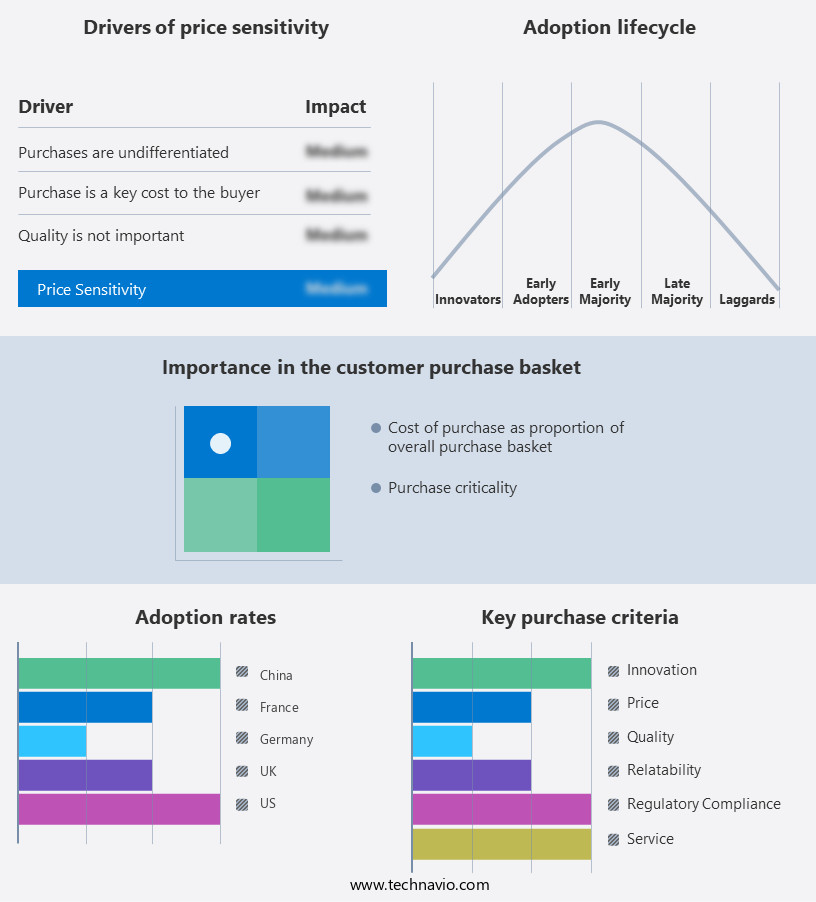
      • Exhibit 66: Analysis of price sensitivity, lifecycle, customer purchase basket, adoption rates, and purchase criteria

    9 Geographic Landscape

    • 9.1 Geographic segmentation
      • Exhibit 67: Chart on Market share by geography 2023-2028 (%)
      • Exhibit 68: Data Table on Market share by geography 2023-2028 (%)
    • 9.2 Geographic comparison
      • Exhibit 69: Chart on Geographic comparison
      • Exhibit 70: Data Table on Geographic comparison
    • 9.3 Europe - Market size and forecast 2023-2028
      • Exhibit 71: Chart on Europe - Market size and forecast 2023-2028 ($ billion)
      • Exhibit 72: Data Table on Europe - Market size and forecast 2023-2028 ($ billion)
      • Exhibit 73: Chart on Europe - Year-over-year growth 2023-2028 (%)
      • Exhibit 74: Data Table on Europe - Year-over-year growth 2023-2028 (%)
    • 9.4 North America - Market size and forecast 2023-2028
      • Exhibit 75: Chart on North America - Market size and forecast 2023-2028 ($ billion)
      • Exhibit 76: Data Table on North America - Market size and forecast 2023-2028 ($ billion)
      • Exhibit 77: Chart on North America - Year-over-year growth 2023-2028 (%)
      • Exhibit 78: Data Table on North America - Year-over-year growth 2023-2028 (%)
    • 9.5 Asia - Market size and forecast 2023-2028
      • Exhibit 79: Chart on Asia - Market size and forecast 2023-2028 ($ billion)
      • Exhibit 80: Data Table on Asia - Market size and forecast 2023-2028 ($ billion)
      • Exhibit 81: Chart on Asia - Year-over-year growth 2023-2028 (%)
      • Exhibit 82: Data Table on Asia - Year-over-year growth 2023-2028 (%)
    • 9.6 Rest of World (ROW) - Market size and forecast 2023-2028
      • Exhibit 83: Chart on Rest of World (ROW) - Market size and forecast 2023-2028 ($ billion)
      • Exhibit 84: Data Table on Rest of World (ROW) - Market size and forecast 2023-2028 ($ billion)
      • Exhibit 85: Chart on Rest of World (ROW) - Year-over-year growth 2023-2028 (%)
      • Exhibit 86: Data Table on Rest of World (ROW) - Year-over-year growth 2023-2028 (%)
    • 9.7 US - Market size and forecast 2023-2028
      • Exhibit 87: Chart on US - Market size and forecast 2023-2028 ($ billion)
      • Exhibit 88: Data Table on US - Market size and forecast 2023-2028 ($ billion)
      • Exhibit 89: Chart on US - Year-over-year growth 2023-2028 (%)
      • Exhibit 90: Data Table on US - Year-over-year growth 2023-2028 (%)
    • 9.8 Germany - Market size and forecast 2023-2028
      • Exhibit 91: Chart on Germany - Market size and forecast 2023-2028 ($ billion)
      • Exhibit 92: Data Table on Germany - Market size and forecast 2023-2028 ($ billion)
      • Exhibit 93: Chart on Germany - Year-over-year growth 2023-2028 (%)
      • Exhibit 94: Data Table on Germany - Year-over-year growth 2023-2028 (%)
    • 9.9 China - Market size and forecast 2023-2028
      • Exhibit 95: Chart on China - Market size and forecast 2023-2028 ($ billion)
      • Exhibit 96: Data Table on China - Market size and forecast 2023-2028 ($ billion)
      • Exhibit 97: Chart on China - Year-over-year growth 2023-2028 (%)
      • Exhibit 98: Data Table on China - Year-over-year growth 2023-2028 (%)
    • 9.10 UK - Market size and forecast 2023-2028
      • Exhibit 99: Chart on UK - Market size and forecast 2023-2028 ($ billion)
      • Exhibit 100: Data Table on UK - Market size and forecast 2023-2028 ($ billion)
      • Exhibit 101: Chart on UK - Year-over-year growth 2023-2028 (%)
      • Exhibit 102: Data Table on UK - Year-over-year growth 2023-2028 (%)
    • 9.11 France - Market size and forecast 2023-2028
      • Exhibit 103: Chart on France - Market size and forecast 2023-2028 ($ billion)
      • Exhibit 104: Data Table on France - Market size and forecast 2023-2028 ($ billion)
      • Exhibit 105: Chart on France - Year-over-year growth 2023-2028 (%)
      • Exhibit 106: Data Table on France - Year-over-year growth 2023-2028 (%)
    • 9.12 Market opportunity by geography
      • Exhibit 107: Market opportunity by geography ($ billion)
      • Exhibit 108: Data Tables on Market opportunity by geography ($ billion)

    10 Drivers, Challenges, and Trends

    • 10.1 Market drivers
      • 10.2 Market challenges
        • 10.3 Impact of drivers and challenges
          • Exhibit 109: Impact of drivers and challenges in 2023 and 2028
        • 10.4 Market trends

          11 Vendor Landscape

          • 11.1 Overview
            • 11.2 Vendor landscape
              • Exhibit 110: Overview on Criticality of inputs and Factors of differentiation
            • 11.3 Landscape disruption
              • Exhibit 111: Overview on factors of disruption
            • 11.4 Industry risks
              • Exhibit 112: Impact of key risks on business

            12 Vendor Analysis

            • 12.1 Vendors covered
              • Exhibit 113: Vendors covered
            • 12.2 Market positioning of vendors
              • Exhibit 114: Matrix on vendor position and classification
            • 12.3 3M Co.
              • Exhibit 115: 3M Co. - Overview
              • Exhibit 116: 3M Co. - Business segments
              • Exhibit 117: 3M Co. - Key news
              • Exhibit 118: 3M Co. - Key offerings
              • Exhibit 119: 3M Co. - Segment focus
            • 12.4 Ambu AS
              • Exhibit 120: Ambu AS - Overview
              • Exhibit 121: Ambu AS - Product / Service
              • Exhibit 122: Ambu AS - Key offerings
            • 12.5 Cardinal Health Inc.
              • Exhibit 123: Cardinal Health Inc. - Overview
              • Exhibit 124: Cardinal Health Inc. - Business segments
              • Exhibit 125: Cardinal Health Inc. - Key news
              • Exhibit 126: Cardinal Health Inc. - Key offerings
              • Exhibit 127: Cardinal Health Inc. - Segment focus
            • 12.6 Dragerwerk AG and Co. KGaA
              • Exhibit 128: Dragerwerk AG and Co. KGaA - Overview
              • Exhibit 129: Dragerwerk AG and Co. KGaA - Business segments
              • Exhibit 130: Dragerwerk AG and Co. KGaA - Key offerings
              • Exhibit 131: Dragerwerk AG and Co. KGaA - Segment focus
            • 12.7 Flexicare Group Ltd.
              • Exhibit 132: Flexicare Group Ltd. - Overview
              • Exhibit 133: Flexicare Group Ltd. - Product / Service
              • Exhibit 134: Flexicare Group Ltd. - Key offerings
            • 12.8 General Electric Co.
              • Exhibit 135: General Electric Co. - Overview
              • Exhibit 136: General Electric Co. - Business segments
              • Exhibit 137: General Electric Co. - Key news
              • Exhibit 138: General Electric Co. - Key offerings
              • Exhibit 139: General Electric Co. - Segment focus
            • 12.9 Hamilton Bonaduz AG
              • Exhibit 140: Hamilton Bonaduz AG - Overview
              • Exhibit 141: Hamilton Bonaduz AG - Product / Service
              • Exhibit 142: Hamilton Bonaduz AG - Key offerings
            • 12.10 Honeywell International Inc.
              • Exhibit 143: Honeywell International Inc. - Overview
              • Exhibit 144: Honeywell International Inc. - Business segments
              • Exhibit 145: Honeywell International Inc. - Key news
              • Exhibit 146: Honeywell International Inc. - Key offerings
              • Exhibit 147: Honeywell International Inc. - Segment focus
            • 12.11 HUM Systems GmbH
              • Exhibit 148: HUM Systems GmbH - Overview
              • Exhibit 149: HUM Systems GmbH - Product / Service
              • Exhibit 150: HUM Systems GmbH - Key offerings
            • 12.12 Koninklijke Philips N.V.
              • Exhibit 151: Koninklijke Philips N.V. - Overview
              • Exhibit 152: Koninklijke Philips N.V. - Business segments
              • Exhibit 153: Koninklijke Philips N.V. - Key news
              • Exhibit 154: Koninklijke Philips N.V. - Key offerings
              • Exhibit 155: Koninklijke Philips N.V. - Segment focus
            • 12.13 Laerdal Medical AS
              • Exhibit 156: Laerdal Medical AS - Overview
              • Exhibit 157: Laerdal Medical AS - Product / Service
              • Exhibit 158: Laerdal Medical AS - Key offerings
            • 12.14 LIFE Corp.
              • Exhibit 159: LIFE Corp. - Overview
              • Exhibit 160: LIFE Corp. - Product / Service
              • Exhibit 161: LIFE Corp. - Key offerings
            • 12.15 Medline Industries LP
              • Exhibit 162: Medline Industries LP - Overview
              • Exhibit 163: Medline Industries LP - Product / Service
              • Exhibit 164: Medline Industries LP - Key offerings
            • 12.16 Medtronic Plc
              • Exhibit 165: Medtronic Plc - Overview
              • Exhibit 166: Medtronic Plc - Business segments
              • Exhibit 167: Medtronic Plc - Key news
              • Exhibit 168: Medtronic Plc - Key offerings
              • Exhibit 169: Medtronic Plc - Segment focus
            • 12.17 OMRON Corp.
              • Exhibit 170: OMRON Corp. - Overview
              • Exhibit 171: OMRON Corp. - Business segments
              • Exhibit 172: OMRON Corp. - Key news
              • Exhibit 173: OMRON Corp. - Key offerings
              • Exhibit 174: OMRON Corp. - Segment focus

            13 Appendix

            • 13.1 Scope of the report
              • 13.2 Inclusions and exclusions checklist
                • Exhibit 175: Inclusions checklist
                • Exhibit 176: Exclusions checklist
              • 13.3 Currency conversion rates for US$
                • Exhibit 177: Currency conversion rates for US$
              • 13.4 Research methodology
                • Exhibit 178: Research methodology
                • Exhibit 179: Validation techniques employed for market sizing
                • Exhibit 180: Information sources
              • 13.5 List of abbreviations
                • Exhibit 181: List of abbreviations

              Research Methodology

              Technavio presents a detailed picture of the market by way of study, synthesis, and summation of data from multiple sources. The analysts have presented the various facets of the market with a particular focus on identifying the key industry influencers. The data thus presented is comprehensive, reliable, and the result of extensive research, both primary and secondary.

              INFORMATION SOURCES

              Primary sources

              • Manufacturers and suppliers
              • Channel partners
              • Industry experts
              • Strategic decision makers

              Secondary sources

              • Industry journals and periodicals
              • Government data
              • Financial reports of key industry players
              • Historical data
              • Press releases

              DATA ANALYSIS

              Data Synthesis

              • Collation of data
              • Estimation of key figures
              • Analysis of derived insights

              Data Validation

              • Triangulation with data models
              • Reference against proprietary databases
              • Corroboration with industry experts

              REPORT WRITING

              Qualitative

              • Market drivers
              • Market challenges
              • Market trends
              • Five forces analysis

              Quantitative

              • Market size and forecast
              • Market segmentation
              • Geographical insights
              • Competitive landscape

              Interested in this report?

              Get your sample now to see our research methodology and insights!

              Download Now

              Frequently Asked Questions

              Incubators, Inhalators, Respirators, Resuscitators, and Other Breathing Devices market growth will increase by $ 10.89 bn during 2024-2028 .

              The Incubators, Inhalators, Respirators, Resuscitators, and Other Breathing Devices market is expected to grow at a CAGR of 7.67% during 2024-2028 .

              Incubators, Inhalators, Respirators, Resuscitators, and Other Breathing Devices market is segmented by Application( Asthma, COPD, Obstructive sleep apnea, Others) End-user( Healthcare settings, Pharmaceutical companies, Asia, Rest of World (ROW))

              3M Co., Ambu AS, Ansell Ltd., Beurer GmbH, Cardinal Health Inc., Dragerwerk AG and Co. KGaA, Flexicare Group Ltd., General Electric Co., Hamilton Bonaduz AG, Honeywell International Inc., HUM Systems GmbH, Kimberly Clark Corp., Koninklijke Philips N.V., Laerdal Medical AS, LIFE Corp., Medline Industries LP, Medtronic Plc, OMRON Corp., Phoenix Medical Systems P Ltd., Prestige Ameritech, Zurich Corp. are a few of the key vendors in the Incubators, Inhalators, Respirators, Resuscitators, and Other Breathing Devices market.

              Europe will register the highest growth rate of 37% among the other regions. Therefore, the Incubators, Inhalators, Respirators, Resuscitators, and Other Breathing Devices market in Europe is expected to garner significant business opportunities for the vendors during the forecast period.

              US, Germany, UK, France, China

              • Increasing number of hospitalizations and surgical treatmentsThe rising prevalence of various lifestyle and chronic diseases is the driving factor this market.
              • such as cancer is the driving factor this market.
              • asthma is the driving factor this market.
              • cardiovascular diseases (CVDs) is the driving factor this market.
              • diabetes is the driving factor this market.
              • COPD is the driving factor this market.
              • bone diseases is the driving factor this market.
              • thrombosis is the driving factor this market.
              • liver diseases is the driving factor this market.
              • and renal diseases is the driving factor this market.
              • is increasing the number of hospital visits for various diagnostic and therapeutic purposes. In certain cases is the driving factor this market.
              • such as COPD is the driving factor this market.
              • hospitalization is recommended by medical professionals for proper monitoring of patients. In such cases is the driving factor this market.
              • breathing devices such as inhalators is the driving factor this market.
              • incubators is the driving factor this market.
              • and resuscitators are required as a part of the treatment process and to provide surgical care to patients. For example is the driving factor this market.
              • oxygen inhalators and resuscitators are used extensively during surgeries to maintain an optimum supply of oxygen into the patient body and prevent hypoxemia. Similarly is the driving factor this market.
              • neonatal incubators are utilized during cesarean section surgeries to keep premature newborns in controlled environmental conditions such as optimum temperature is the driving factor this market.
              • oxygen supply is the driving factor this market.
              • and humidity for observation and care. The increasing prevalence of various diseases and the rise in the incidence of surgically treatable conditions have driven the demand for surgical care across healthcare facilities. Timely surgical interventions are helping reduce mortality rates caused by various diseases and disorders. For instance is the driving factor this market.
              • surgical interventions such as obstetric surgeries can prevent about 9 out of 10 maternal deaths. In certain cases is the driving factor this market.
              • surgeries are recommended by healthcare professionals as a part of treating and managing various medical conditions such as cancer is the driving factor this market.
              • malignant tumors is the driving factor this market.
              • childbirth is the driving factor this market.
              • nervous system disorders is the driving factor this market.
              • joint fractures is the driving factor this market.
              • and CVDs is the driving factor this market.
              • among others. Growth in hospitalization associated with surgical procedures for various medical conditions is leading to increasing demand for breathing devices is the driving factor this market.
              • which is fueling the growth of the global incubators is the driving factor this market.
              • inhalators is the driving factor this market.
              • respirators is the driving factor this market.
              • resuscitators is the driving factor this market.
              • and other breathing devices market during the forecast period. is the driving factor this market.

              The Incubators, Inhalators, Respirators, Resuscitators, and Other Breathing Devices market vendors should focus on grabbing business opportunities from the Asthma segment as it accounted for the largest market share in the base year.
