



Infectious Enteritis Treatment Market Size 2024-2028
The infectious enteritis treatment market size is forecast to increase by USD 353.7 million at a CAGR of 4.5% between 2023 and 2028.
- The market is experiencing significant growth due to several key factors. The burgeoning demand for effective antiviral treatments, driven by the increasing geriatric population, is a major market trend. This demographic is more susceptible to infectious enteritis due to weakened immune systems. Additionally, the adverse effects associated with current treatment methods are fueling the need for safer and more efficient alternatives. Infectious enteritis treatment is increasingly being provided through ambulatory healthcare services, offering patients timely and efficient care for symptom relief, prevention of complications, and reduced hospital admissions. Effective treatments for infectious enteritis, such as antibiotics and antivirals, are in high demand to alleviate symptoms, prevent complications, and improve healthcare utilization rates, while enhancing healthcare services to provide better patient care and streamline treatment outcomes. As the global population ages and the prevalence of infectious enteritis continues to rise, the market for innovative and effective treatments is expected to expand. This market analysis report provides a comprehensive evaluation of these and other growth factors, offering valuable insights for industry stakeholders.
What will be the Size of the Infectious Enteritis Treatment Market During the Forecast Period?
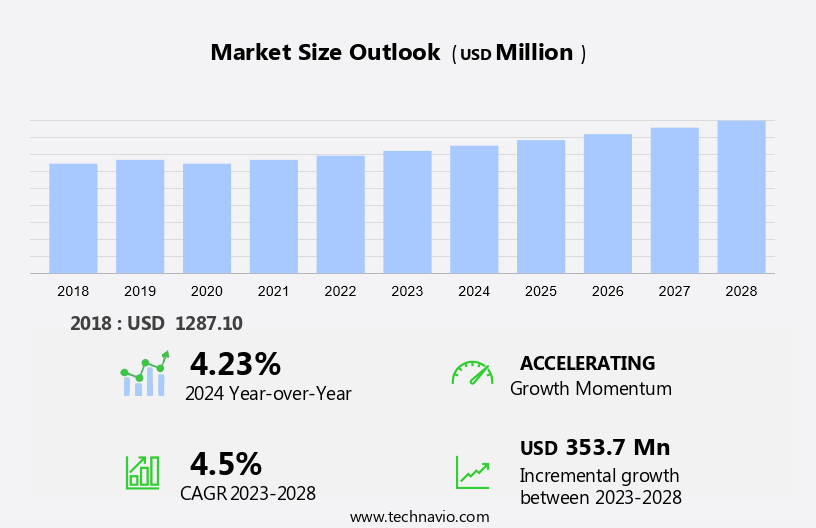
- The market encompasses the development, production, and distribution of therapies aimed at addressing various infections causing enteritis, including bacterial, viral, and parasitic pathogens. Factors driving market growth include the aging population with weakened immune systems, increasing healthcare utilization rates, and the rising number of diarrhea cases. Patients suffering from enteritis typically experience symptoms such as nausea, diarrhea, and stomach pain. Common bacterial enteric pathogens include salmonella and rotavirus, while viruses and parasites also contribute significantly to the disease burden. Advanced diagnostic tools and tests play a crucial role in identifying and diagnosing enteritis, enabling effective treatments to be administered promptly.
- The market is witnessing continuous innovation, with new drugs and therapeutic approaches being developed to address the diverse range of enteric infections. Overall, the market is experiencing significant growth, underpinned by the increasing prevalence of enteric infections and the need for effective treatment solutions.
How is this Infectious Enteritis Treatment Industry segmented and which is the largest segment?
The industry research report provides comprehensive data (region-wise segment analysis), with forecasts and estimates in "USD million" for the period 2024-2028, as well as historical data from 2018-2022 for the following segments.
- Route Of Administration
- Oral
- Injectables
- Geography
- North America
- Canada
- US
- Europe
- Germany
- UK
- Asia
- China
- Rest of World (ROW)
- North America
By Route Of Administration Insights
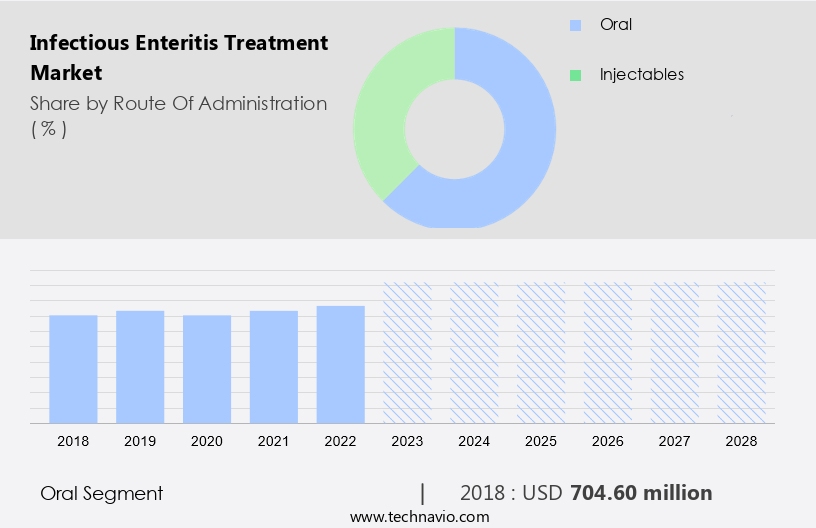
- The oral segment is estimated to witness significant growth during the forecast period.
The market is witnessing significant growth due to the increasing prevalence of enteric infections in the aging population with weakened immune systems. Effective treatments for infectious enteritis are in high demand, given the high healthcare utilization rates resulting from frequent doctor visits and diagnostic tests for severe cases. Advanced diagnostic tools, such as stool culture and polymerase chain reaction (PCR) tests, are essential for accurate diagnosis and treatment of enteric infections caused by various enteric pathogens, including viruses and bacteria. Antibiotic resistance poses a significant challenge to the business environment, necessitating the development of new drugs and treatment methods.
Get a glance at the market report of share of various segments Request Free Sample
The oral segment was valued at USD 704.60 million in 2018 and showed a gradual increase during the forecast period.
Regional Analysis
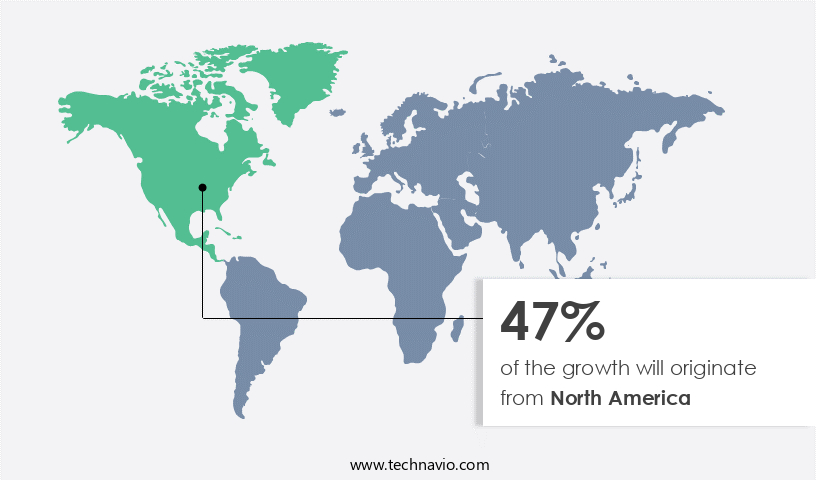
- North America is estimated to contribute 47% to the growth of the global market during the forecast period.
Technavio's analysts have elaborately explained the regional trends and drivers that shape the market during the forecast period.
For more insights on the market size of various regions, Request Free Sample
The market is significantly influenced by the aging population and individuals with weakened immune systems, leading to a higher prevalence of infections. Doctor visits and diagnostic tests are essential for proper diagnosis and treatment, with advanced diagnostic tools playing a crucial role in identifying enteric pathogens, including bacteria, viruses, and parasites. The business environment is favorable for market growth due to the increasing number of diarrhea cases caused by bacterial and enteric infections, such as typhoid fever, cholera, and acute gastroenteritis.
Furthermore, the route of administration for infectious enteritis treatments includes oral medications and injectables, with the injectable segment gaining traction for treating severe infectious enteritis. Antibiotic resistance poses a significant challenge to the market, necessitating the development of new drugs and diagnostic tools. The market is expected to grow despite travel restrictions and the complexities of healthcare systems.
Market Dynamics
Our researchers analyzed the data with 2023 as the base year, along with the key drivers, trends, and challenges. A holistic analysis of drivers will help companies refine their marketing strategies to gain a competitive advantage.
What are the key market drivers leading to the rise in the adoption of Infectious Enteritis Treatment Industry?
Increasing geriatric population is the key driver of the market.
- The market is experiencing significant growth due to the increasing number of individuals with weakened immune systems, primarily among the aging population. According to the United Nations, the geriatric population, defined as individuals aged 65 and above, is projected to increase from 702.9 million in 2019 to 727 million in 2020. This trend is not limited to developed countries like Japan, Italy, and the US but is also prevalent in developing nations such as India, where the geriatric population is expected to increase by 41% over the next decade. This demographic shift increases the risk of hospital-acquired infections due to weakened immune systems.
- Effective treatments for infectious enteritis, including severe forms such as typhoid fever, cholera, and acute gastroenteritis caused by enteric pathogens like rotavirus, Salmonella bacteria, and parasites, are in high demand. These infections can cause symptoms such as vomiting, severe dehydration, diarrhea, nausea, stomach pain, and intestinal enteritis. Prompt treatment is crucial to alleviate symptoms and prevent complications. The market offers various drug types, including antibiotics and antivirals, for the treatment of infectious enteritis. The market is segmented into oral and injectable medications based on the route of administration. The injectable segment holds a significant share of the market due to the severity of some infectious enteritis cases.
What are the market trends shaping the Infectious Enteritis Treatment Industry?
Burgeoning demand for antivirals is the upcoming market trend.
- The market is driven by the increasing incidence of enteric infections, particularly in the aging population with weakened immune systems. While most viral gastroenteritis cases resolve on their own, effective treatments are essential to prevent complications such as severe dehydration and vomiting. Oral rehydration solutions and over-the-counter medications like loperamide and bismuth subsalicylate can help alleviate symptoms. However, the lack of effective antiviral treatments necessitates research and development of new drugs. Antibiotic resistance is a significant challenge in the healthcare environment, limiting the use of antibiotics for treating bacterial enteric infections. Advanced diagnostic tools, such as diagnostic tests and imaging techniques, play a crucial role in accurate diagnosis and treatment.
- The market for infectious enteritis treatments is expected to grow due to the increasing healthcare utilization rates, with an emphasis on prompt diagnosis and treatment. The market encompasses a range of drug types, including antibiotics and antivirals, used to treat various enteric pathogens, such as viruses and parasites, including rotavirus, Salmonella bacteria, and typhoid fever. Effective treatments can help prevent complications and reduce the need for hospitalization, making it a vital sector in the healthcare industry. The injectables segment, which includes injectable antibiotics, is a significant contributor to the market's growth due to the severity of some infectious enteritis cases.
What challenges does the Infectious Enteritis Treatment Industry face during its growth?
Adverse effects associated with infectious enteritis treatment is a key challenge affecting the industry growth.
- Infectious enteritis, characterized by symptoms such as diarrhea, vomiting, severe dehydration, abdominal pain, and nausea, is a significant health concern, particularly for individuals with weakened immune systems and those In the aging population. Effective treatments for infectious enteritis involve addressing the underlying causes, including enteric pathogens like bacteria, viruses, and parasites, which can cause intestinal inflammation and disrupt the normal replication process. Diagnostic tests and advanced diagnostic tools play a crucial role in prompt diagnosis and treatment, allowing healthcare providers to administer the most appropriate medications, such as antibiotics or antivirals, to alleviate symptoms and prevent complications. The business environment for infectious enteritis treatments is driven by increasing healthcare utilization rates, doctor visits, and the need for effective diagnostic tools to combat antibiotic resistance.
- The market for infectious enteritis treatments encompasses various drug types, including oral medications and injectables, with the injectable segment catering to severe cases. Crystalloids and colloids are essential components of fluid therapy, which aims to correct electrolyte imbalances and address fluid loss. However, the use of certain medications and fluids can cause side effects, necessitating careful consideration and monitoring by healthcare professionals. The infectious enteritis market is influenced by various factors, including the prevalence of enteric pathogens, the need for new drugs to combat drug-resistant strains, and the ongoing development of advanced diagnostic tools. As travel restrictions continue to ease, the demand for effective treatments for infectious enteritis is expected to grow, offering significant opportunities for healthcare systems and providers to improve diagnosis and treatment methods.
Exclusive Customer Landscape
The market forecasting report includes the adoption lifecycle of the market, covering from the innovator's stage to the laggard's stage. It focuses on adoption rates in different regions based on penetration. Furthermore, the market report also includes key purchase criteria and drivers of price sensitivity to help companies evaluate and develop their market growth analysis strategies.
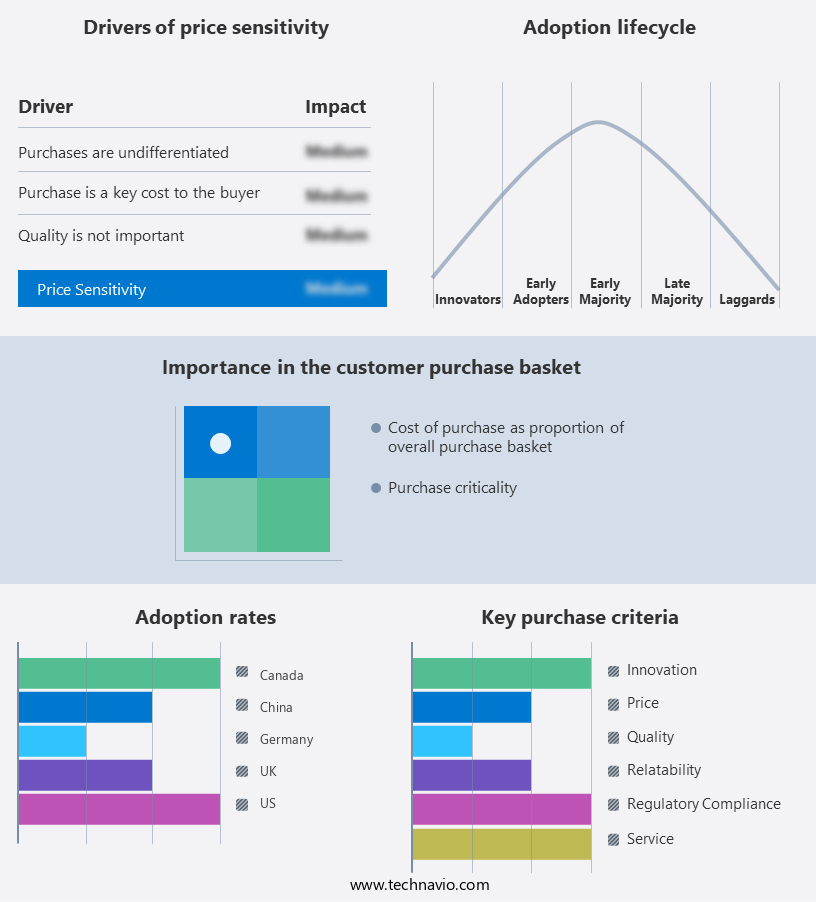
Customer Landscape
Key Companies & Market Insights
Companies are implementing various strategies, such as strategic alliances, market forecast, partnerships, mergers and acquisitions, geographical expansion, and product/service launches, to enhance their presence In the industry.
The industry research and growth report includes detailed analyses of the competitive landscape of the market and information about key companies, including:
- Abbott Laboratories
- Almirall SA
- Cipla Inc.
- F. Hoffmann La Roche Ltd.
- Galderma SA
- GlaxoSmithKline Plc
- Hetero Healthcare Ltd.
- Mayne Pharma Group Ltd.
- Medimetriks Pharmaceuticals Inc.
- Merck KGaA
- Pfizer Inc.
- Teva Pharmaceutical Industries Ltd.
- Tolmar Pharmaceuticals Inc.
- Viatris Inc.
- Zydus Lifesciences Ltd.
Qualitative and quantitative analysis of companies has been conducted to help clients understand the wider business environment as well as the strengths and weaknesses of key industry players. Data is qualitatively analyzed to categorize companies as pure play, category-focused, industry-focused, and diversified; it is quantitatively analyzed to categorize companies as dominant, leading, strong, tentative, and weak.
Research Analyst Overview
Infectious enteritis, characterized by inflammation of the intestines, is a common health concern worldwide. With an aging population and weakened immune systems, the prevalence of this condition has been on the rise. Effective treatments are essential to alleviate symptoms, prevent complications, and ensure prompt recovery. The business environment for treatments is dynamic, with healthcare providers continually seeking advanced diagnostic tools to improve diagnosis and treatment. The utilization rates for doctor visits and diagnostic tests have been increasing due to the growing awareness and importance of early intervention. Advanced diagnostic tools, such as polymerase chain reaction (PCR) tests and stool cultures, enable healthcare providers to identify enteric pathogens, including bacteria, viruses, and parasites, with greater accuracy.
Moreover, this leads to more effective treatment and better patient outcomes. However, the emergence of antibiotic resistance poses a significant challenge to the market. Antibiotics, a common drug type used to treat bacterial infections, are becoming less effective due to the overuse and misuse of these medications. This has led to the development of new drugs, such as antivirals and antiparasitics, to address the growing threat of viral and parasitic enteric infections. Enteric pathogens, such as rotavirus, salmonella bacteria, typhoid fever, and cholera, replicate in the intestines and cause symptoms like vomiting, severe dehydration, nausea, diarrhea, and stomach pain.
Furthermore, severe cases can lead to irritable bowel syndrome and diarrhea cases that require hospitalization. The treatment varies depending on the route of administration. Oral medications are commonly used for mild to moderate cases, while injectables are reserved for severe cases or when oral administration is not feasible. Antibiotics and antivirals are the primary drug types used to treat bacterial and viral enteric infections, respectively, playing a crucial role in managing infectious diseases that affect the gastrointestinal system. The injectable segment of the market is expected to grow due to the increasing prevalence of severe cases and the need for more effective treatments. However, the growth prospects for the market are influenced by various factors, including travel restrictions and the capabilities of healthcare systems to provide timely and appropriate care.
|
Market Scope |
|
|
Report Coverage |
Details |
|
Page number |
133 |
|
Base year |
2023 |
|
Historic period |
2018-2022 |
|
Forecast period |
2024-2028 |
|
Growth momentum & CAGR |
Accelerate at a CAGR of 4.5% |
|
Market growth 2024-2028 |
USD 353.7 million |
|
Market structure |
Fragmented |
|
YoY growth 2023-2024(%) |
4.23 |
|
Key countries |
US, Germany, China, UK, and Canada |
|
Competitive landscape |
Leading Companies, Market Positioning of Companies, Competitive Strategies, and Industry Risks |
What are the Key Data Covered in this Infectious Enteritis Treatment Market Research and Growth Report?
- CAGR of the Infectious Enteritis Treatment industry during the forecast period
- Detailed information on factors that will drive the market growth and forecasting between 2024 and 2028
- Precise estimation of the size of the market and its contribution of the industry in focus to the parent market
- Accurate predictions about upcoming growth and trends and changes in consumer behaviour
- Growth of the market across North America, Europe, Asia, and Rest of World (ROW)
- Thorough analysis of the market's competitive landscape and detailed information about companies
- Comprehensive analysis of factors that will challenge the infectious enteritis treatment market growth of industry companies
We can help! Our analysts can customize this infectious enteritis treatment market research report to meet your requirements.
 RIA -
RIA - 
