
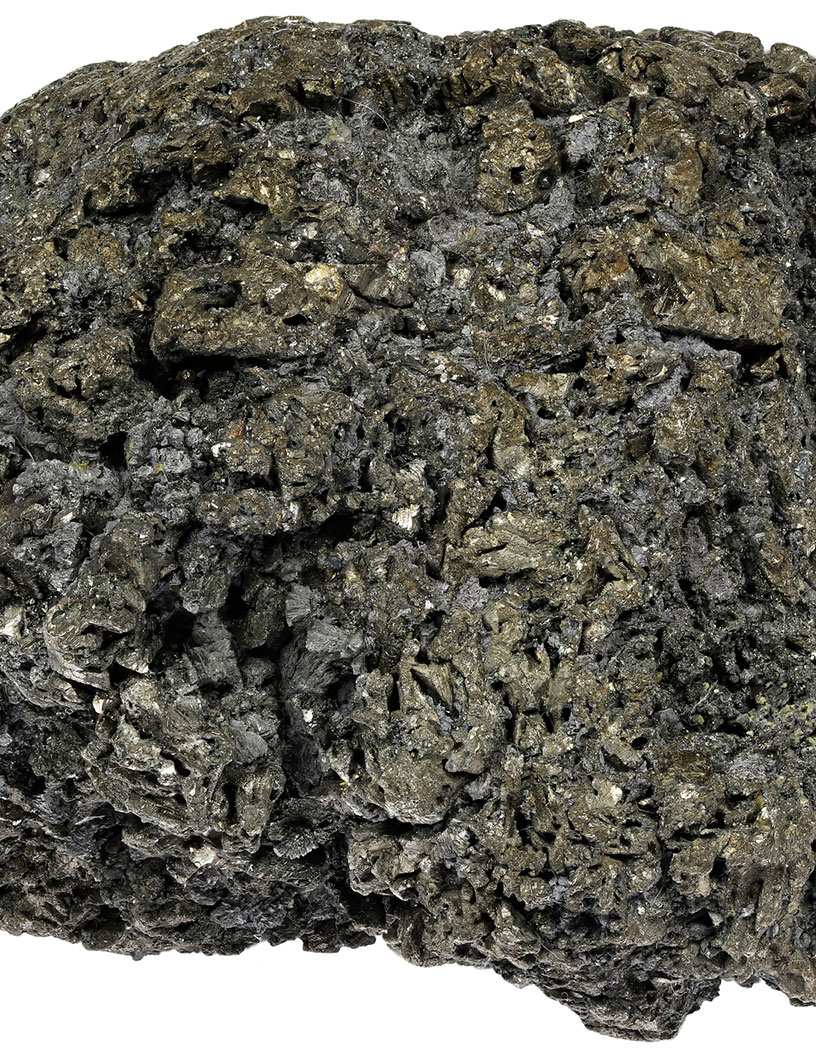


Bismuth Market Size 2024-2028
The bismuth market size is forecast to increase by USD 114.13 million at a CAGR of 4.91% between 2023 and 2028.
- The market is experiencing significant growth due to the increasing demand for thermoelectric materials. This trend is driven by the rising need to improve energy efficiency and reduce carbon emissions, leading to increased usage in various industries such as automotive and power generation. Furthermore, innovations in metallurgical processes have expanded the applications of bismuth, particularly in the production of high-performance alloys.
- However, the limited availability of bismuth reserves poses a challenge to market growth. To mitigate this issue, companies are exploring alternative sources and recycling methods to ensure a steady supply. Overall, the market is expected to witness steady growth in the coming years, driven by these key factors. In the automotive industry, bismuth alloys are used in brake linings and tungsten-bismuth alloys in needle bearings.
What will be the Size of the Market During the Forecast Period?

- Bismuth, a silvery-white, heavy metal, is known for its unique properties that make it a valuable commodity in various industries. The market is driven by its diverse applications in sectors such as automotive, pharmaceuticals, and electronics, among others. Bismuth's properties, including its low toxicity, high melting point, and excellent resistance to corrosion, make it an ideal choice for various applications. In the automotive industry, bismuth is used in the production of alloys for engine components due to its excellent resistance to wear and tear.
- In the pharmaceutical sector, bismuth compounds are used as antacids and antidiarrheal agents, particularly in the treatment of Helicobacter pylori infection. The market value for bismuth is expected to grow steadily due to its increasing demand in various applications. The refining process for bismuth involves the extraction of the metal from its ores, primarily bismuthite and bismuthinite. The innovation in refining techniques and technologies has led to an increase in the production of bismuth, making it more accessible to various industries. Bismuth's benefits extend beyond its industrial applications. Its antibacterial properties make it a popular ingredient in cosmetics, particularly in the production of makeup and skin care products.
How is this market segmented and which is the largest segment?
The market research report provides comprehensive data (region-wise segment analysis), with forecasts and estimates in "USD million" for the period 2024-2028, as well as historical data from 2018-2022 for the following segments.
- Application
- Pharmaceuticals
- Cosmetics and pigments
- Electronics
- Automotive
- Others
- Derivative Type
- Oxide
- Metals
- Bismuth subsalicylate
- Bismuth oxychloride
- Others
- Geography
- APAC
- China
- Japan
- South Korea
- North America
- US
- Europe
- Germany
- Middle East and Africa
- South America
- APAC
By Application Insights
- The pharmaceuticals segment is estimated to witness significant growth during the forecast period.
Bismuth compounds, including bismuth nitrates and bismuth sulfides, hold significant importance in various industries. In the pharmaceutical sector, bismuth subsalicylate and bismuth subcitrate are commonly used as active ingredients in gastrointestinal remedies. The aging population in the United States and the subsequent rise in gastrointestinal disorders, such as peptic ulcers and gastritis, fuel the demand for effective medications. These conditions are often characterized by inflammation and bacterial infections, which bismuth compounds address through their antimicrobial properties against a broad spectrum of bacteria and fungi. Furthermore, bismuth compounds inhibit the growth of Helicobacter pylori, a bacterium linked to the development of peptic ulcers and gastritis.
Beyond pharmaceuticals, bismuth is employed as a metallurgical additive and in the production of lead-acid batteries. Bismuthinite and other bismuth sulfides are utilized in the manufacturing of wearable technology and heavy metal alloys. The versatility of bismuth and its compounds makes them valuable assets in numerous industries. The global demand for bismuth and its derivatives is expected to grow as the population ages and the prevalence of gastrointestinal disorders increases. This trend is likely to continue, providing opportunities for companies specializing in the production and distribution of bismuth-based products. In summary, bismuth compounds, such as bismuth nitrates and bismuth sulfides, serve essential roles in various industries, including pharmaceuticals, metallurgy, and technology.
Their antimicrobial properties and ability to inhibit Helicobacter pylori make them invaluable in gastrointestinal treatments. Additionally, their use as metallurgical additives and in the production of lead-acid batteries and wearable technology further highlights their versatility. The aging population and the subsequent rise in gastrointestinal disorders are expected to drive the demand for bismuth-based products, creating opportunities for industry growth.

Get a glance at the market report of share of various segments Request Free Sample
The pharmaceuticals segment was valued at USD 162.67 million in 2018 and showed a gradual increase during the forecast period.
Regional Analysis
- APAC is estimated to contribute 46% to the growth of the global market during the forecast period.
Technavio's analysts have elaborately explained the regional trends and drivers that shape the market during the forecast period.

For more insights on the market share of various regions Request Free Sample
The cosmetics industry in the United States and other North American countries utilizes bismuth compounds for various cosmetic applications. Bismuth alloys and bismuth metal are integral components in the production of cosmetics such as creams, ointments, and powders. These materials offer benefits such as providing a smooth and even application, as well as being effective in treating skin conditions like acne and diarrhea due to the use of bismuth subsalicylate. Bismuth's consumption in the US and North America is driven by the growing demand for personal care products and the increasing awareness of health and wellness.
Furthermore, APAC countries, including China, India, Japan, and South Korea, are significant contributors to The market due to their industrialization and urbanization. The region is a major hub for electronics manufacturing, with countries like China, Taiwan, South Korea, and Japan being major producers of consumer electronics, smartphones, and other electronic devices. Bismuth is widely used in lead-free soldering for electronic assemblies, making it an essential component in the electronics manufacturing supply chain. Moreover, the automotive industry in APAC is experiencing significant growth, fueled by rising disposable incomes, urbanization, and government initiatives to promote electric vehicles (EVs) and sustainable mobility solutions.
Moreover, bismuth alloys are used in the production of catalytic converters, which are essential components in reducing harmful emissions from vehicles. In conclusion, the US and North American markets for bismuth-based products, particularly in the cosmetics industry, are expected to grow steadily due to increasing demand for personal care products and health and wellness awareness. Meanwhile, APAC countries are significant contributors to The market due to their industrialization and urbanization, with the electronics and automotive industries being major consumers of bismuth.
Market Dynamics
Our researchers analyzed the data with 2023 as the base year, along with the key drivers, trends, and challenges. A holistic analysis of drivers will help companies refine their marketing strategies to gain a competitive advantage.
What are the key market drivers leading to the rise in adoption of Bismuth Market?
Rising need for thermoelectric materials is the key driver of the market.
- The cosmetics industry's growing reliance on bismuth compounds for cosmetic applications, such as bismuth oxychloride for shimmering effects and bismuth alloys for pigments, has led to a significant increase in bismuth consumption. Bismuth's unique properties, including its diamagnetic nature and resistance to corrosion, make it an essential component in various industries, including energy manufacturing and metallurgical additives. Bismuth's use extends beyond cosmetics and energy manufacturing. It is also utilized in imaging technologies, such as bismuth subsalicylate for diagnostic purposes, and in pharmaceuticals for treating intestinal conditions and as an anti-cancer agent. Additionally, bismuth is a component in various industrial pigments, including bismuth aluminate and bismuth sub carbonate, and is used in the production of pearlescent coatings.
- Moreover, bismuth's versatility is further demonstrated in its use in heavy metal alloys, such as those used in brake linings and fusible alloys, and in battery systems, including lead-acid batteries and sodium-ion batteries. The demand for bismuth is influenced by various factors, including government regulations, industrial production, and lifestyle trends. Bismuth is also used in the production of tungsten and magnesia, and in the manufacturing of pellets, needle, and needle-shaped bismuthinite. The mining and refining of bismuth from its various ores, such as bismutite, is a complex process that requires specialized knowledge and equipment. Despite the numerous benefits of bismuth, there have been instances of fatalities and health concerns related to its use.
- However, with ongoing research and development, the risks are being mitigated, and the demand for bismuth continues to grow. The cosmetics expenditure on bismuth compounds is expected to increase as businesses continue to explore new applications for this versatile element.
What are the market trends shaping the Bismuth Market?
Innovations in metallurgical processes are the upcoming trends in the market.
- Bismuth, a heavy metal with diamagnetic properties, holds significant importance in various industries, including the cosmetics sector and energy manufacturing. In the cosmetics industry, bismuth compounds find extensive use in cosmetic applications due to their shimmering and good appearance. These compounds are used as components in pearlescent coatings, pigments, and talcum powder. Bismuth subsalicylate is a well-known bismuth compound used as an anti-diarrheal agent and an antidote for poisoning. Bismuth alloys, such as bismuth-tungsten alloys, are employed in the manufacturing of power goods, including batteries and refrigeration systems. The energy manufacturing industry demands bismuth for its role in lead-acid batteries and sodium-ion batteries.
- Furthermore, Bismuth oxides and nitrates are used as metallurgical additives in various industries. Bismuth consumption is influenced by several factors, including end-use industry demand, social media trends, and government regulations. For instance, the increasing prevalence of intestinal conditions drives the demand for bismuth subsalicylate as an indigestion remedy. Similarly, the diagnosis and treatment of cancer cases boost the demand for bismuth's anti-cancer properties in imaging applications. Mining and processing of bismuth ore involve the use of advanced crushing, grinding, and beneficiation methods to enhance extraction efficiency. Hydrometallurgical processes, such as leaching, solvent extraction, and precipitation, are employed to extract bismuth from ores and concentrates.
- In conclusion, pyrometallurgical processes, including smelting and refining, are used to produce high-purity bismuth metal from concentrates. Bismuth's versatility extends to various industries, including the pharmaceuticals sector, where it is used in the production of bismuth sub carbonate and bismuth aluminate. In the cosmetics industry, bismuthinite and bismuth sulphides are used as pigments. In the energy sector, bismuth is used in the production of fusible alloys, brake linings, and needle and pellet components for tungsten-rhenium alloys. Government regulations and industry standards play a crucial role in the market. For instance, the European Union's REACH regulation sets limits on the use of heavy metals, including bismuth, in cosmetics.
- Similarly, the US Food and Drug Administration regulates the use of bismuth in food additives and pharmaceuticals. In conclusion, the market is driven by various factors, including end-use industry demand, social media trends, and government regulations. Innovations in ore processing techniques and hydrometallurgical processes enhance the efficiency of bismuth extraction and reduce processing costs. The versatility of bismuth extends to various industries, including the cosmetics, energy, and pharmaceuticals sectors.
What challenges does Bismuth Market face during the growth?
The limited availability of bismuth reserves is a key challenge affecting the market growth.
- The cosmetics industry utilizes various bismuth compounds for diverse cosmetic applications, including bismuth oxychloride for shimmering effects in makeup and bismuth alloys for use in pigments and pearlescent coatings. Bismuth's unique properties, such as its diamagnetic nature and good heat conductivity, make it an essential component in several end-use industries. Bismuth's consumption extends beyond the cosmetics sector, with significant demand from industries like energy manufacturing, where it is used as a metallurgical additive in lead and tungsten production. In the pharmaceutical sector, bismuth subsalicylate is a well-known remedy for intestinal conditions. Bismuth's anti-cancer properties have gained attention in recent years, with potential applications in imaging and diagnosis.
- However, government regulations and safety concerns limit its use in these areas. Bismuth's production primarily comes as a by-product of lead and copper mining. China is the world's largest producer, followed by Peru, Mexico, and Russia. Fluctuations in primary metal prices and production levels impact bismuth supply, making it a volatile market. Bismuth alloys find applications in various industries, including battery systems, refrigeration, and automotive components such as brake linings and fusible alloys. Bismuth oxides and nitrates are used in industrial pigments, while bismuthinite and bismuth sulfides are mined as primary minerals.
- In conclusion, bismuth's use in cosmetics, energy manufacturing, and pharmaceuticals drives demand for this versatile metal. Businesses must navigate government regulations and supply chain challenges to capitalize on the opportunities in the market. Social media and digital marketing play a significant role in influencing consumer preferences and expenditure in these industries.
Exclusive Customer Landscape
The market forecasting report includes the adoption lifecycle of the market, covering from the innovator's stage to the laggard's stage. It focuses on adoption rates in different regions based on penetration. Furthermore, the market report also includes key purchase criteria and drivers of price sensitivity to help companies evaluate and develop their market growth analysis strategies.
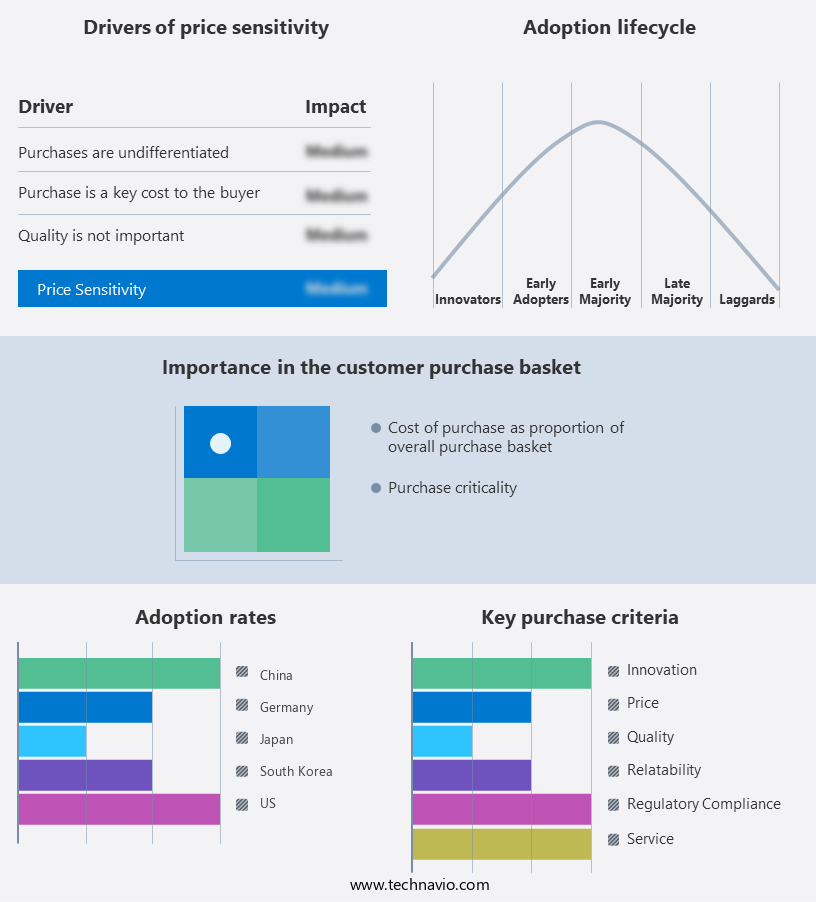
Customer Landscape
Key Companies & Market Insights
Companies are implementing various strategies, such as strategic alliances, market forecast , partnerships, mergers and acquisitions, geographical expansion, and product/service launches, to enhance their presence in the market. The market research and growth report includes detailed analyses of the competitive landscape of the market and information about key companies, including:
- 5N Plus
- BASF SE
- Endo International Plc
- Fortune Minerals Ltd
- JINWANG Europe S.A.S
- Masan Group
- Merck KGaA
- Nanorh
- Omkar Speciality Chemicals Ltd.
- SHEPHERD CHEMICALS
- Viavi Solutions Inc.
- Western Minmetals SC Corp.
- Xianyang jump hua bismuth industry Co. LTD
- Kurt J Lesker Co.
Qualitative and quantitative analysis of companies has been conducted to help clients understand the wider business environment as well as the strengths and weaknesses of key market players. Data is qualitatively analyzed to categorize companies as pure play, category-focused, industry-focused, and diversified; it is quantitatively analyzed to categorize companies as dominant, leading, strong, tentative, and weak.
Research Analyst Overview
Bismuth, a heavy, silvery-white metal, is a critical component in several industries, including cosmetics, energy manufacturing, and pharmaceuticals. This article provides an in-depth analysis of The market, focusing on its applications in the cosmetics industry, bismuth compounds, bismuth alloys, and bismuth metal. Bismuth owes its popularity in the cosmetics industry to its unique properties, such as its shimmering effect and good stability. Bismuth compounds, including bismuth subsalicylate and bismuth oxychloride, are widely used in cosmetics as pigments and pearlescent coatings.
Furthermore, these compounds provide a desirable effect in various cosmetic products, such as foundations, powders, and eye shadows. Bismuth Alloys and Bismuth Metal: Bismuth alloys and metal find extensive applications in various industries, including energy manufacturing, refrigeration, and automotive. In energy manufacturing, bismuth is used as a component in lead-acid batteries and sodium-ion batteries. In refrigeration, bismuth alloys are used as fusible alloys in thermostats. Bismuth is widely used in the pharmaceutical industry due to its anti-cancer properties and its role as an antacid and antidiarrheal agent.
Also, bismuth subsalicylate is commonly used as an indigestion remedy, while bismuth nitrates are used in the treatment of various intestinal conditions. The market is driven by the increasing demand for bismuth in various industries, including cosmetics, energy manufacturing, and pharmaceuticals. The growing awareness of the health benefits of bismuth compounds in cosmetics and the increasing demand for lead-acid batteries in the energy sector are significant factors driving the market growth. However, the market is also facing challenges due to government regulations on the use of heavy metals in cosmetics and the availability of substitutes for bismuth in certain applications.
Furthermore, the optics industry plays a crucial role in a variety of sectors, from automotive applications to the optoelectronics industry, where precision materials are essential for advanced technologies. Ingot production is a key part of this industry, offering high-quality materials used in various applications. In addition to optics, these materials find use in pharmaceutical applications, where their chemical properties are leveraged for drug formulations. The beauty industry also benefits from these materials, utilizing specific compounds for cosmetic products. Compounds like nitrate and sulfide are often integral in both medicine and mineral processing, thanks to their unique physical properties. With a focus on purity and versatility, these materials continue to drive innovation in multiple fields.
|
Market Scope |
|
|
Report Coverage |
Details |
|
Page number |
166 |
|
Base year |
2023 |
|
Historic period |
2018-2022 |
|
Forecast period |
2024-2028 |
|
Growth momentum & CAGR |
Accelerate at a CAGR of 4.91% |
|
Market growth 2024-2028 |
USD 114.13 million |
|
Market structure |
Concentrated |
|
YoY growth 2023-2024(%) |
4.29 |
|
Key countries |
US, China, South Korea, Japan, and Germany |
|
Competitive landscape |
Leading Companies, Market Positioning of Companies, Competitive Strategies, and Industry Risks |
What are the Key Data Covered in this Market Research and Growth Report?
- CAGR of the market during the forecast period
- Detailed information on factors that will drive the market growth and forecasting between 2024 and 2028
- Precise estimation of the size of the market and its contribution of the market in focus to the parent market
- Accurate predictions about upcoming market growth and trends and changes in consumer behaviour
- Growth of the market across APAC, North America, Europe, Middle East and Africa, and South America
- Thorough analysis of the market's competitive landscape and detailed information about companies
- Comprehensive analysis of factors that will challenge the growth of market companies
We can help! Our analysts can customize this market research report to meet your requirements. Get in touch
 RIA -
RIA - 
