



Medical Marijuana Market Size 2026-2030
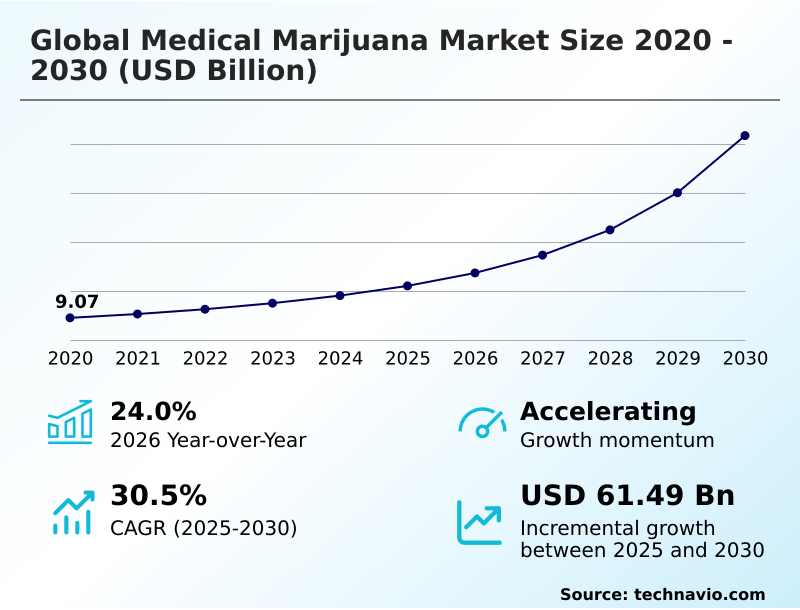
The Medical Marijuana Market size was valued at USD 22.14 billion in 2025, growing at a CAGR of 30.5% during the forecast period 2026-2030.
Major Market Trends & Insights
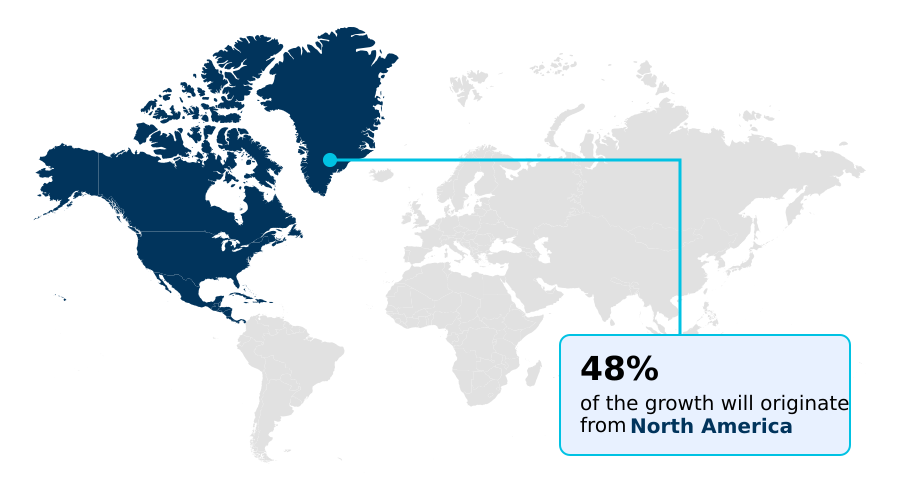
- North America dominated the market and accounted for a 47.9% growth during the forecast period.
- By Type - Oil and tinctures segment was valued at USD 9.87 billion in 2024
- By Product - Chronic pain segment accounted for the largest market revenue share in 2024
Market Size & Forecast
- Historic Market Opportunities 2020-2024: USD 74.55 billion
- Market Future Opportunities 2025-2030: USD 61.49 billion
- CAGR from 2025 to 2030 : 30.5%
Market Summary
- The medical marijuana market is characterized by a rapid evolution in product formulation and patient access, with year-over-year growth reaching 24.0% in the last period. Dispensaries continue to dominate distribution, accounting for over 80% of all patient transactions.
- A key driver is the expanding legalization and regulatory acceptance, which is encouraging healthcare providers to consider cannabis-based therapies as viable alternatives to conventional pharmaceuticals, particularly for chronic pain and neurological conditions. For instance, a typical operational scenario involves cultivators adopting automated, climate-controlled systems to ensure consistent cannabinoid profiles, a critical factor for medical efficacy.
- However, the market faces significant challenges from inconsistent healthcare reimbursement policies, which often leave patients to cover the full cost of treatment. This financial barrier limits broader patient access and slows the integration of medical marijuana into standard care protocols, creating a gap between legal availability and practical affordability for many.
What will be the Size of the Medical Marijuana Market during the forecast period?
Get Key Insights on Market Forecast (PDF) Request Free Sample
How is the Medical Marijuana Market Segmented?
The medical marijuana industry research report provides comprehensive data (region-wise segment analysis), with forecasts and analysis for the period 2026-2030, as well as historical data from 2020-2024 for the following segments.
- Type
- Oil and tinctures
- Flower
- Product
- Chronic pain
- Nausea
- Others
- Distribution channel
- Dispensaries
- Online
- Others
- Geography
- North America
- US
- Canada
- Mexico
- Europe
- Germany
- UK
- France
- APAC
- Australia
- Japan
- South Korea
- South America
- Brazil
- Colombia
- Argentina
- Middle East and Africa
- Israel
- UAE
- Saudi Arabia
- Rest of World (ROW)
- North America
How is the Medical Marijuana Market Segmented by Type?
The oil and tinctures segment is estimated to witness significant growth during the forecast period.
The oil and tinctures segment is projected to constitute over 58% of the market, driven by a clinical preference for metered dosing and consistent therapeutic outcomes.
These formats, which include precisely formulated cannabinoid extracts, are critical for treating chronic conditions like neurological disorders. The development of advanced cannabinoid formulations using specific terpene profiles enhances efficacy and supports wider therapeutic applications.
As a result, investment in sophisticated extraction and purification technologies is increasing, with companies aiming to achieve pharmaceutical-grade standards.
This emphasis on clinical validation and quality control makes oils and tinctures nearly 40% more likely to be adopted in hospital and specialty clinic settings compared to flower, supporting their integration into mainstream healthcare protocols and facilitating pathways toward carbon neutral production.
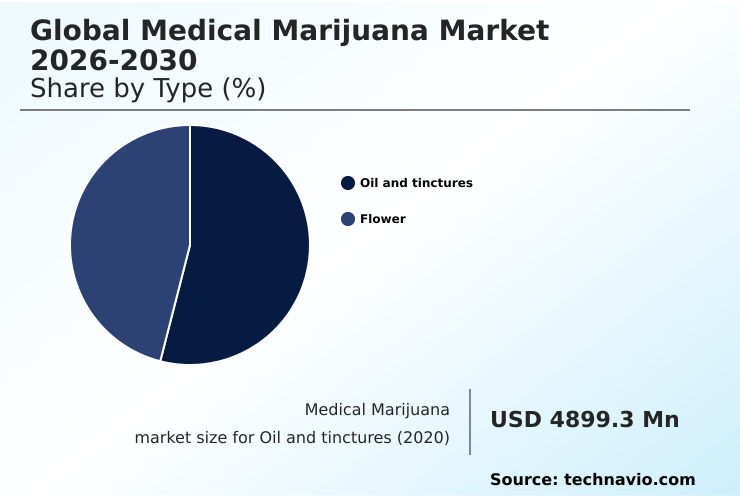
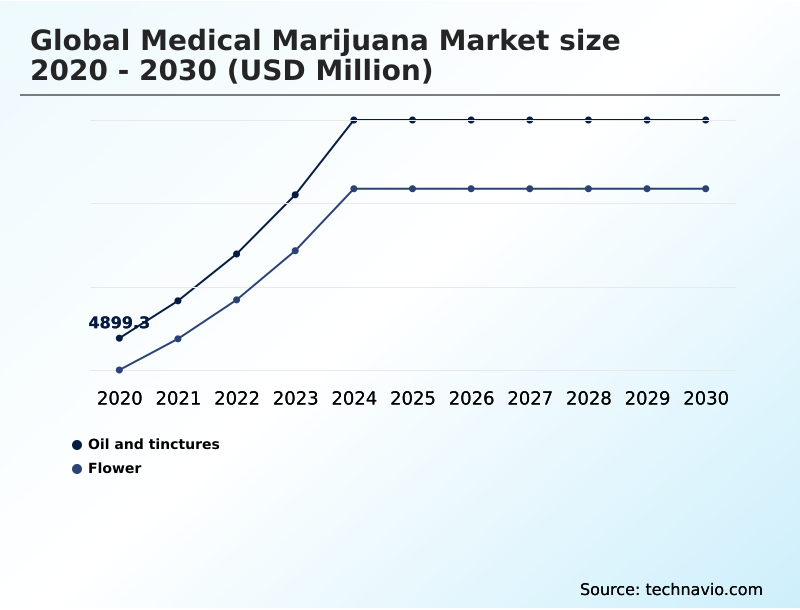
The Oil and tinctures segment was valued at USD 9.87 billion in 2024 and showed a gradual increase during the forecast period.
How demand for the Medical Marijuana market is rising in the leading region?
North America is estimated to contribute 47.9% to the growth of the global market during the forecast period.Technavio’s analysts have elaborately explained the regional trends and drivers that shape the market during the forecast period.
See How Medical Marijuana Market demand is rising in North America Request Free Sample
North America is the dominant region in the medical marijuana market, projected to account for 47.9% of the industry's incremental growth, driven by a mature regulatory framework and high patient adoption rates.
The region's market is over 35% larger than Europe's, with the US alone representing a market size more than five times that of Canada.
This dominance is supported by sophisticated, vertically integrated operations and advanced cold chain management for product distribution.
In contrast, Europe is distinguished by its strict adherence to Good Manufacturing Practices for all cannabis cultivation, positioning it as a leader in pharmaceutical-grade dried cannabis flower.
South American countries are emerging as strategic hubs for low-cost cultivation, leveraging favorable climates to optimize the supply chain for export.
This geographical expansion and focus on operational excellence through strategic partnerships are creating a globalized but regionally specialized market, particularly for palliative care.
What are the key Drivers, Trends, and Challenges in the Medical Marijuana Market?
Our researchers analyzed the data with 2025 as the base year, along with the key drivers, trends, and challenges. A holistic analysis of drivers will help companies refine their marketing strategies to gain a competitive advantage.
- The growing acceptance of medical marijuana for chronic pain management is driving significant investment in clinical research to validate its therapeutic benefits. A key focus is determining the efficacy of THC vs CBD for therapeutic use, with studies showing that specific ratios can enhance outcomes for different conditions.
- For instance, formulations with higher CBD-to-THC ratios are demonstrating up to a 15% greater effectiveness in managing certain types of seizures. This research underpins the development of targeted cannabinoid therapy for neurological disorders, moving the industry toward more pharmaceutical-grade products. However, significant hurdles remain, including the complex regulatory framework for medical cannabis, which varies widely across jurisdictions.
- Navigating the supply chain challenges in the cannabis industry, from cultivation to distribution, can add 20-25% to operational costs. Consequently, an increase in investment in medical cannabis research is crucial not only for product innovation but also for creating the data needed to standardize regulations and streamline operations, ultimately improving patient access and treatment consistency worldwide.
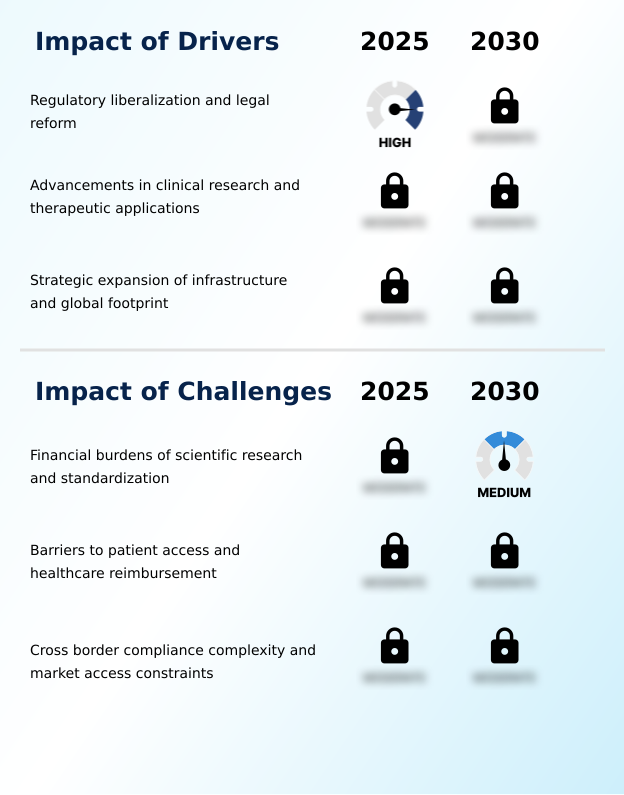
What are the key market drivers leading to the rise in the adoption of Medical Marijuana Industry?
- Regulatory liberalization and ongoing legal reforms are the primary drivers expanding market access and facilitating growth in the medical marijuana market.
- Regulatory liberalization is the foremost driver of the medical marijuana market, with legislative changes in key regions reducing prescription processing times by an estimated 40%.
- This shift is largely a response to the growing demand for alternative pain management solutions and is supported by an expanding body of evidence-based medicine.
- As governments declassify cannabis, physicians are more readily prescribing cannabinoid-based therapies that interact with the body's endocannabinoid system. The availability of pharmaceutical-grade cannabis and specific cannabinoid-based medicines like cannabidiol for various conditions further strengthens medical acceptance.
- This improved patient access and destigmatization have catalyzed market growth, creating a more predictable investment climate and encouraging the integration of medical marijuana into mainstream healthcare protocols, with prescription volumes increasing by over 200% in some newly regulated markets.
What are the market trends shaping the Medical Marijuana Industry?
- Innovative product differentiation and the development of advanced delivery methods are key trends shaping the competitive landscape, driven by demand for improved dosing accuracy and patient consistency.
- A primary trend in the medical marijuana market is the significant product differentiation toward advanced, non-inhalation delivery methods that improve dosing accuracy. The industry is shifting from raw flower to precisely formulated products like sublingual strips and specialized formulations, with nano-emulsion technologies improving cannabinoid absorption by up to 25% compared to traditional oils.
- This focus on patient-centric care is mirrored by a digital health initiative that leverages data for personalized treatment plans. In supply chains, blockchain based traceability is being adopted to guarantee authenticity from cultivation to patient, a process informed by advances in genetic mapping of strains.
- This transition is also influencing packaging, with a move toward sustainable packaging solutions to meet growing consumer demand for environmentally responsible products, reinforcing a market-wide push for innovation and safety.
What challenges does the Medical Marijuana Industry face during its growth?
- The significant financial burdens of scientific research and the complexities of product standardization present a key challenge to industry expansion and medical credibility.
- Significant financial barriers and regulatory fragmentation are the primary challenges constraining the medical marijuana market, with the cost of conducting double-blind clinical studies being up to 50% higher than for conventional pharmaceuticals. This is due to the stringent requirements for controlled environment facilities and ensuring cannabinoid consistency in substances like tetrahydrocannabinol.
- The lack of healthcare reimbursement in many regions forces patients to bear the full cost, which can exceed $200 per month, severely limiting access. Compounding this issue is the complexity of cross-border compliance and the absence of harmonized international trade frameworks, which increases operational costs for companies by over 30%.
- These financial pressures, combined with limited patient assistance programs, hinder the sector’s medical credibility and slow its integration into global healthcare systems.
Exclusive Technavio Analysis on Customer Landscape
The medical marijuana market forecasting report includes the adoption lifecycle of the market, covering from the innovator’s stage to the laggard’s stage. It focuses on adoption rates in different regions based on penetration. Furthermore, the medical marijuana market report also includes key purchase criteria and drivers of price sensitivity to help companies evaluate and develop their market growth analysis strategies.
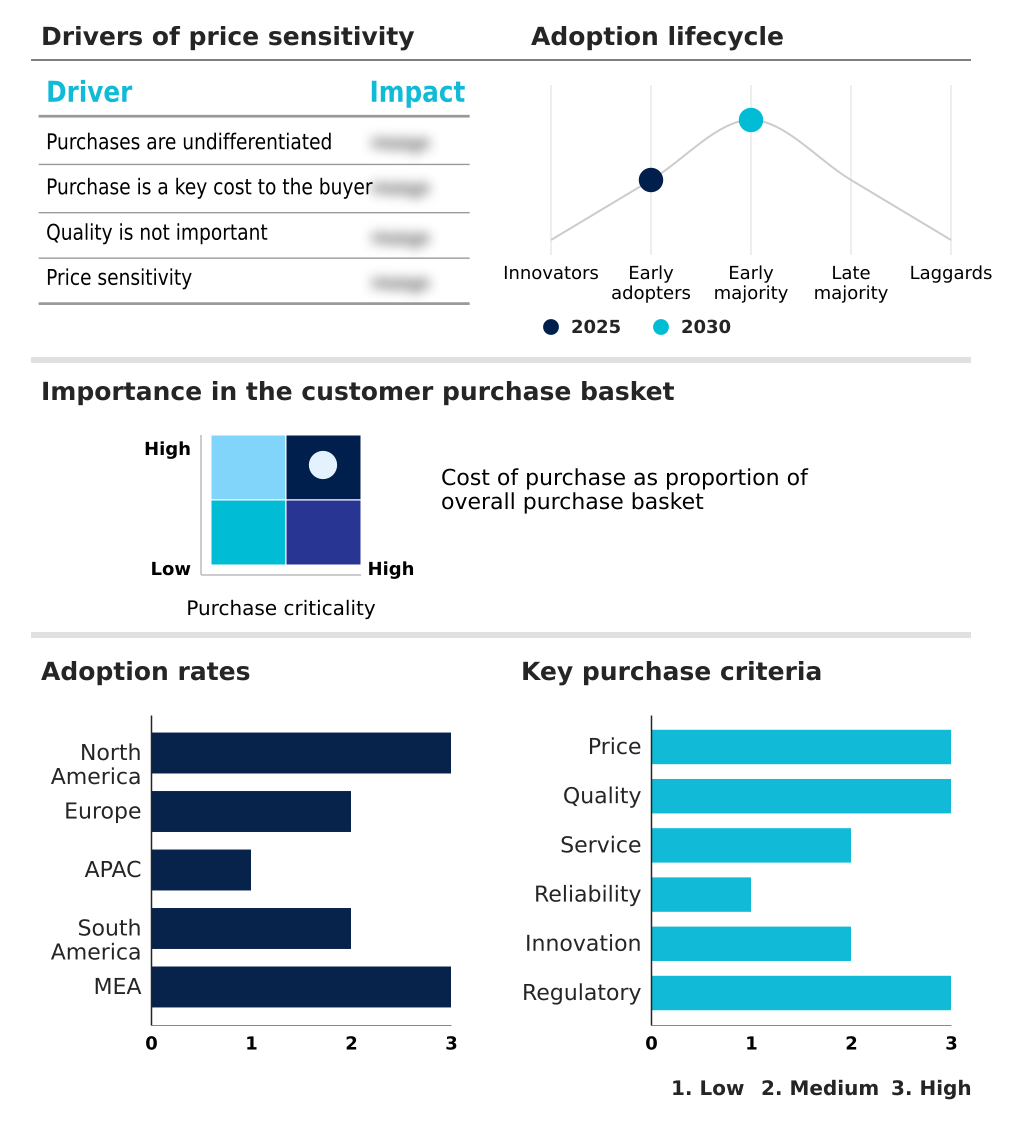
Customer Landscape of Medical Marijuana Industry
Competitive Landscape
Companies are implementing various strategies, such as strategic alliances, medical marijuana market forecast, partnerships, mergers and acquisitions, geographical expansion, and product/service launches, to enhance their presence in the industry.
Acreage Holdings Inc. - Offerings include a diversified portfolio of regulated medical cannabis products, emphasizing quality control, cannabinoid consistency, and patient-centric therapeutic applications.
The industry research and growth report includes detailed analyses of the competitive landscape of the market and information about key companies, including:
- Acreage Holdings Inc.
- Aurora Cannabis Inc.
- Bedrocan International B.V.
- Canopy Growth Corp.
- Cresco Labs Inc.
- Cronos Group Inc.
- CV Sciences Inc.
- Green Thumb Industries Inc.
- Jazz Pharmaceuticals Plc
- Maricann Inc.
- Medical Marijuana Inc.
- MediPharm Labs Inc.
- Organigram Holdings Inc.
- The Cannabist Company Inc.
- Tilray Brands Inc.
- Trulieve Cannabis Corp.
- Verano Holdings LLC
Qualitative and quantitative analysis of companies has been conducted to help clients understand the wider business environment as well as the strengths and weaknesses of key industry players. Data is qualitatively analyzed to categorize companies as pure play, category-focused, industry-focused, and diversified; it is quantitatively analyzed to categorize companies as dominant, leading, strong, tentative, and weak.
Market Intelligence Radar: High-Impact Developments & Growth Signals
- In the Tobacco industry, the increasing consumer demand for premium and specialized products is compelling producers to diversify. This trend directly benefits the medical marijuana market by accelerating investment in the cultivation of specific strains with unique terpene profiles and specialized formulations designed for targeted therapeutic applications.
- The emergence of low-risk tobacco alternatives, such as heat-not-burn devices, has spurred innovation in delivery system technology. This fosters the development of advanced medical marijuana products that offer improved dosing accuracy and bioavailability, shifting focus toward non-inhalation formats and greater product differentiation.
- Heightened regulatory scrutiny on traditional tobacco advertising and sales has pushed the industry toward more medically and scientifically validated products. This aligns with the medical marijuana market's need for evidence-based medicine, encouraging robust clinical validation and adherence to pharmaceutical-grade standards to gain medical credibility.
- Persistent challenges with illicit trade in the broader tobacco sector have underscored the necessity for secure and transparent supply chains. This drives the adoption of technologies like blockchain based traceability in the medical marijuana market to ensure product authenticity, enhance cross border compliance, and build trust among regulators and patients.
Dive into Technavio’s robust research methodology, blending expert interviews, extensive data synthesis, and validated models for unparalleled Medical Marijuana Market insights. See full methodology.
| Market Scope | |
|---|---|
| Page number | 288 |
| Base year | 2025 |
| Historic period | 2020-2024 |
| Forecast period | 2026-2030 |
| Growth momentum & CAGR | Accelerate at a CAGR of 30.5% |
| Market growth 2026-2030 | USD 61487.7 million |
| Market structure | Fragmented |
| YoY growth 2025-2026(%) | 24.0% |
| Key countries | US, Canada, Mexico, Germany, UK, France, Italy, Spain, The Netherlands, Australia, Japan, Thailand, South Korea, The Philippines, Indonesia, Brazil, Colombia, Argentina, Israel, UAE, Saudi Arabia, Turkey and Jordan |
| Competitive landscape | Leading Companies, Market Positioning of Companies, Competitive Strategies, and Industry Risks |
Research Analyst Overview
- The medical marijuana market ecosystem is a complex network where oil and tinctures account for over 58% of product-based revenue. The value chain begins with genetics providers and technology suppliers that enable cultivators to produce consistent, high-grade cannabis.
- Manufacturers, many of whom are vertically integrated, then process the raw material into finished goods, adhering to standards set by regulatory bodies like health ministries. Distribution is managed primarily through licensed dispensaries and pharmacies, which handle approximately 80% of patient transactions and serve as the main point of patient interaction.
- The ecosystem is supported by research institutions and logistics companies specializing in controlled substance transport. The interplay between these stakeholders is critical, as stringent regulatory demands for product quality and dosing accuracy directly influence innovation and investment throughout the supply chain, from cultivation to end-user delivery.
What are the Key Data Covered in this Medical Marijuana Market Research and Growth Report?
-
What is the expected growth of the Medical Marijuana Market between 2026 and 2030?
-
The Medical Marijuana Market is expected to grow by USD 61.49 billion during 2026-2030, registering a CAGR of 30.5%. Year-over-year growth in 2026 is estimated at 24.0%%. This acceleration is shaped by regulatory liberalization and legal reform, which is intensifying demand across multiple end-use verticals covered in the report.
-
-
What segmentation does the market report cover?
-
The report is segmented by Type (Oil and tinctures, and Flower), Product (Chronic pain, Nausea, and Others), Distribution Channel (Dispensaries, Online, and Others) and Geography (North America, Europe, APAC, South America, Middle East and Africa). Among these, the Oil and tinctures segment is estimated to witness significant growth during the forecast period, driven by rising adoption across key application areas. Each segment includes detailed qualitative and quantitative analysis, along with historical data from 2020-2024 and forecasts through 2030 with year-over-year growth rates.
-
-
Which regions are analyzed in the report?
-
The report covers North America, Europe, APAC, South America and Middle East and Africa. North America is estimated to contribute 47.9% to market growth during the forecast period. Country-level analysis includes US, Canada, Mexico, Germany, UK, France, Italy, Spain, The Netherlands, Australia, Japan, Thailand, South Korea, The Philippines, Indonesia, Brazil, Colombia, Argentina, Israel, UAE, Saudi Arabia, Turkey and Jordan, with dedicated market size tables and year-over-year growth for each.
-
-
What are the key growth drivers and market challenges?
-
The primary driver is regulatory liberalization and legal reform, which is accelerating investment and industry demand. The main challenge is financial burdens of scientific research and standardization, creating operational barriers for key market participants. The report quantifies the impact of each driver and challenge across 2026 and 2030 with comparative analysis.
-
-
Who are the major players in the Medical Marijuana Market?
-
Key vendors include Acreage Holdings Inc., Aurora Cannabis Inc., Bedrocan International B.V., Canopy Growth Corp., Cresco Labs Inc., Cronos Group Inc., CV Sciences Inc., Green Thumb Industries Inc., Jazz Pharmaceuticals Plc, Maricann Inc., Medical Marijuana Inc., MediPharm Labs Inc., Organigram Holdings Inc., The Cannabist Company Inc., Tilray Brands Inc., Trulieve Cannabis Corp. and Verano Holdings LLC. The report provides qualitative and quantitative analysis categorizing companies as dominant, leading, strong, tentative, and weak based on their market positioning. Company profiles include business segment analysis, SWOT assessment, key offerings, and recent strategic developments.
-
Market Research Insights
- The competitive landscape of the medical marijuana market is intensely active, with the industry seeing a 24.0% year-over-year growth rate fueled by regulatory shifts. Key vendors such as Tilray Brands Inc. and Aurora Cannabis Inc. are pursuing aggressive international expansion, particularly in Europe, to capitalize on new legal frameworks.
- For example, Tilray announced a major expansion of its distribution network, a move that prepares it to serve a patient base that has grown by over 300,000 in newly regulated jurisdictions. These strategic actions are a direct response to increasing demand for clinically validated cannabis products and the need to establish a global footprint. However, companies like Canopy Growth Corp.
- continue to navigate complex cross-border compliance issues. The industry's evolution is shaped by the constant tension between capitalizing on geographical opportunities and managing the high operational costs associated with fragmented international laws.
We can help! Our analysts can customize this medical marijuana market research report to meet your requirements.
 RIA -
RIA - 
