
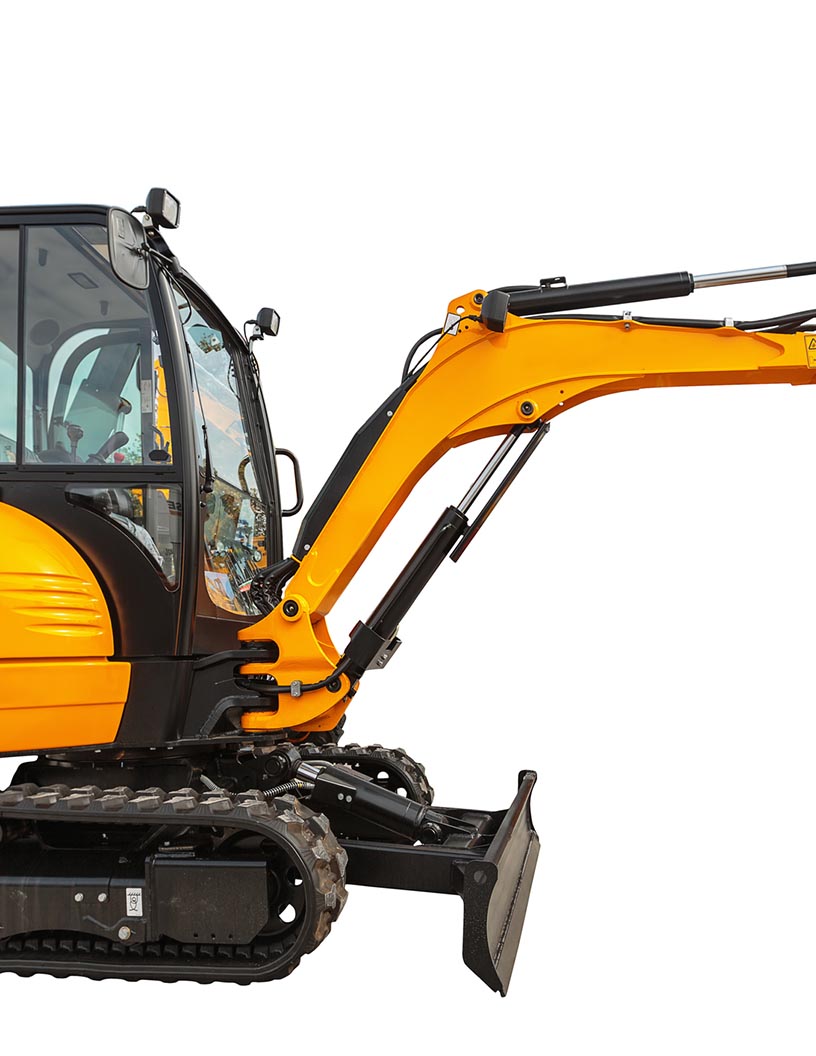

Mini Excavators Market Analysis Europe, APAC, North America, Middle East and Africa, South America - US, China, Germany, France, UK - Size and Forecast 2024-2028

Mini Excavators Market Analysis Europe, APAC, North America, Middle East and Africa, South America - US, China, Germany, France, UK - Size and Forecast 2024-2028

Published: Jul 2024 166 Pages SKU: IRTNTR40261

Market Overview at a Glance

$3.19 B
Market Opportunity
6.02%
CAGR
5.34
YoY growth 2023-2024(%)

Mini Excavators Market Size 2024-2028 

The mini excavators market size is forecast to increase by USD 3.19 billion at a CAGR of 6.02% between 2023 and 2028.

  • The mini excavator market is experiencing significant growth due to the expansion of industrial and utility sectors. companies in this market are increasingly focusing on electric mini excavators to cater to the growing demand for eco-friendly construction equipment. Moreover, stringent environmental laws and regulations are driving the adoption of electric mini excavators. These factors are expected to boost market growth In the coming years. Furthermore, infrastructure projects require precise and efficient excavation, leading to the adoption of advanced technologies like cameras, spatial sensors, and battery technologies to enhance productivity and accuracy. Additionally, advancements in technology, such as the integration of smart features and remote control systems, are enhancing the functionality and efficiency of mini excavators. However, high initial investment costs and limited availability of skilled labor for operating and maintaining these machines pose challenges to market growth. Overall, the mini excavator market is poised for steady growth, driven by the need for compact and efficient construction equipment in various industries.

What will be the Size of the Mini Excavators Market During the Forecast Period?
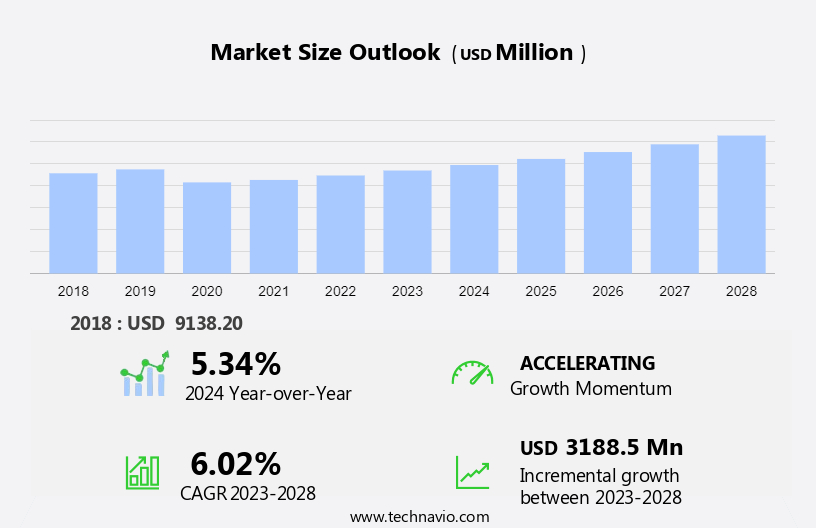
Mini Excavators Market Size

 Request Free Sample

  • The mini excavator market in the United States is experiencing strong growth due to the versatility and efficiency of these compact construction machines. Mini excavators, also known as compact excavators, are essential tools for various industries, including landscaping, excavating, demolishing, and material handling. These machines come equipped with dippers, booms, and buckets, enabling them to perform a range of tasks, from digging and lifting to picking and placing. They play a pivotal role in construction activities, such as bridge building, utility upgrades, and infrastructure development. The food and beverage, healthcare, and logistics sectors also utilize mini excavators for material handling and site preparation.
  • The forestry industry, in particular, benefits from the portability and maneuverability of these machines in remote areas. Advancements in hydraulic systems and automation have led to the electrification of mini excavators, making them more eco-friendly and cost-effective. The market is segmented into wheeled and track excavators, catering to diverse applications, such as mining activity and construction projects. Their versatility and adaptability make them indispensable tools for construction companies and various industries, driving market growth In the United States.

How is this Mini Excavators Industry segmented and which is the largest segment?

The industry research report provides comprehensive data (region-wise segment analysis), with forecasts and estimates in "USD million" for the period 2024-2028, as well as historical data from 2018-2022 for the following segments.

  • End-user
    • Construction
    • Utility
    • Agriculture and forestry
  • Geography
    • Europe
      • Germany
      • UK
      • France
    • APAC
      • China
    • North America
      • US
    • Middle East and Africa
    • South America

By End-user Insights

  • The construction segment is estimated to witness significant growth during the forecast period.

The mini excavator market is experiencing significant growth due to the increasing demand for construction activities, particularly In the public sector, driven by rising foreign direct investment and urbanization. According to the World Bank, more than half the global population now resides in urban areas and this proportion is projected to reach 70% by 2050, leading to a growth in infrastructure projects such as road construction, public transportation networks, and residential buildings. Mini excavators are essential for various applications, including excavating, demolishing, landscaping, material handling, and land surface maintenance. They come in different sizes, from less than 4 tons to 10 tons, catering to small-scale applications and labor-intensive tasks.

They are available as wheeled and track models, offering portability and automation advantages, respectively. Additionally, advancements in technology, such as battery technologies, cameras, and spatial sensors, are enhancing their functionality and efficiency. The market is further driven by the electrification of construction equipment, increasing focus on energy efficiency and emission reduction, and the need for skilled operators to handle heavy loads and operate in infrastructure operations. Industries such as food and beverage, healthcare, logistics systems, and automated warehouses are also adopting them for their construction needs.
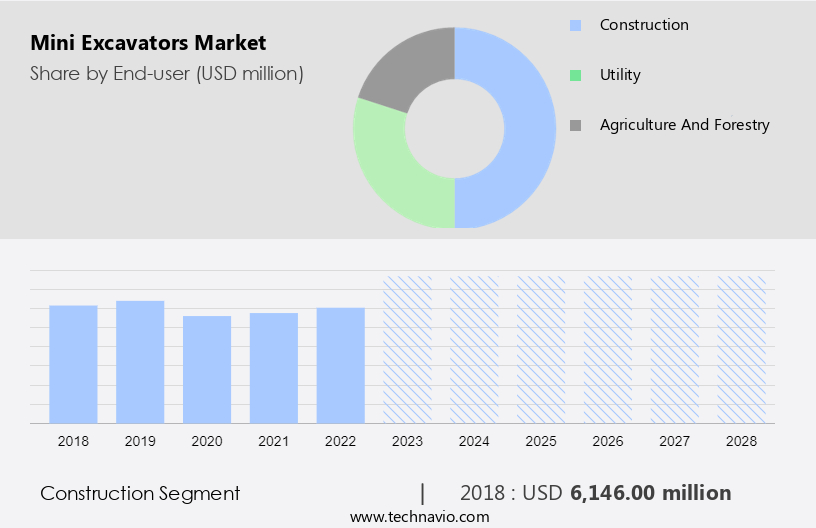
Mini Excavators Market Size

Get a glance at the Industry report of share of various segments Request Free Sample

The Construction segment was valued at USD 6.15 billion in 2018 and showed a gradual increase during the forecast period.

Regional Analysis

  • APAC is estimated to contribute 48% to the growth of the global market during the forecast period.

Technavio's analysts have elaborately explained the regional trends and drivers that shape the market during the forecast period.
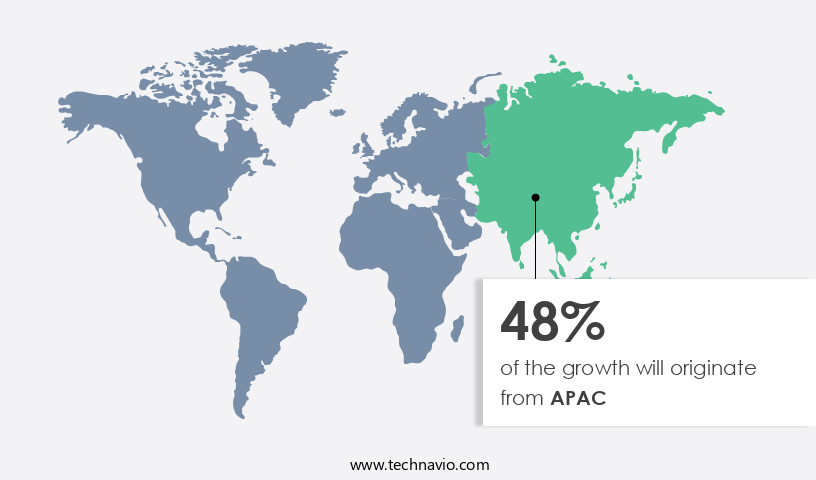
Mini Excavators Market Share by Geography

For more insights on the market share of various regions, Request Free Sample

Mini excavators, a type of compact construction equipment, experience growing demand in Europe due to increasing residential and commercial reconstruction activities. The European Union aims to reduce greenhouse gas emissions by 80-95% by 2050 compared to 1990, driving the need for energy-efficient machinery. Old buildings consume more energy due to outdated electricity networks and cables. Mini excavators, with their versatility in landscaping, excavating, demolishing, and material handling, cater to various construction activities. They are also used in agriculture, forestry, and infrastructure projects, including road construction and bridge building. Mini excavators come in different sizes, from less than 4 tons to 10 tons, catering to small-scale applications and heavy loads.

Their portability, automation, and fuel efficiency make them suitable for urban spaces and labor-intensive tasks. The market is expected to grow due to construction equipment electrification, infrastructure projects, and the need for skilled operators. Key applications include utility upgrades, food and beverage, healthcare, logistics systems, and automated warehouses. Hydraulic systems and spatial sensors enhance mini excavators' functionality, while cameras improve safety and productivity. Battery technologies and operational limitations are ongoing challenges In the market.

Market Dynamics

Our market researchers analyzed the data with 2023 as the base year, along with the key drivers, trends, and challenges. A holistic analysis of drivers will help companies refine their marketing strategies to gain a competitive advantage.

What are the key market drivers leading to the rise In the adoption of Industry?

Growth of industrial and utility sectors is the key driver of the market.

  • Growth of industrial and utility sectors is the key driver of the market growth. Mini excavators, also known as compact track or wheeled machines, are increasingly being adopted by construction companies, the forestry industry, and mining operations due to their portability and operational flexibility. With operating weights ranging from 1 to 10 metric tons, these compact machines can navigate urban spaces and reach areas where regular excavators cannot. The use of automation and remote control features enhances energy efficiency and emission reduction, making mini excavators a preferred choice for infrastructure projects and forestry activities in remote areas.

  • Further, skilled operators can handle heavy loads and overcome operational limitations, making these machines indispensable for various applications. Mini-track excavators and wheeled excavators cater to diverse industries, including construction, forestry, and mining, by providing the necessary power and maneuverability. Thus, such factors are driving the growth of the market during the forecast period.

What are the market trends shaping the Industry?

The increasing focus of market players on electric mini excavators is the upcoming market trend.

  • The increasing focus of market players on electric mini excavators is the upcoming trend in the market. Mini excavators, also known as compact track or wheeled machines, offer superior portability and maneuverability in comparison to regular excavators. These compact machines have gained significant traction in urban spaces due to their compact size and ability to navigate through tight areas. With an operating weight ranging from 1 to 14 metric tons, they are ideal for infrastructure operations, forestry, and mining activity in remote areas. The forestry industry and construction companies have embraced the use of mini track excavators for energy efficiency and emission reduction in their operations. Skilled operators can effectively handle heavy loads and overcome operational limitations with these machines.
  • Moreover, automation features in mini excavators enhance productivity and precision, making them a valuable asset in various industries. Wheeled excavators and track excavators are two primary types of mini excavators, catering to different applications. Wheeled excavators provide better mobility on paved surfaces, while track excavators offer superior traction and stability in challenging terrains. Regardless of the type, mini excavators have proven to be indispensable tools in various sectors, including construction, forestry, and mining. Thus, such trends will shape the growth of the market during the forecast period.

What challenges does the Industry face during its growth?

Implementation of stringent environmental laws and regulations is a key challenge affecting the industry growth.

  • Implementation of stringent environmental laws and regulations is a key challenge affecting market growth.  Mini excavators, also known as compact track or wheeled machines, offer portability and maneuverability in urban spaces and remote areas, making them indispensable for construction companies, mining activity, and forestry industry. With operating weights ranging from 1 to 10 metric tons, these machines provide the power and versatility to handle various tasks, from infrastructure operations to heavy loads. Track excavators offer superior traction and stability, while wheeled excavators ensure ease of transportation.
  • Further, automation and energy efficiency are essential features driving the market growth, with emission reduction and skilled operator requirements also influencing design and technology advancements. Operational limitations, such as limited reach and payload capacity, are being addressed through continuous innovation. Mini excavators play a crucial role in forestry operations, providing agility and precision in navigating rugged terrain and handling trees with care. Hence, the above factors will impede the growth of the market during the forecast period. 

Exclusive Customer Landscape

The market forecasting report includes the adoption lifecycle of the market, market growth and forecasting, covering from the innovator's stage to the laggard's stage. It focuses on adoption rates in different regions based on penetration. Furthermore, the market report also includes key purchase criteria and drivers of price sensitivity to help companies evaluate and develop their market growth analysis strategies.
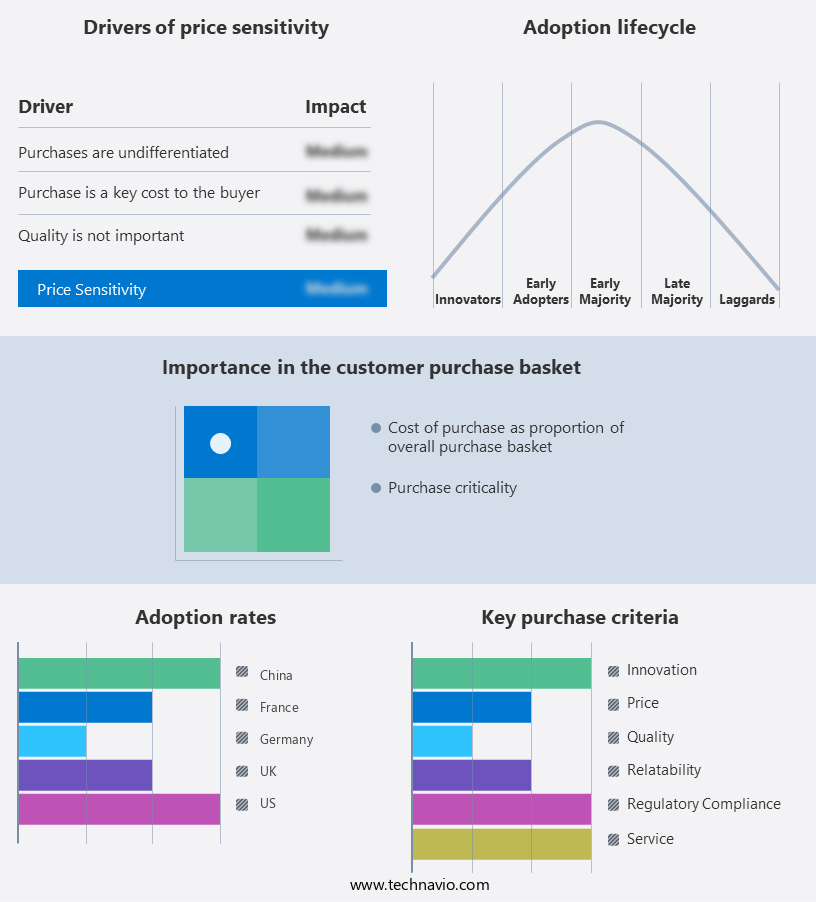
Mini Excavators Market Share by Geography

 Customer Landscape

Key Companies & Market Insights

Companies are implementing various strategies, such as strategic alliances, market forecast, partnerships, mergers and acquisitions, geographical expansion, and product/service launches, to enhance their presence In the industry. The industry research and growth report includes detailed analyses of the competitive landscape of the market and information about key companies, including:

  • AB Volvo
  • Bobcat Co.
  • Caterpillar Inc.
  • CNH Industrial N.V.
  • Deere and Co.
  • Gamzen India
  • Groupe Mecalac SAS
  • Guangxi Liugong Machinery Co. Ltd.
  • HD Hyundai Construction Equipment Co. Ltd.
  • Henan Ideal Machinery Equipment Co. Ltd.
  • Hitachi Ltd.
  • J C Bamford Excavators Ltd.
  • KATO WORKS CO. LTD.
  • Kobe Steel Ltd.
  • Komatsu Ltd.
  • Kubota Corp.
  • Ningbo Ace Machinery Co.,Ltd. 
  • Sany Group
  • Shandong Yanguo Machinery Equipment Co., Ltd.
  • Yanmar Holdings Co. Ltd.
  • Zoomlion Heavy Industry Science and Technology Co. Ltd.

Qualitative and quantitative analysis of companies has been conducted to help clients understand the wider business environment as well as the strengths and weaknesses of key industry players. Data is qualitatively analyzed to categorize companies as pure play, category-focused, industry-focused, and diversified; it is quantitatively analyzed to categorize companies as dominant, leading, strong, tentative, and weak.

Research Analyst Overview

Mini excavators, a subset of heavy construction equipment, have gained significant traction in various industries due to their versatility and efficiency in handling labor-intensive tasks. These compact machines, available in wheeled and track versions, are essential for landscaping and construction activities, as well as in agriculture and forestry sectors. They come in different sizes, with those less than 4 tons and 4 tons to 10 tons being the most common. The former is ideal for small-scale applications, such as trench digging, pits excavation, and land surface maintenance. The latter caters to more demanding tasks, including infrastructure projects like road construction and bridge building.

Mini excavators are integral to various industries, including utility upgrades, food and beverage, healthcare, logistics systems, and automated warehouses. Their compact size and portability make them indispensable in urban spaces, where accessibility is a critical factor. The mini excavator market is witnessing several trends, with a focus on automation, energy efficiency, and emission reduction. Battery technologies, cameras, and spatial sensors are increasingly being integrated into these machines to enhance their functionality and productivity. The construction equipment industry is undergoing electrification, with mini excavators being no exception. Fuel efficiency and rental options are becoming increasingly important considerations for construction companies, leading to a shift towards electric-powered mini excavators.

Despite their numerous advantages, mini excavators face operational limitations when handling heavy loads and in remote areas. Skilled operators are essential to maximize their potential and ensure optimal performance. Mini excavators are used extensively in heavy construction, landscaping, and agriculture industries. Their applications range from excavating and demolishing to picking and placing materials and material handling. In the agriculture sector, they are used for tasks like land preparation and crop harvesting. In forestry, they are employed for tasks like tree planting, forest thinning, and firefighting. Standardization is a crucial aspect of the market, ensuring the interchangeability of parts and ease of maintenance.

The market is expected to grow, driven by the increasing demand in various industries and the ongoing trend towards automation and electrification. In summary, they are versatile machines that play a vital role in various industries, from construction and landscaping to agriculture and forestry. Their compact size, portability, and efficiency make them indispensable for labor-intensive tasks and small-scale applications. The market is evolving, with a focus on automation, energy efficiency, and emission reduction, making mini excavators an essential investment for construction companies and businesses in various industries.

Mini Excavators Market Scope

Report Coverage

Details

Page number

166

Base year

2023

Historic period

2018-2022

Forecast period

2024-2028

Growth momentum & CAGR

Accelerate at a CAGR of 6.02%

Market growth 2024-2028

USD 3.19 billion

Market structure

Fragmented

YoY growth 2023-2024(%)

5.34

Key countries

US, China, Germany, France, and UK

Competitive landscape

Leading Companies, Market Positioning of Companies, Competitive Strategies, and Industry Risks

Request Free Sample

What are the Key Data Covered in this Market Research and Growth Report?

  • CAGR of the industry during the forecast period
  • Detailed information on factors that will drive the growth and forecasting between 2024 and 2028
  • Precise estimation of the size of the market and its contribution of the industry in focus to the parent market
  • Accurate predictions about upcoming growth and trends and changes in consumer behaviour
  • Growth of the market across Europe, APAC, North America, Middle East and Africa, and South America
  • Thorough analysis of the market's competitive landscape and detailed information about companies
  • Comprehensive analysis of factors that will challenge the market growth of industry companies

We can help! Our analysts can customize this market research report to meet your requirements.

Get in touch

1 Executive Summary

  • 1.1 Market overview
    • Executive Summary - Chart on Market Overview
    • Executive Summary - Data Table on Market Overview
    • Executive Summary - Chart on Global Market Characteristics
    • Executive Summary - Chart on Market by Geography
    • Executive Summary - Chart on Market Segmentation by End-user
    • Executive Summary - Chart on Incremental Growth
    • Executive Summary - Data Table on Incremental Growth
    • Executive Summary - Chart on Company Market Positioning

2 Market Landscape

  • 2.1 Market ecosystem
    • Parent Market
    • Data Table on - Parent Market
  • 2.2 Market characteristics
    • Market characteristics analysis
  • 2.3 Value chain analysis
    • Value Chain Analysis

3 Market Sizing

  • 3.1 Market definition
    • Offerings of companies included in the market definition
  • 3.2 Market segment analysis
    • Market segments
  • 3.3 Market size 2023
    • 3.4 Market outlook: Forecast for 2023-2028
      • Chart on Global - Market size and forecast 2023-2028 ($ million)
      • Data Table on Global - Market size and forecast 2023-2028 ($ million)
      • Chart on Global Market: Year-over-year growth 2023-2028 (%)
      • Data Table on Global Market: Year-over-year growth 2023-2028 (%)

    4 Historic Market Size

    • 4.1 Global Mini Excavators Market 2018 - 2022
      • Historic Market Size - Data Table on Global Mini Excavators Market 2018 - 2022 ($ million)
    • 4.2 End-user segment analysis 2018 - 2022
      • Historic Market Size - End-user Segment 2018 - 2022 ($ million)
    • 4.3 Geography segment analysis 2018 - 2022
      • Historic Market Size - Geography Segment 2018 - 2022 ($ million)
    • 4.4 Country segment analysis 2018 - 2022
      • Historic Market Size - Country Segment 2018 - 2022 ($ million)

    5 Five Forces Analysis

    • 5.1 Five forces summary
      • Five forces analysis - Comparison between 2023 and 2028
    • 5.2 Bargaining power of buyers
      • Bargaining power of buyers - Impact of key factors 2023 and 2028
    • 5.3 Bargaining power of suppliers
      • Bargaining power of suppliers - Impact of key factors in 2023 and 2028
    • 5.4 Threat of new entrants
      • Threat of new entrants - Impact of key factors in 2023 and 2028
    • 5.5 Threat of substitutes
      • Threat of substitutes - Impact of key factors in 2023 and 2028
    • 5.6 Threat of rivalry
      • Threat of rivalry - Impact of key factors in 2023 and 2028
    • 5.7 Market condition
      • Chart on Market condition - Five forces 2023 and 2028

    6 Market Segmentation by End-user

    • 6.1 Market segments
      • Chart on End-user - Market share 2023-2028 (%)
      • Data Table on End-user - Market share 2023-2028 (%)
    • 6.2 Comparison by End-user
      • Chart on Comparison by End-user
      • Data Table on Comparison by End-user
    • 6.3 Construction - Market size and forecast 2023-2028
      • Chart on Construction - Market size and forecast 2023-2028 ($ million)
      • Data Table on Construction - Market size and forecast 2023-2028 ($ million)
      • Chart on Construction - Year-over-year growth 2023-2028 (%)
      • Data Table on Construction - Year-over-year growth 2023-2028 (%)
    • 6.4 Utility - Market size and forecast 2023-2028
      • Chart on Utility - Market size and forecast 2023-2028 ($ million)
      • Data Table on Utility - Market size and forecast 2023-2028 ($ million)
      • Chart on Utility - Year-over-year growth 2023-2028 (%)
      • Data Table on Utility - Year-over-year growth 2023-2028 (%)
    • 6.5 Agriculture and forestry - Market size and forecast 2023-2028
      • Chart on Agriculture and forestry - Market size and forecast 2023-2028 ($ million)
      • Data Table on Agriculture and forestry - Market size and forecast 2023-2028 ($ million)
      • Chart on Agriculture and forestry - Year-over-year growth 2023-2028 (%)
      • Data Table on Agriculture and forestry - Year-over-year growth 2023-2028 (%)
    • 6.6 Market opportunity by End-user
      • Market opportunity by End-user ($ million)
      • Data Table on Market opportunity by End-user ($ million)

    7 Customer Landscape

    • 7.1 Customer landscape overview
      • Analysis of price sensitivity, lifecycle, customer purchase basket, adoption rates, and purchase criteria

    8 Geographic Landscape

    • 8.1 Geographic segmentation
      • Chart on Market share by geography 2023-2028 (%)
      • Data Table on Market share by geography 2023-2028 (%)
    • 8.2 Geographic comparison
      • Chart on Geographic comparison
      • Data Table on Geographic comparison
    • 8.3 Europe - Market size and forecast 2023-2028
      • Chart on Europe - Market size and forecast 2023-2028 ($ million)
      • Data Table on Europe - Market size and forecast 2023-2028 ($ million)
      • Chart on Europe - Year-over-year growth 2023-2028 (%)
      • Data Table on Europe - Year-over-year growth 2023-2028 (%)
    • 8.4 APAC - Market size and forecast 2023-2028
      • Chart on APAC - Market size and forecast 2023-2028 ($ million)
      • Data Table on APAC - Market size and forecast 2023-2028 ($ million)
      • Chart on APAC - Year-over-year growth 2023-2028 (%)
      • Data Table on APAC - Year-over-year growth 2023-2028 (%)
    • 8.5 North America - Market size and forecast 2023-2028
      • Chart on North America - Market size and forecast 2023-2028 ($ million)
      • Data Table on North America - Market size and forecast 2023-2028 ($ million)
      • Chart on North America - Year-over-year growth 2023-2028 (%)
      • Data Table on North America - Year-over-year growth 2023-2028 (%)
    • 8.6 Middle East and Africa - Market size and forecast 2023-2028
      • Chart on Middle East and Africa - Market size and forecast 2023-2028 ($ million)
      • Data Table on Middle East and Africa - Market size and forecast 2023-2028 ($ million)
      • Chart on Middle East and Africa - Year-over-year growth 2023-2028 (%)
      • Data Table on Middle East and Africa - Year-over-year growth 2023-2028 (%)
    • 8.7 South America - Market size and forecast 2023-2028
      • Chart on South America - Market size and forecast 2023-2028 ($ million)
      • Data Table on South America - Market size and forecast 2023-2028 ($ million)
      • Chart on South America - Year-over-year growth 2023-2028 (%)
      • Data Table on South America - Year-over-year growth 2023-2028 (%)
    • 8.8 US - Market size and forecast 2023-2028
      • Chart on US - Market size and forecast 2023-2028 ($ million)
      • Data Table on US - Market size and forecast 2023-2028 ($ million)
      • Chart on US - Year-over-year growth 2023-2028 (%)
      • Data Table on US - Year-over-year growth 2023-2028 (%)
    • 8.9 China - Market size and forecast 2023-2028
      • Chart on China - Market size and forecast 2023-2028 ($ million)
      • Data Table on China - Market size and forecast 2023-2028 ($ million)
      • Chart on China - Year-over-year growth 2023-2028 (%)
      • Data Table on China - Year-over-year growth 2023-2028 (%)
    • 8.10 Germany - Market size and forecast 2023-2028
      • Chart on Germany - Market size and forecast 2023-2028 ($ million)
      • Data Table on Germany - Market size and forecast 2023-2028 ($ million)
      • Chart on Germany - Year-over-year growth 2023-2028 (%)
      • Data Table on Germany - Year-over-year growth 2023-2028 (%)
    • 8.11 France - Market size and forecast 2023-2028
      • Chart on France - Market size and forecast 2023-2028 ($ million)
      • Data Table on France - Market size and forecast 2023-2028 ($ million)
      • Chart on France - Year-over-year growth 2023-2028 (%)
      • Data Table on France - Year-over-year growth 2023-2028 (%)
    • 8.12 UK - Market size and forecast 2023-2028
      • Chart on UK - Market size and forecast 2023-2028 ($ million)
      • Data Table on UK - Market size and forecast 2023-2028 ($ million)
      • Chart on UK - Year-over-year growth 2023-2028 (%)
      • Data Table on UK - Year-over-year growth 2023-2028 (%)
    • 8.13 Market opportunity by geography
      • Market opportunity by geography ($ million)
      • Data Tables on Market opportunity by geography ($ million)

    9 Drivers, Challenges, and Opportunity/Restraints

    • 9.1 Market drivers
      • 9.2 Market challenges
        • 9.3 Impact of drivers and challenges
          • Impact of drivers and challenges in 2023 and 2028
        • 9.4 Market opportunities/restraints

          10 Competitive Landscape

          • 10.1 Overview
            • 10.2 Competitive Landscape
              • Overview on criticality of inputs and factors of differentiation
            • 10.3 Landscape disruption
              • Overview on factors of disruption
            • 10.4 Industry risks
              • Impact of key risks on business

            11 Competitive Analysis

            • 11.1 Companies profiled
              • Companies covered
            • 11.2 Market positioning of companies
              • Matrix on companies position and classification
            • 11.3 Bobcat Co.
              • Bobcat Co. - Overview
              • Bobcat Co. - Product / Service
              • Bobcat Co. - Key offerings
            • 11.4 Caterpillar Inc.
              • Caterpillar Inc. - Overview
              • Caterpillar Inc. - Business segments
              • Caterpillar Inc. - Key news
              • Caterpillar Inc. - Key offerings
              • Caterpillar Inc. - Segment focus
            • 11.5 CNH Industrial N.V.
              • CNH Industrial N.V. - Overview
              • CNH Industrial N.V. - Product / Service
              • CNH Industrial N.V. - Key news
              • CNH Industrial N.V. - Key offerings
            • 11.6 Deere and Co.
              • Deere and Co. - Overview
              • Deere and Co. - Business segments
              • Deere and Co. - Key news
              • Deere and Co. - Key offerings
              • Deere and Co. - Segment focus
            • 11.7 Groupe Mecalac SAS
              • Groupe Mecalac SAS - Overview
              • Groupe Mecalac SAS - Product / Service
              • Groupe Mecalac SAS - Key offerings
            • 11.8 Guangxi Liugong Machinery Co. Ltd.
              • Guangxi Liugong Machinery Co. Ltd. - Overview
              • Guangxi Liugong Machinery Co. Ltd. - Product / Service
              • Guangxi Liugong Machinery Co. Ltd. - Key offerings
            • 11.9 Hitachi Ltd.
              • Hitachi Ltd. - Overview
              • Hitachi Ltd. - Business segments
              • Hitachi Ltd. - Key news
              • Hitachi Ltd. - Key offerings
              • Hitachi Ltd. - Segment focus
            • 11.10 J C Bamford Excavators Ltd.
              • J C Bamford Excavators Ltd. - Overview
              • J C Bamford Excavators Ltd. - Product / Service
              • J C Bamford Excavators Ltd. - Key offerings
            • 11.11 KATO WORKS CO. LTD.
              • KATO WORKS CO. LTD. - Overview
              • KATO WORKS CO. LTD. - Product / Service
              • KATO WORKS CO. LTD. - Key offerings
            • 11.12 Kobe Steel Ltd.
              • Kobe Steel Ltd. - Overview
              • Kobe Steel Ltd. - Business segments
              • Kobe Steel Ltd. - Key news
              • Kobe Steel Ltd. - Key offerings
              • Kobe Steel Ltd. - Segment focus
            • 11.13 Komatsu Ltd.
              • Komatsu Ltd. - Overview
              • Komatsu Ltd. - Business segments
              • Komatsu Ltd. - Key news
              • Komatsu Ltd. - Key offerings
              • Komatsu Ltd. - Segment focus
            • 11.14 Kubota Corp.
              • Kubota Corp. - Overview
              • Kubota Corp. - Business segments
              • Kubota Corp. - Key news
              • Kubota Corp. - Key offerings
              • Kubota Corp. - Segment focus
            • 11.15 Sany Group
              • Sany Group - Overview
              • Sany Group - Product / Service
              • Sany Group - Key news
              • Sany Group - Key offerings
            • 11.16 Yanmar Holdings Co. Ltd.
              • Yanmar Holdings Co. Ltd. - Overview
              • Yanmar Holdings Co. Ltd. - Product / Service
              • Yanmar Holdings Co. Ltd. - Key news
              • Yanmar Holdings Co. Ltd. - Key offerings
            • 11.17 Zoomlion Heavy Industry Science and Technology Co. Ltd.
              • Zoomlion Heavy Industry Science and Technology Co. Ltd. - Overview
              • Zoomlion Heavy Industry Science and Technology Co. Ltd. - Business segments
              • Zoomlion Heavy Industry Science and Technology Co. Ltd. - Key offerings
              • Zoomlion Heavy Industry Science and Technology Co. Ltd. - Segment focus

            12 Appendix

            • 12.1 Scope of the report
              • 12.2 Inclusions and exclusions checklist
                • Inclusions checklist
                • Exclusions checklist
              • 12.3 Currency conversion rates for US$
                • Currency conversion rates for US$
              • 12.4 Research methodology
                • Research methodology
              • 12.5 Data procurement
                • Information sources
              • 12.6 Data validation
                • Data validation
              • 12.7 Validation techniques employed for market sizing
                • Validation techniques employed for market sizing
              • 12.8 Data synthesis
                • Data synthesis
              • 360 degree market analysis
                • 360 degree market analysis
              • 12.10 List of abbreviations
                • List of abbreviations

              Research Methodology

              Technavio presents a detailed picture of the market by way of study, synthesis, and summation of data from multiple sources. The analysts have presented the various facets of the market with a particular focus on identifying the key industry influencers. The data thus presented is comprehensive, reliable, and the result of extensive research, both primary and secondary.

              INFORMATION SOURCES

              Primary sources

              • Manufacturers and suppliers
              • Channel partners
              • Industry experts
              • Strategic decision makers

              Secondary sources

              • Industry journals and periodicals
              • Government data
              • Financial reports of key industry players
              • Historical data
              • Press releases

              DATA ANALYSIS

              Data Synthesis

              • Collation of data
              • Estimation of key figures
              • Analysis of derived insights

              Data Validation

              • Triangulation with data models
              • Reference against proprietary databases
              • Corroboration with industry experts

              REPORT WRITING

              Qualitative

              • Market drivers
              • Market challenges
              • Market trends
              • Five forces analysis

              Quantitative

              • Market size and forecast
              • Market segmentation
              • Geographical insights
              • Competitive landscape

              Interested in this report?

              Get your sample now to see our research methodology and insights!

              Download Now

              Frequently Asked Questions

              Mini Excavators market growth will increase by $ 3188.5 mn during 2024-2028.

              The Mini Excavators market is expected to grow at a CAGR of 6.02% during 2024-2028.

              Mini Excavators market is segmented by End-user( Construction, Utility, Agriculture and forestry)

              AB Volvo, Bobcat Co., Caterpillar Inc., CNH Industrial N.V., Deere and Co., Gamzen India, Groupe Mecalac SAS, Guangxi Liugong Machinery Co. Ltd., HD Hyundai Construction Equipment Co. Ltd., Henan Ideal Machinery Equipment Co. Ltd., Hitachi Ltd., J C Bamford Excavators Ltd., KATO WORKS CO. LTD., Kobe Steel Ltd., Komatsu Ltd., Kubota Corp., Ningbo Ace Machinery Co.,Ltd. , Sany Group, Shandong Yanguo Machinery Equipment Co., Ltd., Yanmar Holdings Co. Ltd., Zoomlion Heavy Industry Science and Technology Co. Ltd. are a few of the key vendors in the Mini Excavators market.

              APAC will register the highest growth rate of 48% among the other regions. Therefore, the Mini Excavators market in APAC is expected to garner significant business opportunities for the vendors during the forecast period.

              US, China, Germany, France, UK

              • Growth of industrial and utility sectors is the driving factor this market.

              The Mini Excavators market vendors should focus on grabbing business opportunities from the Construction segment as it accounted for the largest market share in the base year.
              RIA - Research AI Assistant
              Ask RIA
