



Music Lessons Market Size 2026-2030
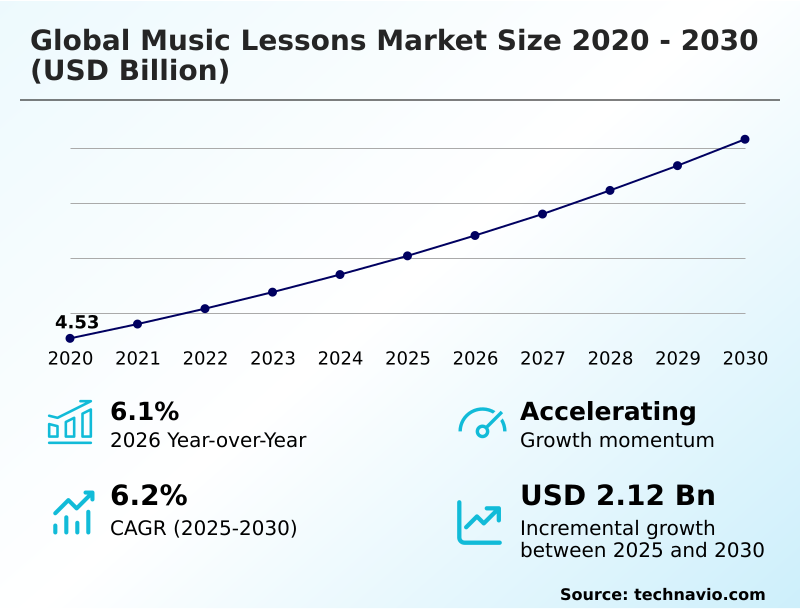
The music lessons market size is valued to increase by USD 2.12 billion, at a CAGR of 6.2% from 2025 to 2030. Integration of artificial intelligence and real-time feedback technology will drive the music lessons market.
Major Market Trends & Insights
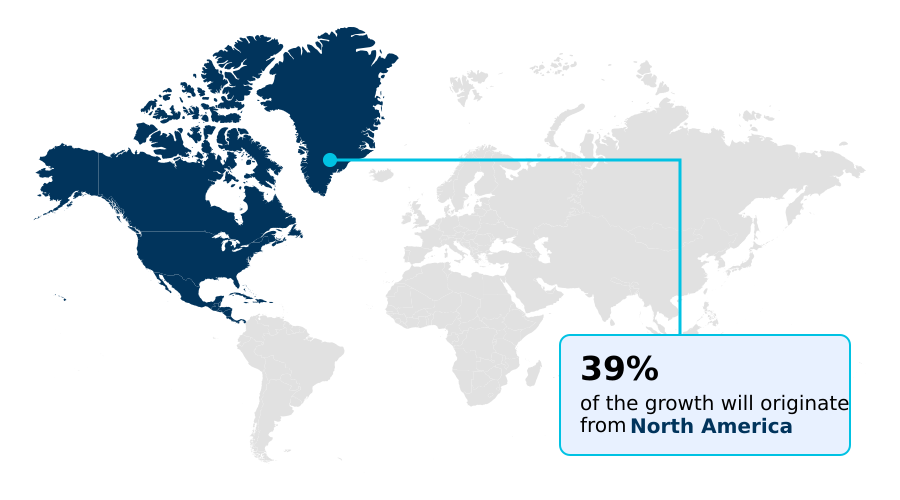
- North America dominated the market and accounted for a 39.3% growth during the forecast period.
- By Type - Instrument lessons segment was valued at USD 3.24 billion in 2024
- By Age Group - Children segment accounted for the largest market revenue share in 2024
Market Size & Forecast
- Market Opportunities: USD 3.62 billion
- Market Future Opportunities: USD 2.12 billion
- CAGR from 2025 to 2030 : 6.2%
Market Summary
- The music lessons market is undergoing a significant transformation, driven by the shift to a digitized educational environment where systematic instruction is accessible globally. This evolution is marked by the proliferation of digital platforms offering everything from instrument lessons to advanced music theory and composition.
- These services cater to diverse age demographics, supporting childhood cognitive development, vocational training for creative skills, and recreational fulfillment for adults. A key business application involves using real-time pitch correction and gamified learning modules to improve student retention, a critical metric for subscription-based services. This technology enhances both technical expertise and artistic expression.
- While traditional face-to-face sessions in academic conservatories still hold value, hybrid learning models that blend synchronous video conferencing with asynchronous digital modules are becoming standard. This model addresses the need for personalized instruction and expert guidance while offering the flexibility demanded by modern learners.
- The market's dynamism is further fueled by innovations in augmented reality and virtual reality technologies, creating immersive and engaging pedagogical services that redefine the boundaries of music education.
What will be the Size of the Music Lessons Market during the forecast period?
Get Key Insights on Market Forecast (PDF) Get Free Sample
How is the Music Lessons Market Segmented?
The music lessons industry research report provides comprehensive data (region-wise segment analysis), with forecasts and estimates in "USD million" for the period 2026-2030, as well as historical data from 2020-2024 for the following segments.
- Type
- Instrument lessons
- Singing lessons
- Music theory and composition
- Others
- Age group
- Children
- Adults
- Teenagers
- Seniors
- Channel
- Online
- Offline
- Hybrid
- Geography
- North America
- US
- Canada
- Mexico
- Europe
- Germany
- UK
- France
- APAC
- China
- Japan
- India
- South America
- Brazil
- Argentina
- Colombia
- Middle East and Africa
- Saudi Arabia
- UAE
- South Africa
- Rest of World (ROW)
- North America
By Type Insights
The instrument lessons segment is estimated to witness significant growth during the forecast period.
The global music lessons market is segmented by offerings that provide systematic instruction in areas like performance technique and creative composition. While traditional face-to-face sessions in academic conservatories remain significant, the landscape is shifting.
New pedagogical services deliver personalized instruction through self-paced learning modules that leverage audio recognition for real-time performance feedback. This approach modernizes the delivery of musical theory and technique.
Providers are developing structured curricula that blend expert guidance with technology, catering to learners who seek flexible yet comprehensive education.
The integration of gamified practice applications has demonstrated an ability to increase student practice frequency by over 30%, directly addressing engagement challenges and improving skill acquisition in a competitive digital environment.
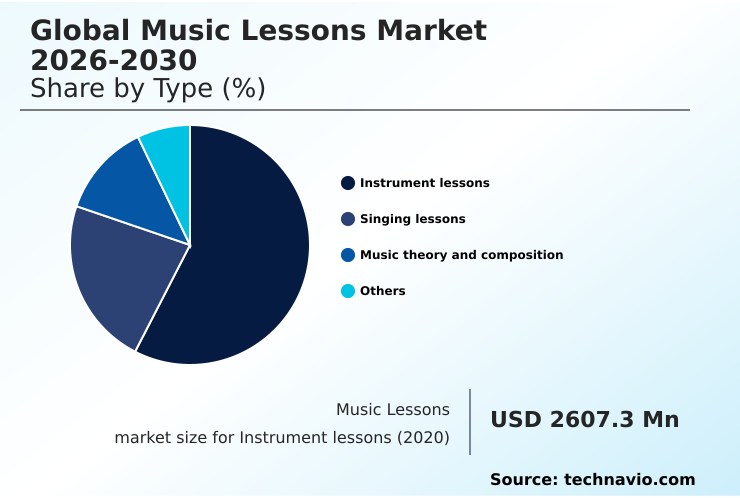
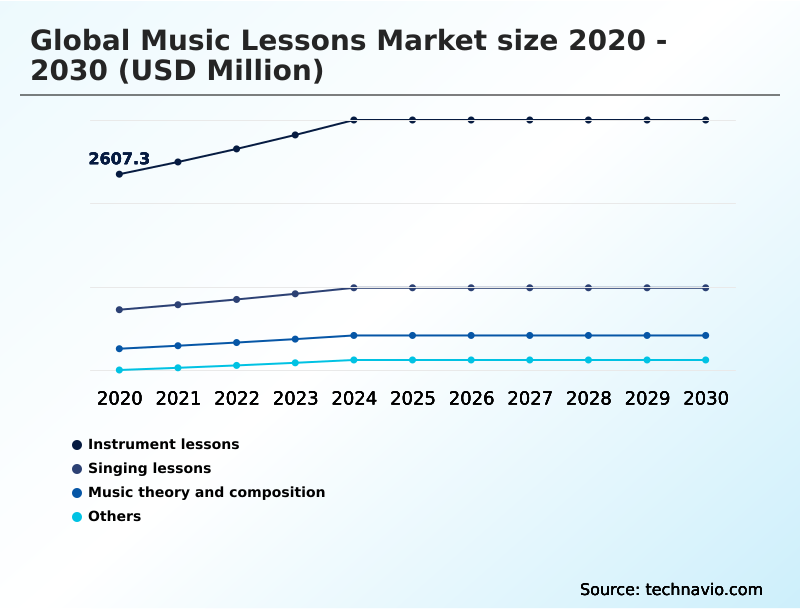
The Instrument lessons segment was valued at USD 3.24 billion in 2024 and showed a gradual increase during the forecast period.
Regional Analysis
North America is estimated to contribute 39.3% to the growth of the global market during the forecast period.Technavio’s analysts have elaborately explained the regional trends and drivers that shape the market during the forecast period.
See How Music Lessons Market Demand is Rising in North America Get Free Sample
The geographic landscape shows varied adoption of new digital pedagogy. In North America, hybrid learning models incorporating gamification are prevalent, aiming to improve student retention. Europe focuses on professional accreditation and digital certificates, often delivered through micro-learning modules.
In APAC, the rollout of low-latency 5G networks is enabling real-time educational streaming, which reduces the adoption lag for advanced methods like spatial computing by over 60% compared to regions with less developed infrastructure.
However, across all regions, discretionary household spending and competition from open-source content pose challenges to sustaining long-term engagement. This creates a complex dynamic where technological potential is often moderated by economic realities and consumer behavior, shaping regional market strategies.
Market Dynamics
Our researchers analyzed the data with 2025 as the base year, along with the key drivers, trends, and challenges. A holistic analysis of drivers will help companies refine their marketing strategies to gain a competitive advantage.
- Strategic decision-making in the industry is increasingly shaped by key questions. The benefits of AI in music education are becoming clear, driving investment in platforms that can improve learning outcomes. A major focus is on specific learner segments, with a high demand for online piano lessons for adults and gamified music practice for children.
- Firms are exploring the best apps for learning to sing and developing social learning platforms for musicians to foster community. The rise of immersive learning is highlighted by the popularity of virtual reality guitar learning apps and the critical role of haptic feedback in learning.
- The need for specialized skills is addressed through curricula on music theory for electronic producers and pathways showing how to get music teaching certification. The challenges of digital music instruction, particularly student engagement strategies in edtech, remain a central concern. Hybrid models for music schools are seen as a solution, balancing the cost of private vs online lessons.
- This is crucial given the impact of free tutorials on market sustainability. The push for professionalization is answered by micro-learning for advanced music skills and clear routes to accreditation for online music courses.
- The sector also sees new growth from music education for corporate wellness and the sustained demand for lifelong music learning programs, supported by low-latency streaming for remote lessons that mirror in-person quality.
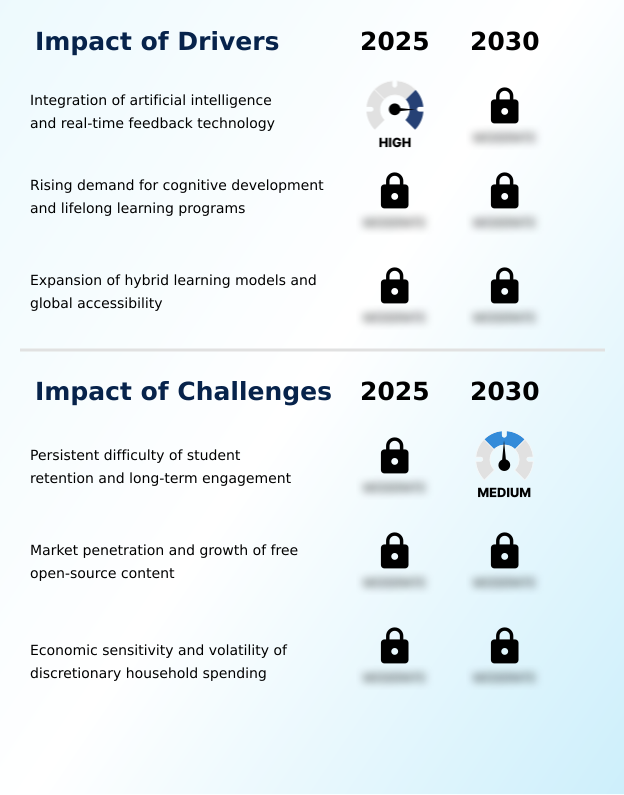
What are the key market drivers leading to the rise in the adoption of Music Lessons Industry?
- The integration of artificial intelligence and real-time feedback technology is a key market driver, revolutionizing instructional methods by providing personalized analysis and instantaneous correction.
- A key driver is the pursuit of lifelong learning and creative skills within a digitized educational environment, supported by online music lessons that emphasize both technical expertise and artistic expression.
- The growth in music production, utilizing digital audio workstations and live performance technology, fuels demand for advanced instruction. Group-based social learning and ensemble performance are increasingly popular, fostering a sense of community.
- Furthermore, gamified learning modules with features like real-time pitch correction are critical for engagement, with studies indicating that such systems can improve practice consistency by up to 40%.
- This integration of technology makes acquiring complex skills more accessible and less frustrating, sustaining motivation for a diverse user base.
What are the market trends shaping the Music Lessons Industry?
- The integration of immersive technologies and mixed reality environments is an upcoming market trend. This development offers novel pedagogical approaches by creating more interactive and visual learning experiences.
- A primary trend involves the use of digital platforms and interactive software for vocational training and tertiary education, shifting from solitary practice to collaborative learning. Social performance platforms are gaining traction, providing virtual rehearsal rooms and collaborative composition tools that facilitate peer-to-peer feedback. This focus on community enhances recreational fulfillment and supports childhood cognitive development by making learning more engaging.
- These systems, utilizing digital notation and video conferencing, allow for synchronous global collaboration, with some platforms reporting a 50% increase in user engagement compared to solo-learning formats. This transition toward social, interactive experiences is reshaping how skills are acquired, moving beyond individual achievement to collective creation and performance.
What challenges does the Music Lessons Industry face during its growth?
- The persistent difficulty of student retention and maintaining long-term engagement represents a key challenge affecting industry growth, particularly in self-paced digital learning environments.
- A significant challenge is justifying premium services against free alternatives, impacting instrument lessons and singing lessons across all age demographics. While augmented reality and virtual reality technologies with haptic feedback offer differentiation, their high development cost presents a barrier. Providers of both offline music lessons and those using a blended learning approach face difficulties in demonstrating value.
- The reliance on asynchronous digital modules and automated feedback tools can lead to high attrition, with some platforms seeing user drop-off rates exceed 50% in the initial months. Balancing the scalability of cloud-based technology and synchronous face-to-face sessions with the need for effective, engaging instruction in music theory and composition remains a core operational hurdle.
Exclusive Technavio Analysis on Customer Landscape
The music lessons market forecasting report includes the adoption lifecycle of the market, covering from the innovator’s stage to the laggard’s stage. It focuses on adoption rates in different regions based on penetration. Furthermore, the music lessons market report also includes key purchase criteria and drivers of price sensitivity to help companies evaluate and develop their market growth analysis strategies.
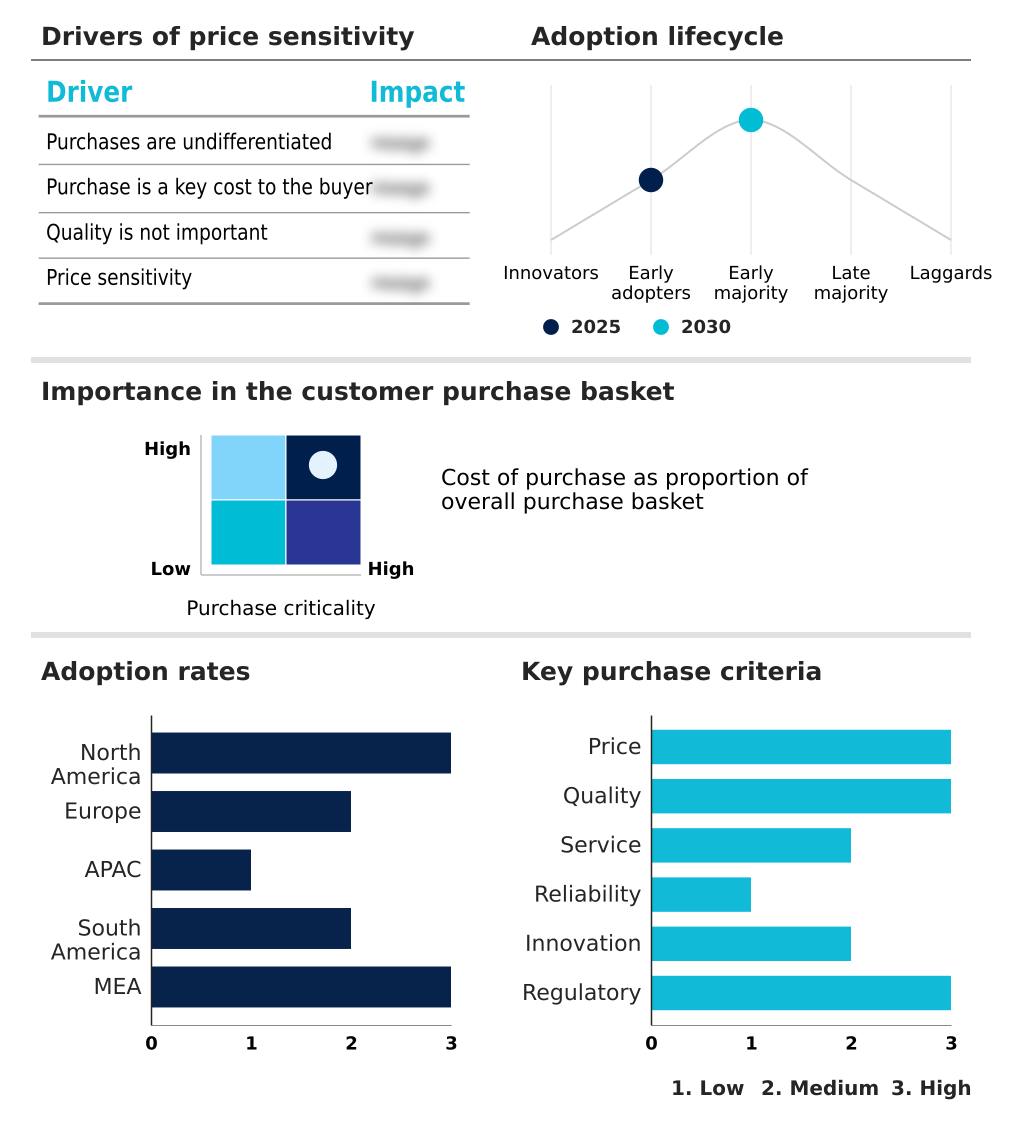
Customer Landscape of Music Lessons Industry
Competitive Landscape
Companies are implementing various strategies, such as strategic alliances, music lessons market forecast, partnerships, mergers and acquisitions, geographical expansion, and product/service launches, to enhance their presence in the industry.
ArtistWorks Inc. - Offers video-based instruction with personalized feedback for various instruments and vocal training, targeting diverse skill levels.
The industry research and growth report includes detailed analyses of the competitive landscape of the market and information about key companies, including:
- ArtistWorks Inc.
- Bach to Rock
- Coursera Inc.
- Fender Musical Instruments
- flowkey GmbH
- Guitar Center Inc.
- Hoffman Academy
- JustinGuitar
- Kawai Musical Instruments Mfg.
- Learn2Play GmbH
- Musora Media Inc.
- Playground Sessions Inc.
- School of Rock
- SkillShare Inc.
- tonebase Inc.
- Trala Inc.
- TrueFire Studios
- Udemy Inc.
- Yamaha Corp.
- Yanka Industries Inc.
Qualitative and quantitative analysis of companies has been conducted to help clients understand the wider business environment as well as the strengths and weaknesses of key industry players. Data is qualitatively analyzed to categorize companies as pure play, category-focused, industry-focused, and diversified; it is quantitatively analyzed to categorize companies as dominant, leading, strong, tentative, and weak.
Recent Development and News in Music lessons market
- In August 2025, Fender Musical Instruments Corporation implemented a new artificial intelligence algorithm designed to provide real-time haptic feedback for finger placement on digital fretboards through their proprietary learning application.
- In May 2025, the National Association of Music Merchants launched a collaborative initiative with educational psychologists to standardize music curriculum specifically for cognitive health in adult learners.
- In February 2025, Apple Incorporated released a major update for its mixed reality operating system that included dedicated high-precision hand tracking specifically for stringed instruments, which facilitates more accurate digital instruction.
- In March 2025, the Music Teachers National Association released a comprehensive white paper detailing a notable increase in the abandonment rates of adult learners who transitioned from traditional in-person instruction to purely automated software solutions.
Dive into Technavio’s robust research methodology, blending expert interviews, extensive data synthesis, and validated models for unparalleled Music Lessons Market insights. See full methodology.
| Market Scope | |
|---|---|
| Page number | 302 |
| Base year | 2025 |
| Historic period | 2020-2024 |
| Forecast period | 2026-2030 |
| Growth momentum & CAGR | Accelerate at a CAGR of 6.2% |
| Market growth 2026-2030 | USD 2120.7 million |
| Market structure | Fragmented |
| YoY growth 2025-2026(%) | 6.1% |
| Key countries | US, Canada, Mexico, Germany, UK, France, Italy, Spain, The Netherlands, China, Japan, India, South Korea, Australia, Indonesia, Brazil, Argentina, Colombia, Saudi Arabia, UAE, South Africa, Israel and Turkey |
| Competitive landscape | Leading Companies, Market Positioning of Companies, Competitive Strategies, and Industry Risks |
Research Analyst Overview
- The sector for pedagogical services is defined by a strategic shift toward a digitized educational environment, where systematic instruction in musical theory and performance technique is paramount. Digital platforms offering instrument lessons and singing lessons leverage interactive software and video conferencing to serve diverse age demographics.
- These tools facilitate everything from childhood cognitive development and tertiary education to vocational training and recreational fulfillment. For boardroom strategy, the integration of gamified learning modules with real-time pitch correction is critical for enhancing artistic expression and technical expertise, directly impacting user retention.
- The rise of hybrid learning models, which combine face-to-face sessions in academic conservatories with online modules, represents a key operational focus. Further innovation is seen in the use of augmented reality, virtual reality technologies, and spatial computing with haptic feedback. To support real-time educational streaming, investment in low-latency 5G networks is essential.
- The market push toward professional accreditation, offered via micro-learning modules and digital certificates, is redefining music theory and composition as a career-oriented discipline.
What are the Key Data Covered in this Music Lessons Market Research and Growth Report?
-
What is the expected growth of the Music Lessons Market between 2026 and 2030?
-
USD 2.12 billion, at a CAGR of 6.2%
-
-
What segmentation does the market report cover?
-
The report is segmented by Type (Instrument lessons, Singing lessons, Music theory and composition, and Others), Age Group (Children, Adults, Teenagers, and Seniors), Channel (Online, Offline, and Hybrid) and Geography (North America, Europe, APAC, South America, Middle East and Africa)
-
-
Which regions are analyzed in the report?
-
North America, Europe, APAC, South America and Middle East and Africa
-
-
What are the key growth drivers and market challenges?
-
Integration of artificial intelligence and real-time feedback technology, Persistent difficulty of student retention and long-term engagement
-
-
Who are the major players in the Music Lessons Market?
-
ArtistWorks Inc., Bach to Rock, Coursera Inc., Fender Musical Instruments, flowkey GmbH, Guitar Center Inc., Hoffman Academy, JustinGuitar, Kawai Musical Instruments Mfg., Learn2Play GmbH, Musora Media Inc., Playground Sessions Inc., School of Rock, SkillShare Inc., tonebase Inc., Trala Inc., TrueFire Studios, Udemy Inc., Yamaha Corp. and Yanka Industries Inc.
-
Market Research Insights
- Market dynamics are shaped by a move toward personalized instruction, facilitated by self-paced learning and audio recognition for real-time performance feedback. Providers are delivering structured curricula with expert guidance through a blended learning approach. This combines offline music lessons with online music lessons, including both synchronous face-to-face sessions and asynchronous digital modules.
- A focus on collaborative learning is evident in social performance platforms featuring peer-to-peer feedback, virtual rehearsal rooms, and collaborative composition tools. To enhance digital pedagogy, gamification and automated feedback tools are used to address challenges in student retention and long-term engagement. Innovations in music production leverage digital audio workstations and live performance technology.
- The industry also contends with the availability of open-source content and its impact on discretionary household spending, pushing for unique value through group-based social learning, ensemble performance, digital notation, and cloud-based technology.
We can help! Our analysts can customize this music lessons market research report to meet your requirements.
 RIA -
RIA - 
