


Orphan Drugs Market Analysis North America, Europe, Asia, Rest of World (ROW) - US, UK, Canada, China, Germany - Size and Forecast 2024-2028

Orphan Drugs Market Analysis North America, Europe, Asia, Rest of World (ROW) - US, UK, Canada, China, Germany - Size and Forecast 2024-2028

Published: Aug 2024 180 Pages SKU: IRTNTR46586

Market Overview at a Glance

$146.1 B
Market Opportunity
11.62%
CAGR
11.03
YoY growth 2023-2024(%)

Orphan Drugs Market Size 2024-2028 

The orphan drugs market size is forecast to increase by USD 146.1 billion at a CAGR of 11.62% between 2023 and 2028. The market is witnessing significant growth due to several key drivers. The powerful pipeline and recent approvals of novel therapies, particularly in the oncology therapy area, are fueling market expansion. Immunomodulators, biologics, and non-biologics are witnessing considerable demand, especially for the treatment of non-life-threatening diseases. Strategic collaborations, partnerships, and mergers and acquisitions among industry players are also contributing to market growth. However, challenges such as the delay in diagnosis and the high cost of these specialized treatments remain significant barriers. The report further highlights trends in outpatient hospital visits, clinical research, and the increasing prevalence of hematology, neurology, endocrinology, and immunotherapy indications.
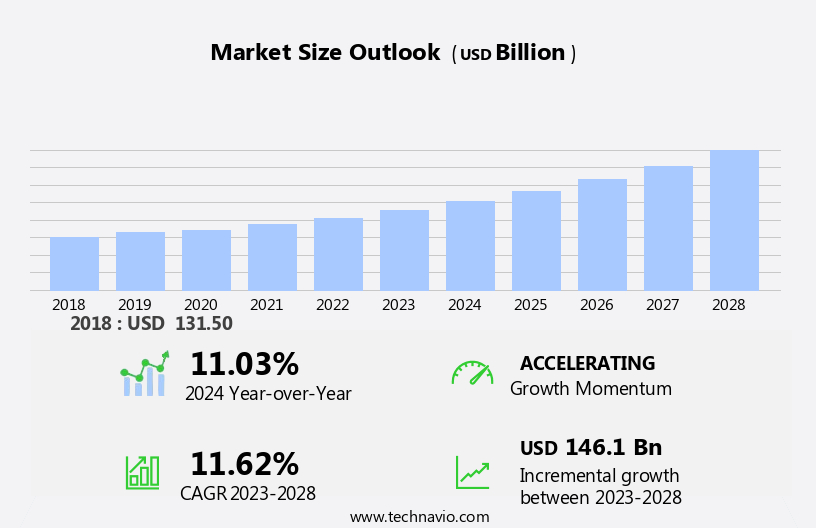
Orphan Drugs Market Size

 Request Free Sample

The pharmaceutical industry is continuously evolving to cater to the unique requirements of various medical conditions. Among these, the focus on orphan drugs, also known as rare disease drugs, has gained significant traction. Orphan drugs are pharmaceutical agents designed to treat or prevent specific rare medical conditions that affect a small population. These conditions include, but are not limited to, oncological diseases such as Hodgkin lymphoma and acute myeloid leukemia, metabolic diseases like cystic fibrosis, hematologic diseases, immunologic diseases, infectious diseases, neurological diseases, and various other rare conditions. The development of orphan drugs involves extensive clinical trials and screening services to ensure their safety and efficacy. The clinical research process for orphan drugs is critical due to the complex nature of these conditions and the limited patient population. This process includes various stages, from preclinical testing to regulatory approval. Orphan drugs play a crucial role in the healthcare landscape, particularly in the therapy areas of oncology, hematology, neurology, and immunology.

Further, the oncology therapy area accounts for a significant portion of the market due to the high prevalence of oncological diseases. Biological orphan drugs are derived from living organisms or their products, while nonbiological orphan drugs are synthesized chemically. Both types of orphan drugs offer unique advantages and challenges in their development and application. The demand for orphan drugs is driven by the unmet medical needs in the treatment of rare diseases. According to the World Health Organization (WHO), about 350 million people worldwide are affected by rare diseases.

Despite this significant number, many of these conditions lack effective treatments, leading to a high unmet need. Outpatient hospital visits for the management of rare diseases are frequent, making the market an essential component of the healthcare services. The increasing focus on personalized medicine and the growing awareness of rare diseases are further fueling the growth of this market. 

Market Segmentation

The market research report provides comprehensive data (region-wise segment analysis), with forecasts and estimates in "USD billion" for the period 2024-2028, as well as historical data from 2018-2022 for the following segments.

  • Distribution Channel
    • Hospital Pharmacy
    • Specialty pharmacy
    • Retail pharmacy
    • Others
  • Product
    • Biologics
    • Non-biologics
  • Geography
    • North America
      • Canada
      • US
    • Europe
      • Germany
      • UK
    • Asia
      • China
    • Rest of World (ROW)

By Distribution Channel Insights

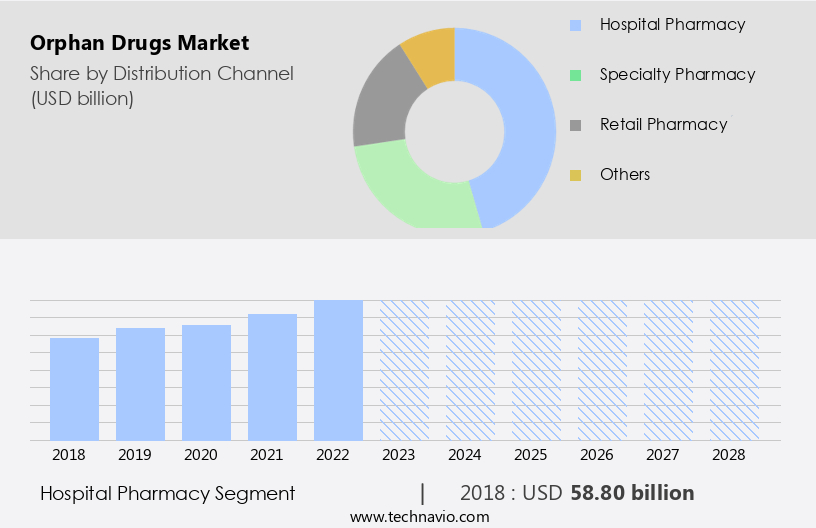
The hospital pharmacy segment is estimated to witness significant growth during the forecast period. Orphan drugs are medications designed to treat rare diseases, including neurological disorders, transplantation diseases, gastrointestinal conditions, dermatologic diseases, congenital abnormalities, pancreatic cancer, ovarian cancer, multiple myeloma, renal cell carcinoma, Hunter syndrome, Fabry disease, and Gaucher disease, among others. Hospital pharmacy departments play a crucial role in the preparation, compounding, storage, and distribution of these specialized medications. The accessibility and convenience of hospital pharmacies make them an ideal source for obtaining orphan drugs. One significant advantage of hospital pharmacies is their ability to create personalized dosing regimens tailored to each patient's unique needs. This individualized approach helps healthcare professionals make informed drug-based decisions and enables patients to better understand and adhere to their medication schedules.

Consequently, the hospital pharmacy segment contributes significantly to the expansion of the market. According to recent research, there were approximately 37,000 orphan drugs approved in the United States, Europe, and Japan as of 2021. This underscores the importance of hospital pharmacies in providing essential care and treatment for patients with rare diseases.
Orphan Drugs Market Size

Get a glance at the market share of various segments Request Free Sample

The hospital pharmacy segment accounted for USD 58.80 billion in 2018 and showed a gradual increase during the forecast period.

Regional Insights

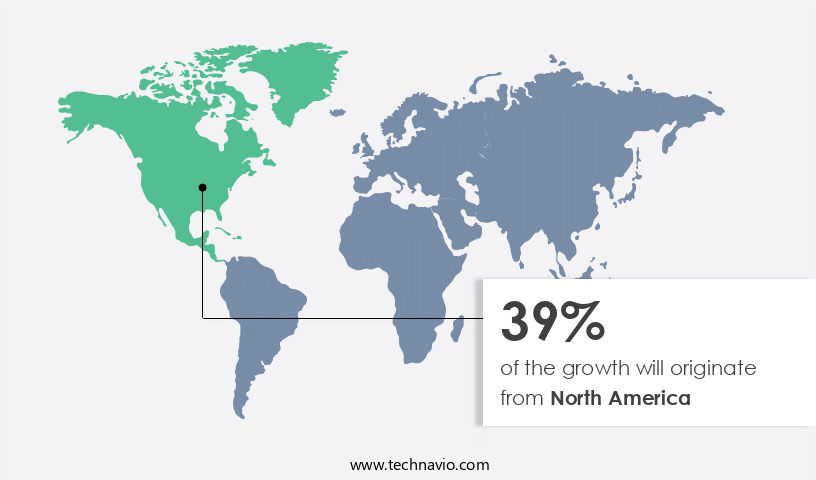
North America is estimated to contribute 39% to the growth of the global market during the forecast period. Technavio's analysts have elaborately explained the regional trends and drivers that shape the market during the forecast period.
Orphan Drugs Market Share by Geography

For more insights on the market share of various regions Request Free Sample

In North America, the market has witnessed significant expansion due to several key factors. These factors include the approval of new drugs, increasing diagnosis rates for rare diseases, availability of reimbursement programs, high pricing of these medications, the presence of major orphan drug companies, and incentives from regulatory agencies and non-profit organizations.

Further, the healthcare sector in North America has seen increased expenditure on orphan drugs due to their high cost and the availability of reimbursement schemes. The Cardiovascular, Endocrine, and Respiratory disease segments have been major consumers of orphan drugs in the region. In the retail and hospital pharmacy sectors, as well as online sales channels, these medications have gained significant traction. The market's growth is expected to continue, driven by these factors and the ongoing efforts of key players to develop and bring new treatments to market.

Our researchers analyzed the data with 2023 as the base year, along with the key drivers, trends, and challenges. A holistic analysis of drivers will help companies refine their marketing strategies to gain a competitive advantage.

Market Driver

Powerful pipeline and recent drug approvals is the key driver of the market. Orphan drugs, designed to treat rare diseases, have gained significant attention in the pharmaceutical industry over the past two decades. The American Cancer Society and other health organizations have played a crucial role in advancing research and development in this area. As a result, the number of approved orphan drugs has seen a remarkable increase, with over 30% of new drug approvals in the US during the last five years being for rare diseases. Some of these conditions include Yellow Fever, von Willebrand Disease, Waardenburg Syndrome, Diabetes Macular Edema, Abetalipoproteinemia, and Yellow Nail Syndrome. Biopharmaceutical companies have been granted FDA exemptions to bypass rigorous drug development requirements for these conditions due to their rarity.

Further, this has enabled the production of specialized treatments for these diseases, which would otherwise be neglected. For instance, conditions like Classic homocystinuria have seen the introduction of effective treatments, significantly improving the lives of affected individuals. The shift from blockbuster to niche-buster drugs is a growing trend among large pharmaceutical players. This strategic move allows companies to cater to the unique needs of patients with rare diseases, ensuring they receive the necessary treatments. The future of orphan drug development holds great promise, with continued advancements expected in this field.

Market Trends

Strategic focus on alliances, partnerships, and mergers and acquisitions is the upcoming trend in the market. The market has seen an increase in strategic alliances and partnerships in recent years. In 2021 and 2022 alone, hundreds of such collaborations have been formed. These partnerships expand companies' reach to broader geographical areas, enlarge product offerings, and result in higher returns on investment as products are co-developed and co-marketed. As a result, market participants are anticipated to continue seeking innovative strategies to capitalize on the lucrative opportunities, thereby fostering market expansion during the forecast period.

Moreover, Mergers and Acquisitions (M&A) have emerged as a popular trend in the market. This trend is driven by the approaching patent expirations and the necessity to replenish pipelines. By engaging in M&A activities, companies can acquire new technologies, expand their product portfolios, and strengthen their market presence. Consequently, the market is poised for steady growth.

Market Challenge

Delay in diagnosis is a key challenge affecting the market growth. In the realm of healthcare, the timely identification of rare diseases is crucial for initiating appropriate treatments and enhancing patient care. However, due to the complexities involved in diagnosing rare diseases, patients often face prolonged periods of uncertainty. This delay can significantly impact the effectiveness of treatments and lead to severe, irreversible disease progression. The oncology therapy area, including immunomodulators, plays a vital role in managing various rare diseases. Clinical research in this sector continues to expand, focusing on hematology, neurology, endocrinology, immunotherapy, and biologics, among others.

In summary, the diagnosis and treatment of rare diseases are essential for improving patient outcomes. The oncology therapy area, with its focus on various disease areas and treatment modalities, is at the forefront of this effort. Clinical research, driven by advancements in biologics and non-biologics, continues to provide new avenues for addressing the needs of patients with rare diseases. The use of online pharmacies further enhances access to these treatments, ensuring that patients receive the care they need in a timely and convenient manner.

Exclusive Customer Landscape

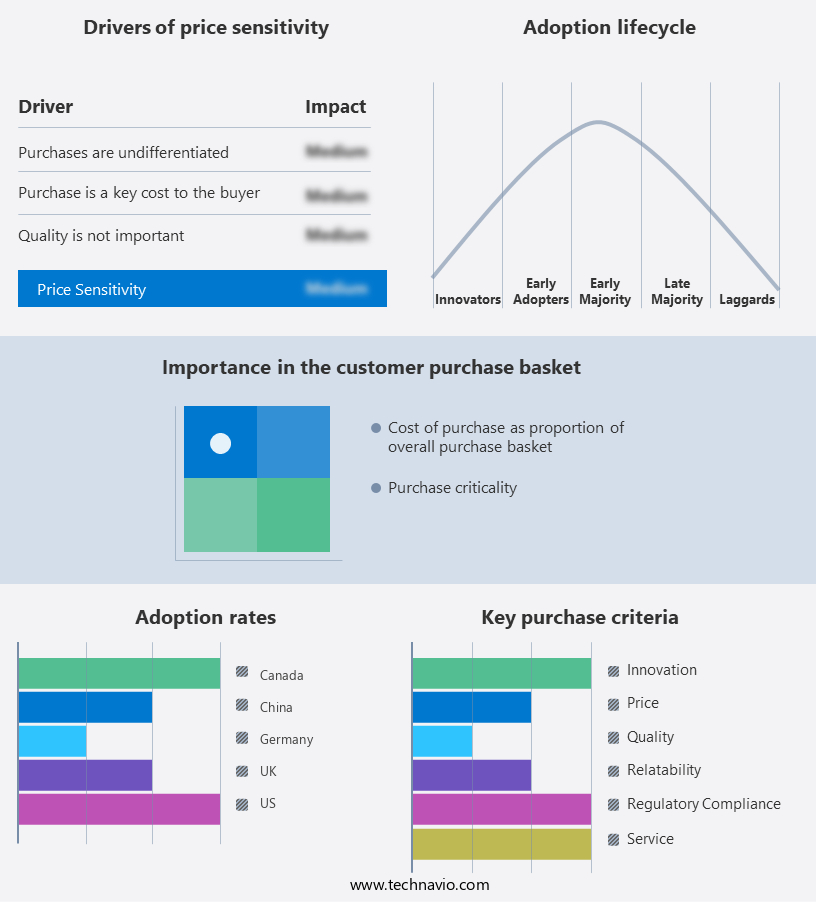
The market forecasting report includes the adoption lifecycle of the market, covering from the innovator's stage to the laggard's stage. It focuses on adoption rates in different regions based on penetration. Furthermore, the report also includes key purchase criteria and drivers of price sensitivity to help companies evaluate and develop their market growth analysis strategies.
Orphan Drugs Market Share by Geography

 Customer Landscape

Key Companies & Market Insights

Companies are implementing various strategies, such as strategic alliances, partnerships, mergers and acquisitions, geographical expansion, and product/service launches, to enhance their presence in the market.

AbbVie Inc.: The company offers orphan drugs such as Humira and Venetoclax.

The market research and growth report includes detailed analyses of the competitive landscape of the market and information about key companies, including:

  • Alnylam Pharmaceuticals Inc.
  • Astellas Pharma Inc.
  • AstraZeneca Plc
  • bluebird bio Inc.
  • Bristol Myers Squibb Co.
  • CSL Ltd.
  • F. Hoffmann La Roche Ltd.
  • Gilead Sciences Inc.
  • GlaxoSmithKline Plc
  • Ipsen Pharma
  • Johnson and Johnson Services Inc.
  • Merck and Co. Inc.
  • Novartis AG
  • Novo Nordisk AS
  • Pfizer Inc.
  • Ractigen Therapeutics
  • Sanofi SA
  • Takeda Pharmaceutical Co. Ltd.
  • Vertex Pharmaceuticals Inc.

Qualitative and quantitative analysis of companies has been conducted to help clients understand the wider business environment as well as the strengths and weaknesses of key market players. Data is qualitatively analyzed to categorize companies as pure play, category-focused, industry-focused, and diversified; it is quantitatively analyzed to categorize companies as dominant, leading, strong, tentative, and weak.

Research Analyst Overview

The orphan drug market refers to the segment of the pharmaceutical industry that focuses on developing and commercializing therapies for rare medical conditions and diseases. These conditions, also known as rare diseases or orphan diseases, affect a small percentage of the population and often require specialized treatment. Orphan drugs can be biological or non-biological and are used to treat various types of diseases, including oncological diseases such as pancreatic cancer, ovarian cancer, and multiple myeloma, metabolic diseases like hypoparathyroidism and Fabry disease, hematologic diseases such as hemophilia and sickle cell anemia, immunologic diseases like Huntington's disease and Alzheimer's disease, neurological diseases like Hodgkin lymphoma and cystic fibrosis, and transplantation diseases. Clinical trials play a crucial role in the development of orphan drugs, with screening services and oncology centers being key players in the process.

Further, the market for orphan drugs is diverse, encompassing a range of therapeutic areas such as oncology, metabolic diseases, hematology, neurology, and endocrinology. The use of immunomodulators and biologics is common in the development of orphan drugs. The market for orphan drugs is driven by the high unmet medical need for treatments for rare diseases, including neurologic disorders therapeutics and autoimmune hemolytic anemia therapeutics, the increasing number of clinical trials, and the availability of reimbursement policies. The market is also influenced by healthcare expenditure and the FDA's exemptions for drug development in the orphan drug space. The market for orphan drugs is diverse and includes sales through hospital pharmacies, retail pharmacies, and online sales. Diseases covered by the orphan drug market include but are not limited to, hypertension, diabetes, cardiovascular diseases, and various types of cancer.

Market Scope

Report Coverage

Details

Page number

180

Base year

2023

Historic period

2017-2022

Forecast period

2024-2028

Growth momentum & CAGR

Accelerate at a CAGR of 11.62%

Market growth 2024-2028

USD 146.1 billion

Market structure

Fragmented

YoY growth 2023-2024(%)

11.03

Regional analysis

North America, Europe, Asia, and Rest of World (ROW)

Performing market contribution

North America at 39%

Key countries

US, UK, Canada, China, and Germany

Competitive landscape

Leading Companies, Market Positioning of Companies, Competitive Strategies, and Industry Risks

Key companies profiled

AbbVie Inc., Alnylam Pharmaceuticals Inc., Astellas Pharma Inc., AstraZeneca Plc, bluebird bio Inc., Bristol Myers Squibb Co., CSL Ltd., F. Hoffmann La Roche Ltd., Gilead Sciences Inc., GlaxoSmithKline Plc, Ipsen Pharma, Johnson and Johnson Services Inc., Merck and Co. Inc., Novartis AG, Novo Nordisk AS, Pfizer Inc., Ractigen Therapeutics, Sanofi SA, Takeda Pharmaceutical Co. Ltd., and Vertex Pharmaceuticals Inc.

Market dynamics

Parent market analysis, market growth inducers and obstacles, market forecast, fast-growing and slow-growing segment analysis, COVID-19 impact and recovery analysis and future consumer dynamics, market condition analysis for the forecast period

Customization purview

If our market report has not included the data that you are looking for, you can reach out to our analysts and get segments customized.

Request Free Sample

What are the Key Data Covered in this Market Research and Growth Report?

  • CAGR of the market during the forecast period
  • Detailed information on factors that will drive the market growth and forecasting between 2024 and 2028
  • Precise estimation of the size of the market  and its contribution of the market in focus to the parent market
  • Accurate predictions about upcoming market growth and trends and changes in consumer behaviour
  • Growth of the market across North America, Europe, Asia, and Rest of World (ROW)
  • Thorough analysis of the market's competitive landscape and detailed information about companies
  • Comprehensive analysis of factors that will challenge the growth of market companies

We can help! Our analysts can customize this market research report to meet your requirements. Get in touch

1 Executive Summary

  • 1.1 Market overview
    • Executive Summary - Chart on Market Overview
    • Executive Summary - Data Table on Market Overview
    • Executive Summary - Chart on Global Market Characteristics
    • Executive Summary - Chart on Market by Geography
    • Executive Summary - Chart on Market Segmentation by Distribution Channel
    • Executive Summary - Chart on Market Segmentation by Product
    • Executive Summary - Chart on Incremental Growth
    • Executive Summary - Data Table on Incremental Growth
    • Executive Summary - Chart on Company Market Positioning

2 Market Landscape

  • 2.1 Market ecosystem
    • Parent Market
    • Data Table on - Parent Market
  • 2.2 Market characteristics
    • Market characteristics analysis
  • 2.3 Value chain analysis
    • Value Chain Analysis

3 Market Sizing

  • 3.1 Market definition
    • Offerings of companies included in the market definition
  • 3.2 Market segment analysis
    • Market segments
  • 3.3 Market size 2023
    • 3.4 Market outlook: Forecast for 2023-2028
      • Chart on Global - Market size and forecast 2023-2028 ($ billion)
      • Data Table on Global - Market size and forecast 2023-2028 ($ billion)
      • Chart on Global Market: Year-over-year growth 2023-2028 (%)
      • Data Table on Global Market: Year-over-year growth 2023-2028 (%)

    4 Historic Market Size

    • 4.1 Global Orphan Drugs Market 2018 - 2022
      • Historic Market Size - Data Table on Global Orphan Drugs Market 2018 - 2022 ($ billion)
    • 4.2 Distribution Channel segment analysis 2018 - 2022
      • Historic Market Size - Distribution Channel Segment 2018 - 2022 ($ billion)
    • 4.3 Product segment analysis 2018 - 2022
      • Historic Market Size - Product Segment 2018 - 2022 ($ billion)
    • 4.4 Geography segment analysis 2018 - 2022
      • Historic Market Size - Geography Segment 2018 - 2022 ($ billion)
    • 4.5 Country segment analysis 2018 - 2022
      • Historic Market Size - Country Segment 2018 - 2022 ($ billion)

    5 Five Forces Analysis

    • 5.1 Five forces summary
      • Five forces analysis - Comparison between 2023 and 2028
    • 5.2 Bargaining power of buyers
      • Bargaining power of buyers - Impact of key factors 2023 and 2028
    • 5.3 Bargaining power of suppliers
      • Bargaining power of suppliers - Impact of key factors in 2023 and 2028
    • 5.4 Threat of new entrants
      • Threat of new entrants - Impact of key factors in 2023 and 2028
    • 5.5 Threat of substitutes
      • Threat of substitutes - Impact of key factors in 2023 and 2028
    • 5.6 Threat of rivalry
      • Threat of rivalry - Impact of key factors in 2023 and 2028
    • 5.7 Market condition
      • Chart on Market condition - Five forces 2023 and 2028

    6 Market Segmentation by Distribution Channel

    • 6.1 Market segments
      • Chart on Distribution Channel - Market share 2023-2028 (%)
      • Data Table on Distribution Channel - Market share 2023-2028 (%)
    • 6.2 Comparison by Distribution Channel
      • Chart on Comparison by Distribution Channel
      • Data Table on Comparison by Distribution Channel
    • 6.3 Hospital Pharmacy - Market size and forecast 2023-2028
      • Chart on Hospital Pharmacy - Market size and forecast 2023-2028 ($ billion)
      • Data Table on Hospital Pharmacy - Market size and forecast 2023-2028 ($ billion)
      • Chart on Hospital Pharmacy - Year-over-year growth 2023-2028 (%)
      • Data Table on Hospital Pharmacy - Year-over-year growth 2023-2028 (%)
    • 6.4 Specialty pharmacy - Market size and forecast 2023-2028
      • Chart on Specialty pharmacy - Market size and forecast 2023-2028 ($ billion)
      • Data Table on Specialty pharmacy - Market size and forecast 2023-2028 ($ billion)
      • Chart on Specialty pharmacy - Year-over-year growth 2023-2028 (%)
      • Data Table on Specialty pharmacy - Year-over-year growth 2023-2028 (%)
    • 6.5 Retail pharmacy - Market size and forecast 2023-2028
      • Chart on Retail pharmacy - Market size and forecast 2023-2028 ($ billion)
      • Data Table on Retail pharmacy - Market size and forecast 2023-2028 ($ billion)
      • Chart on Retail pharmacy - Year-over-year growth 2023-2028 (%)
      • Data Table on Retail pharmacy - Year-over-year growth 2023-2028 (%)
    • 6.6 Others - Market size and forecast 2023-2028
      • Chart on Others - Market size and forecast 2023-2028 ($ billion)
      • Data Table on Others - Market size and forecast 2023-2028 ($ billion)
      • Chart on Others - Year-over-year growth 2023-2028 (%)
      • Data Table on Others - Year-over-year growth 2023-2028 (%)
    • 6.7 Market opportunity by Distribution Channel
      • Market opportunity by Distribution Channel ($ billion)
      • Data Table on Market opportunity by Distribution Channel ($ billion)

    7 Market Segmentation by Product

    • 7.1 Market segments
      • Chart on Product - Market share 2023-2028 (%)
      • Data Table on Product - Market share 2023-2028 (%)
    • 7.2 Comparison by Product
      • Chart on Comparison by Product
      • Data Table on Comparison by Product
    • 7.3 Biologics - Market size and forecast 2023-2028
      • Chart on Biologics - Market size and forecast 2023-2028 ($ billion)
      • Data Table on Biologics - Market size and forecast 2023-2028 ($ billion)
      • Chart on Biologics - Year-over-year growth 2023-2028 (%)
      • Data Table on Biologics - Year-over-year growth 2023-2028 (%)
    • 7.4 Non-biologics - Market size and forecast 2023-2028
      • Chart on Non-biologics - Market size and forecast 2023-2028 ($ billion)
      • Data Table on Non-biologics - Market size and forecast 2023-2028 ($ billion)
      • Chart on Non-biologics - Year-over-year growth 2023-2028 (%)
      • Data Table on Non-biologics - Year-over-year growth 2023-2028 (%)
    • 7.5 Market opportunity by Product
      • Market opportunity by Product ($ billion)
      • Data Table on Market opportunity by Product ($ billion)

    8 Customer Landscape

    • 8.1 Customer landscape overview
      • Analysis of price sensitivity, lifecycle, customer purchase basket, adoption rates, and purchase criteria

    9 Geographic Landscape

    • 9.1 Geographic segmentation
      • Chart on Market share by geography 2023-2028 (%)
      • Data Table on Market share by geography 2023-2028 (%)
    • 9.2 Geographic comparison
      • Chart on Geographic comparison
      • Data Table on Geographic comparison
    • 9.3 North America - Market size and forecast 2023-2028
      • Chart on North America - Market size and forecast 2023-2028 ($ billion)
      • Data Table on North America - Market size and forecast 2023-2028 ($ billion)
      • Chart on North America - Year-over-year growth 2023-2028 (%)
      • Data Table on North America - Year-over-year growth 2023-2028 (%)
    • 9.4 Europe - Market size and forecast 2023-2028
      • Chart on Europe - Market size and forecast 2023-2028 ($ billion)
      • Data Table on Europe - Market size and forecast 2023-2028 ($ billion)
      • Chart on Europe - Year-over-year growth 2023-2028 (%)
      • Data Table on Europe - Year-over-year growth 2023-2028 (%)
    • 9.5 Asia - Market size and forecast 2023-2028
      • Chart on Asia - Market size and forecast 2023-2028 ($ billion)
      • Data Table on Asia - Market size and forecast 2023-2028 ($ billion)
      • Chart on Asia - Year-over-year growth 2023-2028 (%)
      • Data Table on Asia - Year-over-year growth 2023-2028 (%)
    • 9.6 Rest of World (ROW) - Market size and forecast 2023-2028
      • Chart on Rest of World (ROW) - Market size and forecast 2023-2028 ($ billion)
      • Data Table on Rest of World (ROW) - Market size and forecast 2023-2028 ($ billion)
      • Chart on Rest of World (ROW) - Year-over-year growth 2023-2028 (%)
      • Data Table on Rest of World (ROW) - Year-over-year growth 2023-2028 (%)
    • 9.7 US - Market size and forecast 2023-2028
      • Chart on US - Market size and forecast 2023-2028 ($ billion)
      • Data Table on US - Market size and forecast 2023-2028 ($ billion)
      • Chart on US - Year-over-year growth 2023-2028 (%)
      • Data Table on US - Year-over-year growth 2023-2028 (%)
    • 9.8 UK - Market size and forecast 2023-2028
      • Chart on UK - Market size and forecast 2023-2028 ($ billion)
      • Data Table on UK - Market size and forecast 2023-2028 ($ billion)
      • Chart on UK - Year-over-year growth 2023-2028 (%)
      • Data Table on UK - Year-over-year growth 2023-2028 (%)
    • 9.9 China - Market size and forecast 2023-2028
      • Chart on China - Market size and forecast 2023-2028 ($ billion)
      • Data Table on China - Market size and forecast 2023-2028 ($ billion)
      • Chart on China - Year-over-year growth 2023-2028 (%)
      • Data Table on China - Year-over-year growth 2023-2028 (%)
    • 9.10 Canada - Market size and forecast 2023-2028
      • Chart on Canada - Market size and forecast 2023-2028 ($ billion)
      • Data Table on Canada - Market size and forecast 2023-2028 ($ billion)
      • Chart on Canada - Year-over-year growth 2023-2028 (%)
      • Data Table on Canada - Year-over-year growth 2023-2028 (%)
    • 9.11 Germany - Market size and forecast 2023-2028
      • Chart on Germany - Market size and forecast 2023-2028 ($ billion)
      • Data Table on Germany - Market size and forecast 2023-2028 ($ billion)
      • Chart on Germany - Year-over-year growth 2023-2028 (%)
      • Data Table on Germany - Year-over-year growth 2023-2028 (%)
    • 9.12 Market opportunity by geography
      • Market opportunity by geography ($ billion)
      • Data Tables on Market opportunity by geography ($ billion)

    10 Drivers, Challenges, and Opportunity/Restraints

    • 10.1 Market drivers
      • 10.2 Market challenges
        • 10.3 Impact of drivers and challenges
          • Impact of drivers and challenges in 2023 and 2028
        • 10.4 Market opportunities/restraints

          11 Competitive Landscape

          • 11.1 Overview
            • 11.2 Competitive Landscape
              • Overview on criticality of inputs and factors of differentiation
            • 11.3 Landscape disruption
              • Overview on factors of disruption
            • 11.4 Industry risks
              • Impact of key risks on business

            12 Competitive Analysis

            • 12.1 Companies profiled
              • Companies covered
            • 12.2 Market positioning of companies
              • Matrix on companies position and classification
            • 12.3 AbbVie Inc.
              • AbbVie Inc. - Overview
              • AbbVie Inc. - Product / Service
              • AbbVie Inc. - Key news
              • AbbVie Inc. - Key offerings
            • 12.4 Alnylam Pharmaceuticals Inc.
              • Alnylam Pharmaceuticals Inc. - Overview
              • Alnylam Pharmaceuticals Inc. - Product / Service
              • Alnylam Pharmaceuticals Inc. - Key news
              • Alnylam Pharmaceuticals Inc. - Key offerings
            • 12.5 Astellas Pharma Inc.
              • Astellas Pharma Inc. - Overview
              • Astellas Pharma Inc. - Product / Service
              • Astellas Pharma Inc. - Key news
              • Astellas Pharma Inc. - Key offerings
            • 12.6 AstraZeneca Plc
              • AstraZeneca Plc - Overview
              • AstraZeneca Plc - Product / Service
              • AstraZeneca Plc - Key news
              • AstraZeneca Plc - Key offerings
            • 12.7 bluebird bio Inc.
              • bluebird bio Inc. - Overview
              • bluebird bio Inc. - Product / Service
              • bluebird bio Inc. - Key offerings
            • 12.8 Bristol Myers Squibb Co.
              • Bristol Myers Squibb Co. - Overview
              • Bristol Myers Squibb Co. - Product / Service
              • Bristol Myers Squibb Co. - Key news
              • Bristol Myers Squibb Co. - Key offerings
            • 12.9 CSL Ltd.
              • CSL Ltd. - Overview
              • CSL Ltd. - Business segments
              • CSL Ltd. - Key news
              • CSL Ltd. - Key offerings
              • CSL Ltd. - Segment focus
            • 12.10 F. Hoffmann La Roche Ltd.
              • F. Hoffmann La Roche Ltd. - Overview
              • F. Hoffmann La Roche Ltd. - Business segments
              • F. Hoffmann La Roche Ltd. - Key news
              • F. Hoffmann La Roche Ltd. - Key offerings
              • F. Hoffmann La Roche Ltd. - Segment focus
            • 12.11 Gilead Sciences Inc.
              • Gilead Sciences Inc. - Overview
              • Gilead Sciences Inc. - Product / Service
              • Gilead Sciences Inc. - Key news
              • Gilead Sciences Inc. - Key offerings
            • 12.12 GlaxoSmithKline Plc
              • GlaxoSmithKline Plc - Overview
              • GlaxoSmithKline Plc - Business segments
              • GlaxoSmithKline Plc - Key news
              • GlaxoSmithKline Plc - Key offerings
              • GlaxoSmithKline Plc - Segment focus
            • 12.13 Ipsen Pharma
              • Ipsen Pharma - Overview
              • Ipsen Pharma - Business segments
              • Ipsen Pharma - Key offerings
              • Ipsen Pharma - Segment focus
            • 12.14 Johnson and Johnson Services Inc.
              • Johnson and Johnson Services Inc. - Overview
              • Johnson and Johnson Services Inc. - Business segments
              • Johnson and Johnson Services Inc. - Key news
              • Johnson and Johnson Services Inc. - Key offerings
              • Johnson and Johnson Services Inc. - Segment focus
            • 12.15 Merck and Co. Inc.
              • Merck and Co. Inc. - Overview
              • Merck and Co. Inc. - Business segments
              • Merck and Co. Inc. - Key news
              • Merck and Co. Inc. - Key offerings
              • Merck and Co. Inc. - Segment focus
            • 12.16 Novartis AG
              • Novartis AG - Overview
              • Novartis AG - Business segments
              • Novartis AG - Key news
              • Novartis AG - Key offerings
              • Novartis AG - Segment focus
            • 12.17 Ractigen Therapeutics
              • Ractigen Therapeutics - Overview
              • Ractigen Therapeutics - Product / Service
              • Ractigen Therapeutics - Key offerings

            13 Appendix

            • 13.1 Scope of the report
              • 13.2 Inclusions and exclusions checklist
                • Inclusions checklist
                • Exclusions checklist
              • 13.3 Currency conversion rates for US$
                • Currency conversion rates for US$
              • 13.4 Research methodology
                • Research methodology
              • 13.5 Data procurement
                • Information sources
              • 13.6 Data validation
                • Data validation
              • 13.7 Validation techniques employed for market sizing
                • Validation techniques employed for market sizing
              • 13.8 Data synthesis
                • Data synthesis
              • 13.9 360 degree market analysis
                • 360 degree market analysis
              • 13.10 List of abbreviations
                • List of abbreviations

              Research Methodology

              Technavio presents a detailed picture of the market by way of study, synthesis, and summation of data from multiple sources. The analysts have presented the various facets of the market with a particular focus on identifying the key industry influencers. The data thus presented is comprehensive, reliable, and the result of extensive research, both primary and secondary.

              INFORMATION SOURCES

              Primary sources

              • Manufacturers and suppliers
              • Channel partners
              • Industry experts
              • Strategic decision makers

              Secondary sources

              • Industry journals and periodicals
              • Government data
              • Financial reports of key industry players
              • Historical data
              • Press releases

              DATA ANALYSIS

              Data Synthesis

              • Collation of data
              • Estimation of key figures
              • Analysis of derived insights

              Data Validation

              • Triangulation with data models
              • Reference against proprietary databases
              • Corroboration with industry experts

              REPORT WRITING

              Qualitative

              • Market drivers
              • Market challenges
              • Market trends
              • Five forces analysis

              Quantitative

              • Market size and forecast
              • Market segmentation
              • Geographical insights
              • Competitive landscape

              Interested in this report?

              Get your sample now to see our research methodology and insights!

              Download Now

              Frequently Asked Questions

              Orphan Drugs market growth will increase by $ 146.1 bn during 2024-2028.

              The Orphan Drugs market is expected to grow at a CAGR of 11.62% during 2024-2028.

              Orphan Drugs market is segmented by Distribution Channel( Hospital Pharmacy, Specialty pharmacy, Retail pharmacy, Others) Product( Biologics, Non-biologics, Asia, ROW)

              AbbVie Inc., Alnylam Pharmaceuticals Inc., Astellas Pharma Inc., AstraZeneca Plc, bluebird bio Inc., Bristol Myers Squibb Co., CSL Ltd., F. Hoffmann La Roche Ltd., Gilead Sciences Inc., GlaxoSmithKline Plc, Ipsen Pharma, Johnson and Johnson Services Inc., Merck and Co. Inc., Novartis AG, Novo Nordisk AS, Pfizer Inc., Ractigen Therapeutics, Sanofi SA, Takeda Pharmaceutical Co. Ltd., Vertex Pharmaceuticals Inc. are a few of the key vendors in the Orphan Drugs market.

              North America will register the highest growth rate of 39% among the other regions. Therefore, the Orphan Drugs market in North America is expected to garner significant business opportunities for the vendors during the forecast period.

              US, UK, Canada, China, Germany

              • Robust pipeline and recent drug approvalsIn the years following the inception of orphan drug regulations is the driving factor this market.
              • drug makers have the choice to charge monopoly prices for an extended period. In the past two decades is the driving factor this market.
              • such monopolistic practices in the regulated markets have given companies control over the sale of their orphan drugs. In the last few years is the driving factor this market.
              • the prime focus of large pharmaceutical players has been gradually shifting from blockbuster to niche-buster drugs.  As a result of advanced research and orphan drug laws is the driving factor this market.
              • a record number of orphan drugs have been introduced in the market during the last two decades. In the last five years is the driving factor this market.
              • 33.33% of all new drug approvals in the US were for rare diseases. Furthermore is the driving factor this market.
              • the strong drug pipeline will contribute to market growth over the forecast period. The recent US FDA approvals of immunotherapies to treat rare diseases have spurred substantial R&D in CGT is the driving factor this market.
              • therapeutic vaccines is the driving factor this market.
              • and mAbs. Currently is the driving factor this market.
              • CGT represents the largest number of novel therapeutics that are undergoing development for the treatment of rare inherited genetic diseases. Therapeutics such as RNAi is the driving factor this market.
              • CGT is the driving factor this market.
              • and ICI are becoming prominent alternative treatments in rare disease relapse or refractory to traditional therapies.  ATIR101 is the driving factor this market.
              • GT-AADC is the driving factor this market.
              • OTL-200 is the driving factor this market.
              • OTL-101 is the driving factor this market.
              • P-BMCA-101 is the driving factor this market.
              • and GS010 are some of the anticipated promising gene therapy product approvals during the forecast period. Regenerative medicines such as CGT are witnessing heavy investments in R&D by the companies and hence is the driving factor this market.
              • are expected to be the next big achievement of the pharmaceutical industry in terms of their growth and efficacy. These regenerative medicines act as a pro-contributor towards orphan drug clinical trial approval. Hence is the driving factor this market.
              • this plays a major role in the growth of the market in focus during the forecast period. Cell therapy has become one of the fastest-growing segments in regenerative medicine. The recent approvals by the US FDA of cell therapies to treat hematological cancers have encouraged substantial R&D efforts of cell therapies for rare liquid tumors. Currently is the driving factor this market.
              • cell therapies account for the largest number of active agents in development in the field of rare liquid cancers. Furthermore is the driving factor this market.
              • these two companies are expected to receive approvals for new rare indications through the submission of the supplemental Biologics License Application (sBLA). The vast array of novel therapeutics is the driving factor this market.
              • excluding CGT is the driving factor this market.
              • RNAi is the driving factor this market.
              • ICI is the driving factor this market.
              • ADCs is the driving factor this market.
              • and therapeutic vaccines in late-stage clinical trials is the driving factor this market.
              • have the potential to alter the treatment paradigm for many rare diseases dramatically. Such factors will drive the growth of the market during the forecast period. is the driving factor this market.

              The Orphan Drugs market vendors should focus on grabbing business opportunities from the Hospital Pharmacy segment as it accounted for the largest market share in the base year.
