


Orthostatic Hypotension Drugs Market Size and Trends
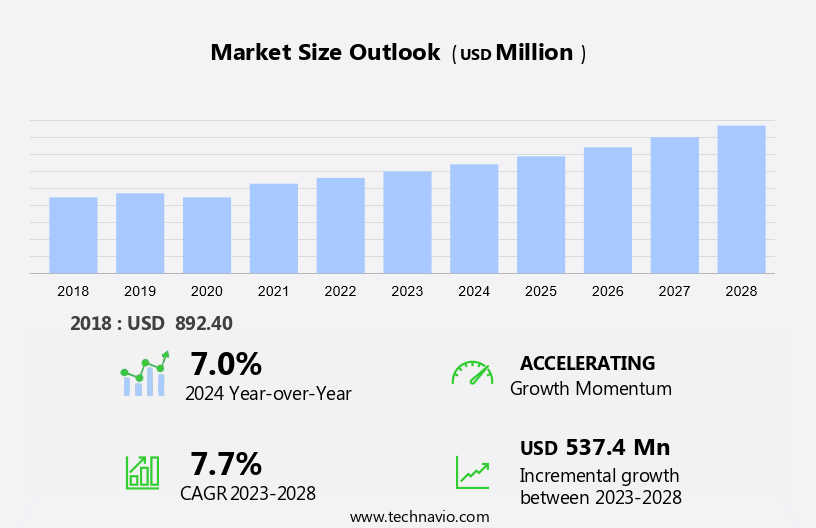
The orthostatic hypotension drugs market size is forecast to increase by USD 537.4 million, at a CAGR of 7.7% between 2023 and 2028. The market is experiencing significant growth due to several key factors. The rising prevalence of OH in the geriatric population, particularly those with Parkinson's disease or multiple system atrophy, is driving market expansion. Furthermore, ongoing research and development efforts are leading to the introduction of new drugs for OH treatment, such as midodrine and Northera (droxidopa). However, a low diagnosis rate of OH remains a significant challenge, as many cases go undetected due to the lack of specific diagnostic tests. This issue is further compounded by the fact that OH can be mistaken for other conditions, such as syncope or dementia. Diagnostic tests, such as ECG, blood tests, and stress tests, can help identify OH, but they are not always readily available or accessible to all patients. Additionally, some treatments for OH, such as fludrocortisone and caffeine, can have side effects and limitations, making the development of effective and safe drugs a priority for market players.
Orthostatic hypotension (OH) is a condition characterized by a significant decrease in blood pressure upon standing, which can lead to symptoms such as dizziness, fainting, and falls. OH is commonly associated with chronic diseases, including neurodegenerative diseases, cardiovascular diseases, diabetes, and endocrine disorders. This condition can also be caused by dehydration, nerve damage, and certain medications. The prevalence of chronic diseases is on the rise, leading to an increased need for effective treatment options for OH. The market for drugs used to treat orthostatic hypotension has seen significant growth due to the increasing number of patients suffering from chronic diseases and the need for effective treatment. Screening and monitoring of patients with OH are crucial for early diagnosis and appropriate treatment. Diagnostic tests, such as ECG and blood pressure monitoring, play a vital role in identifying OH. Various drug types, including alpha 1-blockers and adrenergic blockers, are used to treat OH. Central actions, such as increasing fluid intake, wearing compression stockings, and medication changes, are also important treatment approaches. Fludrocortisone and midodrine hydrochloride are two commonly used drugs for the treatment of orthostatic hypotension.
Fludrocortisone is a mineralocorticoid that helps maintain fluid and electrolyte balance, while midodrine hydrochloride is an alpha-1 adrenergic agonist that helps increase blood pressure. Chronic diseases, such as Parkinson's disease, multiple sclerosis, and diabetes, can lead to orthostatic hypotension. The prevalence of these conditions is increasing, leading to a growing need for effective treatment options. According to the National Institute of Neurological Disorders and Stroke, an estimated 30% of patients with Parkinson's disease experience orthostatic hypotension. In conclusion, the market for drugs used to treat orthostatic hypotension is expected to grow due to the increasing prevalence of chronic diseases and the need for effective treatment options. Early diagnosis and appropriate treatment are crucial for managing symptoms and preventing complications. Various drug types, including alpha 1-blockers and adrenergic blockers, as well as lifestyle modifications, are used to treat orthostatic hypotension. Fludrocortisone and midodrine hydrochloride are two commonly used drugs for the treatment of orthostatic hypotension. Proper screening and monitoring are essential for early diagnosis and effective treatment.
Market Segmentation
The market research report provides comprehensive data (region-wise segment analysis), with forecasts and estimates in "USD million" for the period 2024-2028, as well as historical data from 2018 - 2022 for the following segments.
- Product
- Midodrine
- Northera (droxidopa)
- Fludrocortisone
- Others
- Geography
- North America
- Canada
- Mexico
- US
- Europe
- Germany
- UK
- France
- Asia
- China
- India
- Japan
- Rest of World (ROW)
- North America
By Product Insights
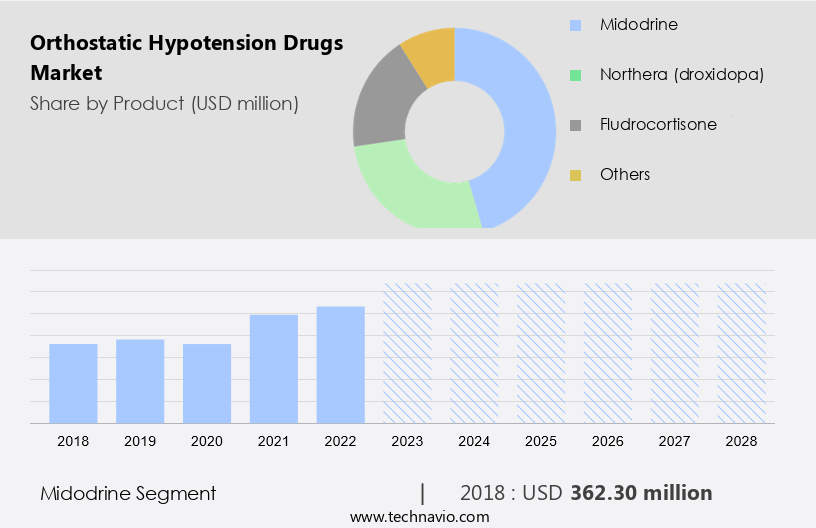
The midodrine segment is estimated to witness significant growth during the forecast period. Midodrine, a pro-drug, converts rapidly into its active metabolite desglymidodrine, an alpha1-adrenergic agonist. This medication induces vasoconstriction and increases blood pressure, making it an effective treatment for Orthostatic Hypotension (OH). The Food and Drug Administration (FDA) approved midodrine in the US in 1996 under the accelerated approval regulation for serious or life-threatening diseases.
Get a glance at the market share of various segments Download the PDF Sample
The midodrine segment was valued at USD 362.30 million in 2018. Another FDA-approved drug for OH is Northera (droxidopa), which increases peripheral sympathetic tone and blood pressure. Post-marketing studies are necessary to confirm its efficacy. Diagnostic tests, such as ECG and stress tests, aid in diagnosing OH. Fludrocortisone, a mineralocorticoid, and caffeine can also help manage OH symptoms. Blood tests are essential to monitor the effectiveness of these treatments and potential side effects. In summary, Midodrine and Northera are FDA-approved drugs for treating OH. Diagnostic tests and blood tests are crucial for diagnosis and monitoring treatment progress. Fludrocortisone and caffeine can also help manage OH symptoms. Several pharmaceutical companies offer these treatments and their generic versions.
Regional Analysis
For more insights on the market share of various regions Download PDF Sample now!
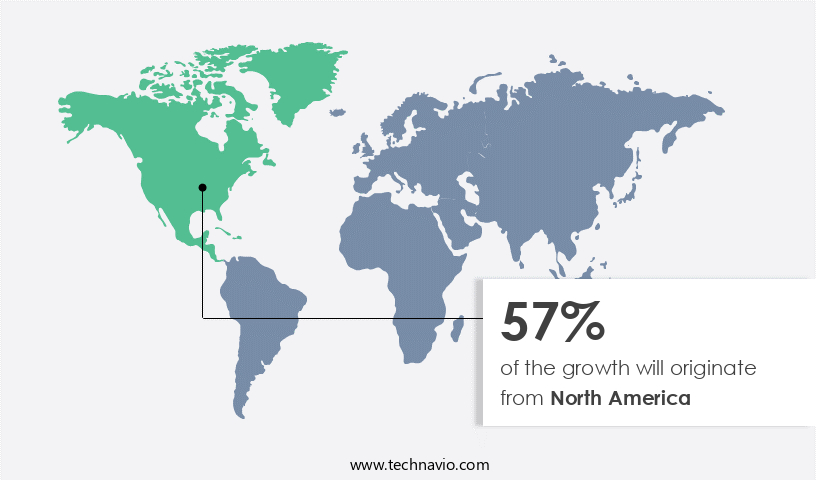
North America is estimated to contribute 57% to the growth of the global market during the forecast period. Technavio's analysts have elaborately explained the regional trends and drivers that shape the market during the forecast period. In North America, the United States and Canada are the primary contributors to the Orthostatic Hypotension (OH) Drugs Market due to high pharmaceutical expenditures, a strong market presence of leading vendors, advanced healthcare access, and consumer preference for innovative treatments. The increasing awareness about OH and the rising prevalence of chronic diseases linked to this condition, along with the growing geriatric population, are significant factors driving market expansion. Orthostatic Hypotension is a less common condition, with an estimated 200,000 patients in the US diagnosed with PD-associated nOH, making it a rare disease eligible for orphan drug designation by the US Food and Drug Administration (FDA).
This designation offers incentives to developers, such as tax credits, market exclusivity, and waivers on certain regulatory fees. Several diagnostic tests and monitoring methods are available to screen and diagnose OH. Drug types, such as midodrine hydrochloride and droxidopa, are commonly used to manage symptoms. Midodrine hydrochloride, an alpha-1 agonist, is used to increase peripheral vascular tone, while droxidopa, a prodrug of dopamine, acts as a vasoconstrictor and increases sympathetic outflow. Clinical trials and FDA approvals are essential steps in bringing new OH drugs to market. For instance, in 2016, the FDA approved droxidopa for the treatment of symptomatic neurogenic orthostatic hypotension (nOH) in adults with Parkinson's disease. These developments contribute to the growth and innovation in the OH Drugs Market.
Our researchers analyzed the data with 2023 as the base year, along with the key drivers, trends, and challenges. A holistic analysis of drivers will help companies refine their marketing strategies to gain a competitive advantage.
Orthostatic Hypotension Drugs Market Driver
The increasing prevalence of OH in geriatric population is notably driving market growth. The aging population in the United States is growing rapidly, with an estimated 54.9 million Americans aged 65 and above in 2020, projected to reach 73.3 million by 2030. Orthostatic Hypotension (OH), a common condition among the elderly, affects approximately 1.5% of this population. OH is characterized by a significant decrease in blood pressure upon standing, leading to symptoms such as dizziness and lightheadedness. The prevalence of chronic diseases and endocrine disorders, common among the elderly, increases the risk of OH.
Polypharmacy, a common treatment approach for these chronic conditions, further increases the risk. The non-pharmacological treatment options for OH include increasing fluid intake and avoiding prolonged periods of standing. However, drug development is ongoing to address the unmet medical needs of this population. The increasing prevalence of chronic diseases and the growing elderly population underscore the importance of effective treatment options for OH. Thus, such factors are driving the growth of the market during the forecast period.
Orthostatic Hypotension Drugs Market Trends
Research and development of new drugs for OH treatment is the key trend in the market. Orthostatic hypotension (OH), a condition characterized by a significant drop in blood pressure upon standing, remains a significant challenge in managing chronic diseases such as neurodegenerative diseases, cardiovascular diseases, diabetes, and dehydration. The lack of approved drugs with proven clinical efficacy and a favorable safety profile presents an unmet need in the OH drugs market.
In response, pharmaceutical companies are investing in research and development of novel therapeutic options. For instance, Theravance Biopharma Inc. is developing ampreloxetine, an orally administered norepinephrine reuptake inhibitor, for the treatment of symptomatic orthostatic hypotension. This drug aims to increase the availability of norepinephrine in the synaptic cleft, thereby enhancing the body's ability to maintain blood pressure upon standing. The focus on novel therapeutic approaches underscores the growing importance of addressing the unmet need in this area. Thus, such trends will shape the growth of the market during the forecast period.
Orthostatic Hypotension Drugs Market Challenge
A low diagnosis rate of OH is the major challenge that affects the growth of the market. Orthostatic hypotension (OH), a condition characterized by a significant decrease in blood pressure upon standing, is prevalent among the geriatric population. Despite its association with substantial morbidity and variable prognosis, the diagnosis rate for OH remains low due to its often asymptomatic nature. Many patients do not discuss their symptoms with healthcare providers unless they are severe, making it challenging to manage OH in patients with complex medical issues like Parkinson's disease (PD). Patients may hide or downplay their symptoms due to feelings of weakness or embarrassment. Moreover, they may not be aware that OH can be linked to PD.
Healthcare expenditure on OH treatments, including compression stockings, medication changes, and physical therapy, can be substantial. Counterpressure garments, such as abdominal binders, are also used to manage OH symptoms. Midodrine hydrochloride, a medication commonly prescribed for OH, can help prevent symptoms by increasing peripheral vascular resistance. A blood test may be necessary to diagnose OH and rule out other underlying conditions. Hence, the above factors will impede the growth of the market during the forecast period
Exclusive Customer Landscape
The market forecasting report includes the adoption lifecycle of the market, covering from the innovator's stage to the laggard's stage. It focuses on adoption rates in different regions based on penetration. Furthermore, the report also includes key purchase criteria and drivers of price sensitivity to help companies evaluate and develop their market growth analysis strategies.
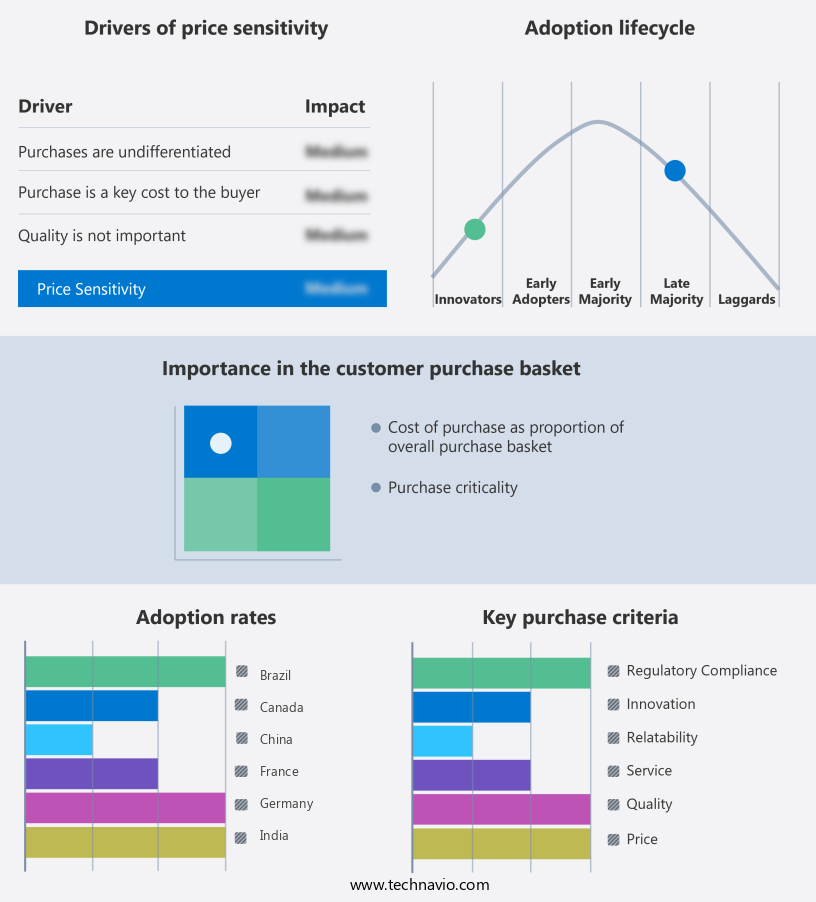
Customer Landscape
Key Companies & Market Insights
Companies are implementing various strategies, such as strategic alliances, partnerships, mergers and acquisitions, geographical expansion, and product/service launches, to enhance their presence in the market.
Amneal Pharmaceuticals Inc. - The company offers orthostatic hypotension drugs that have strength of 0.1 mg and available in dosage form of tablets, under the brand name of Fludrocortisone Acetate USP.
The market research and growth report also includes detailed analyses of the competitive landscape of the market and information about key companies, including:
- Alchemy Laboratories Pvt Ltd.
- Alembic Pharmaceuticals Ltd.
- Apotex Inc.
- Avadel Pharmaceuticals plc
- Baxter International Inc.
- Brancaster Pharma Ltd.
- Enaltec Labs Pvt. Ltd.
- Endo International Plc
- H Lundbeck AS
- Hikma Pharmaceuticals Plc
- Manus Aktteva Biopharma LLP
- Novartis AG
- Pfizer Inc.
- Teva Pharmaceutical Industries Ltd.
- Theravance Biopharma Inc.
- Viatris Inc.
Qualitative and quantitative analysis of companies has been conducted to help clients understand the wider business environment as well as the strengths and weaknesses of key market players. Data is qualitatively analyzed to categorize companies as pure play, category-focused, industry-focused, and diversified; it is quantitatively analyzed to categorize companies as dominant, leading, strong, tentative, and weak.
Orthostatic hypotension is a condition characterized by a significant drop in blood pressure upon standing, leading to symptoms such as dizziness and fainting. This condition is often associated with chronic diseases, including neurodegenerative diseases, cardiovascular diseases, diabetes, and dehydration, which can damage the nerves controlling blood pressure regulation. Orthostatic hypotension drugs play a crucial role in managing this condition. Various types of drugs are used to treat orthostatic hypotension, including midodrine hydrochloride and droxidopa. Midodrine hydrochloride is an alpha-1 receptor agonist that constricts blood vessels, while droxidopa is a prodrug of dopa that acts on the central nervous system to increase sympathetic tone.
Fludrocortisone, a mineralocorticoid, and caffeine are also used to treat orthostatic hypotension. Diagnostic tests such as ECG, blood tests, and stress tests are essential in diagnosing orthostatic hypotension. Hospitals, ASCs, and clinics are common settings for diagnosing and managing this condition. Patients may undergo clinical trials and FDA approvals to access new orthostatic hypotension drugs. Non-pharmacological treatments, such as fluid intake, compression stockings, medication changes, physical therapy, and counterpressure garments, are also used to manage orthostatic hypotension. The prevalence of chronic diseases contributing to orthostatic hypotension and healthcare expenditure continue to increase, driving the demand for effective treatment options.
|
Market Scope |
|
|
Report Coverage |
Details |
|
Page number |
172 |
|
Base year |
2023 |
|
Historic period |
2018 - 2022 |
|
Forecast period |
2024-2028 |
|
Growth momentum & CAGR |
Accelerate at a CAGR of 7.7% |
|
Market Growth 2024-2028 |
USD 537.4 million |
|
Market structure |
Fragmented |
|
YoY growth 2023-2024(%) |
7.0 |
|
Regional analysis |
North America, Europe, Asia, and Rest of World (ROW) |
|
Performing market contribution |
North America at 57% |
|
Key countries |
US, Canada, Germany, China, UK, India, Brazil, Mexico, France, and Japan |
|
Competitive landscape |
Leading Companies, Market Positioning of Companies, Competitive Strategies, and Industry Risks |
|
Key companies profiled |
Alchemy Laboratories Pvt Ltd., Alembic Pharmaceuticals Ltd., Amneal Pharmaceuticals Inc., Apotex Inc., Avadel Pharmaceuticals plc, Baxter International Inc., Brancaster Pharma Ltd., Enaltec Labs Pvt. Ltd., Endo International Plc, H Lundbeck AS, Hikma Pharmaceuticals Plc, Manus Aktteva Biopharma LLP, Novartis AG, Pfizer Inc., Teva Pharmaceutical Industries Ltd., Theravance Biopharma Inc., and Viatris Inc. |
|
Market dynamics |
Parent market analysis, Market growth inducers and obstacles, Fast-growing and slow-growing segment analysis, COVID-19 impact and recovery analysis and future consumer dynamics, Market condition analysis for market forecast period. |
|
Customization purview |
If our market report has not included the data that you are looking for, you can reach out to our analysts and get segments customized. |
What are the Key Data Covered in this Market Research Report?
- CAGR of the market during the forecast period
- Detailed information on factors that will drive the market growth and forecasting between 2024 and 2028
- Precise estimation of the size of the market and its contribution of the market in focus to the parent market
- Accurate predictions about upcoming market growth and trends and changes in consumer behaviour
- Growth of the market across North America, Europe, Asia, and Rest of World (ROW)
- Thorough analysis of the market's competitive landscape and detailed information about companies
- Comprehensive analysis of factors that will challenge the growth of market companies
We can help! Our analysts can customize this market research report to meet your requirements.
 RIA -
RIA - 
