



Patient Lateral Transfer Market Size 2024-2028
The patient lateral transfer market size is forecast to increase by USD 542.6 million, at a CAGR of 13.95% between 2023 and 2028.
- The market is driven by the rising aging population and the subsequent need for efficient patient handling solutions due to the lack of trained caretakers. The aging demographic trend is leading to an increased demand for medical devices that facilitate safe and easy patient transfers, reducing the risk of injury for both patients and caregivers. Simultaneously, the shortage of adequately trained caretakers for patient handling presents a significant challenge for healthcare services providers, necessitating the adoption of user-friendly lateral transfer devices.
- These devices offer advantages such as reduced risk of injury, improved patient comfort, and increased efficiency in care delivery. However, challenges persist, including the high cost of advanced devices and the need for continuous training and education for caregivers to effectively utilize these technologies. Companies in the market must address these challenges while capitalizing on the growing demand for patient lateral transfer devices to maintain a competitive edge.
What will be the Size of the Patient Lateral Transfer Market during the forecast period?
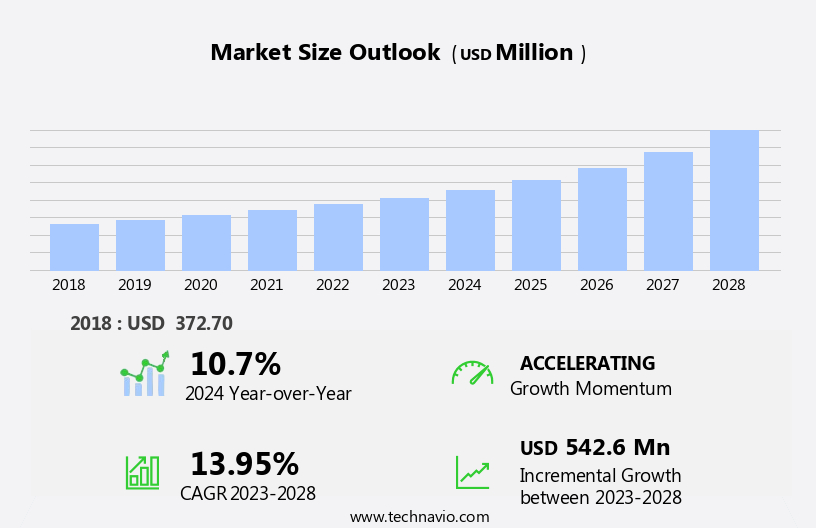
Explore in-depth regional segment analysis with market size data - historical 2018-2022 and forecasts 2024-2028 - in the full report.
Request Free Sample
The market is characterized by its continuous evolution and dynamic nature, with ongoing advancements in ergonomic transfer methods and assist technology. This market caters to various sectors, including post-surgical patient care, pediatric patient handling, neurological patient transfer, geriatric patient care, orthopedic patient transfer, bariatric patient transfer, and more. Mechanical lift operation, slider board techniques, and lateral transfer devices are integral components of this market, with a focus on enhancing transfer efficiency and ensuring safe patient mobilization. Transfer efficiency metrics, such as time taken for transfer and energy expended, are crucial in evaluating the effectiveness of these solutions. Gait belts and transfer surfaces with optimal friction properties are essential for maintaining patient safety and reducing the risk of injury during transfers.
Patient transfer documentation and handling techniques are also essential for ensuring accurate record-keeping and minimizing the potential for errors. Moreover, staff training protocols and transfer assessment tools play a vital role in optimizing patient transfer processes. Injury prevention strategies and risk assessment protocols are essential for promoting healthcare worker safety and reducing the risk of occupational injuries. Mobility impairment solutions and transfer training programs are also gaining popularity in the market, as they enable healthcare professionals to provide superior care to patients with complex transfer needs. The ongoing development of patient handling technologies and techniques reflects the market's commitment to improving patient care and safety while minimizing the physical demands on healthcare workers.
The integration of advanced technologies, such as robotics and artificial intelligence, is expected to further revolutionize the market in the coming years.
How is this Patient Lateral Transfer Industry segmented?
The patient lateral transfer industry research report provides comprehensive data (region-wise segment analysis), with forecasts and estimates in "USD million" for the period 2024-2028, as well as historical data from 2018-2022 for the following segments.
- Product
- Air-assisted lateral transfer mattresses
- Sliding sheets
- Accessories
- Usage
- Reusable
- Single patient use
- Geography
- North America
- US
- Europe
- Germany
- UK
- APAC
- China
- Japan
- Rest of World (ROW)
- North America
By Product Insights
The air-assisted lateral transfer mattresses segment is estimated to witness significant growth during the forecast period.
The market encompasses various solutions designed to facilitate the safe and efficient movement of patients, particularly those with special needs. Ergonomic transfer methods, such as air-assisted lateral transfer mattresses, are gaining popularity due to their benefits in handling patients with challenging medical conditions and minimizing the risk of Musculoskeletal Disorders (MSDs) for caregivers. These mattresses, featuring perforated holes at the bottom, enable smooth and effortless patient transfers. Pediatric and geriatric patient handling, neurological and orthopedic patient transfers, as well as bariatric patient transfers, require specialized techniques and equipment. Transfer assist technology, including transfer belts, gait belts, and slider boards, plays a crucial role in ensuring safe patient mobilization.
Patient weight capacity and transfer surface friction are essential factors influencing the choice of transfer equipment. Transfer efficiency metrics and staff training protocols are essential to optimizing the use of lateral transfer devices. Mobility impairment solutions and transfer training programs are integral to enhancing patient care and promoting healthcare worker safety. Injury prevention strategies and risk assessment protocols are essential components of a comprehensive patient handling approach. Patient body mechanics and patient transfer documentation are also vital aspects of the market. Lateral transfer devices, including air-assisted mattresses and mechanical lifts, undergo rigorous testing and assessment to ensure their safety and effectiveness.
Transfer assessment tools and patient handling techniques are continually evolving to address the diverse needs of the healthcare industry.
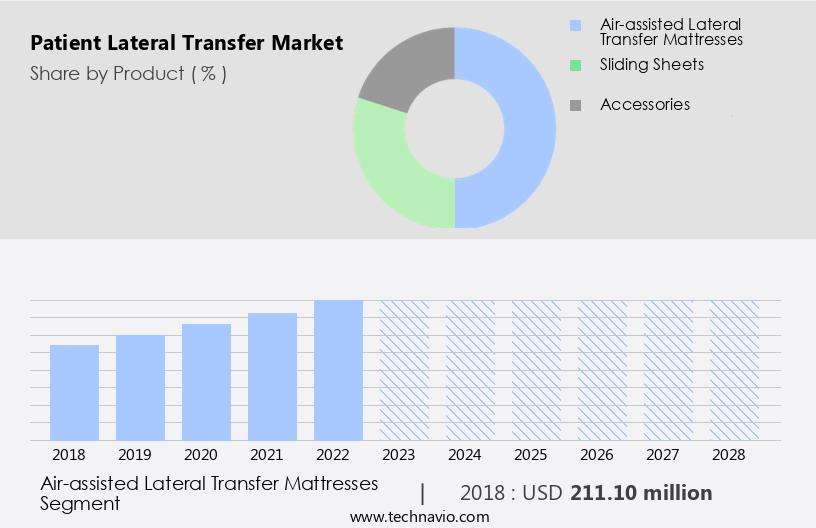
The Air-assisted lateral transfer mattresses segment was valued at USD 211.10 million in 2018 and showed a gradual increase during the forecast period.
Regional Analysis
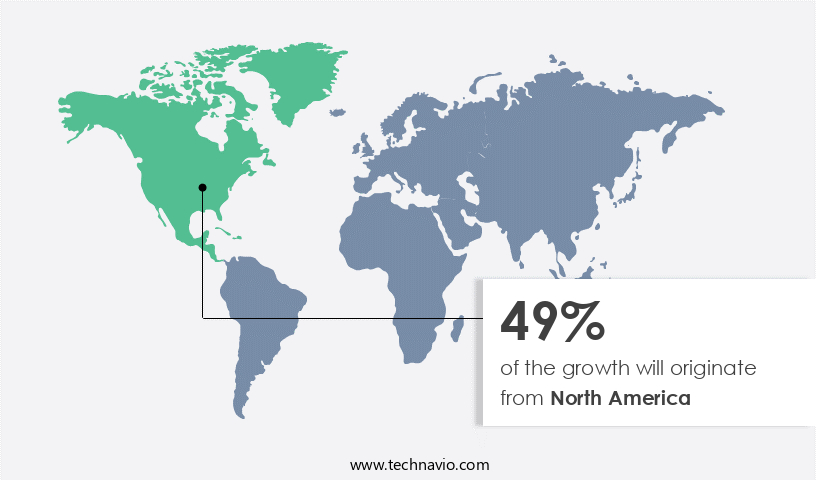
North America is estimated to contribute 49% to the growth of the global market during the forecast period. Technavio's analysts have elaborately explained the regional trends and drivers that shape the market during the forecast period.
In the healthcare sector, the market for patient lateral transfer solutions is experiencing significant growth, particularly in North America. Ergonomic transfer methods, such as transfer belts and gait belts, are increasingly being adopted to ensure safe patient mobilization and injury prevention for healthcare workers. Pediatric and geriatric patient handling require specialized transfer devices due to unique patient needs, driving demand for transfer assist technology. Neurological and orthopedic patient transfers necessitate careful patient repositioning techniques to prevent complications and maintain patient comfort. Patient lift equipment, including mechanical lifts and slider boards, cater to various patient weight capacities and transfer surface friction requirements.
Transfer efficiency metrics are essential to optimize workflow and reduce costs, making transfer assessment tools and staff training programs crucial investments. Mobility impairment solutions and transfer training programs are vital for improving patient body mechanics and reducing the risk of injury for both patients and healthcare workers. The prevalence of chronic diseases, such as diabetes and heart disease, in the US and Canada is a significant factor fueling market growth. With about USD 3.3 trillion in annual healthcare costs attributed to chronic diseases, the need for efficient and ergonomic patient transfer solutions is increasingly important. Additionally, the aging population and the resulting increase in geriatric patient transfers further contribute to market expansion.
In conclusion, the market is witnessing robust growth due to the rising demand for ergonomic transfer methods, specialized patient handling solutions, and the need to address the challenges posed by chronic diseases and an aging population. The North American market is expected to lead the way, driven by the US and Canada, as healthcare providers prioritize safe patient mobilization and injury prevention strategies.
Market Dynamics
Our researchers analyzed the data with 2023 as the base year, along with the key drivers, trends, and challenges. A holistic analysis of drivers will help companies refine their marketing strategies to gain a competitive advantage.
The market prioritizes techniques that optimize the process while reducing the risk of injury for both patients and healthcare workers. Implementing safe patient handling protocols is crucial, which includes assessing patient mobility before transfer, choosing appropriate transfer equipment, and staff training on safe handling methods. Efficiency is also a key consideration, with methods compared to determine the most effective. Preventing pressure injuries during transfers is essential, as is managing patients with varying mobility levels. Documentation of the patient lateral transfer process is important for tracking key metrics and ensuring adherence to best practices. Technology is integrated to improve transfers, minimizing discomfort for patients and reducing healthcare worker fatigue. Patient dignity is maintained throughout the process, with care taken to ensure privacy and respect. Effectiveness of patient transfer aids is evaluated continually, and comprehensive programs are developed to address all aspects of patient handling. Adherence to market research report standards is crucial in the market. Best practices include minimizing patient discomfort during transfers, monitoring patient status after transfers, and ensuring proper implementation of safe handling techniques. Comparisons of different transfer methods are made to determine their advantages and disadvantages. Key metrics, such as transfer time and injury rates, are tracked to evaluate the success of these techniques and equipment. By focusing on these factors, the market strives to provide the safest, most efficient, and most effective solutions for patient transfers.
What are the key market drivers leading to the rise in the adoption of Patient Lateral Transfer Industry?
- The significant advantages of lateral transfer devices are the primary growth drivers in the market.
- Patient lateral transfer, a method of moving patients from one bed or stretcher to another, is gaining significance in the healthcare industry due to its potential to minimize injuries for both patients and caregivers. According to the Division of Occupational Safety and Health, improper patient lifting and transfer techniques contribute to a high number of back injuries among healthcare workers. Lateral transfer devices, an alternative to traditional draw sheets, facilitate smoother and safer transfers by minimizing the need for manual lifting and awkward postures. These ergonomic transfer methods are particularly beneficial for post-surgical patients, pediatric patients, and neurological patients, who may require extra care and assistance during transfers.
- Transfer assist technology, such as transfer belts and slide sheets, can enhance the safety and efficiency of patient transfers. With varying patient weight capacities, these devices cater to diverse patient needs, ensuring a harmonious transfer experience for all. Healthcare providers and manufacturers are increasingly focusing on the implementation of lateral transfer devices to reduce the risk of injuries and improve patient care. By prioritizing ergonomic transfer methods, healthcare facilities can create a safer working environment for their staff and ultimately, provide better care for their patients.
What are the market trends shaping the Patient Lateral Transfer Industry?
- The aging population represents a significant market trend that is gaining momentum. This demographic shift presents numerous opportunities for businesses that cater to the unique needs of older adults.
- The global population of older adults is expanding at a faster rate than newborns, leading to significant implications for healthcare systems worldwide. With increasing life expectancy, there is a growing need to address the unique healthcare requirements of this demographic. The aging population's increased utilization of healthcare services and higher per capita healthcare spending present significant challenges for both developed and developing countries. The healthcare sector is expected to confront major demands, particularly in the area of long-term care, to cater to the escalating needs of the elderly population. According to the World Bank Group, by 2023, 10% of the global population will be aged 60 years and above.
- Effective patient transfer and repositioning techniques are essential for safe patient mobilization, especially for geriatric, orthopedic, and bariatric patients. Patient lift equipment plays a crucial role in ensuring safe and efficient transfer, while minimizing the risk of injury to both patients and caregivers. Transfer surface friction is a critical factor in patient safety during the transfer process. Properly designed transfer surfaces can significantly reduce the risk of patient injury and improve overall patient care. In conclusion, the increasing demand for safe and efficient patient transfer solutions, driven by the growing aging population, presents a significant opportunity for the healthcare industry.
- The focus on safe patient mobilization techniques and the development of advanced patient lift equipment will continue to be key areas of innovation and growth in the healthcare sector.
What challenges does the Patient Lateral Transfer Industry face during its growth?
- The insufficient supply of adequately trained caretakers poses a significant challenge to the growth of the patient handling industry.
- Patient lateral transfer is a critical aspect of healthcare, particularly in long-term care facilities and hospitals, where the transfer and handling of patients, including bariatric individuals, can pose risks to both patients and healthcare workers. To mitigate these risks, the use of lateral transfer devices is increasingly mandated in many states. These devices, which include mechanical lifts and slider boards, improve transfer efficiency and reduce the likelihood of injuries. However, the effective use of these devices requires a combination of skill, theoretical knowledge, and practical experience. Poor techniques, even with advanced equipment, can lead to injuries for patients and caregivers.
- Despite the benefits, the shortage of trained personnel to perform lateral transfers limits their widespread adoption. Patient lateral transfer techniques, such as gait belt usage and transfer documentation, are essential components of safe patient handling programs. The importance of these programs is underscored by the potential for serious injuries and the need to maintain the health and well-being of both patients and healthcare workers.
Exclusive Customer Landscape
The patient lateral transfer market forecasting report includes the adoption lifecycle of the market, covering from the innovator's stage to the laggard's stage. It focuses on adoption rates in different regions based on penetration. Furthermore, the patient lateral transfer market report also includes key purchase criteria and drivers of price sensitivity to help companies evaluate and develop their market growth analysis strategies.
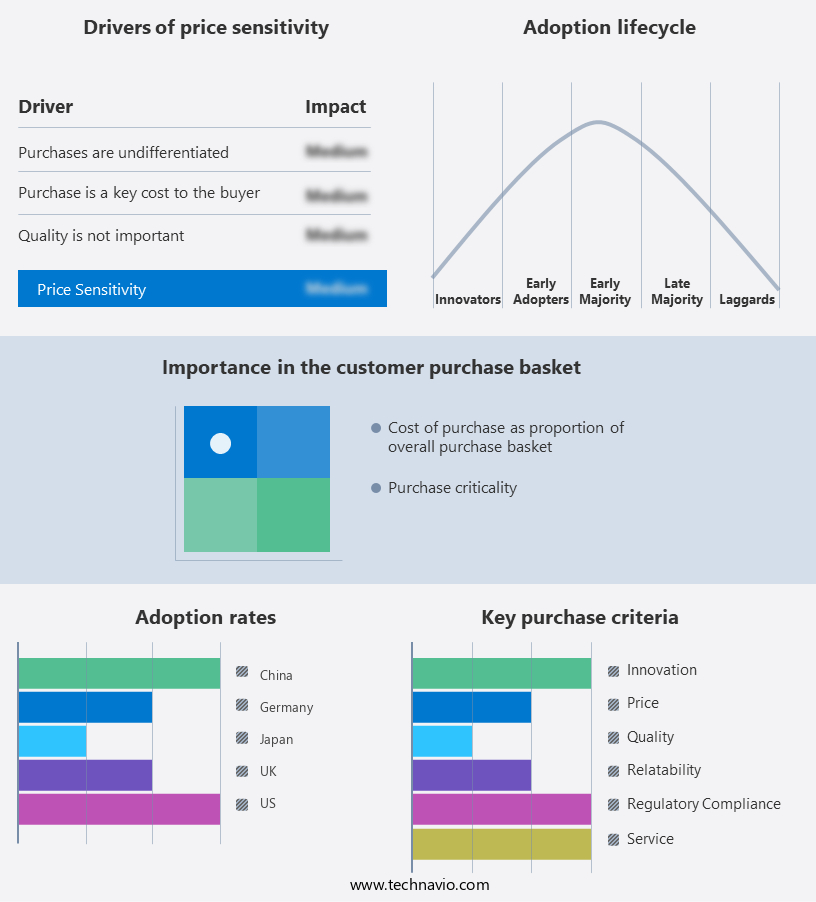
Customer Landscape
Key Companies & Market Insights
Companies are implementing various strategies, such as strategic alliances, patient lateral transfer market forecast, partnerships, mergers and acquisitions, geographical expansion, and product/service launches, to enhance their presence in the industry.
Alimed Inc. - The company specializes in patient lateral transfer solutions, providing both reusable and single-use air-assisted systems, namely the PPS Glide Reusable and PPS Glide Single Patient Use systems, enhancing medical procedures with improved efficiency and safety.
The industry research and growth report includes detailed analyses of the competitive landscape of the market and information about key companies, including:
- Alimed Inc.
- Arjo AB
- Assistive Technology Australia.
- Baxter International Inc.
- Bio - X.
- Clinton USA LLC.
- EZ Way Inc.
- Getinge AB
- Haines Medical Australia Pty Ltd.
- HoverTech International.
- Lateral Medical
- McAuley Medical Inc.
- Meditek.
- Medline Industries LP
- MobilePatientLift.
- Patient Positioning Systems LLC.
- Phillips Safety.
- Samarit Medical AG
- SPH Medical.
- Stryker Corp.
Qualitative and quantitative analysis of companies has been conducted to help clients understand the wider business environment as well as the strengths and weaknesses of key industry players. Data is qualitatively analyzed to categorize companies as pure play, category-focused, industry-focused, and diversified; it is quantitatively analyzed to categorize companies as dominant, leading, strong, tentative, and weak.
Recent Development and News in Patient Lateral Transfer Market
- In January 2024, Medtronic plc, a global healthcare solutions company, announced the launch of its new patient lateral transfer system, the Infinity Transfer System, designed to improve patient safety and efficiency during transfers between hospital beds (Medtronic Press Release, 2024).
- In March 2024, Stryker Corporation, a leading medical technology company, entered into a strategic partnership with a major European hospital network to implement its patient lateral transfer systems in multiple hospitals, expanding its market presence in Europe (Stryker Press Release, 2024).
- In May 2024, Smiths Medical, a global medical device manufacturer, completed the acquisition of a leading patient lateral transfer systems provider, significantly expanding its portfolio and market share in the patient transfer market (Smiths Medical Press Release, 2024).
- In February 2025, the US Food and Drug Administration (FDA) granted clearance to a new patient lateral transfer system from ArjoHuntleigh, a global healthcare solutions provider, marking a significant regulatory milestone for the company and the market (ArjoHuntleigh Press Release, 2025).
Research Analyst Overview
- The market is characterized by a growing focus on ensuring patient transfer compliance and reducing workplace injuries. Effective transfer strategies and efficient workflows are crucial to minimize transfer-related complications, such as patient falls. Selection of appropriate transfer boards and patient mobility aids, along with proper hoist system operation, are essential elements of patient handling policies. Staff ergonomic training and safety protocols are vital to reducing injuries during patient transfers. Transfer planning, including post-transfer patient assessment, is essential to improve patient safety and minimize complications. Sliding board methods and manual lifting techniques are often used in clinical transfer guidelines, but assistive transfer devices and mobility support systems offer more efficient and effective solutions.
- Transfer time reduction and minimizing patient falls are key market trends. Patient transfer aids and handling training programs are increasingly popular to improve safety and streamline workflows. Monitoring transfer outcomes and adhering to clinical guidelines are crucial to maintaining quality patient care and reducing potential risks.
Dive into Technavio's robust research methodology, blending expert interviews, extensive data synthesis, and validated models for unparalleled Patient Lateral Transfer Market insights. See full methodology.
|
Market Scope |
|
|
Report Coverage |
Details |
|
Page number |
160 |
|
Base year |
2023 |
|
Historic period |
2018-2022 |
|
Forecast period |
2024-2028 |
|
Growth momentum & CAGR |
Accelerate at a CAGR of 13.95% |
|
Market growth 2024-2028 |
USD 542.6 million |
|
Market structure |
Fragmented |
|
YoY growth 2023-2024(%) |
10.7 |
|
Key countries |
US, China, Germany, UK, and Japan |
|
Competitive landscape |
Leading Companies, Market Positioning of Companies, Competitive Strategies, and Industry Risks |
What are the Key Data Covered in this Patient Lateral Transfer Market Research and Growth Report?
- CAGR of the Patient Lateral Transfer industry during the forecast period
- Detailed information on factors that will drive the growth and forecasting between 2024 and 2028
- Precise estimation of the size of the market and its contribution of the industry in focus to the parent market
- Accurate predictions about upcoming growth and trends and changes in consumer behaviour
- Growth of the market across North America, Europe, Asia, and Rest of World (ROW)
- Thorough analysis of the market's competitive landscape and detailed information about companies
- Comprehensive analysis of factors that will challenge the patient lateral transfer market growth of industry companies
We can help! Our analysts can customize this patient lateral transfer market research report to meet your requirements.
 RIA -
RIA - 
