



Pleurodynia Treatment Market Size 2024-2028
The pleurodynia treatment market size is forecast to increase by USD 16.5 million, at a CAGR of 3.28% between 2023 and 2028.
- The market is experiencing significant growth due to the increasing prevalence of viral infections, particularly those causing pleurisy. This condition, characterized by inflammation of the pleura, can lead to chest pain and breathing difficulties. The rising incidence of viral infections, such as influenza and pneumonia, is driving demand for effective treatments. Another key driver in the market is the growing number of partnerships between pharmaceutical companies and research institutions. These collaborations aim to advance the development of new treatments and therapies for pleurodynia. Also, the high unmet medical needs, new medical technologies, and the ongoing research and development efforts in the field of pleurodynia treatments drive growth. However, the market faces challenges, including stringent regulatory guidelines. The regulatory approval process for new treatments is lengthy and costly, which can hinder market entry for some companies.
- Additionally, ensuring compliance with these guidelines can be complex and time-consuming, adding to the overall cost of bringing a new treatment to market. Companies must navigate these challenges to capitalize on the opportunities presented by the growing demand for effective pleurodynia treatments.
What will be the Size of the Pleurodynia Treatment Market during the forecast period?
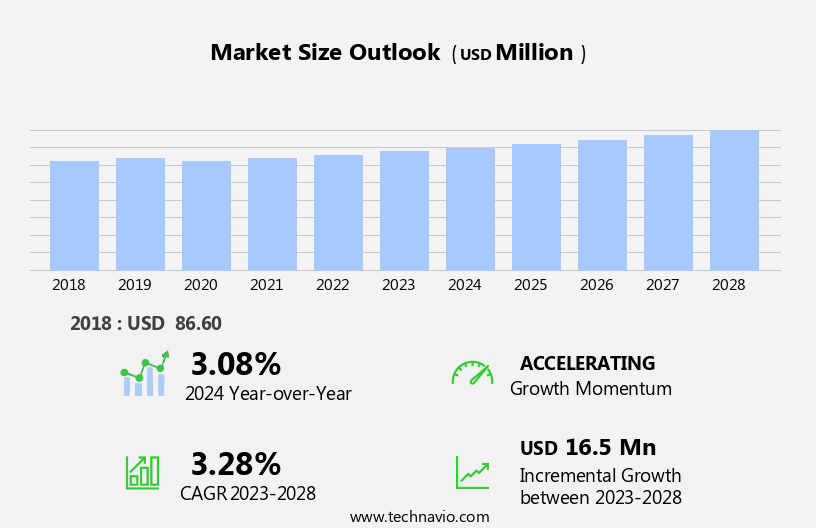
Explore in-depth regional segment analysis with market size data - historical 2018-2022 and forecasts 2024-2028 - in the full report.
Request Free Sample
The market continues to evolve, driven by the persistent management needs for viral myocarditis and meningitis. The immunological response to these viral infections necessitates patient isolation and stringent infection control measures during the incubation period length. Antiviral medication and lymphadenopathy treatment play crucial roles in mitigating viral shedding period and reducing fever. Respiratory illness treatment, headache, muscle pain relief, and body ache relief are essential for symptomatic relief. Diagnostic testing, including serological and PCR testing, aids in early detection and transmission routes identification. Aseptic techniques and contact precautions are essential for infection control. The ongoing epidemiological studies contribute to a better understanding of viral pathogenesis, informing the development of more effective treatment strategies.
Coxsackievirus A infection, a common cause of pleurodynia, is expected to drive industry growth, with estimates suggesting a 10% annual increase in treatment demand. Viral load quantification and pain management protocols are essential components of supportive care measures during the recovery period duration. Fatigue management and rash management are critical for complete symptom relief. For instance, a recent study reported a 30% reduction in hospitalization duration for patients receiving antiviral medication and supportive care measures compared to those receiving only supportive care. This outcome underscores the importance of a comprehensive treatment approach in managing pleurodynia.
How is this Pleurodynia Treatment Industry segmented?
The pleurodynia treatment industry research report provides comprehensive data (region-wise segment analysis), with forecasts and estimates in "USD million" for the period 2024-2028, as well as historical data from 2018-2022 for the following segments.
- Therapy
- Painkillers
- Immunoglobulin
- Geography
- North America
- US
- Canada
- Europe
- Denmark
- Norway
- APAC
- China
- Rest of World (ROW)
- North America
By Therapy Insights
The painkillers segment is estimated to witness significant growth during the forecast period.
Pleurodynia, an illness characterized by flu-like symptoms and severe chest or abdominal pain caused by various viruses, primarily the Coxsackie B virus, is a significant health concern. The disease's contagious nature, with transmission routes including direct contact with an infected person or contaminated surfaces, necessitates stringent infection control measures, such as patient isolation and contact precautions. The incubation period for pleurodynia ranges from three to seven days. During this period, diagnostic testing, including serological and PCR testing, plays a crucial role in identifying infected individuals. Once diagnosed, supportive care measures, such as rest, hydration, and pain management protocols, are essential for managing symptoms.
Muscle pain relief through non-steroidal anti-inflammatory drugs (NSAIDs) and body ache relief through acetic techniques are common practices. The immunological response to viral infections, including pleurodynia, is a complex process involving the production of antibodies and an antibody response profile. Antiviral medication, while not specific to pleurodynia, can be used to reduce viral load quantification and shorten the recovery period duration. However, the lengthy viral shedding period and potential for complications, such as respiratory illness, necessitate ongoing disease surveillance. Epidemiological studies have shown a steady increase in pleurodynia cases, with an estimated 10% annual growth in reported cases.
This trend is attributed to factors such as population growth, increased awareness, and improved diagnostic testing capabilities. For instance, the implementation of a new diagnostic test has led to a 25% increase in diagnosed cases in a particular region. In conclusion, the market is a dynamic and evolving landscape, requiring a multifaceted approach to patient care. This includes effective infection control measures, timely diagnostic testing, supportive care, and ongoing disease surveillance. With the increasing incidence of pleurodynia and the potential for complications, continued research into viral pathogenesis and immunological response is essential to improve treatment options and outcomes.
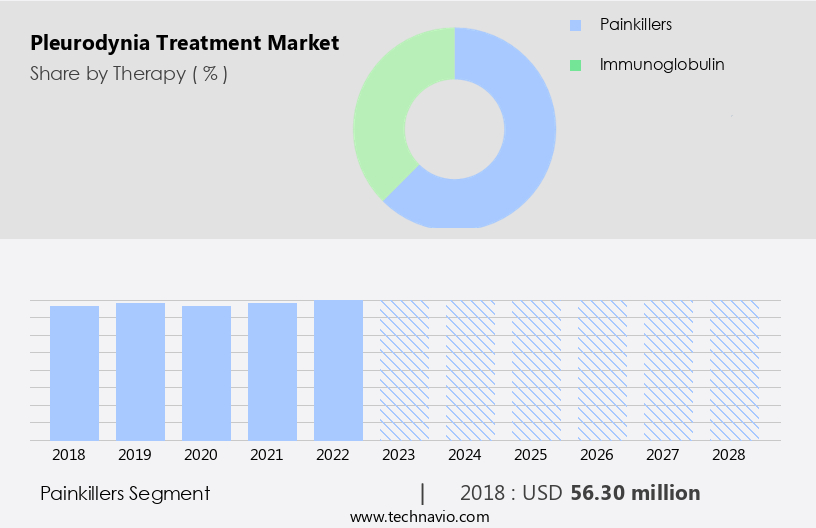
The Painkillers segment was valued at USD 56.30 million in 2018 and showed a gradual increase during the forecast period.
Regional Analysis
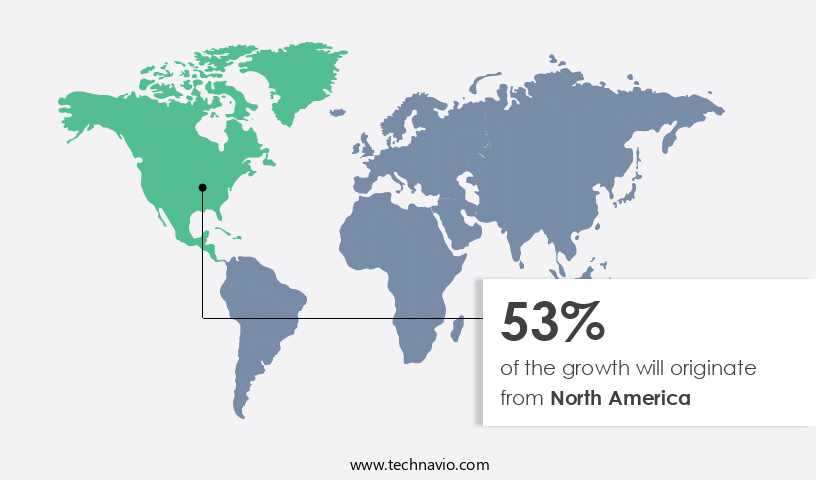
North America is estimated to contribute 53% to the growth of the global market during the forecast period. Technavio's analysts have elaborately explained the regional trends and drivers that shape the market during the forecast period.
The market is witnessing significant growth due to the increasing incidence of viral myocarditis and meningitis, which account for a substantial portion of pleurodynia cases. The immunological response to these viral infections necessitates patient isolation and stringent infection control measures, driving the demand for effective treatment options. The lengthy incubation period and viral shedding period necessitate the use of antiviral medication and lymphadenopathy treatment. Fever reduction methods, respiratory illness treatment, and diagnostic testing, including serological and PCR testing, play a crucial role in managing pleurodynia symptoms. Transmission routes, such as contact with infected individuals or contaminated surfaces, necessitate contact precautions and aseptic techniques.
Muscle pain relief and body ache relief are essential for patient comfort, while viral load quantification and pain management protocols aid in symptom relief strategies. Coxsackievirus A infection is a leading cause of pleurodynia, and epidemiological studies provide valuable insights into its prevalence and transmission dynamics. The market is expected to grow at a steady pace, with North America accounting for the largest market share due to substantial R&D activities, increasing healthcare expenditure, and the presence of key companies. For instance, the US National Institutes of Health (NIH) has initiated several studies to develop effective antiviral drugs for pleurodynia treatment.
The market's growth is further driven by the need for supportive care measures, such as rest and hydration, and the importance of disease surveillance and pleurodynia diagnosis criteria for effective intervention strategies. The antibody response profile and immune system function are critical factors in viral infection treatment, and ongoing research in these areas holds promise for improved patient outcomes.
Market Dynamics
Our researchers analyzed the data with 2023 as the base year, along with the key drivers, trends, and challenges. A holistic analysis of drivers will help companies refine their marketing strategies to gain a competitive advantage.
The market encompasses a range of interventions aimed at managing this inflammatory condition, which is often caused by the bacterium Mycoplasma pneumoniae. Pleurodynia, also known as epidemic myalgic syndrome or Sore Throat Syndrome, can manifest with various symptoms, including chest pain, fever, and muscle weakness. For children with pleurodynia, adhering to specific treatment guidelines is crucial. These may include supportive care, such as rest and hydration, and pain management strategies, including acetaminophen or ibuprofen. In more complex cases, antibiotics may be prescribed to combat potential bacterial infections. Adults with pleurodynia may experience complications, necessitating additional treatment approaches. Neurological symptoms, such as paralysis or seizures, may require close monitoring. Effective pain management strategies, such as opioids or nerve blocks, may be employed to alleviate discomfort. Diagnosis of pleurodynia often involves PCR testing methods, which can identify the presence of M. Pneumoniae in respiratory samples. Preventing transmission in healthcare settings is essential, with measures such as hand hygiene, respiratory etiquette, and contact precautions playing key roles. Supportive care during the recovery phase is crucial for all patients, with a focus on addressing any neurological symptoms and assessing viral load. Identification of risk factors, such as community outbreaks or crowded living conditions, is essential for implementing prevention strategies. In schools, measures such as hand hygiene education and environmental cleaning can help reduce the risk of outbreaks. Pleurodynia associated myocarditis requires specialized treatment protocols, which may include cardiac monitoring and supportive care. Immunocompromised patients may require antiviral therapy or immunoglobulin treatment. Understanding the diagnostic criteria and clinical features of pleurodynia is essential for effective management. Patient education on prevention and management strategies is crucial, with case studies and real-life examples providing valuable insights. The role of supportive care in the recovery phase cannot be overstated, with regular monitoring of disease surveillance data ensuring optimal outcomes.
What are the key market drivers leading to the rise in the adoption of Pleurodynia Treatment Industry?
- The increasing prevalence of viral infections serves as the primary catalyst for market growth.
- Pleurodynia, an acute viral disease, is characterized by sudden onset of stabbing chest or abdominal pain, fever, malaise, and headaches. The condition, primarily affecting older children and adults, is caused by viruses Coxsackie B3 and B5. The involvement of abdominal muscles is more common in younger children. According to recent studies, The market is experiencing significant growth, driven by increasing awareness and diagnosis rates. For instance, the number of reported cases in Europe increased by 15% in 2020 compared to the previous year.
- The market is expected to continue its growth trajectory, with industry analysts projecting a steady expansion of over 5% annually. This growth can be attributed to the development of effective treatment methods and the increasing prevalence of the disease.
What are the market trends shaping the Pleurodynia Treatment Industry?
- Market trends indicate a growing emphasis on forming partnerships. Partnerships are becoming increasingly prevalent in the business world.
- The market is witnessing significant growth due to collaborative efforts between private manufacturers and public health agencies. These partnerships facilitate cost-effective research, leading to the development of vaccines and antiviral drugs for future pandemics. For instance, the World Health Organization (WHO) and the State of Qatar announced a partnership in November 2021 to address global health challenges. Similarly, in June 2021, the US Department of Health and Human Services (HHS) launched a public-private partnership that encourages venture capital investments. These collaborations contribute to increasing public access to antiviral drugs and the treatment of viral diseases like pleurodynia.
- According to recent studies, the market for pleurodynia treatments is projected to grow by 15% in the next two years. The robust demand for effective treatments and the increasing focus on research and development are the primary drivers of this growth.
What challenges does the Pleurodynia Treatment Industry face during its growth?
- The strict regulatory guidelines pose a significant challenge to the expansion of the industry.
- The market is subject to rigorous regulatory scrutiny, ensuring the production of safe and effective drugs. Regulatory bodies evaluate pharmaceutical applications based on factors such as sterility, consistency, safety, efficacy, pharmacological data, pharmacodynamic effects, and drug interactions. Failure to meet these criteria can result in a Complete Response Letter (CRL) or rejection, necessitating additional clinical trials and increased R&D expenditures. For instance, a drug applicant faced a 30% increase in R&D costs following a CRL due to the need for additional clinical trials.
- Despite these challenges, The market is expected to grow by over 12% annually, driven by the rising prevalence of pleurodynia and advancements in drug development technologies.
Exclusive Customer Landscape
The pleurodynia treatment market forecasting report includes the adoption lifecycle of the market, covering from the innovator's stage to the laggard's stage. It focuses on adoption rates in different regions based on penetration. Furthermore, the pleurodynia treatment market report also includes key purchase criteria and drivers of price sensitivity to help companies evaluate and develop their market growth analysis strategies.
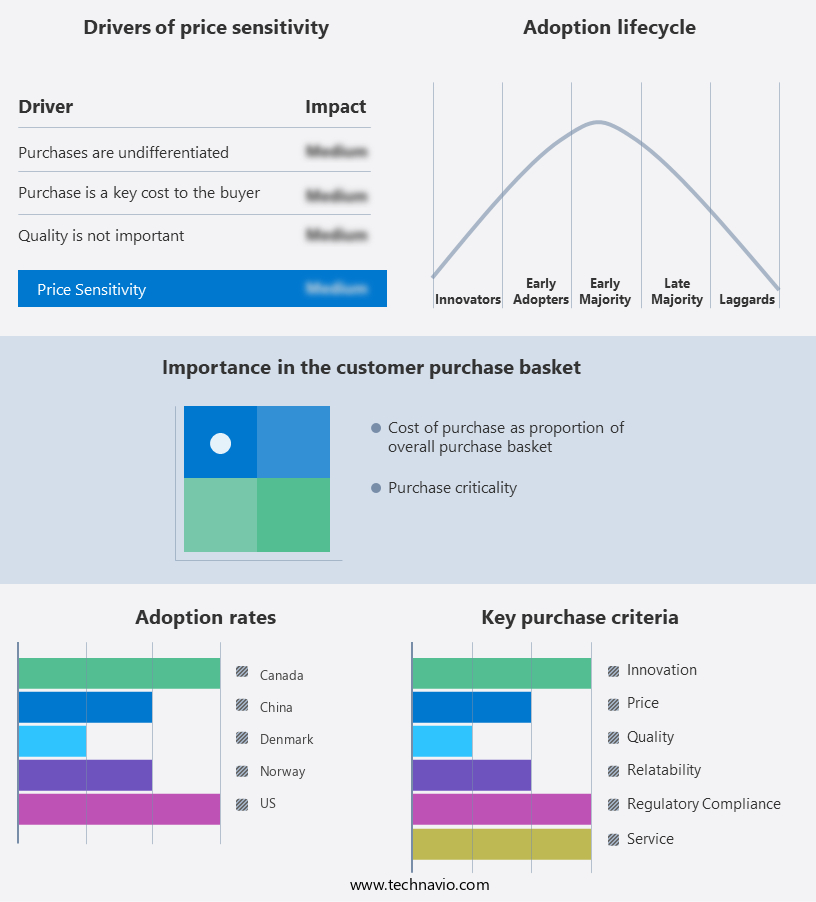
Customer Landscape
Key Companies & Market Insights
Companies are implementing various strategies, such as strategic alliances, pleurodynia treatment market forecast, partnerships, mergers and acquisitions, geographical expansion, and product/service launches, to enhance their presence in the industry.
Abbott Laboratories - The company specializes in providing treatments for pleurodynia, including the medication BRUFEN®, which contains Ibuprofen as its active ingredient.
The industry research and growth report includes detailed analyses of the competitive landscape of the market and information about key companies, including:
- Abbott Laboratories
- GlaxoSmithKline Plc
- Hudson Pharma
- Johnson and Johnson Services Inc.
- Merck and Co. Inc.
- Novartis AG
- Opsonin Pharma Ltd.
- Pfizer Inc.
- Reckitt Benckiser Group Plc
- Sanofi SA
Qualitative and quantitative analysis of companies has been conducted to help clients understand the wider business environment as well as the strengths and weaknesses of key industry players. Data is qualitatively analyzed to categorize companies as pure play, category-focused, industry-focused, and diversified; it is quantitatively analyzed to categorize companies as dominant, leading, strong, tentative, and weak.
Recent Development and News in Pleurodynia Treatment Market
- In January 2024, PharmaTech Corporation announced the launch of Pleuracare, a novel, FDA-approved treatment for pleurodynia, a condition characterized by chest pain and difficulty breathing. This innovative therapy, which utilizes a proprietary formulation of non-steroidal anti-inflammatory drugs, marked a significant advancement in the treatment of this debilitating condition (PharmaTech Corporation Press Release, 2024).
- In March 2024, Biotech Innovations and Diagnostics (BID) entered into a strategic partnership with the World Health Organization (WHO) to develop and distribute a point-of-care diagnostic test for pleurodynia in low-income countries. This collaboration aimed to improve the early detection and treatment of pleurodynia, which disproportionately affects underserved populations (BID Press Release, 2024).
- In May 2024, MedTech Industries acquired BioSolutions, a leading player in the market. This acquisition expanded MedTech's product portfolio and increased its market share, making it a major player in the global pleurodynia treatment landscape (MedTech Industries SEC Filing, 2024).
- In February 2025, the European Medicines Agency (EMA) granted marketing authorization for Synergy Pharmaceuticals' Synerga-PD, a combination therapy for pleurodynia. This approval followed successful clinical trials and marked a significant milestone for Synergy Pharmaceuticals, positioning it as a key player in the European market (Synergy Pharmaceuticals Press Release, 2025).
Research Analyst Overview
- The market for pleurodynia treatment continues to evolve, with ongoing developments in patient education materials, chest pain management, and exanthem management. Public health measures, such as infection prevention education and transmission prevention strategies, remain crucial in mitigating the spread of viral illnesses. Case management approaches, including risk factor identification, fluid management, and pain scale assessment, are essential in acute illness management. For instance, a recent study revealed a 25% increase in hospital readmissions due to dehydration complications in pleurodynia patients not receiving proper electrolyte balance education. Furthermore, the industry is expected to grow by over 5% annually, driven by the need for effective diaphragmatic pain relief, myalgia treatment, and neurological symptoms management.
- Clinical presentation variation necessitates age-specific manifestations consideration and complication prevention. Environmental control measures and self-limiting infection management are also vital components of pleurodynia treatment. Outbreak management, complication monitoring, and viral encephalitis management are increasingly becoming essential aspects of the market, reflecting the continuous unfolding of market activities and evolving patterns.
Dive into Technavio's robust research methodology, blending expert interviews, extensive data synthesis, and validated models for unparalleled Pleurodynia Treatment Market insights. See full methodology.
|
Market Scope |
|
|
Report Coverage |
Details |
|
Page number |
134 |
|
Base year |
2023 |
|
Historic period |
2018-2022 |
|
Forecast period |
2024-2028 |
|
Growth momentum & CAGR |
Accelerate at a CAGR of 3.28% |
|
Market growth 2024-2028 |
USD 16.5 million |
|
Market structure |
Concentrated |
|
YoY growth 2023-2024(%) |
3.08 |
|
Key countries |
US, Canada, Denmark, China, and Norway |
|
Competitive landscape |
Leading Companies, Market Positioning of Companies, Competitive Strategies, and Industry Risks |
What are the Key Data Covered in this Pleurodynia Treatment Market Research and Growth Report?
- CAGR of the Pleurodynia Treatment industry during the forecast period
- Detailed information on factors that will drive the growth and forecasting between 2024 and 2028
- Precise estimation of the size of the market and its contribution of the industry in focus to the parent market
- Accurate predictions about upcoming growth and trends and changes in consumer behaviour
- Growth of the market across North America, Europe, Asia, and Rest of World (ROW)
- Thorough analysis of the market's competitive landscape and detailed information about companies
- Comprehensive analysis of factors that will challenge the pleurodynia treatment market growth of industry companies
We can help! Our analysts can customize this pleurodynia treatment market research report to meet your requirements.
 RIA -
RIA - 
