


Polyvinylidene Chloride Market Analysis, Size, and Forecast 2026-2030: APAC (China, Japan, and India), North America (US, Canada, and Mexico), Europe (Germany, UK, and France), Middle East and Africa (Turkey, Saudi Arabia, and UAE), South America (Brazil, Argentina, and Colombia), and Rest of World (ROW)

Polyvinylidene Chloride Market Analysis, Size, and Forecast 2026-2030:
APAC (China, Japan, and India), North America (US, Canada, and Mexico), Europe (Germany, UK, and France), Middle East and Africa (Turkey, Saudi Arabia, and UAE), South America (Brazil, Argentina, and Colombia), and Rest of World (ROW)

Published: Nov 2026 313 Pages SKU: IRTNTR81893

Market Overview at a Glance

$222.4 Mn
Market Opportunity
4.7%
CAGR 2025 - 2030
39.7%
APAC Growth
$553.7 Mn
Coated films segment 2024

Polyvinylidene Chloride Market Size 2026-2030

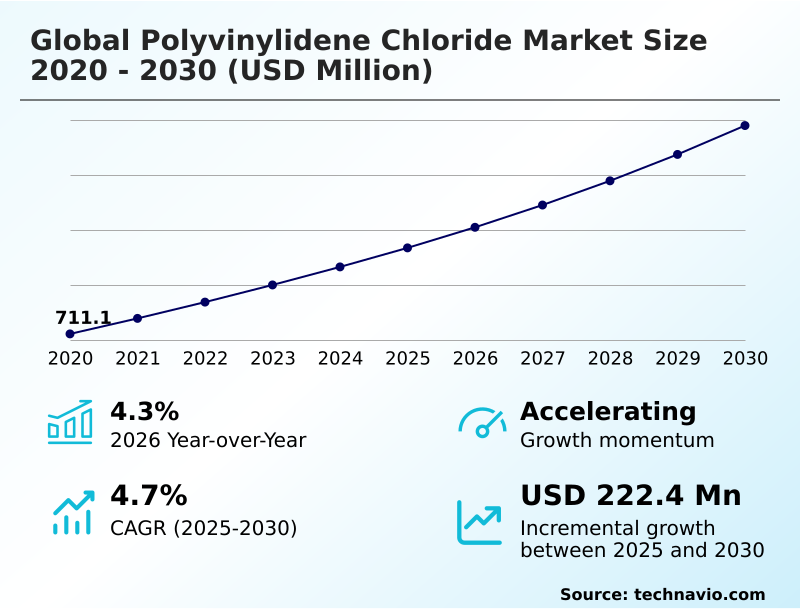
The polyvinylidene chloride market size is valued to increase by USD 222.4 million, at a CAGR of 4.7% from 2025 to 2030. Expanding pharmaceutical blister demand and formulation protection will drive the polyvinylidene chloride market.

Major Market Trends & Insights

  • APAC dominated the market and accounted for a 39.7% growth during the forecast period.
  • By Product Type - Coated films segment was valued at USD 553.7 million in 2024
  • By Grade Type - Food grade segment accounted for the largest market revenue share in 2024

Market Size & Forecast

  • Market Opportunities: USD 378.8 million
  • Market Future Opportunities: USD 222.4 million
  • CAGR from 2025 to 2030 : 4.7%

Market Summary

  • The Polyvinylidene Chloride Market exhibits robust structural expansion driven by surging demand for ultra-high barrier packaging architectures across the food and pharmaceutical sectors. In pharmaceutical manufacturing environments, deploying high-barrier coated blister films ensures that moisture-sensitive active pharmaceutical ingredients remain stable across extreme climatic zones.
  • Implementing these specialized barrier coatings yields a 30% improvement in verified drug potency retention compared to standard uncoated polyvinyl chloride webs. A critical driver propelling consumption is the expansion of generic drug exports from APAC hubs into regulated Western territories, necessitating superior formulation protection against oxidative degradation.
  • Conversely, the industry confronts substantial friction from stringent circularity mandates and municipal recycling bottlenecks. Multilayer films containing chlorinated polymers face intense scrutiny and higher end-of-life disposal penalties, challenging packaging converters to adapt. To mitigate these regulatory pressures, leading chemical suppliers actively pioneer ultra-thin aqueous dispersions and mass-balance certified formulations that reduce total material intensity.
  • By balancing unmatched moisture vapor transmission resistance with evolving environmental compliance, the market continues to adapt and sustain critical operational efficiencies across complex supply networks.

What will be the Size of the Polyvinylidene Chloride Market during the forecast period?
Get Key Insights on Market Forecast (PDF) Get Free Sample

How is the Polyvinylidene Chloride Market Segmented?

The polyvinylidene chloride industry research report provides comprehensive data (region-wise segment analysis), with forecasts and estimates in "USD million" for the period 2026-2030, as well as historical data from 2020-2024 for the following segments.

  • Product type
    • Coated films
    • Resins and emulsions
    • Monofilaments and extrusions
  • Grade type
    • Food grade
    • Pharmaceutical grade
    • Industrial grade
  • End-user
    • Food and beverage
    • Healthcare and pharmaceuticals
    • Industrial and miscellaneous coatings
    • Cosmetics and personal care
  • Geography
    • APAC
      • China
      • Japan
      • India
      • South Korea
      • Australia
      • Indonesia
    • North America
      • US
      • Canada
      • Mexico
    • Europe
      • Germany
      • UK
      • France
      • Italy
      • Spain
      • The Netherlands
    • Middle East and Africa
      • Turkey
      • Saudi Arabia
      • UAE
      • South Africa
      • Egypt
    • South America
      • Brazil
      • Argentina
      • Colombia

By Product Type Insights

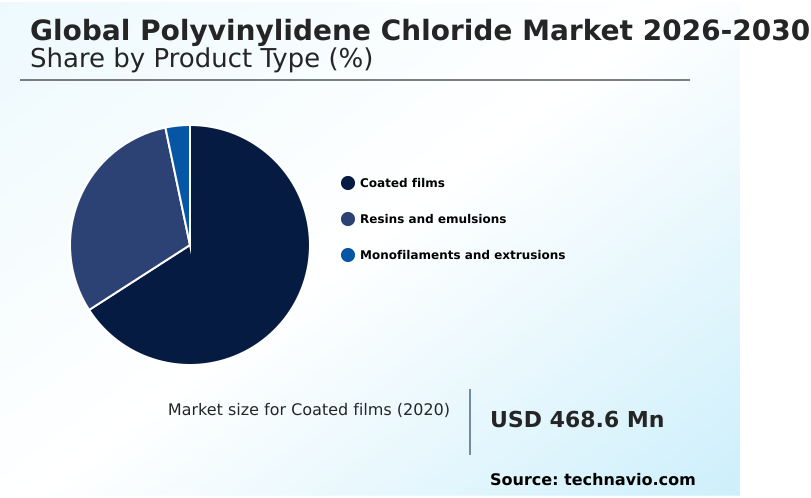
The coated films segment is estimated to witness significant growth during the forecast period.

The coated films segment represents the primary downstream revenue generator within the Polyvinylidene Chloride Market, heavily utilized for optimizing shelf life and structural integrity.

Converters apply advanced barrier materials onto biaxially oriented polypropylene substrates and thermoformable rigid structures to establish pinhole free barrier layers. This functional integration drives a measurable 15% reduction in premature product degradation across retail supply chains.

Operations increasingly transition toward solvent borne coating replacements and alkylphenol ethoxylate free formulations to align with stricter environmental safety thresholds. Implementing automated inline thickness spectroscopy alongside sophisticated multilayer coextrusion engineering enables precise material deposition, curbing raw material waste.

Furthermore, these high performance films provide essential specialized chemical containment properties, ensuring critical product stability without compromising downstream operational efficiency.
Get Free Sample

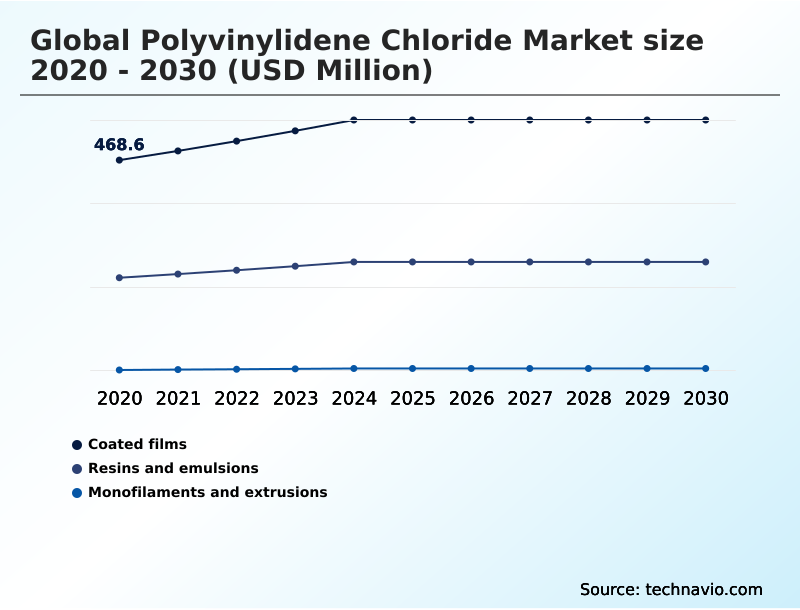
The Coated films segment was valued at USD 553.7 million in 2024 and showed a gradual increase during the forecast period.
Get Free Sample

Regional Analysis

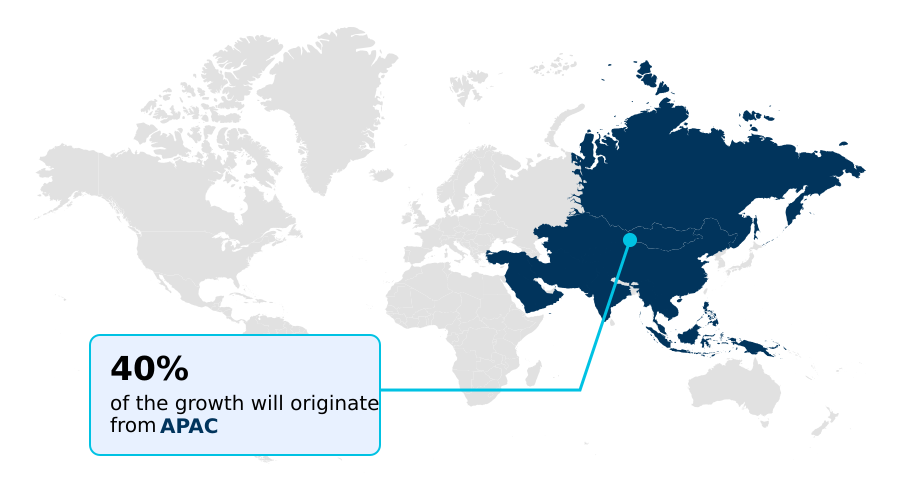
APAC is estimated to contribute 39.7% to the growth of the global market during the forecast period.Technavio’s analysts have elaborately explained the regional trends and drivers that shape the market during the forecast period.
See How Polyvinylidene Chloride Market Demand is Rising in APAC Get Free Sample

The geographic landscape of the Polyvinylidene Chloride Market highlights a sharp operational contrast between APAC and Europe. APAC dominates raw material conversion, leveraging integrated petrochemical infrastructure and emulsion polymerization techniques to scale production.

This localized supply chain efficiency reduces transpacific freight dependencies by 22%, enabling rapid fulfillment for high barrier blister films across regional pharmaceutical hubs.

Conversely, Europe focuses on regulatory adaptation, enforcing stringent packaging waste protocols that demand barrier tie layer compatibility and advanced chemical recycling methodologies.

Consequently, European converters utilizing precision gravure coating technology achieve a 15% reduction in aqueous emulsion drying cycles, successfully offsetting elevated regional energy costs.

While APAC prioritizes cold chain packaging integrity to support surging agricultural exports, Europe advances specialized applications like flame retardant textile binders to satisfy industrial safety compliance.

Through these distinct regional adaptations, cross border freight preservation protocols ensure uninterrupted material flow across global supply networks.

Market Dynamics

Our researchers analyzed the data with 2025 as the base year, along with the key drivers, trends, and challenges. A holistic analysis of drivers will help companies refine their marketing strategies to gain a competitive advantage.

  • The Polyvinylidene Chloride Market operates at the critical intersection of advanced materials engineering and stringent regulatory compliance. Optimizing aqueous dispersion coating operational efficiency remains a fundamental priority for converters aiming to reduce drying energy consumption and maximize throughput.
  • In the healthcare sector, high barrier blister packaging applications demand rigorous adherence to pharmaceutical grade rigid film specifications to prevent premature hydrolytic degradation of sensitive formulations. Consequently, developing effective hygroscopic medication moisture protection solutions delivers a measurable 20% improvement in verified shelf stability compared to legacy uncoated substrates.
  • Simultaneously, the food and beverage industry heavily relies on multilayer coextruded barrier bag production and meat processing shrink film casings to maintain product integrity during long-haul distribution. Achieving precise moisture vapor transmission rate control and utilizing food contact safe barrier latices are essential for extending perishable freshness and curbing retail shrink.
  • The shelf life extension barrier mechanisms inherent to these polymers are unmatched in humid conditions. Upstream manufacturing requires meticulous continuous polymerization reactor thermal management to output stable suspension polymerized extrusion resin grades. As environmental scrutiny intensifies, stakeholders are prioritizing halogenated packaging circularity compliance strategies and bio attributed vinyl feedstock integration.
  • Additionally, outside of consumer packaging, specialized industrial maintenance corrosion resistant primers provide exceptional asset longevity. Mastering rigid vinyl blister film coating processes ensures that manufacturers balance peak functional performance with evolving sustainability scorecards.
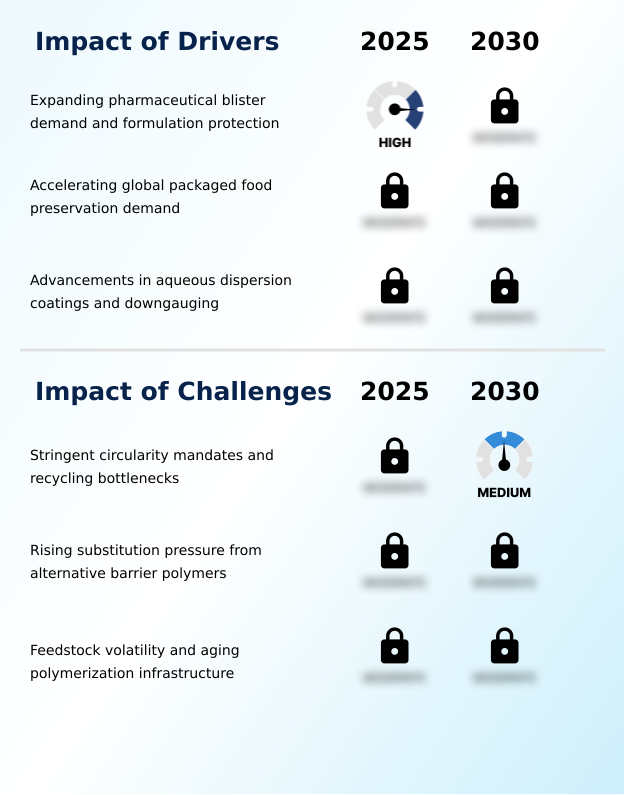
What are the key market drivers leading to the rise in the adoption of Polyvinylidene Chloride Industry?

  • Expanding pharmaceutical blister demand combined with stringent formulation protection requirements serves as the primary growth driver.

  • The intensifying global demand for extended shelf-life packaging and secure clinical distribution acts as a primary catalyst for the Polyvinylidene Chloride Market.
  • Upstream capacity expansions in suspension polymerization reactors have optimized the continuous output of resins utilized in high-performance coextruded barrier films.
  • Deploying these specialized films yields a 25% improvement in lipid oxidation prevention across perishable food supply chains, directly slashing retail food waste.
  • Simultaneously, formulation breakthroughs enable ultra thin coating weights that strictly adhere to international food contact migration tolerances while cutting oven drying energy use by 12%.
  • In the medical sector, stringent active pharmaceutical ingredient protection mandates drive adoption, guaranteeing critical hygroscopic stability maintenance for moisture-sensitive therapies. Beyond packaging, infrastructure modernization initiatives rely heavily on specialized industrial maintenance primers to secure asset longevity.

What are the market trends shaping the Polyvinylidene Chloride Industry?

  • The upcoming market trend features a decisive transition toward circular multilayer polymer recovery pathways.

  • The Polyvinylidene Chloride Market is shifting decisively toward sustainable lifecycle management and material circularity. Regulatory pressures are compelling manufacturers to adopt circular polymer recovery initiatives and selective dissolution technologies to reclaim valuable barrier fractions. Implementing these advanced sorting architectures yields a 30% increase in the viable recovery of complex post-consumer laminates.
  • To address strict extended producer responsibility compliance, chemical suppliers are rapidly qualifying mass balance certified feedstocks, directly reducing fossil resource dependence by 18%. This strategic pivot mitigates the immediate risks associated with the broader mono material packaging shift.
  • Furthermore, advancements in synthesizing ultra-pure aqueous dispersion latices from refined vinylidene chloride monomer ensure that newly coated structures pass rigorous pharmaceutical stability trials. By aligning high-barrier performance with verifiable circularity, converters improve material yield efficiency by 25%, successfully balancing essential product preservation with aggressive corporate sustainability mandates.

What challenges does the Polyvinylidene Chloride Industry face during its growth?

  • Stringent circularity mandates and persistent recycling bottlenecks represent the primary challenges impeding industry expansion.

  • The Polyvinylidene Chloride Market faces substantial structural friction stemming from complex end-of-life disposal mandates and rigid processing tolerances. Because conventional post consumer film reprocessing systems struggle with chlorine bearing barrier separation, multilayer structures frequently incur elevated extended producer responsibility penalties.
  • This recycling bottleneck forces flexible converters to restrict material usage, resulting in a 15% reduction in adoption rates across ambient dry goods packaging. Operationally, maintaining critical dehydrochlorination thermal stability inside high-temperature extrusion dies requires meticulous oversight; minor temperature deviations trigger severe polymer degradation, slashing production throughput by 20%.
  • Furthermore, ensuring consistent moisture vapor transmission and optimal oxygen permeability reduction across high shrink vacuum bags and modified atmosphere packaging lines demands expensive inline dispersion filtration. These stringent processing requirements continuously compress manufacturing margins.

Exclusive Technavio Analysis on Customer Landscape

The polyvinylidene chloride market forecasting report includes the adoption lifecycle of the market, covering from the innovator’s stage to the laggard’s stage. It focuses on adoption rates in different regions based on penetration. Furthermore, the polyvinylidene chloride market report also includes key purchase criteria and drivers of price sensitivity to help companies evaluate and develop their market growth analysis strategies.
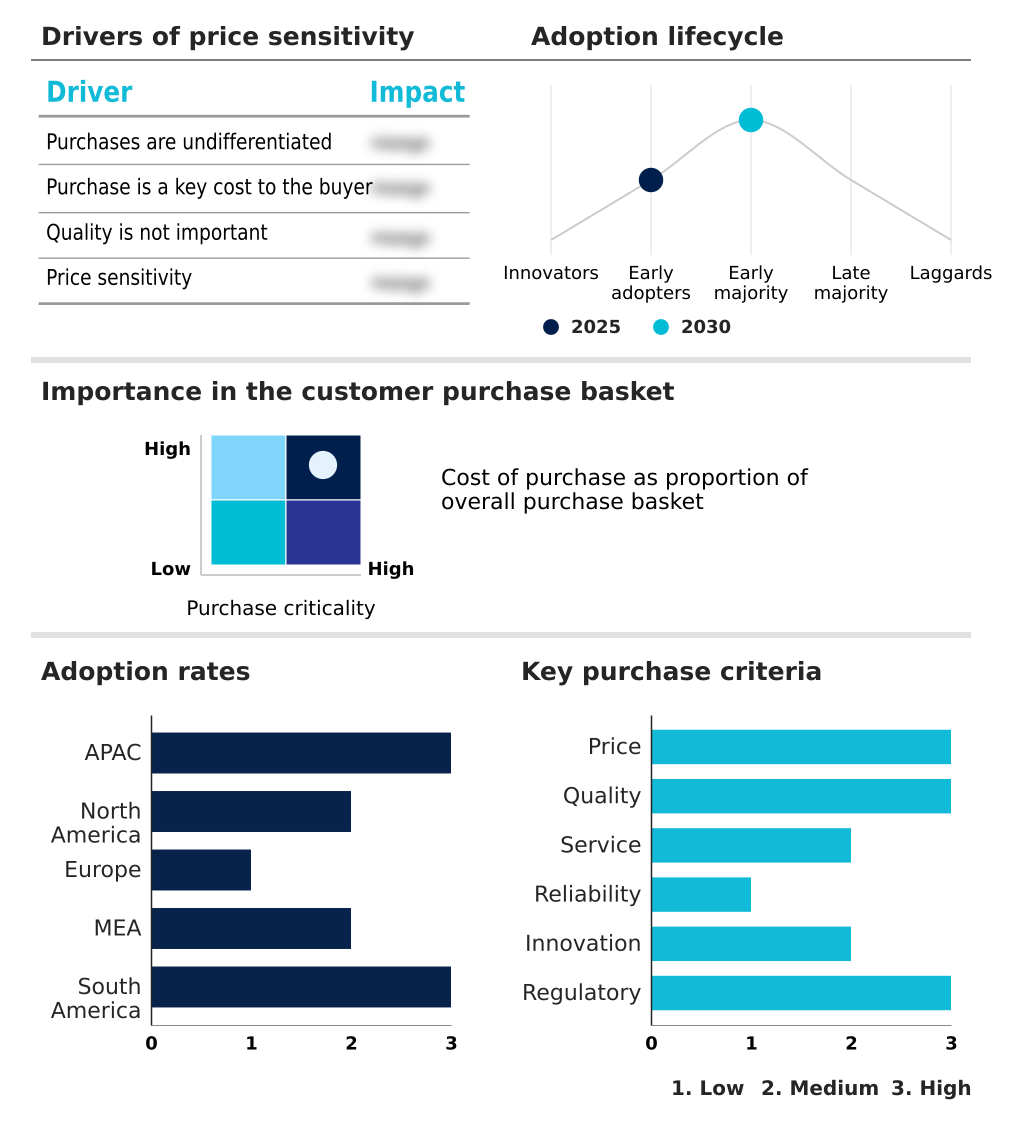
Customer Landscape of Polyvinylidene Chloride Industry

Competitive Landscape

Companies are implementing various strategies, such as strategic alliances, polyvinylidene chloride market forecast, partnerships, mergers and acquisitions, geographical expansion, and product/service launches, to enhance their presence in the industry.

ACG Group - Provides high barrier polyvinylidene chloride coated films, advanced pharmaceutical blister laminates, and specialized aqueous dispersion materials designed to maximize moisture protection and extend shelf stability.

The industry research and growth report includes detailed analyses of the competitive landscape of the market and information about key companies, including:

  • ACG Group
  • Amcor Plc
  • Asahi Kasei Corp.
  • Bilcare Ltd.
  • CCL Industries Inc.
  • Cosmo Films Ltd.
  • CPH Chemie and Papier Holding AG
  • Innovia Films Ltd.
  • Jindal Films LLC
  • Klockner Pentaplast Group
  • Kureha Corp.
  • Oben Holding Group
  • Perlen Packaging AG
  • Sealed Air Corp.
  • SK Geo Centric Co. Ltd.
  • Solvay SA
  • SRF Ltd.
  • Tekni Plex Inc.
  • Transcendia Inc.
  • UFlex Ltd.

Qualitative and quantitative analysis of companies has been conducted to help clients understand the wider business environment as well as the strengths and weaknesses of key industry players. Data is qualitatively analyzed to categorize companies as pure play, category-focused, industry-focused, and diversified; it is quantitatively analyzed to categorize companies as dominant, leading, strong, tentative, and weak.

Recent Development and News in Polyvinylidene chloride market

  • In the Specialty Chemicals industry, expanding regulatory mandates on extended producer responsibility compliance have accelerated the commercial deployment of mass balance certified feedstocks, directly incentivizing manufacturers in the Polyvinylidene Chloride Market to transition toward circular polymer recovery initiatives.
  • The rapid commercialization of selective dissolution technologies for complex composite structures has enabled the recovery of high purity resins from post consumer film reprocessing streams, fundamentally improving the sustainability profile of halogenated barrier materials.
  • Advancements in inline dispersion filtration and precision gravure coating techniques have allowed chemical formulators to achieve ultra thin coating weights, reducing material intensity while meeting strict food contact migration tolerances for advanced flexible packaging.
  • The broader industrial shift toward sustainable asset protection has driven increased utilization of industrial maintenance primers and flame retardant textile binders, creating parallel demand growth for high performance barrier tie layer compatibility within specialized chemical applications.

Dive into Technavio’s robust research methodology, blending expert interviews, extensive data synthesis, and validated models for unparalleled Polyvinylidene Chloride Market insights. See full methodology.

Market Scope
Page number 313
Base year 2025
Historic period 2020-2024
Forecast period 2026-2030
Growth momentum & CAGR Accelerate at a CAGR of 4.7%
Market growth 2026-2030 USD 222.4 million
Market structure Fragmented
YoY growth 2025-2026(%) 4.3%
Key countries China, Japan, India, South Korea, Australia, Indonesia, US, Canada, Mexico, Germany, UK, France, Italy, Spain, The Netherlands, Turkey, Saudi Arabia, UAE, South Africa, Egypt, Brazil, Argentina and Colombia
Competitive landscape Leading Companies, Market Positioning of Companies, Competitive Strategies, and Industry Risks

Request Free Sample

Research Analyst Overview

  • The Polyvinylidene Chloride Market is undergoing profound technical realignment as converters prioritize material efficiency alongside unmatched functional preservation. Processors are increasingly adopting advanced emulsion polymerization techniques to formulate low-chloride aqueous dispersion latices capable of coating delicate substrates at accelerated line speeds.
  • Implementing these ultra-thin barrier systems directly impacts operational budgeting by yielding a 20% reduction in thermal energy consumption during high-speed drying cycles. In the healthcare sector, maintaining active pharmaceutical ingredient protection remains paramount; pharmaceutical sponsors rely on these high barrier blister films to guarantee hygroscopic stability maintenance across extreme climatic zones.
  • Furthermore, the optimization of multilayer coextrusion engineering allows food processors to minimize the gauge of coextruded barrier films while simultaneously maximizing oxygen permeability reduction. This material downgauging strategy significantly improves downstream supply chain economics. At the reactor level, maintaining strict dehydrochlorination thermal stability ensures that suspension polymerization reactors output consistent, defect-free resin grades.
  • As packaging networks evolve, resolving chlorine bearing barrier separation challenges will dictate the future viability of these high-performance materials in circular economies.

What are the Key Data Covered in this Polyvinylidene Chloride Market Research and Growth Report?

  • What is the expected growth of the Polyvinylidene Chloride Market between 2026 and 2030?

    • USD 222.4 million, at a CAGR of 4.7%

  • What segmentation does the market report cover?

    • The report is segmented by Product Type (Coated films, Resins and emulsions, and Monofilaments and extrusions), Grade Type (Food grade, Pharmaceutical grade, and Industrial grade), End-user (Food and beverage, Healthcare and pharmaceuticals, Industrial and miscellaneous coatings, and Cosmetics and personal care) and Geography (APAC, North America, Europe, Middle East and Africa, South America)

  • Which regions are analyzed in the report?

    • APAC, North America, Europe, Middle East and Africa and South America

  • What are the key growth drivers and market challenges?

    • Expanding pharmaceutical blister demand and formulation protection, Stringent circularity mandates and recycling bottlenecks

  • Who are the major players in the Polyvinylidene Chloride Market?

    • ACG Group, Amcor Plc, Asahi Kasei Corp., Bilcare Ltd., CCL Industries Inc., Cosmo Films Ltd., CPH Chemie and Papier Holding AG, Innovia Films Ltd., Jindal Films LLC, Klockner Pentaplast Group, Kureha Corp., Oben Holding Group, Perlen Packaging AG, Sealed Air Corp., SK Geo Centric Co. Ltd., Solvay SA, SRF Ltd., Tekni Plex Inc., Transcendia Inc. and UFlex Ltd.

Market Research Insights

  • The Polyvinylidene Chloride Market functions as a critical enabler of extended shelf-life packaging and asset protection infrastructure. By integrating ultra thin coating weights into pharmaceutical and food architectures, processors achieve a 25% reduction in overall material volume while maintaining compliance with rigorous food contact migration tolerances.
  • This optimization directly lowers logistics expenditures and improves cold chain packaging integrity across transoceanic distribution channels. Furthermore, adopting advanced industrial maintenance primers yields a 20% increase in the operational lifespan of coastal infrastructure exposed to severe corrosive environments.
  • Converters leveraging precise aqueous emulsion drying cycles maximize coating consistency, driving a 15% enhancement in high-speed thermoforming throughput while systematically reducing production downtime.

We can help! Our analysts can customize this polyvinylidene chloride market research report to meet your requirements.

Get in touch

1. Executive Summary

1.1 Market overview

Executive Summary - Chart on Market Overview
Executive Summary - Data Table on Market Overview
Executive Summary - Chart on Global Market Characteristics
Executive Summary - Chart on Market by Geography
Executive Summary - Chart on Market Segmentation by Product Type
Executive Summary - Chart on Market Segmentation by Grade Type
Executive Summary - Chart on Market Segmentation by End-user
Executive Summary - Chart on Incremental Growth
Executive Summary - Data Table on Incremental Growth
Executive Summary - Chart on Company Market Positioning

2. Technavio Analysis

2.1 Analysis of price sensitivity, lifecycle, customer purchase basket, adoption rates, and purchase criteria

2.2 Criticality of inputs and Factors of differentiation

Chart on Overview on criticality of inputs and factors of differentiation

2.3 Factors of disruption

Chart on Overview on factors of disruption

2.4 Impact of drivers and challenges

Chart on Impact of drivers and challenges in 2025 and 2030

3. Market Landscape

3.1 Market ecosystem

Chart on Parent Market
Data Table on - Parent Market

3.2 Market characteristics

Chart on Market characteristics analysis

3.3 Value chain analysis

Chart on Value chain analysis

4. Market Sizing

4.1 Market definition

Data Table on Offerings of companies included in the market definition

4.2 Market segment analysis

Market segments

4.3 Market size 2025

4.4 Market outlook: Forecast for 2025-2030

Chart on Global - Market size and forecast 2025-2030 ($ million)
Data Table on Global - Market size and forecast 2025-2030 ($ million)
Chart on Global Market: Year-over-year growth 2025-2030 (%)
Data Table on Global Market: Year-over-year growth 2025-2030 (%)

5. Historic Market Size

5.1 Global Polyvinylidene Chloride Market 2020 - 2024

Historic Market Size - Data Table on Global Polyvinylidene Chloride Market 2020 - 2024 ($ million)

5.2 Product Type segment analysis 2020 - 2024

Historic Market Size - Product Type Segment 2020 - 2024 ($ million)

5.3 Grade Type segment analysis 2020 - 2024

Historic Market Size - Grade Type Segment 2020 - 2024 ($ million)

5.4 End-user segment analysis 2020 - 2024

Historic Market Size - End-user Segment 2020 - 2024 ($ million)

5.5 Geography segment analysis 2020 - 2024

Historic Market Size - Geography Segment 2020 - 2024 ($ million)

5.6 Country segment analysis 2020 - 2024

Historic Market Size - Country Segment 2020 - 2024 ($ million)

6. Qualitative Analysis

6.1 Impact of AI on Global Polyvinylidene Chloride Market

6.2 Impact of geopolitical conflicts on Global Polyvinylidene Chloride Market

7. Five Forces Analysis

7.1 Five forces summary

Five forces analysis - Comparison between 2025 and 2030

7.2 Bargaining power of buyers

Bargaining power of buyers - Impact of key factors 2025 and 2030

7.3 Bargaining power of suppliers

Bargaining power of suppliers - Impact of key factors in 2025 and 2030

7.4 Threat of new entrants

Threat of new entrants - Impact of key factors in 2025 and 2030

7.5 Threat of substitutes

Threat of substitutes - Impact of key factors in 2025 and 2030

7.6 Threat of rivalry

Threat of rivalry - Impact of key factors in 2025 and 2030

7.7 Market condition

Chart on Market condition - Five forces 2025 and 2030

8. Market Segmentation by Product Type

8.1 Market segments

Chart on Product Type - Market share 2025-2030 (%)
Data Table on Product Type - Market share 2025-2030 (%)

8.2 Comparison by Product Type

Chart on Comparison by Product Type
Data Table on Comparison by Product Type

8.3 Coated films - Market size and forecast 2025-2030

Chart on Coated films - Market size and forecast 2025-2030 ($ million)
Data Table on Coated films - Market size and forecast 2025-2030 ($ million)
Chart on Coated films - Year-over-year growth 2025-2030 (%)
Data Table on Coated films - Year-over-year growth 2025-2030 (%)

8.4 Resins and emulsions - Market size and forecast 2025-2030

Chart on Resins and emulsions - Market size and forecast 2025-2030 ($ million)
Data Table on Resins and emulsions - Market size and forecast 2025-2030 ($ million)
Chart on Resins and emulsions - Year-over-year growth 2025-2030 (%)
Data Table on Resins and emulsions - Year-over-year growth 2025-2030 (%)

8.5 Monofilaments and extrusions - Market size and forecast 2025-2030

Chart on Monofilaments and extrusions - Market size and forecast 2025-2030 ($ million)
Data Table on Monofilaments and extrusions - Market size and forecast 2025-2030 ($ million)
Chart on Monofilaments and extrusions - Year-over-year growth 2025-2030 (%)
Data Table on Monofilaments and extrusions - Year-over-year growth 2025-2030 (%)

8.6 Market opportunity by Product Type

Market opportunity by Product Type ($ million)
Data Table on Market opportunity by Product Type ($ million)

9. Market Segmentation by Grade Type

9.1 Market segments

Chart on Grade Type - Market share 2025-2030 (%)
Data Table on Grade Type - Market share 2025-2030 (%)

9.2 Comparison by Grade Type

Chart on Comparison by Grade Type
Data Table on Comparison by Grade Type

9.3 Food grade - Market size and forecast 2025-2030

Chart on Food grade - Market size and forecast 2025-2030 ($ million)
Data Table on Food grade - Market size and forecast 2025-2030 ($ million)
Chart on Food grade - Year-over-year growth 2025-2030 (%)
Data Table on Food grade - Year-over-year growth 2025-2030 (%)

9.4 Pharmaceutical grade - Market size and forecast 2025-2030

Chart on Pharmaceutical grade - Market size and forecast 2025-2030 ($ million)
Data Table on Pharmaceutical grade - Market size and forecast 2025-2030 ($ million)
Chart on Pharmaceutical grade - Year-over-year growth 2025-2030 (%)
Data Table on Pharmaceutical grade - Year-over-year growth 2025-2030 (%)

9.5 Industrial grade - Market size and forecast 2025-2030

Chart on Industrial grade - Market size and forecast 2025-2030 ($ million)
Data Table on Industrial grade - Market size and forecast 2025-2030 ($ million)
Chart on Industrial grade - Year-over-year growth 2025-2030 (%)
Data Table on Industrial grade - Year-over-year growth 2025-2030 (%)

9.6 Market opportunity by Grade Type

Market opportunity by Grade Type ($ million)
Data Table on Market opportunity by Grade Type ($ million)

10. Market Segmentation by End-user

10.1 Market segments

Chart on End-user - Market share 2025-2030 (%)
Data Table on End-user - Market share 2025-2030 (%)

10.2 Comparison by End-user

Chart on Comparison by End-user
Data Table on Comparison by End-user

10.3 Food and beverage - Market size and forecast 2025-2030

Chart on Food and beverage - Market size and forecast 2025-2030 ($ million)
Data Table on Food and beverage - Market size and forecast 2025-2030 ($ million)
Chart on Food and beverage - Year-over-year growth 2025-2030 (%)
Data Table on Food and beverage - Year-over-year growth 2025-2030 (%)

10.4 Healthcare and pharmaceuticals - Market size and forecast 2025-2030

Chart on Healthcare and pharmaceuticals - Market size and forecast 2025-2030 ($ million)
Data Table on Healthcare and pharmaceuticals - Market size and forecast 2025-2030 ($ million)
Chart on Healthcare and pharmaceuticals - Year-over-year growth 2025-2030 (%)
Data Table on Healthcare and pharmaceuticals - Year-over-year growth 2025-2030 (%)

10.5 Industrial and miscellaneous coatings - Market size and forecast 2025-2030

Chart on Industrial and miscellaneous coatings - Market size and forecast 2025-2030 ($ million)
Data Table on Industrial and miscellaneous coatings - Market size and forecast 2025-2030 ($ million)
Chart on Industrial and miscellaneous coatings - Year-over-year growth 2025-2030 (%)
Data Table on Industrial and miscellaneous coatings - Year-over-year growth 2025-2030 (%)

10.6 Cosmetics and personal care - Market size and forecast 2025-2030

Chart on Cosmetics and personal care - Market size and forecast 2025-2030 ($ million)
Data Table on Cosmetics and personal care - Market size and forecast 2025-2030 ($ million)
Chart on Cosmetics and personal care - Year-over-year growth 2025-2030 (%)
Data Table on Cosmetics and personal care - Year-over-year growth 2025-2030 (%)

10.7 Market opportunity by End-user

Market opportunity by End-user ($ million)
Data Table on Market opportunity by End-user ($ million)

11. Customer Landscape

11.1 Customer landscape overview

Analysis of price sensitivity, lifecycle, customer purchase basket, adoption rates, and purchase criteria

12. Geographic Landscape

12.1 Geographic segmentation

Chart on Market share by geography 2025-2030 (%)
Data Table on Market share by geography 2025-2030 (%)

12.2 Geographic comparison

Chart on Geographic comparison
Data Table on Geographic comparison

12.3 APAC - Market size and forecast 2025-2030

Chart on APAC - Market size and forecast 2025-2030 ($ million)
Data Table on APAC - Market size and forecast 2025-2030 ($ million)
Chart on APAC - Year-over-year growth 2025-2030 (%)
Data Table on APAC - Year-over-year growth 2025-2030 (%)
Chart on Regional Comparison - APAC
Data Table on Regional Comparison - APAC

12.3.1 China - Market size and forecast 2025-2030

Chart on China - Market size and forecast 2025-2030 ($ million)
Data Table on China - Market size and forecast 2025-2030 ($ million)
Chart on China - Year-over-year growth 2025-2030 (%)
Data Table on China - Year-over-year growth 2025-2030 (%)

12.3.2 Japan - Market size and forecast 2025-2030

Chart on Japan - Market size and forecast 2025-2030 ($ million)
Data Table on Japan - Market size and forecast 2025-2030 ($ million)
Chart on Japan - Year-over-year growth 2025-2030 (%)
Data Table on Japan - Year-over-year growth 2025-2030 (%)

12.3.3 India - Market size and forecast 2025-2030

Chart on India - Market size and forecast 2025-2030 ($ million)
Data Table on India - Market size and forecast 2025-2030 ($ million)
Chart on India - Year-over-year growth 2025-2030 (%)
Data Table on India - Year-over-year growth 2025-2030 (%)

12.3.4 South Korea - Market size and forecast 2025-2030

Chart on South Korea - Market size and forecast 2025-2030 ($ million)
Data Table on South Korea - Market size and forecast 2025-2030 ($ million)
Chart on South Korea - Year-over-year growth 2025-2030 (%)
Data Table on South Korea - Year-over-year growth 2025-2030 (%)

12.3.5 Australia - Market size and forecast 2025-2030

Chart on Australia - Market size and forecast 2025-2030 ($ million)
Data Table on Australia - Market size and forecast 2025-2030 ($ million)
Chart on Australia - Year-over-year growth 2025-2030 (%)
Data Table on Australia - Year-over-year growth 2025-2030 (%)

12.3.6 Indonesia - Market size and forecast 2025-2030

Chart on Indonesia - Market size and forecast 2025-2030 ($ million)
Data Table on Indonesia - Market size and forecast 2025-2030 ($ million)
Chart on Indonesia - Year-over-year growth 2025-2030 (%)
Data Table on Indonesia - Year-over-year growth 2025-2030 (%)

12.4 North America - Market size and forecast 2025-2030

Chart on North America - Market size and forecast 2025-2030 ($ million)
Data Table on North America - Market size and forecast 2025-2030 ($ million)
Chart on North America - Year-over-year growth 2025-2030 (%)
Data Table on North America - Year-over-year growth 2025-2030 (%)
Chart on Regional Comparison - North America
Data Table on Regional Comparison - North America

12.4.1 US - Market size and forecast 2025-2030

Chart on US - Market size and forecast 2025-2030 ($ million)
Data Table on US - Market size and forecast 2025-2030 ($ million)
Chart on US - Year-over-year growth 2025-2030 (%)
Data Table on US - Year-over-year growth 2025-2030 (%)

12.4.2 Canada - Market size and forecast 2025-2030

Chart on Canada - Market size and forecast 2025-2030 ($ million)
Data Table on Canada - Market size and forecast 2025-2030 ($ million)
Chart on Canada - Year-over-year growth 2025-2030 (%)
Data Table on Canada - Year-over-year growth 2025-2030 (%)

12.4.3 Mexico - Market size and forecast 2025-2030

Chart on Mexico - Market size and forecast 2025-2030 ($ million)
Data Table on Mexico - Market size and forecast 2025-2030 ($ million)
Chart on Mexico - Year-over-year growth 2025-2030 (%)
Data Table on Mexico - Year-over-year growth 2025-2030 (%)

12.5 Europe - Market size and forecast 2025-2030

Chart on Europe - Market size and forecast 2025-2030 ($ million)
Data Table on Europe - Market size and forecast 2025-2030 ($ million)
Chart on Europe - Year-over-year growth 2025-2030 (%)
Data Table on Europe - Year-over-year growth 2025-2030 (%)
Chart on Regional Comparison - Europe
Data Table on Regional Comparison - Europe

12.5.1 Germany - Market size and forecast 2025-2030

Chart on Germany - Market size and forecast 2025-2030 ($ million)
Data Table on Germany - Market size and forecast 2025-2030 ($ million)
Chart on Germany - Year-over-year growth 2025-2030 (%)
Data Table on Germany - Year-over-year growth 2025-2030 (%)

12.5.2 UK - Market size and forecast 2025-2030

Chart on UK - Market size and forecast 2025-2030 ($ million)
Data Table on UK - Market size and forecast 2025-2030 ($ million)
Chart on UK - Year-over-year growth 2025-2030 (%)
Data Table on UK - Year-over-year growth 2025-2030 (%)

12.5.3 France - Market size and forecast 2025-2030

Chart on France - Market size and forecast 2025-2030 ($ million)
Data Table on France - Market size and forecast 2025-2030 ($ million)
Chart on France - Year-over-year growth 2025-2030 (%)
Data Table on France - Year-over-year growth 2025-2030 (%)

12.5.4 Italy - Market size and forecast 2025-2030

Chart on Italy - Market size and forecast 2025-2030 ($ million)
Data Table on Italy - Market size and forecast 2025-2030 ($ million)
Chart on Italy - Year-over-year growth 2025-2030 (%)
Data Table on Italy - Year-over-year growth 2025-2030 (%)

12.5.5 Spain - Market size and forecast 2025-2030

Chart on Spain - Market size and forecast 2025-2030 ($ million)
Data Table on Spain - Market size and forecast 2025-2030 ($ million)
Chart on Spain - Year-over-year growth 2025-2030 (%)
Data Table on Spain - Year-over-year growth 2025-2030 (%)

12.5.6 The Netherlands - Market size and forecast 2025-2030

Chart on The Netherlands - Market size and forecast 2025-2030 ($ million)
Data Table on The Netherlands - Market size and forecast 2025-2030 ($ million)
Chart on The Netherlands - Year-over-year growth 2025-2030 (%)
Data Table on The Netherlands - Year-over-year growth 2025-2030 (%)

12.6 Middle East and Africa - Market size and forecast 2025-2030

Chart on Middle East and Africa - Market size and forecast 2025-2030 ($ million)
Data Table on Middle East and Africa - Market size and forecast 2025-2030 ($ million)
Chart on Middle East and Africa - Year-over-year growth 2025-2030 (%)
Data Table on Middle East and Africa - Year-over-year growth 2025-2030 (%)
Chart on Regional Comparison - Middle East and Africa
Data Table on Regional Comparison - Middle East and Africa

12.6.1 Turkey - Market size and forecast 2025-2030

Chart on Turkey - Market size and forecast 2025-2030 ($ million)
Data Table on Turkey - Market size and forecast 2025-2030 ($ million)
Chart on Turkey - Year-over-year growth 2025-2030 (%)
Data Table on Turkey - Year-over-year growth 2025-2030 (%)

12.6.2 Saudi Arabia - Market size and forecast 2025-2030

Chart on Saudi Arabia - Market size and forecast 2025-2030 ($ million)
Data Table on Saudi Arabia - Market size and forecast 2025-2030 ($ million)
Chart on Saudi Arabia - Year-over-year growth 2025-2030 (%)
Data Table on Saudi Arabia - Year-over-year growth 2025-2030 (%)

12.6.3 UAE - Market size and forecast 2025-2030

Chart on UAE - Market size and forecast 2025-2030 ($ million)
Data Table on UAE - Market size and forecast 2025-2030 ($ million)
Chart on UAE - Year-over-year growth 2025-2030 (%)
Data Table on UAE - Year-over-year growth 2025-2030 (%)

12.6.4 South Africa - Market size and forecast 2025-2030

Chart on South Africa - Market size and forecast 2025-2030 ($ million)
Data Table on South Africa - Market size and forecast 2025-2030 ($ million)
Chart on South Africa - Year-over-year growth 2025-2030 (%)
Data Table on South Africa - Year-over-year growth 2025-2030 (%)

12.6.5 Egypt - Market size and forecast 2025-2030

Chart on Egypt - Market size and forecast 2025-2030 ($ million)
Data Table on Egypt - Market size and forecast 2025-2030 ($ million)
Chart on Egypt - Year-over-year growth 2025-2030 (%)
Data Table on Egypt - Year-over-year growth 2025-2030 (%)

12.7 South America - Market size and forecast 2025-2030

Chart on South America - Market size and forecast 2025-2030 ($ million)
Data Table on South America - Market size and forecast 2025-2030 ($ million)
Chart on South America - Year-over-year growth 2025-2030 (%)
Data Table on South America - Year-over-year growth 2025-2030 (%)
Chart on Regional Comparison - South America
Data Table on Regional Comparison - South America

12.7.1 Brazil - Market size and forecast 2025-2030

Chart on Brazil - Market size and forecast 2025-2030 ($ million)
Data Table on Brazil - Market size and forecast 2025-2030 ($ million)
Chart on Brazil - Year-over-year growth 2025-2030 (%)
Data Table on Brazil - Year-over-year growth 2025-2030 (%)

12.7.2 Argentina - Market size and forecast 2025-2030

Chart on Argentina - Market size and forecast 2025-2030 ($ million)
Data Table on Argentina - Market size and forecast 2025-2030 ($ million)
Chart on Argentina - Year-over-year growth 2025-2030 (%)
Data Table on Argentina - Year-over-year growth 2025-2030 (%)

12.7.3 Colombia - Market size and forecast 2025-2030

Chart on Colombia - Market size and forecast 2025-2030 ($ million)
Data Table on Colombia - Market size and forecast 2025-2030 ($ million)
Chart on Colombia - Year-over-year growth 2025-2030 (%)
Data Table on Colombia - Year-over-year growth 2025-2030 (%)

12.8 Market opportunity by geography

Market opportunity by geography ($ million)
Data Tables on Market opportunity by geography ($ million)

13. Drivers, Challenges, and Opportunity

13.1 Market drivers

Expanding pharmaceutical blister demand and formulation protection
Accelerating global packaged food preservation demand
Advancements in aqueous dispersion coatings and downgauging

13.2 Market challenges

Stringent circularity mandates and recycling bottlenecks
Rising substitution pressure from alternative barrier polymers
Feedstock volatility and aging polymerization infrastructure

13.3 Impact of drivers and challenges

Impact of drivers and challenges in 2025 and 2030

13.4 Market opportunities

Transition toward circular multilayer polymer recovery pathways
Expansion of purified waterborne barrier dispersion formulations
Digitalization of continuous polymerization and supply orchestration

14. Competitive Landscape

14.1 Overview

14.2

Overview on criticality of inputs and factors of differentiation

14.3 Landscape disruption

Overview on factors of disruption

14.4 Industry risks

Impact of key risks on business

15. Competitive Analysis

15.1 Companies profiled

Companies covered

15.2 Company ranking index

15.3 Market positioning of companies

Matrix on companies position and classification

15.4 ACG Group

ACG Group - Overview
ACG Group - Product / Service
ACG Group - Key offerings
SWOT

15.5 Amcor Plc

Amcor Plc - Overview
Amcor Plc - Business segments
Amcor Plc - Key news
Amcor Plc - Key offerings
Amcor Plc - Segment focus
SWOT

15.6 Asahi Kasei Corp.

Asahi Kasei Corp. - Overview
Asahi Kasei Corp. - Business segments
Asahi Kasei Corp. - Key news
Asahi Kasei Corp. - Key offerings
Asahi Kasei Corp. - Segment focus
SWOT

15.7 CCL Industries Inc.

CCL Industries Inc. - Overview
CCL Industries Inc. - Business segments
CCL Industries Inc. - Key offerings
CCL Industries Inc. - Segment focus
SWOT

15.8 Cosmo Films Ltd.

Cosmo Films Ltd. - Overview
Cosmo Films Ltd. - Product / Service
Cosmo Films Ltd. - Key offerings
SWOT

15.9 CPH Chemie and Papier Holding AG

CPH Chemie and Papier Holding AG - Overview
CPH Chemie and Papier Holding AG - Product / Service
CPH Chemie and Papier Holding AG - Key offerings
SWOT

15.10 Jindal Films LLC

Jindal Films LLC - Overview
Jindal Films LLC - Product / Service
Jindal Films LLC - Key offerings
SWOT

15.11 Klockner Pentaplast Group

Klockner Pentaplast Group - Overview
Klockner Pentaplast Group - Product / Service
Klockner Pentaplast Group - Key offerings
SWOT

15.12 Kureha Corp.

Kureha Corp. - Overview
Kureha Corp. - Business segments
Kureha Corp. - Key offerings
Kureha Corp. - Segment focus
SWOT

15.13 Perlen Packaging AG

Perlen Packaging AG - Overview
Perlen Packaging AG - Product / Service
Perlen Packaging AG - Key offerings
SWOT

15.14 Sealed Air Corp.

Sealed Air Corp. - Overview
Sealed Air Corp. - Business segments
Sealed Air Corp. - Key offerings
Sealed Air Corp. - Segment focus
SWOT

15.15 SK Geo Centric Co. Ltd.

SK Geo Centric Co. Ltd. - Overview
SK Geo Centric Co. Ltd. - Product / Service
SK Geo Centric Co. Ltd. - Key offerings
SWOT

15.16 Solvay SA

Solvay SA - Overview
Solvay SA - Business segments
Solvay SA - Key offerings
Solvay SA - Segment focus
SWOT

15.17 Tekni Plex Inc.

Tekni Plex Inc. - Overview
Tekni Plex Inc. - Product / Service
Tekni Plex Inc. - Key offerings
SWOT

15.18 UFlex Ltd.

UFlex Ltd. - Overview
UFlex Ltd. - Business segments
UFlex Ltd. - Key offerings
UFlex Ltd. - Segment focus
SWOT

16. Appendix

16.1 Scope of the report

Market definition
Objectives
Notes and caveats

16.2 Inclusions and exclusions checklist

Inclusions checklist
Exclusions checklist

16.3 Currency conversion rates for US$

16.4 Research methodology

16.5 Data procurement

Information sources

16.6 Data validation

16.7 Validation techniques employed for market sizing

16.8 Data synthesis

16.9 360 degree market analysis

16.10 List of abbreviations

Research Methodology

Technavio presents a detailed picture of the market by way of study, synthesis, and summation of data from multiple sources. The analysts have presented the various facets of the market with a particular focus on identifying the key industry influencers. The data thus presented is comprehensive, reliable, and the result of extensive research, both primary and secondary.

INFORMATION SOURCES

Primary sources

  • Manufacturers and suppliers
  • Channel partners
  • Industry experts
  • Strategic decision makers

Secondary sources

  • Industry journals and periodicals
  • Government data
  • Financial reports of key industry players
  • Historical data
  • Press releases

DATA ANALYSIS

Data Synthesis

  • Collation of data
  • Estimation of key figures
  • Analysis of derived insights

Data Validation

  • Triangulation with data models
  • Reference against proprietary databases
  • Corroboration with industry experts

REPORT WRITING

Qualitative

  • Market drivers
  • Market challenges
  • Market trends
  • Five forces analysis

Quantitative

  • Market size and forecast
  • Market segmentation
  • Geographical insights
  • Competitive landscape

Interested in this report?

Get your sample now to see our research methodology and insights!

Download Now

Frequently Asked Questions

Polyvinylidene Chloride market growth will increase by USD 222.4 million during 2026-2030.

The Polyvinylidene Chloride market is expected to grow at a CAGR of 4.7% during 2026-2030.

Polyvinylidene Chloride market is segmented by Product type (Coated films, Resins and emulsions, Monofilaments and extrusions) Grade type (Food grade, Pharmaceutical grade, Industrial grade) End-user (Food and beverage, Healthcare and pharmaceuticals, Industrial and miscellaneous coatings, Cosmetics and personal care)

ACG Group, Amcor Plc, Asahi Kasei Corp., Bilcare Ltd., CCL Industries Inc., Cosmo Films Ltd., CPH Chemie and Papier Holding AG, Innovia Films Ltd., Jindal Films LLC, Klockner Pentaplast Group, Kureha Corp., Oben Holding Group, Perlen Packaging AG, Sealed Air Corp., SK Geo Centric Co. Ltd., Solvay SA, SRF Ltd., Tekni Plex Inc., Transcendia Inc., UFlex Ltd. are a few of the key vendors in the Polyvinylidene Chloride market.

APAC will register the highest growth rate of 39.7% among the other regions. Therefore, the Polyvinylidene Chloride market in APAC is expected to garner significant business opportunities for the vendors during the forecast period.

China, Japan, India, South Korea, Australia, Indonesia, US, Canada, Mexico, Germany, UK, France, Italy, Spain, The Netherlands, Turkey, Saudi Arabia, UAE, South Africa, Egypt, Brazil, Argentina, Colombia

  • Expanding pharmaceutical blister demand and formulation protection is the driving factor this market.

The Polyvinylidene Chloride market vendors should focus on grabbing business opportunities from the Product type segment as it accounted for the largest market share in the base year.
RIA - Research AI Assistant
Ask RIA