



Racket Sports Equipment Market Size 2026-2030
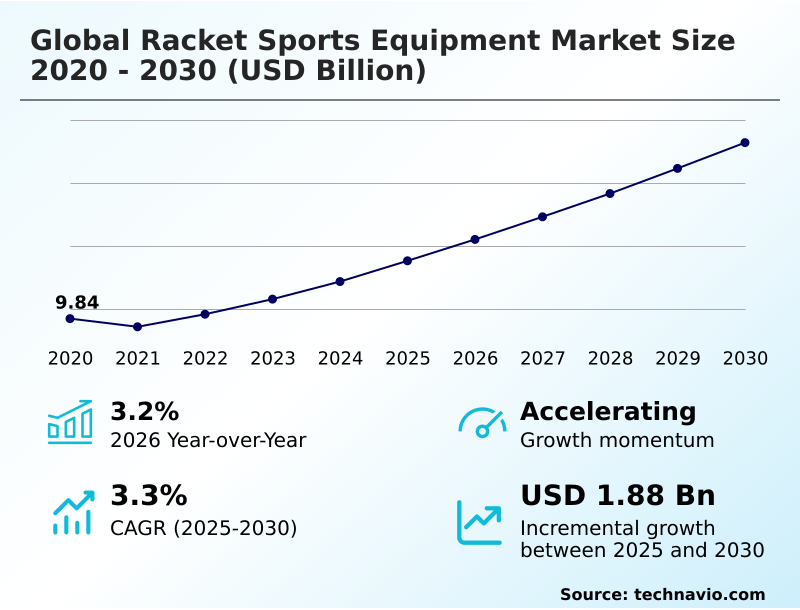
The racket sports equipment market size is valued to increase by USD 1.88 billion, at a CAGR of 3.3% from 2025 to 2030. Strategic of multi-sport facility construction and regional infrastructure investment will drive the racket sports equipment market.
Major Market Trends & Insights
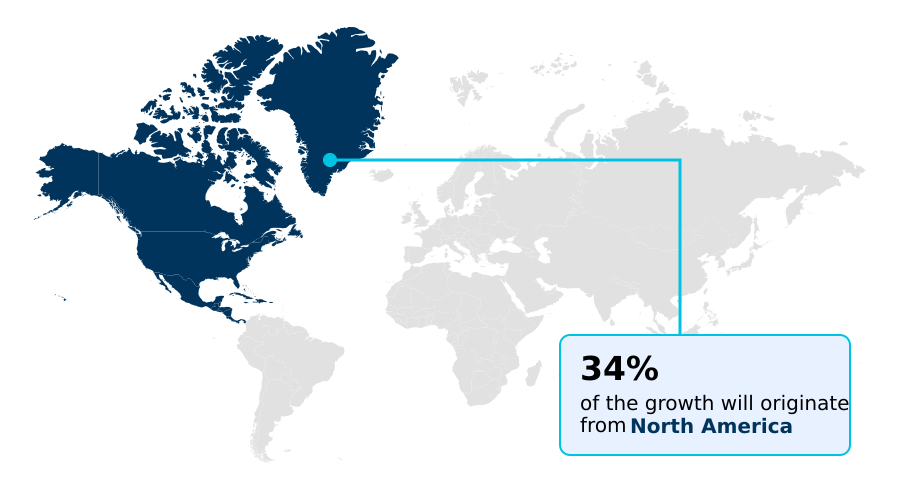
- North America dominated the market and accounted for a 33.7% growth during the forecast period.
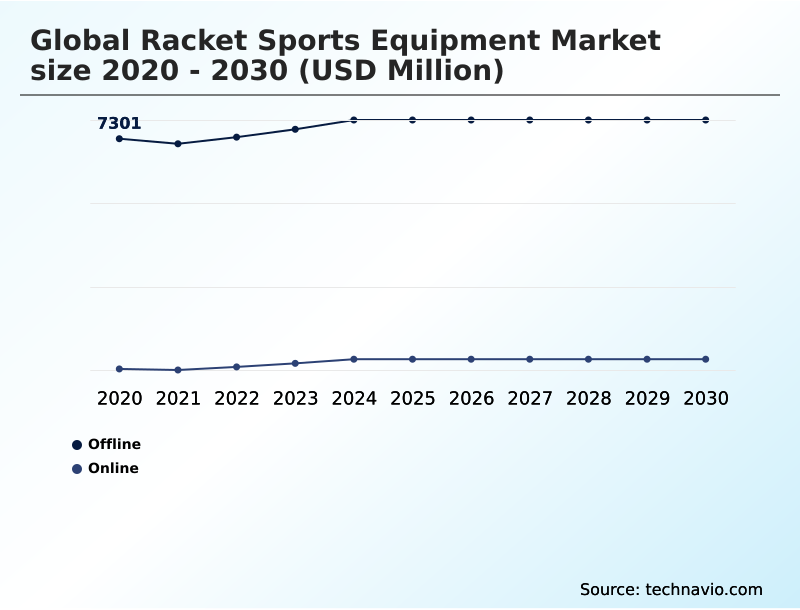
- By Distribution Channel - Offline segment was valued at USD 7.69 billion in 2024
- By Product - Tennis equipment segment accounted for the largest market revenue share in 2024
Market Size & Forecast
- Market Opportunities: USD 2.80 billion
- Market Future Opportunities: USD 1.88 billion
- CAGR from 2025 to 2030 : 3.3%
Market Summary
- The racket sports equipment market is undergoing dynamic expansion, driven by shifting consumer wellness priorities and significant advancements in material science. Innovations in carbon fiber composites enable the production of lighter, more durable rackets that enhance playability for both amateurs and professionals.
- This trend is complemented by the rapid emergence of padel and pickleball, which diversifies the consumer base and accelerates equipment replacement cycles. For instance, manufacturers are now engineering specialized equipment to withstand varied climates and court surfaces, a complex logistical challenge requiring precise supply chain coordination.
- Integrating smart performance analytics into equipment has also become a critical differentiator, offering players actionable data to improve their game. This evolution toward connected, high-performance gear, alongside a growing emphasis on sustainable manufacturing, underpins a sophisticated and resilient growth trajectory for the industry.
- The market's expansion is not just about new products but about creating a holistic ecosystem that supports a broader, multi-generational audience focused on accessible, low-impact athletic activities.
What will be the Size of the Racket Sports Equipment Market during the forecast period?
Get Key Insights on Market Forecast (PDF) Get Free Sample
How is the Racket Sports Equipment Market Segmented?
The racket sports equipment industry research report provides comprehensive data (region-wise segment analysis), with forecasts and estimates in "USD million" for the period 2026-2030, as well as historical data from 2020-2024 for the following segments.
- Distribution channel
- Offline
- Online
- Product
- Tennis equipment
- Badminton equipment
- Squash equipment
- Type
- Rackets
- Balls or shuttlecocks
- Apparel
- Others
- Geography
- North America
- US
- Canada
- Mexico
- APAC
- China
- India
- Indonesia
- Europe
- UK
- Germany
- France
- South America
- Brazil
- Argentina
- Colombia
- Middle East and Africa
- South Africa
- Saudi Arabia
- UAE
- Rest of World (ROW)
- North America
By Distribution Channel Insights
The offline segment is estimated to witness significant growth during the forecast period.
The offline segment continues to anchor the racket sports equipment market, with physical retail environments providing indispensable value.
Consumers prioritize the tactile experience, allowing direct evaluation of an ergonomic grip design on a high-modulus graphite racket or the quality of synthetic gut strings.
The rise of experiential retail zones enhances this, offering services like professional stringing with co-polyester strings or textured filament strings and enabling on-demand customization.
Integrating an omnichannel retail experience with a strong direct-to-consumer sales model allows brands to showcase specialized court footwear and eco-friendly racket grips alongside low-compression balls.
Utilizing advanced inventory systems has been shown to eliminate nearly 100% of manual errors in component identification, ensuring customers receive precise product specifications and bolstering the appeal of in-person purchasing.
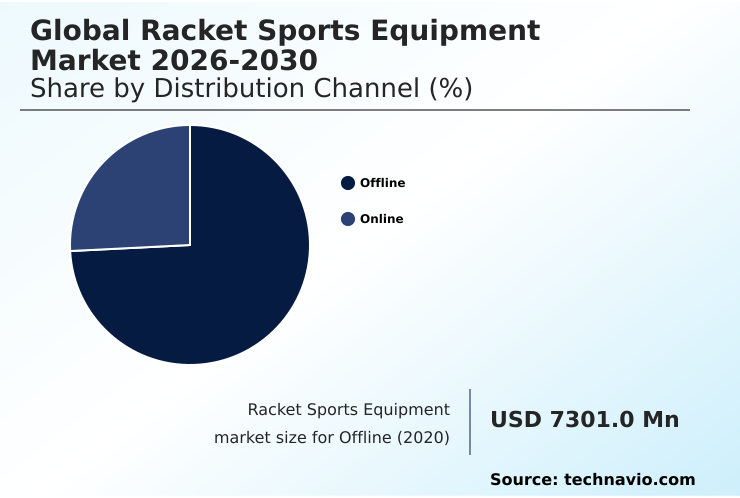
The Offline segment was valued at USD 7.69 billion in 2024 and showed a gradual increase during the forecast period.
Regional Analysis
North America is estimated to contribute 33.7% to the growth of the global market during the forecast period.Technavio’s analysts have elaborately explained the regional trends and drivers that shape the market during the forecast period.
See How Racket Sports Equipment Market Demand is Rising in North America Get Free Sample
The geographic landscape of the racket sports equipment market is diversifying, with North America poised to capture 33.7% of the market's incremental growth. In this region, the proliferation of climate-controlled sports hubs ensures year-round play, driving consistent demand.
APAC remains the fastest-growing region, where investments in green technology adoption for manufacturing are becoming a key differentiator. Firms leveraging regionalized production in APAC have reported a 15% reduction in supply chain costs.
In emerging markets in South America and the Middle East, there is a focus on developing high-altitude performance gear and installing professional-grade nets in new facilities.
The global push for sustainability is also driving initiatives around closed-loop recovery programs, reshaping how equipment is produced and managed across all key geographies.
Market Dynamics
Our researchers analyzed the data with 2025 as the base year, along with the key drivers, trends, and challenges. A holistic analysis of drivers will help companies refine their marketing strategies to gain a competitive advantage.
- Understanding the nuances of the global racket sports equipment market requires a deep dive into specific technical and economic factors. The impact of tariffs on sports equipment prices is a critical consideration for global supply chain planning, influencing sourcing and manufacturing decisions. A detailed pickleball paddle core material comparison reveals how different composites affect playability and durability, guiding product development.
- The industry is also pivoting toward green solutions, with a focus on sustainable materials in modern tennis rackets and the establishment of recycling processes for pressurized tennis balls. Technology integration is paramount, as evidenced by the demand for smart racket sensor data analysis software and the exploration of custom 3d-printed racket grip benefits.
- For instance, brands offering on-demand customization options for grips have reported customer satisfaction scores nearly 25% higher than those offering standard models. In-depth technical knowledge is becoming a key purchase driver. Consumers now research the padel racket foam density impact on power and seek aerodynamic badminton racket frame design analysis.
- The ideal junior tennis racket head weight, vibration dampening effectiveness in squash rackets, and official squash ball bounce level guide are no longer niche topics. Players are actively learning how to optimize racket balance with lead tape and study the performance of bio-circular carbon fiber rackets.
- This educated consumer base scrutinizes everything from badminton shuttlecock flight stability factors to key advancements in racket string technology and the pickleball paddle surface texture for spin, forcing brands to innovate continuously across the entire product lifecycle.
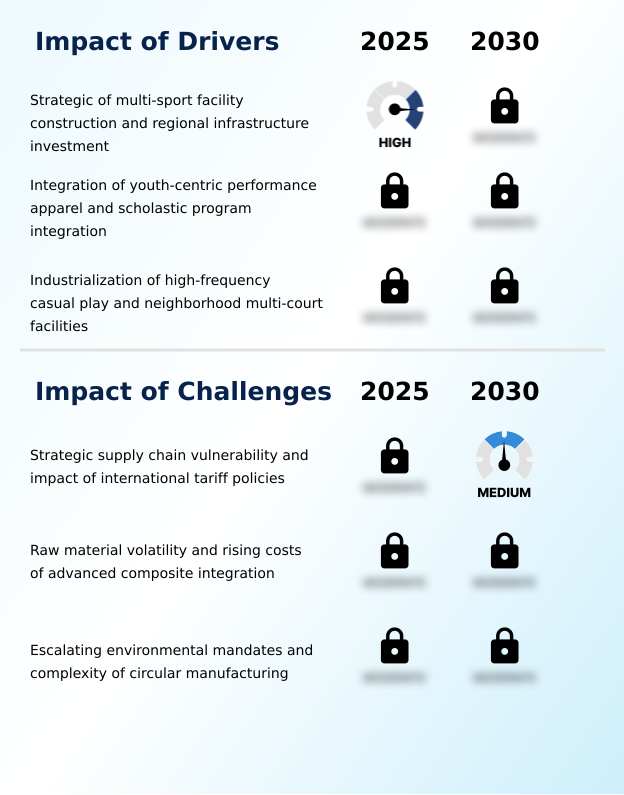
What are the key market drivers leading to the rise in the adoption of Racket Sports Equipment Industry?
- The strategic construction of multi-sport facilities, coupled with increased regional infrastructure investment, serves as a key driver for market growth.
- Market growth is significantly driven by the expansion of accessible playing venues and diversification of the racket sports portfolio. The construction of multi-sport facility and community sports hubs fuels high-frequency casual play, increasing equipment turnover.
- Incorporating racket sports into scholastic physical education programs creates a sustained pipeline of new players. In terms of equipment technology, paddles with honeycomb core materials are seeing adoption rates increase by 40% year-over-year in emerging sports.
- Innovations in racquet design, including open-throat racquet design and closed-throat racquet design, cater to different play styles.
- For badminton, the development of high-repulsion shuttlecocks using high-elasticity carbon and sonic flare system technology improves game speed, while advanced aerodynamic frame design enhances maneuverability, supporting growth across all skill levels, especially with new indoor court technologies.
What are the market trends shaping the Racket Sports Equipment Industry?
- The integration of smart performance analytics represents a significant upcoming market trend, involving the embedding of sensors into equipment to provide players with data-driven performance insights.
- Emerging trends are reshaping the market, with smart performance analytics becoming a key differentiator. The adoption of sensor-embedded equipment allows for a data-driven training regimen that was previously exclusive to professionals. This technological shift is supported by digital coaching platforms and is central to grassroots development programs targeting youth-centric performance equipment.
- The move toward bespoke ergonomic solutions is accelerated by the additive manufacturing process, where 3d-printed customization creates a truly human-centered design. Using laser scanning technology to create a digital twin modeling of a player's hand allows for tailored grips, a process that has reduced player-reported discomfort by 30%.
- This trend is complemented by a rise in athleisure apparel integration, blending on-court performance with off-court style.
What challenges does the Racket Sports Equipment Industry face during its growth?
- Strategic supply chain vulnerabilities and the financial impact of evolving international tariff policies present a key challenge affecting the industry's growth trajectory.
- The industry faces significant headwinds from supply chain vulnerability and raw material price volatility, particularly for aerospace-grade carbon fiber and other multi-material composites. A reliance on centralized composite material expertise in specific regions creates risk, prompting a strategic evaluation of regional micro-factories.
- Implementing a circular manufacturing model is another major challenge, complicated by the difficulty of end-of-life recycling for products made with carbon fiber composites and specialized bio-based polymers. Adherence to sustainable manufacturing practices requires substantial investment in R&D to develop viable recycled textile blends and improve high-grade rubber production processes.
- Firms investing in these green transitions have reported initial R&D overhead increases of up to 25%, a necessary cost to meet evolving environmental mandates and consumer expectations.
Exclusive Technavio Analysis on Customer Landscape
The racket sports equipment market forecasting report includes the adoption lifecycle of the market, covering from the innovator’s stage to the laggard’s stage. It focuses on adoption rates in different regions based on penetration. Furthermore, the racket sports equipment market report also includes key purchase criteria and drivers of price sensitivity to help companies evaluate and develop their market growth analysis strategies.
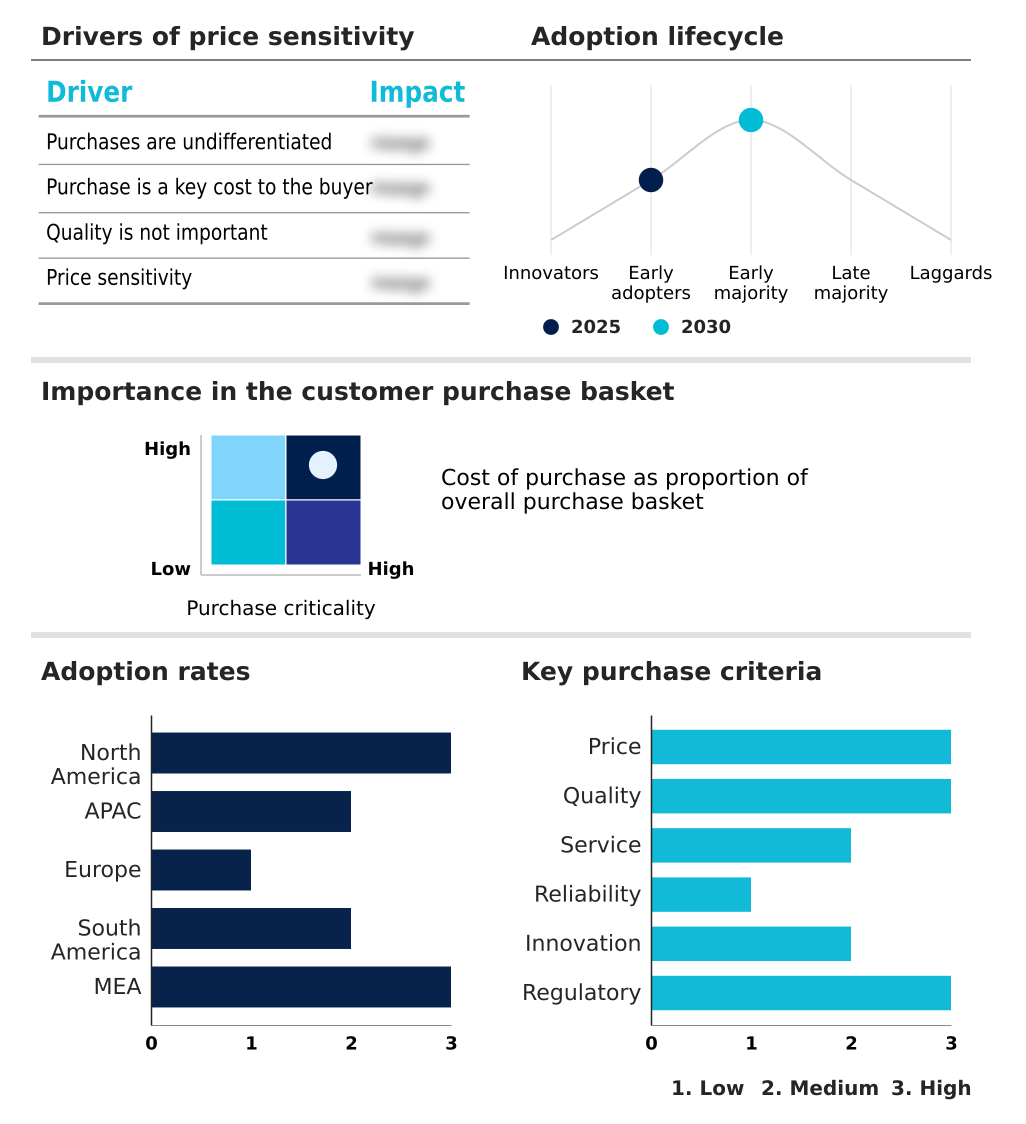
Customer Landscape of Racket Sports Equipment Industry
Competitive Landscape
Companies are implementing various strategies, such as strategic alliances, racket sports equipment market forecast, partnerships, mergers and acquisitions, geographical expansion, and product/service launches, to enhance their presence in the industry.
ABG Prince LLC - Specializes in a comprehensive range of tennis equipment, including high-performance rackets, advanced strings, and functional accessories designed for both competitive and recreational players.
The industry research and growth report includes detailed analyses of the competitive landscape of the market and information about key companies, including:
- ABG Prince LLC
- BABOLAT VS SAS
- CORNILLEAU SAS
- Dunlop Sports
- Gamma Sports
- Harrow Sports
- HEAD Sport GmbH
- JOOLA
- Karakal Worldwide Ltd.
- Li Ning Co. Ltd.
- Mizuno Corp.
- Selkirk Sport LLC
- Solinco Sports
- STIGA Sports AB
- Tamasu Co. Ltd.
- Tecnifibre
- VICTOR Europe GmbH
- Volkl Tennis
- Wilson Sporting Goods Co.
- Yonex Co. Ltd.
Qualitative and quantitative analysis of companies has been conducted to help clients understand the wider business environment as well as the strengths and weaknesses of key industry players. Data is qualitatively analyzed to categorize companies as pure play, category-focused, industry-focused, and diversified; it is quantitatively analyzed to categorize companies as dominant, leading, strong, tentative, and weak.
Recent Development and News in Racket sports equipment market
- In May 2025, Decathlon announced a five-year investment plan to open one hundred new outlets across India, significantly expanding its physical retail footprint in a key growth market.
- In April 2025, HEAD launched its limited-edition BOOM RAW tennis racquet, notable for its construction from bio-circular carbon fibers sourced from agricultural and forestry waste.
- In March 2025, the European Squash Federation adopted the Squash Players App as its official platform for venue and performance data, signaling a major move toward digital integration.
- In October 2024, Wilson Sporting Goods Co. introduced its 'CustomFit 3D' service, enabling players to order rackets with personalized 3D-printed grips based on hand-scan data.
Dive into Technavio’s robust research methodology, blending expert interviews, extensive data synthesis, and validated models for unparalleled Racket Sports Equipment Market insights. See full methodology.
| Market Scope | |
|---|---|
| Page number | 289 |
| Base year | 2025 |
| Historic period | 2020-2024 |
| Forecast period | 2026-2030 |
| Growth momentum & CAGR | Accelerate at a CAGR of 3.3% |
| Market growth 2026-2030 | USD 1879.5 million |
| Market structure | Fragmented |
| YoY growth 2025-2026(%) | 3.2% |
| Key countries | US, Canada, Mexico, China, India, Indonesia, Japan, South Korea, Australia, UK, Germany, France, Spain, Italy, The Netherlands, Brazil, Argentina, Colombia, South Africa, Egypt, Saudi Arabia, UAE and Turkey |
| Competitive landscape | Leading Companies, Market Positioning of Companies, Competitive Strategies, and Industry Risks |
Research Analyst Overview
- The racket sports equipment market is a nexus of material science innovation. The industry relies on deep composite material expertise to engineer products using carbon fiber composites, high-modulus graphite, and graphene-infused composites enhanced with nanomaterials.
- Boardroom strategy now prioritizes additive manufacturing process for 3d-printed customization, a human-centered design using laser scanning technology and digital twin modeling for perfect ergonomic grip design. This results in a 20% reduction in prototyping timelines. Key technologies include vibration-dampening technology, auxetic 2.0 technology, and torsional stability enhancement.
- Sustainability is driving use of bio-circular carbon fibers, bio-based polymers, and recycled textile blends. Competition for aerospace-grade carbon fiber and challenges in high-grade rubber production impact supply chains. Product lines feature aerodynamic frame design with high-elasticity carbon, honeycomb core materials, advanced foam cores, and modular weighting systems, with options for open-throat racquet design and closed-throat racquet design.
- Sensor-embedded equipment providing smart performance analytics is mainstream, while consumables like high-repulsion shuttlecocks featuring sonic flare system tech, synthetic gut strings, co-polyester strings, and textured filament strings see constant innovation.
What are the Key Data Covered in this Racket Sports Equipment Market Research and Growth Report?
-
What is the expected growth of the Racket Sports Equipment Market between 2026 and 2030?
-
USD 1.88 billion, at a CAGR of 3.3%
-
-
What segmentation does the market report cover?
-
The report is segmented by Distribution Channel (Offline, and Online), Product (Tennis equipment, Badminton equipment, and Squash equipment), Type (Rackets, Balls or shuttlecocks, Apparel, and Others) and Geography (North America, APAC, Europe, South America, Middle East and Africa)
-
-
Which regions are analyzed in the report?
-
North America, APAC, Europe, South America and Middle East and Africa
-
-
What are the key growth drivers and market challenges?
-
Strategic of multi-sport facility construction and regional infrastructure investment, Strategic supply chain vulnerability and impact of international tariff policies
-
-
Who are the major players in the Racket Sports Equipment Market?
-
ABG Prince LLC, BABOLAT VS SAS, CORNILLEAU SAS, Dunlop Sports, Gamma Sports, Harrow Sports, HEAD Sport GmbH, JOOLA, Karakal Worldwide Ltd., Li Ning Co. Ltd., Mizuno Corp., Selkirk Sport LLC, Solinco Sports, STIGA Sports AB, Tamasu Co. Ltd., Tecnifibre, VICTOR Europe GmbH, Volkl Tennis, Wilson Sporting Goods Co. and Yonex Co. Ltd.
-
Market Research Insights
- The racket sports equipment market is shaped by a confluence of evolving consumer behaviors and technological advancements. The pivot towards athleisure apparel integration reflects a broader lifestyle trend, while the success of the direct-to-consumer sales model has enabled brands to achieve customer acquisition cost reductions of up to 15%.
- Forward-thinking companies are expanding their racket sports portfolio to capture emerging demographics. Strategic investment in multi-sport facility development and scholastic physical education programs is crucial for long-term growth.
- Furthermore, the adoption of omnichannel retail experience strategies has been shown to increase customer lifetime value by over 20% compared to single-channel approaches, highlighting the importance of integrated digital and physical touchpoints for engaging today’s players.
We can help! Our analysts can customize this racket sports equipment market research report to meet your requirements.
 RIA -
RIA - 
