



Radiation Shielding Material Market Size 2025-2029
The radiation shielding material market size is forecast to increase by USD 390.1 million at a CAGR of 7.4% between 2024 and 2029.
- The market is experiencing significant growth, driven primarily by the increasing number of diagnostic imaging and radiation therapy procedures. These materials are essential for protecting both patients and healthcare workers from harmful radiation during medical procedures. Advancements in shielding technology are also fueling market growth. New materials and designs offer improved radiation protection, enhanced durability, and reduced weight, making them more attractive to healthcare providers. However, the high cost of radiation shielding installations poses a significant challenge. This trend is driven by the rising awareness of safety and the need for effective shielding to protect both patients and healthcare workers from radiation exposure. Raw materials, such as rubber and tin, play a crucial role in the production of radiation shielding materials, contributing significantly to the market's revenue.
- The capital-intensive nature of these projects can deter smaller healthcare facilities and developing countries from adopting the latest shielding technologies. Regulatory hurdles and supply chain inconsistencies further temper growth potential. Despite these challenges, companies seeking to capitalize on market opportunities can focus on offering cost-effective solutions, collaborating with regulatory bodies, and ensuring a reliable supply chain to gain a competitive edge.
What will be the Size of the Radiation Shielding Material Market during the forecast period?
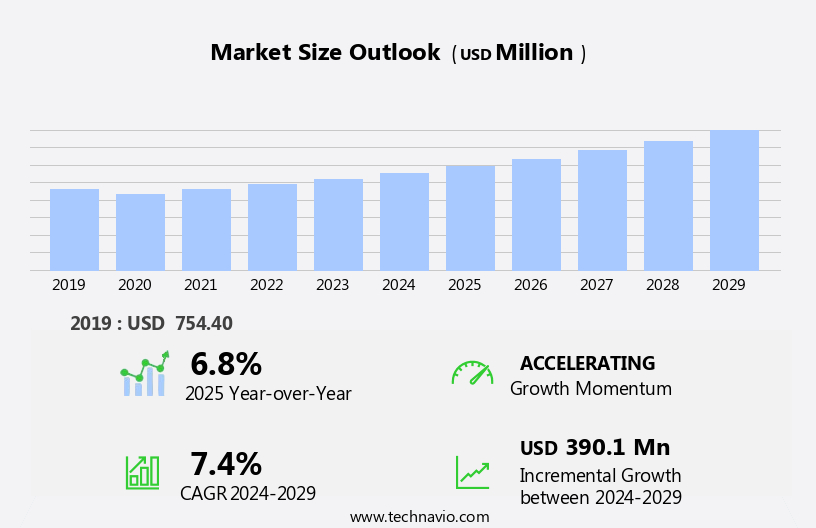
- The market is experiencing significant activity and trends, driven by stringent regulatory requirements and the need for radiation protection protocols. Shielding simulation software and non-destructive testing play crucial roles in optimizing shielding performance. Radiation therapy equipment manufacturers prioritize shielding design guidelines and cost analysis in their product development. Shielding material selection and research continue to advance, with innovation and certification being key focus areas. These include lead, tungsten, and polyethylene, among others. Each material has its unique properties and advantages, making it suitable for specific applications.
- Industrial safety and nuclear waste management also influence the market, necessitating the development of shielding material properties and testing. Radiation dosimetry and radioactive source containment are essential aspects of radiation safety training, further emphasizing the importance of effective shielding materials.
How is this Radiation Shielding Material Industry segmented?
The radiation shielding material industry research report provides comprehensive data (region-wise segment analysis), with forecasts and estimates in "USD million" for the period 2025-2029, as well as historical data from 2019-2023 for the following segments.
- Type
- Electromagnetic radiation
- Particle radiation
- Material
- Lead shielding
- Lead composite shielding
- Copper
- Tungsten
- Others
- End-user
- Healthcare
- Manufacturing
- Construction
- Energy
- Research
- Geography
- North America
- US
- Canada
- Europe
- France
- Germany
- Italy
- UK
- APAC
- China
- India
- Japan
- South America
- Brazil
- Rest of World (ROW)
- North America
By Type Insights
The electromagnetic radiation segment is estimated to witness significant growth during the forecast period. In the realm of technology and healthcare, there is a growing concern over the potential health effects of electromagnetic radiation (EMR) emissions from wireless communication technologies and electronic devices. This has resulted in a significant demand for shielding materials that mitigate EMR exposure. Industries relying on sensitive electronic equipment or machinery generating electromagnetic radiation require these materials to prevent interference and ensure operational continuity. In healthcare settings, shielding materials play a crucial role in protecting sensitive medical equipment from electromagnetic interference, ensuring accurate readings and maintaining patient safety. Moreover, in the nuclear industry, shielding materials are indispensable for radiation safety.
High-density polyethylene, lead, and concrete are commonly used for shielding against gamma rays and neutrons in nuclear power plants and research facilities. Shielding design software and engineering are essential for optimizing shielding thickness and geometry, ensuring regulatory compliance and maximizing shielding effectiveness. Boron carbide and lead are popular choices for radiation therapy applications due to their high shielding efficiency. The nuclear medicine sector also relies on shielding materials for radiation protection in medical imaging. Lead glass, lead sheets, and lead bricks are commonly used for radiation dose reduction. Shielding materials are also used in industrial radiography, ensuring radiation safety during inspections and maintenance.
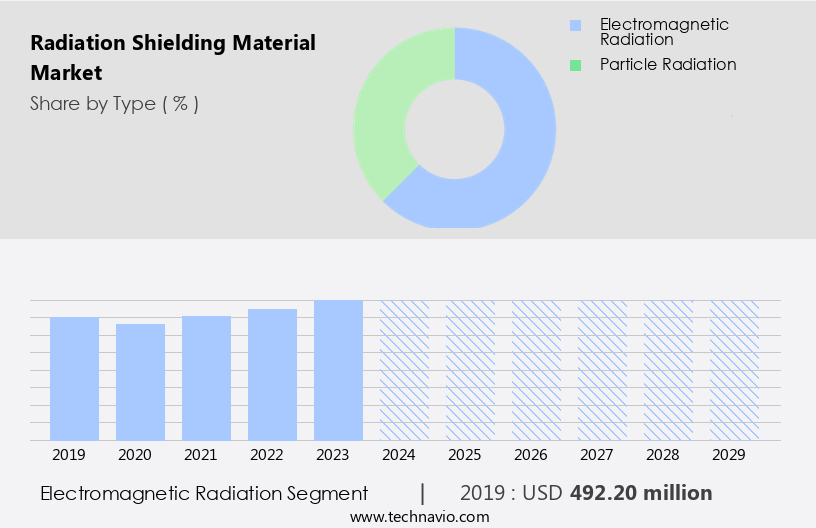
The Electromagnetic radiation segment was valued at USD 492.20 million in 2019 and showed a gradual increase during the forecast period. Shielding solutions offer flexibility, customization, and cost-effectiveness. Composite shielding, steel shielding, and polymer shielding are popular choices due to their durability, weight, and shielding performance. Shielding testing, optimization, and maintenance are essential for maintaining shielding integrity and reliability. Regulatory compliance and safety are paramount in the shielding industry. Shielding standards and regulations ensure the effectiveness and longevity of shielding materials and systems. Neutron shielding and gamma ray shielding are essential for protecting against different types of radiation. The shielding materials market is witnessing significant growth due to the increasing demand for electromagnetic radiation shielding and the essential role of shielding materials in various industries, including healthcare, nuclear power, and research facilities. Concrete and carbon fiber composites are common shielding materials used in various applications. The market offers a wide range of shielding materials, technologies, and services to cater to diverse applications and regulatory requirements.
Regional Analysis
North America is estimated to contribute 32% to the growth of the global market during the forecast period.Technavio's analysts have elaborately explained the regional trends and drivers that shape the market during the forecast period. StartFragment The Radiation Shielding Material Market is advancing with rigorous shielding material testing to ensure durability and efficiency. Industries focus on shielding performance optimization to enhance protection, while shielding cost analysis helps balance affordability with effectiveness. Compliance with shielding regulatory requirements is crucial, driving demand for shielding material certification to meet safety standards. Ongoing shielding material research and shielding material innovation lead to groundbreaking developments in radiation defense. The sector benefits from continuous shielding material development and shielding material advancements, introducing new solutions for medical, industrial, and scientific applications.
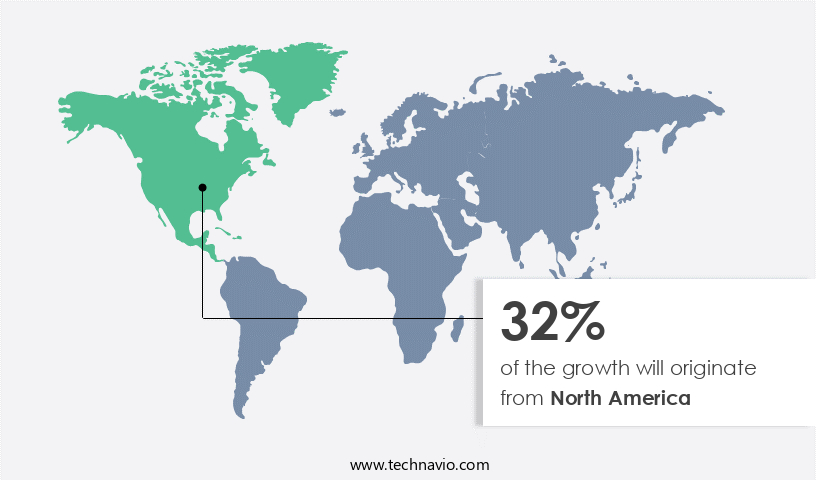
In North America, the extensive utilization of radiation-based diagnostic imaging technologies in advanced healthcare systems creates a significant demand for radiation shielding materials. The US and Canada are major revenue contributors to the market in this region, driven by the presence of established companies, increasing adoption of advanced radiation shielding equipment, and the growing use of diagnostic and radiotherapy equipment. Advancements in medical imaging technology have led to more sophisticated and powerful machines, necessitating the use of strong shielding materials capable of handling higher levels of radiation. The region's industrial sector also plays a crucial role, with applications in nuclear power plants, research facilities, and industries involving radiation sources. High-density polyethylene, lead bricks, steel shielding, and composite shielding are commonly used materials for radiation shielding.
Shielding design software, shielding engineering, and shielding services ensure optimal shielding performance and longevity. Regulatory compliance is essential in the market, with stringent regulations governing the use and disposal of radioactive materials and waste. Radiation hazards necessitate the use of shielding materials, which can range from lead glass to neutron shielding, depending on the specific application. Shielding solutions must offer flexibility, cost-effectiveness, and sustainability while ensuring shielding efficiency, effectiveness, and reliability. Radiation monitoring and shielding integrity are crucial aspects of radiation safety, with radiation detectors playing a vital role in maintaining these standards. Shielding maintenance and optimization are essential for maintaining shielding systems' performance and longevity.
Market Dynamics
Our researchers analyzed the data with 2024 as the base year, along with the key drivers, trends, and challenges. A holistic analysis of drivers will help companies refine their marketing strategies to gain a competitive advantage.
What are the Radiation Shielding Material market drivers leading to the rise in the adoption of Industry?
- The significant increase in the utilization of diagnostic imaging and radiation therapy procedures serves as the primary growth driver for the market. Radiation shielding materials play a vital role in the healthcare industry, particularly in nuclear power plants and medical applications such as radiation therapy and nuclear medicine. The increasing usage of diagnostic imaging procedures, including X-rays, CT scans, fluoroscopy, and nuclear medicine, necessitates the employment of effective radiation shielding solutions. These procedures involve exposure to ionizing radiation, which poses potential health risks for patients and healthcare professionals. Advancements in medical imaging technology have led to more powerful and sophisticated machines, necessitating the use of robust shielding materials capable of handling higher levels of radiation. High-density polyethylene and boron carbide are commonly used shielding materials due to their superior shielding properties.
- Shielding design software and shielding engineering are crucial in ensuring optimal shielding thickness and durability. The nuclear power industry also requires extensive radiation shielding to protect workers and the environment from radiation hazards. Shielding materials used in this industry must be able to withstand high levels of radiation and maintain their shielding properties over extended periods. Research facilities also rely on radiation shielding materials to protect researchers and experimental subjects from radiation exposure during various research applications. Ensuring radiation safety is essential to minimize potential health risks and maintain a safe working environment. The demand for radiation shielding materials is driven by the increasing usage of diagnostic imaging procedures, advancements in medical imaging technology, and the need for radiation safety in various industries. Effective shielding materials, such as high-density polyethylene and boron carbide, play a crucial role in minimizing unnecessary radiation exposure and ensuring the safety of individuals within the vicinity of these procedures.
What are the Radiation Shielding Material market trends shaping the Industry?
- Shielding technology is currently experiencing significant advancements, making it a prominent market trend in the industry. This technological progression offers numerous benefits and applications, particularly in the fields of electronics and telecommunications. Radiation shielding materials have witnessed significant advancements due to the progression in materials science and engineering. For instance, researchers at the Hefei Institutes of Physical Science unveiled a novel composite material in May 2024, which enhances shielding against both neutron and gamma radiation using micron plate Sm2O3 (samarium oxide). This material offers improved attenuation properties, making it suitable for applications in nuclear facilities and medical radiation environments. In a similar development, the CSIR-Advanced Materials and Processes Research Institute (AMPRI) in India introduced a lead-free radiation shielding material in March 2023, using industrial waste like red mud and fly ash for constructing X-ray diagnostic and CT scanner rooms.
- These advancements cater to the evolving needs of industries, providing more efficient, lighter, and cost-effective shielding solutions. Shielding regulations continue to play a crucial role in driving demand for these materials, especially in medical imaging and industrial radiography. Radiation detectors are essential components in ensuring shielding safety and regulatory compliance. Both steel and lead shielding remain popular choices, with the former offering flexibility in installation and design, while the latter provides superior shielding against gamma rays. Overall, the market for radiation shielding materials is expected to grow as industries continue to prioritize shielding applications for ensuring safety and regulatory compliance.
How does Radiation Shielding Material market faces challenges face during its growth?
- The high cost of installing radiation shielding is a significant challenge that impedes growth in the industry. This expense, a necessary component of ensuring safety standards are met, poses a substantial financial hurdle for companies in the sector. Radiation shielding materials play a crucial role in protecting individuals from harmful ionizing radiation. However, the high cost of these materials is a significant barrier to their adoption, particularly for large-scale applications such as medical facilities. For instance, a lead-based shielding system for a Linear Accelerator (LINAC) facility can cost over USD 280,000 for a 100 ft3 area, while an eight-foot-thick concrete block system for the same-sized facility costs approximately USD105,000. The high cost of advanced diagnostic and radiotherapy equipment, such as a 3T MRI system priced above USD 3 million, further adds to the overall expense. To address these challenges, the radiation shielding market is witnessing significant advancements in shielding technology.
- For example, composite shielding materials, which combine the benefits of multiple materials, offer improved shielding efficiency and performance at a lower cost compared to traditional lead-based shielding. Additionally, customization and sustainability are becoming essential considerations in shielding solutions. Shielding services, including testing and maintenance, are also gaining popularity to ensure regulatory compliance and optimal shielding performance. The importance of shielding standards and dose reduction increased in various industries, including healthcare, nuclear power, and research facilities. As such, the demand for radiation shielding materials is expected to grow, driven by the increasing use of ionizing radiation in various applications and the need for effective and cost-efficient shielding solutions.
Exclusive Customer Landscape
The radiation shielding material market forecasting report includes the adoption lifecycle of the market, covering from the innovator's stage to the laggard's stage. It focuses on adoption rates in different regions based on penetration. Furthermore, the radiation shielding material market report also includes key purchase criteria and drivers of price sensitivity to help companies evaluate and develop their market growth analysis strategies.
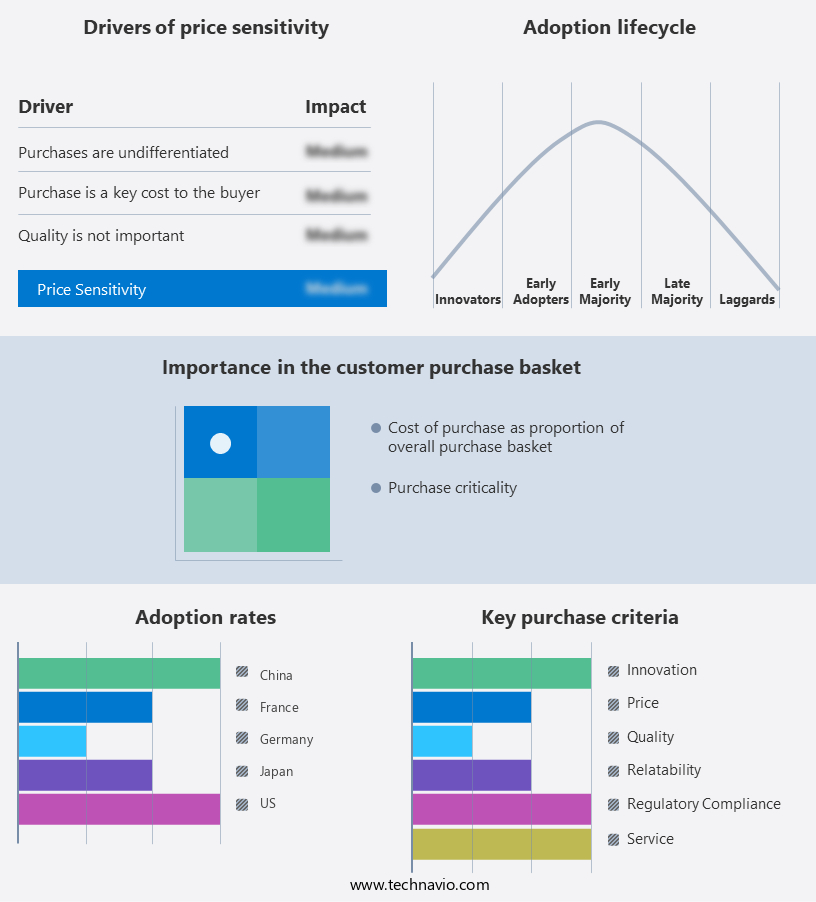
Customer Landscape
Key Companies & Market Insights
Companies are implementing various strategies, such as strategic alliances, radiation shielding material market forecast, partnerships, mergers and acquisitions, geographical expansion, and product/service launches, to enhance their presence in the industry.
A and L Shielding - The company provides radiation shielding solutions utilizing advanced materials, such as XENOLITE NL.
The industry research and growth report includes detailed analyses of the competitive landscape of the market and information about key companies, including:
- A and L Shielding
- Amray Medical
- Burlington Medical
- Calder Industrial Materials Ltd.
- Gravita India Ltd.
- Infab Corp.
- Lemer Pax
- Mars Metal Co.
- Mayco industries Inc.
- NELCO
- Nuclear Lead Co. Inc.
- Nuclear Shields
- Protech Medical
- Radiation Protection Products Inc.
- RAY BAR Engineering Corp.
- S S Micro Electronics Pvt. Ltd.
- Shree Manufacturing Co.
- Ultraray
- Veritas Medical Solutions
- Wardray Premise Ltd.
Qualitative and quantitative analysis of companies has been conducted to help clients understand the wider business environment as well as the strengths and weaknesses of key industry players. Data is qualitatively analyzed to categorize companies as pure play, category-focused, industry-focused, and diversified; it is quantitatively analyzed to categorize companies as dominant, leading, strong, tentative, and weak.
Recent Development and News in Radiation Shielding Material Market
- In February 2024, Honeywell International Inc. Announced the launch of its advanced radiation shielding material, RadarShield, which offers superior protection against neutron radiation compared to traditional materials (Honeywell Press Release, 2024). This innovative product is expected to revolutionize the nuclear power and space industries.
- In October 2024, Cabot Corporation completed the acquisition of Radiation Shielding Technologies LLC, a leading provider of advanced radiation shielding solutions. This acquisition significantly expanded Cabot's portfolio and market presence in the radiation shielding industry (Cabot Corporation Press Release, 2024).
- In March 2025, the European Commission approved the use of lead-free radiation shielding materials in medical imaging equipment. This regulatory approval is expected to boost the adoption of these materials due to their lower toxicity and environmental benefits (European Commission Press Release, 2025).
Research Analyst Overview
The market continues to evolve, driven by the diverse applications across various sectors. Concrete and lead remain popular choices for shielding against gamma rays and radiation hazards, while high-density polyethylene and boron carbide offer enhanced protection for specific applications. Shielding design software and regulations play a crucial role in ensuring safety and regulatory compliance in research facilities, medical imaging, and industrial radiography. Lead bricks and lead shielding are commonly used for radiation dose reduction, while steel shielding provides greater durability and weight advantages. Shielding solutions offer flexibility in design and installation, with shielding safety a top priority. Neutron shielding and composite shielding are gaining traction due to their efficiency and performance. These materials are essential in healthcare facilities such as diagnostic imaging centers and cancer treatment centers, where radiation is used for diagnostic and therapeutic purposes.
Regulatory compliance, shielding sustainability, and customization are key trends in the market. Shielding cost, testing, and maintenance are ongoing considerations for businesses. Lead glass, shielding systems, and shielding simulation software are essential tools for optimizing shielding performance and longevity. Raw materials like carbon fiber composites, concrete, and rubber are also being explored for radiation shielding applications due to their lightweight properties and cost-effectiveness. Radioactive waste and materials require specialized shielding solutions, with shielding transparency and reliability crucial for radiation monitoring and integrity. Dose reduction and shielding effectiveness are ongoing concerns, with ongoing research and development in shielding technology and standards. In the ever-evolving landscape of radiation shielding, businesses must stay informed of the latest trends, regulations, and technologies to ensure safety, efficiency, and cost-effectiveness. Shielding services and optimization play a vital role in maintaining shielding integrity and reliability.
Dive into Technavio's strong research methodology, blending expert interviews, extensive data synthesis, and validated models for unparalleled Radiation Shielding Material Market insights. See full methodology.
|
Market Scope |
|
|
Report Coverage |
Details |
|
Page number |
211 |
|
Base year |
2024 |
|
Historic period |
2019-2023 |
|
Forecast period |
2025-2029 |
|
Growth momentum & CAGR |
Accelerate at a CAGR of 7.4% |
|
Market growth 2025-2029 |
USD 390.1 million |
|
Market structure |
Fragmented |
|
YoY growth 2024-2025(%) |
6.8 |
|
Key countries |
US, Germany, Canada, Japan, China, Brazil, UK, France, Italy, and India |
|
Competitive landscape |
Leading Companies, Market Positioning of Companies, Competitive Strategies, and Industry Risks |
What are the Key Data Covered in this Radiation Shielding Material Market Research and Growth Report?
- CAGR of the Radiation Shielding Material industry during the forecast period
- Detailed information on factors that will drive the growth and forecasting between 2025 and 2029
- Precise estimation of the size of the market and its contribution of the industry in focus to the parent market
- Accurate predictions about upcoming growth and trends and changes in consumer behaviour
- Growth of the market across North America, Europe, Asia, and Rest of World (ROW)
- Thorough analysis of the market's competitive landscape and detailed information about companies
- Comprehensive analysis of factors that will challenge the radiation shielding material market growth of industry companies
We can help! Our analysts can customize this radiation shielding material market research report to meet your requirements.
 RIA -
RIA - 
