


Railway Maintenance Machinery Market Size 2025-2029
The railway maintenance machinery market size is forecast to increase by USD 1.61 billion, at a CAGR of 6.4% between 2024 and 2029.
- The market is witnessing significant growth, driven by the increasing number of railway electrification projects. One of the prominent trends is the adoption of IoT-based remote monitoring systems for trains, tracks, cranes, and trolleys, enabling real-time data collection and enhanced maintenance capabilities. These systems, which incorporate sensors, help improve operational efficiency and safety by monitoring critical parameters remotely. These advancements enable more efficient maintenance processes and improved safety, making railway operations more reliable and cost-effective. However, the market also faces challenges, including the high cost of new equipment and the availability of refurbished products. These factors may limit the adoption of advanced technologies and increase the demand for cost-effective solutions. Companies in this market can capitalize on the growing trend towards electrification and remote monitoring by offering innovative, cost-effective solutions that address these challenges.
- Additionally, collaborations and partnerships with railway operators and technology providers can help companies gain a competitive edge and expand their market reach. Overall, the market presents both opportunities and challenges, requiring strategic planning and a focus on cost-effective, technologically advanced solutions to meet the evolving needs of the railway industry.
What will be the Size of the Railway Maintenance Machinery Market during the forecast period?
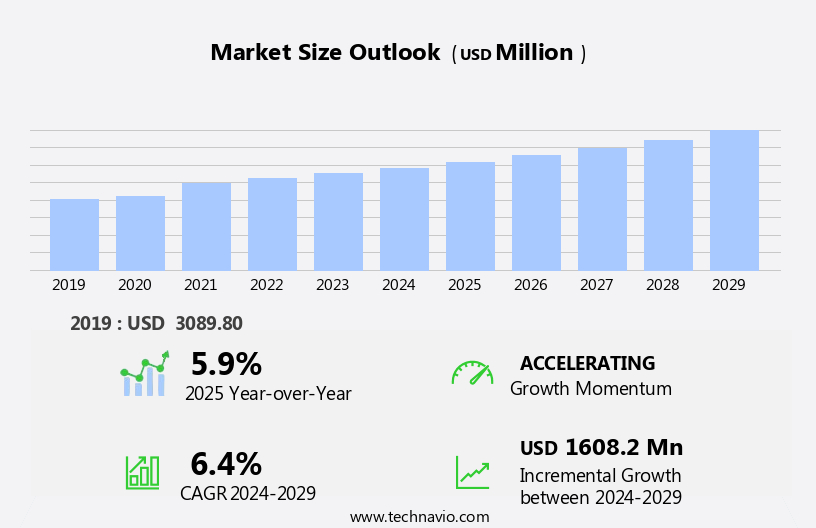
- The market encompasses a range of technologies and equipment essential for preserving the integrity of railway infrastructure. One significant trend in this sector is the adoption of advanced technologies for track inspection and maintenance. Robotic track inspection systems and rail flaw detectors leverage AI and machine learning to identify potential issues before they become major problems. Another area of focus is predictive maintenance models, which utilize maintenance data analytics and asset management software to optimize railway infrastructure renewal and reduce maintenance costs. Autonomous track maintenance machines and rail grinders are also gaining traction, enabling 24/7 operation and improving railway infrastructure renewal processes.
- Safety is a top priority in railway maintenance, with urban rail maintenance and passenger rail maintenance undergoing rigorous track maintenance optimization and signal system maintenance. These systems facilitate signaling, controlling, and supervising functions, ensuring public safety and uninterrupted service. High-speed rail maintenance requires specialized equipment, such as track stabilization systems and rail welding equipment, to ensure optimal performance and reliability. Freight rail maintenance also plays a crucial role in the market, with track circuiting systems and ballast tampers ensuring efficient railroad infrastructure maintenance. Remote track monitoring and track geometry standards help maintain optimal track conditions, while track inspection cars and railroad maintenance efficiency initiatives drive ongoing improvements in the sector.
How is this Railway Maintenance Machinery Industry segmented?
The railway maintenance machinery industry research report provides comprehensive data (region-wise segment analysis), with forecasts and estimates in "USD million" for the period 2025-2029, as well as historical data from 2019-2023 for the following segments.
- Application
- Ballast track
- Non-ballast track
- Product
- Work vehicles
- Small equipment
- Distribution Channel
- OEM
- Aftermarket
- Geography
- North America
- US
- Canada
- Europe
- France
- Germany
- Italy
- Spain
- UK
- APAC
- China
- India
- Japan
- Rest of World (ROW)
- North America
By Application Insights
To maintain the rail lines and railroads, various machinery such as tamping machines, ballast cleaning machinery, stabilizing machines, weld shears, rail drills, and rail saws are indispensable. The ballast track segment is estimated to witness significant growth during the forecast period. The market encompasses a range of equipment designed to ensure the optimal performance and safety of railway infrastructure. This includes solutions for track alignment, stabilization, and tamping, as well as specialized machinery for tasks such as laser scanning, ultrasonic testing, and rail grinding. Infrastructure investment plays a significant role in market growth, as does the increasing adoption of automated systems and predictive maintenance strategies. Railway safety regulations mandate regular inspections and maintenance, driving demand for advanced track circuiting, signal maintenance, and condition monitoring systems. Urban rail and high-speed rail networks, in particular, require frequent maintenance to ensure operational efficiency and passenger safety.
Maintenance outsourcing is also on the rise, with remote control systems and maintenance schedules enabling cost optimization and improved asset management. Innovations such as sleeper replacement using artificial intelligence, magnetic flux leakage detection, and IoT integration further enhance the market's evolution. Rail welding, track inspection, and ballast cleaning are other essential maintenance tasks supported by the market's offerings. Overall, the market is a critical enabler of safe and efficient railway infrastructure, adapting to the evolving needs of urban and freight rail, transit systems, and passenger rail.
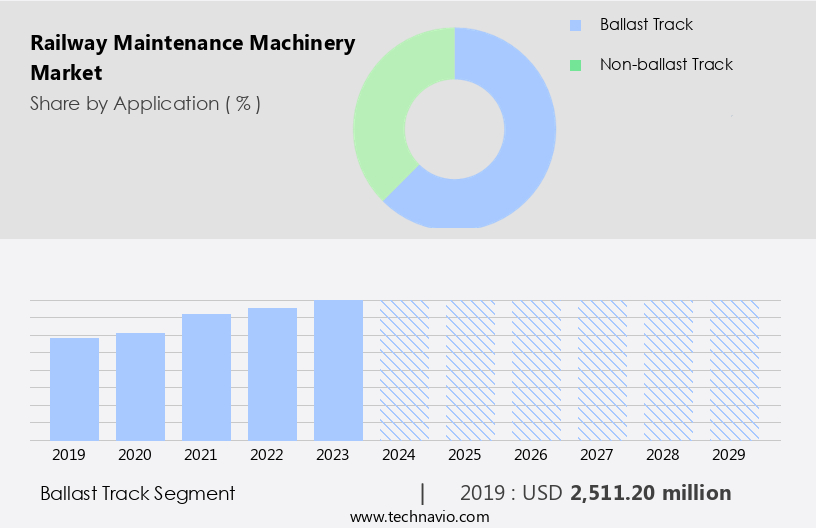
The Ballast track segment was valued at USD 2.51 billion in 2019 and showed a gradual increase during the forecast period.
Regional Analysis
Europe is estimated to contribute 39% to the growth of the global market during the forecast period. Technavio's analysts have elaborately explained the regional trends and drivers that shape the market during the forecast period.
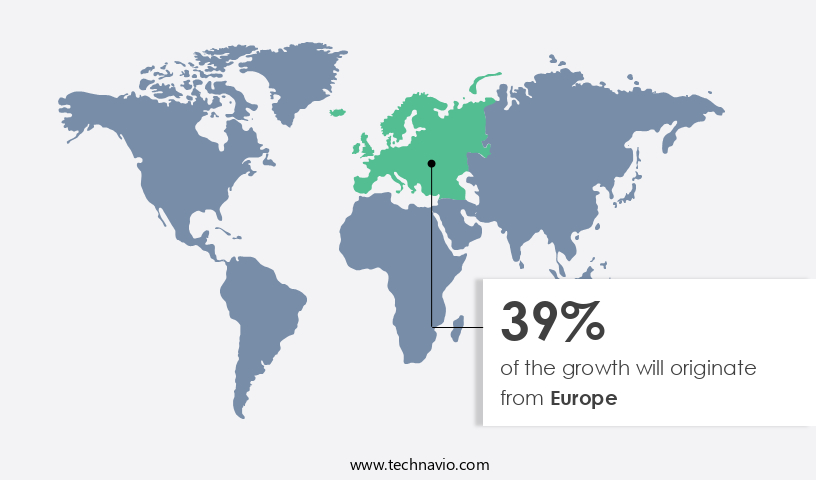
The European railway network, comprising a substantial portion of the global network, necessitates a considerable amount of maintenance machinery due to its extensive reach connecting countries like Germany and Italy. European governments prioritize railway infrastructure investment to enhance operational efficiency, safety, and reduce carbon emissions. This includes initiatives to double freight rail's modal share by 2030. Europe's railway sector is witnessing significant growth, with a high expansion rate in rail passenger transport. Railway safety regulations are stringently enforced to ensure optimal track alignment, stability, and maintenance schedules. Advanced technologies such as laser scanning, automated systems, predictive maintenance, and IoT integration are increasingly adopted for track inspection, maintenance, and renewal.
Track stabilization, ballast cleaning, and sleeper replacement are essential maintenance practices for railway infrastructure. Rail fastening systems, track circuiting, and signal maintenance are critical components of railway safety and operational efficiency. Urban rail and high-speed rail systems require specialized machinery for track tamping, rail grinding, and rail welding. Cost optimization is a crucial factor in railway maintenance, with ultrasonic testing, eddy current testing, and magnetic flux leakage used for rail wear detection and condition monitoring. Overhead line maintenance, track geometry measurement, and rail flaw detection are essential for maintaining track safety and performance. Transit systems and freight rail also benefit from these maintenance practices and technologies. Infrastructure investment and maintenance outsourcing are driving the market for railway maintenance machinery. Artificial intelligence and data acquisition are transforming asset management and predictive maintenance strategies. These trends are shaping the railway maintenance industry, ensuring the safe, efficient, and reliable operation of Europe's extensive railway network.
Market Dynamics
Our researchers analyzed the data with 2024 as the base year, along with the key drivers, trends, and challenges. A holistic analysis of drivers will help companies refine their marketing strategies to gain a competitive advantage.
What are the Railway Maintenance Machinery market drivers leading to the rise in the adoption of Industry?
- The increase in railway electrification projects serves as the primary market driver. The global railway maintenance market is witnessing significant growth due to the increasing prioritization of railway electrification projects. Electric trains offer economic viability and sustainability, as they reduce emissions during transit and provide faster acceleration and deceleration compared to diesel engines. However, a substantial portion of the world's railway tracks lack electric lines for powering trains. Governments worldwide are focusing on electrifying railway networks to promote sustainability and efficiency. For instance, India has pledged to achieve 100% electrification of its broad-gauge railway network by 2025. To maintain the efficiency and safety of railway infrastructure, specialized machinery such as ultrasonic testing equipment and eddy current testing devices are extensively used for track inspection and overhead line maintenance.
- Rail grinding machines are employed to ensure track stability and prevent rail wear. IoT integration in railway maintenance machinery enhances the efficiency and accuracy of track maintenance processes. High-speed rail networks are gaining popularity due to their speed and convenience, necessitating advanced maintenance machinery to ensure track safety and optimal performance. Overall, the market is expected to grow significantly in the coming years due to the increasing focus on railway electrification, advancements in technology, and the need for efficient and safe railway infrastructure.
What are the Railway Maintenance Machinery market trends shaping the Industry?
- The trend in the railway industry is shifting towards IoT-based remote monitoring of trains and tracks. This innovative approach enables real-time monitoring and analysis of train locations, track conditions, and system performance. The integration of IoT technologies in railway maintenance machinery has significantly enhanced operational efficiency across transit systems, both for freight rail and passenger rail. Rail infrastructure, comprised of track machinery, rail geometry measurement, track renewal, and rail flaw detection, requires meticulous management to ensure optimal performance and safety. IoT-enabled data acquisition and asset management systems enable condition monitoring, allowing for timely maintenance and repairs. For instance, the French national train operator, SNCF, utilizes IBM Watson IoT technologies to deliver superior customer experiences and operational excellence.
- By implementing IoT analytics, railway networks can optimize track geometry measurement, rail flaw detection, and track machinery performance, ultimately improving the overall efficiency and productivity of rail operations.
How does Railway Maintenance Machinery market face challenges during its growth?
- The high cost of new equipment and the availability of affordable refurbished alternatives pose a significant challenge to the industry's growth trajectory. The market faces a significant challenge due to the high cost of equipment. Various types of machinery are utilized in railway maintenance, including tamping machines, stabilizing machines, rail handling machines, and ballast cleaning machines. The cost of these machines varies based on their efficiency and specific requirements. For instance, a tamping machine or ballast tamper machine can cost around USD0.06 million. Given the high cost, railway maintenance projects often rely on manual inspection and maintenance, which is a major hindrance to market expansion. Laser scanning technology is increasingly being adopted to enhance railway safety and improve track alignment.
- Automated systems, such as magnetic flux leakage and track circuiting, are also gaining popularity for their ability to streamline maintenance processes and reduce human error. Infrastructure investment is crucial for the growth of the market, as aging infrastructure requires frequent upgrades and repairs. Rail fastening systems are another essential component of railway maintenance, ensuring the stability and longevity of tracks. Railway safety regulations continue to evolve, driving the need for advanced maintenance machinery and techniques. Ballast cleaning is an essential aspect of railway maintenance, ensuring the proper drainage of water and the stability of tracks. As railway networks expand and become more complex, the demand for efficient and cost-effective maintenance solutions is expected to increase.
Exclusive Customer Landscape
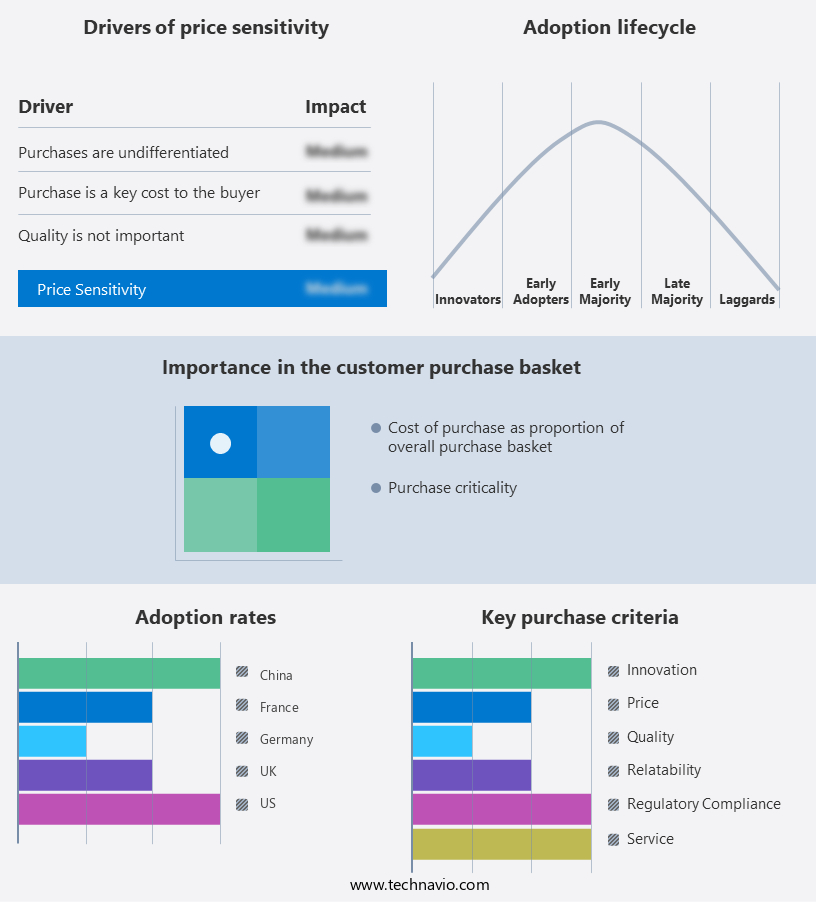
The railway maintenance machinery market forecasting report includes the adoption lifecycle of the market, covering from the innovator's stage to the laggard's stage. It focuses on adoption rates in different regions based on penetration. Furthermore, the railway maintenance machinery market report also includes key purchase criteria and drivers of price sensitivity to help companies evaluate and develop their market growth analysis strategies.
Customer Landscape
Key Companies & Market Insights
Companies are implementing various strategies, such as strategic alliances, railway maintenance machinery market forecast, partnerships, mergers and acquisitions, geographical expansion, and product/service launches, to enhance their presence in the industry.
Alamo Group Inc. - This company specializes in providing railway maintenance equipment, encompassing essential tools such as shovels, spades, sledgehammers, and crowbars.
The industry research and growth report includes detailed analyses of the competitive landscape of the market and information about key companies, including:
- Alamo Group Inc.
- American Equipment Co.
- BBM Railway equipment LLC
- China Railway Construction Corp. Ltd.
- CRRC Corp. Ltd.
- Dipsa Technes Srl
- GEATECH Group Srl
- Harsco Corp.
- Jinzhou Tiegong Railway Maintenance Machinery Co. Ltd.
- Loram Maintenance of Way Inc.
- MATISA MATERIEL INDUSTRIEL SA
- Pandrol SAS
- Plasser and Theurer Export von Bahnbaumaschinen GmbH
- ROBEL Bahnbaumaschinen GmbH
- Siemens AG
- Sinara Transport Machines Holding
- Speno International SA
- Strukton Groep NV
- Teraspyora Steelwheel Oy
Qualitative and quantitative analysis of companies has been conducted to help clients understand the wider business environment as well as the strengths and weaknesses of key industry players. Data is qualitatively analyzed to categorize companies as pure play, category-focused, industry-focused, and diversified; it is quantitatively analyzed to categorize companies as dominant, leading, strong, tentative, and weak.
Recent Development and News in Railway Maintenance Machinery Market
- In February 2023, Bombardier Transportation announced the launch of its innovative railway maintenance machinery, the BOMBARDIER TRAXX MS3 locomotive, featuring advanced technology and improved fuel efficiency. This new product is expected to cater to the growing demand for eco-friendly and high-performance railway maintenance machinery (Bombardier Transportation, 2023).
- In June 2024, Siemens Mobility and Knorr-Bremse signed a strategic partnership to jointly develop and produce railway maintenance machinery. This collaboration aims to enhance their market presence and provide comprehensive maintenance solutions to railway operators worldwide (Siemens Mobility, 2024).
- In October 2024, Caterpillar Inc. acquired Railcare Group AB, a leading railway maintenance machinery manufacturer, for approximately USD 1.2 billion. This acquisition strengthened Caterpillar's position in the market and expanded its product portfolio (Caterpillar Inc., 2024).
- In March 2025, the European Union announced a significant investment of USD 1.27 billion in railway maintenance machinery and infrastructure as part of its NextGenerationEU recovery plan. This initiative is expected to create jobs and promote the use of eco-friendly technologies in railway maintenance machinery (European Commission, 2025).
Research Analyst Overview
The market is characterized by its continuous evolution and dynamic nature, with ongoing activities and evolving patterns shaping the industry's landscape. Transit systems, operational efficiency, freight rail, and passenger rail sectors all benefit from advancements in maintenance technologies. Condition monitoring systems, such as laser scanning and ultrasonic testing, enable predictive maintenance and preventive measures for rail infrastructure. Track machinery, including track tamping, ballast cleaning, and track alignment, ensures optimal track stability and safety. Railway infrastructure investment drives the adoption of specialized machinery for infrastructure maintenance, such as rail welding and overhead line maintenance. Automated systems and remote control technologies streamline maintenance schedules and enhance operational efficiency.
Innovations in track geometry measurement, rail flaw detection, and data acquisition enable real-time monitoring and asset management. IoT integration and the use of artificial intelligence further optimize maintenance processes and improve rail safety. The market for railway maintenance machinery remains in a state of flux, with ongoing regulatory requirements and safety standards shaping the market's direction. Track stabilization, rail fastening systems, track circuiting, and signal maintenance are essential components of this ever-evolving landscape. The market encompasses a wide range of applications, from urban rail to high-speed rail, and freight to passenger rail. The focus on cost optimization and track renewal continues to drive market growth, with ongoing advancements in technology and innovation shaping the future of railway maintenance.
Dive into Technavio's strong research methodology, blending expert interviews, extensive data synthesis, and validated models for unparalleled Railway Maintenance Machinery Market insights. See full methodology.
|
Market Scope |
|
|
Report Coverage |
Details |
|
Page number |
206 |
|
Base year |
2024 |
|
Historic period |
2019-2023 |
|
Forecast period |
2025-2029 |
|
Growth momentum & CAGR |
Accelerate at a CAGR of 6.4% |
|
Market growth 2025-2029 |
USD 1.61 billion |
|
Market structure |
Fragmented |
|
YoY growth 2024-2025(%) |
5.9 |
|
Key countries |
US, UK, China, Germany, France, Canada, Italy, Spain, Japan, and India |
|
Competitive landscape |
Leading Companies, Market Positioning of Companies, Competitive Strategies, and Industry Risks |
What are the Key Data Covered in this Railway Maintenance Machinery Market Research and Growth Report?
- CAGR of the Railway Maintenance Machinery industry during the forecast period
- Detailed information on factors that will drive the growth and forecasting between 2025 and 2029
- Precise estimation of the size of the market and its contribution of the industry in focus to the parent market
- Accurate predictions about upcoming growth and trends and changes in consumer behaviour
- Growth of the market across Europe, North America, APAC, South America, and Middle East and Africa
- Thorough analysis of the market's competitive landscape and detailed information about companies
- Comprehensive analysis of factors that will challenge the railway maintenance machinery market growth of industry companies
We can help! Our analysts can customize this railway maintenance machinery market research report to meet your requirements.
 RIA -
RIA - 
