



Trade Finance Market Size 2025-2029
The trade finance market size is forecast to increase by USD 18.6 billion, at a CAGR of 5.7% between 2024 and 2029.
- The market is experiencing significant growth, driven by the increasing number of exports and the incorporation of advanced technology into trade finance solutions. This trend is expected to continue as global trade volumes increase and businesses seek more efficient and secure methods for financing international transactions. In the realm of business and finance, the Banking, Financial Services, and Insurance (BFSI) sector has experienced significant advancements in technology, particularly in trade financing. Advanced technology, including fintech solutions, is also transforming trade finance, providing more efficient funding options, hedging alternatives, and fraud prevention measures. However, the market is not without challenges. Protectionist policies and trade wars pose significant obstacles, creating uncertainty and potential disruptions in global trade flows. As a result, trade finance providers must navigate these geopolitical risks while also adapting to technological advancements and evolving customer expectations.
- Companies seeking to capitalize on market opportunities and navigate challenges effectively should focus on leveraging technology to streamline processes, enhance security, and provide customized solutions for clients. Additionally, building strong relationships with clients and maintaining a deep understanding of regulatory and geopolitical risks will be crucial for success in this dynamic market.
What will be the Size of the Trade Finance Market during the forecast period?
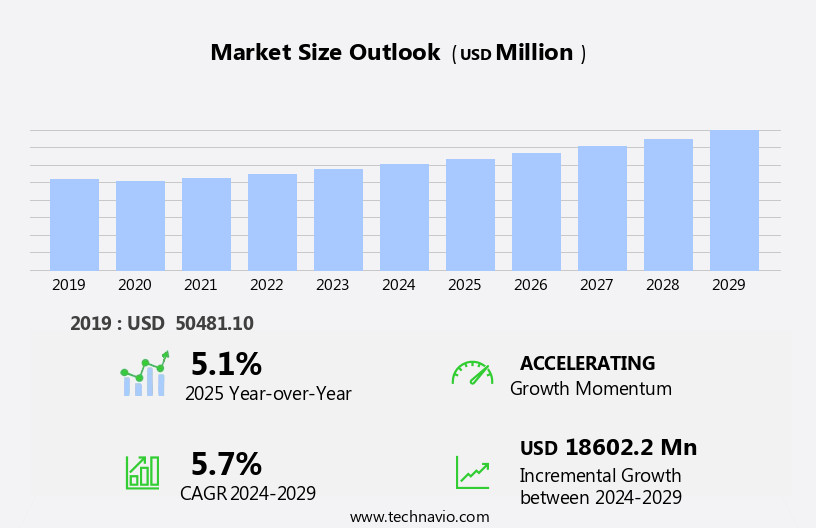
Explore in-depth regional segment analysis with market size data - historical 2019-2023 and forecasts 2025-2029 - in the full report.
Request Free Sample
The market continues to evolve, driven by the dynamic nature of global trade and the increasing adoption of digital technologies. Trade finance instruments and services play a crucial role in facilitating international business transactions, with applications spanning various sectors. Compliance with regulations and adherence to trade finance frameworks are essential components of this ecosystem. Digital trade finance solutions, such as supply chain finance and invoice discounting, are gaining traction, streamlining processes and enhancing efficiency. Trade finance advisory and analytics offer valuable insights, enabling informed decision-making. Export credit insurance and export finance provide risk mitigation and financing options for exporters.
Trade finance institutions, including banks and non-bank financial institutions, are leveraging technology to offer innovative products and services. Trade finance platforms and models are evolving to address the challenges of complex global supply chains and changing market conditions. The trade finance industry remains focused on adapting to these trends and continuously improving its offerings to meet the needs of businesses. The ongoing unfolding of market activities and evolving patterns in the market present numerous opportunities for growth and innovation. Trade finance strategies that effectively address these dynamics and leverage technology will be key to success in this ever-changing landscape.
How is this Trade Finance Industry segmented?
The trade finance industry research report provides comprehensive data (region-wise segment analysis), with forecasts and estimates in "USD million" for the period 2025-2029, as well as historical data from 2019-2023 for the following segments.
- Type
- Traditional trade finance
- Supply chain finance
- Structured trade finance
- End-user
- Importers and exporters
- Banks and financiers
- Insurers and export credit agencies
- Product Type
- Letters of credit
- Supply chain finance
- Trade credit insurance
- Documentary collections
- Others
- Business Segment
- Domestic trade finance
- International trade finance
- Geography
- North America
- US
- Canada
- Europe
- France
- Germany
- The Netherlands
- UK
- APAC
- China
- India
- Japan
- South Korea
- Rest of World (ROW)
- North America
By Type Insights
The traditional trade finance segment is estimated to witness significant growth during the forecast period.
Trade finance is a vital component of international business, providing risk management tools and facilitating trade payments through various instruments such as commercial letters of credit, documentary collections, open account processing, purchase order management, and document preparation. JPMorgan Chase and Co. (JPMorgan) are among the institutions offering these traditional trade finance solutions via web-based trade transaction management platforms. These platforms enable clients to manage their trade activities from purchase orders to payments, connecting sellers and buyers to the company network, and providing accessibility and visibility. By accelerating payment cycles and reducing costs, these solutions streamline the trade payment process, ensuring harmonious and efficient trade ecosystems.
Moreover, the trade finance industry is evolving with digital innovations, such as digital trade finance, supply chain finance, invoice discounting, and trade finance analytics. These solutions offer real-time data access, enhanced security, and improved efficiency. Trade finance regulations also play a significant role in shaping the industry, ensuring compliance and mitigating risks. Export credit insurance and export finance are essential components of international trade finance, providing protection against political and commercial risks. Trade finance frameworks and technology platforms further facilitate seamless transactions and reduce complexities. Trade finance strategies and innovations continue to evolve, addressing challenges and creating opportunities in the market.
Overall, the market remains a crucial enabler of global commerce, connecting buyers and sellers, and fostering economic growth.
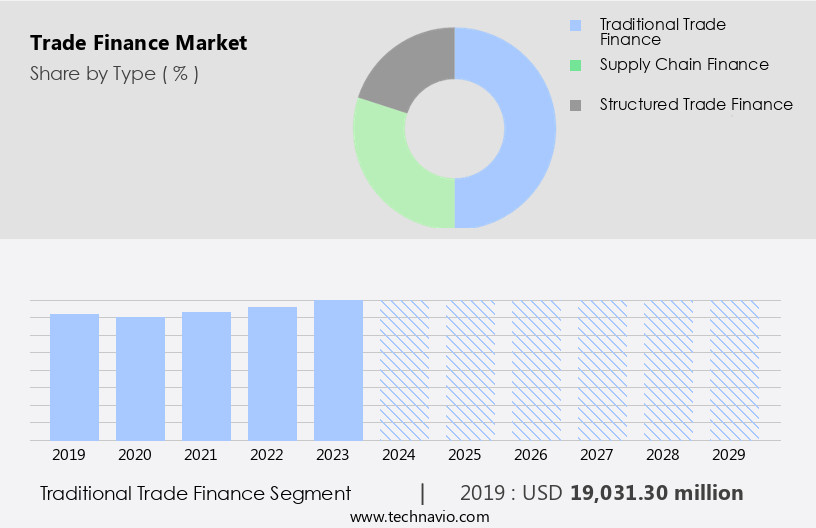
The Traditional trade finance segment was valued at USD 19.03 billion in 2019 and showed a gradual increase during the forecast period.
Regional Analysis
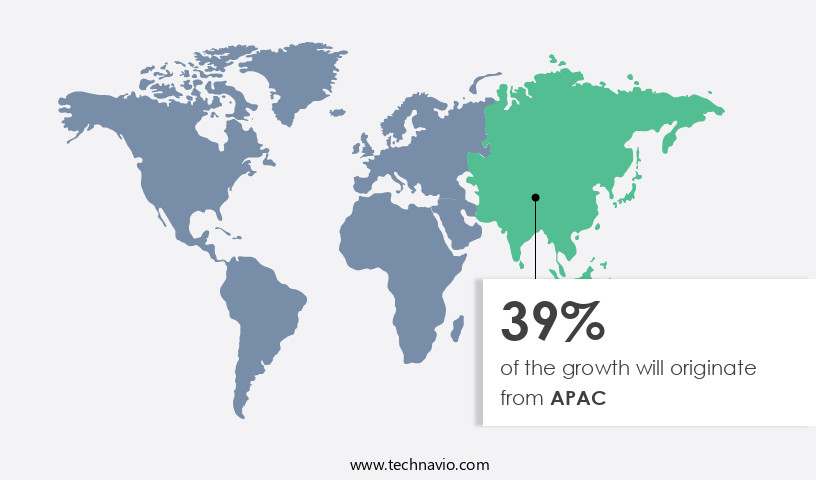
APAC is estimated to contribute 39% to the growth of the global market during the forecast period. Technavio's analysts have elaborately explained the regional trends and drivers that shape the market during the forecast period.
The North American the market is experiencing growth, driven by the region's prominent position as a global exporter, with the US and Canada being among the largest exporters of capital goods to Africa and Asia. This trend is motivating companies to form strategic partnerships, broaden their market reach, and support trade in emerging economies. Competition within the market is intensifying, leading established players to expand their presence through collaborations. These alliances aim to enhance market presence and increase market share. Additionally, the adoption of digital trade finance solutions, such as supply chain finance, invoice discounting, and digital platforms, is transforming the industry.
Trade finance regulations continue to evolve, shaping the market landscape. The trade finance ecosystem consists of various players, including trade finance institutions, export credit insurers, and trade finance advisory firms, each contributing to the market's growth and innovation. Trade finance products, such as letters of credit and import finance, remain essential components of the market. The market's future outlook is promising, with opportunities in international trade finance and trade finance trends, such as the increasing use of technology and the emphasis on compliance and risk management, shaping the market's evolution.
Market Dynamics
Our researchers analyzed the data with 2024 as the base year, along with the key drivers, trends, and challenges. A holistic analysis of drivers will help companies refine their marketing strategies to gain a competitive advantage.
What are the key market drivers leading to the rise in the adoption of Trade Finance Industry?
- The increasing volume of exports serves as the primary catalyst for market growth.
- Trade finance solutions play a crucial role in facilitating international trade by providing financial instruments that mitigate risks and ensure working capital for exporters. With the ongoing globalization and the reduction of trade barriers by the World Trade Organization (WTO), the volume of international trade is expected to increase significantly. This trend will drive the growth of the market during the forecast period. When goods are exported, they can take a considerable time in transit before reaching the customer. Trade finance institutions offer export credit insurance and other financing options to help domestic enterprises receive payment for their goods as soon as they leave domestic customs.
- This working capital becomes essential for businesses to manage their cash flow and meet their financial obligations. Trade finance frameworks and technology platforms have evolved to provide more efficient and immersive solutions for businesses. These platforms offer harmonious trade finance strategies, emphasizing transparency and security. Trade finance technology, including blockchain and artificial intelligence, is being adopted to streamline processes and reduce the risk of fraud. Overall, the market will continue to be an essential component of the global economy, enabling businesses to participate in international trade and grow their operations.
What are the market trends shaping the Trade Finance Industry?
- Advanced technology integration is a mandatory trend in the trade finance sector. Trade finance solutions are now being enhanced with innovative technologies to improve efficiency and productivity.
- Trade finance, a critical segment of international business, has seen significant advancements through technological innovations. One such development is the bank payment obligation (BPO) within SWIFT's trade service utility, which automates and standardizes processes, minimizing manual work and acting as a risk mitigation tool. The integration of technologies like blockchain, artificial intelligence (AI), machine learning (ML), and the Internet of Things (IoT) in trade finance services is anticipated to address banking and trade financing challenges. These technologies can enhance transparency, streamline processes, and improve efficiency.
- The outlook for trade finance is promising, as these trends continue to shape the industry landscape. By embracing technology, trade finance models can optimize working capital, reduce risks, and cater to the evolving needs of businesses.
What challenges does the Trade Finance Industry face during its growth?
- Protectionist policies and trade wars pose a significant challenge to the industry's growth by imposing impactful restrictions on international trade and commerce.
- Trade finance refers to financial instruments and services that facilitate international trade transactions. Protectionist government policies and actions, such as imposing tariffs or restrictions on imports, can lead to trade wars. These conflicts arise when two countries retaliate against each other by limiting their trading partners' access to their markets. Protectionism is a significant factor in trade wars, as governments aim to shield their domestic industries from foreign competition and potentially reduce trade deficits. Unfair trading practices are another reason for trade wars.
- Trade finance plays a crucial role in mitigating the risks associated with international trade during these conflicts. It offers various opportunities for businesses to manage their cash flows, mitigate risks, and ensure the smooth flow of goods and services across borders. Trade finance solutions can help businesses navigate the complexities of international trade during uncertain economic conditions.
Exclusive Customer Landscape
The trade finance market forecasting report includes the adoption lifecycle of the market, covering from the innovator's stage to the laggard's stage. It focuses on adoption rates in different regions based on penetration. Furthermore, the trade finance market report also includes key purchase criteria and drivers of price sensitivity to help companies evaluate and develop their market growth analysis strategies.
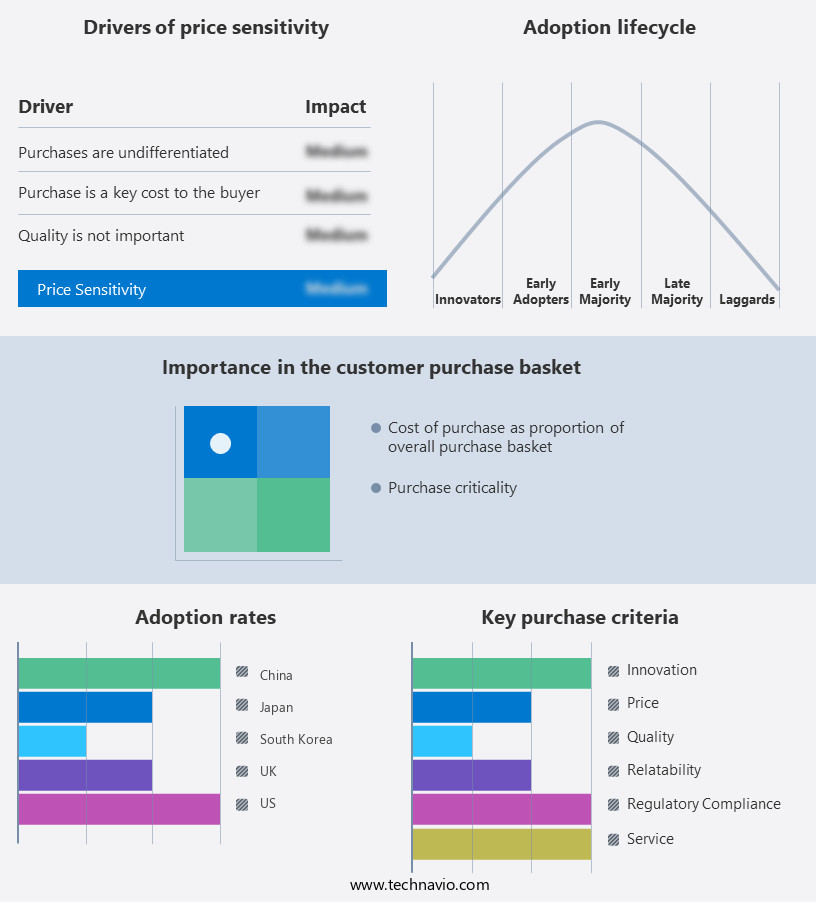
Customer Landscape
Key Companies & Market Insights
Companies are implementing various strategies, such as strategic alliances, trade finance market forecast, partnerships, mergers and acquisitions, geographical expansion, and product/service launches, to enhance their presence in the industry.
Australia and New Zealand Banking Group Ltd. - This company specializes in trade finance solutions, including ANZ's trade and supply chain offerings.
The industry research and growth report includes detailed analyses of the competitive landscape of the market and information about key companies, including:
- Australia and New Zealand Banking Group Ltd.
- Banco Santander SA
- Bank of America Corp.
- Barclays PLC
- BNP Paribas SA
- Citigroup Inc.
- Credit Agricole SA
- Deutsche Bank AG
- HSBC Holdings Plc
- JPMorgan Chase and Co.
- Mitsubishi UFJ Financial Group Inc.
- Morgan Stanley
- NatWest Group plc
- Societe Generale SA
- Standard Chartered PLC
- The Bank of New York Mellon Corp.
- The Goldman Sachs Group Inc.
- UBS Group AG
- UniCredit SpA
- Wells Fargo and Co.
Qualitative and quantitative analysis of companies has been conducted to help clients understand the wider business environment as well as the strengths and weaknesses of key industry players. Data is qualitatively analyzed to categorize companies as pure play, category-focused, industry-focused, and diversified; it is quantitatively analyzed to categorize companies as dominant, leading, strong, tentative, and weak.
Recent Development and News in Trade Finance Market
- In February 2024, several leading banks, including HSBC, Standard Chartered, and ING, announced the launch of a new digital platform, Voltron, for streamlined trade finance transactions. The platform aims to reduce processing times and increase efficiency by digitizing the letter of credit process (HSBC press release, 2024).
- In May 2024, Mastercard and TradeIX, a fintech company specializing in trade finance, announced their strategic partnership to develop a blockchain-based platform for trade finance. The collaboration is expected to enhance transparency, security, and speed in international trade transactions (Mastercard press release, 2024).
Research Analyst Overview
- The trade finance landscape is undergoing significant changes, driven by both opportunities and challenges. Trade finance opportunities include integration, digitalization, and innovation, which enhance efficiency and reduce risks. However, trade finance also faces security concerns, requiring robust standards and interoperability. Research and education are essential to stay informed about the trade finance evolution and its trends, such as sustainability, transparency, and globalization. Policy and infrastructure development are crucial for the trade finance future.
- Automation and training are key to addressing inefficiencies and disruptions. The market continues to grow, with a focus on creating a more secure, transparent, and standardized system. Despite these advancements, trade finance sustainability remains a pressing issue, requiring ongoing attention and collaboration.
Dive into Technavio's robust research methodology, blending expert interviews, extensive data synthesis, and validated models for unparalleled Trade Finance Market insights. See full methodology.
|
Market Scope |
|
|
Report Coverage |
Details |
|
Page number |
247 |
|
Base year |
2024 |
|
Historic period |
2019-2023 |
|
Forecast period |
2025-2029 |
|
Growth momentum & CAGR |
Accelerate at a CAGR of 5.7% |
|
Market growth 2025-2029 |
USD 18602.2 million |
|
Market structure |
Fragmented |
|
YoY growth 2024-2025(%) |
5.1 |
|
Key countries |
US, China, Germany, UK, Canada, France, India, Japan, The Netherlands, and South Korea |
|
Competitive landscape |
Leading Companies, Market Positioning of Companies, Competitive Strategies, and Industry Risks |
What are the Key Data Covered in this Trade Finance Market Research and Growth Report?
- CAGR of the Trade Finance industry during the forecast period
- Detailed information on factors that will drive the growth and forecasting between 2025 and 2029
- Precise estimation of the size of the market and its contribution of the industry in focus to the parent market
- Accurate predictions about upcoming growth and trends and changes in consumer behaviour
- Growth of the market across North America, Europe, APAC, Middle East and Africa, and South America
- Thorough analysis of the market's competitive landscape and detailed information about companies
- Comprehensive analysis of factors that will challenge the trade finance market growth of industry companies
We can help! Our analysts can customize this trade finance market research report to meet your requirements.