


Saudi Arabia Red Meat Market Size 2025-2029
The Saudi Arabia red meat market size is forecast to increase by USD 1.21 billion, at a CAGR of 4.1% between 2024 and 2029.
- The Red Meat Market is experiencing significant growth in Saudi Arabia, driven by the increasing urbanization and rising population. This demographic shift is leading to a rise in demand for red meat, particularly among the expanding middle class. However, this trend is not without challenges. One major obstacle is the growing requirement for halal certification and traceability. Consumers are increasingly seeking assurance that the meat they consume adheres to Islamic dietary laws and is sourced ethically. Meat packaging innovations, such as vacuum-sealed and modified atmosphere packaging, ensure product freshness and prolong shelf life. This demand for transparency is pushing companies to invest in advanced tracking systems and certification processes.
- The intensive farming required to produce red meat places significant demands on water resources and grain supplies. Pea protein and soy protein-based meat alternatives challenge the traditional meat market, offering plant-based options for those seeking to reduce their meat intake. As these resources become increasingly scarce, prices rise, putting pressure on meat producers to find more sustainable and cost-effective solutions. Companies that can innovate and adapt to these challenges, such as implementing water conservation techniques and exploring alternative feed sources, will be well-positioned to capitalize on the market's growth potential. Another challenge facing the Red Meat Market is the concerns surrounding water scarcity and feed costs.
What will be the size of the Saudi Arabia Red Meat Market during the forecast period?
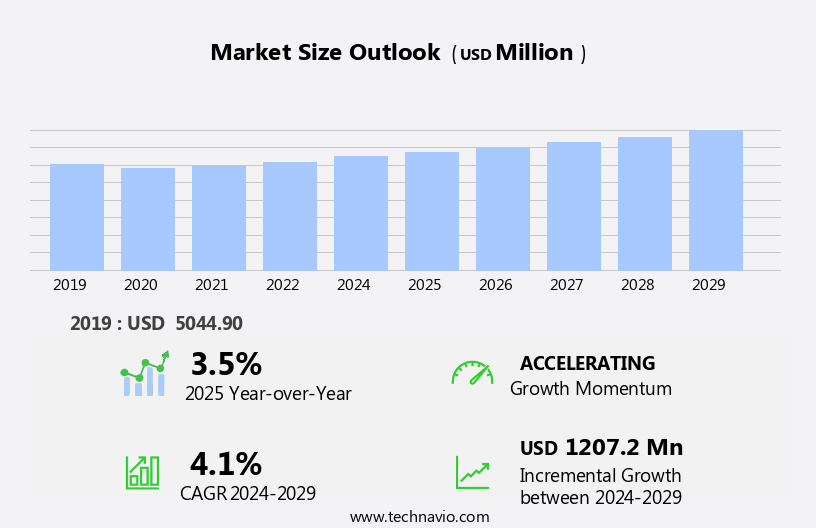
Explore in-depth regional segment analysis with market size data - historical 2019-2023 and forecasts 2025-2029 - in the full report.
Request Free Sample
- In the dynamic red meat market, prime cuts continue to be a top priority for consumers, driving demand for stringent meat quality control measures. Meat storage and preservation techniques, such as refrigeration and freezing, ensure the longevity of these premium offerings. However, concerns over meat contamination and disease persist, leading to a growing emphasis on meat certification and traceability. Meanwhile, meat and health remain intertwined, with consumers seeking nutritious options. Meat bone broth, meat extracts, and meat juices are gaining popularity as sources of essential nutrients. Animal husbandry practices and feed additives are under scrutiny, as their impact on meat quality and consumer health becomes increasingly relevant.
- Meat seasonings, meat smoking, and meat marinades add flavor and appeal, while meat curing and meat rendering provide alternative uses for by-products. Kosher meat and halal meat cater to specific religious and cultural preferences. Meat spoilage and meat intolerances pose challenges, necessitating advancements in meat preservation and allergy-friendly production methods. Meat allergies and meat intolerances are becoming more common, requiring meat processors to adapt and innovate. In the realm of meat processing, meat certification, meat traceability, and meat certification are crucial components, ensuring transparency and safety for consumers. Meat grilling and meat roasting remain popular cooking methods, while meat contamination and meat disease continue to pose challenges.
- Overall, the red meat market is a complex and evolving landscape, requiring constant adaptation and innovation to meet the demands of health-conscious, culturally diverse consumers.
How is this market segmented?
The market research report provides comprehensive data (region-wise segment analysis), with forecasts and estimates in "USD million" for the period 2025-2029, as well as historical data from 2019-2023 for the following segments.
- Distribution Channel
- Offline
- Online
- Product
- Processed meat
- Fresh meat
- Type
- Beef
- Mutton
- Others
- Geography
By Distribution Channel Insights
The offline segment is estimated to witness significant growth during the forecast period. In the dynamic meat market of Saudi Arabia, traditional butcher shops and local meat establishments continue to thrive, offering fresh, locally sourced red meat to customers. These businesses often collaborate with local suppliers or slaughterhouses, enabling direct interaction between consumers and butchers to select desired cuts. Major supermarket chains and hypermarkets, such as Lulu Group International, provide a vast array of red meat products, ensuring convenience, a broad selection, and adherence to quality standards. Supermarkets prioritize sourcing from reliable suppliers. Specialty stores focus on high-quality meats, sometimes emphasizing specific cuts or premium offerings. Meanwhile, technological advancements have introduced innovative meat solutions.
Dry aging enhances meat flavor and tenderness, while meat packaging maintains freshness. Three-dimensional (3D) printed meat is an emerging trend, offering customized meat products. Sustainable and organic meat options are gaining popularity, with a focus on ethical animal welfare and reduced greenhouse gas emissions. Food safety standards and dietary guidelines are crucial considerations, with ongoing efforts to mitigate foodborne illnesses such as e. Coli. Meat alternatives, like pea and soy protein, are increasingly available, catering to diverse consumer preferences and dietary needs. Meat market analysis and research provide valuable insights into industry trends, including meat consumption, pricing, and regulations.
Meat imports and exports, feed production, and meat processing are integral components of the meat supply chain. Meat inspection, meat labeling, and meat tariffs are essential for maintaining transparency and fair trade practices. Meat flavor, color, and tenderness are crucial factors influencing consumer preferences. Wet aging, fat content, and meat grading contribute to meat quality. Livestock farming, meat technology, and meat innovation are continually evolving to meet consumer demands and expectations. The meat industry trends reflect a balance between traditional practices and technological advancements, ensuring the availability of a diverse range of meat products for consumers.
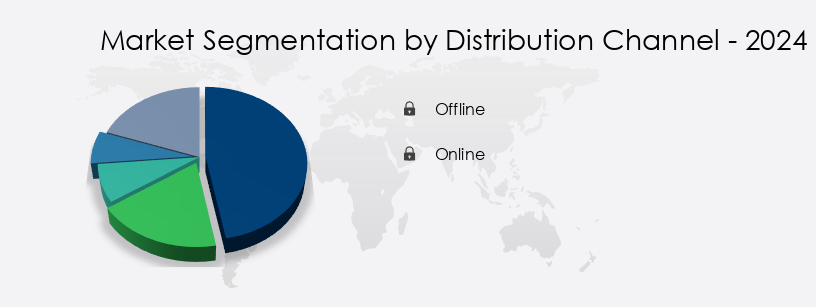
Get a glance at the market share of various segments Request Free Sample
The Offline segment was valued at USD 3.95 billion in 2019 and showed a gradual increase during the forecast period.
The Red Meat Market in Saudi Arabia is expanding, driven by efficient meatpacking plants and increased demand for wholesale meat across diverse sectors. Growing meat delivery services cater to rising consumer preferences in food service, ensuring accessibility. While traditional meat remains popular, meat substitutes, including plant-based meat and meatless meat, are gaining traction among health-conscious buyers. Focus on nutritional value, meat tenderness, and meat aging enhances premium product offerings, with careful attention to meat color for quality assurance. The country is boosting meat exports, supporting global trade opportunities. Additionally, demand for grass-fed meat is rising, reflecting a preference for sustainable and natural options.
The Red Meat Market in Saudi Arabia is shaped by advancements in livestock breeding, ensuring high-quality meat production. Consumers seek diverse meat cuts, catering to traditional and modern culinary preferences. Growing awareness of meat intolerance influences demand for alternative dietary options, while the role of meat and nutrition remains crucial for health-conscious individuals. Research on meat and disease is expanding, focusing on food safety and the impact of red meat consumption on overall well-being.
Market Dynamics
Our researchers analyzed the data with 2024 as the base year, along with the key drivers, trends, and challenges. A holistic analysis of drivers will help companies refine their marketing strategies to gain a competitive advantage.
What are the key market drivers leading to the rise in the adoption of Red Meat in Saudi Arabia Industry?
- Rising urbanization serves as the primary catalyst for market growth in Saudi Arabia. The red meat market is experiencing significant shifts due to urbanization and changing consumer preferences. With an increasing number of people moving to urban areas, there is a growing demand for convenient and processed food products, including red meat and beef. According to the United Nations, urban regions accounted for 84.73% of the global population in 2023. This trend is driving the demand for ready-to-eat and easy-to-prepare red meat products, such as sausages, deli meats, and marinated cuts. Urban lifestyles are typically fast-paced, making convenience a key factor in food choices. Meat technology innovations, including plant-based and cultured meat, are also influencing consumer preferences.
- Meat labeling, meat tariffs, and meat inspection are crucial aspects of the market, ensuring the safety and quality of products. Meat processing and land use are also important considerations, as the industry seeks to minimize environmental impact and optimize production. Meat pricing and meat retailers play a significant role in the market dynamics. Processed meat, such as ground meat, is a popular choice due to its versatility and affordability. Protein intake remains a key consideration for consumers, with red meat continuing to be a significant source of protein in many diets. The red meat market is expected to continue evolving, with ongoing innovation and technological advancements shaping the future of the industry.
What are the market trends shaping the Red Meat in Saudi Arabia Industry?
- The growing demand for halal certification and traceability is a significant market trend in the food industry. This requirement ensures that products adhere to specific religious dietary laws and are produced in a transparent manner, making it essential for businesses to prioritize these certifications to meet consumer expectations. In the red meat market, consumers in Saudi Arabia prioritize meat quality and traceability, particularly for products that adhere to Islamic principles through halal certification. Halal certification builds consumer trust by ensuring the meat is prepared according to specific religious guidelines. Traceability, meanwhile, enhances consumer confidence by providing transparency throughout the meat supply chain. This includes tracking the origin, processing, and distribution of red meat products. Meat distribution and packaging also play crucial roles in the market. Free-range meat, for instance, may be preferred due to its perceived higher quality and sustainability. Cold storage facilities are essential for maintaining meat freshness and food safety standards.
- Additionally, meat packaging must adhere to these standards to prevent contamination and ensure the longevity of the product. Innovations such as dry aging and 3D-printed meat are emerging trends in the red meat market. Dry aging enhances meat flavor and tenderness, while 3D-printed meat offers potential for sustainable and customizable meat production. However, these innovations must meet the same food safety and traceability standards as traditional meat products. Dietary guidelines and concerns, such as iron content and potential contaminants like E. Coli, influence consumer preferences and purchasing decisions. Organic meat and sustainable farming practices are also gaining popularity, as consumers seek healthier and more ethically-sourced meat options.
What challenges does the Red Meat in Saudi Arabia Industry face during its growth?
- The water scarcity issue and escalating feed costs represent significant challenges that hinder the growth of the industry. Meat market research indicates that water scarcity poses significant challenges for the global meat industry, particularly in regions with arid climates and limited freshwater resources. The livestock sector, which includes cattle farming, requires substantial water for both animal consumption and irrigation of feed crops. Water scarcity can negatively impact animal well-being and productivity, as well as restrict the cultivation of water-intensive feed crops. The production of animal feed is resource-intensive, with water being a critical input. The high cost of producing feed, driven by water scarcity and other factors, can significantly impact the economics of livestock farming.
- Producers face increased expenses in sourcing and providing nutritionally adequate feed for their animals. Meanwhile, consumer preferences are shifting towards meat sustainability, ethical meat production, and meat alternatives. Meat safety and delivery are also critical concerns, as foodborne illness outbreaks can have severe consequences for both consumers and the industry. Meat grading, fat content, and meat flavor continue to influence consumer choices. Wet aging and other processing techniques can enhance meat flavor and texture. The meat industry is responding to these trends by investing in research and development, focusing on sustainable farming practices, and exploring alternative protein sources.
Exclusive Customer Landscape
The red meat market in Saudi Arabia forecasting report includes the adoption lifecycle of the market, covering from the innovator's stage to the laggard's stage. It focuses on adoption rates in different regions based on penetration. Furthermore, the red meat market in Saudi Arabia report also includes key purchase criteria and drivers of price sensitivity to help companies evaluate and develop their market growth analysis strategies.
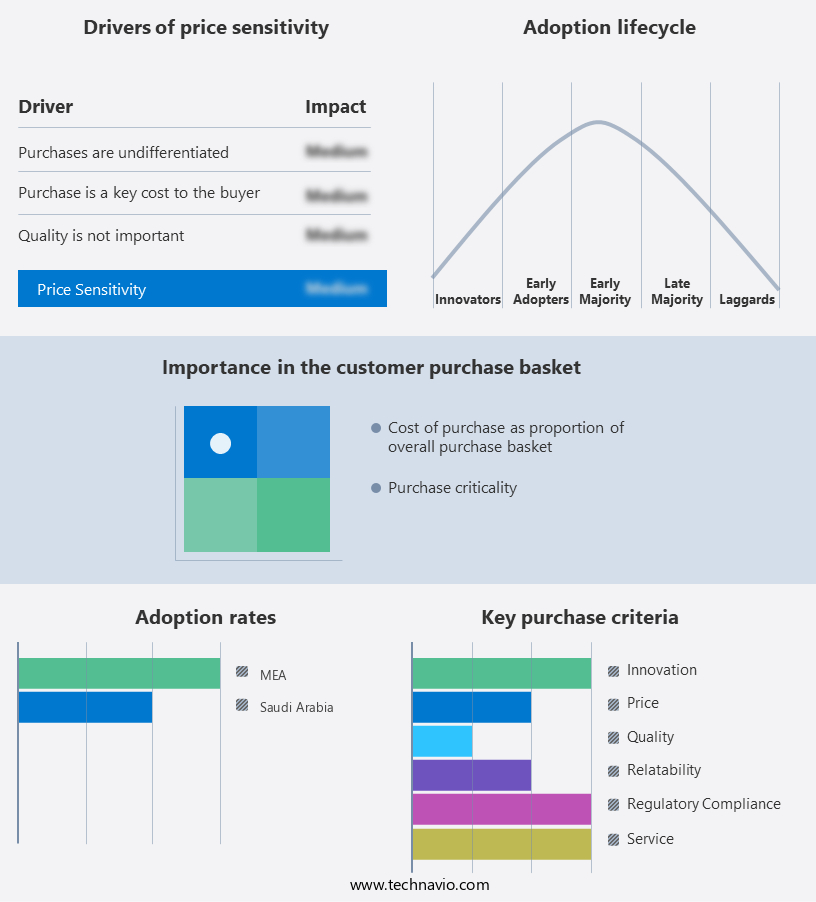
Customer Landscape
Key Companies & Market Insights
Companies are implementing various strategies, such as strategic alliances, red meat market in Saudi Arabia forecast, partnerships, mergers and acquisitions, geographical expansion, and product/service launches, to enhance their presence in the industry.
Al Kabeer Group ME - The company specializes in providing top-tier red meat options, including premium beef and lamb, enhancing culinary creations with unparalleled quality and exquisite taste.
The industry research and growth report includes detailed analyses of the competitive landscape of the market and information about key companies, including:
- Al Kabeer Group ME
- Almarai Co.
- Almunajem Foods
- Americana Foods Inc.
- Baden Arabia
- Forsan Foods and Consumer Products Ltd.
- Golden Meat International Co.
- Halwani Bros Co. Ltd.
- Herfy Food Services Co.
- JM Foods LLC
- Lulu Group International
- Nashar Trading Co.
- Savola Group
- Shahia Food Limited Co.
- Siniora Food Industries Co.
- Sunbulah Group
- Taiba Farms
Qualitative and quantitative analysis of companies has been conducted to help clients understand the wider business environment as well as the strengths and weaknesses of key industry players. Data is qualitatively analyzed to categorize companies as pure play, category-focused, industry-focused, and diversified; it is quantitatively analyzed to categorize companies as dominant, leading, strong, tentative, and weak.
Recent Development and News in Red Meat Market In Saudi Arabia
- In March 2024, JBS USA, a leading global food company, announced the launch of its new plant-based burger line, Greenleaf Foods, under its brand name, Swift. This strategic move aimed to cater to the growing demand for alternative protein sources and expand its product portfolio (JBS USA Press Release, 2024).
- In July 2024, Cargill and Brazilian meat processor Marfrig Global Foods formed a strategic partnership to jointly invest in a new technology platform, Future Meat Technologies. This collaboration aimed to develop cultured meat, reducing the reliance on traditional livestock farming and addressing sustainability concerns (Cargill Press Release, 2024).
- In October 2024, Tyson Foods, Inc., the world's second-largest meat processor, completed the acquisition of Keystone Foods, a leading global supplier of value-added protein products. This acquisition strengthened Tyson's presence in the Asia Pacific region and expanded its offerings in the prepared foods and foodservice markets (Tyson Foods Press Release, 2024).
- In January 2025, the European Union approved the use of a new technology, "Mosaic," for meat labeling. This technology allows for more precise and detailed labeling, providing consumers with more information about the origin and production methods of their meat products (European Commission Press Release, 2025).
Research Analyst Overview
The red meat market continues to evolve, with dynamic market dynamics shaping various sectors. Dry aging, a technique that enhances meat quality through natural aging processes, gains traction in the premium meat segment. Meat distribution channels expand, with free-range meat and sustainable meat options increasingly preferred by consumers. Three-dimensional (3D) printed meat, an emerging technology, promises to revolutionize the industry, offering customizable textures and flavors. Iron content, a key nutritional consideration, influences consumer choices, leading to increased demand for iron-rich meat options.
The meat supply chain undergoes transformation, with a focus on transparency, traceability, and ethical sourcing. Sustainable meat production, including grass-fed and organic meat, gains popularity due to environmental concerns and growing awareness of animal welfare. Food safety standards and dietary guidelines shape consumer preferences, with a focus on minimizing foodborne illness risks, such as E. Coli. Cold storage solutions ensure efficient meat distribution and preservation, while meat market analysis identifies trends in meat consumption and industry dynamics.
Meat regulations and tariffs influence market pricing and competition, with meat processing and meat technology innovations driving efficiency and productivity. The meat industry trends towards greater transparency, innovation, and sustainability, shaping the future of meat production and consumption. Wholesale and retail meat markets are adapting to changing consumer preferences, offering a wider range of meat products and alternatives. Overall, the meat market is undergoing significant transformation, driven by a complex interplay of factors including water scarcity, consumer preferences, and industry trends. Pea protein and other plant-based alternatives are also impacting the red meat market, offering consumers a more sustainable and ethical alternative to traditional meat products. Market analysis indicates that these trends will continue to shape the red meat market in the coming years.
Dive into Technavio's robust research methodology, blending expert interviews, extensive data synthesis, and validated models for unparalleled Red Meat Market in Saudi Arabia insights. See full methodology.
|
Market Scope |
|
|
Report Coverage |
Details |
|
Page number |
157 |
|
Base year |
2024 |
|
Historic period |
2019-2023 |
|
Forecast period |
2025-2029 |
|
Growth momentum & CAGR |
Accelerate at a CAGR of 4.1% |
|
Market growth 2025-2029 |
USD 1.21 billion |
|
Market structure |
Fragmented |
|
YoY growth 2024-2025(%) |
3.5 |
|
Key countries |
Saudi Arabia |
|
Competitive landscape |
Leading Companies, Market Positioning of Companies, Competitive Strategies, and Industry Risks, market research and growth, market growth and forecasting, Market forecasting, market report, market forecast |
What are the Key Data Covered in this Red Meat Market in Saudi Arabia Research and Growth Report?
- CAGR of the Red Meat in Saudi Arabia industry during the forecast period
- Detailed information on factors that will drive the growth and forecasting between 2025 and 2029
- Precise estimation of the size of the market and its contribution of the industry in focus to the parent market
- Accurate predictions about upcoming growth and trends and changes in consumer behaviour
- Growth of the market across Saudi Arabia
- Thorough analysis of the market's competitive landscape and detailed information about companies
- Comprehensive analysis of factors that will challenge the red meat market in Saudi Arabia growth of industry companies
We can help! Our analysts can customize this red meat market in Saudi Arabia research report to meet your requirements.
 RIA -
RIA - 
