

Meat Substitutes Market Analysis, Size, and Forecast 2025-2029: North America (US and Canada), Europe (France, Germany, Italy, The Netherlands, and UK), APAC (China and India), South America (Brazil), and Rest of World (ROW)

Meat Substitutes Market Analysis, Size, and Forecast 2025-2029:
North America (US and Canada), Europe (France, Germany, Italy, The Netherlands, and UK), APAC (China and India), South America (Brazil), and Rest of World (ROW)

Published: Jun 2025 221 Pages SKU: IRTNTR43310

Market Overview at a Glance

$12.28 B
Market Opportunity
18.4%
CAGR
15.0
YoY growth 2024-2025(%)

Meat Substitutes Market Size 2025-2029

The meat substitutes market size is forecast to increase by USD 12.28 billion at a CAGR of 18.4% between 2024 and 2029.

  • The market is experiencing significant growth due to the increasing research and development efforts in creating alternative protein sources. Soya chunks, Hot Dogs, and Veggie burgers are popular choices, with Canola oil and other nutrients enhancing their nutritional value. New product launches are a key driver in this market, as companies seek to cater to the rising demand for sustainable and ethical food options. However, the relatively high price point of meat substitutes remains a challenge for market penetration. Consumers, particularly those in developing economies, may find these alternatives less accessible due to cost.
  • Companies looking to capitalize on this market should focus on innovation and affordability, aiming to create products that meet consumer demand while remaining competitive in pricing. Additionally, partnerships and collaborations between industry players and research institutions could lead to breakthroughs in technology and production methods, further driving market growth. Convenience stores and Mini markets cater to the demand for Shelf-stable and Low-fat protein options. Despite this obstacle, the potential for growth is substantial, as the global population continues to increase and concerns over animal welfare and environmental sustainability become more prevalent.

What will be the Size of the Meat Substitutes Market during the forecast period?
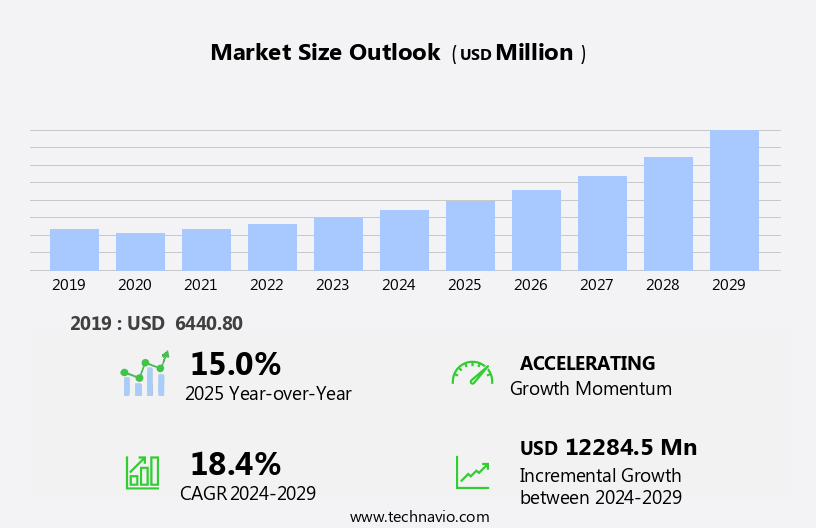
Meat Substitutes Market Size

 Explore in-depth regional segment analysis with market size data - historical 2019-2023 and forecasts 2025-2029 - in the full report.  
Request Free Sample

  • The market is experiencing significant growth as diets focusing on plant-based options gain popularity due to health concerns and animal welfare considerations. Plant-based chicken, pork, fish, and beef alternatives are increasingly preferred by consumers seeking to reduce their intake of animal products. These substitutes offer similar nutrition value, including essential minerals like iron and calcium, making them suitable for individuals dealing with health issues such as diabetes, obesity, and heart disease. Next meats, such as soy milk, bean curd, tofu, and cooked soybeans, are popular choices due to their high protein content and versatility.
  • Crumbles and grounds derived from these sources provide texture and taste comparable to their animal counterparts. Plant-based fish alternatives, like soybean curd, offer a solution for those dealing with digestive problems. The Good Food Institute reports that the market for plant-based meat substitutes is expanding, with companies like Novameat and vegan meat India leading the way. The shift towards plant-based options is driven by health concerns related to non-communicable diseases and the ethical implications of intensive animal farming. Plant-based burgers, patties, and other meat substitute products cater to this growing demand, offering consumers a viable alternative to traditional animal products.

How is this Meat Substitutes Industry segmented?

The meat substitutes industry research report provides comprehensive data (region-wise segment analysis), with forecasts and estimates in "USD million" for the period 2025-2029, as well as historical data from 2019-2023 for the following segments.

  • Distribution Channel
    • Retail
    • Foodservice
  • Product Type
    • Soy-based
    • Wheat-based
    • Mycoprotein-based
    • Others
  • Form Factor
    • Solid
    • Liquid
  • Geography
    • North America
      • US
      • Canada
    • Europe
      • France
      • Germany
      • Italy
      • The Netherlands
      • UK
    • APAC
      • China
      • India
    • South America
      • Brazil
    • Rest of World (ROW)

By Distribution Channel Insights

The retail segment is estimated to witness significant growth during the forecast period. The Plant-based patties segment experiences significant growth in the retail sector due to shifting consumer preferences, health concerns, and environmental awareness. Traditional grocery stores and supermarkets expand their offerings, stocking a diverse range of high-quality meat substitute products. Diabetes patients and those managing their weight seek out Plant-based Chicken, Meatballs, and Fish alternatives. Health-conscious buyers prefer Iron-rich liquid and Meatloaf formulations, while Vegetarian and Vegan lifestyles fuel the demand for Soybean curd, Tofu, and Quorn. Lab-grown meat, Mycoprotein, and Cereal grains cater to the flexitarian and functional ingredient markets.

Fiber, Antioxidants, and essential amino acids are crucial components in these products, addressing health issues like Heart disease and Non-communicable diseases. Plant-based protein manufacturers innovate with Pea, Rice, and Wheat protein, while customization and moisture retention are essential for Foodservice and Food product applications. The future of the market lies in the exploration of novel plant-based protein sources, such as Oligosaccharides from Mushrooms and Jackfruit, and the development of Immunity Boosting Products. Restaurants and Hotels increasingly offer Plant-based menus, while Food safety and Labeling standards remain crucial considerations.

The market's evolution reflects consumers' growing desire for sustainable, healthier, and more diverse dietary options.
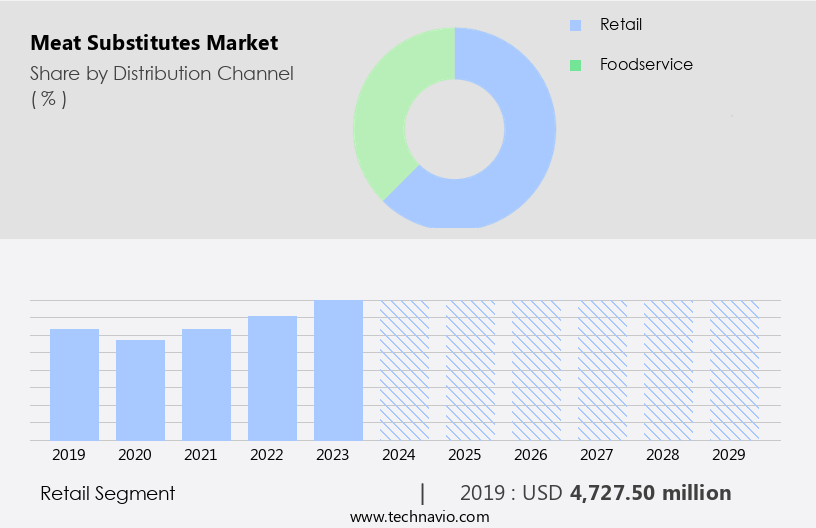
Meat Substitutes Market Size

 Download Free Sample Report

The Retail segment was valued at USD 4.73 billion in 2019 and showed a gradual increase during the forecast period.

The Meat Substitutes Market is rapidly expanding, driven by growing awareness of healthy dietary habits, the rise of the vegan diet and vegetarian lifestyle, and increasing concerns about fat consumption. Alternatives made from soybean legumes, protein isolates, and plant protein serve as nutrient-rich raw material for various food products, including frozen items and plant-based beef. These products often come in dry powder form, are fat-free, rich in carbohydrate, and formulated to emulsify well, delivering a nutty taste and appealing texture. With meat shortages and rising nonmeat-based meals demand among the meat-eating population, nutritious products are gaining space in departmental stores. Innovations focus on binder efficiency, vitamin fortification, and clinical nutrition benefits like lowering blood cholesterol and blood sugar. The market also addresses the needs of non-vegans seeking a healthier diet with whole veggies and superfood blends.

Regional Analysis

Europe is estimated to contribute 41% to the growth of the global market during the forecast period. Technavio's analysts have elaborately explained the regional trends and drivers that shape the market during the forecast period.
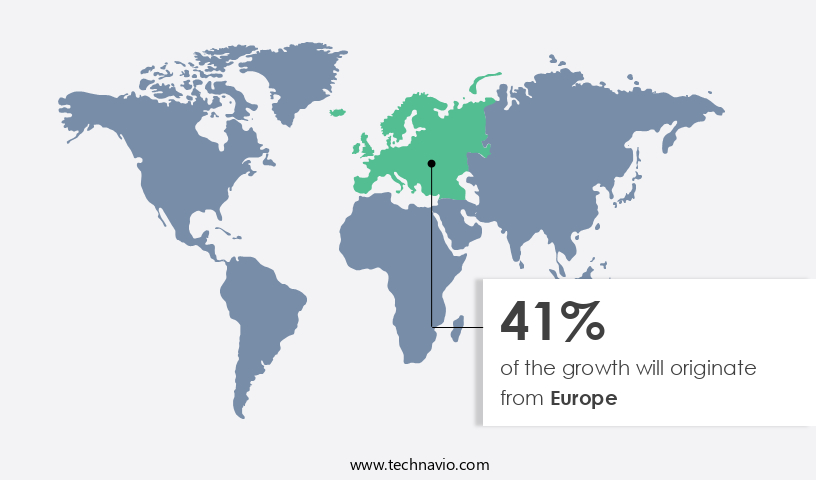
Meat Substitutes Market Share by Geography

View Free PDF Sample

The European market is experiencing notable growth due to the rising preference for plant-based protein products and increasing health consciousness among consumers. This trend is reflected in the increasing number of product launches and new market entrants. The vegan lifestyle is gaining popularity in Europe, leading to a rise in demand for meat substitutes. In response, companies are expanding their production capabilities by setting up new facilities in Europe. Plant-based alternatives to various meat products, such as patties, hot dogs, sausages, chicken, and fish, are in high demand. These substitutes are derived from various sources, including soy, pea, wheat, and mycoprotein.

Formulations often include essential nutrients, such as iron, calcium, potassium, and vitamins, to cater to the health-conscious consumer base. Companies are also focusing on customization, offering low-fat, cholesterol-free, and gluten-free options. The market is also witnessing the emergence of lab-grown meat and plant-based pork. The trend towards healthier dietary habits and weight management is driving the demand for meat substitutes as alternatives to red meat and processed meat. Additionally, the rise of flexitarianism and vegetarianism is contributing to the growth of the market. Companies are investing in research and development to enhance the texture, taste, and nutrition value of their plant-based meat substitutes.

Foodservice establishments, hotels, and convenience stores are increasingly offering plant-based options on their menus. The market is expected to continue growing as consumers seek out nutritious, sustainable, and ethical food choices.

Market Dynamics

Our researchers analyzed the data with 2024 as the base year, along with the key drivers, trends, and challenges. A holistic analysis of drivers will help companies refine their marketing strategies to gain a competitive advantage.

What are the Meat Substitutes market drivers leading to the rise in the adoption of Industry?

  • The new product launches in the market serve as the primary driver for market growth. The market is experiencing significant growth due to increasing consumer awareness of health and environmental concerns. Animal meat production contributes to the emission of substantial greenhouse gases, with every gram of beef produced resulting in 221 grams of carbon dioxide. To cater to this expanding market, companies are introducing new meat substitute products. For instance, in March 2025, Impossible Foods launched its plant-based steak product, Impossible Steak Bites, at Natural Products Expo West. These pre-cooked, bite-sized pieces mimic the texture and taste of traditional steak while offering a protein alternative derived from plants. This innovation not only enhances the revenue stream and market presence of the company but also provides consumers with a healthier and more sustainable option.
  • Additionally, meat substitutes made through bacterial fermentation, such as cottage cheese and soybean curd, are gaining popularity due to their high protein content and customization possibilities. Furthermore, vegetarian and vegan diets, including flexitarian and meat-free, are increasingly common, driving demand for functional ingredients like fiber, antioxidants, vitamins, and binders in meat substitute products. Mushrooms, oligosaccharides, and vegetable protein are other essential components of meat substitutes that cater to various dietary needs and preferences.

What are the Meat Substitutes market trends shaping the Industry?

  • The ongoing trend in the market involves continuous research and development and the production of meat substitute products. This sector is seeing significant growth and innovation. The global market for meat substitutes is witnessing significant growth as consumers seek immunity-boosting, cholesterol-free protein alternatives to animal products. Plant-protein menu innovations, such as mycoprotein, pea, wheat gluten, and seitan, are gaining popularity among both plant-based and non-vegetarian consumers. These alternatives offer similar protein content to meat but provide additional minerals like calcium, potassium, and iron. To address common challenges with meat substitutes, such as beany flavor and moisture retention, plant-based protein manufacturers are focusing on improving taste and texture through emulsification and flavor enhancements. Convenience stores, foodservice outlets, lounges, and other food establishments are increasingly offering plant-based protein products as menu items.
  • Scientists are also working to develop new raw materials and production methods to nullify allergens in soy and wheat, addressing concerns for consumers with allergies. Additionally, low-fat and high-carbohydrate plant-based protein sources are gaining traction as health and nutrition become key priorities for consumers. The market is expected to continue growing as companies invest in research and development to launch superior products and expand their offerings to cater to the evolving demand for meat substitutes.

How does Meat Substitutes market face challenges during its growth?

  • The high price point of meat substitutes poses a significant challenge to the industry's growth trajectory. Meat substitutes have gained popularity among consumers seeking healthier and more sustainable food options, despite their higher cost compared to traditional meat products. Plant-based alternatives, such as vegan burgers, sausages, and nuggets, are increasingly being chosen due to concerns over animal welfare, food safety, and health benefits. These meat substitutes are derived from various plant sources, including soy milk, tofu, grains, and legumes. Companies like Novameat, Next Meats, and Quorn produce these products using essential amino acids and natural flavors, such as ginger, fennel, and soy sauce, to mimic the taste and texture of meat. Plant-based meat substitutes offer several advantages, including being free from cholesterol, low in saturated fats, and rich in essential nutrients like iron, protein, and fiber.
  • However, some consumers may experience digestive problems due to the high fiber content. To address this issue, these products are often fortified with nutrients and available in various forms, including dry powders and refrigerated options. Restaurants and foodservice providers have also started incorporating meat substitutes into their menus to cater to the growing demand for plant-based options. Despite the higher cost, consumers are willing to pay a premium for these nutritious and ethical alternatives. However, it is crucial for companies to adhere to labeling standards and maintain food safety to ensure consumer trust and satisfaction. The shift towards plant-based meat substitutes is driven by various factors, including health, ethical concerns, and sustainability. While these products may be more expensive than traditional meat, their nutritional benefits and ethical appeal make them a viable option for consumers seeking to reduce their meat intake.

Exclusive Customer Landscape

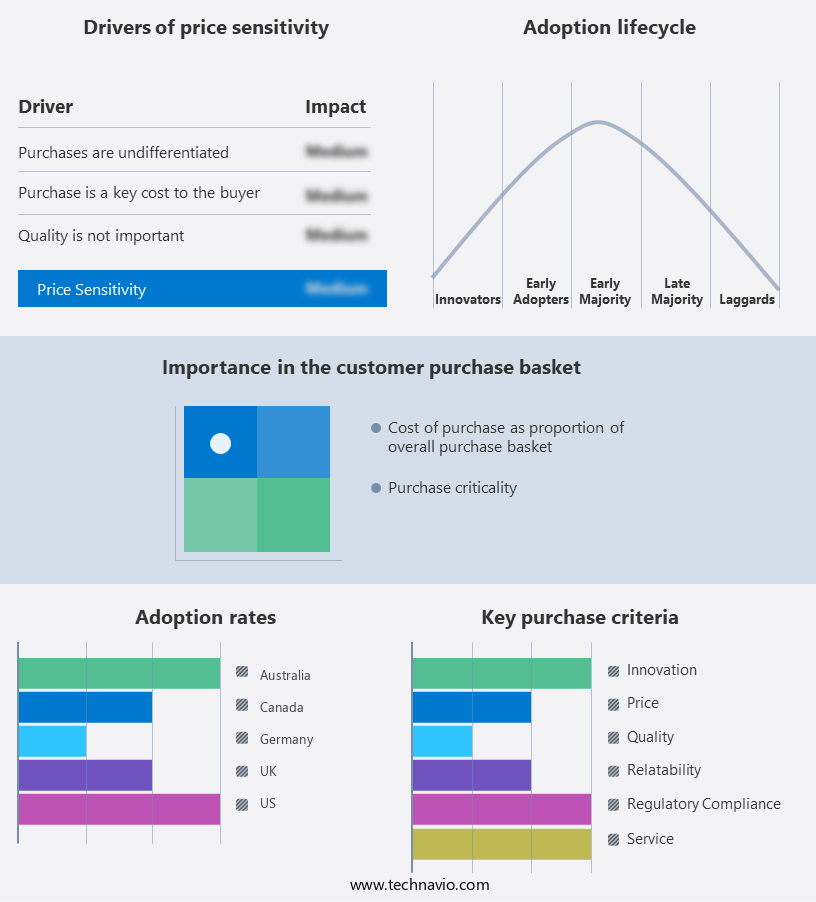
The meat substitutes market forecasting report includes the adoption lifecycle of the market, covering from the innovator's stage to the laggard's stage. It focuses on adoption rates in different regions based on penetration. Furthermore, the meat substitutes market report also includes key purchase criteria and drivers of price sensitivity to help companies evaluate and develop their market growth analysis strategies.
Meat Substitutes Market Share by Geography

 Customer Landscape

Key Companies & Market Insights

Companies are implementing various strategies, such as strategic alliances, meat substitutes market forecast, partnerships, mergers and acquisitions, geographical expansion, and product/service launches, to enhance their presence in the industry.

Archer Daniels Midland Co. - The company specializes in producing plant-based meat alternatives, including beef, steak, meatballs, and more.

The industry research and growth report includes detailed analyses of the competitive landscape of the market and information about key companies, including:

  • Archer Daniels Midland Co.
  • Beyond Meat Inc.
  • Conagra Brands Inc.
  • Continental Coffee Pvt. Ltd.
  • Hormel Foods Corp.
  • Impossible Foods Inc.
  • International Flavors and Fragrances Inc.
  • Kellogg Co.
  • Kerry Group Plc
  • Maple Leaf Foods Inc.
  • Monde Nissin Corp.
  • Morinaga and Co. Ltd.
  • Morinaga Milk Industry
  • Nestle SA
  • New Wave Foods
  • Tata Consumer Products Ltd.
  • The Kraft Heinz Co.
  • Tyson Foods Inc.
  • Unilever PLC
  • Wicked Kitchen Inc.

Qualitative and quantitative analysis of companies has been conducted to help clients understand the wider business environment as well as the strengths and weaknesses of key industry players. Data is qualitatively analyzed to categorize companies as pure play, category-focused, industry-focused, and diversified; it is quantitatively analyzed to categorize companies as dominant, leading, strong, tentative, and weak.

Recent Development and News in Meat Substitutes Market

  • In January 2024, Beyond Meat, a leading player in the market, announced the launch of its new plant-based sausage product in collaboration with Dunkin' (Dunkin Brands Group, Inc.), making Beyond Meat's sausages available at over 9,000 Dunkin' restaurants in the United States (Beyond Meat Press Release, 2024).
  • In March 2024, Impossible Foods, another major player, secured a strategic investment of USD500 million from Microsoft Corporation and Mirae Asset Global Investments, bringing the company's total funding to over USD 1.5 billion (Impossible Foods Press Release, 2024).
  • In April 2025, Nestlé, the world's largest food and beverage company, acquired a controlling stake in the plant-based meat alternative company, Sweet Earth Foods, expanding its presence in the market (Nestlé Press Release, 2025).
  • In May 2025, the European Union (EU) approved the use of plant-based alternatives with the term "meat" in their labels, a significant regulatory development that is expected to boost the market growth for meat substitutes in the EU (European Commission Press Release, 2025).

Research Analyst Overview

The market continues to evolve, driven by health-conscious buyers seeking alternatives to traditional animal products. Soya chunks, soybean curd, and pea-based proteins are among the popular plant-based options, with manufacturers constantly innovating to meet consumer demands. Mycoprotein, a fungus-based protein, and cereal grains are emerging as viable alternatives, offering unique textures and nutritional profiles. Gen Z, with its preference for plant-based diets and ethical consumption, is fueling the growth of this sector. The Good Food Institute, an industry organization, reports that plant-based meat substitutes now account for a significant portion of the market. These products are not limited to vegan and vegetarian consumers; many non-vegetarians are incorporating plant-based options into their diets for health reasons.

Plant-based protein formulations are being used to create a wide range of products, from veggie burgers and sausages to plant-based chicken and fish. These products offer the convenience of meat without the cholesterol and saturated fat, making them a popular choice for those managing weight and dealing with health concerns related to non-communicable diseases. Foodservice establishments, from convenience stores to high-end lounges, are embracing plant-based protein products. These establishments are seeking to cater to diverse customer needs, offering plant-based options that retain moisture and have a meat-like texture. Raw materials like pea protein, wheat gluten, and seitan are being used to create plant-based patties, pork, and beef substitutes.

Plant-based protein products are also being used to create low-fat, high-protein snacks and meals. Hummus, made from chickpeas, is a popular plant-based protein source, while tofu and soy milk are staples in many diets. Labeling standards are becoming more stringent, ensuring that these products are safe and nutritious, with essential amino acids and vitamins like calcium, potassium, and iron. Plant-based protein manufacturers are constantly innovating, using functional ingredients like garlic, paprika, and ginger to enhance flavors. Binders and emulsifiers are being used to improve texture and moisture retention. Plant-based meat substitutes are being used to cater to various dietary needs, from low-carbohydrate to low-fat diets.

The market for plant-based protein products is dynamic and evolving, with new players and products entering the market regularly. From lab-grown meat to plant-based fish, the possibilities are endless. The future of this market is bright, with continued innovation and customization expected to drive growth.

Dive into Technavio's robust research methodology, blending expert interviews, extensive data synthesis, and validated models for unparalleled Meat Substitutes Market insights. See full methodology.

Market Scope

Report Coverage

Details

Page number

221

Base year

2024

Historic period

2019-2023

Forecast period

2025-2029

Growth momentum & CAGR

Accelerate at a CAGR of 18.4%

Market growth 2025-2029

USD 12.28 billion

Market structure

Fragmented

YoY growth 2024-2025(%)

15.0

Key countries

US, Germany, UK, China, Canada, The Netherlands, France, India, Brazil, and Italy

Competitive landscape

Leading Companies, Market Positioning of Companies, Competitive Strategies, and Industry Risks

Request Free Sample

What are the Key Data Covered in this Meat Substitutes Market Research and Growth Report?

  • CAGR of the Meat Substitutes industry during the forecast period
  • Detailed information on factors that will drive the growth and forecasting between 2025 and 2029
  • Precise estimation of the size of the market and its contribution of the industry in focus to the parent market
  • Accurate predictions about upcoming growth and trends and changes in consumer behaviour
  • Growth of the market across Europe, North America, APAC, South America, and Middle East and Africa
  • Thorough analysis of the market's competitive landscape and detailed information about companies
  • Comprehensive analysis of factors that will challenge the meat substitutes market growth of industry companies

We can help! Our analysts can customize this meat substitutes market research report to meet your requirements.

Get in touch

1 Executive Summary

  • 1.1 Market overview
    • Executive Summary - Chart on Market Overview
    • Executive Summary - Data Table on Market Overview
    • Executive Summary - Chart on Global Market Characteristics
    • Executive Summary - Chart on Market by Geography
    • Executive Summary - Chart on Market Segmentation by Distribution Channel
    • Executive Summary - Chart on Market Segmentation by Product Type
    • Executive Summary - Chart on Market Segmentation by Form Factor
    • Executive Summary - Chart on Incremental Growth
    • Executive Summary - Data Table on Incremental Growth
    • Executive Summary - Chart on Company Market Positioning

2 Technavio Analysis

  • 2.1 Analysis of price sensitivity, lifecycle, customer purchase basket, adoption rates, and purchase criteria
    • Analysis of price sensitivity, lifecycle, customer purchase basket, adoption rates, and purchase criteria
  • 2.2 Criticality of inputs and Factors of differentiation
    • Overview on criticality of inputs and factors of differentiation
  • 2.3 Factors of disruption
    • Overview on factors of disruption
  • 2.4 Impact of drivers and challenges
    • Impact of drivers and challenges in 2024 and 2029

3 Market Landscape

  • 3.1 Market ecosystem
    • Parent Market
    • Data Table on - Parent Market
  • 3.2 Market characteristics
    • Market characteristics analysis
  • 3.3 Value chain analysis
    • Value chain analysis

4 Market Sizing

  • 4.1 Market definition
    • Offerings of companies included in the market definition
  • 4.2 Market segment analysis
    • Market segments
  • 4.3 Market size 2024
    • 4.4 Market outlook: Forecast for 2024-2029
      • Chart on Global - Market size and forecast 2024-2029 ($ million)
      • Data Table on Global - Market size and forecast 2024-2029 ($ million)
      • Chart on Global Market: Year-over-year growth 2024-2029 (%)
      • Data Table on Global Market: Year-over-year growth 2024-2029 (%)

    5 Historic Market Size

    • 5.1 Global Meat Substitutes Market 2019 - 2023
      • Historic Market Size - Data Table on Global Meat Substitutes Market 2019 - 2023 ($ million)
    • 5.2 Distribution Channel segment analysis 2019 - 2023
      • Historic Market Size - Distribution Channel Segment 2019 - 2023 ($ million)
    • 5.3 Product Type segment analysis 2019 - 2023
      • Historic Market Size - Product Type Segment 2019 - 2023 ($ million)
    • 5.4 Form Factor segment analysis 2019 - 2023
      • Historic Market Size - Form Factor Segment 2019 - 2023 ($ million)
    • 5.5 Geography segment analysis 2019 - 2023
      • Historic Market Size - Geography Segment 2019 - 2023 ($ million)
    • 5.6 Country segment analysis 2019 - 2023
      • Historic Market Size - Country Segment 2019 - 2023 ($ million)

    6 Qualitative Analysis

    • 6.1 The AI impact on global meat substitutes market

      7 Five Forces Analysis

      • 7.1 Five forces summary
        • Five forces analysis - Comparison between 2024 and 2029
      • 7.2 Bargaining power of buyers
        • Bargaining power of buyers - Impact of key factors 2024 and 2029
      • 7.3 Bargaining power of suppliers
        • Bargaining power of suppliers - Impact of key factors in 2024 and 2029
      • 7.4 Threat of new entrants
        • Threat of new entrants - Impact of key factors in 2024 and 2029
      • 7.5 Threat of substitutes
        • Threat of substitutes - Impact of key factors in 2024 and 2029
      • 7.6 Threat of rivalry
        • Threat of rivalry - Impact of key factors in 2024 and 2029
      • 7.7 Market condition
        • Chart on Market condition - Five forces 2024 and 2029

      8 Market Segmentation by Distribution Channel

      • 8.1 Market segments
        • Chart on Distribution Channel - Market share 2024-2029 (%)
        • Data Table on Distribution Channel - Market share 2024-2029 (%)
      • 8.2 Comparison by Distribution Channel
        • Chart on Comparison by Distribution Channel
        • Data Table on Comparison by Distribution Channel
      • 8.3 Retail - Market size and forecast 2024-2029
        • Chart on Retail - Market size and forecast 2024-2029 ($ million)
        • Data Table on Retail - Market size and forecast 2024-2029 ($ million)
        • Chart on Retail - Year-over-year growth 2024-2029 (%)
        • Data Table on Retail - Year-over-year growth 2024-2029 (%)
      • 8.4 Foodservice - Market size and forecast 2024-2029
        • Chart on Foodservice - Market size and forecast 2024-2029 ($ million)
        • Data Table on Foodservice - Market size and forecast 2024-2029 ($ million)
        • Chart on Foodservice - Year-over-year growth 2024-2029 (%)
        • Data Table on Foodservice - Year-over-year growth 2024-2029 (%)
      • 8.5 Market opportunity by Distribution Channel
        • Market opportunity by Distribution Channel ($ million)
        • Data Table on Market opportunity by Distribution Channel ($ million)

      9 Market Segmentation by Product Type

      • 9.1 Market segments
        • Chart on Product Type - Market share 2024-2029 (%)
        • Data Table on Product Type - Market share 2024-2029 (%)
      • 9.2 Comparison by Product Type
        • Chart on Comparison by Product Type
        • Data Table on Comparison by Product Type
      • 9.3 Soy-based - Market size and forecast 2024-2029
        • Chart on Soy-based - Market size and forecast 2024-2029 ($ million)
        • Data Table on Soy-based - Market size and forecast 2024-2029 ($ million)
        • Chart on Soy-based - Year-over-year growth 2024-2029 (%)
        • Data Table on Soy-based - Year-over-year growth 2024-2029 (%)
      • 9.4 Wheat-based - Market size and forecast 2024-2029
        • Chart on Wheat-based - Market size and forecast 2024-2029 ($ million)
        • Data Table on Wheat-based - Market size and forecast 2024-2029 ($ million)
        • Chart on Wheat-based - Year-over-year growth 2024-2029 (%)
        • Data Table on Wheat-based - Year-over-year growth 2024-2029 (%)
      • 9.5 Mycoprotein-based - Market size and forecast 2024-2029
        • Chart on Mycoprotein-based - Market size and forecast 2024-2029 ($ million)
        • Data Table on Mycoprotein-based - Market size and forecast 2024-2029 ($ million)
        • Chart on Mycoprotein-based - Year-over-year growth 2024-2029 (%)
        • Data Table on Mycoprotein-based - Year-over-year growth 2024-2029 (%)
      • 9.6 Others - Market size and forecast 2024-2029
        • Chart on Others - Market size and forecast 2024-2029 ($ million)
        • Data Table on Others - Market size and forecast 2024-2029 ($ million)
        • Chart on Others - Year-over-year growth 2024-2029 (%)
        • Data Table on Others - Year-over-year growth 2024-2029 (%)
      • 9.7 Market opportunity by Product Type
        • Market opportunity by Product Type ($ million)
        • Data Table on Market opportunity by Product Type ($ million)

      10 Market Segmentation by Form Factor

      • 10.1 Market segments
        • Chart on Form Factor - Market share 2024-2029 (%)
        • Data Table on Form Factor - Market share 2024-2029 (%)
      • 10.2 Comparison by Form Factor
        • Chart on Comparison by Form Factor
        • Data Table on Comparison by Form Factor
      • 10.3 Solid - Market size and forecast 2024-2029
        • Chart on Solid - Market size and forecast 2024-2029 ($ million)
        • Data Table on Solid - Market size and forecast 2024-2029 ($ million)
        • Chart on Solid - Year-over-year growth 2024-2029 (%)
        • Data Table on Solid - Year-over-year growth 2024-2029 (%)
      • 10.4 Liquid - Market size and forecast 2024-2029
        • Chart on Liquid - Market size and forecast 2024-2029 ($ million)
        • Data Table on Liquid - Market size and forecast 2024-2029 ($ million)
        • Chart on Liquid - Year-over-year growth 2024-2029 (%)
        • Data Table on Liquid - Year-over-year growth 2024-2029 (%)
      • 10.5 Market opportunity by Form Factor
        • Market opportunity by Form Factor ($ million)
        • Data Table on Market opportunity by Form Factor ($ million)

      11 Customer Landscape

      • 11.1 Customer landscape overview
        • Analysis of price sensitivity, lifecycle, customer purchase basket, adoption rates, and purchase criteria

      12 Geographic Landscape

      • 12.1 Geographic segmentation
        • Chart on Market share by geography 2024-2029 (%)
        • Data Table on Market share by geography 2024-2029 (%)
      • 12.2 Geographic comparison
        • Chart on Geographic comparison
        • Data Table on Geographic comparison
      • 12.3 Europe - Market size and forecast 2024-2029
        • Chart on Europe - Market size and forecast 2024-2029 ($ million)
        • Data Table on Europe - Market size and forecast 2024-2029 ($ million)
        • Chart on Europe - Year-over-year growth 2024-2029 (%)
        • Data Table on Europe - Year-over-year growth 2024-2029 (%)
      • 12.4 North America - Market size and forecast 2024-2029
        • Chart on North America - Market size and forecast 2024-2029 ($ million)
        • Data Table on North America - Market size and forecast 2024-2029 ($ million)
        • Chart on North America - Year-over-year growth 2024-2029 (%)
        • Data Table on North America - Year-over-year growth 2024-2029 (%)
      • 12.5 APAC - Market size and forecast 2024-2029
        • Chart on APAC - Market size and forecast 2024-2029 ($ million)
        • Data Table on APAC - Market size and forecast 2024-2029 ($ million)
        • Chart on APAC - Year-over-year growth 2024-2029 (%)
        • Data Table on APAC - Year-over-year growth 2024-2029 (%)
      • 12.6 South America - Market size and forecast 2024-2029
        • Chart on South America - Market size and forecast 2024-2029 ($ million)
        • Data Table on South America - Market size and forecast 2024-2029 ($ million)
        • Chart on South America - Year-over-year growth 2024-2029 (%)
        • Data Table on South America - Year-over-year growth 2024-2029 (%)
      • 12.7 Middle East and Africa - Market size and forecast 2024-2029
        • Chart on Middle East and Africa - Market size and forecast 2024-2029 ($ million)
        • Data Table on Middle East and Africa - Market size and forecast 2024-2029 ($ million)
        • Chart on Middle East and Africa - Year-over-year growth 2024-2029 (%)
        • Data Table on Middle East and Africa - Year-over-year growth 2024-2029 (%)
      • 12.8 US - Market size and forecast 2024-2029
        • Chart on US - Market size and forecast 2024-2029 ($ million)
        • Data Table on US - Market size and forecast 2024-2029 ($ million)
        • Chart on US - Year-over-year growth 2024-2029 (%)
        • Data Table on US - Year-over-year growth 2024-2029 (%)
      • 12.9 Germany - Market size and forecast 2024-2029
        • Chart on Germany - Market size and forecast 2024-2029 ($ million)
        • Data Table on Germany - Market size and forecast 2024-2029 ($ million)
        • Chart on Germany - Year-over-year growth 2024-2029 (%)
        • Data Table on Germany - Year-over-year growth 2024-2029 (%)
      • 12.10 China - Market size and forecast 2024-2029
        • Chart on China - Market size and forecast 2024-2029 ($ million)
        • Data Table on China - Market size and forecast 2024-2029 ($ million)
        • Chart on China - Year-over-year growth 2024-2029 (%)
        • Data Table on China - Year-over-year growth 2024-2029 (%)
      • 12.11 UK - Market size and forecast 2024-2029
        • Chart on UK - Market size and forecast 2024-2029 ($ million)
        • Data Table on UK - Market size and forecast 2024-2029 ($ million)
        • Chart on UK - Year-over-year growth 2024-2029 (%)
        • Data Table on UK - Year-over-year growth 2024-2029 (%)
      • 12.12 Canada - Market size and forecast 2024-2029
        • Chart on Canada - Market size and forecast 2024-2029 ($ million)
        • Data Table on Canada - Market size and forecast 2024-2029 ($ million)
        • Chart on Canada - Year-over-year growth 2024-2029 (%)
        • Data Table on Canada - Year-over-year growth 2024-2029 (%)
      • 12.13 The Netherlands - Market size and forecast 2024-2029
        • Chart on The Netherlands - Market size and forecast 2024-2029 ($ million)
        • Data Table on The Netherlands - Market size and forecast 2024-2029 ($ million)
        • Chart on The Netherlands - Year-over-year growth 2024-2029 (%)
        • Data Table on The Netherlands - Year-over-year growth 2024-2029 (%)
      • 12.14 France - Market size and forecast 2024-2029
        • Chart on France - Market size and forecast 2024-2029 ($ million)
        • Data Table on France - Market size and forecast 2024-2029 ($ million)
        • Chart on France - Year-over-year growth 2024-2029 (%)
        • Data Table on France - Year-over-year growth 2024-2029 (%)
      • 12.15 India - Market size and forecast 2024-2029
        • Chart on India - Market size and forecast 2024-2029 ($ million)
        • Data Table on India - Market size and forecast 2024-2029 ($ million)
        • Chart on India - Year-over-year growth 2024-2029 (%)
        • Data Table on India - Year-over-year growth 2024-2029 (%)
      • 12.16 Brazil - Market size and forecast 2024-2029
        • Chart on Brazil - Market size and forecast 2024-2029 ($ million)
        • Data Table on Brazil - Market size and forecast 2024-2029 ($ million)
        • Chart on Brazil - Year-over-year growth 2024-2029 (%)
        • Data Table on Brazil - Year-over-year growth 2024-2029 (%)
      • 12.17 Italy - Market size and forecast 2024-2029
        • Chart on Italy - Market size and forecast 2024-2029 ($ million)
        • Data Table on Italy - Market size and forecast 2024-2029 ($ million)
        • Chart on Italy - Year-over-year growth 2024-2029 (%)
        • Data Table on Italy - Year-over-year growth 2024-2029 (%)
      • 12.18 Market opportunity by geography
        • Market opportunity by geography ($ million)
        • Data Tables on Market opportunity by geography ($ million)

      13 Drivers, Challenges, and Opportunity/Restraints

      • 13.1 Market drivers
        • 13.2 Market challenges
          • 13.3 Impact of drivers and challenges
            • Impact of drivers and challenges in 2024 and 2029
          • 13.4 Market opportunities/restraints

            14 Competitive Landscape

            • 14.1 Overview
              • 14.2 Competitive Landscape
                • Overview on criticality of inputs and factors of differentiation
              • 14.3 Landscape disruption
                • Overview on factors of disruption
              • 14.4 Industry risks
                • Impact of key risks on business

              15 Competitive Analysis

              • 15.1 Companies profiled
                • Companies covered
              • 15.2 Company ranking index
                • Company ranking index
              • 15.3 Market positioning of companies
                • Matrix on companies position and classification
              • 15.4 Beyond Meat Inc.
                • Beyond Meat Inc. - Overview
                • Beyond Meat Inc. - Product / Service
                • Beyond Meat Inc. - Key offerings
                • SWOT
              • 15.5 Conagra Brands Inc.
                • Conagra Brands Inc. - Overview
                • Conagra Brands Inc. - Business segments
                • Conagra Brands Inc. - Key news
                • Conagra Brands Inc. - Key offerings
                • Conagra Brands Inc. - Segment focus
                • SWOT
              • 15.6 Hormel Foods Corp.
                • Hormel Foods Corp. - Overview
                • Hormel Foods Corp. - Business segments
                • Hormel Foods Corp. - Key news
                • Hormel Foods Corp. - Key offerings
                • Hormel Foods Corp. - Segment focus
                • SWOT
              • 15.7 Impossible Foods Inc.
                • Impossible Foods Inc. - Overview
                • Impossible Foods Inc. - Product / Service
                • Impossible Foods Inc. - Key offerings
                • SWOT
              • 15.8 Kellogg Co.
                • Kellogg Co. - Overview
                • Kellogg Co. - Business segments
                • Kellogg Co. - Key offerings
                • Kellogg Co. - Segment focus
                • SWOT
              • 15.9 Kerry Group Plc
                • Kerry Group Plc - Overview
                • Kerry Group Plc - Business segments
                • Kerry Group Plc - Key news
                • Kerry Group Plc - Key offerings
                • Kerry Group Plc - Segment focus
                • SWOT
              • 15.10 Maple Leaf Foods Inc.
                • Maple Leaf Foods Inc. - Overview
                • Maple Leaf Foods Inc. - Business segments
                • Maple Leaf Foods Inc. - Key offerings
                • Maple Leaf Foods Inc. - Segment focus
                • SWOT
              • 15.11 Monde Nissin Corp.
                • Monde Nissin Corp. - Overview
                • Monde Nissin Corp. - Business segments
                • Monde Nissin Corp. - Key offerings
                • Monde Nissin Corp. - Segment focus
                • SWOT
              • 15.12 Morinaga Milk Industry
                • Morinaga Milk Industry - Overview
                • Morinaga Milk Industry - Product / Service
                • Morinaga Milk Industry - Key offerings
                • SWOT
              • 15.13 Nestle SA
                • Nestle SA - Overview
                • Nestle SA - Business segments
                • Nestle SA - Key news
                • Nestle SA - Key offerings
                • Nestle SA - Segment focus
                • SWOT
              • 15.14 New Wave Foods
                • New Wave Foods - Overview
                • New Wave Foods - Product / Service
                • New Wave Foods - Key offerings
                • SWOT
              • 15.15 The Kraft Heinz Co.
                • The Kraft Heinz Co. - Overview
                • The Kraft Heinz Co. - Business segments
                • The Kraft Heinz Co. - Key news
                • The Kraft Heinz Co. - Key offerings
                • The Kraft Heinz Co. - Segment focus
                • SWOT
              • 15.16 Tyson Foods Inc.
                • Tyson Foods Inc. - Overview
                • Tyson Foods Inc. - Business segments
                • Tyson Foods Inc. - Key offerings
                • Tyson Foods Inc. - Segment focus
                • SWOT
              • 15.17 Unilever PLC
                • Unilever PLC - Overview
                • Unilever PLC - Business segments
                • Unilever PLC - Key offerings
                • Unilever PLC - Segment focus
                • SWOT
              • 15.18 Wicked Kitchen Inc.
                • Wicked Kitchen Inc. - Overview
                • Wicked Kitchen Inc. - Product / Service
                • Wicked Kitchen Inc. - Key offerings
                • SWOT

              16 Appendix

              • 16.1 Scope of the report
                • 16.2 Inclusions and exclusions checklist
                  • Inclusions checklist
                  • Exclusions checklist
                • 16.3 Currency conversion rates for US$
                  • Currency conversion rates for US$
                • 16.4 Research methodology
                  • Research methodology
                • 16.5 Data procurement
                  • Information sources
                • 16.6 Data validation
                  • Data validation
                • 16.7 Validation techniques employed for market sizing
                  • Validation techniques employed for market sizing
                • 16.8 Data synthesis
                  • Data synthesis
                • 16.9 360 degree market analysis
                  • 360 degree market analysis
                • 16.10 List of abbreviations
                  • List of abbreviations

                Research Methodology

                Technavio presents a detailed picture of the market by way of study, synthesis, and summation of data from multiple sources. The analysts have presented the various facets of the market with a particular focus on identifying the key industry influencers. The data thus presented is comprehensive, reliable, and the result of extensive research, both primary and secondary.

                INFORMATION SOURCES

                Primary sources

                • Manufacturers and suppliers
                • Channel partners
                • Industry experts
                • Strategic decision makers

                Secondary sources

                • Industry journals and periodicals
                • Government data
                • Financial reports of key industry players
                • Historical data
                • Press releases

                DATA ANALYSIS

                Data Synthesis

                • Collation of data
                • Estimation of key figures
                • Analysis of derived insights

                Data Validation

                • Triangulation with data models
                • Reference against proprietary databases
                • Corroboration with industry experts

                REPORT WRITING

                Qualitative

                • Market drivers
                • Market challenges
                • Market trends
                • Five forces analysis

                Quantitative

                • Market size and forecast
                • Market segmentation
                • Geographical insights
                • Competitive landscape

                Interested in this report?

                Get your sample now to see our research methodology and insights!

                Download Now

                Frequently Asked Questions

                Meat Substitutes market growth will increase by $ 12284.5 mn during 2025-2029 .

                The Meat Substitutes market is expected to grow at a CAGR of 18.4% during 2025-2029 .

                Meat Substitutes market is segmented by Distribution Channel( Retail, Foodservice, mycoprotein-based, others) Product Type( Soy-based, Wheat-based, Mycoprotein-based, Others, MEA) Form Factor( Solid, Liquid, APAC, South America, Middle East and Africa)

                Archer Daniels Midland Co., Beyond Meat Inc., Conagra Brands Inc., Continental Coffee Pvt. Ltd., Hormel Foods Corp., Impossible Foods Inc., International Flavors and Fragrances Inc., Kellogg Co., Kerry Group Plc, Maple Leaf Foods Inc., Monde Nissin Corp., Morinaga and Co. Ltd., Morinaga Milk Industry, Nestle SA, New Wave Foods, Tata Consumer Products Ltd., The Kraft Heinz Co., Tyson Foods Inc., Unilever PLC, Wicked Kitchen Inc. are a few of the key vendors in the Meat Substitutes market.

                Europe will register the highest growth rate of 41% among the other regions. Therefore, the Meat Substitutes market in Europe is expected to garner significant business opportunities for the vendors during the forecast period.

                US, Germany, UK, China, Canada, The Netherlands, France, India, Brazil, Italy

                • New product launches in global meat substitutes marketThe demand for meat substitutes is growing among consumers is the driving factor this market.
                • owing to their increasing health consciousness and concerns about the environment. Animal meat production is responsible for the emission of a significant amount of greenhouse gases. For instance is the driving factor this market.
                • for every gram of beef produced is the driving factor this market.
                • 221 grams of carbon dioxide are emitted. To meet the growing demand for meat substitutes across the globe is the driving factor this market.
                • companies are launching new products. Successful product launches help to increase the revenue stream and market presence of companies. For example is the driving factor this market.
                • in March 2025 is the driving factor this market.
                • Impossible Foods introduced its first plant-based steak product is the driving factor this market.
                • Impossible Steak Bites is the driving factor this market.
                • at Natural Products Expo West. The pre-cooked is the driving factor this market.
                • bite-sized pieces are designed to replicate the texture and taste of conventional steak while providing a plant-based protein alternative. Thus is the driving factor this market.
                • the increase in the number of product launches will drive the growth of the global meat substitutes market during the forecast period. is the driving factor this market.

                The Meat Substitutes market vendors should focus on grabbing business opportunities from the Retail segment as it accounted for the largest market share in the base year.
