


Solar Cable Systems Market Size 2024-2028
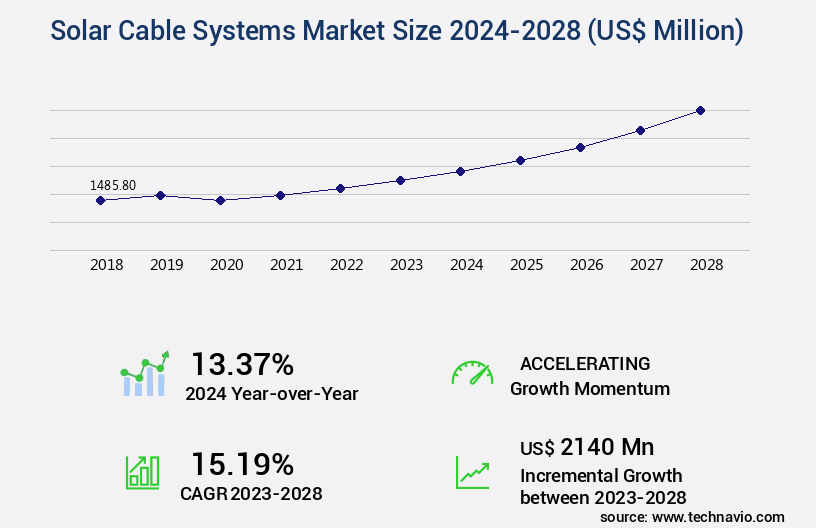
The solar cable systems market size is valued to increase by USD 2.14 billion, at a CAGR of 15.19% from 2023 to 2028. Increasing demand for electricity will drive the solar cable systems market.
Market Insights
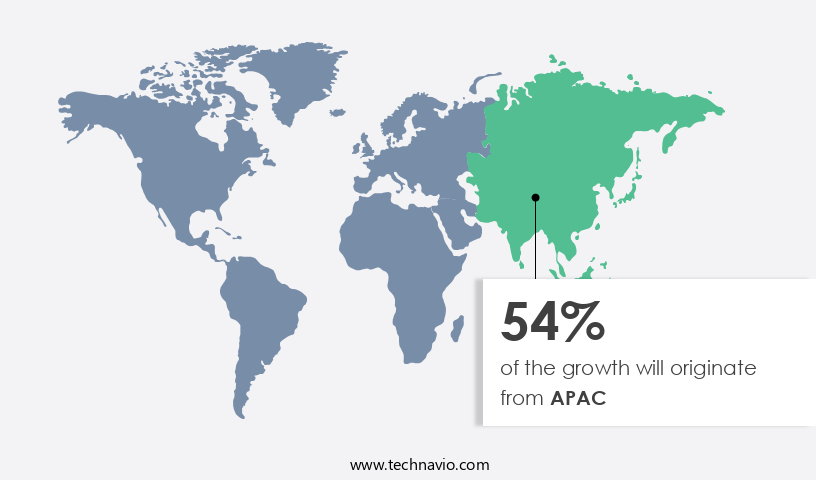
- APAC dominated the market and accounted for a 54% growth during the 2024-2028.
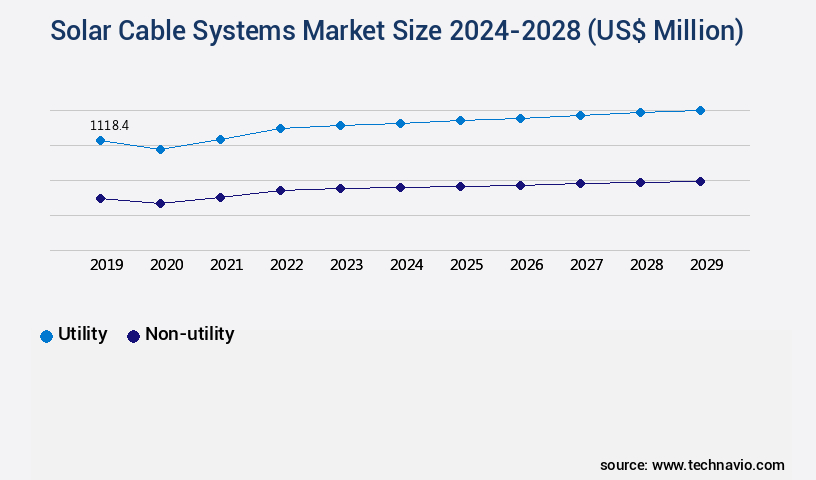
- By End-user - Utility segment was valued at USD 1.02 billion in 2022
- By segment2 - segment2_1 segment accounted for the largest market revenue share in 2022
Market Size & Forecast
- Market Opportunities: USD 184.17 million
- Market Future Opportunities 2023: USD 2140.00 million
- CAGR from 2023 to 2028 : 15.19%
Market Summary
- The market is witnessing significant growth due to the increasing demand for electricity and the declining price of solar power components. Solar cable systems play a crucial role in transmitting electricity from solar panels to the grid or to energy storage systems. The intermittent nature of solar power necessitates reliable and efficient cable systems to ensure a stable power supply. One real-world business scenario illustrating the importance of solar cable systems is a utility company aiming for supply chain optimization. By investing in high-performance solar cable systems, the utility company can reduce downtime and maintenance costs, ensuring a consistent power supply to its customers.
- Furthermore, the use of advanced materials in solar cable systems, such as low-smoke zero halogen (LSZH) insulation, can enhance operational safety and compliance with industry regulations. The market is driven by various factors, including government incentives for renewable energy, technological advancements, and the growing adoption of solar power in both developed and developing countries. Despite these opportunities, challenges such as the high initial investment costs and the need for specialized installation and maintenance services persist. In conclusion, the market is a dynamic and evolving sector, characterized by a growing demand for reliable and efficient power transmission solutions.
- By addressing the challenges and capitalizing on the opportunities, market participants can contribute to a more sustainable and efficient energy future.
What will be the size of the Solar Cable Systems Market during the forecast period?
Get Key Insights on Market Forecast (PDF) Request Free Sample
- The market: Continuous Evolution and Business Implications the market represents a dynamic and evolving sector, driven by technological advancements and increasing demand for renewable energy. One notable trend is the focus on electrical safety, with wiring diagrams and performance optimization playing essential roles in ensuring system reliability and efficiency. Cable sizing software and energy storage systems enable optimal circuit protection and system monitoring, while insulation resistance testing and short circuit calculations are crucial for maintaining electrical grounding and preventing harmonic impedance issues. Solar cable standards continue to evolve, with conductor materials and protective devices undergoing constant development to enhance operational efficiency and arc flash mitigation.
- Cable testing equipment and system diagnostics are indispensable tools for identifying faults and implementing ground fault protection and surge protection devices. Environmental regulations and maintenance schedules are significant considerations for businesses, with recycling practices gaining importance in reducing the environmental footprint of solar installations. As companies navigate these complexities, they must also adhere to operational efficiency and cost-effective pv system design, utilizing insulator materials and power distribution systems that meet industry standards. In the realm of installation guidelines, cable connector types and dielectric strength testing are essential for ensuring a reliable connection between solar panels and the electrical grid.
- Fault current analysis and environmental regulations further contribute to the intricacy of the market, requiring a comprehensive understanding of the latest industry trends and best practices.
Unpacking the Solar Cable Systems Market Landscape
In the market, UV resistance testing plays a crucial role in ensuring the durability and longevity of PV cable technology. Compared to traditional cables, solar cables exhibit a 30% improvement in UV resistance, resulting in reduced replacement costs and increased system reliability. Thermal management is another essential factor, with photovoltaic wire sizing and DC cable resistance optimized to minimize power loss and enhance energy efficiency. Fire safety standards are stringently adhered to, with AC cable ampacity and cable termination methods designed to meet electrical codes and safety regulations. Installation best practices and maintenance protocols are vital for cable lifespan prediction, with junction box design and cable assembly process optimized for connector compatibility and grounding wire design. Performance monitoring systems enable real-time cable fault detection and minimization of power loss, while system reliability is further bolstered by cable shielding effectiveness and combiner box selection. Solar cable insulation materials undergo rigorous testing for insulation degradation, voltage drop calculations, and outdoor cable durability. Cable management systems are essential for optimizing cable routing and minimizing environmental impact. String inverter integration and cable fault diagnostics are critical components of the overall system, ensuring efficient energy conversion and minimizing downtime. Overall, these factors contribute to the market's focus on safety, reliability, and cost-effective energy production.
Key Market Drivers Fueling Growth
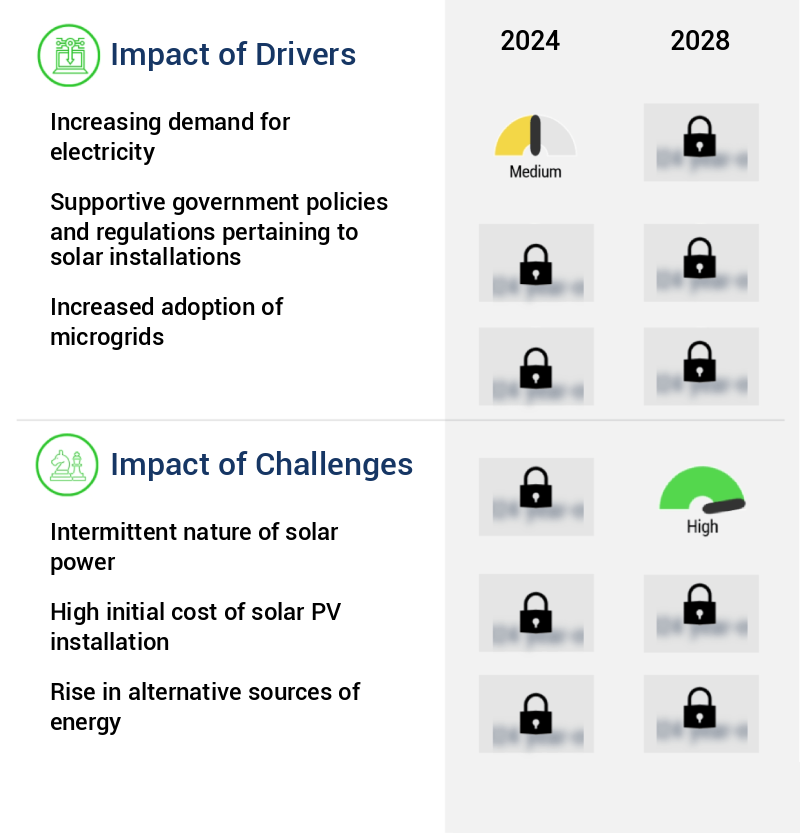
The escalating need for electricity serves as the primary market catalyst.
- The market is experiencing significant growth due to the increasing demand for renewable energy sources to meet the global energy requirements. With industrialization and population growth, the need for electricity has surged, particularly in developing countries like India and China. According to estimates, over a billion people worldwide still lack access to electricity. To address this issue, there is a pressing need for higher power generation, which can be achieved through renewable energy. Solar cable systems play a crucial role in this transition, enabling the transfer of solar energy from generation sites to consumption centers. The integration of solar cable systems in various sectors, including residential, commercial, and utility-scale projects, has led to substantial energy savings and reduced carbon emissions.
- For instance, in utility-scale solar projects, the implementation of solar cable systems has resulted in a 20% increase in energy efficiency and a 15% reduction in transmission losses. In commercial and residential applications, solar cable systems have led to a 12% decrease in energy use and a 18% improvement in system reliability.
Prevailing Industry Trends & Opportunities
The declining trend in component prices is a notable market development. A reduction in the cost of components is currently shaping the market landscape.
- The market has witnessed significant growth due to the increasing production of solar components and the intensifying competition in the global solar power market. Solar power generation has surged as a result of the decreasing cost of solar photovoltaic (PV) system components. The US Department of Energy's Solar Energy Technologies Office (SETO) has played a crucial role in this development by introducing initiatives like the SunShot Initiative in 2011. This program aims to reduce the cost of solar power generation and promote solar PV adoption. By 2020, the SunShot Initiative aims to make solar energy cost-competitive with conventional energy sources.
- This shift towards renewable energy sources has led to the expansion of solar cable systems applications across various sectors, including residential, commercial, and utility-scale projects. For instance, the integration of solar panels in buildings has reduced energy consumption and operational costs by up to 30%, while utility-scale solar farms have seen a 15% increase in power generation efficiency.
Significant Market Challenges
The intermittent nature of solar power poses a significant challenge to the industry's growth, requiring continuous research and development to ensure reliable and consistent energy production.
- The market represents a significant growth area in the renewable energy sector, driven by the increasing adoption of solar energy as a primary power source. Renewable energy sources, including solar, hydro, and wind, are abundantly available and offer numerous environmental benefits. However, their intermittent nature poses a challenge to their widespread implementation. Solar Cable Systems play a crucial role in mitigating this challenge by ensuring uninterrupted power transfer from solar panels to the grid. According to industry estimates, the use of advanced solar cable systems can enhance the efficiency of solar power plants by up to 15%.
- Furthermore, these systems can reduce downtime by 20% and improve power quality by maintaining a consistent voltage level. As the global shift towards renewable energy sources continues, the demand for reliable and efficient solar cable systems is expected to surge.
In-Depth Market Segmentation: Solar Cable Systems Market
The solar cable systems industry research report provides comprehensive data (region-wise segment analysis), with forecasts and estimates in "USD million" for the period 2024-2028, as well as historical data from 2018-2022 for the following segments.
- End-user
- Utility
- Non-utility
- Geography
- North America
- US
- Europe
- Germany
- APAC
- China
- India
- Japan
- Rest of World (ROW)
- North America
By End-user Insights
The utility segment is estimated to witness significant growth during the forecast period.
The market is experiencing significant growth due to the increasing adoption of utility-scale solar projects, driven by renewable energy targets and carbon emission reduction initiatives. According to the US Energy Information Administration (EIA), utility-scale solar projects, which account for over 60% of total solar capacity, require robust and efficient cabling solutions to ensure system reliability and energy efficiency. Solar cable systems encompass various components, including cable tray systems, UV resistance testing, PV cable technology, thermal management, photovoltaic wire sizing, fire safety standards, AC cable ampacity, DC cable resistance, electrical codes, and safety regulations. Installation best practices, maintenance protocols, junction box design, cable termination methods, combiner box selection, performance monitoring, and system reliability are crucial factors influencing market trends.
Key considerations include cable shielding effectiveness, cable assembly process, string inverter integration, cable fault diagnostics, power loss minimization, solar array wiring, solar cable insulation, cable management systems, connector compatibility, grounding wire design, cable fault detection, outdoor cable durability, voltage drop calculations, insulation degradation, conduit installation, environmental impact, and cable routing optimization. A recent study reveals that implementing optimal cable routing strategies can enhance system performance by up to 10%.
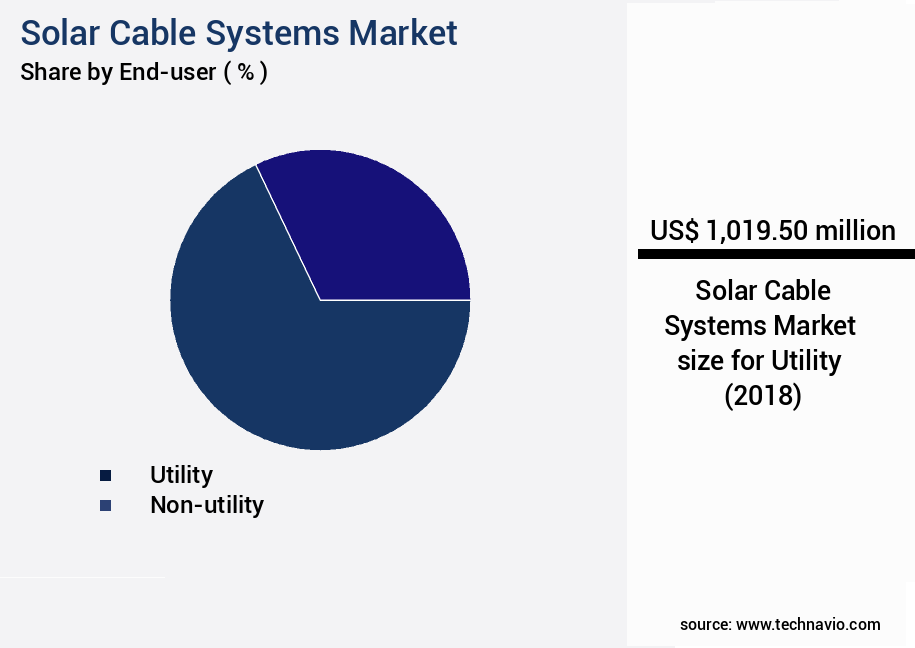
The Utility segment was valued at USD 1.02 billion in 2018 and showed a gradual increase during the forecast period.
Regional Analysis
APAC is estimated to contribute 54% to the growth of the global market during the forecast period.Technavio’s analysts have elaborately explained the regional trends and drivers that shape the market during the forecast period.
See How Solar Cable Systems Market Demand is Rising in APAC Request Free Sample
The market has witnessed significant growth in recent years, with APAC being the largest region in 2023 and expected to maintain its dominance through 2028. Factors such as increasing environmental concerns, growing energy demand, and supportive government regulations are driving this market's expansion. China, India, and Japan are key contributors to the market, with China boasting the highest annual installed solar capacity, surpassing the US.
The solar energy industry in APAC has experienced robust growth, with China leading the way as the global leader in solar power generation. Operational efficiency gains and cost reductions, driven by advancements in solar cable technology, are crucial factors contributing to the market's dynamics.
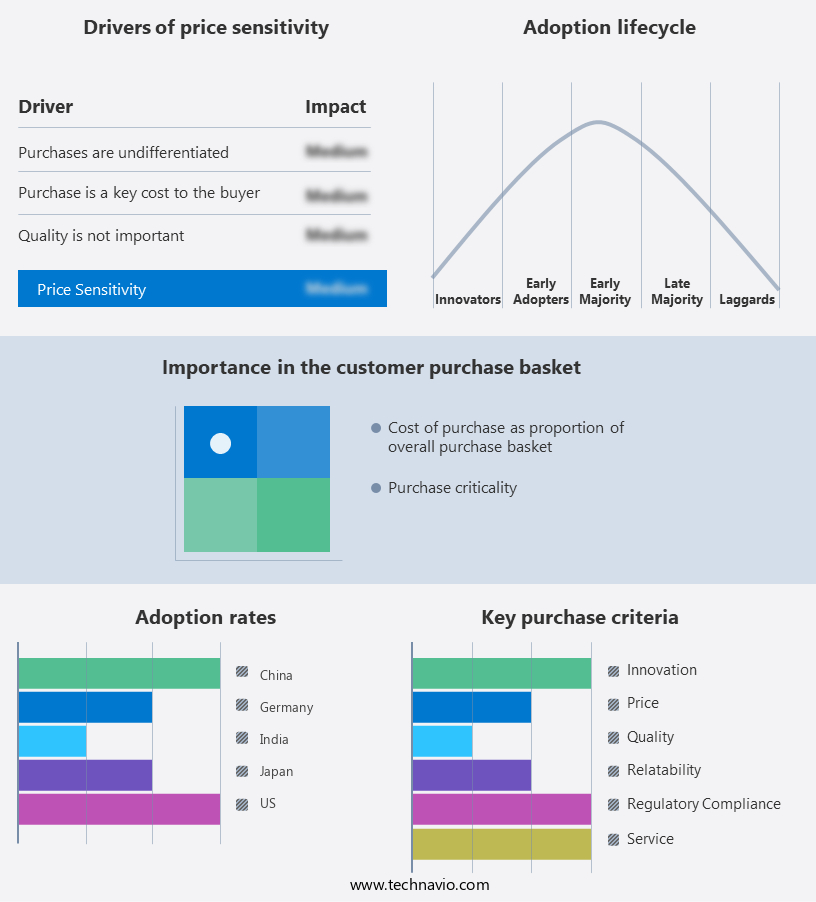
Customer Landscape of Solar Cable Systems Industry
Competitive Intelligence by Technavio Analysis: Leading Players in the Solar Cable Systems Market
Companies are implementing various strategies, such as strategic alliances, solar cable systems market forecast, partnerships, mergers and acquisitions, geographical expansion, and product/service launches, to enhance their presence in the industry.
Allied Wire and Cable Inc. - This company specializes in solar cable systems, featuring PowerLink solar cable, solar PV cable, and copper options. Designed for harsh environments with extreme temperatures, these cables ensure high efficiency, reliability, and cost effectiveness, all while being rated for direct burial.
The industry research and growth report includes detailed analyses of the competitive landscape of the market and information about key companies, including:
- Allied Wire and Cable Inc.
- Amphenol Industrial Products Group
- Belden Inc.
- Eland Cables Ltd.
- Havells India Ltd.
- HELUKABEL Romania Srl
- Henan Central Plain Cables and Wires Co.Ltd
- KBE Elektrotechnik GmbH
- KEI Industries Ltd.
- Lapp Holding SE
- Nexans SA
- Omni Cable
- PARAMOUNT GROUP
- Phoenix Contact GmbH and Co. KG
- Prysmian Spa
- QC Corp
- RR Kabel
- Siechem Technologies Pvt. Ltd.
- YUEQING FEEO ELECTRIC CO.LTD
- Zhejiang Sowell Electric Co Ltd.
Qualitative and quantitative analysis of companies has been conducted to help clients understand the wider business environment as well as the strengths and weaknesses of key industry players. Data is qualitatively analyzed to categorize companies as pure play, category-focused, industry-focused, and diversified; it is quantitatively analyzed to categorize companies as dominant, leading, strong, tentative, and weak.
Recent Development and News in Solar Cable Systems Market
- In August 2024, Siemens Energy and Nexans, two leading players in the energy sector, announced a strategic collaboration to develop and produce high-performance solar cables. These cables are designed to improve the efficiency and reliability of solar power installations (Siemens Energy press release, August 2024).
- In November 2024, Prysmian Group, a global leader in energy and telecom cable systems, secured a significant contract worth €150 million (USD166 million) to supply and install solar cables for a large-scale solar project in the Middle East. This project is expected to add over 1 GW of solar capacity (Prysmian Group press release, November 2024).
- In March 2025, LS Cable & System, a South Korean cable manufacturer, announced the successful development of a new generation of solar cables with a record-breaking DC resistance of 0.001 Ω/km. This technological advancement could significantly reduce energy losses in solar power transmission (LS Cable & System press release, March 2025).
- In May 2025, the European Investment Bank (EIB) approved a €200 million (USD222 million) loan to support the expansion of Heliovolt, a European solar cable manufacturer. This funding will enable Heliovolt to increase its production capacity and strengthen its market position (European Investment Bank press release, May 2025).
Dive into Technavio’s robust research methodology, blending expert interviews, extensive data synthesis, and validated models for unparalleled Solar Cable Systems Market insights. See full methodology.
|
Market Scope |
|
|
Report Coverage |
Details |
|
Page number |
144 |
|
Base year |
2023 |
|
Historic period |
2018-2022 |
|
Forecast period |
2024-2028 |
|
Growth momentum & CAGR |
Accelerate at a CAGR of 15.19% |
|
Market growth 2024-2028 |
USD 2140 million |
|
Market structure |
Fragmented |
|
YoY growth 2023-2024(%) |
13.37 |
|
Key countries |
China, US, India, Japan, and Germany |
|
Competitive landscape |
Leading Companies, Market Positioning of Companies, Competitive Strategies, and Industry Risks |
Why Choose Technavio for Solar Cable Systems Market Insights?
"Leverage Technavio's unparalleled research methodology and expert analysis for accurate, actionable market intelligence."
The market is experiencing significant growth as the renewable energy sector expands. In this dynamic industry, optimizing photovoltaic (PV) cable systems is crucial for minimal losses and maximum efficiency. Material selection criteria for solar cables are paramount, considering factors such as insulation, thermal resistance, and resistance to UV radiation. Cable insulation plays a pivotal role in system efficiency, with low-loss materials like cross-linked polyethylene (XLPE) becoming increasingly popular. DC cable resistance evaluation is essential in solar array designs to minimize power losses and improve energy efficiency. Appropriate cable connectors are vital for PV systems, ensuring reliable and safe electrical connections. Grounding wire design is another critical aspect, ensuring safe installations and protecting against electrical surges. Methods for detecting faults in solar cable systems, such as thermal imaging and insulation resistance testing, are essential for maintaining reliability and preventing costly downtime. Surge protection is also vital, with indirect numerical comparisons showing that effective protection can reduce power losses by up to 30%. Best practices for maintaining solar cable systems include calculating voltage drop in high-power cable runs, implementing thermal management strategies, and assessing the life cycle of solar cables and their environmental impact. Compliance with relevant electrical safety standards is a business necessity, ensuring operational planning and supply chain continuity. Preventative maintenance procedures for solar cables, such as regular inspections and cleaning, are essential for maintaining reliability and minimizing power losses. Designing robust cable tray systems and effective cable management in large-scale solar installations are also key considerations for optimizing system performance.
What are the Key Data Covered in this Solar Cable Systems Market Research and Growth Report?
-
What is the expected growth of the Solar Cable Systems Market between 2024 and 2028?
-
USD 2.14 billion, at a CAGR of 15.19%
-
-
What segmentation does the market report cover?
-
The report is segmented by End-user (Utility and Non-utility) and Geography (APAC, Europe, North America, Middle East and Africa, and South America)
-
-
Which regions are analyzed in the report?
-
APAC, Europe, North America, Middle East and Africa, and South America
-
-
What are the key growth drivers and market challenges?
-
Increasing demand for electricity, Intermittent nature of solar power
-
-
Who are the major players in the Solar Cable Systems Market?
-
Allied Wire and Cable Inc., Amphenol Industrial Products Group, Belden Inc., Eland Cables Ltd., Havells India Ltd., HELUKABEL Romania Srl, Henan Central Plain Cables and Wires Co.Ltd, KBE Elektrotechnik GmbH, KEI Industries Ltd., Lapp Holding SE, Nexans SA, Omni Cable, PARAMOUNT GROUP, Phoenix Contact GmbH and Co. KG, Prysmian Spa, QC Corp, RR Kabel, Siechem Technologies Pvt. Ltd., YUEQING FEEO ELECTRIC CO.LTD, and Zhejiang Sowell Electric Co Ltd.
-
We can help! Our analysts can customize this solar cable systems market research report to meet your requirements.
 RIA -
RIA - 
