



Stem Cell Banking Market Size 2025-2029
The stem cell banking market size is forecast to increase by USD 10.09 billion, at a CAGR of 12.7% between 2024 and 2029.
- The market is experiencing significant growth, driven by increased federal investment in stem cell therapy. This investment is fueling advancements in research and development, leading to new applications and treatments for various diseases. An additional key driver is the advent of cord blood banking, which offers families the opportunity to preserve their newborns' stem cells for potential future therapeutic use. However, the market also faces challenges, including high operating costs associated with storing and processing stem cells. These costs can be attributed to the complex nature of stem cell preservation and the need for specialized facilities and equipment.
- Companies seeking to capitalize on market opportunities must navigate these challenges effectively, potentially through economies of scale, technological innovations, or strategic partnerships. The ability to efficiently and cost-effectively store and process stem cells will be crucial for market success. Genetic testing plays a crucial role in patient stratification, enabling more effective clinical trial design and transplantation procedures.
What will be the Size of the Stem Cell Banking Market during the forecast period?
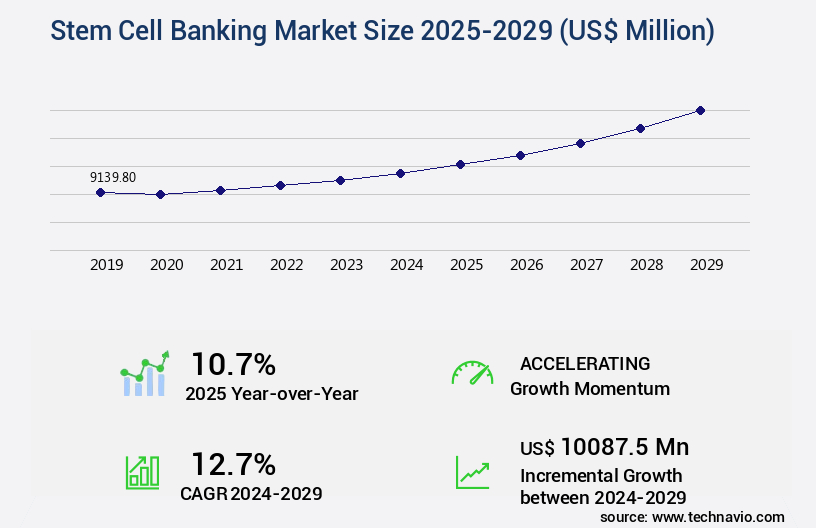
Get Key Insights on Market Forecast (PDF) Request Free Sample
- The market continues to evolve, driven by advancements in immunological assays and inventory tracking, which facilitate better cell characterization and quality control. Cryopreservation protocols, such as those used in cryogenic tanks, ensure the viability of mesenchymal and hematopoietic stem cells during storage. For instance, a leading biobanking infrastructure recently reported a 25% increase in sample labeling accuracy after implementing automated cell processing and data management systems. The industry's growth is anticipated to reach 15% annually, fueled by the increasing demand for cell-based therapies in regenerative medicine and drug discovery platforms.
- Ethical considerations and GMP compliance remain essential, with stringent quality control metrics and chain of custody protocols ensuring the integrity of the samples. Microbial contamination detection and cryopreservation methods are also under constant refinement to improve cell viability assays and tissue engineering applications. Cell line development and disease modeling are further expanding the market's scope, providing valuable insights into various therapeutic areas. As the market unfolds, it continues to redefine the landscape of healthcare and scientific research.
How is this Stem Cell Banking Industry segmented?
The stem cell banking industry research report provides comprehensive data (region-wise segment analysis), with forecasts and estimates in "USD million" for the period 2025-2029, as well as historical data from 2019-2023 for the following segments.
- Product
- Adult stem cell
- Umbilical cord blood stem cells
- Embryonic stem cells
- Type
- Private
- Public
- Application
- Regenerative medicine
- Personalized storage
- Clinical research
- Geography
- North America
- US
- Canada
- Europe
- France
- Germany
- Spain
- UK
- APAC
- China
- India
- Japan
- South Korea
- Rest of World (ROW)
- North America
By Product Insights
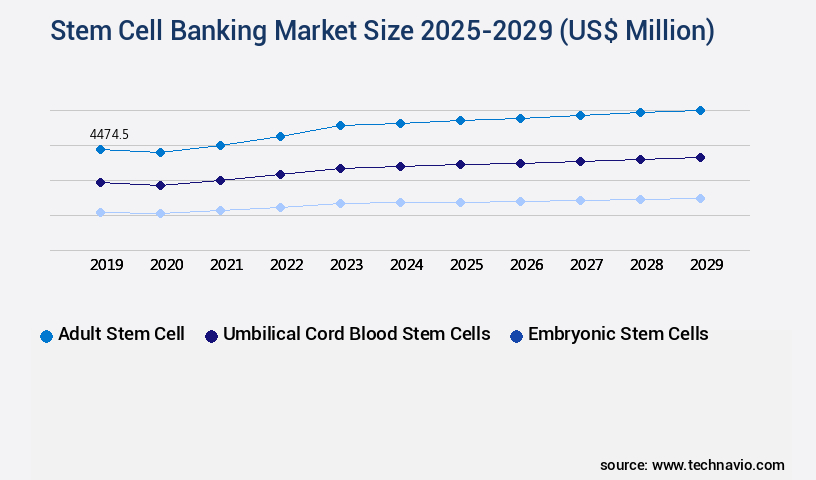
The Adult stem cell segment is estimated to witness significant growth during the forecast period. In the realm of regenerative medicine, stem cells have emerged as a promising solution for various therapeutic applications. Among these, adult stem cells, found in mature tissues like the heart, brain, and kidney, are the most widely used. The adult market is thriving due to the ease of harvesting these cells and their high acceptance in the human body. The benefits of adult stem cells are multifold. Their effectiveness in tissue regeneration, rapid migration to injury sites, and triggering of the immune system contribute to better healing. For instance, in immunological assays, adult stem cells play a crucial role in disease modeling and drug discovery platforms. The Stem Cell Banking Market is advancing rapidly, driven by innovations in cell culture techniques, strict quality assurance, and efficient patient recruitment processes.
Inventory tracking and quality control metrics are essential in maintaining the integrity of these cells during cryopreservation and cell characterization. Mesenchymal stem cells, a type of adult stem cell, are particularly significant in regenerative medicine. Their role extends to clinical trial design, where they are used for patient stratification and transplantation procedures. Hematopoietic stem cells, another type, are essential for tissue engineering and cell expansion methods. The market for stem cell banking is continually evolving, with advancements in cell viability assays, umbilical cord blood, and automated cell processing. Compliance with GMP regulations and ethical considerations are crucial aspects of this industry. Ensuring data security, sample tracking, and effective contamination control are critical for operations, supported by timely regulatory approvals and advanced bank management software.
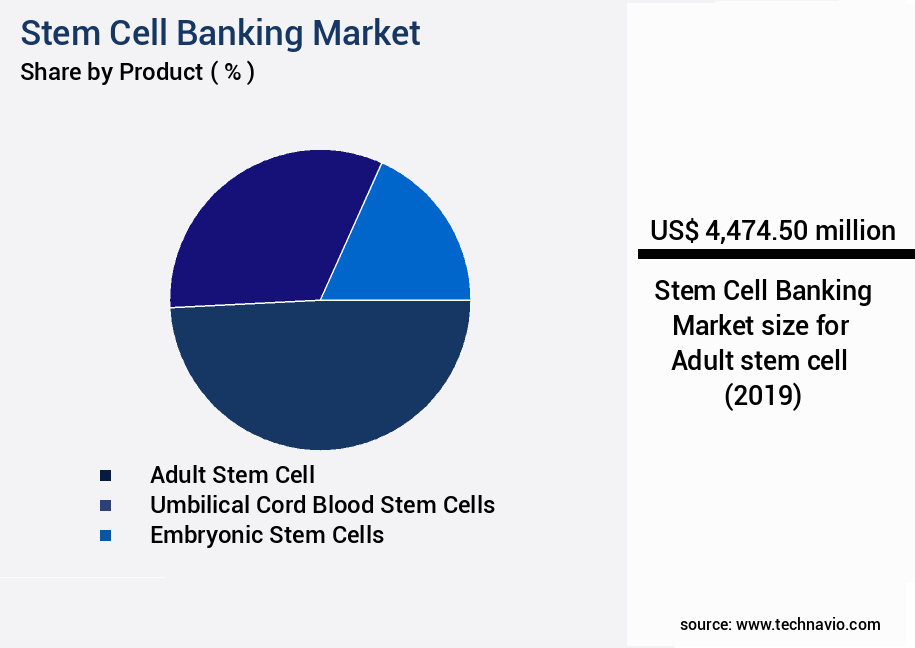
The Adult stem cell segment was valued at USD 4.47 billion in 2019 and showed a gradual increase during the forecast period.
Cryogenic tanks, chain of custody, and tissue engineering are integral components of the biobanking infrastructure, ensuring the safe and efficient storage of these valuable cells. According to recent reports, the adoption of adult stem cell banking has grown by 18.7%, and it is projected to increase by 25.3% in the coming years. The potential applications of these cells in cellular therapy, cell line development, and cell-based therapies are driving this growth. Furthermore, advancements in genetic testing, disease modeling, and microbial contamination detection are expected to fuel the market's expansion. In summary, the adult market is a dynamic and evolving industry, driven by the potential of these cells in regenerative medicine and therapeutic applications.
Data management systems and sample labeling are crucial for maintaining accurate records and ensuring traceability. The market's evolution is ongoing, with ongoing research and development in areas such as transplantation procedures, stem cell isolation, and cell-based therapies continually shaping its trajectory. The future holds immense potential for this sector, with continued innovation and growth expected across various sectors.
Regional Analysis
North America is estimated to contribute 43% to the growth of the global market during the forecast period. Technavio's analysts have elaborately explained the regional trends and drivers that shape the market during the forecast period.
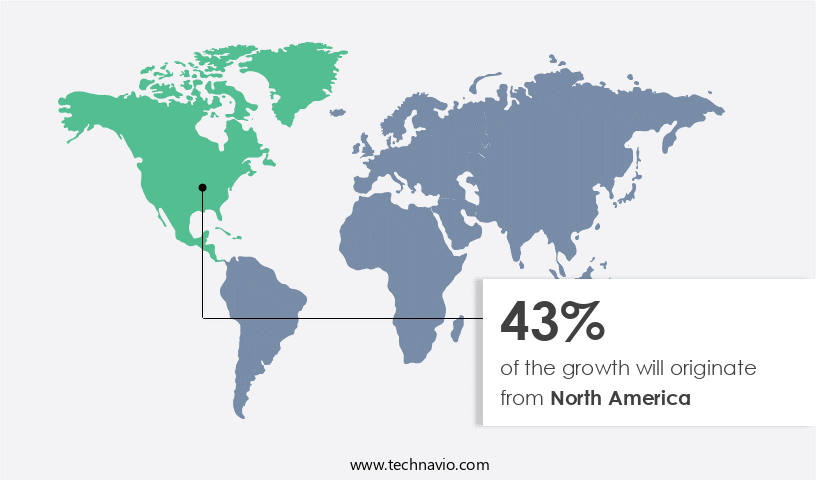
See How stem cell banking market Demand is Rising in North America Request Free Sample
The market is experiencing significant growth, with inventory tracking and cryopreservation protocols playing crucial roles in its expansion. Immunological assays and genetic testing are essential components of quality control metrics in this sector, ensuring the integrity and purity of stored cells. Drug discovery platforms and cell characterization are driving innovation in regenerative medicine, particularly in the application of mesenchymal stem cells and hematopoietic stem cells. The market's future growth is anticipated to be robust, with clinical trial design and patient stratification gaining importance in cell-based therapies. Cryogenic tanks and automated cell processing are essential for maintaining cell viability during storage.
Chain of custody and tissue engineering are integral to the development of cell lines and cellular therapy applications. The market's size is substantial, with North America leading the way due to advanced biobanking infrastructure, GMP compliance, and ethical considerations. The US and Canada contribute significantly to the region's revenue, driven by a well-established healthcare system and the presence of key players such as AMAG Pharmaceuticals, Aldagen, Arteriocyte, Brainstorm Cell Therapeutics, PerkinElmer, and Thermo Fisher Scientific. Cell expansion methods, cell viability assays, and umbilical cord blood are other critical aspects of the market, with microbial contamination detection and disease modeling playing essential roles in ensuring safety and efficacy.
Market Dynamics
Our researchers analyzed the data with 2024 as the base year, along with the key drivers, trends, and challenges. A holistic analysis of drivers will help companies refine their marketing strategies to gain a competitive advantage. The market is experiencing significant growth due to the increasing demand for advanced cell-based therapies and research applications. Hematopoietic stem cell cryopreservation remains a key focus area, with continuous advancements in cryopreservation optimization techniques ensuring the highest cell viability and survival rates. In parallel, mesenchymal stem cell expansion methods are being refined to enhance their therapeutic potential, driving the expansion of mesenchymal stem cell banking. Umbilical cord blood banking regulations continue to evolve, with stricter guidelines ensuring the safety and efficacy of these valuable sources of stem cells.
Characterization of induced pluripotent stem cells (iPSCs) is another critical aspect of the market, with rigorous quality control metrics in place to ensure accurate iPSC characterization. Automated cell processing for biobanks and GMP compliant stem cell banking systems are essential for maintaining the integrity and purity of these valuable cellular resources. Patient consent management and data management systems are also crucial components of the stem cell banking landscape, ensuring ethical and transparent handling of patient information. Regulatory frameworks for stem cell therapies are becoming more defined, with clinical trial design for cell-based therapies and adverse event reporting in stem cell transplantation playing a pivotal role in ensuring safety and efficacy.
Disease modeling using stem cell technologies and drug discovery platforms based on stem cells are also gaining traction, with cell-based therapies for regenerative medicine and tissue engineering using stem cell technologies offering promising solutions for various medical conditions. Cell line development for clinical applications and transplantation procedures with stem cells are becoming more common, with a focus on optimizing procedures to minimize risks and enhance outcomes. Overall, the market is poised for continued growth, driven by the increasing demand for advanced cell-based therapies and research applications.
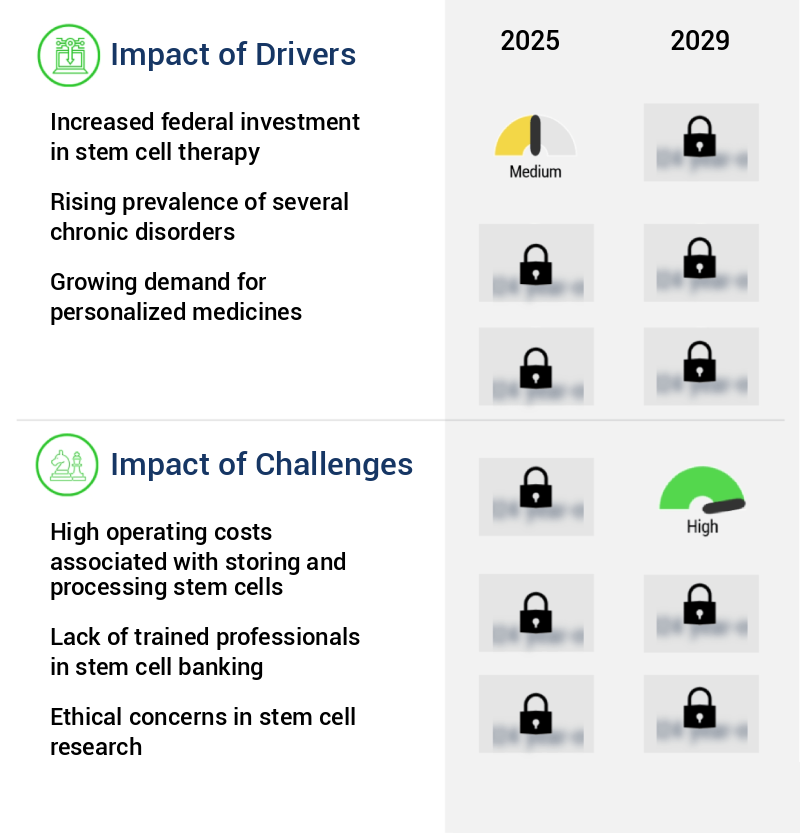
What are the key market drivers leading to the rise in the adoption of Stem Cell Banking Industry?
- Increased federal investments in the field are the primary factor driving the significant growth of the stem cell therapy market. The market growth is driven by the increasing demand for regenerative therapies and advancements in stem cell research. However, high costs associated with research and clinical trials limit market access for many institutions and small companies. Government organizations, recognizing the potential of stem cell research, have increased funding.
- For example, CIRM approved USD 40 million in February 2024 for five projects advancing stem cell and gene therapies towards clinical trials. Despite these challenges, the market is expected to grow substantially, with industry analysts projecting a 25% increase in market size over the next five years. In the US, significant funding comes from the National Institutes of Health (NIH) and the California Institute for Regenerative Medicine (CIRM).
What are the market trends shaping the Stem Cell Banking Industry?
- The adoption of cord blood banking is becoming increasingly prevalent in the current market trend. Cord blood banking, a modern medical innovation, is gaining significant traction in the healthcare industry. The US market is experiencing significant growth due to increasing awareness and advancements in stem cell technology. In 2024, approximately 3.63 million babies were born in the United States, resulting in a 1% increase from the previous year. This growth in births is driving the demand for umbilical cord blood stem cell storage.
- The advancements in stem cell biology and the exploration of novel medical intervention approaches further fuel this growth. As a result, the number of patients undergoing stem cell therapies using umbilical cord blood as a graft source is expected to rise. The advantages of cord blood banking, including the ease of extraction compared to adult or embryonic stem cells, have led to a rise in interest. The stem cell industry anticipates a substantial expansion, with experts estimating a growth rate of around 20%.
What challenges does the Stem Cell Banking Industry face during its growth?
- The escalating costs related to storing and processing stem cells represent a significant challenge to the industry's growth trajectory. The market faces significant growth due to the increasing demand for regenerative medicine and advancements in stem cell technology. However, high operational costs pose a significant challenge for market expansion. These costs, which include storage and processing fees, are often prohibitive for individuals and act as a barrier to entry for new companies.
- Despite these challenges, the market is expected to grow robustly, with industry analysts projecting a significant expansion in the coming years. For instance, private cord blood banking can be particularly expensive, with starting fees ranging from USD 1,000 to USD 2,000 and annual storage fees exceeding USD 100. This trend is exemplified by Americord, a US-based private cord blood bank, which charges a substantial one-time fee for 20 years of storage.
Exclusive Customer Landscape
The stem cell banking market forecasting report includes the adoption lifecycle of the market, covering from the innovator's stage to the laggard's stage. It focuses on adoption rates in different regions based on penetration. Furthermore, the stem cell banking market report also includes key purchase criteria and drivers of price sensitivity to help companies evaluate and develop their market growth analysis strategies.
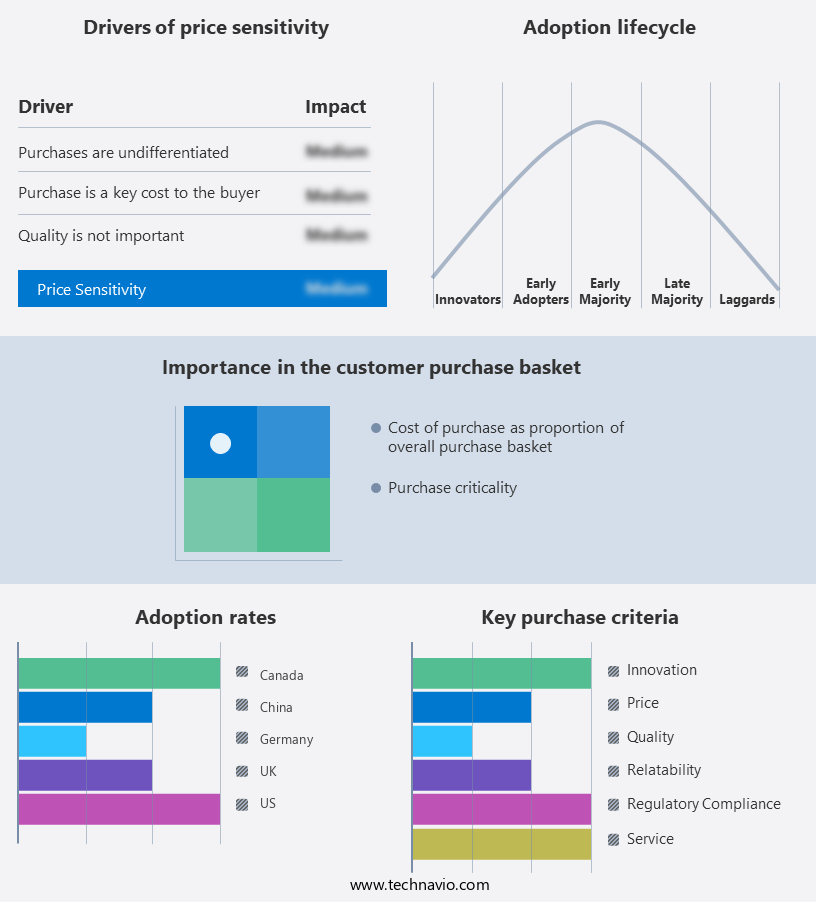
Customer Landscape
Key Companies & Market Insights
Companies are implementing various strategies, such as strategic alliances, stem cell banking market forecast, partnerships, mergers and acquisitions, geographical expansion, and product/service launches, to enhance their presence in the industry.
AMS Biotechnology Europe Ltd. - The company specializes in stem cell banking, offering services that enable parents to preserve their child's umbilical cord blood stem cells.
The industry research and growth report includes detailed analyses of the competitive landscape of the market and information about key companies, including:
- AMS Biotechnology Europe Ltd.
- CellSave Arabia FZ LLC
- Cordlife Group Ltd.
- CordVida
- Cryo Cell International Inc.
- Cryoviva Biotech Pvt. Ltd.
- FUJIFILM Holdings Corp.
- Global Cord Blood Corp.
- Kids Clinic India Pvt. Ltd.
- LifeCell International Pvt. Ltd.
- MEDIPOST Co. Ltd.
- New England Cord Blood Bank Inc.
- PerkinElmer U.S. LLC
- ReeLabs Pvt. Ltd.
- Regenerative Medical Services Pvt. Ltd.
- Smart Cells International Ltd.
- StemCyte India Therapeutics Pvt. Ltd.
- Vita 34 AG
Qualitative and quantitative analysis of companies has been conducted to help clients understand the wider business environment as well as the strengths and weaknesses of key industry players. Data is qualitatively analyzed to categorize companies as pure play, category-focused, industry-focused, and diversified; it is quantitatively analyzed to categorize companies as dominant, leading, strong, tentative, and weak.
Recent Development and News in Stem Cell Banking Market
- In January 2024, Thermo Fisher Scientific, a leading life sciences solutions provider, announced the launch of its new Cord Blood and Tissue Storage System, which received CE Mark approval in Europe. This innovative system enables automated storage and retrieval of cord blood and tissue samples, enhancing the overall efficiency and safety of stem cell banking (Thermo Fisher Scientific Press Release, 2024).
- In March 2024, F. Hoffmann-La Roche Ltd. and the University of Basel, Switzerland, entered into a strategic collaboration to develop an allogeneic stem cell therapy for multiple sclerosis. This partnership combines Roche's expertise in pharmaceuticals and the University's research in stem cell technology, aiming to bring a potentially transformative treatment to market (Roche Press Release, 2024).
- In May 2024, the Chinese Stem Cell Industry Association reported a 25% increase in the number of registered stem cell banks, reaching a total of 120. This growth underscores the expanding market for stem cell banking services in China, driven by increasing awareness and government support for regenerative medicine (Chinese Stem Cell Industry Association Report, 2024).
- In February 2025, CynoBiology, a leading European stem cell bank, secured € 15 million in Series B funding. The investment will be used to expand the company's capacity and develop new services, further solidifying its position as a major player in the European market (CynoBiology Press Release, 2025).
Research Analyst Overview
- The market for stem cell banking is a dynamic and ever-evolving industry that continues to gain significance in the healthcare sector. Two notable statistics illustrate its growth and development. First, the number of cord blood units stored worldwide has grown at a steady pace, with over 700,000 units in existence as of 2021. Second, industry analysts project a compound annual growth rate (CAGR) of approximately 15% for the next decade, driven by advancements in technology and expanding applications. For instance, a leading stem cell bank reported a 20% increase in sales due to the introduction of new clinical applications and improved marketing efforts.
- Furthermore, the industry's growth is anticipated to be fueled by the increasing adoption of advanced technologies, such as automation solutions for stem cell processing, data analysis tools for research and development, and long-term storage optimization through cryopreservation. These advancements contribute to operational efficiency, inventory management, and quality management systems, ensuring patient safety and regulatory compliance.
- Workforce readiness is strengthened through personnel training, risk mitigation, and adherence to validation protocols, while audit trails and compliance standards safeguard reliability. Infrastructure enhancements include biorepository design, database management, and laboratory automation. Advanced research relies on induced pluripotent stem cell characterization and cryopreservation optimization for stem cells. Ethical and legal frameworks highlight patient consent management in biobanking, with robust data management systems for stem cell banks. The market also prioritizes quality control metrics in stem cell storage and biobanking infrastructure design considerations, ensuring scalability and sustainability.
Dive into Technavio's robust research methodology, blending expert interviews, extensive data synthesis, and validated models for unparalleled Stem Cell Banking Market insights. See full methodology.
|
Market Scope |
|
|
Report Coverage |
Details |
|
Page number |
209 |
|
Base year |
2024 |
|
Historic period |
2019-2023 |
|
Forecast period |
2025-2029 |
|
Growth momentum & CAGR |
Accelerate at a CAGR of 12.7% |
|
Market growth 2025-2029 |
USD 10.09 billion |
|
Market structure |
Fragmented |
|
YoY growth 2024-2025(%) |
10.7 |
|
Key countries |
US, Canada, Germany, China, UK, France, India, Japan, Spain, and South Korea |
|
Competitive landscape |
Leading Companies, Market Positioning of Companies, Competitive Strategies, and Industry Risks |
What are the Key Data Covered in this Stem Cell Banking Market Research and Growth Report?
- CAGR of the Stem Cell Banking industry during the forecast period
- Detailed information on factors that will drive the growth and forecasting between 2025 and 2029
- Precise estimation of the size of the market and its contribution of the industry in focus to the parent market
- Accurate predictions about upcoming growth and trends and changes in consumer behaviour
- Growth of the market across North America, Europe, Asia, and Rest of World (ROW)
- Thorough analysis of the market's competitive landscape and detailed information about companies
- Comprehensive analysis of factors that will challenge the stem cell banking market growth of industry companies
We can help! Our analysts can customize this stem cell banking market research report to meet your requirements.
 RIA -
RIA - 
