



Sterilization Services Market Size 2024-2028
The sterilization services market size is forecast to increase by USD 1.01 billion, at a CAGR of 4.5% between 2023 and 2028.
- The market is experiencing significant growth, driven by increasing awareness towards workplace wellness and the subsequent rise in healthcare spending. This trend underscores the importance of maintaining stringent sterilization processes to prevent the spread of infections and ensure patient safety. However, challenges persist in the form of unskilled labor and unregulated services, which may result in suboptimal sterilization processes and potential damage to medical equipment and patient health. Companies seeking to capitalize on market opportunities must invest in training and certification programs for their workforce and adhere to regulatory guidelines to maintain a competitive edge.
- Navigating these challenges requires a strategic approach, focusing on continuous improvement, innovation, and collaboration with industry stakeholders to address the evolving needs of the healthcare sector.
What will be the Size of the Sterilization Services Market during the forecast period?

Explore in-depth regional segment analysis with market size data - historical 2018-2022 and forecasts 2024-2028 - in the full report.
Request Free Sample
The market continues to evolve, driven by the constant need for effective and efficient methods to ensure the highest level of infection control in various sectors. Ethylene oxide sterilization, gamma irradiation, hydrogen peroxide sterilization, and other sterilization techniques are employed to meet the demands of industries producing disposable medical products, packaging materials, and reusable medical equipment. AAMI standards and FDA guidelines play a crucial role in shaping the market dynamics, with continuous updates and evolutions to ensure regulatory compliance. Contract sterilization services have gained popularity due to their cost-effective and efficient nature, offering solutions for industries with high sterilization requirements.
Sterilization methods such as aseptic processing, cleaning validation, sterile filtration, and decontamination methods are integrated into the production process to minimize healthcare-associated infections (HAIs). Waste management and distribution systems are also essential components, ensuring sterile product storage and shelf life testing. In-house sterilization and on-site sterilization are becoming increasingly common, with a focus on process efficiency and cost reduction. Membrane filters and sterilization validation are critical components of these systems, ensuring the elimination of microbial contamination. Contamination control, cleanroom certification, and personnel training are essential aspects of maintaining a sterile environment. Sterilization cycle optimization, material compatibility, and quality control are also crucial to ensure the effectiveness of sterilization methods and maintain regulatory compliance.
Plasma sterilization, electron beam sterilization, and sterile packaging are emerging trends in the market, offering potential solutions for improving process efficiency and reducing costs. Regulatory compliance, sterility testing, microbial identification, and process monitoring remain key areas of focus to ensure the highest level of infection control.
How is this Sterilization Services Industry segmented?
The sterilization services industry research report provides comprehensive data (region-wise segment analysis), with forecasts and estimates in "USD million" for the period 2024-2028, as well as historical data from 2018-2022 for the following segments.
- Type
- Validation services
- Contract services
- Method
- Ethylene oxide (ETO) Sterilization
- Gamma Sterilization
- E-beam Sterilization
- Others
- End-User
- Hospitals & Clinics
- Pharmaceutical & Medical Device Companies
- Others
- Geography
- North America
- US
- Canada
- Europe
- France
- Germany
- Italy
- UK
- APAC
- China
- India
- Japan
- Rest of World (ROW)
- North America
By Type Insights
The validation services segment is estimated to witness significant growth during the forecast period.
In the market, validation services play a crucial role in ensuring the effectiveness and safety of various sterilization methods, including ethylene oxide sterilization, gamma irradiation, hydrogen peroxide sterilization, and others. These services help identify, monitor, and characterize appropriate sterilization cycle parameters for equipment and devices. Companies providing validation services offer guidance on process and cycle optimization, measurement of sterilant residuals, and microbiological recovery and enumeration methods. The importance of maintaining high levels of hygiene in industries like healthcare and manufacturing, given the potential health consequences of contamination or infection, is driving the growth of validation services in the market.
The increasing global healthcare spending is expected to continue fueling this trend during the forecast period. Disposable medical products and packaging materials, surgical instruments, and reusable medical devices are significant applications for sterilization services. AAMI standards and FDA guidelines set strict regulations for sterilization processes to ensure the safety and efficacy of these products. Sterilization methods like aseptic processing, moist heat sterilization, and dry heat sterilization are commonly used. Contract sterilization services, sterile filtration, and decontamination methods are other essential aspects of the market. In-house sterilization and on-site sterilization are gaining popularity due to cost reduction and process efficiency considerations.
Cleanroom certification, contamination control, and environmental monitoring are crucial for maintaining a sterile environment during the sterilization process. Process monitoring, material compatibility, quality control, and personnel training are essential for ensuring the effectiveness and safety of sterilization processes. Regulatory compliance, sterility testing, microbial identification, and shelf life testing are critical validation protocols. Endotoxin testing, chemical indicators, and biological indicators are essential sterilization indicators. Electron beam sterilization, plasma sterilization, and sterile packaging are emerging trends in the market. Sterile barrier systems and distribution systems are essential for maintaining sterility during transportation and storage. Cost reduction, sterilization cycle optimization, and infection control are key priorities for market participants.
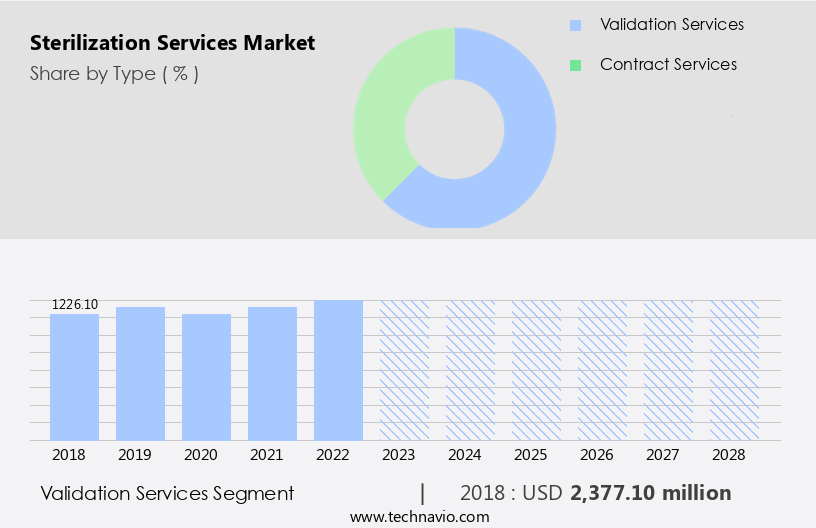
The Validation services segment was valued at USD 2.38 billion in 2018 and showed a gradual increase during the forecast period.
Regional Analysis
North America is estimated to contribute 35% to the growth of the global market during the forecast period. Technavio's analysts have elaborately explained the regional trends and drivers that shape the market during the forecast period.
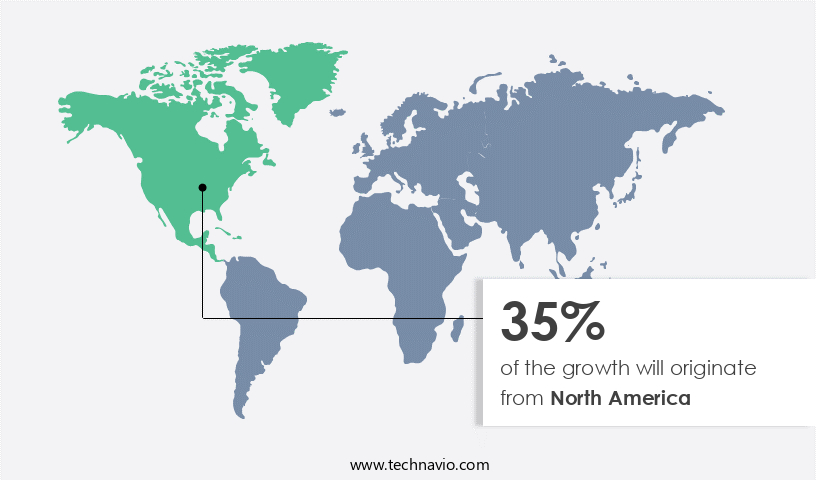
The market in North America is experiencing significant growth due to the increasing recognition of the advantages of outsourcing sterilization processes to specialized companies. This expansion can be attributed to several factors, including the burgeoning healthcare sector, the rising number of hospital-acquired infections (HAIs) and surgical procedures, and the strong market presence of prominent companies. HAIs are a significant concern in North America, with the Centers for Disease Control and Prevention (CDC) reporting that approximately 1.7 million hospitalized patients in the US contract HAIs each year. To mitigate the risks associated with these infections, healthcare facilities are turning to advanced sterilization techniques such as ethylene oxide sterilization, gamma irradiation, hydrogen peroxide sterilization, and aseptic processing.
These methods ensure the elimination of microorganisms from medical devices, surgical instruments, and disposable medical products, reducing the risk of HAIs. Moreover, the adoption of stringent FDA guidelines, cleaning validation, sterilization validation, and environmental monitoring have become essential in maintaining the highest standards of sterility. Contract sterilization services, which offer cost savings and increased process efficiency, are increasingly popular among healthcare providers. Reusable medical products, such as surgical instruments, are often sterilized using dry heat sterilization, moist heat sterilization, or sterilization indicators. Sterile filtration, decontamination methods, and membrane filters are crucial components of the sterilization process, ensuring the elimination of microorganisms and endotoxins from liquids and gases.
The market's growth is further fueled by the adoption of advanced sterilization technologies, such as plasma sterilization, electron beam sterilization, and sterile packaging. These methods offer significant advantages, including shorter cycle times, reduced energy consumption, and increased material compatibility. In-house sterilization is also gaining popularity, with many facilities investing in sterilization equipment and cleanroom certification to maintain control over their sterilization processes. The market's evolution is characterized by a strong focus on contamination control, infection control, and regulatory compliance. Personnel training, sterility testing, microbial identification, and validation protocols are essential components of maintaining a sterile environment. Distribution systems, shelf life testing, and sterilization cycle optimization are also critical factors in ensuring the effectiveness of sterilization processes.
As the market continues to evolve, cost reduction, material compatibility, and sterilization indicators will remain key considerations for healthcare providers and sterilization service providers alike.
Market Dynamics
Our researchers analyzed the data with 2023 as the base year, along with the key drivers, trends, and challenges. A holistic analysis of drivers will help companies refine their marketing strategies to gain a competitive advantage.
What are the key market drivers leading to the rise in the adoption of Sterilization Services Industry?
- The significance of enhancing awareness towards workplace wellness serves as the primary catalyst for market growth.
- In the realm of industrial hygiene, sterilization and hygiene play pivotal roles in ensuring a safe work environment. These functions encompass the identification and evaluation of potential hazards that may impact both employees and the instruments utilized in various industries, such as pharmaceutical, healthcare, and chemical. To mitigate these risks, various techniques are employed to anticipate and control hazardous factors. Process monitoring is a crucial aspect of maintaining a clean and sterile environment. This involves the continuous observation of the sterilization process to ensure material compatibility and quality control. Effective cleanroom design, which incorporates strict environmental standards, is another essential element in maintaining a sterile environment.
- Advanced sterilization techniques, such as electron beam sterilization, are increasingly being adopted for their ability to provide high levels of sterility while minimizing the need for costly sterile packaging and sterile barrier systems. On-site sterilization and sterile product storage solutions have also gained popularity for their cost-reducing benefits. Sterilization indicators are essential tools in ensuring the effectiveness of sterilization processes. These indicators provide visual confirmation that the sterilization process has been successful, enabling quality control and maintaining the integrity of the sterile environment. In summary, the importance of sterilization and hygiene in industrial settings cannot be overstated.
- By employing techniques such as process monitoring, material compatibility assessment, cleanroom design, and advanced sterilization methods, industries can effectively mitigate potential hazards and maintain a safe, sterile work environment for their employees and equipment.
What are the market trends shaping the Sterilization Services Industry?
- The trend in the healthcare industry is characterized by an upward trajectory in spending. Two lines: 1. Healthcare spending is experiencing a significant rise, representing a prevailing market trend. 2. This increase in expenditure is a notable development within the healthcare sector.
- The market caters to the healthcare industry's stringent hygiene and cleanliness requirements. Ethylene oxide sterilization, gamma irradiation, hydrogen peroxide sterilization, and aseptic processing are common decontamination methods used in this market. Disposable medical products and packaging materials are significant consumers of sterilization services due to their essential role in maintaining the sterility of medical equipment and supplies. The healthcare sector's growth, driven by government support, increasing chronic diseases, and a growing emphasis on health, has resulted in increased spending on healthcare. The Centers for Medicare & Medicaid Services reported that US healthcare expenditures reached USD 4.1 trillion in 2020.
- AAMI (Association for the Advancement of Medical Instrumentation) standards and FDA guidelines ensure the quality and safety of sterilization processes. Cleaning validation, sterile filtration, and decontamination methods are crucial aspects of these guidelines. Contract sterilization services have gained popularity due to their cost-effectiveness and efficiency. The reduction of healthcare-associated infections (HAIs) is a primary focus of the healthcare industry, further increasing the demand for sterilization services.
What challenges does the Sterilization Services Industry face during its growth?
- The lack of skilled labor and unregulated services poses a significant challenge to the industry, potentially causing damage and hindering its growth.
- Sterilization services play a crucial role in ensuring the safety and effectiveness of surgical instruments and reusable medical products. However, the use of inappropriate sterilization techniques can lead to significant damages to industrial assets and potential harm to employees. For instance, mishaps during sterilization processes can result in costly repairs and decreased process efficiency. Moreover, contamination control is essential to prevent any potential health risks. Two common sterilization methods are dry heat sterilization and moist heat sterilization. Biological indicators are utilized to validate the sterilization process and ensure the elimination of bioburden. In-house sterilization is an option for some organizations, while others may rely on external sterilization services.
- Cleanroom certification and contamination control are integral aspects of sterilization services. Membrane filters and sterilization validation techniques are employed to maintain a sterile environment. Ensuring the proper application of these techniques is vital to minimize the risk of asset damage, employee injury, and potential market losses.
Exclusive Customer Landscape
The sterilization services market forecasting report includes the adoption lifecycle of the market, covering from the innovator's stage to the laggard's stage. It focuses on adoption rates in different regions based on penetration. Furthermore, the sterilization services market report also includes key purchase criteria and drivers of price sensitivity to help companies evaluate and develop their market growth analysis strategies.
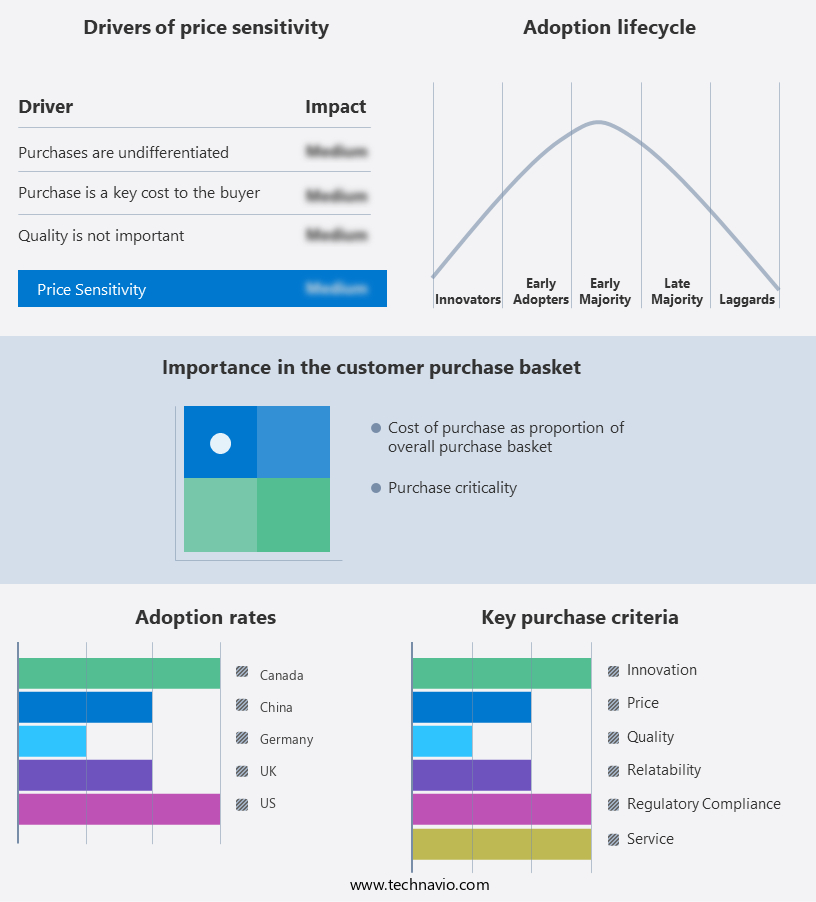
Customer Landscape
Key Companies & Market Insights
Companies are implementing various strategies, such as strategic alliances, sterilization services market forecast, partnerships, mergers and acquisitions, geographical expansion, and product/service launches, to enhance their presence in the industry.
ASP Global Manufacturing GmbH - The company specializes in providing advanced sterilization solutions, including the STERRAD 100NX and STERRAD 100S systems.
The industry research and growth report includes detailed analyses of the competitive landscape of the market and information about key companies, including:
- ASP Global Manufacturing GmbH
- B.Braun SE
- BGS Beta Gamma Service GmbH and Co. KG
- Cantel Medical
- Cosmed Group
- Cretex Co. Inc.
- E BEAM Services Inc.
- Fortive Corp.
- H.W.Andersen Products Ltd.
- Life Science Outsourcing Inc.
- Medistri SA
- Medline Industries LP
- Metall Zug AG
- Midwest Sterilization Corp.
- MMM Group
- Noxilizer Inc.
- Scapa Group Plc
- Sotera Health Co.
- STERIS plc
- Stryker Corp.
Qualitative and quantitative analysis of companies has been conducted to help clients understand the wider business environment as well as the strengths and weaknesses of key industry players. Data is qualitatively analyzed to categorize companies as pure play, category-focused, industry-focused, and diversified; it is quantitatively analyzed to categorize companies as dominant, leading, strong, tentative, and weak.
Recent Development and News in Sterilization Services Market
- In January 2024, STERIS plc, a leading provider of infection prevention solutions, announced the launch of its new V-PRO 140 sterilizer, which utilizes ethylene oxide (EtO) sterilization technology and offers increased capacity and efficiency (STERIS press release).
- In March 2024, Thermo Fisher Scientific and 3M collaborated to expand their partnership, integrating Thermo Fisher's microbiology services with 3M's sterilization technologies, aiming to provide comprehensive solutions for healthcare and laboratory customers (Thermo Fisher Scientific press release).
- In May 2024, Sterilization Technology, Inc. (STI) completed the acquisition of the sterilization business from GE Healthcare, expanding STI's portfolio and capabilities in the medical device sterilization market (STI press release).
- In April 2025, the European Commission approved the use of hydrogen peroxide vapor (HPV) sterilization for single-use medical devices, opening new opportunities for companies offering HPV sterilization solutions (European Commission press release).
Research Analyst Overview
- The market is characterized by a focus on inventory control and supply chain management to ensure regulatory compliance reporting. Continuous improvement is a key trend, with companies investing in training programs and change control processes to enhance regulatory affairs and employee safety. Emerging technologies, such as validation reports and audit trails, enable data acquisition and analytics, aligning with industry standards and sustainability initiatives. Technology advancements in sterilant efficacy, environmental impact, and data analytics drive industry best practices. Record keeping, process capability, and equipment maintenance are essential for logistics optimization and risk assessment.
- Error reduction through traceability systems and post-market surveillance is crucial for sterilization service providers to maintain their reputation and mitigate product recall management risks. Regulatory compliance reporting, document control, and sterilant efficacy are critical factors in the market, with a growing emphasis on sustainability initiatives and industry best practices.
Dive into Technavio's robust research methodology, blending expert interviews, extensive data synthesis, and validated models for unparalleled Sterilization Services Market insights. See full methodology.
|
Market Scope |
|
|
Report Coverage |
Details |
|
Page number |
132 |
|
Base year |
2023 |
|
Historic period |
2018-2022 |
|
Forecast period |
2024-2028 |
|
Growth momentum & CAGR |
Accelerate at a CAGR of 4.5% |
|
Market growth 2024-2028 |
USD 1005 million |
|
Market structure |
Fragmented |
|
YoY growth 2023-2024(%) |
4.23 |
|
Key countries |
US, Germany, UK, Canada, China, India, Japan, France, and Italy |
|
Competitive landscape |
Leading Companies, Market Positioning of Companies, Competitive Strategies, and Industry Risks |
What are the Key Data Covered in this Sterilization Services Market Research and Growth Report?
- CAGR of the Sterilization Services industry during the forecast period
- Detailed information on factors that will drive the growth and forecasting between 2024 and 2028
- Precise estimation of the size of the market and its contribution of the industry in focus to the parent market
- Accurate predictions about upcoming growth and trends and changes in consumer behaviour
- Growth of the market across North America, Europe, Asia, and Rest of World (ROW)
- Thorough analysis of the market's competitive landscape and detailed information about companies
- Comprehensive analysis of factors that will challenge the sterilization services market growth of industry companies
We can help! Our analysts can customize this sterilization services market research report to meet your requirements.
 RIA -
RIA - 
