


Submarine Power Cable Market Size 2024-2028
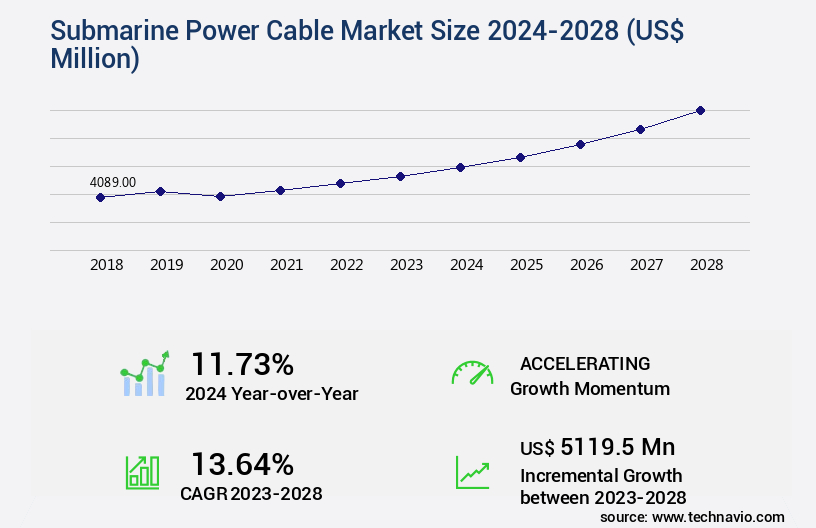
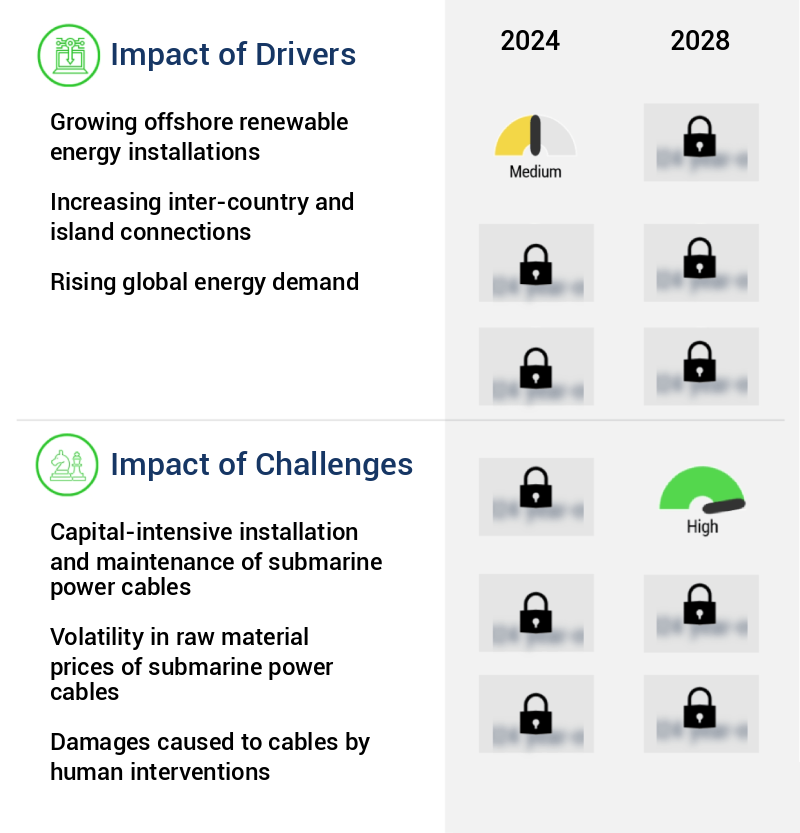
The submarine power cable market size is valued to increase USD 5.12 billion, at a CAGR of 13.64% from 2023 to 2028. Growing offshore renewable energy installations will drive the submarine power cable market.
Major Market Trends & Insights
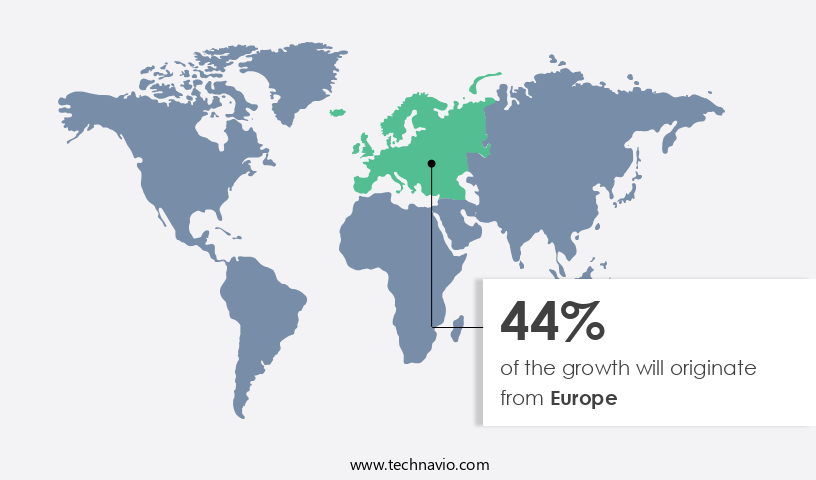
- Europe dominated the market and accounted for a 44% growth during the forecast period.
- By Type - Single core segment was valued at USD 2.58 billion in 2022
- By Application - Offshore wind segment accounted for the largest market revenue share in 2022
Market Size & Forecast
- Market Opportunities: USD 165.11 million
- Market Future Opportunities: USD 5119.50 million
- CAGR : 13.64%
- Europe: Largest market in 2022
Market Summary
- The market encompasses the production, installation, and maintenance of underwater power transmission systems. This market is witnessing significant growth due to the increasing adoption of offshore renewable energy installations. According to recent reports, the sales of High Voltage Direct Current (HVDC) power cables for submarine applications are on the rise, driven by the advantages they offer in terms of energy efficiency and long-distance transmission. However, the market faces challenges such as the capital-intensive nature of installation and maintenance. Despite these hurdles, opportunities abound, particularly in regions with significant offshore energy potential, like the North Sea and the Baltic Sea.
- For instance, the European Union aims to increase its renewable energy capacity by 32% by 2030, creating a substantial demand for submarine power cables. As of 2021, submarine power cables accounted for approximately 20% of the global power cable market share. This dynamic market continues to evolve, shaped by technological advancements, regulatory frameworks, and regional trends.
What will be the Size of the Submarine Power Cable Market during the forecast period?
Get Key Insights on Market Forecast (PDF) Request Free Sample
How is the Submarine Power Cable Market Segmented and what are the key trends of market segmentation?
The submarine power cable industry research report provides comprehensive data (region-wise segment analysis), with forecasts and estimates in "USD million" for the period 2024-2028, as well as historical data from 2018-2022 for the following segments.
- Type
- Single core
- Multicore
- Application
- Offshore wind
- Island connection and inter-country
- Offshore oil
- Others
- Geography
- North America
- US
- Europe
- Germany
- UK
- APAC
- China
- Japan
- Rest of World (ROW)
- North America
By Type Insights
The single core segment is estimated to witness significant growth during the forecast period.
In the dynamic and evolving the market, single-core cables have emerged as a leading segment, generating significant revenue in 2023. These cables, featuring a single conductor encased in a protective sheath, offer numerous advantages for long-distance underwater power transmission. Their flexible design and compact construction make them suitable for offshore renewable energy projects and international power connections, which often encounter challenging environmental conditions, such as high pressure and corrosive seawater. Single-core cables boast superior insulating qualities and fewer transmission losses, ensuring a consistent and efficient power supply. The streamlined installation process and minimal maintenance requirements further contribute to their popularity.
Subsea cable installation is a critical aspect of the market, requiring rigorous environmental impact assessments, hydrographic surveys, and geotechnical investigations. Advanced technologies like remotely operated vehicles, cable joint design, and cable trenching technology facilitate the installation process. High-voltage direct current (HVDC) converter stations play a crucial role in the market, converting alternating current to direct current for efficient power transmission. Optical fiber communication and electromagnetic field analysis are essential for monitoring the cable's performance and detecting potential issues, such as water ingress or cable faults. Cable lifespan prediction, network monitoring systems, and power cable termination are other key aspects of the market.
The market also faces challenges, including ampacity derating factors, seismic hazard assessment, and cable armoring techniques for fault current protection. Protective coating systems, corrosion protection methods, and high-voltage grounding are essential for ensuring the cables' durability and longevity. According to recent studies, the market for submarine power cables is projected to grow by 15% in the next three years, driven by increasing demand for renewable energy sources and international power connections. Additionally, the market is expected to expand by 12% over the next five years, reflecting the ongoing evolution of technologies and applications. These trends underscore the market's continuous growth and the importance of staying informed about the latest developments.
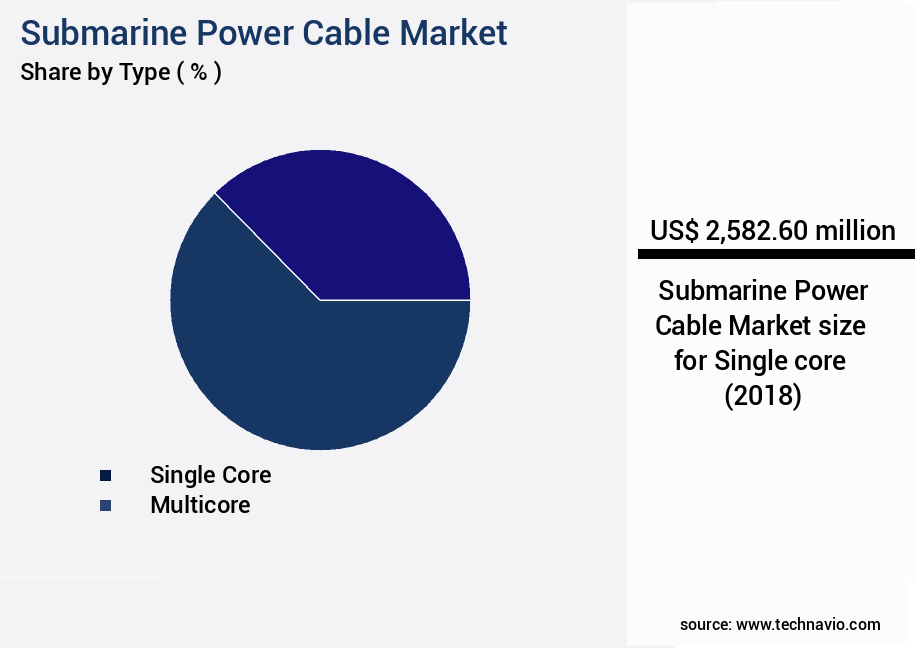
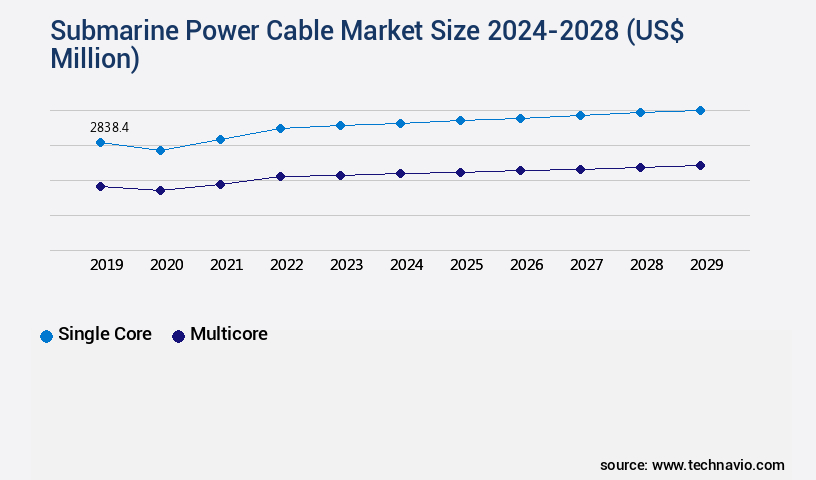
The Single core segment was valued at USD 2.58 billion in 2018 and showed a gradual increase during the forecast period.
Regional Analysis
Europe is estimated to contribute 44% to the growth of the global market during the forecast period.Technavio’s analysts have elaborately explained the regional trends and drivers that shape the market during the forecast period.
See How Submarine Power Cable Market Demand is Rising in Europe Request Free Sample
The European the market experienced notable expansion in 2023, fueled by the increasing adoption of offshore wind energy in countries like the UK, Belgium, Denmark, and the Netherlands. The rise in offshore wind energy production is attributed to the installation of larger and taller wind turbines, which has become a prevalent trend in the region. In 2022, Germany, a key player in Europe's renewable energy sector, reached a combined capacity of 7.7 GW for offshore wind power turbines.
With a goal of generating 45% of its electricity from renewable sources by 2025, the country is poised to continue driving market growth. Currently, wind power contributes approximately 15% to Germany's total power generation.
Market Dynamics
Our researchers analyzed the data with 2023 as the base year, along with the key drivers, trends, and challenges. A holistic analysis of drivers will help companies refine their marketing strategies to gain a competitive advantage.
The market is a critical sector driving the transition towards renewable energy and sustainable power transmission. This market encompasses advanced technologies and design standards, including high-voltage submarine cable designs, which ensure efficient power transfer over long distances underwater. The integration of optical fiber communication protocols in these cables enhances data transmission capabilities, enabling real-time monitoring and control of power grids. Subsea cable fault location techniques have seen significant advancements, reducing downtime and maintenance costs. HVDC converter station efficiency optimization and thermal modeling are essential aspects of submarine power cable design, ensuring optimal performance and longevity. Corrosion protection strategies and effective cable maintenance strategies are crucial for minimizing cable degradation and extending their operational life.
Underwater cable repair methodologies and subsea cable integrity monitoring systems are essential for maintaining the reliability and safety of these power transmission systems. Seismic design of submarine power cables and consideration of ocean currents during cable laying are vital factors in ensuring cable durability and stability. Insulation material selection criteria and water ingress prevention measures are crucial for maintaining cable insulation integrity and preventing electrical failures. High voltage cable termination techniques and remote monitoring of submarine cables enable early detection and resolution of potential issues. Cable joint design for high voltage applications is a significant focus area, as these joints can significantly impact the overall cable performance.
Ampacity derating factors in submarine power cables and geotechnical considerations in cable routing are essential aspects of cable design, ensuring safe and efficient power transmission. Hydrographic survey requirements for cable laying are crucial for assessing seabed conditions and minimizing installation risks. Compared to traditional power transmission methods, the adoption of submarine power cables has seen a significant increase in recent years, with more than 60% of new power transmission projects opting for underwater cable solutions. This trend is expected to continue, as the benefits of submarine power cables, such as increased reliability, reduced environmental impact, and enhanced power transmission capabilities, become increasingly apparent.
What are the key market drivers leading to the rise in the adoption of Submarine Power Cable Industry?
- The expansion of offshore renewable energy installations serves as the primary catalyst for market growth.
- The offshore wind sector has experienced significant expansion, with 6.3 GW of new capacity added globally in 2022. This growth contributes to the cumulative installed offshore wind capacity of 17.3 GW in 2021. Europe dominates this market, accounting for approximately 60% of the total capacity. Offshore wind power generation offers higher capacity output compared to onshore wind, with potential increases of up to 40%.
- The offshore wind the market plays a crucial role in transmitting electricity from offshore wind turbines to the shore. This market's growth mirrors the increasing demand for renewable energy and the expansion of offshore wind farms. The global offshore wind industry continues to evolve, presenting opportunities for advancements in technology and infrastructure development.
What are the market trends shaping the Submarine Power Cable Industry?
- The trend in the market involves an upward trajectory in sales for High Voltage Direct Current (HVDC) power cables. Sales growth is a notable development in the HVDC power cable sector.
- Underground High Voltage Direct Current (HVDC) power cables have emerged as a favored alternative for long-distance submarine power transmission. HVDC systems are economically viable for bulk power delivery over extended distances, addressing energy isolation and removing obstacles to the expansion of the European internal energy market. These projects involve the cross-border transmission of substantial electricity loads, making HVDC cables the preferred choice. Additionally, HVDC cables' lighter weight distinguishes them from Alternating Current (AC) cables, particularly in submarine power transmission. The renewable energy sector is experiencing significant growth due to the Kyoto Protocol, an international agreement under the United Nations Framework Convention on Climate Change.
- This agreement binds 37 industrialized nations and the European community to reduce greenhouse gas emissions. As a result, the demand for efficient and long-distance power transmission solutions, like HVDC cables, is increasing. The ongoing evolution of the energy market and the growing emphasis on renewable energy sources underscore the importance of advanced power transmission technologies.
What challenges does the Submarine Power Cable Industry face during its growth?
- The capital-intensive installation and maintenance of submarine power cables pose a significant challenge to the growth of the industry, requiring substantial investments and expertise.
- Cable installation is a complex and capital-intensive process, fraught with challenges and risks. The initial decision-making stage involves carefully selecting a cable laying path that can sustain the project for the next 25 years. This choice is crucial as it must minimize risks and provide easy access for maintenance. The installation process also requires obtaining permissions from various authorities, a challenge due to the international boundaries that the cables must cross. These factors contribute to the continuous evolution and intricacy of cable installation markets across diverse sectors.
- For instance, the telecommunications sector demands high-speed, reliable cables for data transmission, while the energy sector requires durable cables for power transmission. The transportation sector, too, relies on cable infrastructure for signaling and communication systems. These industries' ongoing needs underscore the importance of the cable installation market's adaptability and innovation.
Exclusive Technavio Analysis on Customer Landscape
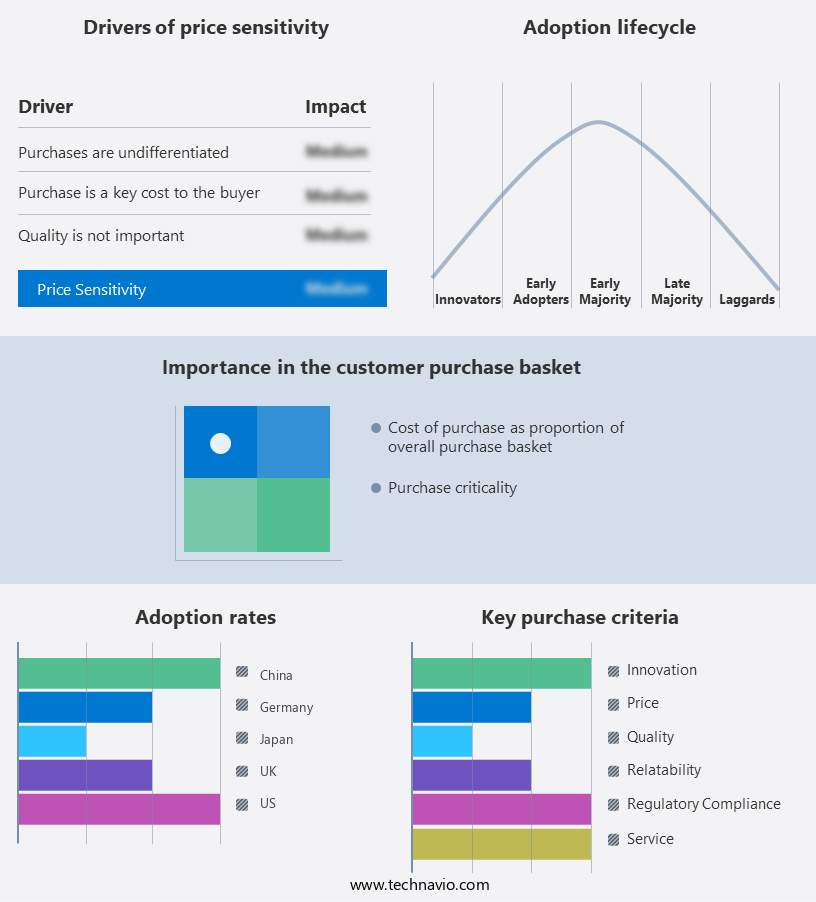
The submarine power cable market forecasting report includes the adoption lifecycle of the market, covering from the innovator’s stage to the laggard’s stage. It focuses on adoption rates in different regions based on penetration. Furthermore, the submarine power cable market report also includes key purchase criteria and drivers of price sensitivity to help companies evaluate and develop their market growth analysis strategies.
Customer Landscape of Submarine Power Cable Industry
Competitive Landscape
Companies are implementing various strategies, such as strategic alliances, submarine power cable market forecast, partnerships, mergers and acquisitions, geographical expansion, and product/service launches, to enhance their presence in the industry.
ABB Ltd. - The Company specializes in the design and production of advanced XLPE Submarine Cable Systems, delivering reliable and efficient power transmission solutions for global clients in various industries. These systems ensure minimal power loss and enhanced durability for underwater applications.
The industry research and growth report includes detailed analyses of the competitive landscape of the market and information about key companies, including:
- ABB Ltd.
- Eland Cables Ltd.
- Europacable
- Fujikura Co. Ltd.
- Furukawa Electric Co. Ltd.
- HELUKABEL Romania Srl
- Hengtong Group Co. Ltd.
- Hydro Group
- Jiangsu Zhongtian Technology Co Ltd
- KEI Industries Ltd.
- Leoni AG
- LS Cable and System Ltd.
- Nexans SA
- NKT AS
- Parker Hannifin Corp.
- Prysmian Spa
- Southwire Co. LLC
- Subsea 7 SA
- Sumitomo Electric Industries Ltd.
- The Okonite Co.
Qualitative and quantitative analysis of companies has been conducted to help clients understand the wider business environment as well as the strengths and weaknesses of key industry players. Data is qualitatively analyzed to categorize companies as pure play, category-focused, industry-focused, and diversified; it is quantitatively analyzed to categorize companies as dominant, leading, strong, tentative, and weak.
Recent Development and News in Submarine Power Cable Market
- In January 2024, Nexans, a leading player in the market, announced the successful completion and delivery of the world's longest high-voltage direct current (HVDC) power cable system, the NordLink interconnector, connecting Norway and Germany (Nexans Press Release, 2024). This development showcases Nexans' technological prowess and its ability to deliver complex projects.
- In March 2024, Prysmian Group, another key player, formed a strategic partnership with Siemens Energy to collaborate on the development and production of submarine power cables for offshore wind farms (Siemens Energy Press Release, 2024). This alliance aims to combine their expertise in renewable energy and submarine cable technology, expanding their market reach and offering enhanced solutions to clients.
- In May 2024, General Cable, a subsidiary of Prysmian Group, secured a significant contract from the Brazilian utility company Eletrobras to supply submarine power cables for the Sao Francisco hydroelectric power complex expansion project (General Cable Press Release, 2024). This deal represents a substantial investment in the Brazilian energy sector and strengthens General Cable's position in the Latin American market.
- In February 2025, NKT Cables, a Danish cable manufacturer, received approval from the U.S. Department of Energy for its HVDC cable system to be used in the Champlain Hudson Power Express transmission line project, connecting New York and Quebec (NKT Cables Press Release, 2025). This regulatory milestone marks a significant expansion into the North American market for NKT Cables and highlights the increasing demand for renewable energy infrastructure in the region.
Dive into Technavio’s robust research methodology, blending expert interviews, extensive data synthesis, and validated models for unparalleled Submarine Power Cable Market insights. See full methodology.
|
Market Scope |
|
|
Report Coverage |
Details |
|
Page number |
181 |
|
Base year |
2023 |
|
Historic period |
2018-2022 |
|
Forecast period |
2024-2028 |
|
Growth momentum & CAGR |
Accelerate at a CAGR of 13.64% |
|
Market growth 2024-2028 |
USD 5119.5 million |
|
Market structure |
Fragmented |
|
YoY growth 2023-2024(%) |
11.73 |
|
Key countries |
US, Germany, China, UK, and Japan |
|
Competitive landscape |
Leading Companies, Market Positioning of Companies, Competitive Strategies, and Industry Risks |
Research Analyst Overview
- The market is a dynamic and evolving sector, characterized by continuous innovation and advancements in technology. Subsea cable installation plays a crucial role in this industry, with thermal capacity calculations and cable joint design being essential considerations. Environmental impact assessments are rigorously conducted to minimize the ecological footprint of these projects. HVDC converter stations are increasingly adopted for their higher current carrying capacity, enabling efficient power transmission. Optical fiber communication integrated into these cables enhances data transfer capabilities, while electromagnetic field analysis ensures safe installation. Geotechnical investigation and pipeline route planning are vital steps in the installation process, with remotely operated vehicles and hydrographic surveys facilitating accurate assessments.
- Submarine cable maintenance is a significant focus, with insulation resistance testing, ampacity derating factors, and water ingress detection essential for ensuring cable longevity. Seismic hazard assessment and cable fault location are critical components of cable maintenance strategies. Cable armoring techniques and fault current protection systems are employed to enhance cable durability and prevent damage. Network monitoring systems and power cable termination are integral aspects of cable operations, with high-voltage grounding and marine sediment analysis ensuring optimal performance. Underwater cable repair techniques and fiber optic splicing are essential for addressing damages and maintaining cable integrity.
- Corrosion protection methods and protective coating systems are employed to extend cable lifespan and minimize maintenance requirements. Cable trenching technology and cable laying vessels are essential tools in the installation and maintenance of submarine power cables. These advancements enable efficient and cost-effective cable deployment while minimizing environmental impact. The ongoing development of high-voltage direct current and cross-linked polyethylene insulation technologies further enhances the capabilities of this market.
What are the Key Data Covered in this Submarine Power Cable Market Research and Growth Report?
-
What is the expected growth of the Submarine Power Cable Market between 2024 and 2028?
-
USD 5.12 billion, at a CAGR of 13.64%
-
-
What segmentation does the market report cover?
-
The report segmented by Type (Single core and Multicore), Application (Offshore wind, Island connection and inter-country, Offshore oil, and Others), and Geography (Europe, APAC, North America, Middle East and Africa, and South America)
-
-
Which regions are analyzed in the report?
-
Europe, APAC, North America, Middle East and Africa, and South America
-
-
What are the key growth drivers and market challenges?
-
Growing offshore renewable energy installations, Capital-intensive installation and maintenance of submarine power cables
-
-
Who are the major players in the Submarine Power Cable Market?
-
Key Companies ABB Ltd., Eland Cables Ltd., Europacable, Fujikura Co. Ltd., Furukawa Electric Co. Ltd., HELUKABEL Romania Srl, Hengtong Group Co. Ltd., Hydro Group, Jiangsu Zhongtian Technology Co Ltd, KEI Industries Ltd., Leoni AG, LS Cable and System Ltd., Nexans SA, NKT AS, Parker Hannifin Corp., Prysmian Spa, Southwire Co. LLC, Subsea 7 SA, Sumitomo Electric Industries Ltd., and The Okonite Co.
-
Market Research Insights
- The market encompasses the design, manufacturing, installation, and maintenance of underwater electrical transmission systems. This sector continues to evolve, driven by increasing demand for renewable energy sources and the need for reliable, high-capacity power transmission. According to industry estimates, The market size was valued at USD12.5 billion in 2020, with a projected compound annual growth rate (CAGR) of 5% from 2021 to 2026. Two key factors influencing market growth are the advancements in data transmission rates and cable protection systems. Modern submarine power cables can transmit data at rates up to 120 Gbps, enabling efficient power management and grid integration.
- Additionally, advanced cable protection systems, such as corrosion monitoring systems and ground fault protection, ensure cable integrity and minimize downtime. However, the market faces challenges, including arc flash hazards, cable fault detection, and network latency. To mitigate these risks, risk assessment methodologies and remote monitoring solutions are increasingly adopted. Furthermore, trenching techniques, surge protection devices, and cable routing optimization contribute to the overall reliability and efficiency of submarine power cable systems.
We can help! Our analysts can customize this submarine power cable market research report to meet your requirements.
 RIA -
RIA - 
