



Topical Corticosteroids Market Size 2024-2028
The topical corticosteroids market size is forecast to increase by USD 1.36 billion, at a CAGR of 4.74% between 2023 and 2028.
- The market is characterized by significant growth drivers and trends, as well as notable challenges. One of the primary growth drivers is the continuous advancements in drug delivery systems, enabling more effective and efficient application of topical corticosteroids. These innovations include transdermal patches, gels, and creams that ensure optimal corticosteroid absorption and minimal side effects. This development enhances patient compliance and improves treatment outcomes, creating new opportunities for market expansion. Another trend shaping the market is the increasing adoption of generic drugs, which offer cost advantages and broaden access to a larger patient population. This trend is particularly prominent in developing markets, where affordability is a significant concern. However, the availability of alternative treatments, such as biologics and other anti-inflammatory agents, poses a challenge to market growth.
- These alternatives offer unique benefits, such as fewer side effects and targeted action, which may encourage some patients and healthcare providers to opt for them over topical corticosteroids. Companies in the market must navigate these challenges by focusing on innovation, cost competitiveness, and effective marketing strategies to maintain their market position and capitalize on the opportunities presented by the evolving market landscape.
What will be the Size of the Topical Corticosteroids Market during the forecast period?
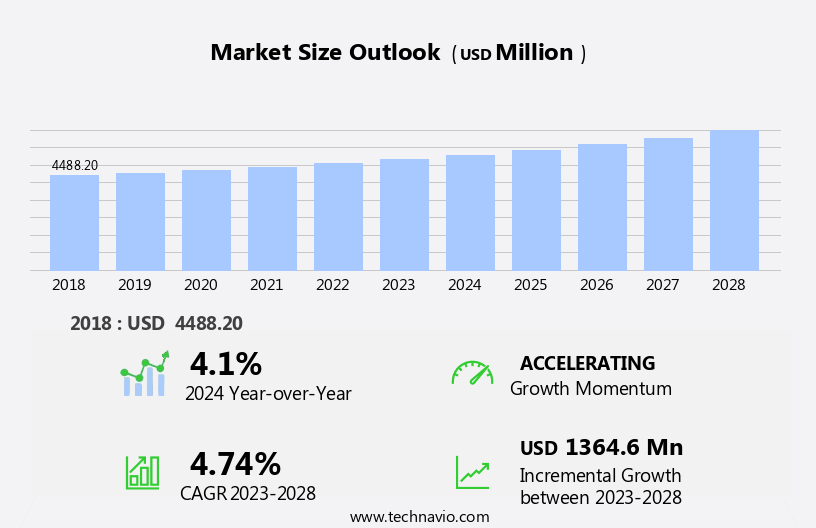
Explore in-depth regional segment analysis with market size data - historical 2018-2022 and forecasts 2024-2028 - in the full report.
Request Free Sample
Topical corticosteroids continue to dominate the therapeutic landscape in dermatology, with their applications extending across various sectors, including seborrheic dermatitis, contact dermatitis, atopic dermatitis, perioral dermatitis, and psoriasis. The market dynamics of topical corticosteroids remain in a state of continuous evolution, shaped by ongoing research and development, regulatory affairs, and clinical trials. Steroid responsiveness and patient compliance are critical factors influencing market trends. The development of innovative dosage forms, such as foam, gel, and spray, aims to enhance patient adherence and improve skin penetration. Intellectual property rights and pricing strategies also play a significant role in shaping market competition.
However, the use of topical corticosteroids is not without challenges. Adverse effects, such as skin irritation, non-steroidal alternatives, and allergic reactions, necessitate ongoing research to mitigate risks and expand treatment options. Drug interactions and acneiform eruptions are other concerns that require careful consideration in treatment regimens. Clinical trials are ongoing to explore the potential of combination therapy with calcineurin inhibitors and corticosteroids for improving treatment outcomes while minimizing side effects. Skin barrier function and patient education are essential components of effective treatment strategies, ensuring optimal patient outcomes and reducing the risk of adverse effects. Regulatory affairs continue to shape market dynamics, with stringent storage conditions and shelf life requirements ensuring product safety and efficacy.
The evolving regulatory landscape necessitates ongoing quality control measures and robust distribution channels to maintain market competitiveness. In conclusion, the market remains a dynamic and complex landscape, shaped by ongoing research, regulatory affairs, and evolving patient needs. The ongoing exploration of new dosage forms, treatment regimens, and non-steroidal alternatives, as well as the challenges of adverse effects and drug interactions, underscore the importance of continued innovation and collaboration in the field.
How is this Topical Corticosteroids Industry segmented?
The topical corticosteroids industry research report provides comprehensive data (region-wise segment analysis), with forecasts and estimates in "USD million" for the period 2024-2028, as well as historical data from 2018-2022 for the following segments.
- End-user
- Hospitals
- Dermatology clinics
- Pharmacies
- Others
- Type
- Prescription
- OTC
- Potency
- Low Potency
- Medium Potency
- High Potency
- Super High Potency
- Formulation
- Creams
- Ointments
- Gels
- Lotions
- Foams
- Solutions
- Sprays
- Application
- Eczema/Dermatitis
- Psoriasis
- Allergic Reactions
- Inflammatory Skin Conditions
- Other Skin Disorders
- Geography
- North America
- US
- Canada
- Europe
- France
- Germany
- Italy
- UK
- Middle East and Africa
- Egypt
- KSA
- Oman
- UAE
- APAC
- China
- India
- Japan
- South America
- Argentina
- Brazil
- Rest of World (ROW)
- North America
By End-user Insights
The hospitals segment is estimated to witness significant growth during the forecast period.
Topical corticosteroids are essential medications in hospital settings for managing various skin conditions, including dermatitis, psoriasis, and eczema. These conditions are commonly treated in hospitals through dermatology departments or skin clinics, where healthcare professionals, primarily dermatologists, prescribe topical corticosteroids to alleviate symptoms such as itching, inflammation, and redness. Topical corticosteroids come in various strengths and formulations, including creams, ointments, and gels, catering to diverse patient requirements. The market for topical corticosteroids in hospitals is projected to expand due to the rising incidence of skin disorders globally. Steroid responsiveness, proper storage conditions, and shelf life are crucial factors influencing the market's growth.
Regulatory affairs play a significant role in ensuring the safety and efficacy of topical corticosteroids, with regulatory bodies overseeing their distribution channels. Adverse effects, drug interactions, and potential complications, such as acneiform eruptions, calcineurin inhibitors, and combination therapy, necessitate patient education and careful monitoring. Skin barrier function and patient compliance are essential considerations for healthcare professionals when prescribing topical corticosteroids. Non-steroidal alternatives and allergic reactions are potential concerns, necessitating clinical trials and ongoing research. Intellectual property protection and pricing strategies are essential factors influencing market dynamics. Seborrheic dermatitis, skin thinning, contact dermatitis, atopic dermatitis, and perioral dermatitis are some common skin conditions treated with topical corticosteroids.
Fluocinolone acetonide and mometasone furoate are among the popular topical corticosteroids used in hospitals. Healthcare professionals collaborate to develop effective treatment regimens, ensuring quality control and patient safety. Skin irritation and patient education are ongoing concerns, with a focus on minimizing adverse effects and optimizing patient outcomes.
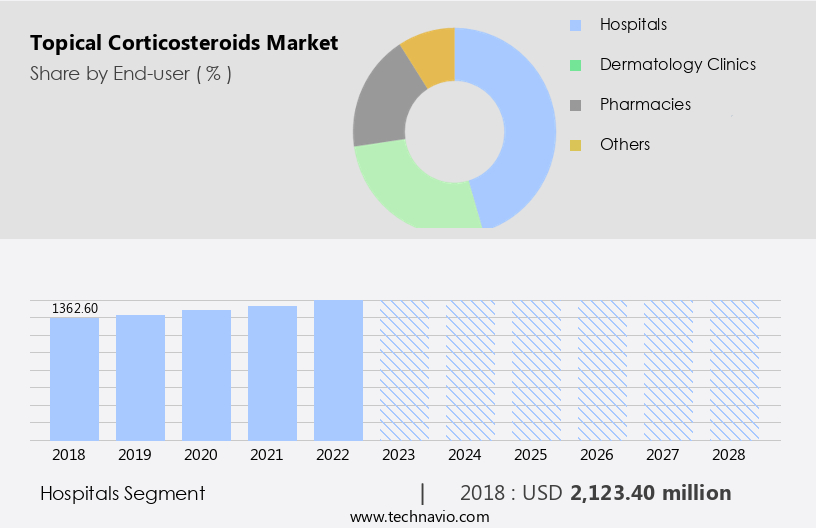
The Hospitals segment was valued at USD 2.12 billion in 2018 and showed a gradual increase during the forecast period.
Regional Analysis
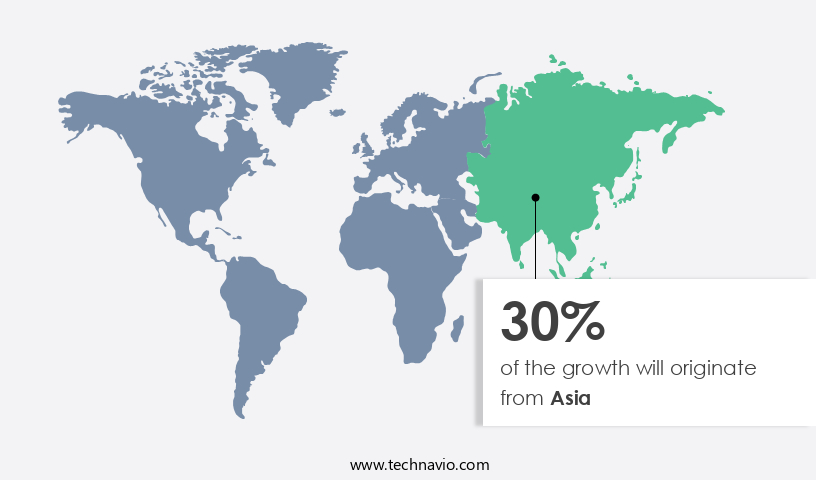
Asia is estimated to contribute 30% to the growth of the global market during the forecast period.Technavio's analysts have elaborately explained the regional trends and drivers that shape the market during the forecast period.
Topical corticosteroids, a crucial therapeutic class for treating diverse skin conditions such as eczema, psoriasis, and dermatitis, witness significant demand in North America. Factors fueling market growth include the high prevalence of skin disorders, an aging population, and heightened awareness and diagnosis of skin conditions. The US, with its substantial healthcare expenditure, well-developed healthcare infrastructure, and increasing incidence of skin diseases, leads the North American market. Key players include GlaxoSmithKline, Pfizer, and Merck, among others. Storage conditions and shelf life are crucial considerations for topical corticosteroids, ensuring product efficacy and patient safety. Steroid responsiveness varies among individuals, necessitating customized treatment regimens.
Healthcare professionals play a pivotal role in prescribing and administering these medications, which come in various dosage forms, including steroid creams. Adverse effects, such as skin irritation and allergic reactions, and drug interactions with calcineurin inhibitors or combination therapy, necessitate careful patient education. Skin barrier function and patient compliance are essential factors affecting treatment outcomes. Non-steroidal alternatives and combination therapies offer potential solutions to mitigate side effects. Regulatory affairs and quality control are essential aspects of the market. Clinical trials and intellectual property protection contribute to market innovation. Seborrheic dermatitis, contact dermatitis, perioral dermatitis, and atopic dermatitis are common indications for topical corticosteroids.
Skin thinning is a potential long-term concern, requiring ongoing research and patient monitoring. Pricing strategies and brand awareness are essential market dynamics. Mometasone furoate and clobetasol propionate are popular corticosteroids, with fluocinolone acetonide also gaining traction. Market competition is intense, necessitating a focus on patient education, product innovation, and regulatory compliance.
Market Dynamics
Our researchers analyzed the data with 2023 as the base year, along with the key drivers, trends, and challenges. A holistic analysis of drivers will help companies refine their marketing strategies to gain a competitive advantage.
The Global Topical Corticosteroids Market is a vital segment in dermatology, primarily driven by the increasing prevalence of inflammatory skin conditions. Topical corticosteroids are widely utilized for eczema treatment, psoriasis management, and various forms of dermatitis treatment. The market encompasses a range of topical corticosteroid creams and diverse topical corticosteroid formulations, including high potency topical corticosteroids. The growing topical corticosteroids market size reflects their efficacy, though concerns regarding side effects of topical corticosteroids and long-term topical corticosteroids use necessitate careful patient education and management of topical steroid withdrawal syndrome. Novel topical steroid formulations and advanced topical drug delivery systems are shaping topical corticosteroids market trends, with key players in topical corticosteroids market focusing on innovations for both adults and pediatric topical corticosteroids. Understanding the topical corticosteroids regulatory landscape is crucial for market entry, ensuring safe and effective anti-inflammatory skin medication.What are the key market drivers leading to the rise in the adoption of Topical Corticosteroids Industry?
- Advancements in drug delivery systems significantly drive the market's growth, as these innovations enhance therapeutic efficacy, improve patient compliance, and reduce side effects through targeted and controlled drug release mechanisms.
- Topical corticosteroids are a common treatment for various inflammatory skin conditions, and recent advancements in drug delivery systems have significantly boosted their market growth. These innovations have addressed previous limitations by enhancing corticosteroid absorption and bioavailability while minimizing systemic exposure. For instance, nanoparticle-based formulations, such as liposomes and nano gels, have demonstrated improved therapeutic efficacy by delivering corticosteroids more effectively to the skin. Other promising drug delivery systems include microemulsions, solid lipid nanoparticles, and dendrimers, which offer targeted drug delivery to specific skin layers, sustained release, and increased patient compliance due to less frequent application. Storage conditions and shelf life are crucial factors in the market.
- Proper storage conditions ensure product stability and maintain the steroid's potency, while an adequate shelf life ensures that healthcare professionals and patients have access to effective treatments. Regulatory affairs play a significant role in the market, as stringent regulations ensure the safety and efficacy of topical corticosteroids. Steroid responsiveness, a critical factor in the treatment of various skin conditions, influences the market dynamics. Healthcare professionals rely on topical corticosteroids' ability to provide effective relief for their patients, making the development of more potent and targeted formulations a priority. Distribution channels, including pharmacies, hospitals, and online retailers, are essential for ensuring access to these treatments for patients.
- Clobetasol propionate and mometasone furoate are among the topical corticosteroids that have shown significant therapeutic benefits. Overall, The market is driven by advancements in drug delivery systems, regulatory compliance, and the growing demand for effective treatments for various inflammatory skin conditions.
What are the market trends shaping the Topical Corticosteroids Industry?
- The growing trend in the market is characterized by the increasing adoption of generic drugs. This shift towards affordable and effective alternatives to branded medications is a significant development in the healthcare industry.
- The market is witnessing an upward trend due to the increasing prevalence of skin diseases and disorders worldwide. One of the primary factors fueling market growth is the rising adoption of generic steroid creams. This trend is driven by the cost-effectiveness of these drugs, making them more accessible and affordable to patients, particularly in countries with limited healthcare resources and lower-income populations. Another significant factor contributing to the market's growth is the intensifying competition among drug manufacturers, leading to the availability of various generic options. However, the use of topical corticosteroids is not without risks.
- Adverse effects such as skin thinning, acneiform eruptions, and drug interactions with other medications are potential concerns. Additionally, calcineurin inhibitors and combination therapy are increasingly being used to preserve skin barrier function and minimize adverse effects. Overall, the market is expected to continue its growth trajectory, driven by the increasing demand for cost-effective treatment regimens and the ongoing research and development efforts to improve the safety and efficacy of these drugs.
What challenges does the Topical Corticosteroids Industry face during its growth?
- The expansion of the industry is significantly influenced by the presence of multiple treatment options and the resulting challenge of maintaining growth.
- The market confronts significant challenges due to the availability of alternative treatments for various skin conditions. Patients may opt for non-steroidal alternatives out of concerns regarding side effects or other factors. Two notable examples of such alternatives are topical calcineurin inhibitors and topical retinoids. Topical calcineurin inhibitors are a class of drugs that inhibit the immune system response, effectively treating eczema and other inflammatory skin conditions. Unlike corticosteroids, they do not cause skin thinning or other long-term side effects. Topical retinoids, derived from vitamin A, are used to address acne, psoriasis, and other skin conditions.
- They offer an alternative treatment option for patients seeking to avoid corticosteroids. Clinical trials are ongoing to evaluate the efficacy and safety of these alternatives, ensuring their potential as viable options for patients. Intellectual property protections are crucial in this market, as innovation and research continue to drive advancements in treatment options. In summary, the market faces challenges from alternative treatments, including topical calcineurin inhibitors and topical retinoids. These alternatives offer patients effective solutions for various skin conditions while minimizing potential side effects. Ongoing clinical trials and intellectual property considerations are essential factors shaping the market landscape.
Exclusive Customer Landscape
The topical corticosteroids market forecasting report includes the adoption lifecycle of the market, covering from the innovator's stage to the laggard's stage. It focuses on adoption rates in different regions based on penetration. Furthermore, the topical corticosteroids market report also includes key purchase criteria and drivers of price sensitivity to help companies evaluate and develop their market growth analysis strategies.
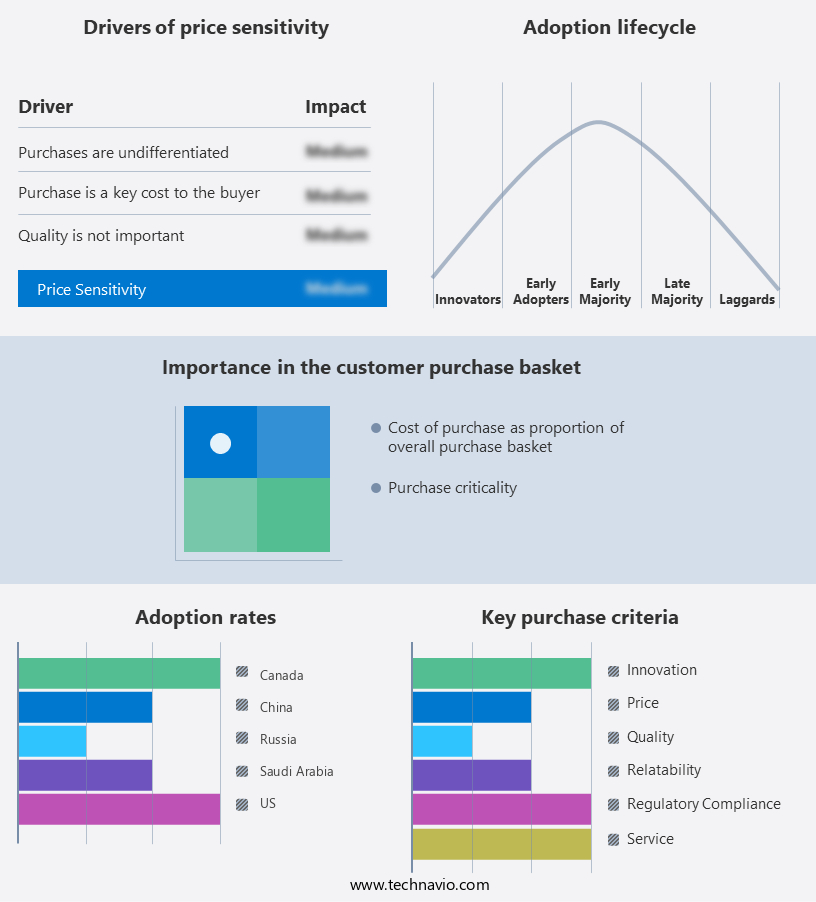
Customer Landscape
Key Companies & Market Insights
Companies are implementing various strategies, such as strategic alliances, topical corticosteroids market forecast, partnerships, mergers and acquisitions, geographical expansion, and product/service launches, to enhance their presence in the industry.
AbbVie Inc. - The company specializes in providing topical corticosteroids, including fluorometholone ophthalmic suspension, through its subsidiary. This solution effectively addresses various conditions, enhancing patient care and elevating therapeutic outcomes.
The industry research and growth report includes detailed analyses of the competitive landscape of the market and information about key companies, including:
- AbbVie Inc.
- Astellas Pharma Inc.
- AstraZeneca Plc
- Bausch Health Companies Inc.
- Bayer AG
- Cipla Inc.
- Dr Reddys Laboratories Ltd.
- Eli Lilly and Co.
- Galderma SA
- GlaxoSmithKline Plc
- Glenmark Pharmaceuticals Ltd.
- LEO Pharma AS
- Merck and Co. Inc.
- Novartis AG
- Perrigo Co. Plc
- Pfizer Inc.
- Sanofi SA
- Sun Pharmaceutical Industries Ltd.
- Teva Pharmaceutical Industries Ltd.
- Viatris Inc.
Qualitative and quantitative analysis of companies has been conducted to help clients understand the wider business environment as well as the strengths and weaknesses of key industry players. Data is qualitatively analyzed to categorize companies as pure play, category-focused, industry-focused, and diversified; it is quantitatively analyzed to categorize companies as dominant, leading, strong, tentative, and weak.
Recent Development and News in Topical Corticosteroids Market
- In January 2024, Mylan N.V. Announced the FDA approval of their new topical corticosteroid, Clobetasol Propionate Cream 0.05%, expanding their dermatology portfolio (Mylan press release).
- In March 2024, Pfizer and Anacor Pharmaceuticals, Inc. Entered into a strategic collaboration to develop and commercialize Anacor's topical corticosteroid, Danazol, for various dermatological indications (Pfizer press release).
- In April 2025, Sun Pharmaceutical Industries Ltd. Acquired Dermik Laboratories, a leading dermatology company, significantly strengthening its presence in the market (Sun Pharma press release).
- In May 2025, the European Commission approved Novartis's new topical corticosteroid, Betamethasone Valerate Cream 0.1%, marking its entry into the European market (Novartis press release).
Research Analyst Overview
- Topical corticosteroids, a mainstay in dermatology, continue to dominate the prescription medications market for skin conditions. Clinical guidelines recommend their use for various inflammatory disorders, yet brand name drugs face intense competition from generic alternatives. Treatment duration and product lifecycle management are crucial for market access and sales force effectiveness. Intellectual property protection, packaging and labeling, and supply chain management are essential for brand differentiation. Long-term effects, adverse event reporting, reimbursement policies, and drug-drug interactions are critical concerns for patients and healthcare providers. Post-market surveillance, steroid potency classification, and therapeutic index are key aspects of regulatory approvals.
- Marketing and promotion strategies, topical application techniques, and patient adherence are vital for successful market penetration. Product innovation, such as drug delivery systems and patient support programs, can enhance patient experience and differentiate offerings. Prescription medications and over-the-counter products coexist, requiring a nuanced understanding of healthcare economics and market dynamics. Adherence to regulatory guidelines, safety monitoring, and effective communication with stakeholders are essential for maintaining trust and market leadership.
Dive into Technavio's robust research methodology, blending expert interviews, extensive data synthesis, and validated models for unparalleled Topical Corticosteroids Market insights. See full methodology.
|
Market Scope |
|
|
Report Coverage |
Details |
|
Page number |
164 |
|
Base year |
2023 |
|
Historic period |
2018-2022 |
|
Forecast period |
2024-2028 |
|
Growth momentum & CAGR |
Accelerate at a CAGR of 4.74% |
|
Market growth 2024-2028 |
USD 1364.6 million |
|
Market structure |
Fragmented |
|
YoY growth 2023-2024(%) |
4.1 |
|
Key countries |
US, Canada, Germany, UK, Italy, France, China, India, Japan, Brazil, Egypt, UAE, Oman, Argentina, KSA, UAE, Brazil, and Rest of World (ROW) |
|
Competitive landscape |
Leading Companies, Market Positioning of Companies, Competitive Strategies, and Industry Risks |
What are the Key Data Covered in this Topical Corticosteroids Market Research and Growth Report?
- CAGR of the Topical Corticosteroids industry during the forecast period
- Detailed information on factors that will drive the growth and forecasting between 2024 and 2028
- Precise estimation of the size of the market and its contribution of the industry in focus to the parent market
- Accurate predictions about upcoming growth and trends and changes in consumer behaviour
- Growth of the market across North America, Europe, Asia, and Rest of World (ROW)
- Thorough analysis of the market's competitive landscape and detailed information about companies
- Comprehensive analysis of factors that will challenge the topical corticosteroids market growth of industry companies
We can help! Our analysts can customize this topical corticosteroids market research report to meet your requirements.
 RIA -
RIA - 
