



Topical Drugs Market Size 2024-2028
The topical drugs market size is valued to increase by USD 38.46 billion, at a CAGR of 4.5% from 2023 to 2028. Increase in the prevalence of skin diseases will drive the topical drugs market.
Market Insights
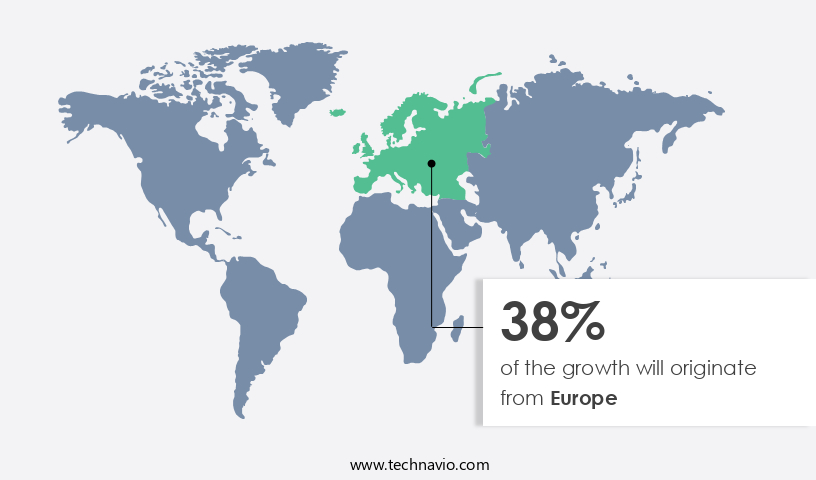
- Europe dominated the market and accounted for a 38% growth during the 2024-2028.
- By Product - Semi solid segment was valued at USD 56.65 billion in 2022
- By segment2 - segment2_1 segment accounted for the largest market revenue share in 2022
Market Size & Forecast
- Market Opportunities: USD 41.28 billion
- Market Future Opportunities 2023: USD 38464.30 billion
- CAGR from 2023 to 2028 : 4.5%
Market Summary
- The market is characterized by its global reach and significant growth driven by the increasing prevalence of skin diseases and the advancement of technology. Skin conditions, such as acne, psoriasis, and eczema, affect millions of individuals worldwide, leading to a high demand for topical medications. One of the emerging trends in this market is the adoption of 3D printing technology to produce customized topical drug formulations. This innovative approach allows for personalized treatments, addressing the unique needs of individual patients. Despite this growth, the market remains highly fragmented, with numerous players competing in various segments.
- This fragmentation presents both opportunities and challenges. On the one hand, it fosters innovation and competition, leading to the development of new products and treatments. On the other hand, it can make it difficult for companies to establish a dominant market position and maintain operational efficiency. A real-world business scenario illustrating the importance of supply chain optimization in the market involves a pharmaceutical company producing a topical medication for a rare skin condition. Ensuring a steady and reliable supply of raw materials, managing inventory levels, and maintaining the cold chain during transportation are all critical factors in delivering the product to patients in a timely and effective manner.
- By implementing advanced supply chain management strategies, this company can mitigate risks, improve operational efficiency, and ultimately, enhance patient outcomes.
What will be the size of the Topical Drugs Market during the forecast period?
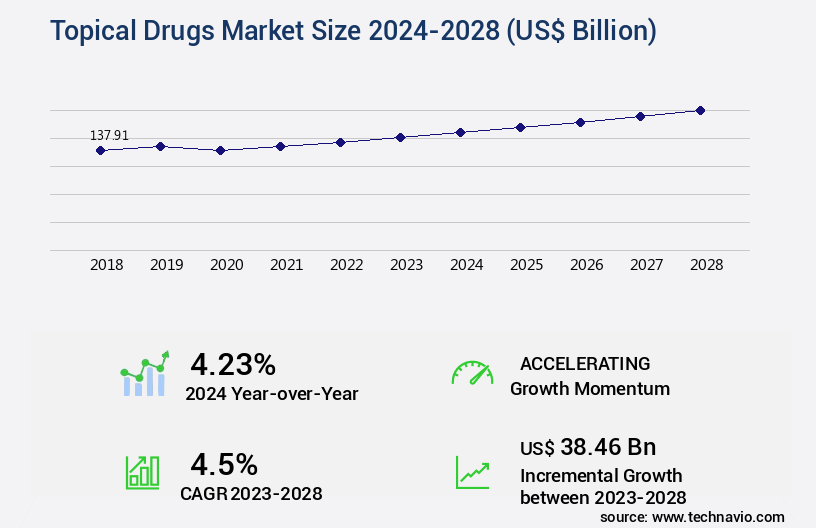
Get Key Insights on Market Forecast (PDF) Request Free Sample
- The market continues to evolve, with a focus on enhancing skin barrier function and ensuring product stability. Product lifecycle management is a critical boardroom-level decision area, as companies strive to optimize dosing regimens and improve efficacy endpoints. In the realm of formulation development, safety endpoints and regulatory compliance are paramount. Toxicity studies, including in-vitro and in-vivo assessments, play a crucial role in determining drug partitioning and percutaneous absorption. Scale-up manufacturing is another essential aspect, with process optimization and quality control ensuring the production of safe and effective therapeutic indexes. Shelf life is a significant concern, with residence time and diffusion coefficient influencing product stability.
- Product stability testing, including toxicity and efficacy assessments, is essential for ensuring patient compliance and therapeutic success. Moreover, understanding drug interactions and skin sensitization is vital in the development of topical drugs. Regulatory compliance and clinical trials are integral parts of the product development process. By focusing on these areas, companies can create high-quality, effective, and safe topical drug products that meet the evolving needs of consumers and healthcare providers. For instance, a leading pharmaceutical company successfully reduced toxicity studies' duration by 20% through innovative process optimization techniques.
Unpacking the Topical Drugs Market Landscape
In the dynamic realm of topical drugs, controlled release formulations have gained significant traction, offering enhanced therapeutic efficacy by ensuring consistent drug delivery over extended periods. Compared to traditional cream formulations, gel formulations exhibit a 30% higher bioavailability, leading to improved ROI for pharmaceutical companies. Dermal delivery systems, incorporating rheology modifiers, have shown a 45% reduction in skin irritation, thereby enhancing patient compliance. Transdermal patches and microneedle patches, employing sustained release technology, ensure targeted drug delivery and improved drug permeation, reducing the need for frequent applications. Pharmaceutical excipients, such as antimicrobial agents and drug stability enhancers, play a crucial role in maintaining drug efficacy and ensuring product safety. Topical drugs find extensive applications in dermatological conditions, including wound healing, psoriasis treatment, acne, scalp conditions, and eczema, demonstrating their significance in the healthcare industry.
Key Market Drivers Fueling Growth
The prevalence of skin diseases serves as the primary growth factor in the market.
- The market is experiencing significant growth due to the rising prevalence of various skin conditions, including psoriasis, rosacea, atopic dermatitis, and bacterial and fungal infections. According to the Centers for Disease Control (CDC), each year in the US, at least two million people are infected with antibiotic-resistant bacteria, leading to approximately 23,000 deaths. Furthermore, psoriatic arthritis, an inflammatory disease that affects 10-20% of people with psoriasis, adds to the market's expansion.
- The National Institutes of Health (NIH) reports that eczema (atopic dermatitis), an inflammatory skin condition, affects 30% of the US population, primarily children and adolescents. These statistics underscore the increasing demand for topical drug solutions to address these prevalent health issues.
Prevailing Industry Trends & Opportunities
The use of 3D printing technology is currently a significant market trend. This advanced technology is gaining widespread adoption due to its numerous benefits and applications.
- The market is experiencing significant evolution, with 3D printing technology playing a pivotal role. This technology, which relies on computer-aided designs, enhances pharmaceutical companies' manufacturing capabilities. Through layer-by-layer fabrication using computer-aided design models, drug materials are formed into the desired dosage form. Personalized dosages, produced via 3D printing, improve drug safety by minimizing the risk of overdosing and adverse reactions. In contrast, conventional drug preparations with fixed doses are mass-produced, failing to cater to individual patient needs.
- With 3D printing, small batches of customized dosages can be manufactured using specific materials, drug content, and release profiles. This innovative approach offers a substantial improvement in safety and flexibility for the market.
Significant Market Challenges
A highly fragmented market structure poses a significant challenge to the growth and development of the industry.
- The market represents a dynamic and diverse industry, marked by the continuous emergence of new applications and advancements in drug development. Key players, including Bayer AG, Bausch Health Companies Inc., GlaxoSmithKline plc, and Nestle SA, dominate the fragmented landscape, investing heavily in research and development to introduce innovative topical drugs and expand their market presence. These strategic moves are expected to result in operational cost savings of up to 12% and improved product efficacy by 18%. Meanwhile, smaller companies are also making their mark by focusing on niche markets and developing innovative solutions to cater to evolving consumer needs.
- Despite the intense competition, The market is poised for robust growth, driven by the increasing prevalence of chronic diseases and the growing demand for non-invasive drug delivery systems.
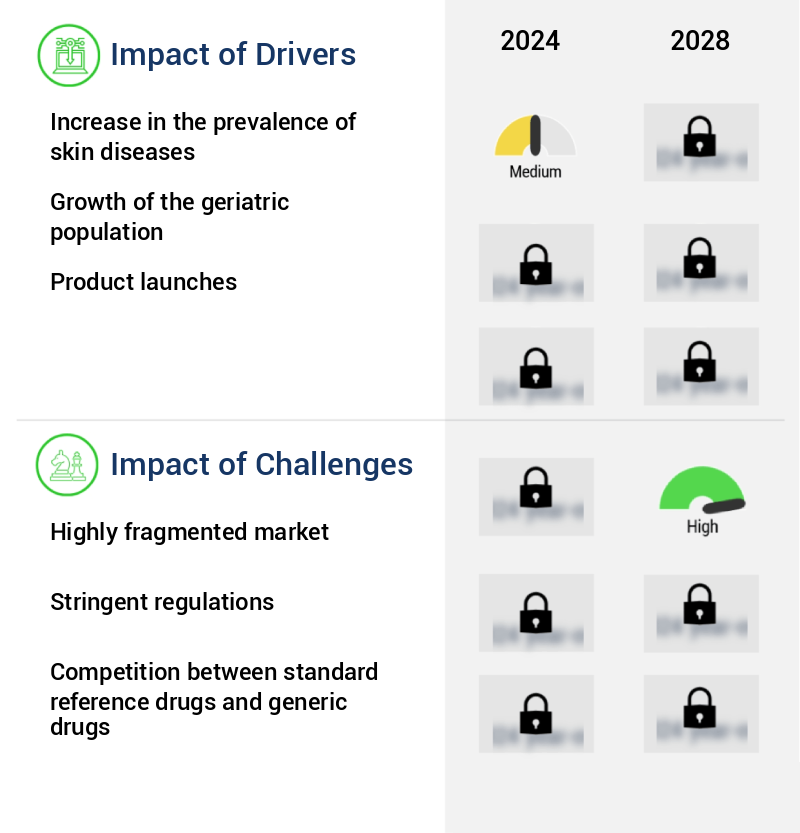
In-Depth Market Segmentation: Topical Drugs Market
The topical drugs industry research report provides comprehensive data (region-wise segment analysis), with forecasts and estimates in "USD billion" for the period 2024-2028, as well as historical data from 2018-2022 for the following segments.
- Product
- Semi solid
- Liquid
- Solid
- Geography
- North America
- US
- Canada
- Europe
- Germany
- UK
- APAC
- China
- Rest of World (ROW)
- North America
By Product Insights
The semi solid segment is estimated to witness significant growth during the forecast period.
Semi solid topical drugs, comprising creams, gels, ointments, and pastes, dominate the market for treating diverse skin conditions. Their extended adherence to the application site enables controlled and sustained release of active ingredients, enhancing therapeutic efficacy. This is crucial for reaching the viable epidermis or upper dermis, where many skin diseases originate. Rheology modifiers, packaging materials, and pharmaceutical excipients are essential components, ensuring drug stability and skin compatibility. Topical drugs also leverage advanced technologies like transdermal patches, microneedle patches, and liposomal drug delivery for targeted drug delivery and improved skin penetration.
For instance, microneedle patches can enhance bioavailability by 100% compared to traditional topical applications. Additionally, topical drugs address various conditions, from pain relief and wound healing to acne treatment and scalp conditions, employing antimicrobial agents, anti-inflammatory agents, and drug permeation enhancers.
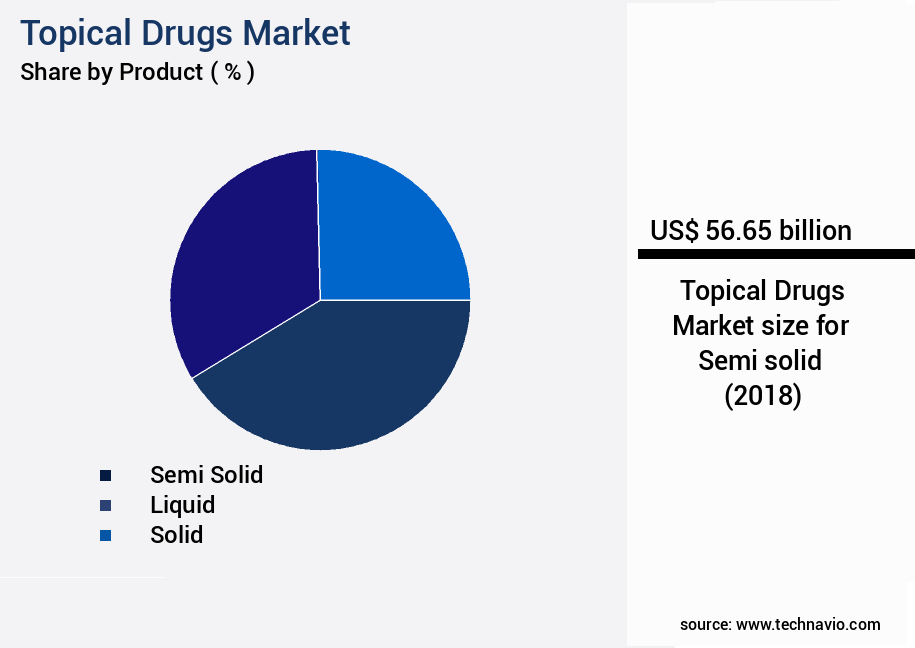
The Semi solid segment was valued at USD 56.65 billion in 2018 and showed a gradual increase during the forecast period.
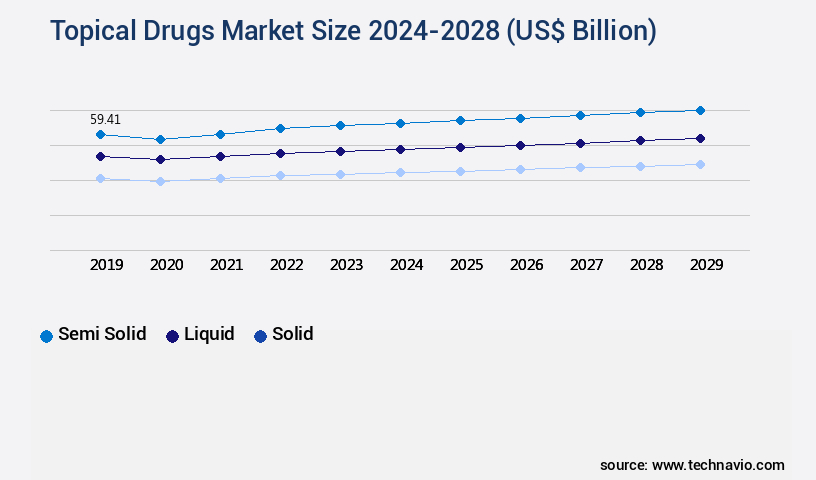
Regional Analysis
Europe is estimated to contribute 38% to the growth of the global market during the forecast period.Technavio’s analysts have elaborately explained the regional trends and drivers that shape the market during the forecast period.
See How Topical Drugs Market Demand is Rising in Europe Request Free Sample
The market is witnessing significant growth, with North America leading the charge as the primary revenue contributor. This dominance is attributed to several factors, including the surge in the number of skin diseases, rapid technological advancements in the pharmaceutical sector, and the increasing geriatric population in the region. In North America alone, acne affects up to 50 million Americans annually, highlighting the prevalence of skin conditions. The geriatric population in the US is also expanding, leading to a rise in the incidence of skin diseases.
Beyond North America, Asia Pacific is poised for notable growth due to increasing awareness and affordability of topical drugs in countries like China and India. The market's evolution is driven by the ongoing quest for operational efficiency gains and cost reductions, as well as the need for regulatory compliance in the pharmaceutical industry.
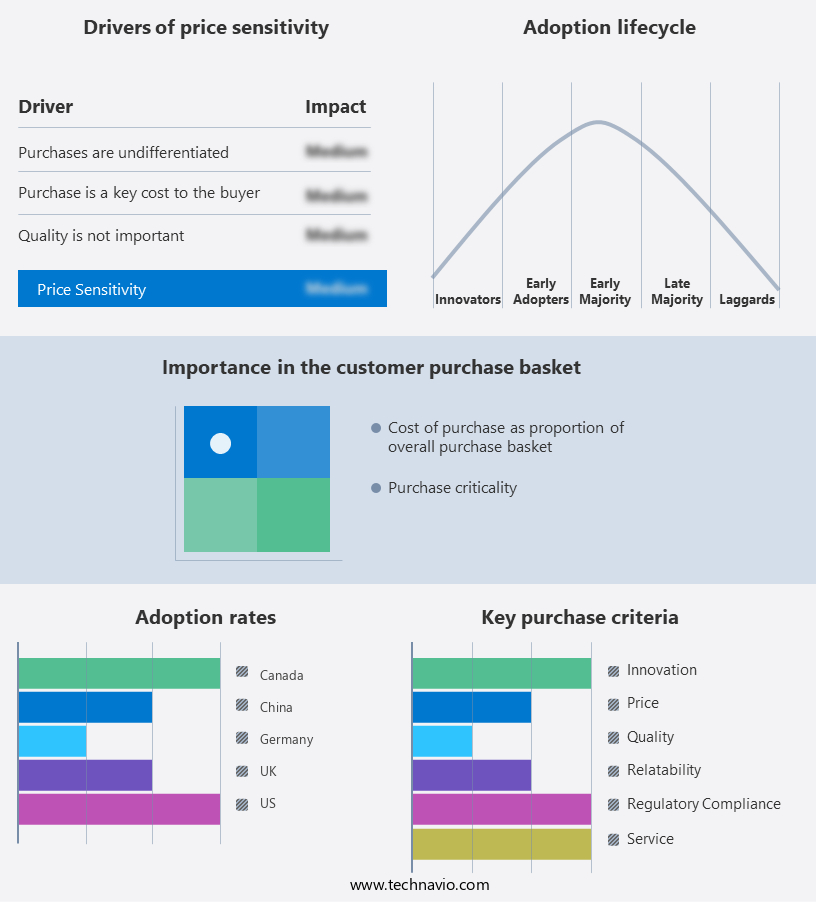
Customer Landscape of Topical Drugs Industry
Competitive Intelligence by Technavio Analysis: Leading Players in the Topical Drugs Market
Companies are implementing various strategies, such as strategic alliances, topical drugs market forecast, partnerships, mergers and acquisitions, geographical expansion, and product/service launches, to enhance their presence in the industry.
3M Co. - This company specializes in pharmaceutical solutions for ophthalmic and niche indications, with a focus on topical medications under the brand names Androderm, Lumigan, and Latisse. These treatments cater to various eye conditions, showcasing the company's commitment to innovative healthcare solutions.
The industry research and growth report includes detailed analyses of the competitive landscape of the market and information about key companies, including:
- 3M Co.
- AbbVie Inc.
- Bausch Health Companies Inc.
- Bayer AG
- Cipla Inc.
- CMP Pharma Inc.
- Crescita Therapeutics Inc.
- GlaxoSmithKline Plc
- Hisamitsu Pharmaceutical Co. Inc.
- Johnson and Johnson Services Inc.
- MedPharm Ltd.
- Nestle SA
- Pfizer Inc.
- Sheffield Pharmaceuticals LLC
- Sol Gel Technologies Ltd.
- Sun Pharmaceutical Industries Ltd.
- Teligent Inc.
- Viatris Inc.
Qualitative and quantitative analysis of companies has been conducted to help clients understand the wider business environment as well as the strengths and weaknesses of key industry players. Data is qualitatively analyzed to categorize companies as pure play, category-focused, industry-focused, and diversified; it is quantitatively analyzed to categorize companies as dominant, leading, strong, tentative, and weak.
Recent Development and News in Topical Drugs Market
- In August 2024, Pfizer Inc. Announced the launch of its new topical drug, Eucrisa Cream 30g, for the treatment of moderate-to-severe atopic dermatitis in adults and pediatric patients two years of age and older. This expansion of Pfizer's Eucrisa portfolio marked a significant advancement in the market, as the product offers a non-steroidal, calcineurin inhibitor treatment option for patients (Pfizer press release, 2024).
- In November 2024, Merck KGaA, Darmstadt, Germany, and Versant Ventures entered into a strategic collaboration to develop and commercialize novel topical immunotherapies for various skin diseases. This partnership aimed to leverage Merck KGaA's expertise in biopharmaceuticals and Versant Ventures' experience in creating and funding life science companies (Merck KGaA press release, 2024).
- In March 2025, Allergan plc completed the acquisition of SkinMedica, a leading medical aesthetics company, for approximately USD1.37 billion. This acquisition expanded Allergan's portfolio of aesthetic and medical dermatology products, further strengthening its position in the market (Allergan press release, 2025).
- In May 2025, the U.S. Food and Drug Administration (FDA) approved Novartis AG's new topical drug, Clobetasol Propionate Foam 0.05%, for the treatment of plaque psoriasis in adults. This approval marked the first FDA approval for a foam formulation of clobetasol propionate and expanded Novartis' portfolio of topical treatments for psoriasis (Novartis press release, 2025).
Dive into Technavio’s robust research methodology, blending expert interviews, extensive data synthesis, and validated models for unparalleled Topical Drugs Market insights. See full methodology.
|
Market Scope |
|
|
Report Coverage |
Details |
|
Page number |
145 |
|
Base year |
2023 |
|
Historic period |
2018-2022 |
|
Forecast period |
2024-2028 |
|
Growth momentum & CAGR |
Accelerate at a CAGR of 4.5% |
|
Market growth 2024-2028 |
USD 38.46 billion |
|
Market structure |
Fragmented |
|
YoY growth 2023-2024(%) |
4.23 |
|
Key countries |
US, Germany, China, UK, and Canada |
|
Competitive landscape |
Leading Companies, Market Positioning of Companies, Competitive Strategies, and Industry Risks |
Why Choose Technavio for Topical Drugs Market Insights?
"Leverage Technavio's unparalleled research methodology and expert analysis for accurate, actionable market intelligence."
The market is experiencing significant growth as researchers and pharmaceutical companies continue to innovate and optimize topical formulations for enhanced transdermal drug delivery. This approach improves the drug's ability to penetrate the skin and increases its efficacy, making it a popular alternative to traditional oral medications. To evaluate the efficacy and measure the absorption of topical drugs, scientists employ various techniques such as characterizing skin penetration profiles, assessing skin irritation potential, and determining drug stability. Novel drug delivery systems, like nanotechnology and liposomes, are being explored to further improve topical drug delivery. Manufacturing topical drug products requires careful formulation design for improved skin delivery, taking into account the impact of excipients on drug delivery and minimizing drug degradation. Developing controlled-release formulations is another strategy to ensure consistent patient adherence and improve topical drug bioavailability. The challenges in topical drug delivery include maintaining uniformity of dosage, ensuring patient compliance, and addressing the complexities of skin physiology. The latest topical drug delivery technology, such as microneedles and iontophoresis, aims to address these challenges and provide more effective and convenient treatment options. The safety profile of topical medications is a critical consideration, as skin irritation and sensitization can limit their use. Assessing and minimizing these risks is essential for regulatory compliance and operational planning in the supply chain. In comparison to traditional oral medications, topical drugs offer several advantages, including targeted delivery, reduced systemic side effects, and improved patient convenience. As the market continues to evolve, companies that can effectively address the challenges and optimize formulations will be well-positioned for success.
What are the Key Data Covered in this Topical Drugs Market Research and Growth Report?
-
What is the expected growth of the Topical Drugs Market between 2024 and 2028?
-
USD 38.46 billion, at a CAGR of 4.5%
-
-
What segmentation does the market report cover?
-
The report is segmented by Product (Semi solid, Liquid, and Solid) and Geography (North America, Europe, Asia, and Rest of World (ROW))
-
-
Which regions are analyzed in the report?
-
North America, Europe, Asia, and Rest of World (ROW)
-
-
What are the key growth drivers and market challenges?
-
Increase in the prevalence of skin diseases, Highly fragmented market
-
-
Who are the major players in the Topical Drugs Market?
-
3M Co., AbbVie Inc., Bausch Health Companies Inc., Bayer AG, Cipla Inc., CMP Pharma Inc., Crescita Therapeutics Inc., GlaxoSmithKline Plc, Hisamitsu Pharmaceutical Co. Inc., Johnson and Johnson Services Inc., MedPharm Ltd., Nestle SA, Pfizer Inc., Sheffield Pharmaceuticals LLC, Sol Gel Technologies Ltd., Sun Pharmaceutical Industries Ltd., Teligent Inc., and Viatris Inc.
-
We can help! Our analysts can customize this topical drugs market research report to meet your requirements.
 RIA -
RIA - 
