



Tyrosine Kinase Inhibitors Market Size 2025-2029
The tyrosine kinase inhibitors market size is forecast to increase by USD 21.8 billion at a CAGR of 7.7% between 2024 and 2029.
- The Tyrosine Kinase Inhibitors (TKIs) market is characterized by the high target affinity and specificity of these inhibitors, making them an essential tool in treating various cancers and diseases. Strategic alliances among market companies have significantly contributed to the market's growth, as collaborations facilitate the development of innovative TKIs and expand their reach. However, the high cost of currently available TKIs poses a significant challenge, limiting their accessibility to a broader patient population. Regulatory hurdles also impact adoption, as the stringent approval process for new TKIs can delay their entry into the market. Additionally, supply chain inconsistencies temper growth potential, as disruptions can lead to shortages and price fluctuations.
- To capitalize on market opportunities and navigate challenges effectively, companies must focus on developing cost-effective TKIs, streamlining regulatory approvals, and ensuring a reliable supply chain. By addressing these issues, market players can expand their market share and meet the growing demand for effective TKIs in the treatment of various diseases.
What will be the Size of the Tyrosine Kinase Inhibitors Market during the forecast period?
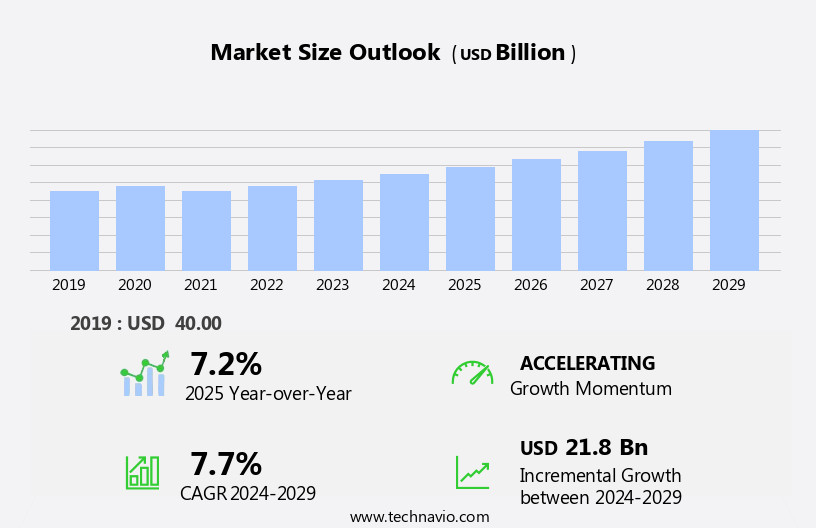
- The tyrosine kinase inhibitor market is experiencing significant growth, driven by the development of next-generation sequencing technologies and personalized therapy approaches. Small molecule inhibitors, such as HER2 inhibitors and EGFR inhibitors, continue to dominate the landscape, but checkpoint inhibitors, MEK inhibitors, and PI3K inhibitors are gaining traction. Monoclonal antibodies and cell therapy, including CAR T-cell therapy, are also making an impact. Clinical pharmacology and drug metabolism studies are crucial in understanding drug interactions and optimizing treatment regimens. Biomarker discovery plays a key role in identifying adverse events and improving drug safety. MTOR inhibitors, BCR-ABL inhibitors, and BRAF inhibitors are among the emerging classes of tyrosine kinase inhibitors.
- Drug repurposing and gene therapy are also areas of interest, offering potential solutions for previously untreatable conditions. VEGFR inhibitors and ALK inhibitors are also under investigation for various indications. The integration of liquid biopsy and clinical research is enabling more precise diagnosis and monitoring of treatment responses.
How is this Tyrosine Kinase Inhibitors Industry segmented?
The tyrosine kinase inhibitors industry research report provides comprehensive data (region-wise segment analysis), with forecasts and estimates in "USD billion" for the period 2025-2029, as well as historical data from 2019-2023 for the following segments.
- Product
- RTKIs
- nRTKIs
- Distribution Channel
- Offline
- Online
- Geography
- North America
- US
- Canada
- Europe
- France
- Germany
- Italy
- UK
- APAC
- China
- India
- Japan
- South Korea
- Rest of World (ROW)
- North America
By Product Insights
The RTKIs segment is estimated to witness significant growth during the forecast period.
Receptor tyrosine kinase inhibitors (RTKIs) are a significant class of drugs in the pharmaceutical industry, particularly in cancer treatment. These drugs target specific receptors, or tyrosine kinases, on the surface of cells, interrupting cell signaling pathways that control cell growth, differentiation, and survival. Dysregulation of these pathways is a common feature in cancer, leading to uncontrolled cell growth. In the global market for tyrosine kinase inhibitors, RTKIs are a key player, driving innovation in targeted therapy and molecularly targeted therapy. Success stories include imatinib, which targets BCR-ABL in chronic myeloid leukemia, and EGFR inhibitors like erlotinib and gefitinib for non-small cell lung cancer.
RTKIs are also integral to personalized medicine and precision oncology, allowing for treatment protocols tailored to individual patients based on their genetic makeup and tumor growth. Drug manufacturing, regulatory approval, market access, and healthcare costs are critical factors shaping the market landscape. Combination therapy, clinical efficacy, and drug resistance are ongoing areas of research in the biopharmaceutical industry. Patient education, quality of life, and patient advocacy are essential components of clinical practice guidelines, ensuring optimal patient outcomes. Cancer screening, cancer research, and clinical trials continue to advance our understanding of cancer and the role of RTKIs in cancer prevention and treatment.
Pharmaceutical research and development, drug discovery, drug formulation, and clinical development are ongoing processes in the industry, with regulatory approval and healthcare access key considerations. The market for tyrosine kinase inhibitors is dynamic, driven by the evolving needs of patients, healthcare providers, and the biopharmaceutical industry.

The RTKIs segment was valued at USD 26.70 billion in 2019 and showed a gradual increase during the forecast period.
Regional Analysis
North America is estimated to contribute 45% to the growth of the global market during the forecast period. Technavio's analysts have elaborately explained the regional trends and drivers that shape the market during the forecast period.

The market in North America is experiencing significant growth due to the high prevalence rate of cancer and the need for effective medications. According to the National Cancer Institute, cancer affects millions of people in the US and globally, with more than 1 million new cases diagnosed each year. The Centers for Disease Control and Prevention's National Program of Cancer Registries reports that over 28.5 million invasive cancer cases have been diagnosed in the last two decades. Tyrosine kinase inhibitors play a crucial role in cancer treatment by targeting receptor tyrosine kinases, which are involved in cell signaling and tumor growth.
These inhibitors have shown clinical efficacy in treating various types of cancer, including leukemia and lymphoma. However, the development of resistance mechanisms is a significant challenge in the market. To address this issue, combination therapy and precision medicine are emerging trends in the market. Combination therapy involves using multiple drugs to target different resistance mechanisms and improve treatment outcomes. Precision medicine, on the other hand, utilizes patient-specific information to develop personalized treatment plans, increasing the likelihood of successful treatment and improving patient outcomes. The biopharmaceutical industry is investing heavily in pharmaceutical research and drug discovery to develop new kinase inhibitors and improve existing ones.
Drug manufacturing and regulatory approval processes are stringent to ensure safety and efficacy. Patient education and advocacy are also essential to increase cancer awareness and ensure healthcare access. Despite the progress, healthcare costs remain a significant barrier to the widespread adoption of tyrosine kinase inhibitors. Drug pricing and clinical development costs are high, and healthcare access remains a challenge for many patients. Clinical practice guidelines and cancer screening programs are essential to improve treatment protocols and ensure early detection and intervention. The market in North America is driven by the high prevalence rate of cancer and the need for effective treatments.
The market is characterized by ongoing research and development, regulatory approval processes, and the emergence of combination therapy and precision medicine. However, challenges such as resistance mechanisms, healthcare costs, and patient access remain significant barriers to growth.
Market Dynamics
Our researchers analyzed the data with 2024 as the base year, along with the key drivers, trends, and challenges. A holistic analysis of drivers will help companies refine their marketing strategies to gain a competitive advantage.
What are the Tyrosine Kinase Inhibitors market drivers leading to the rise in the adoption of Industry?
- The high target affinity and specificity of tyrosine kinase inhibitors are crucial factors driving the market's growth, making these medications highly sought-after treatments in therapeutic applications.
- Tyrosine kinase inhibitors (TKIs) have emerged as a promising solution in cancer treatment and prevention, as current therapies for advanced or recurring cancers have limitations. Chemotherapy, surgery, and radiation therapy have adverse effects that reduce patient compliance, such as bone marrow suppression, diarrhea, and alopecia. In response, the pharmaceutical manufacturing industry has focused on developing TKIs, which target specific proteins involved in tumor growth. These inhibitors have shown promising results in clinical trials, with fewer side effects than traditional treatments.
- Furthermore, the integration of personalized medicine and companion diagnostics in cancer treatment has increased the potential of TKIs, as they can be tailored to individual patients based on their genetic makeup. The ongoing research and development in this field demonstrate the significance of TKIs in cancer treatment and prevention.
What are the Tyrosine Kinase Inhibitors market trends shaping the Industry?
- Market trends indicate a growing importance of strategic alliances among companies. This professional development reflects the increasing complexity of market dynamics and the need for collaboration to remain competitive.
- Tyrosine kinase inhibitors (TKIs) are a vital therapeutic class for treating various diseases, including cancer and age-related conditions like retinal vein occlusion (RVO). The increasing prevalence of these diseases drives the demand for innovative treatments. Drug manufacturing companies are investing significantly in TKIs due to their effectiveness in cell signaling pathways, which are often implicated in disease progression. Despite their benefits, safety concerns and resistance mechanisms pose challenges in the market. To address these issues, drug delivery systems and combination therapies are being explored. For instance, combination therapy can enhance treatment efficacy and improve patient quality of life. Furthermore, collaborations and strategic alliances among companies facilitate cost sharing, expanded product portfolios, and broader market access.
- The complexities of drug development and commercialization necessitate these partnerships. By joining forces, companies can streamline processes, reduce costs, and accelerate time-to-market. The focus on enhancing treatment protocols and ensuring a favorable safety profile is crucial for drug approval and long-term success in the market.
How does Tyrosine Kinase Inhibitors market faces challenges face during its growth?
- The high cost of currently available tyrosine kinase inhibitors poses a significant challenge to the industry's growth trajectory. Tyrosine kinase inhibitors, a crucial class of pharmaceuticals, are in high demand due to their efficacy in treating various diseases. However, their exorbitant prices hinder patient access and limit market expansion. Industry stakeholders are actively seeking cost-reduction strategies and alternative treatment options to mitigate this challenge.
- Tyrosine kinase inhibitors (TKIs) are essential therapeutics in cancer treatment, often used in conjunction with surgery and radiation therapy. However, the high cost of these treatments poses a significant challenge for patients. The expense is primarily driven by hospitalization, laboratory tests, and the administration of advanced TKIs. The cost varies depending on the cancer stage, with advanced or metastatic stages being more severe and consequently more expensive. In underdeveloped and developing countries, the high cost of TKI treatment is particularly burdensome.
- This financial burden may lead to reduced patient adherence to treatment, potentially hindering market growth during the forecast period. Pharmaceutical research and production, drug discovery, formulation, regulatory approval, and precision medicine are essential aspects of the biopharmaceutical industry that contribute to the development and availability of TKIs. Patients and healthcare providers must collaborate to ensure effective patient education about treatment costs and potential financial assistance programs.
Exclusive Customer Landscape
The tyrosine kinase inhibitors market forecasting report includes the adoption lifecycle of the market, covering from the innovator's stage to the laggard's stage. It focuses on adoption rates in different regions based on penetration. Furthermore, the tyrosine kinase inhibitors market report also includes key purchase criteria and drivers of price sensitivity to help companies evaluate and develop their market growth analysis strategies.

Customer Landscape
Key Companies & Market Insights
Companies are implementing various strategies, such as strategic alliances, tyrosine kinase inhibitors market forecast, partnerships, mergers and acquisitions, geographical expansion, and product/service launches, to enhance their presence in the industry.
AbbVie Inc. - Tyrosine kinase inhibitors, including Ibrutinib (Imbruvica), in conjunction with Rituximab, represent effective treatment options for younger adults diagnosed with chronic lymphocytic leukemia (CLL) for the first time.
The industry research and growth report includes detailed analyses of the competitive landscape of the market and information about key companies, including:
- AbbVie Inc.
- Amgen Inc.
- AstraZeneca Plc
- Bayer AG
- Boehringer Ingelheim International GmbH
- Bristol Myers Squibb Co.
- Danaher Corp.
- Eisai Co. Ltd.
- Eli Lilly and Co.
- Exelixis Inc.
- F. Hoffmann La Roche Ltd.
- Johnson and Johnson Inc.
- Merck KGaA
- Novartis AG
- Pfizer Inc.
- Puma Biotechnology Inc.
- Rigel Pharmaceuticals Inc.
- Takeda Pharmaceutical Co. Ltd.
- Tokyo Chemical Industry Co. Ltd.
Qualitative and quantitative analysis of companies has been conducted to help clients understand the wider business environment as well as the strengths and weaknesses of key industry players. Data is qualitatively analyzed to categorize companies as pure play, category-focused, industry-focused, and diversified; it is quantitatively analyzed to categorize companies as dominant, leading, strong, tentative, and weak.
Recent Development and News in Tyrosine Kinase Inhibitors Market
- In February 2024, Roche Holding AG announced the FDA approval of Alecensa (alectinib), a tyrosine kinase inhibitor, for the treatment of metastatic non-small cell lung cancer (NSCLC) with a specific type of alteration (ROS1-positive). This approval expanded the drug's indication, making it the first and only treatment of its kind for ROS1-positive advanced NSCLC (Roche Holding AG, 2024).
- In July 2025, Pfizer Inc. and Merck & Co. Inc. entered into a strategic collaboration to co-develop and co-commercialize Bavencio (avelumab), a PD-L1 checkpoint inhibitor, in combination with Inlyta (axitinib), a tyrosine kinase inhibitor, for the treatment of advanced renal cell carcinoma. This collaboration aimed to leverage the synergistic effects of both drugs in targeting various cancer pathways (Pfizer Inc., 2025).
- In September 2024, Novartis AG received EU approval for Kisqali (ribociclib), a CDK4/6 inhibitor, in combination with endocrine therapy for the treatment of hormone receptor-positive, HER2-negative advanced or metastatic breast cancer. Although not a tyrosine kinase inhibitor itself, Kisqali's approval marked a significant advancement in the field of targeted cancer therapies, as it often works in conjunction with tyrosine kinase inhibitors (Novartis AG, 2024).
- In March 2025, Bristol Myers Squibb Company reported positive results from the CheckMate-921 trial, demonstrating the superiority of Opdivo (nivolumab) in combination with Yervoy (ipilimumab) compared to sunitinib in the first-line treatment of advanced renal cell carcinoma. This trial involved the use of tyrosine kinase inhibitor sunitinib as a comparator, highlighting the evolving role of immunotherapies in the treatment landscape (Bristol Myers Squibb Company, 2025).
Research Analyst Overview
The tyrosine kinase inhibitor market continues to evolve, driven by advancements in drug delivery systems, safety profiles, and regulatory approvals for anti-cancer drugs. Pharmaceutical companies are investing heavily in drug manufacturing to meet growing demand, while market access remains a key focus to ensure these life-saving treatments reach patients. Combination therapy is gaining traction, as researchers explore the potential synergies between different kinase inhibitors and other treatments. Quality of life and treatment protocols are also critical considerations, with a growing emphasis on personalized medicine and precision medicine approaches. Cell signaling and resistance mechanisms continue to be areas of intense research, as scientists seek to improve clinical efficacy and overcome drug resistance.
Pharmaceutical production is becoming more sophisticated, with a focus on reducing healthcare costs and improving patient education. Regulatory approval processes are undergoing significant changes, with a shift towards more streamlined and efficient procedures. The biopharmaceutical industry is at the forefront of these developments, with pharmaceutical research and clinical practice guidelines driving innovation in cancer screening, cancer treatment, and cancer prevention. Drug discovery and formulation continue to advance, with a growing emphasis on targeted therapy and molecularly targeted therapy. Patient advocacy and patient outcomes are increasingly important, as stakeholders work together to improve healthcare access and cancer awareness. Despite these advancements, challenges remain, including drug pricing and drug development timelines.
The ongoing unfolding of market activities and evolving patterns in the tyrosine kinase inhibitor market underscores the need for continued innovation and collaboration across the healthcare ecosystem.
Dive into Technavio's robust research methodology, blending expert interviews, extensive data synthesis, and validated models for unparalleled Tyrosine Kinase Inhibitors Market insights. See full methodology.
|
Market Scope |
|
|
Report Coverage |
Details |
|
Page number |
195 |
|
Base year |
2024 |
|
Historic period |
2019-2023 |
|
Forecast period |
2025-2029 |
|
Growth momentum & CAGR |
Accelerate at a CAGR of 7.7% |
|
Market growth 2025-2029 |
USD 21.8 billion |
|
Market structure |
Fragmented |
|
YoY growth 2024-2025(%) |
7.2 |
|
Key countries |
US, Germany, UK, China, Canada, Japan, India, South Korea, France, and Italy |
|
Competitive landscape |
Leading Companies, Market Positioning of Companies, Competitive Strategies, and Industry Risks |
What are the Key Data Covered in this Tyrosine Kinase Inhibitors Market Research and Growth Report?
- CAGR of the Tyrosine Kinase Inhibitors industry during the forecast period
- Detailed information on factors that will drive the growth and forecasting between 2025 and 2029
- Precise estimation of the size of the market and its contribution of the industry in focus to the parent market
- Accurate predictions about upcoming growth and trends and changes in consumer behaviour
- Growth of the market across North America, Europe, Asia, and Rest of World (ROW)
- Thorough analysis of the market's competitive landscape and detailed information about companies
- Comprehensive analysis of factors that will challenge the tyrosine kinase inhibitors market growth of industry companies
We can help! Our analysts can customize this tyrosine kinase inhibitors market research report to meet your requirements.