


Vanillin Market Size 2024-2028
The vanillin market size is forecast to increase by USD 510.1 million, at a CAGR of 11.87% between 2023 and 2028.
- The market is driven by the rising disposable incomes of consumers, leading to an increased demand for food and beverage products with natural flavors, including vanillin. The market encompasses a diverse range of industries, including confectioneries, ice cream, chocolates, alcoholic beverages, and the fragrance industry. This trend is further fueled by the emergence of environmentally friendly production processes using a catalyst, making vanillin production more sustainable and cost-effective. However, the market faces challenges due to the adverse effects of artificial food ingredients, leading to growing consumer preference for natural alternatives.
- Companies seeking to capitalize on market opportunities should focus on developing and marketing natural vanillin products, while addressing the challenges of ensuring consistent quality and cost-competitiveness. Effective supply chain management and strategic partnerships will be crucial in navigating these challenges and staying competitive in the market.
What will be the Size of the Vanillin Market during the forecast period?
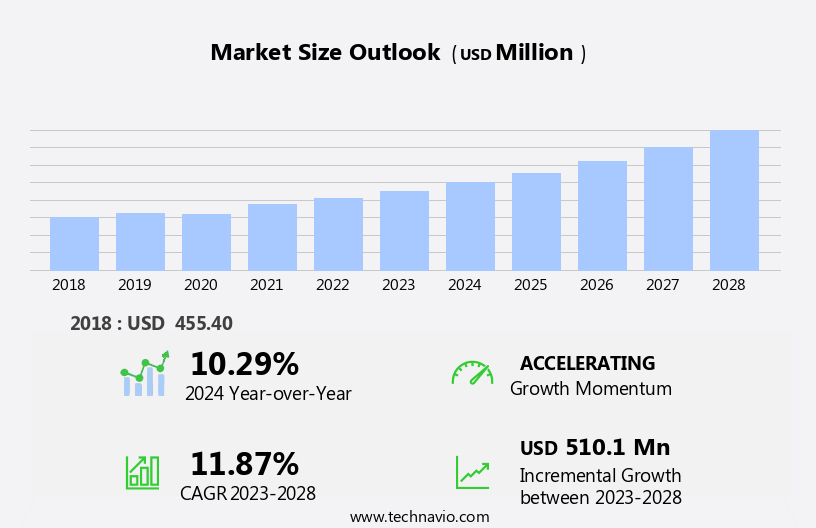
Explore in-depth regional segment analysis with market size data - historical 2018-2022 and forecasts 2024-2028 - in the full report.
Request Free Sample
The market exhibits a dynamic and evolving nature, with various sectors continually integrating vanilla grade products into their offerings. Vanilla pods, an essential component of vanilla bean extract, are meticulously harvested and processed to produce high-quality vanilla flavoring. Indonesia and Madagascar are significant contributors to the global vanilla supply chain, with their unique terroirs influencing the distinct aroma and intensity of vanilla beans. Natural vanilla flavors, such as vanilla oleoresin and vanilla bean absolute, are highly sought after for their rich, complex taste. However, synthetic vanilla and flavor enhancers also play a role in the market, offering cost-effective alternatives.
The dairy industry extensively utilizes vanilla in ice cream and other dairy products, while bakery and confectionery applications showcase vanilla's versatility. Vanilla's presence extends to sauces and dressings, adding depth and complexity to various culinary creations. Vanilla pricing remains a critical factor, with market trends influencing the demand for organic, fair trade, and sustainably sourced vanilla. Vanilla processing and standardization are ongoing concerns, with certification programs ensuring product purity and consistency. Vanilla's applications continue to expand, with new markets emerging in the beverage, pharmaceutical, and fragrance industries. As the vanilla market unfolds, the interplay between various actors in the supply chain, regulatory frameworks, and consumer preferences shapes the evolving market landscape.
How is this Vanillin Industry segmented?
The vanillin industry research report provides comprehensive data (region-wise segment analysis), with forecasts and estimates in "USD million" for the period 2024-2028, as well as historical data from 2018-2022 for the following segments.
- End-user
- Food and beverages
- Fragrances
- Pharmaceuticals
- Type
- Natural vanillin
- Synthetic vanillin
- Distribution Channel
- Direct Sales
- Distributors
- Online Platforms
- Geography
- North America
- US
- Canada
- Europe
- France
- Germany
- Italy
- UK
- Middle East and Africa
- Egypt
- KSA
- Oman
- UAE
- APAC
- China
- India
- Japan
- South America
- Argentina
- Brazil
- Rest of World (ROW)
- North America
By End-user Insights
The food and beverages segment is estimated to witness significant growth during the forecast period.
Vanillin, a key flavoring agent, finds extensive application in the food and beverage industry, particularly in sweets and desserts. Ethyl vanillin, with its edible flavor, is preferred for its ability to add or enhance odor. Vanilla beans, sourced from countries like Madagascar and Indonesia, are used for extraction, while synthetic vanillin is derived from lignin. Vanilla extract and paste, made from vanilla beans, are widely used in baking and confectionery. Vanilla bean powder and vanilla aroma are other popular forms of vanillin. Regulations govern the use of vanillin in food products, ensuring fair trade practices and organic farming. Vanilla processing involves curing and drying of vanilla beans, followed by extraction through methods like solvent extraction or steam distillation.
Vanilla oleoresin and vanilla bean absolute are obtained during this process. Vanillin is used in various applications, including ice cream, sauces and dressings, bakery and confectionery, and even in savory dishes. Vanilla intensity can be adjusted using flavor enhancers. Vanilla certification and standardization ensure consistent quality. Vanilla substitutes like synthetic vanilla and natural flavors are available, with synthetic vanilla being cost-effective but lacking the complex flavor profile of natural vanilla. Vanilla intensity and purity are crucial factors in determining the market price. The vanilla market is witnessing trends towards sustainability and ethical sourcing, with a growing preference for fair trade vanilla and organic vanilla.
Vanilla farming and processing techniques are evolving to meet these demands, ensuring a continuous supply of high-quality vanillin for the food and beverage industry.
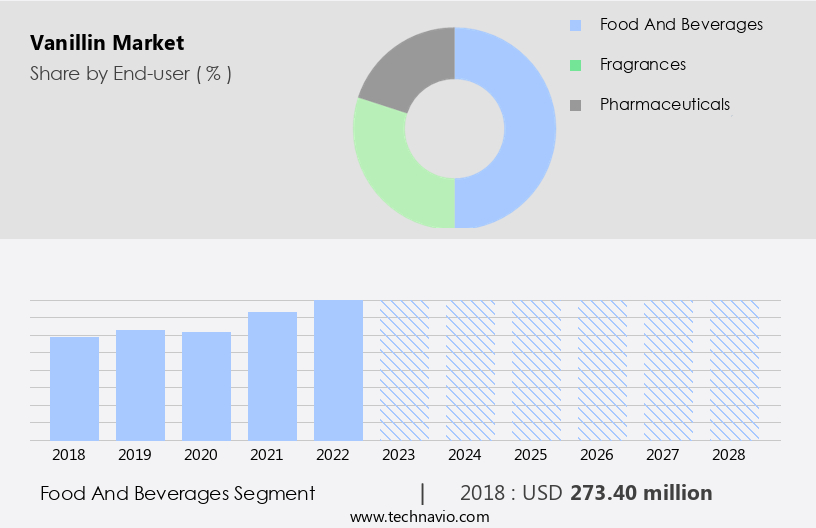
The Food and beverages segment was valued at USD 273.40 million in 2018 and showed a gradual increase during the forecast period.
Regional Analysis
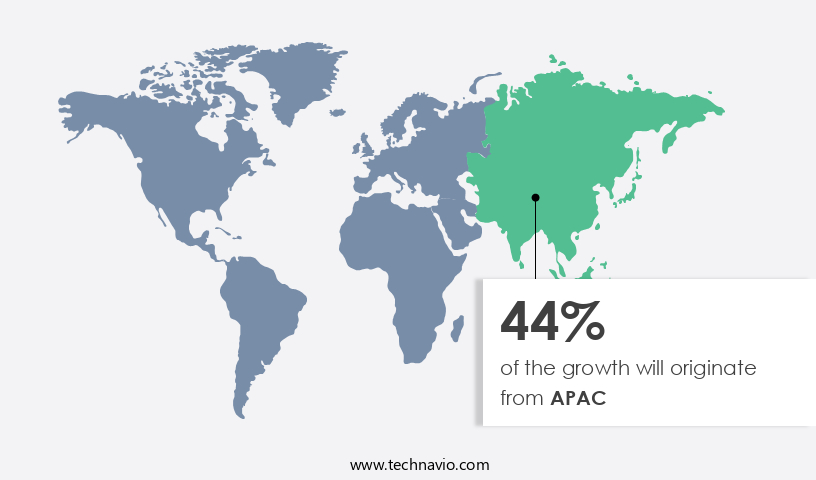
APAC is estimated to contribute 44% to the growth of the global market during the forecast period.Technavio's analysts have elaborately explained the regional trends and drivers that shape the market during the forecast period.
In the global market, vanillin is a significant component in various food industries, particularly in dairy products and bakery and confectionery. The vanilla supply chain encompasses natural sources like vanilla beans from Madagascar and Indonesia, as well as synthetic alternatives. Vanilla bean extract and vanilla flavoring are essential ingredients in ice cream production, while vanilla bean powder and vanilla aroma are used in baking. Vanilla regulations ensure the quality and purity of vanilla products, with fair trade practices and organic farming gaining popularity. The vanilla market is diverse, including vanilla farming and processing in countries like Mexico, Tahitian, and Uganda.
Vanilla Mexico is known for its Bourbon and Tahitian varieties, while Madagascar produces the majority of the world's vanilla beans. Vanilla certification and standardization play a crucial role in maintaining consistency and enhancing flavor through the use of flavor enhancers and natural vanilla extract. The food flavors market is experiencing growth, especially in the Asia Pacific (APAC) region, where the demand for processed foods is increasing. Natural vanillin, derived from natural sources, is a popular choice for manufacturers due to its all-natural labeling and high market demand. For instance, BASF SE's Natural Vanillin F is a versatile ingredient used in various flavor applications, including chocolate, strawberry, and caramel.
Vanilla oleoresin, vanilla bean absolute, and vanilla bean resinoid are other forms of vanilla used in various applications, such as sauces and dressings, perfumes, and pharmaceuticals. Vanilla pricing remains a crucial factor, with synthetic vanilla and organic vanilla having different price points. Vanilla intensity, a measure of the strength of vanilla flavor, is also a consideration for manufacturers and consumers alike. In conclusion, the vanilla market is a dynamic and evolving industry, with various applications, forms, and sources. The food industry, particularly dairy products and bakery and confectionery, is a significant consumer of vanillin. The growth of the food flavors market, particularly in the APAC region, is driving the demand for natural vanillin and other vanilla derivatives.
Sustainability and ethical sourcing are also becoming increasingly important in the vanilla market.
Market Dynamics
Our researchers analyzed the data with 2023 as the base year, along with the key drivers, trends, and challenges. A holistic analysis of drivers will help companies refine their marketing strategies to gain a competitive advantage.
What are the key market drivers leading to the rise in the adoption of Vanillin Industry?
- Disposable income growth serves as the primary catalyst for market expansion.
- The market is experiencing significant growth due to the limited supply of natural vanilla beans. Vanilla is a luxury crop with a small production scale, making it subject to constant price fluctuations. Madagascar, the world's largest vanilla producer, faced lower production in 2022 due to weak flowering in key growing areas. This resulted in a supply shortage and the availability of low-quality vanilla. In the vanilla supply chain, both vanilla bean extract and vanilla flavoring are essential components. Vanilla bean powder and vanilla aroma are other derivatives used in various industries, including dairy products and ice cream.
- Vanilla extraction is a crucial process to obtain these products, and regulations play a significant role in ensuring their quality. Vanilla Indonesia and Vanilla Madagascar are major sources of natural vanilla beans. However, the limited supply and quality issues have led to an increased interest in synthetic vanillin production. The market dynamics are influenced by various factors, including production challenges, demand trends, and regulatory requirements. In conclusion, the market is expected to continue growing due to the limited supply of natural vanilla and the demand for vanilla derivatives in various industries. Ensuring a consistent and high-quality supply of vanilla and its derivatives remains a significant challenge for the market.
What are the market trends shaping the Vanillin Industry?
- The emergence of environmentally friendly production processes utilizing catalysts is a significant market trend. This sustainable approach to manufacturing is gaining increasing attention and acceptance in industries seeking to reduce their carbon footprint and comply with environmental regulations.
- Vanillin, a key flavor compound derived primarily from vanilla orchids, experiences increasing demand due to consumer preference for natural food products. However, the scarcity of natural vanillin, as less than 1% is derived from its original source, necessitates synthetic production. This synthetic process involves the use of guaiacol, a petroleum-derived precursor, and tree lignin, among other substances. In response to environmental concerns, researchers are exploring eco-friendly methods for vanillin production. For instance, a study published in May 2022 by researchers at Hubei University, Wuhan, China, detailed the biosynthesis of vanillin using Bacillus pumilus bacteria as guaiacyl precursors.
- This innovative approach offers potential for sustainable vanillin production, aligning with the growing emphasis on fair trade and organic vanilla farming and processing methods in the bakery and confectionery industry. Vanilla standardization and the use of flavor enhancers also influence the market dynamics. Certification programs, such as those for fair trade vanilla, further impact the industry landscape.
What challenges does the Vanillin Industry face during its growth?
- The growth of the food industry is significantly impacted by the adverse effects associated with the use of artificial food ingredients.
- The market is driven by consumers' growing preference for natural Food Additives over synthetic and artificial ingredients. With increasing health consciousness, consumers are seeking food and beverage products with clean, green labels, leading to a significant demand for natural vanillin derived from vanilla pods, vanilla bean absolute, and vanilla bean resinoid. Natural vanillin, also known as Bio Vanillin, is gaining popularity due to its health benefits and absence of long-term side effects associated with synthetic vanillin. The natural the market is expected to grow as consumers become more aware of the potential health risks of chemically synthesized ingredients, such as toxicity, allergies, and other health issues.
- Vanillin is used extensively in various food applications, including sauces and dressings, and its natural form is increasingly being adopted in these sectors. Vanillin pricing remains a crucial factor in the market, with natural vanillin typically commanding a premium over synthetic vanillin. Other natural flavorings, such as vanilla oleoresin and vanilla extract, as well as vanilla paste, are also gaining traction in the market due to their natural origins and health benefits.
Exclusive Customer Landscape
The vanillin market forecasting report includes the adoption lifecycle of the market, covering from the innovator's stage to the laggard's stage. It focuses on adoption rates in different regions based on penetration. Furthermore, the vanillin market report also includes key purchase criteria and drivers of price sensitivity to help companies evaluate and develop their market growth analysis strategies.
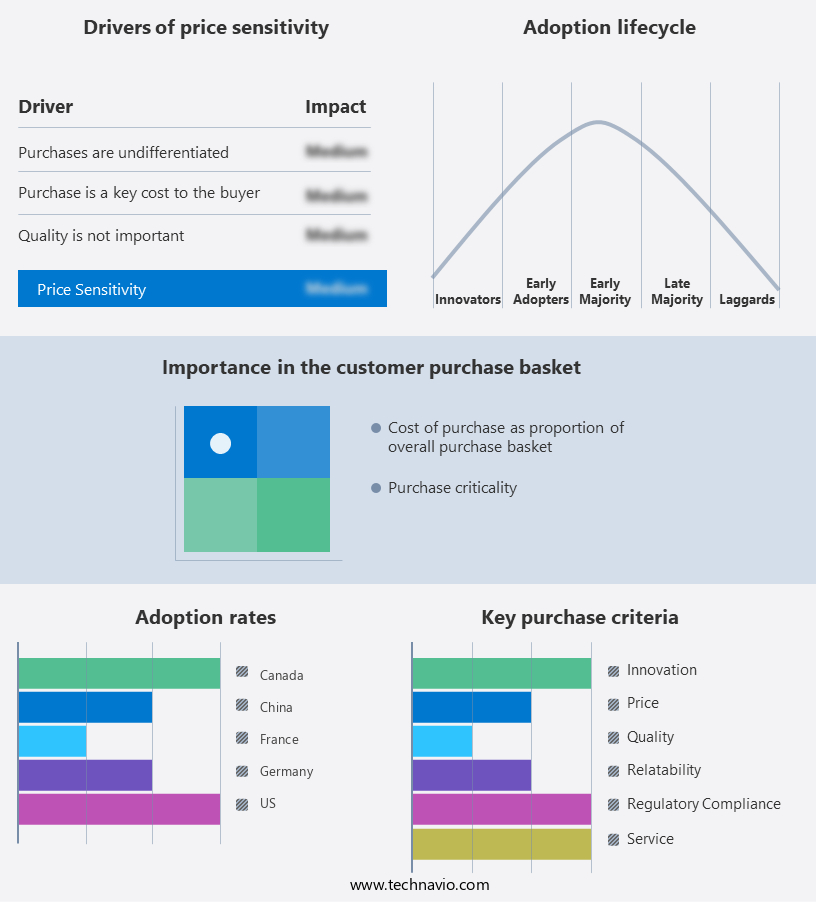
Customer Landscape
Key Companies & Market Insights
Companies are implementing various strategies, such as strategic alliances, vanillin market forecast, partnerships, mergers and acquisitions, geographical expansion, and product/service launches, to enhance their presence in the industry.
The industry research and growth report includes detailed analyses of the competitive landscape of the market and information about key companies, including:
- Advanced Biotech
- Apple Flavor and Fragrance Group Co. Ltd.
- Aurochemicals
- Axxence Aromatic GmbH
- BASF SE
- Borregaard ASA
- BRENNTAG SE
- Camlin Fine Sciences Ltd.
- Comax MFG Corp.
- De Monchy Aromatics Ltd.
- Evolva Holding AG
- Jiaxing Zhonghua Chemical Co. Ltd.
- Lesaffre and Cie
- Liaoning Shixing Pharmaceutical and Chemical Co. Ltd.
- Merck KGaA
- Omega Ingredients Ltd.
- Solvay SA
- TANOBIO
- Viachem Inc.
- Vigon International Inc.
Qualitative and quantitative analysis of companies has been conducted to help clients understand the wider business environment as well as the strengths and weaknesses of key industry players. Data is qualitatively analyzed to categorize companies as pure play, category-focused, industry-focused, and diversified; it is quantitatively analyzed to categorize companies as dominant, leading, strong, tentative, and weak.
Recent Development and News in Vanillin Market
- In February 2024, DuPont Nutrition & Biosciences, a leading global producer of vanillin, announced the expansion of its production capacity at its manufacturing site in Tate, Georgia, USA. This USD30 million investment aimed to increase the company's vanillin output by 25%, strengthening its market position (DuPont Press Release, 2024).
- In May 2024, Firmenich, the world's largest privately-owned fragrance and flavor company, entered into a strategic partnership with Biotech Marchese, an Italian biotech firm specializing in natural vanillin production. This collaboration aimed to leverage Biotech Marchese's proprietary biotechnological process to produce sustainable vanillin for Firmenich's customers (Firmenich Press Release, 2024).
- In October 2024, Sigma-Aldrich, a leading life science and high-tech material supplier, launched a new line of natural vanillin for research applications. This offering catered to the growing demand for natural ingredients in scientific research and development (Sigma-Aldrich Press Release, 2024).
- In January 2025, the European Commission approved the use of synthetic vanillin in food and beverages, marking a significant policy change for the European market. This decision followed extensive discussions and debates regarding the safety and sustainability of natural vanillin sources (European Commission Press Release, 2025).
Research Analyst Overview
- The vanilla market encompasses various segments, including imitation and natural vanilla, each with unique characteristics and demand patterns. Vanilla demand forecasting is crucial for businesses to prepare for fluctuating market trends and price volatility. Sustainability practices, such as ethical sourcing and biotechnology, are increasingly shaping the industry. Vanilla's symbolism, flavor profile, and health benefits continue to fuel consumer preferences, driving innovation and product development. Vanilla's traceability and quality control are essential aspects of the market, ensuring authenticity and consumer trust. Vanillin concentration and sensory analysis are key components of vanilla technology, enabling producers to optimize production and meet evolving consumer demands.
- The literature on vanilla offers valuable insights into its history, cultural significance, and therapeutic uses. Vanilla's aroma compounds and adulteration are topics of ongoing research, with advancements in technology and ethical sourcing playing a significant role in mitigating issues. Vanilla's etymology and consumer preferences are also subjects of interest, shedding light on the market's rich history and future trends. Overall, the vanilla market outlook remains dynamic, with various factors influencing its growth and evolution.
Dive into Technavio's robust research methodology, blending expert interviews, extensive data synthesis, and validated models for unparalleled Vanillin Market insights. See full methodology.
|
Market Scope |
|
|
Report Coverage |
Details |
|
Page number |
171 |
|
Base year |
2023 |
|
Historic period |
2018-2022 |
|
Forecast period |
2024-2028 |
|
Growth momentum & CAGR |
Accelerate at a CAGR of 11.87% |
|
Market growth 2024-2028 |
USD 510.1 million |
|
Market structure |
Fragmented |
|
YoY growth 2023-2024(%) |
10.29 |
|
Key countries |
China, US, Germany, France, and Canada |
|
Competitive landscape |
Leading Companies, Market Positioning of Companies, Competitive Strategies, and Industry Risks |
What are the Key Data Covered in this Vanillin Market Research and Growth Report?
- CAGR of the Vanillin industry during the forecast period
- Detailed information on factors that will drive the growth and forecasting between 2024 and 2028
- Precise estimation of the size of the market and its contribution of the industry in focus to the parent market
- Accurate predictions about upcoming growth and trends and changes in consumer behaviour
- Growth of the market across APAC, Europe, North America, Middle East and Africa, and South America
- Thorough analysis of the market's competitive landscape and detailed information about companies
- Comprehensive analysis of factors that will challenge the vanillin market growth of industry companies
We can help! Our analysts can customize this vanillin market research report to meet your requirements.
 RIA -
RIA - 
