



Vinegar Market Size 2025-2029
The vinegar market size is forecast to increase by USD 980.3 million at a CAGR of 3% between 2024 and 2029.
- The market is experiencing significant growth due to two key drivers: rising health awareness and the increasing demand for organic and natural vinegars. Consumers are increasingly seeking healthier food options, leading to a surge in demand for vinegar as a natural flavor enhancer and preservative. Furthermore, the preference for organic and natural products is on the rise, with consumers willing to pay a premium for vinegars produced using traditional methods and without synthetic additives. However, the market also faces challenges, primarily from substitute products. The availability of alternative seasonings and condiments, such as soy sauce and lemon juice, poses a threat to the growth of the market.
- Additionally, the production of vinegar from various sources, including fruits and grains, creates a diverse competitive landscape, requiring companies to differentiate themselves through product quality, pricing, and marketing strategies. To capitalize on market opportunities and navigate challenges effectively, companies must focus on innovation, sustainability, and consumer education to maintain their competitive edge.
What will be the Size of the Vinegar Market during the forecast period?

- The market continues to evolve, driven by the versatility and wide-ranging applications of this ancient condiment. From its role as a culinary staple in various cuisines to its use as a cleaning agent, vinegar's applications span multiple sectors. Its pH level and acetic acid content determine its taste, clarity, and viscosity, making it suitable for use in food flavoring, preservation, and even in pharmaceuticals. In the food industry, vinegar is a key ingredient in sauces, salads, and marinades, adding depth and complexity to dishes. In agriculture, it's used for crop protection and soil improvement. In the cosmetics industry, vinegar's antibacterial properties make it a popular ingredient in skincare products.
- Vinegar's use extends beyond food and agriculture. It's used in the production of biofuels, plastics, and textiles. Its role in leather processing and paper manufacturing is well-established. The ongoing development of vinegar production techniques and quality control measures ensures a consistent supply of high-quality vinegar. Balsamic vinegar, with its distinctive sweet and tangy flavor, is a prized luxury item. Distilled vinegar, with its clear appearance and neutral taste, is widely used in industrial applications. Organic and apple cider vinegar are popular choices for health-conscious consumers. Sustainability is a growing concern in the vinegar industry, with a focus on reducing waste and using renewable resources.
How is this Vinegar Industry segmented?
The vinegar industry research report provides comprehensive data (region-wise segment analysis), with forecasts and estimates in "USD million" for the period 2025-2029, as well as historical data from 2019-2023 for the following segments.
- Type
- Distilled white vinegar
- Balsamic vinegar
- Rice vinegar
- Red wine vinegar
- Others
- Application
- Culinary
- Cleaning
- Healthcare
- Agriculture
- Source
- Synthetic
- Organic
- End-User
- Household
- Commercial
- Industrial
- Geography
- North America
- US
- Europe
- France
- Germany
- Italy
- UK
- Middle East and Africa
- UAE
- APAC
- China
- India
- Japan
- South Korea
- South America
- Brazil
- Rest of World (ROW)
- North America
By Type Insights
The distilled white vinegar segment is estimated to witness significant growth during the forecast period.
Distilled white vinegar, also known as spirit vinegar, is a versatile and widely used type of vinegar with an acetic acid concentration of 5-7%. Produced through the fermentation of distilled alcohol derived from grain or corn, it offers a sharp, clean, and acidic profile. In the culinary world, distilled white vinegar is commonly used for pickling vegetables and adds a strong acidic kick to salad dressings, marinades, and sauces. It is also utilized in baking recipes, reacting with baking soda to create leavening. Beyond the kitchen, distilled white vinegar finds applications in household cleaning and industrial processes.
Its acetic acid content makes it an effective cleaning agent and a key ingredient in various industrial applications. Additionally, distilled white vinegar is used in pharmaceuticals for various health benefits, in cosmetics for its astringent properties, and in biofuels due to its high acetic acid content. The market trends reflect the increasing demand for vinegar in various industries, including food preservation, textiles, and plastics. Vinegar production and processing techniques continue to evolve, with a focus on quality control and sustainability. Certifications and regulations play a crucial role in ensuring vinegar's purity and authenticity, from organic vinegar to balsamic vinegar and rice vinegar. From culinary uses to industrial applications, distilled white vinegar's versatility and adaptability make it an essential ingredient and commodity in numerous industries.
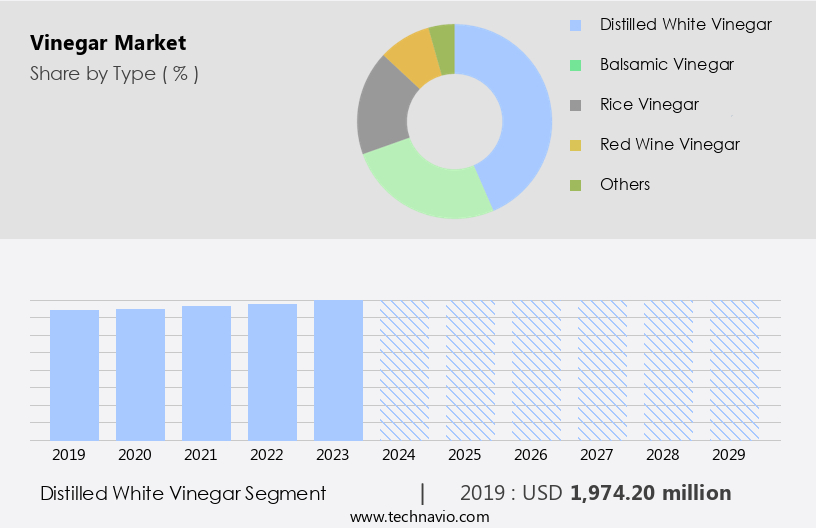
The Distilled white vinegar segment was valued at USD 1974.20 million in 2019 and showed a gradual increase during the forecast period.
Regional Analysis
APAC is estimated to contribute 28% to the growth of the global market during the forecast period.Technavio's analysts have elaborately explained the regional trends and drivers that shape the market during the forecast period.

The European the market is experiencing significant growth, fueled by culinary traditions, urbanization, e-commerce expansion, and sustainability initiatives. Vinegar, a long-standing ingredient in European cuisine, particularly in Mediterranean countries, is essential for dressings, marinades, sauces, and gourmet dishes. This cultural connection ensures a steady demand for premium vinegar products. Moreover, the increasing trend towards health-conscious and artisanal goods is driving innovation in vinegar flavors and formats, catering to the refined palates of European consumers. Urbanization plays a pivotal role in the regional the market, with more people opting for convenient, online shopping options. The market encompasses a wide range of vinegar types, including balsamic, wine, rice, apple cider, distilled, and malt vinegar, among others.
Vinegar's applications extend beyond the kitchen, with uses in cosmetics, pharmaceuticals, biofuels, plastics, textiles, and agriculture. Its versatility as a food flavoring agent, cleaning agent, and preservative further bolsters its market value. Stringent quality control measures and certifications ensure the production of high-quality vinegar, while ongoing research and innovation keep the market dynamic and evolving.
Market Dynamics
Our researchers analyzed the data with 2024 as the base year, along with the key drivers, trends, and challenges. A holistic analysis of drivers will help companies refine their marketing strategies to gain a competitive advantage.
The Global Vinegar Market is evolving rapidly, driven by growing consumer interest in health, sustainability, and culinary innovation. Products like organic apple cider vinegar and raw vinegar are gaining traction for their perceived health benefits, especially among consumers embracing plant-based diets. In parallel, balsamic vinegar for gourmet cooking and artisanal vinegar for retail are popular in premium culinary applications.
Widespread use of white vinegar in the food industry and vinegar for pickling supports steady demand in bulk and commercial segments. Non-GMO vinegar suppliers and eco-friendly vinegar packaging are rising in importance as sustainability takes center stage. Vinegar market trends highlight growth in flavored vinegars for foodservice, low-acidity products, and vinegar for cleaning solutions, while innovations in sustainable production methods and supply chain solutions continue to reshape the market.
What are the key market drivers leading to the rise in the adoption of Vinegar Industry?
- The significant rise in health consciousness serves as the primary catalyst for market growth. The market is experiencing growth due to increasing consumer health consciousness. Vinegar, particularly apple cider vinegar, is gaining popularity for its perceived health benefits, including aiding digestion, supporting weight management, enhancing skin health, and regulating blood sugar levels. Consumers are increasingly seeking natural alternatives to synthetic additives and overly processed foods, making vinegar an attractive option due to its clean-label status as a minimally processed food. Vinegar's versatility extends beyond health applications. In the food industry, it is used as a food flavoring and preservative, particularly in sauces, salads, and beverages. The ph level of vinegar makes it an effective acidity regulator, enhancing the taste and shelf life of various dishes.
- In cosmetics, vinegar's acidity and antibacterial properties make it a popular ingredient in skincare products. In agriculture, vinegar is used as a natural pesticide and fertilizer. Vinegar's concentration and color vary depending on the type, such as wine vinegar, which has a lighter color and milder taste compared to balsamic vinegar, which is darker and sweeter. The market's growth is driven by these diverse applications and the consumer trend towards natural and functional food and beverage options.
What are the market trends shaping the Vinegar Industry?
- The increasing preference for organic and natural vinegars signifies a notable market trend. This trend is driven by consumers' growing awareness and demand for healthier and more authentic food options.
- The market experiences significant growth due to the increasing demand for acetic acid and its derivatives in various industries. Vinegar's versatility extends beyond culinary applications, with uses in baking, pharmaceuticals, vinegar processing, and vinegar production for biofuels. In the realm of food, vinegar's texture and flavor enhance numerous dishes, making it an essential ingredient in cooking. Moreover, vinegar's role in innovation is evident in its application in plastics and biofuels industries. Quality control is a crucial aspect of vinegar production, ensuring consistency and adherence to regulations. Organic vinegars, such as rice vinegar, are gaining popularity due to consumer preferences for natural and non-GMO options.
- The vinegar extraction process preserves the product's natural qualities, appealing to health-conscious consumers. Apple cider vinegar, with its culinary and perceived health benefits, is a leading organic vinegar choice. The trend toward clean-label foods and transparent ingredient lists further fuels the demand for vinegar in various industries.
What challenges does the Vinegar Industry face during its growth?
- The growth of the industry is significantly impacted by the intense competition posed by substitute products. The market faces notable competition from substitute products, despite its diverse applications in culinary, cleaning, and health sectors. Vinegar's unique aroma and distinct taste contribute to its widespread use, but alternatives such as lemon juice, lime juice, citric acid, tamarind, and yogurt offer similar functionalities at potentially lower costs. In the culinary realm, these substitutes mimic vinegar's tart and tangy flavors, catering to consumers seeking affordability or convenience. For instance, lemon and lime juices are commonly used in various cuisines for their sour and tangy characteristics, while citric acid is a popular choice for adding acidity to food and beverages.
- In specific culinary traditions, tamarind and yogurt are employed for their sour and tangy profiles, making them viable alternatives to vinegar in Indian and Southeast Asian dishes. The competition from these substitutes necessitates a focus on vinegar's unique qualities, such as its viscosity, clarity, and various certifications, to maintain its market presence. Additionally, vinegar's sustainability and role in leather production and preservation further differentiate it from alternative products.
Exclusive Customer Landscape
The vinegar market forecasting report includes the adoption lifecycle of the market, covering from the innovator's stage to the laggard's stage. It focuses on adoption rates in different regions based on penetration. Furthermore, the vinegar market report also includes key purchase criteria and drivers of price sensitivity to help companies evaluate and develop their market growth analysis strategies.
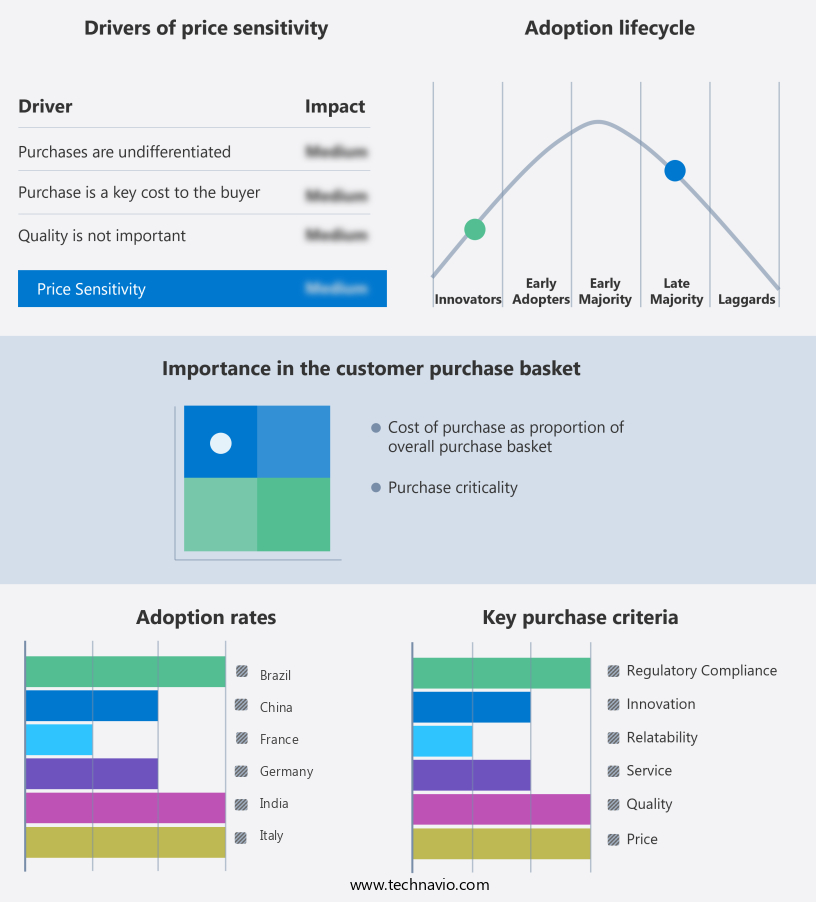
Customer Landscape
Key Companies & Market Insights
Companies are implementing various strategies, such as strategic alliances, vinegar market forecast, partnerships, mergers and acquisitions, geographical expansion, and product/service launches, to enhance their presence in the industry.
Acetum - The company specializes in a diverse range of vinegars, including Balsamic Vinegar of Modena (IGP), apple cider vinegar, and an array of flavored varieties. Each vinegar is meticulously sourced and produced to ensure the highest quality and authenticity. The Balsamic Vinegar of Modena (IGP) undergoes a traditional aging process, resulting in its rich, complex flavor.
The industry research and growth report includes detailed analyses of the competitive landscape of the market and information about key companies, including:
- Acetum
- Aspall
- Bragg Live Foods
- Burg Group
- Castelo Alimentos
- De Nigris
- Eden Foods
- Fleischmann's Vinegar
- Heinz
- Kraft Foods
- Kikkoman
- Mizkan
- Monari Federzoni
- Pompeian
- Reinhart Foods
- Spectrum Organics
- The Vinegar Factory
- Unilever
- Woeber's
- Ybarra
Qualitative and quantitative analysis of companies has been conducted to help clients understand the wider business environment as well as the strengths and weaknesses of key industry players. Data is qualitatively analyzed to categorize companies as pure play, category-focused, industry-focused, and diversified; it is quantitatively analyzed to categorize companies as dominant, leading, strong, tentative, and weak.
Recent Development and News in Vinegar Market
- In February 2024, PepsiCo, a leading global food and beverage company, announced the expansion of its Sabra Dipping Company brand into the vinegar category with the launch of Sabra Organic Vinegar. This new product line includes organic red wine, balsamic, apple cider, and rice vinegars, aiming to cater to the growing demand for organic and natural food products (PepsiCo Press Release, 2024).
- In September 2024, Heinz, a leading condiments company, acquired Sun-Maid Growers of California, a significant player in the market, for approximately USD400 million. This acquisition is expected to strengthen Heinz's position in the market and provide synergies through the combination of their respective product portfolios (Heinz Press Release, 2024).
- In March 2025, the European Commission approved the use of acetic acid derived from renewable sources as a food additive, providing a significant boost to the market. This approval is expected to encourage the production and consumption of vinegars produced through sustainable methods, contributing to the growth of the market in Europe (European Commission Press Release, 2025).
Research Analyst Overview
The market encompasses various aspects, including trade, handling, marketing, and distribution. Importers play a significant role in bringing vinegar blends from different origins to the US, catering to diverse consumer preferences. Vinegar pricing and demand are influenced by supply and technological advancements in vinegar production, storage, and transportation. Flavored vinegars have gained popularity due to their unique taste profiles, driving innovation in vinegar branding and advertising. Consumers increasingly seek vinegar alternatives for health benefits and dietary restrictions, leading to the emergence of vinegar substitutes. Vinegar nutritional value and health benefits have fueled its use in various industries, from food and beverage to pharmaceuticals.
Safety concerns related to vinegar handling and consumption are addressed through stringent regulations and industry best practices. Vinegar value lies in its versatility and wide application in various sectors. Specialty vinegars, such as balsamic and rice vinegar, cater to niche markets. The vinegar industry continues to evolve, with ongoing research in vinegar technology and distribution channels, including online sales. Vinegar consumption patterns reflect shifting trends, with an emphasis on convenience and sustainability. Retailers adapt to these trends by offering vinegar in various formats, such as bulk or individual bottles. Overall, the market remains dynamic, with constant innovation and adaptation to consumer needs and preferences.
Dive into Technavio's robust research methodology, blending expert interviews, extensive data synthesis, and validated models for unparalleled Vinegar Market insights. See full methodology.
|
Market Scope |
|
|
Report Coverage |
Details |
|
Page number |
227 |
|
Base year |
2024 |
|
Historic period |
2019-2023 |
|
Forecast period |
2025-2029 |
|
Growth momentum & CAGR |
Accelerate at a CAGR of 3% |
|
Market growth 2025-2029 |
USD 980.3 million |
|
Market structure |
Fragmented |
|
YoY growth 2024-2025(%) |
2.7 |
|
Key countries |
US, Germany, China, France, Brazil, Japan, Italy, India, UK, South Korea, Rest of World (ROW), Brazil, and UAE |
|
Competitive landscape |
Leading Companies, Market Positioning of Companies, Competitive Strategies, and Industry Risks |
What are the Key Data Covered in this Vinegar Market Research and Growth Report?
- CAGR of the Vinegar industry during the forecast period
- Detailed information on factors that will drive the growth and forecasting between 2025 and 2029
- Precise estimation of the size of the market and its contribution of the industry in focus to the parent market
- Accurate predictions about upcoming growth and trends and changes in consumer behaviour
- Growth of the market across Europe, North America, APAC, South America, and Middle East and Africa
- Thorough analysis of the market's competitive landscape and detailed information about companies
- Comprehensive analysis of factors that will challenge the vinegar market growth of industry companies
We can help! Our analysts can customize this vinegar market research report to meet your requirements.
 RIA -
RIA - 
