


Allergy Relieving Eye Drops Market Size 2024-2028
The allergy relieving eye drops market size is forecast to increase by USD 373.2 million at a CAGR of 4.5% between 2023 and 2028.
- The market is witnessing significant growth due to several key factors. The high prevalence and incidence of eye infections continue to drive market demand. Additionally, the increasing adoption of generic eye drops is contributing to market growth. However, the market is also facing challenges such as the side effects associated with antibiotics commonly used in drops. These side effects include allergic reactions, stinging, and burning sensation in the eyes. Despite these challenges, the market is expected to continue its growth trajectory, driven by the increasing awareness and demand for effective allergy relief solutions. The market trends and analysis report provides a comprehensive overview of these factors and more, offering valuable insights for stakeholders in the allergy relieving drops industry.
What will be the Size of the Allergy Relieving Eye Drops Market During the Forecast Period?

- The market caters to individuals experiencing itching and discomfort In their eyes due to allergic conjunctivitis. This medical condition, characterized by inflammation, itchiness, and redness, can be triggered by various allergens such as pollen, contact lenses, or certain medications. Antihistamines and mast cell stabilizers are common active ingredients in over-the-counter allergy relieving drops, providing relief from symptoms like itching, redness, and vision impairment. Ketotifen, a non-drowsy mast cell stabilizer, is also available in prescription strength. Allergic reactions can manifest as pink or red eyes, which may be contagious in cases of viral or bacterial conjunctivitis. Symptoms may worsen during pollen seasons or with prolonged exposure to allergens.
- While allergy relieving drops can offer temporary relief, medical help should be sought for persistent or severe symptoms. Eye ointments and artificial tears are alternative options for eye care, with antibacterial properties in some cases. Dosage instructions should be followed carefully to ensure effectiveness and avoid potential side effects. It is essential to distinguish between allergic and non-allergic causes of eye irritation, as treatment approaches differ.
How is this Allergy Relieving Eye Drops Industry segmented and which is the largest segment?
The allergy relieving eye drops industry research report provides comprehensive data (region-wise segment analysis), with forecasts and estimates in "USD million" for the period 2024-2028, as well as historical data from 2018-2022 for the following segments.
- Product
- Antihistamines
- Non-steroidal anti-Inflammatory drugs
- Vasoconstrictors
- Others
- Geography
- North America
- Canada
- US
- Europe
- Germany
- UK
- Asia
- China
- Rest of World (ROW)
- North America
By Product Insights
- The antihistamines segment is estimated to witness significant growth during the forecast period.
The market is primarily driven by the antihistamines segment due to its effectiveness in treating allergic conjunctivitis, a medical condition that causes itching, redness, and inflammation In the eyes. With the increasing prevalence of allergies and growing awareness of eye health, the demand for antihistamine-based drops is projected to increase significantly. Antihistamines function by inhibiting histamine release at H1 receptors, thereby alleviating symptoms such as itching, redness, swelling, and excessive tearing. Allergic reactions can be caused by various factors including pollen, environmental irritants, hormonal changes, and contact lenses. Other components of the market include mast cell stabilizers, corticosteroids, decongestant drops, and anti-inflammatory drops.
Symptoms of allergic conjunctivitis can also include pink or red eyes, burning sensations, stinging, and vision impairment. In cases of viral or bacterial conjunctivitis, medical help may be required, and nonprescription drops may not be effective. It is important to note that some drops, such as those containing decongestants or steroids, may not be suitable for individuals wearing contact lenses. Eye ointments and warm compresses may also be recommended for certain conditions. If you experience symptoms of allergic conjunctivitis, it is recommended to consult a healthcare professional for medical advice.
Get a glance at the market report of share of various segments Request Free Sample
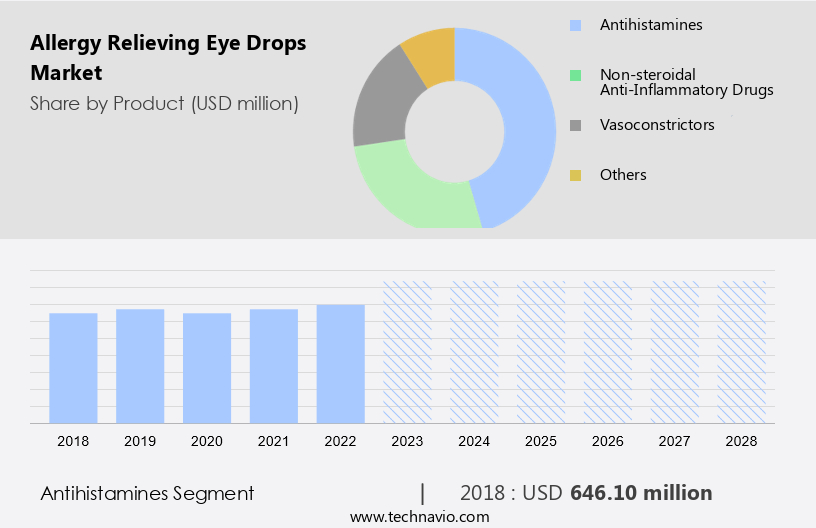
The antihistamines segment was valued at USD 646.10 million in 2018 and showed a gradual increase during the forecast period.
Regional Analysis
- North America is estimated to contribute 48% to the growth of the global market during the forecast period.
Technavio's analysts have elaborately explained the regional trends and drivers that shape the market during the forecast period.

For more insights on the market size of various regions, Request Free Sample
The market in North America holds the largest share due to increased R&D investments by pharmaceutical companies and a well-established regulatory framework for drug approvals. Approximately six million Americans are diagnosed with acute conjunctivitis annually. Allergy relieving drops are essential for managing symptoms of allergic conjunctivitis, including itching, redness, and inflammation. These drops contain various active ingredients, such as antihistamines, mast cell stabilizers, and anti-inflammatory agents. Over-the-counter options include ketotifen and artificial tears, while prescription drops may include corticosteroids, antibacterial, and anti-inflammatory agents.
Allergic reactions can also be caused by contact lenses, pollen season, viral or bacterial conjunctivitis, environmental irritants, autoimmune diseases, hormonal changes, and vitamin A deficiency. Symptoms may include itchiness, stinging, burning sensations, and vision impairment. Severe cases may require warm compresses, oral antibiotics, or prescription medications. It is crucial to consult medical help for proper diagnosis and treatment.
Market Dynamics
Our researchers analyzed the data with 2023 as the base year, along with the key drivers, trends, and challenges. A holistic analysis of drivers will help companies refine their marketing strategies to gain a competitive advantage.
What are the key market drivers leading to the rise In the adoption of Allergy Relieving Eye Drops Industry?
The high prevalence and incidence of eye infections is the key driver of the market.
- Allergic conjunctivitis, a medical condition characterized by itching, inflammation, and redness In the eyes, affects millions of individuals each year. Ketotifen and antihistamine drops are popular nonprescription medications used to alleviate symptoms such as itchiness, stinging, and burning sensations. Mast cell stabilizers, including antihistamines and corticosteroids, are effective in preventing allergic reactions. However, it's essential to follow the correct dosage instructions to avoid complications, especially when using prescription drops. Contact lenses and eye ointments can exacerbate symptoms, making it crucial to maintain proper eye hygiene. Allergic reactions can also be caused by environmental irritants, autoimmune diseases, hormonal changes, and vitamin A deficiency.
- Symptoms like pink eye, red eye, and conjunctivitis can be contagious, making it essential to seek medical help if symptoms persist. Artificial tears can provide relief for individuals experiencing dry eye symptoms. Topical antihistamines, anti-inflammatory drops, steroid drops, and decongestant drops are also available over-the-counter to manage various eye conditions. Besides allergic reactions, other causes of eye infections include bacterial and viral conjunctivitis, giant papillary conjunctivitis, and blepharitis. Warm compresses, oral antibiotics, and antibacterial drops may be necessary for treatment. In summary, understanding the various causes and treatments for eye infections is crucial for maintaining optimal eye health.
What are the market trends shaping the Allergy Relieving Eye Drops Industry?
The growing adoption of generics is the upcoming market trend.
- Allergic conjunctivitis, a medical condition characterized by itching, inflammation, and redness In the eyes, affects millions of Americans during pollen seasons and other allergic reactions. Over-the-counter (OTC) allergy relieving drops offer relief from symptoms such as itchiness, stinging, and burning sensations. These drops contain various active ingredients, including antihistamines, mast cell stabilizers, and anti-inflammatory agents. Ketotifen, a commonly used mast cell stabilizer, works by preventing the release of histamines, thereby reducing symptoms. Antihistamine drops, such as diphenhydramine and azelastine, provide relief from itching and redness. Mast cell stabilizers, like olopatadine and ketotifen, prevent the release of histamines and reduce inflammation.
- Decongestant drops, like tetrahydrozoline and brimonidine, help reduce redness by constricting blood vessels in the eyes. Prescription drops, such as corticosteroids and antibiotics, are used for more severe cases of allergic conjunctivitis or other eye conditions like bacterial or viral conjunctivitis, giant papillary conjunctivitis, or dry eye. Artificial tears and warm compresses can also provide relief for dry eyes and mild cases of conjunctivitis. It is essential to follow the recommended dosage instructions and consult medical help if symptoms persist or worsen. Contact lenses users should remove them before using drops, and wait for a specified time before reinserting them.
- Eye ointments are not recommended for use with contact lenses. It is crucial to distinguish between allergic conjunctivitis and other conditions like viral or bacterial conjunctivitis, which are contagious and require different treatments. Environmental irritants, autoimmune diseases, hormonal changes, and vitamin A deficiency can also cause eye symptoms. Prescription medications, OTC drops, and home remedies can provide relief for various eye conditions. Always consult a healthcare professional for proper diagnosis and treatment.
What challenges does the Allergy Relieving Eye Drops Industry face during its growth?
Side effects associated with antibiotics is a key challenge affecting the industry growth.
- Allergic conjunctivitis, a medical condition characterized by itching, inflammation, and redness In the eyes, is a common complaint during pollen season and other allergic reactions. Over-the-counter (OTC) allergy relieving drops are popular choices for managing symptoms such as itchiness, stinging, and burning sensations. These drops contain active ingredients like antihistamines, mast cell stabilizers, and anti-inflammatory agents. Ketotifen, a common mast cell stabilizer, and antihistamines like diphenhydramine are effective in reducing itchiness and inflammation. However, it is essential to follow the recommended dosage instructions to avoid potential side effects, such as dryness, blurred vision, and temporary redness. Contact lens wearers should be cautious when using drops, as they may affect vision and interact with the lenses.
- Eye ointments are not recommended for use with contact lenses. Allergic reactions can also manifest as pink eye, which is contagious and may require medical help. Viral and bacterial conjunctivitis, two common causes of pink eye, may require prescription drops, antibiotics, or warm compresses. OTC drops can provide relief for symptoms like itchiness and inflammation, but they may not be effective against bacterial or viral infections. Artificial tears and decongestant drops are other types of OTC drops that can provide relief for dry eyes, environmental irritants, hormonal changes, vitamin A deficiency, and eye strain.
- Prescription medications, such as corticosteroids and antibiotics, may be necessary for more severe cases of allergic reactions or bacterial infections. It is important to note that some drops may cause side effects like dryness, stinging, and burning sensations. If symptoms persist or worsen, it is advisable to consult a healthcare professional for medical advice. Environmental irritants, autoimmune diseases, and hormonal changes can also contribute to eye discomfort and require medical attention.
Exclusive Customer Landscape
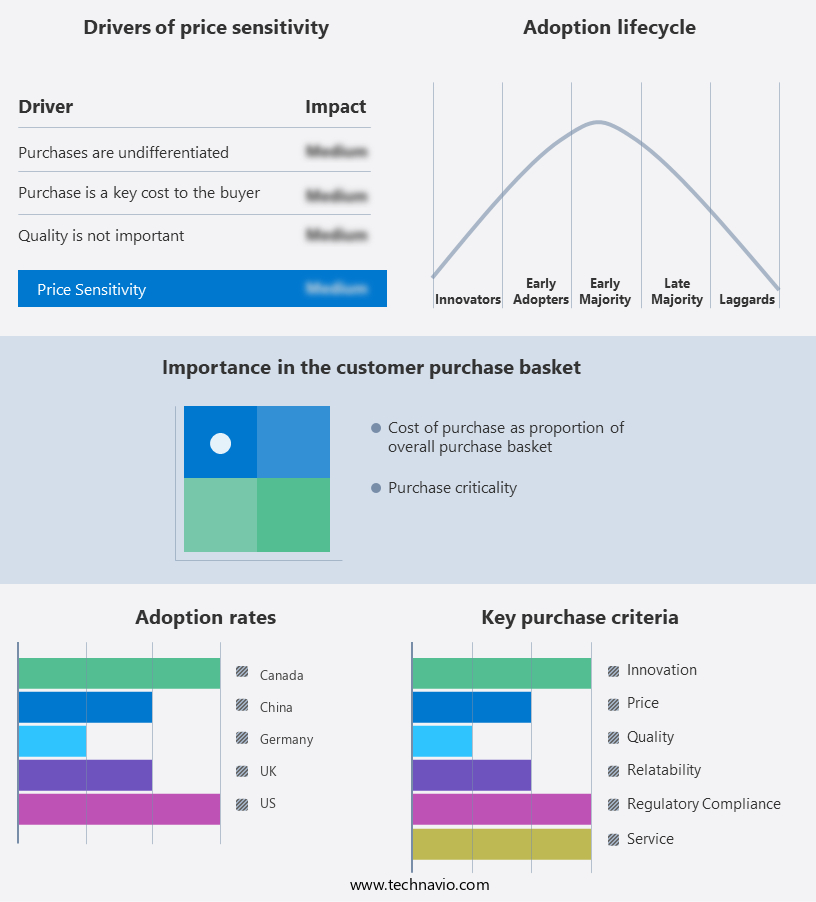
The allergy relieving drops market forecasting report includes the adoption lifecycle of the market, covering from the innovator's stage to the laggard's stage. It focuses on adoption rates in different regions based on penetration. Furthermore, the allergy relieving drops market report also includes key purchase criteria and drivers of price sensitivity to help companies evaluate and develop their market growth analysis strategies.
Customer Landscape
Key Companies & Market Insights
Companies are implementing various strategies, such as strategic alliances, allergy relieving eye drops market forecast, partnerships, mergers and acquisitions, geographical expansion, and product/service launches, to enhance their presence In the industry.
The industry research and growth report includes detailed analyses of the competitive landscape of the market and information about key companies, including:
- AbbVie Inc.
- Astellas Pharma Inc.
- Bausch Health Companies Inc.
- Dr Reddys Laboratories Ltd.
- Johnson and Johnson Services Inc.
- Lupin Ltd.
- Nicox S.A.
- Novartis AG
- Ocular Therapeutix Inc
- Pfizer Inc.
- Prestige Consumer Healthcare Inc.
- ROHTO Pharmaceutical Co. Ltd
- Rynel Clifton Pharma Pvt. Ltd.
- Santen Pharmaceutical Co. Ltd.
- Similasan Corp. USA
- Starpharma Holdings Ltd
- Sumitomo Pharma Co. Ltd.
- Sun Pharmaceutical Industries Ltd.
- Teva Pharmaceutical Industries Ltd.
Qualitative and quantitative analysis of companies has been conducted to help clients understand the wider business environment as well as the strengths and weaknesses of key industry players. Data is qualitatively analyzed to categorize companies as pure play, category-focused, industry-focused, and diversified; it is quantitatively analyzed to categorize companies as dominant, leading, strong, tentative, and weak.
Research Analyst Overview
Allergies affecting the eyes, also known as allergic conjunctivitis, can cause a range of uncomfortable symptoms. These symptoms include itching, redness, and inflammation of the eyes. Allergens, such as pollen, dust, or animal dander, can trigger these reactions. Allergic conjunctivitis can be managed with various types of eye drops. Two common categories of these drops are antihistamines and mast cell stabilizers. Antihistamines work by blocking the effects of histamines, which are chemicals released during an allergic reaction. Mast cell stabilizers, on the other hand, prevent the release of histamines and other inflammatory substances. Ketotifen is an example of a mast cell stabilizer used in eye drops.
Further, these drops are available both over-the-counter (OTC) and by prescription. The dosage varies depending on the specific product and individual needs. Allergic reactions can also lead to other symptoms, such as contact lens intolerance, pink or red eyes, and vision disturbances. In some cases, eye ointments or artificial tears may be recommended to provide additional relief. It is essential to note that some eye drops, such as decongestant eye drops and topical antihistamines, can have side effects and may not be suitable for long-term use. Corticosteroid eye drops, while effective in reducing inflammation, carry the risk of side effects and should only be used under medical supervision.
Allergic conjunctivitis can be caused by various factors, including environmental irritants, autoimmune diseases, hormonal changes, and vitamin A deficiency. In some cases, viral or bacterial infections can also cause symptoms similar to allergic conjunctivitis. Symptoms of allergic conjunctivitis can range from mild to severe. Mild cases may be managed with OTC eye drops, while more severe cases may require prescription medications. In some instances, warm compresses or oral antibiotics may be necessary to treat bacterial infections. It is important to remember that eye drops are not a substitute for medical help. If symptoms persist or worsen, individuals should consult a healthcare professional for proper diagnosis and treatment.
|
Market Scope |
|
|
Report Coverage |
Details |
|
Page number |
141 |
|
Base year |
2023 |
|
Historic period |
2018-2022 |
|
Forecast period |
2024-2028 |
|
Growth momentum & CAGR |
Accelerate at a CAGR of 4.5% |
|
Market Growth 2024-2028 |
USD 373.2 million |
|
Market structure |
Fragmented |
|
YoY growth 2023-2024(%) |
4.23 |
|
Key countries |
US, Germany, UK, Canada, and China |
|
Competitive landscape |
Leading Companies, Market Positioning of Companies, Competitive Strategies, and Industry Risks |
What are the Key Data Covered in this Allergy Relieving Eye Drops Market Research and Growth Report?
- CAGR of the Allergy Relieving Eye Drops industry during the forecast period
- Detailed information on factors that will drive the market growth and forecasting between 2024 and 2028
- Precise estimation of the size of the market and its contribution of the industry in focus to the parent market
- Accurate predictions about upcoming growth and trends and changes in consumer behaviour
- Growth of the market across North America, Europe, Asia, and Rest of World (ROW)
- Thorough analysis of the market's competitive landscape and detailed information about companies
- Comprehensive analysis of factors that will challenge the allergy relieving eye drops market growth of industry companies
We can help! Our analysts can customize this allergy relieving eye drops market research report to meet your requirements.
 RIA -
RIA - 
